Seasoned travel advisor Amanda Klimak ventured to the Arctic aboard Quark Expeditions and returned not just dazzled by wildlife, but quietly transformed by a destination that humbles you with its beauty and haunts you with its history.
At a Glance
Svalbard Arctic expeditions offer daily zodiac excursions to remote islands where travelers encounter walruses, beluga whales, and polar bears across tundra landscapes. The journey reveals both Arctic wildlife and sobering history—former whaling settlements and the Svalbard Global Seed Vault—requiring moderate mobility but accessible to multi-generational families with proper layered clothing.
She had been to Antarctica. She had stood on the ice at the bottom of the world, sailed with Lindblad Expeditions, and watched glaciers calve into the Southern Ocean. Amanda Klimak thought she had a reasonable sense of what the polar regions could offer. Then she saw the walruses.
On a rocky Arctic beach in the Svalbard archipelago, somewhere north of everything most people will ever see, Klimak came face to face with an animal she had quietly hoped for but never quite let herself expect. The creatures were enormous, draped across the shore in colonies, their bodies pressing together in the indifferent way of animals who have never had reason to fear. Klimak describes the moment with a mix of awe and almost childlike delight: "Seeing them on the beach in their colony was just amazing, and especially considering they could be 1,000, 2,000 pounds. The sheer size was overwhelming, but when they get in the water and they're bobbing and swimming, they really are so cute."
That tension, between the walrus's almost absurd mass on land and its surprising grace in the sea, turned out to be the perfect metaphor for the entire trip. The Arctic, Klimak discovered, is a destination that constantly defies what you think you know.
A Journey That Begins in Helsinki and Ends at the Edge of the North Pole
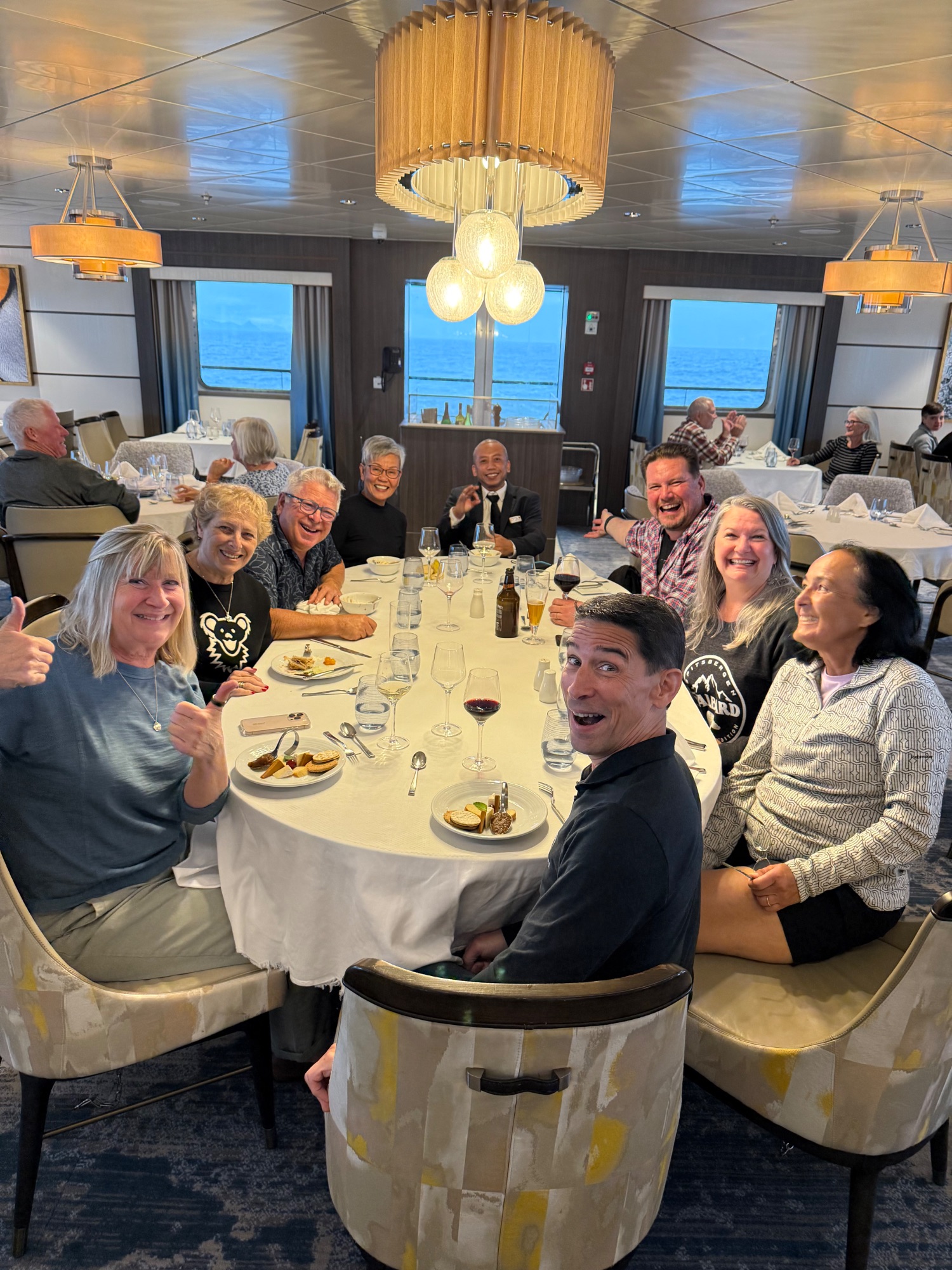
The expedition began in Helsinki, Finland, where Klimak and her fellow travelers boarded a charter flight north to Longyearbyen, Svalbard, the remote Norwegian archipelago that served as the ship's departure point. From there, Quark Expeditions took over, and the vessel, which she describes as beautiful, comfortable, and equipped with excellent public spaces, became home for the journey ahead. The naturalists on board were knowledgeable, and the food, she notes with genuine appreciation, was "really, really good considering where we were in the world."
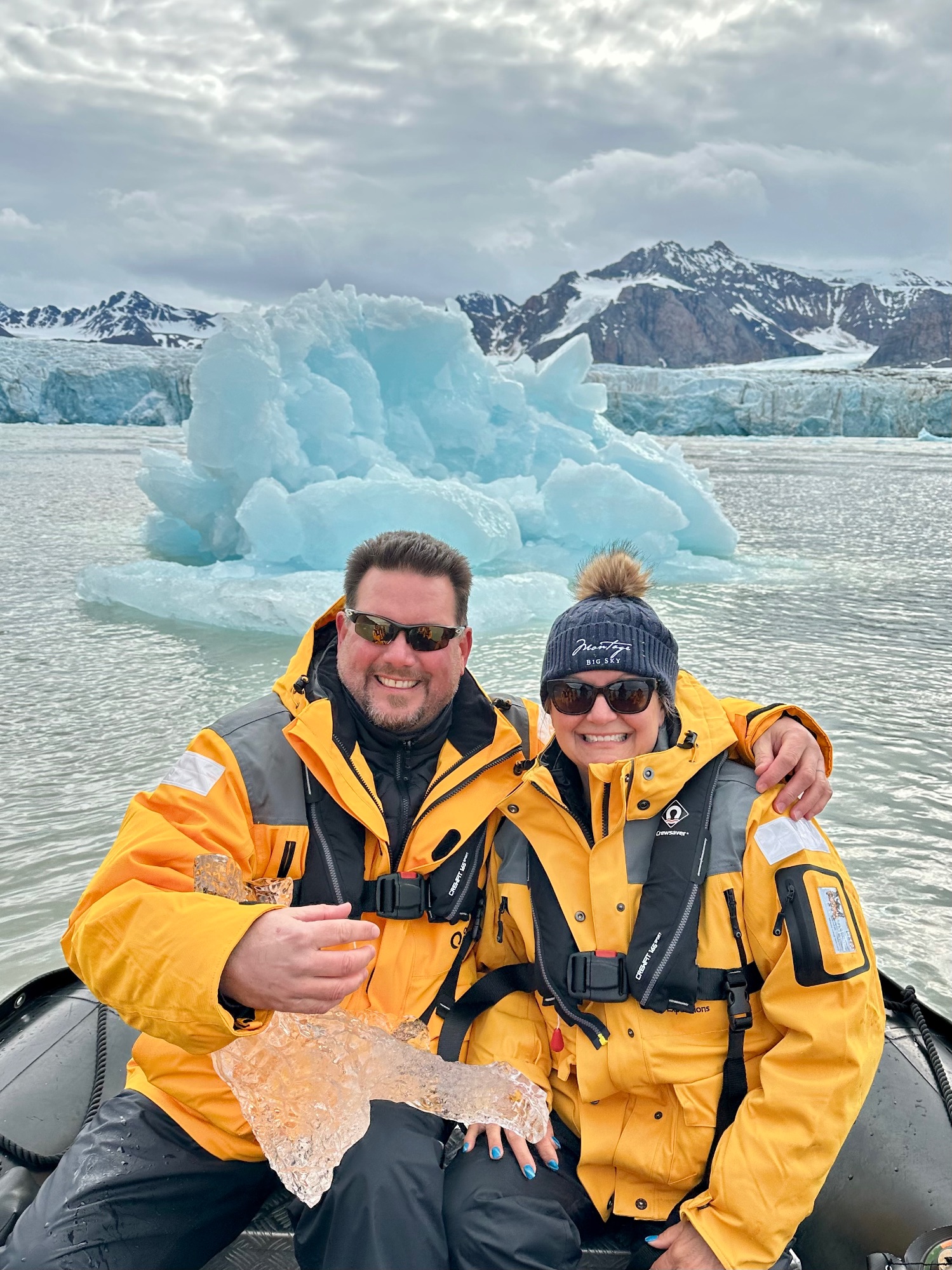
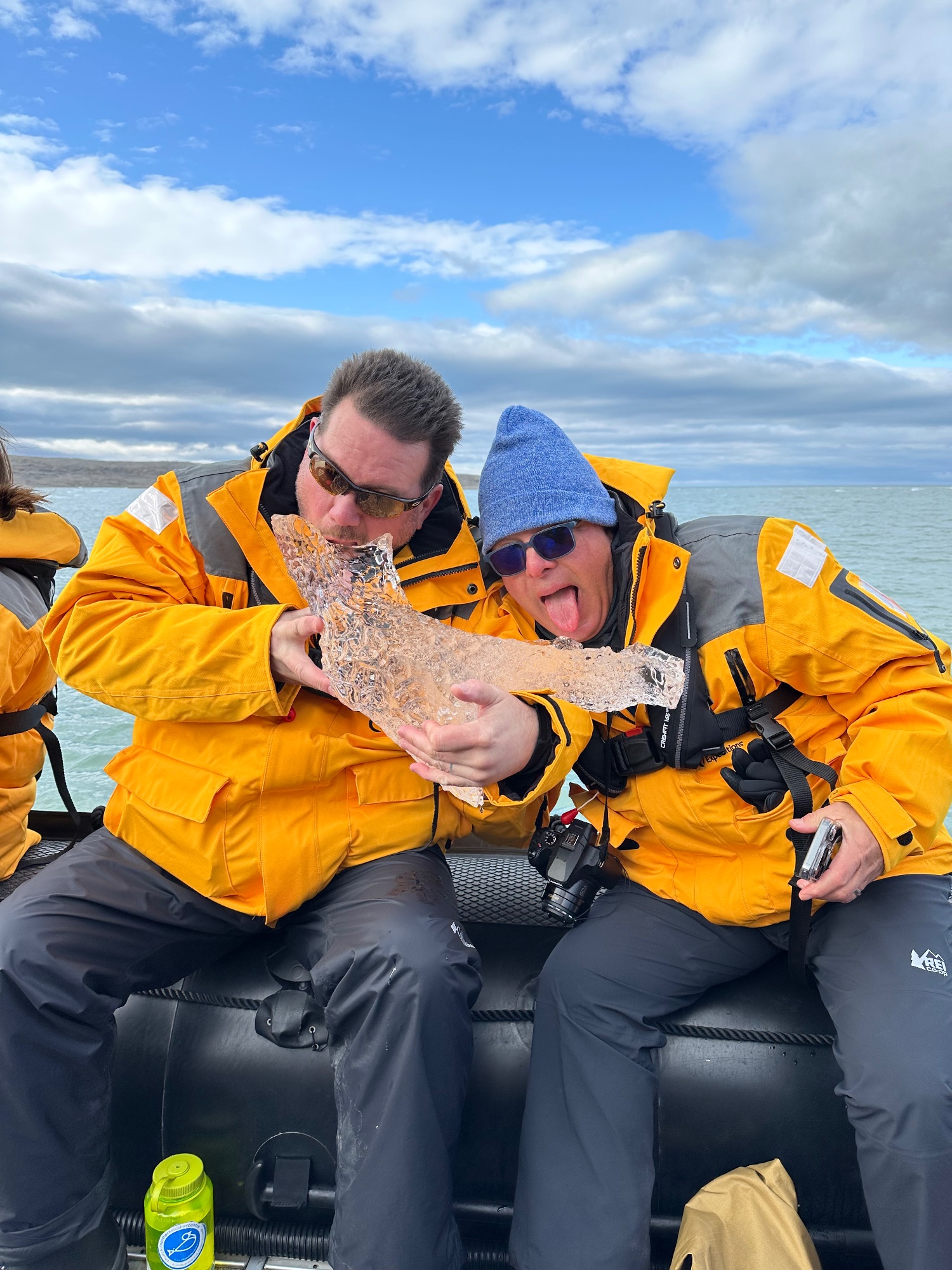
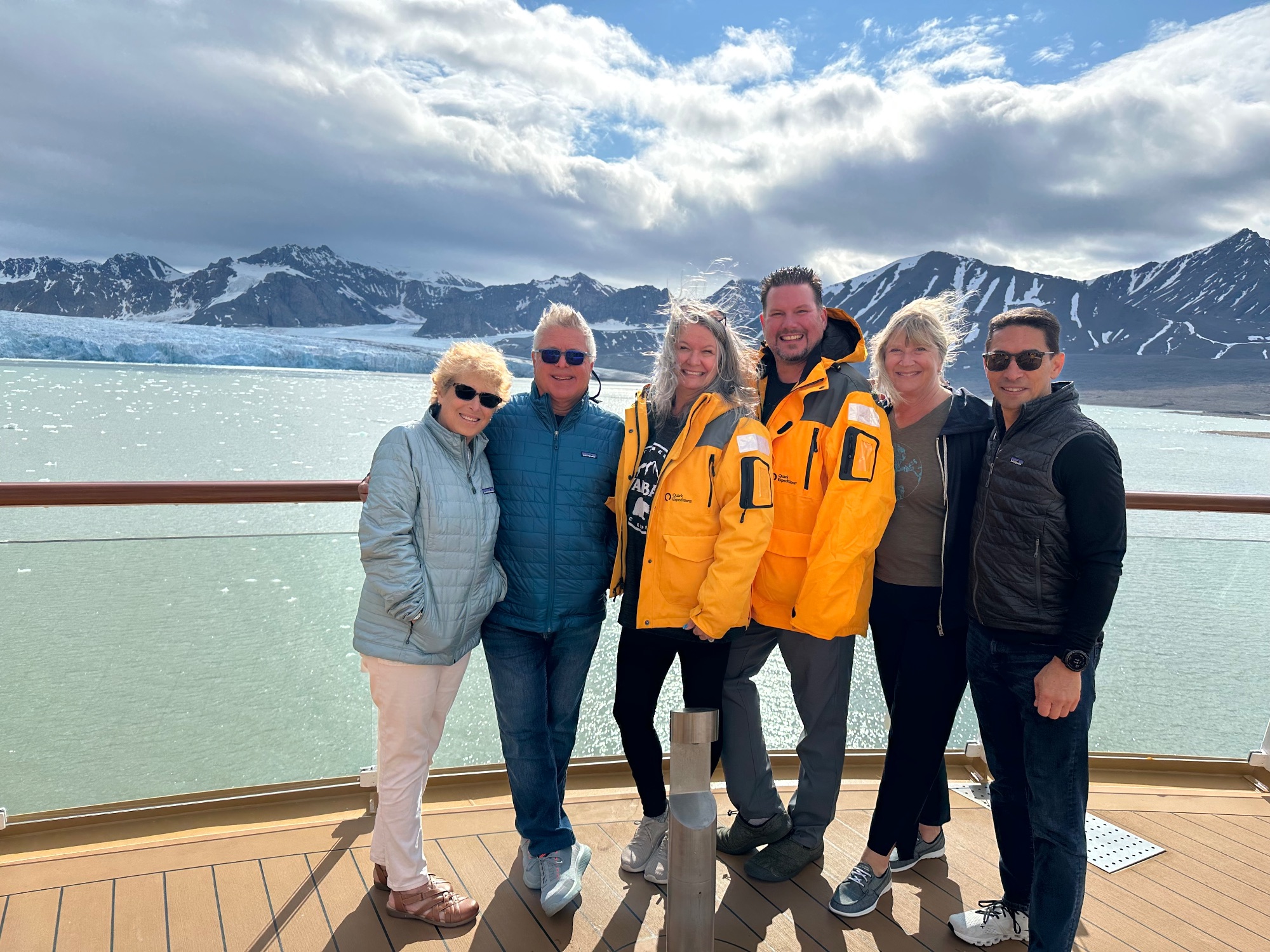
Each day, passengers climbed into zodiacs and made their way ashore to different islands, hiking across tundra, scanning the horizon for wildlife, and stepping into a landscape that felt genuinely untouched. For Klimak, the daily rhythm of ship to shore and back again was something she had not fully anticipated. "I didn't realize there would be so much to see," she says, "and the fact that you can get off the ship every day on these different islands and hike was really something I didn't realize would be the case."
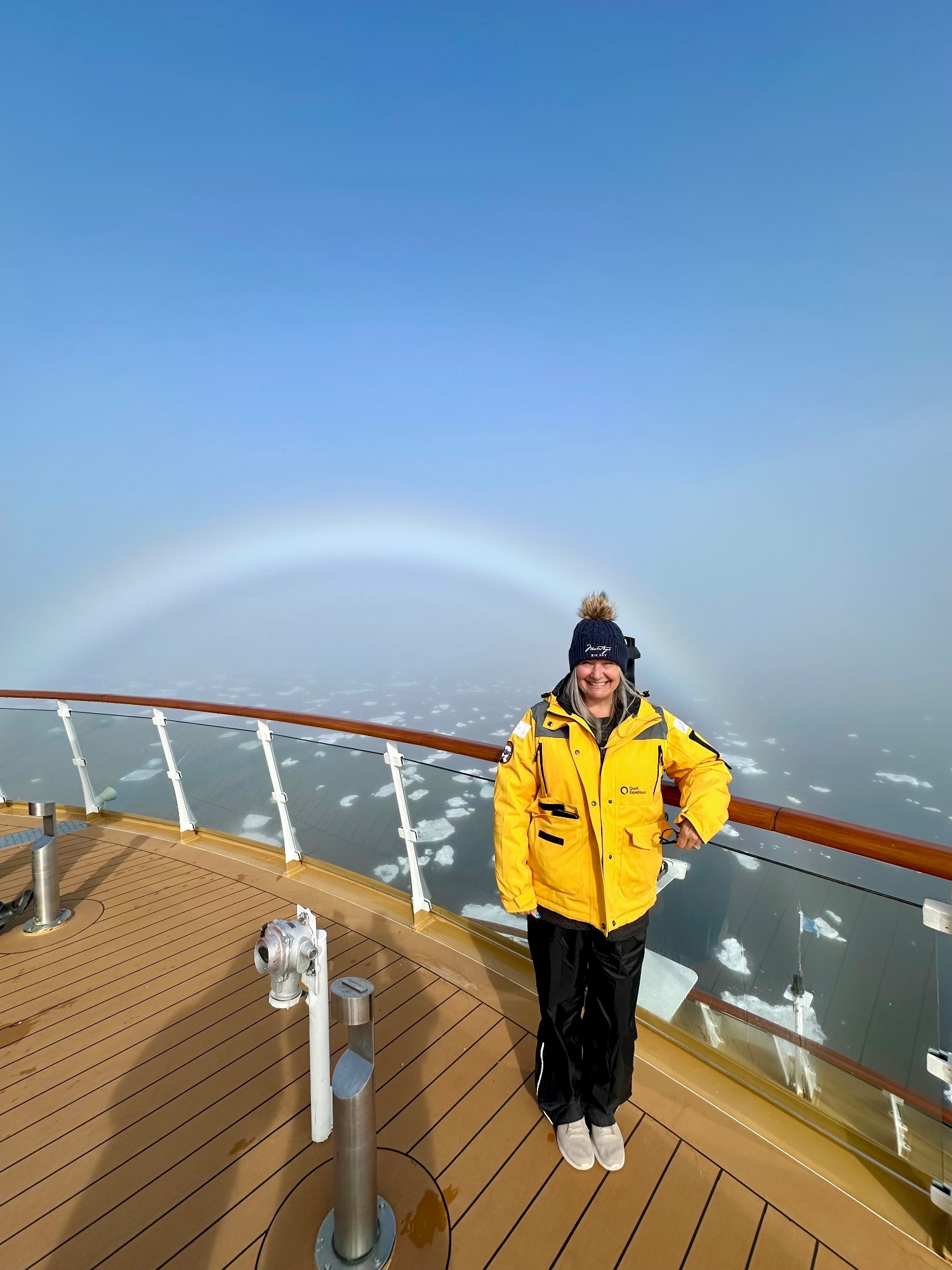
Beyond the walruses, the wildlife encounters accumulated into something extraordinary. Polar bears appeared on distant ridgelines, observed respectfully from a safe remove. And then there were the beluga whales, a creature Klimak had not even factored into her expectations. Pods of them materialized in the water alongside the ship, pale and round-headed, drifting through the cold sea. She recalls them with vivid affection: "We saw pods of whales, these big marshmallow-headed whales that were just bobbing in the water and swimming along. And I think that was really some of the best parts of the trip." The ship eventually pressed north toward the top of the world, close enough to the North Pole that the landscape reduced itself to something elemental and staggering. "Going up to almost the North Pole was just really crazy," Klimak says, "and realizing that it is literally a vast sheet of ice. That was just such a difference from the trip to Antarctica."
The History No Brochure Prepares You For
If the wildlife delivered wonder, the history delivered something harder to name. As the expedition moved through bays and inlets, the naturalists began filling in the silences, and what Klimak heard changed the way she saw everything around her.
These waters, calm and often empty, had once been thick with life. The whaling industry had come through centuries ago, systematic and devastating, stripping the seas of hundreds upon hundreds of whales. On the shores, ruins remained. Former whaling settlements, places that had functioned as real communities with year-round residents, now stood as silent outlines against the tundra. Klimak found herself absorbing the scale of it. "The bays and the inlets that we were seeing, which sometimes had no wildlife in them, used to be filled with hundreds of whales," she reflects. "I think it surprised me when they would tell us the history and we would see these ruins that used to be whaling communities, that were literal cities." She describes the realization as eye-opening, a visceral lesson in how quickly and completely human ambition can hollow out a living world.
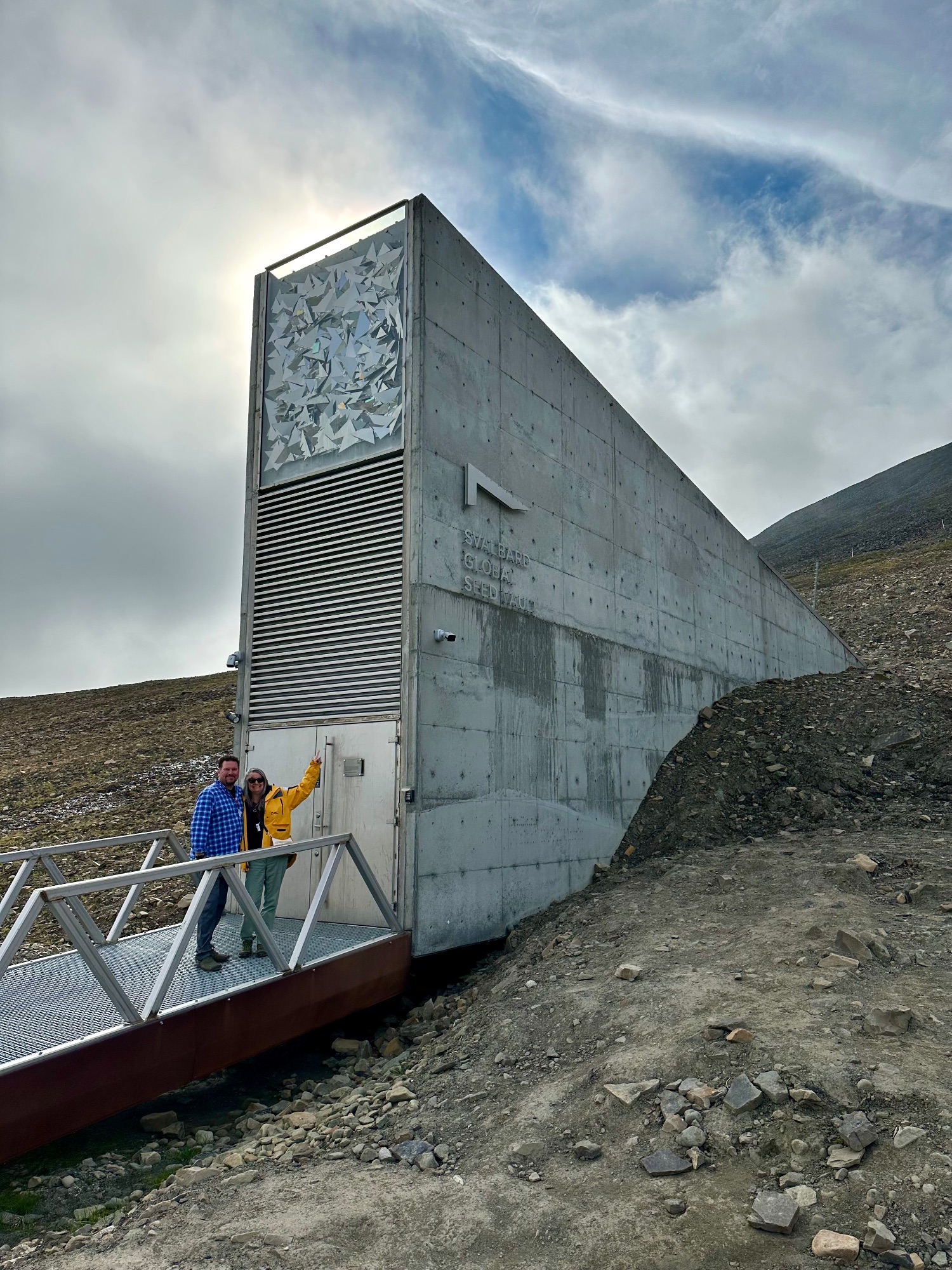
The sense of human impact continued onshore in Longyearbyen itself, where contemporary life in the archipelago carries its own striking details. Klimak learned that local residents are required to carry rifles whenever they venture outside town, a precaution against the very real possibility of a polar bear encounter. "The fact that the local residents have to carry rifles in order to walk around because at any moment they could encounter a polar bear was really striking to me," she says. The expedition also included a visit to the Svalbard Global Seed Vault, the underground repository that holds samples of plant seeds from around the planet, a quiet, almost sci-fi monument to the idea that the world might one day need to start over.
Who Belongs on This Trip, and How to Do It Right
Klimak is precise about who will thrive on an Arctic expedition and who might struggle. The zodiacs require a confident step, and the daily shore excursions involve uneven terrain. Travelers with significant mobility challenges would find the experience limited, though she notes that the ship itself offers enough, with wildlife visible from the deck and programming that does not require going ashore. But for anyone who can manage short walks on rocky ground and climb in and out of a small boat, the trip opens up considerably. Each shore day offered both a longer hike and a shorter option, and she points out that multi-generational families could genuinely make it work, with less mobile grandparents or parents participating fully from the ship while others explore on land.
The adventure-seeker label, she is clear, does not apply as a prerequisite. "I think the lesson that I would take on this is that you don't have to be a super athlete or a crazy adventurer to take these trips," she says, adding that children as young as eight or nine who are curious and engaged would likely love it.
On the practical side, Klimak offers advice that only comes from being there. Booking through a supplier that handles transfers in and out of Svalbard matters more than travelers tend to realize. Packing, she insists, should lean heavily toward layers rather than volume, because Arctic summer days can surprise you with genuine warmth. "There were many days when I was taking my parka off, taking my fleece off, taking my long-sleeve shirt off in order to just hike," she recalls. The sun at those latitudes is strong even when the air is cool, and comfort depends entirely on the ability to adjust on the move.
The Advisor Who Has Been to Both Poles
What makes Klimak's perspective genuinely rare is not simply that she has been to the Arctic. It is that she has been to both ends of the earth, Antarctica with Lindblad Expeditions and the Arctic with Quark, and she can speak to the differences with the kind of authority that comes only from lived experience. The two expedition lines each have strengths, she explains, and neither is the default right answer for every client. Price points differ, as do certain aspects of the experience and the onboard culture. The advisor's job, as she sees it, is to understand the client well enough to know which is the better fit. "Advisors need to know that neither is a good choice or a bad choice for your client," she says. "Understanding your client and what's important to them, understanding their budget, and being able to make a recommendation that they're comfortable with financially, and then being able to understand the nuances, those are really important things for an advisor to know."
It is the kind of knowledge that cannot be assembled from brochures or destination guides. It accumulates slowly, through boarding passes and zodiac rides and afternoons standing on tundra, watching a colony of walruses ease themselves into the sea.
Klimak is already looking ahead. This fall, she heads to Japan for the first time, attending the Virtuoso Chairman's event and adding another destination to the firsthand map she keeps building. "I loved my past travels in Asia," she says, "and Japan is very popular right now. I'm excited to go and experience it myself." For her clients, that curiosity is not incidental. It is the whole point.