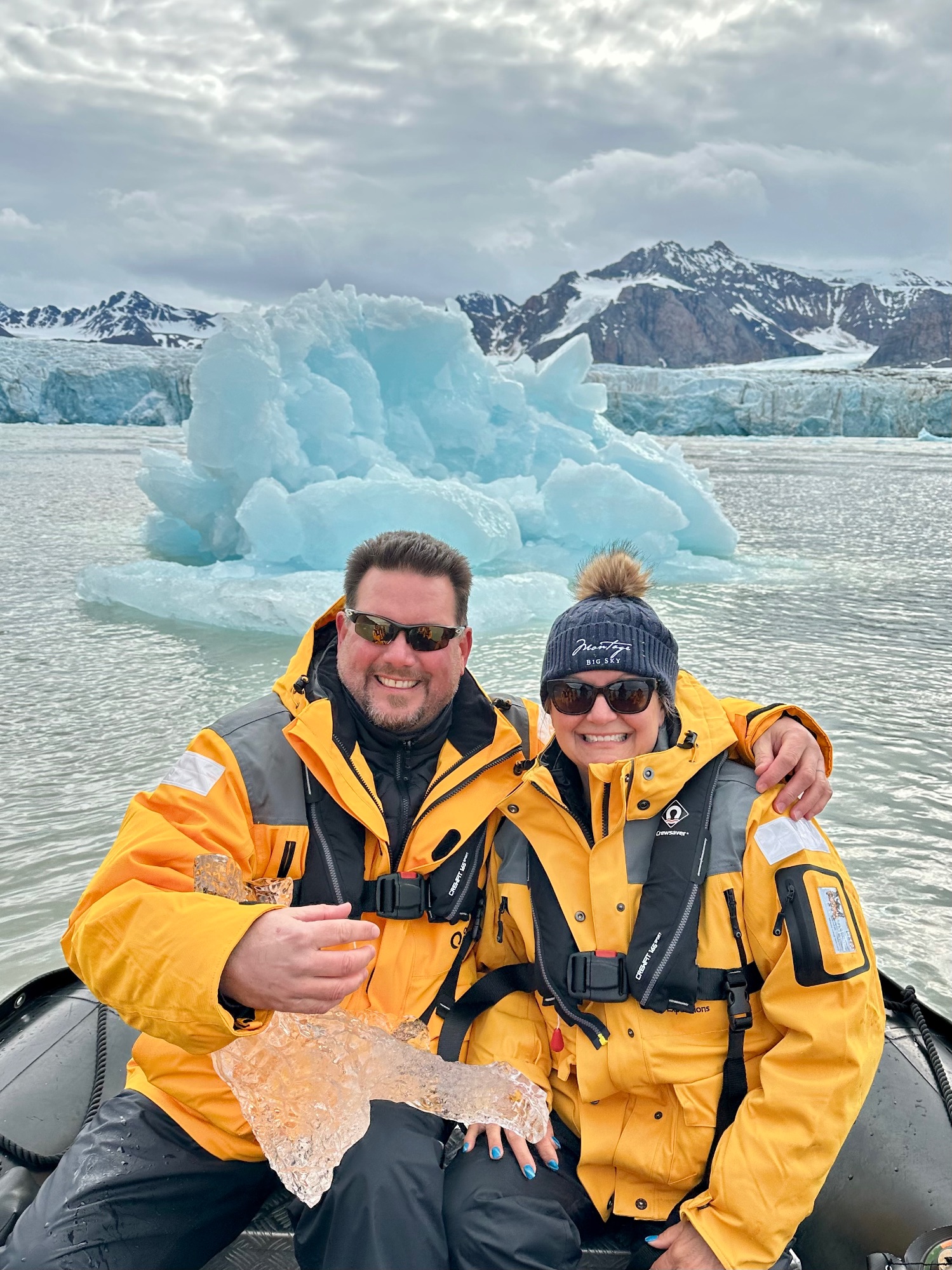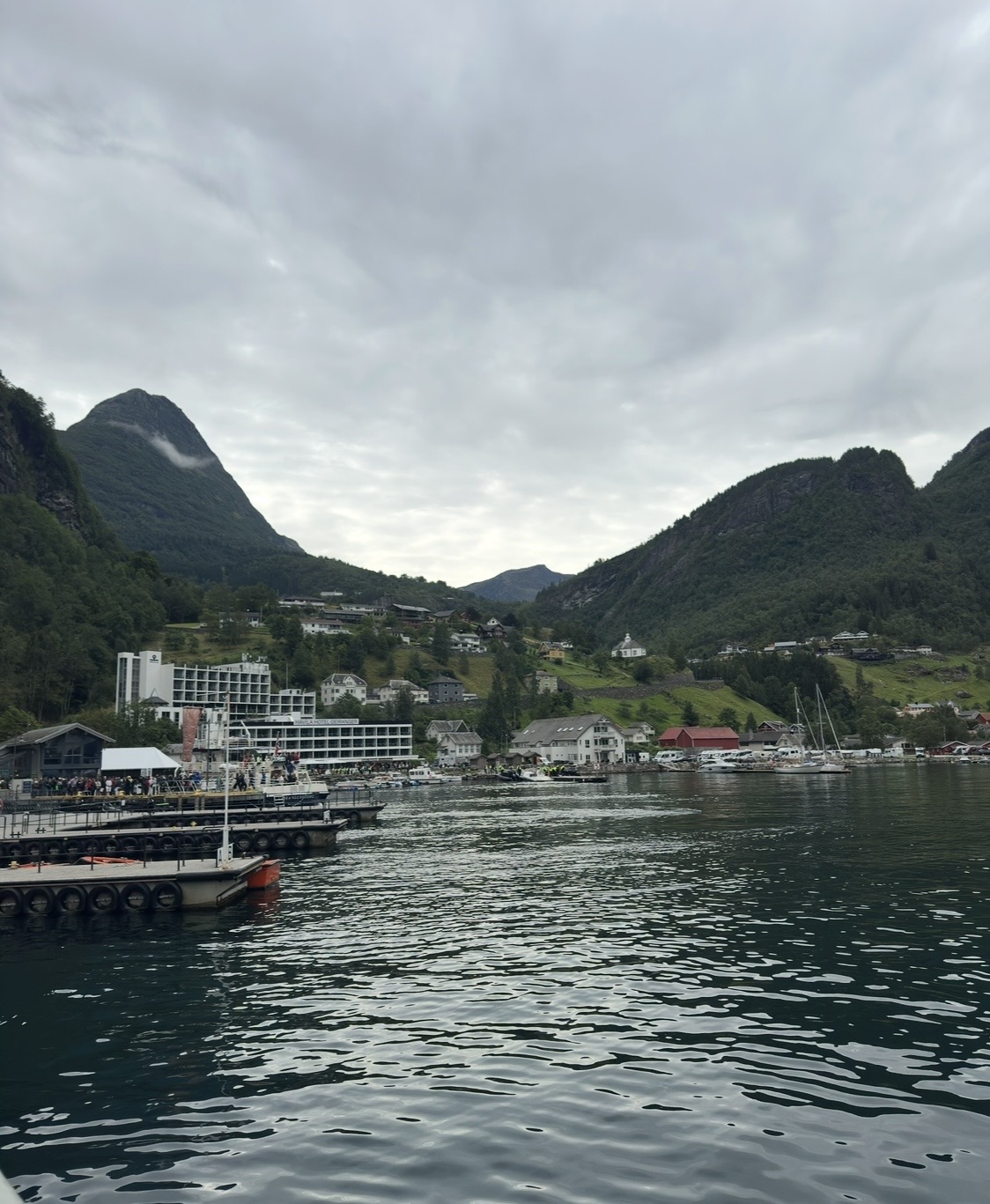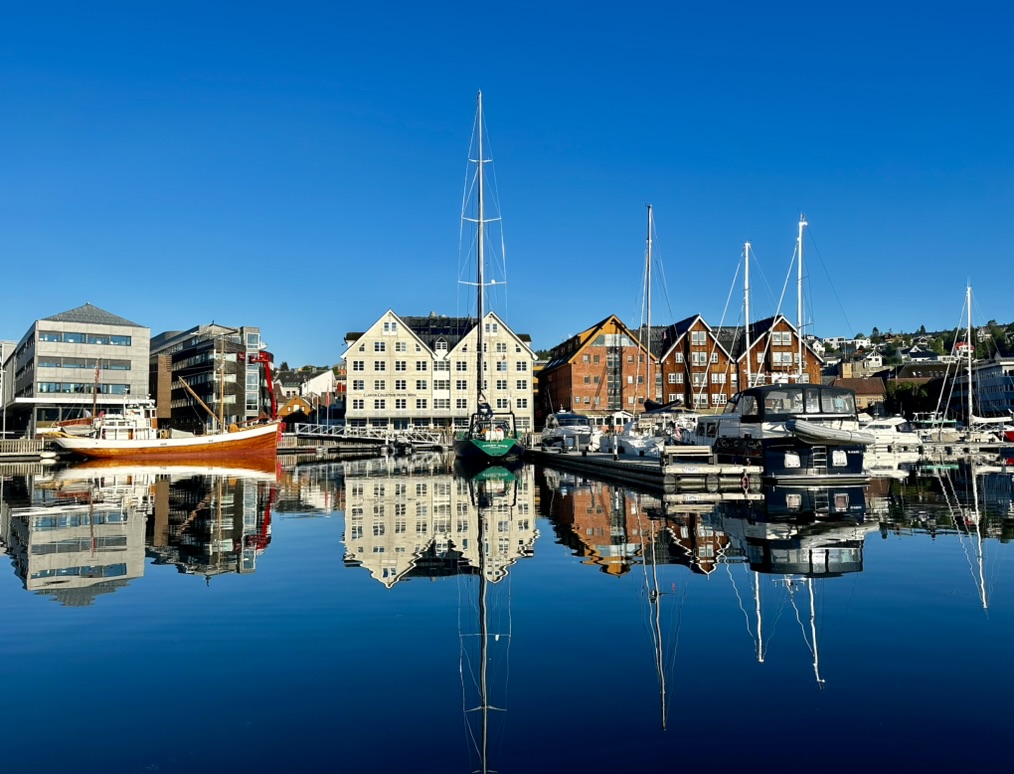
A seasoned travel advisor who had already explored the Canadian Arctic boards a Seabourn expedition to Svalbard and discovers that professional knowledge and lived experience are not the same thing at all.
At a Glance
Svalbard's Arctic wilderness delivers profound remoteness and unexpected wildlife encounters that surpass even experienced polar travellers' expectations. Expedition cruises like Seabourn Venture prioritize Zodiac shore landings and flexible itineraries over fixed schedules, allowing polar bears and weather to reshape daily plans into defining moments rather than obstacles.
Shari Lukens arrived at the edge of the Arctic with her eyes open. She had done this before, or at least something close to it. A previous expedition to the Canadian Arctic had given her a working vocabulary for remoteness, for scale, for the particular silence that settles over a landscape untouched by human hands. She knew what to expect. Or so she thought.
Svalbard had other ideas.
"Having been to the Canadian Arctic, I was expecting the vastness of the landscape and the profound sense of remoteness that comes with a place untouched by humanity," Lukens reflects. "However, experiencing it in real time was something entirely different, truly breathtaking and almost impossible to put into words."
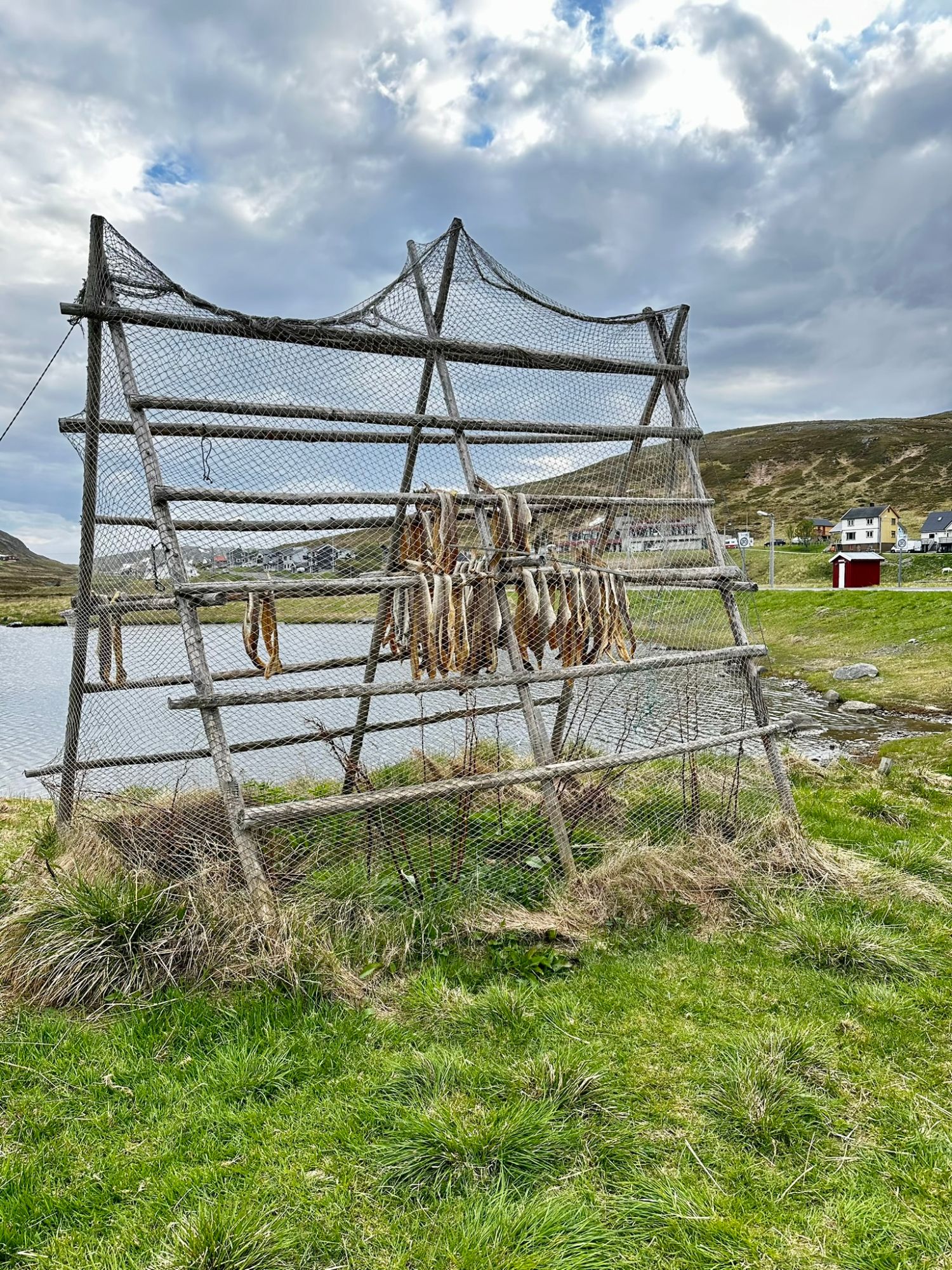
That admission, coming from an advisor who arrived with genuine Arctic credentials, is precisely what makes her account of this Seabourn expedition FAM trip so compelling. This is not the wide-eyed wonder of a first-time polar traveller. It is the considered humility of a professional who thought she had benchmarked the experience, and found the benchmark shattered.
Where the Ice Meets the Unexpected
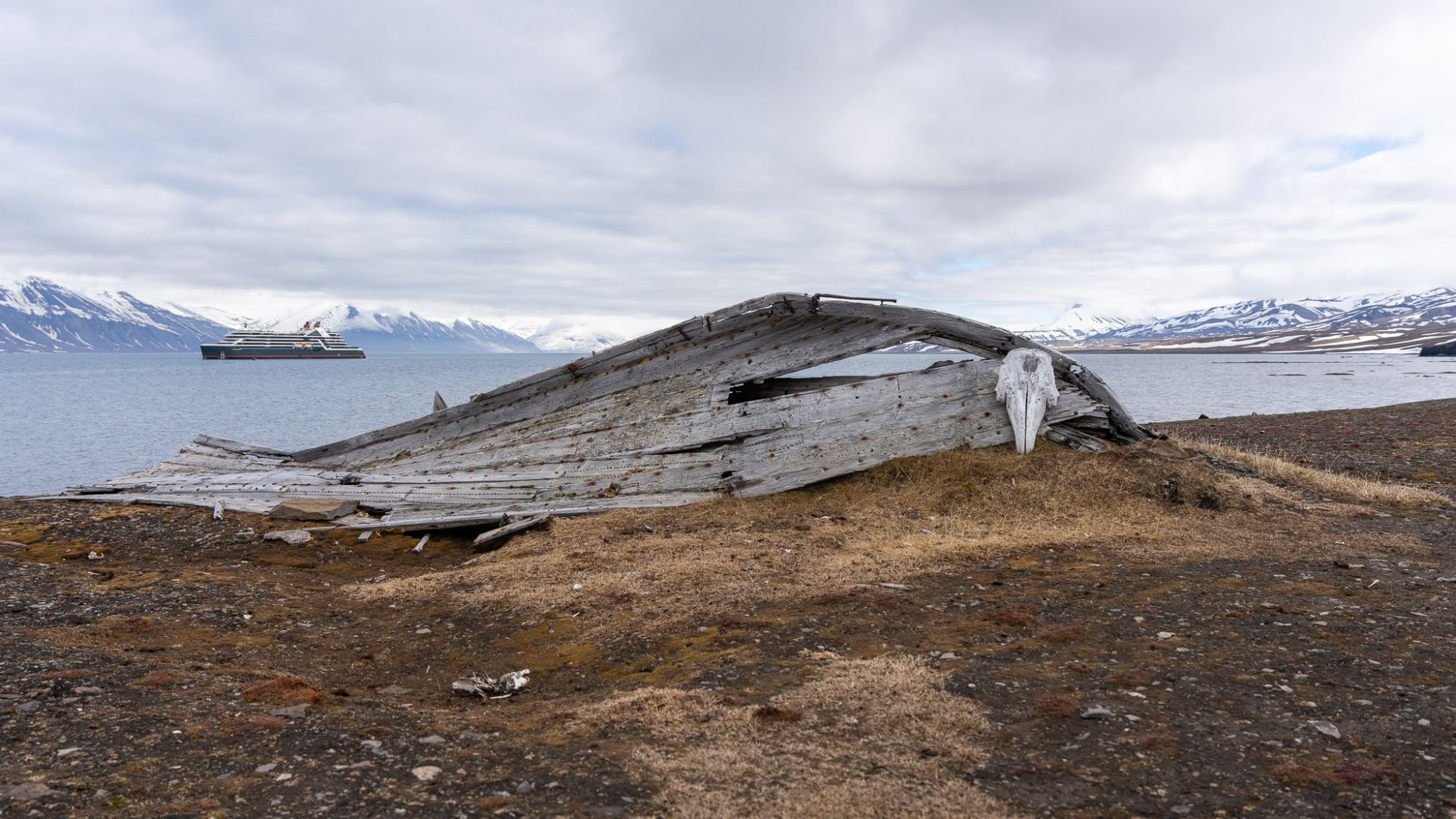
Lukens joined Seabourn's expedition program aboard the Seabourn Venture, bound for Svalbard, the Norwegian archipelago that sits above the 74th parallel and functions as one of the last genuinely wild places on Earth. The itinerary, as Arctic itineraries tend to do, did not go entirely according to plan. And that, it turns out, was the whole point.
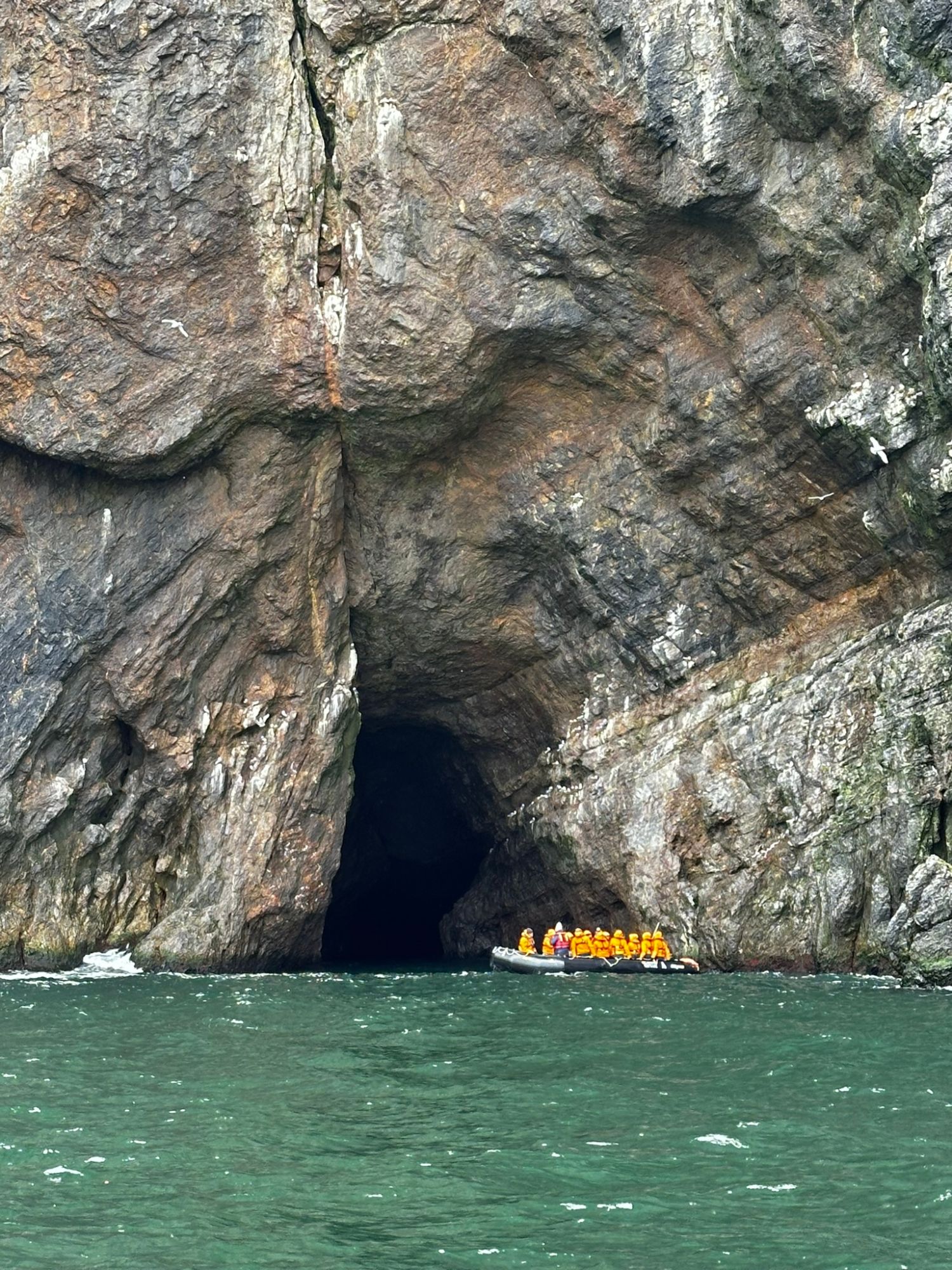
"From witnessing walruses up close in their natural habitat, to having polar bears unexpectedly alter our plans, every moment felt like a gift from the Arctic," Lukens says. The image is disarming in its specificity: a polar bear, somewhere out on the ice or the tundra, quietly overruling the day's schedule. No apology, no alternative offered. Just the Arctic asserting its authority over human agendas.
It is a moment that captures something essential about expedition travel, and Lukens has clearly turned it over in her mind many times since returning. Where another traveller might experience a changed itinerary as a disappointment, she experienced it as a clarification. "The weather, wildlife encounters, and changing conditions are not obstacles," she says firmly. "They are what make the experience so extraordinary."
That reframe, from professional inconvenience to defining feature, is not something she could have arrived at through research alone. It required standing there.
The Ship as Sanctuary, the Shore as Classroom
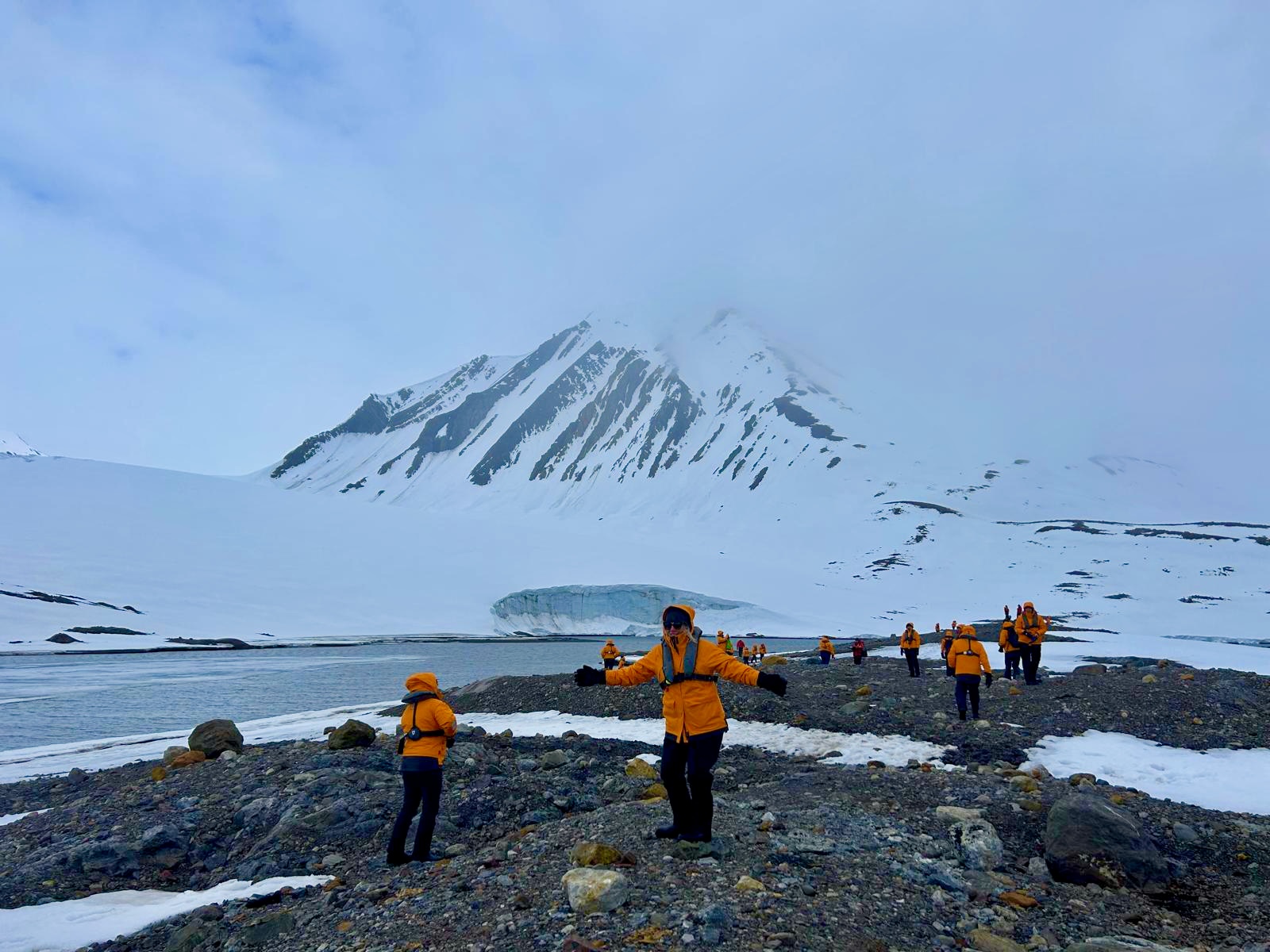
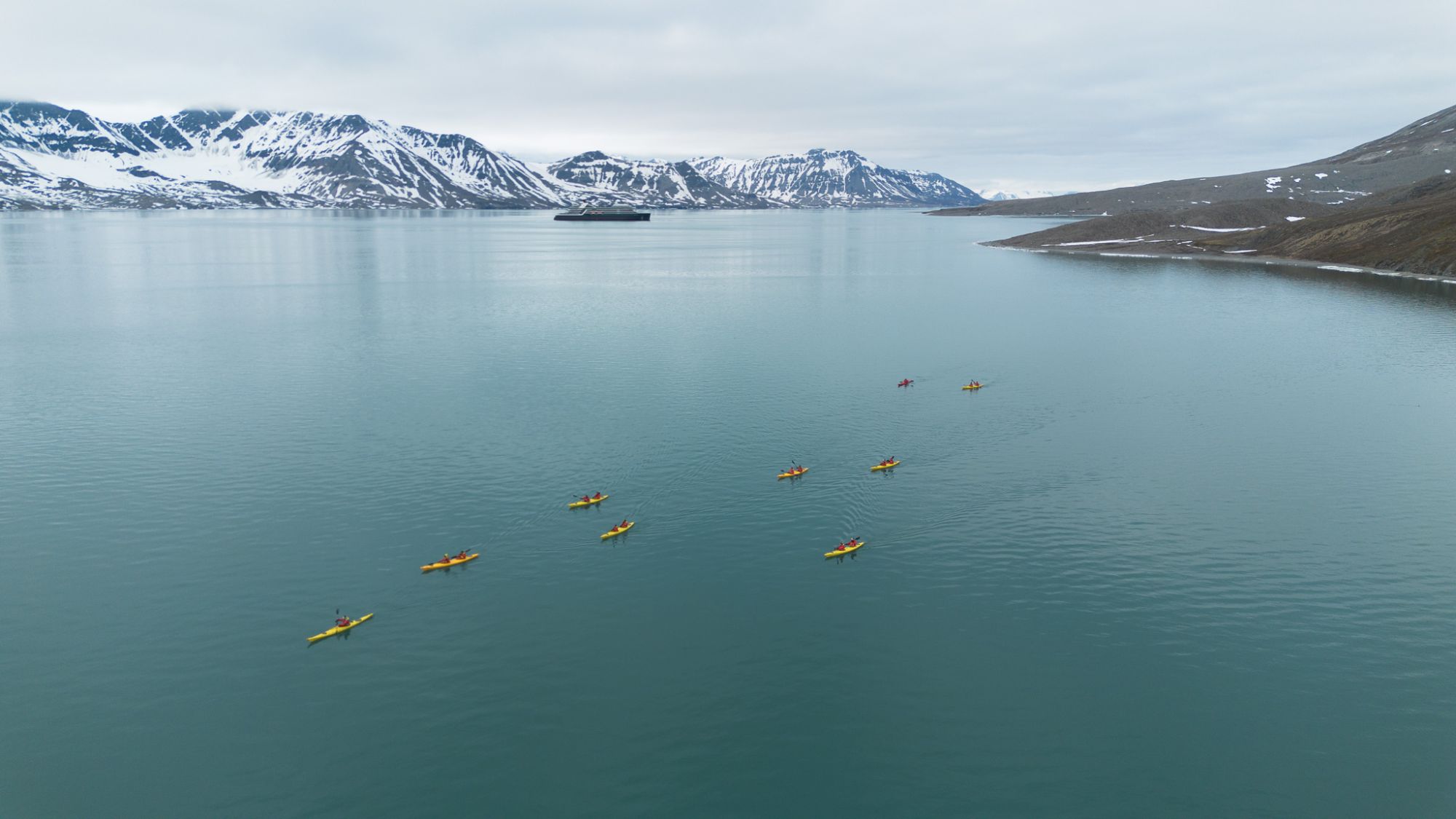
The Seabourn Venture itself drew consistent praise from Lukens, both for its thoughtful design and for the seamless rhythm it created between expedition and recovery. After each landing, each Zodiac excursion among glaciers and wildlife, travellers returned to a vessel that offered genuine comfort without softening the edges of the experience. The balance, she notes, was carefully calibrated.
But it was leaving the ship that moved her most. Lukens is emphatic on this point: the Zodiac excursions and shore landings are not optional extras. They are the experience. "Feeling the crunch of the Arctic landscape beneath your boots, watching wildlife in its natural environment, and experiencing the silence and scale of the wilderness around you," she says, is the thing that transforms a journey from observation into immersion. The views from the deck are spectacular. The views from the ice are something else entirely.
She also singles out the expedition team's daily debriefs as an unexpected highlight. Each evening, the team gathered the group to reflect on the day's encounters, share context, and look ahead to what might be possible tomorrow. It was, Lukens found, a ritual that deepened the experience beyond what any single shore landing could deliver, adding a layer of community and meaning to what might otherwise have remained a collection of beautiful but disconnected moments.
Who Belongs Here, and Who Doesn't
One of the most valuable things a travel advisor can offer is honest counsel, including the counsel to look elsewhere. Lukens does not shy away from this. The traveller who will love Svalbard, she explains, is the one drawn to discovery over predictability, to wildlife and photography and the specific thrill of not knowing what the day will bring. It is for those who understand, on some level, that the best moments in travel are often the ones you cannot plan for.
The traveller who should think twice is equally well-defined in her view. If a traditional cruise experience, with fixed entertainment, reliable schedules, and a primary focus on relaxation, is what someone is seeking, Svalbard will not deliver it. The Arctic is wild, remote, and indifferent to personal preference. Flexibility is not a nice-to-have. It is the price of admission.
This kind of clear-eyed matching, knowing who to send and knowing who to redirect, is only possible when an advisor has been there themselves. Lukens can now have that conversation from a position of genuine authority.
What the Arctic Teaches That No Briefing Can
The professional takeaways Lukens brought home from Svalbard extend well beyond a single destination. She sees in the expedition model a reflection of something broader that she observes across her client base: a growing desire for travel that means something, that offers depth and connection over novelty and box-ticking.
"It reinforced for me that the most meaningful journeys are often the ones that take us far beyond our comfort zones and allow us to experience the world in its most authentic form," she says. It is a statement that carries the full weight of the trip behind it, earned not in a conference room or a destination guide, but standing amidst raw, pristine beauty, aware that few people in the world will ever stand in that same spot.
Her insider advice for prospective Arctic travellers is characteristically patient: choose an itinerary with enough time in the destination to allow the unexpected to find you. Step off the ship at every opportunity. Bring an open mind, bring patience, and bring a sense of wonder. "The Arctic has a way of rewarding those who do," she says simply.
As for what comes next, Lukens is already moving. Italy in September for a food and culture journey with a group of women, followed by a rail adventure through the American Southwest, then Christmas markets across Vienna, Munich, Nuremberg, Prague, and Tallinn. And in spring, Iguazu Falls before an Antarctic expedition, the southern mirror to the northern wilderness that remade her professional understanding of what travel can do. "After experiencing the Arctic wilderness of Svalbard," she says, "I'm eager to explore the Southern Hemisphere and compare these two incredible polar environments." The advisor who thought she knew the Arctic is already preparing to be surprised again.