When travel advisor Shari Lukens sailed the Seabourn Venture into the frozen heart of the high Arctic, she discovered that one of the world's most remote destinations is far more accessible — and far more transformative — than anyone dares to imagine.
At a Glance
Svalbard expedition cruises deliver unfiltered Arctic wilderness—polar bears, walruses, and glacier calving—accessible to all fitness levels aboard luxury vessels like Seabourn Venture. The key to wildlife encounters is spending maximum time on deck despite cold; onboard lectures weave history and ecology into the landscape, making remote terrain legible even for first-time expedition travellers.
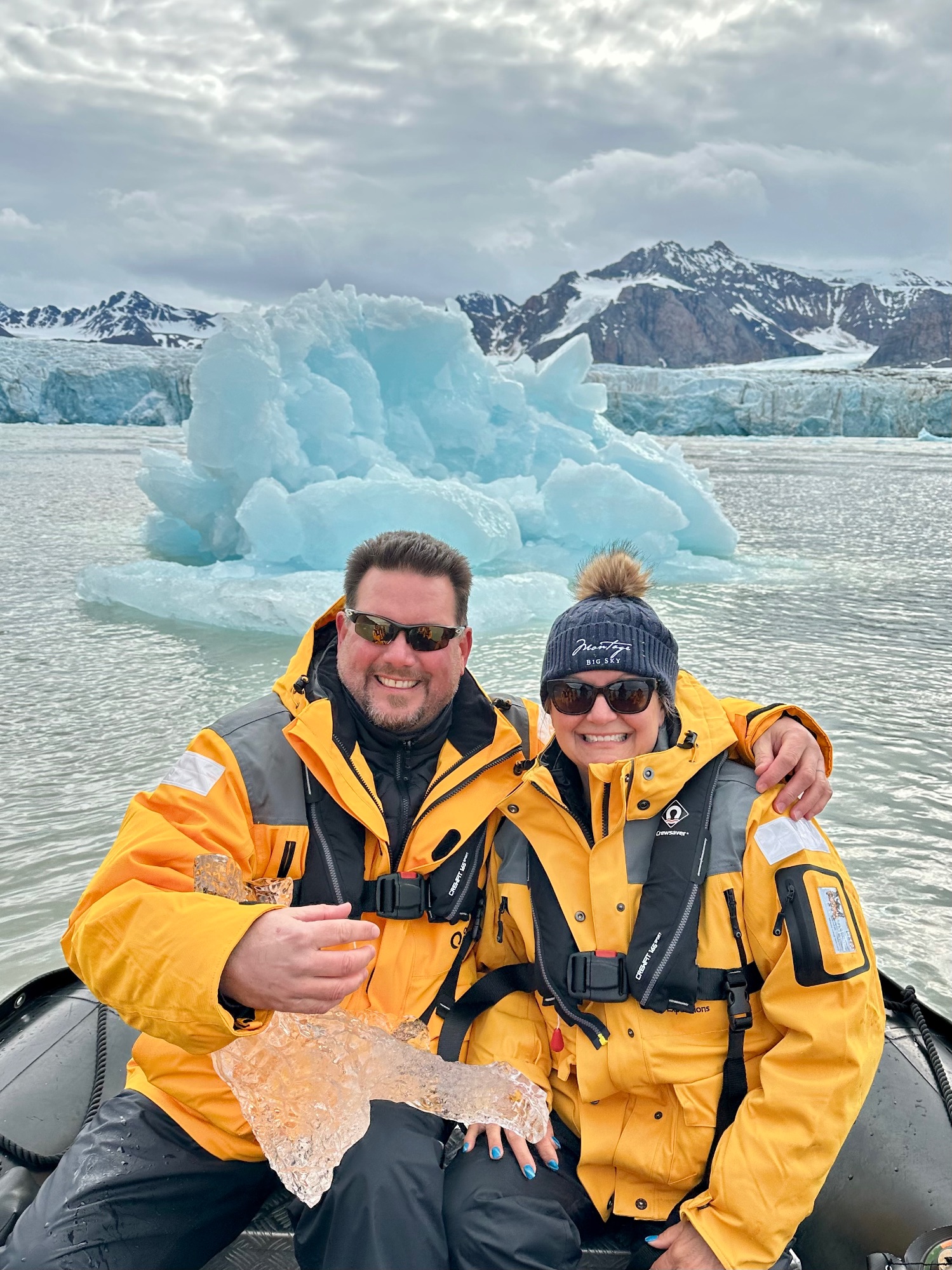
The ship stopped moving. All around, pack ice stretched to the horizon in every direction, an endless white world broken only by the low Arctic sky. The Seabourn Venture had pushed north through the Barents Sea, traced the upper edge of the Svalbard archipelago, and arrived at a place that stops most people cold, in every sense of the word. Approximately 500 miles from the North Pole, the vessel broke through the ice and simply sat. For three hours, passengers stood at the rails, or pressed against the glass in warmer cabins, and let the enormity of it settle in. For Shari Lukens, a seasoned travel advisor who had already completed one Arctic expedition before this voyage, the moment landed differently than she had anticipated. It was the same, and it was entirely new.
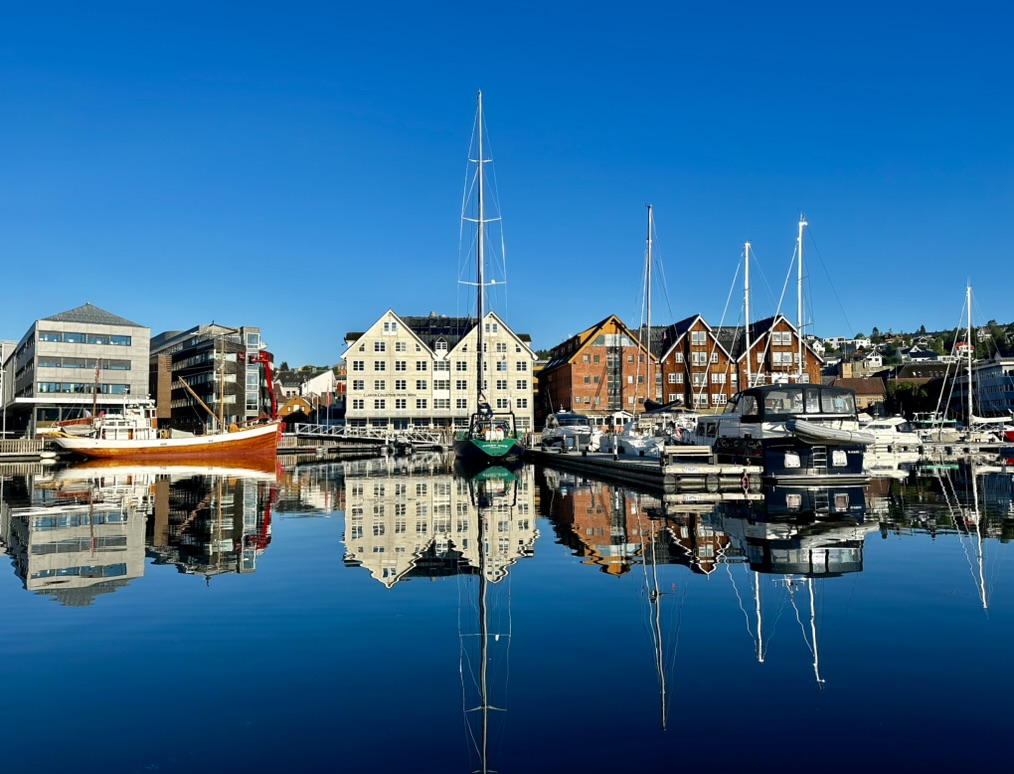
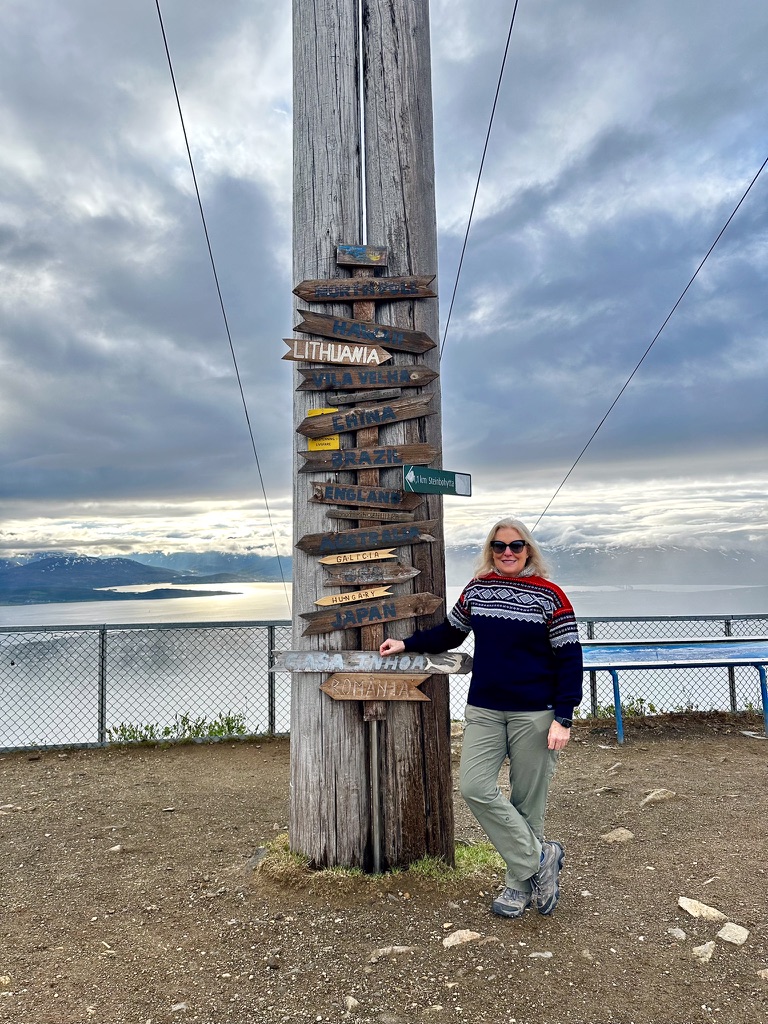
Lukens had boarded the Seabourn Venture in Tromsø, Norway, a port town she describes with quiet affection. She spent time wandering its streets before departure, browsing local shops and picking up a beautiful wool sweater, the kind of tactile, unhurried souvenir that only comes from actually being somewhere. From Tromsø, the ship headed north past North Cape and into the Barents Sea, the landscape shifting and deepening with every nautical mile. What waited on the other side of that journey was something that resists easy description. "Travelling on Seabourn was a top notch experience," Lukens says. "They showcased this destination exquisitely. Exploring locations that very few people in the world have stepped foot on. It was truly magical."
A Landscape That Demands Your Attention
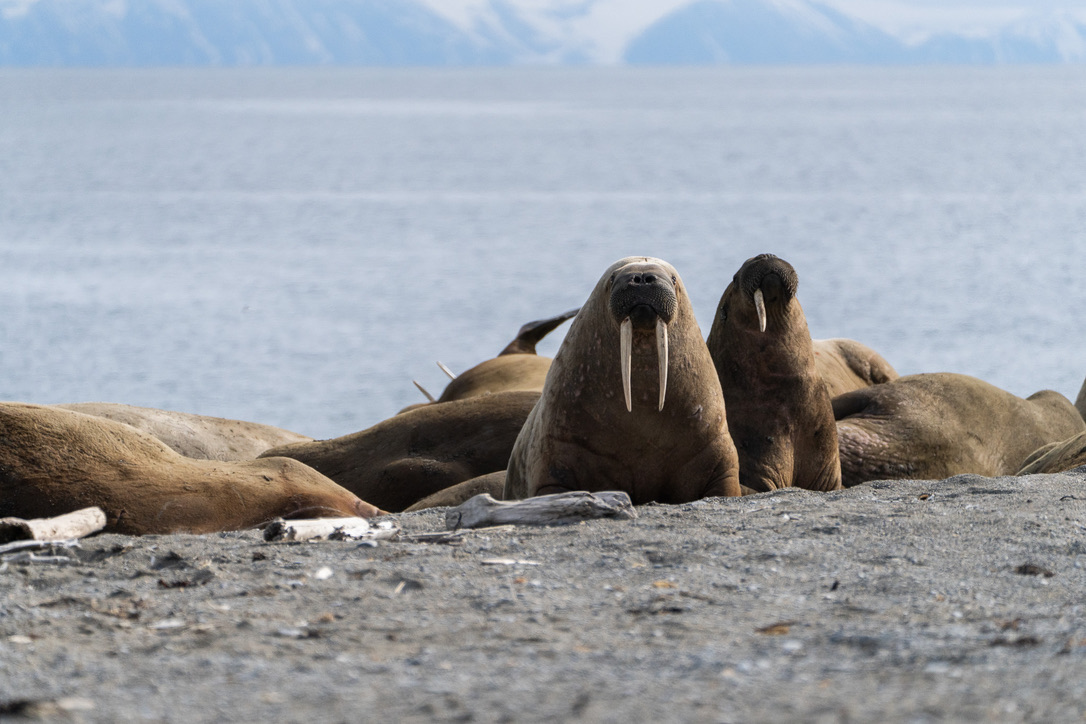
The terrain of Svalbard is not subtle. It does not ease you in. The Arctic landscape, Lukens says, was mesmerizing from the moment the ship left familiar waters behind. But it was the wildlife that gave that landscape its pulse. "There were polar bears, walruses that wanted to come way too close, reindeer, arctic foxes and so many different species of birds," she recalls. "It was all spectacular." The walruses, in particular, had a way of making their presence known with an enthusiasm that bordered on alarming. The polar bears moved across the ice with the unhurried authority of animals that have never needed to be afraid of anything. The birds were everywhere, in colonies so dense and loud they registered as sound before they registered as sight.
And then there was the silence. It exists out there in a way that most people never encounter, and Lukens is precise about how to find it. Her most quietly powerful piece of advice has nothing to do with gear or logistics. It is simply this: stay on deck. "Spend as much time as possible on deck, even when it's cold," she says. "Wildlife sightings often happen with little warning. A beluga whale, walrus haul-out or polar bear may only be visible for a few short minutes." Missing those moments, she suggests, is a real cost. But more than the sightings themselves, it is the full sensory experience that deck time offers. "Being outside lets you hear the natural sounds, glacier calving, seabird colonies, whale blows, and the silence of the world," Lukens explains, "which you won't experience behind glass."
The One Town at the Edge of the World
Svalbard is not entirely without human presence, but it comes close. On the island of Spitsbergen sits Longyearbyen, the archipelago's only permanent settlement, a small town that exists as a kind of defiant footnote to the surrounding wilderness. For Lukens, learning about the early inhabitants of Svalbard and their rituals and habits was one of the trip's most immersive dimensions. The terrain is unforgiving, she notes, and the history reflects that honestly. Life was not easy for those who came before, and it would not be easy today. Seabourn's onboard lecture series helped weave that history into each day's experience, with evening presentations that reviewed the day's discoveries and previewed what the next morning would bring. It was education that felt earned, grounded in places passengers had actually stood.
That sense of standing somewhere genuinely rare is central to what Lukens took away from the journey. She had done an Arctic expedition before, and arrived aboard the Seabourn Venture with calibrated expectations. What she found was both familiar and surprisingly distinct. The expertise of the guides and hosts, she says, elevated the experience beyond what she had known previously. The ship carries approximately 260 guests and 223 crew, a ratio that ensures attentive, personalized service even at the edge of the known world.
This Trip Is Not Just for Adventurers
Perhaps the most important thing Lukens brought back from Svalbard is an insight that reframes the entire category of expedition cruising. The assumption, for many clients, is that this kind of travel demands a certain physical capability or appetite for hardship. Lukens is direct in dismantling that idea. "You don't have to be fit or a real adventurer to go on an expedition cruise," she says. "You have all the luxuries of a normal cruise but often with more opportunity to explore and truly learn the history of the area from experts." Accessibility has improved meaningfully, she adds. Zodiacs can be navigated with mobility considerations in mind, and the ship itself offers a full and rewarding experience for those who never set foot on shore.
She observed this firsthand. Some passengers on the Svalbard voyage chose never to leave the ship, not because anything prevented them, but because the ship itself was enough. Their partners had brought them, and they arrived skeptical. But they stayed, attended the lectures, watched the ice from the deck, and found their own version of the experience. Lukens noticed all of this, and it sharpened her understanding of how to match clients to the right kind of journey. This is a destination, she says, defined by its uniqueness, its serenity, and what truly living in a remote place means.
Once You Go, You Crave More
Lukens is already in motion toward her next chapter. After hosting a sourdough master bakers group in Italy, she has European Christmas Markets on the horizon, followed by Antarctica and then China. The Antarctic voyage feels less like a coincidence and more like an inevitability. She has observed the pattern in her clients, and she now recognizes it in herself. More and more travellers are seeking out remote places, she says, and once they have that experience, they often crave another. There are some things that simply cannot be communicated through photographs or itineraries. They have to be lived.
For anyone sitting on the fence about whether an expedition cruise to somewhere as remote as Svalbard could possibly be meant for them, Lukens offers a clear and uncomplicated answer. "If you have a desire to try this type of travel," she says, "do it."