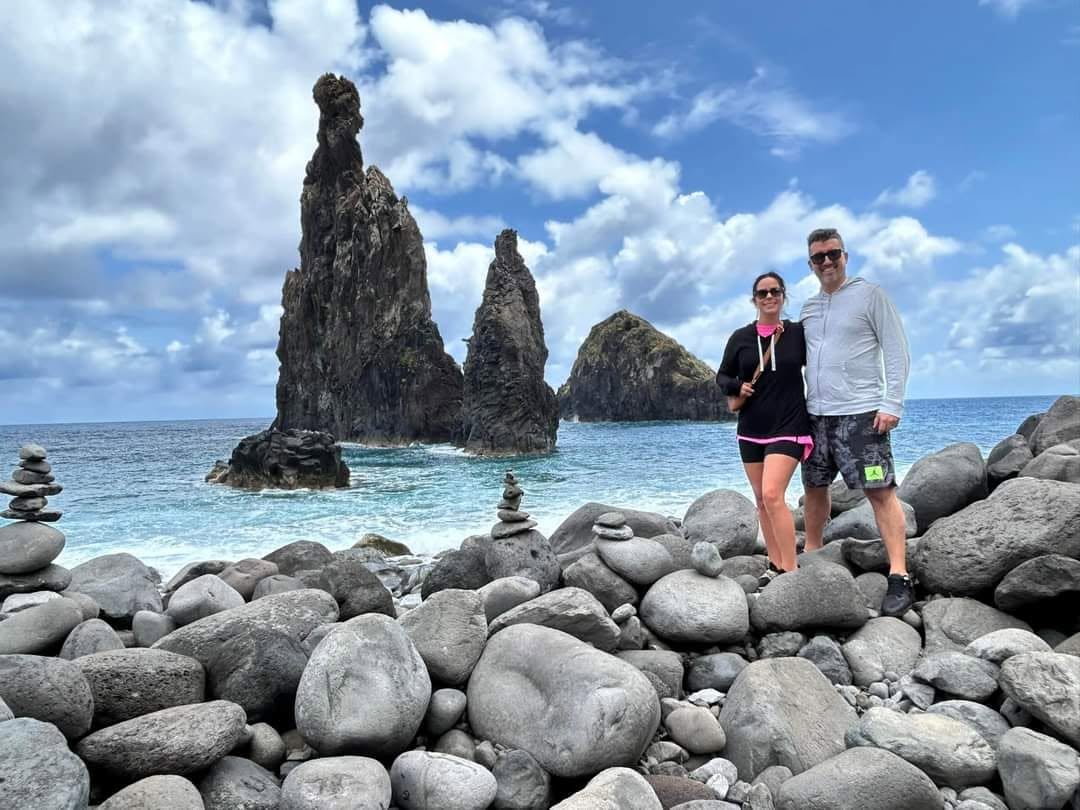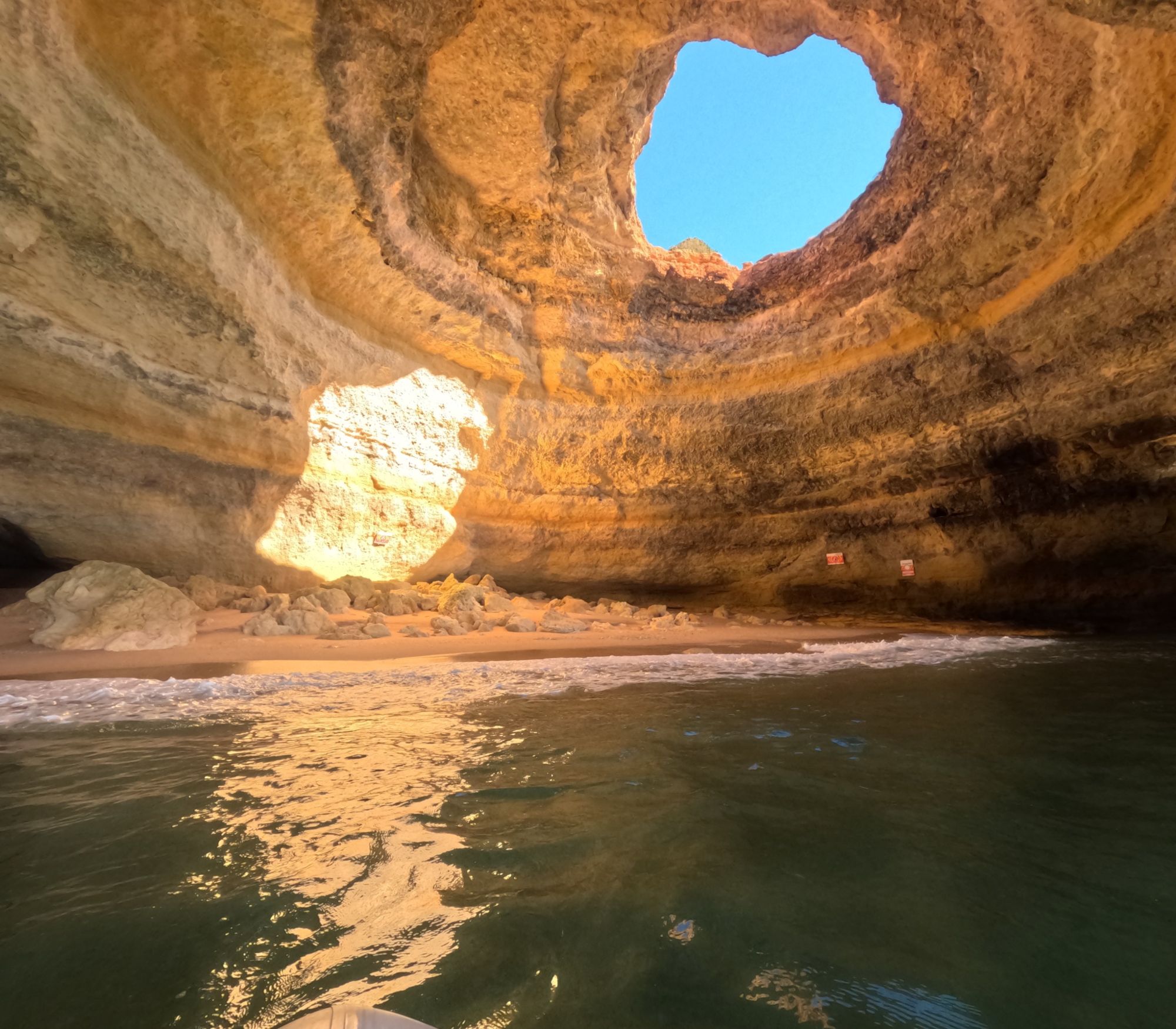
When travel advisor Adrienne Carnovale set out to explore Portugal for the first time, she expected beautiful scenery — what she didn't expect was to come home a different person.
At a Glance
Amarante, a small riverside town in northern Portugal's Tâmega River valley, delivers genuine stillness and beauty that major cities like Lisbon often miss. Churches and monasteries line the riverbank, luxury accommodations offer spa facilities and exceptional service, and local hospitality creates authentic cultural connection rather than tourist experience.
Most travelers passing through Portugal keep their eyes fixed on Lisbon. The trams, the tiles, the sweeping views from the hilltop miradouros. It's a city that earns every superlative written about it. But for Adrienne Carnovale, a seasoned travel advisor who recently made her first journey through Portugal, it was a small riverside town most itineraries never even mention that stopped her in her tracks and became the undisputed heart of the entire trip.
That town was Amarante.
A Town That Rewrites the Itinerary
Nestled in the Tâmega River valley in northern Portugal, Amarante is the kind of place that makes you question every trip you've ever taken without it. Carnovale spent two nights there as part of a broader journey through Portugal that also included Lisbon and Porto, but it was Amarante that lingered. Churches and monasteries line the riverbank like sentinels of another era, their stone facades reflected in the slow-moving water below. The town is small, quiet, and almost impossibly picturesque.
The hotel she selected, a five-star luxury property with a spa on-site, elevated the experience further. Carnovale describes it in the kind of language that travel advisors usually reserve for only the most exceptional properties. "The hotel and the town were absolutely beautiful," she says. "Very small town with lots of churches and monasteries along the river. The views, the food, everything, the restaurants, the drinks, everything was incredible. Truly a five-star luxury vacation, especially the service."
Coming from a travel professional whose career is built on calibrated expectations and firsthand knowledge, the word "truly" carries real weight. This was not a pleasant surprise from a casual tourist. This was a verdict from someone who knows the difference.
Why Amarante Deserves Its Own Two Nights
Carnovale's decision to route the itinerary through Amarante rather than spending all her time in Portugal's major cities reflects a kind of insider curation that separates a well-planned trip from a great one. Working alongside Business Development Managers to shape the excursion and activity side of the journey, she leaned into local expertise to go beyond the guidebook.
The result speaks for itself. While Lisbon delivered the expected wonder of a world-class capital, it was those two nights along the Tâmega that delivered something harder to manufacture: genuine stillness, genuine beauty, and genuine connection to a place. The spa, the river views from the hotel, the long meals and unhurried drinks, all of it added up to a rhythm that felt nothing like day-to-day life and everything like the reason people travel in the first place.
For anyone planning a Portugal itinerary who is tempted to skip the inland north in favor of more familiar stops, Carnovale's experience makes a compelling case. Amarante is not a detour. It is a destination.
The Surprise That Changed Everything
Beautiful hotels and dramatic riverscapes are one thing. What Carnovale did not see coming was the people.
"The people and hospitality were the biggest surprise," she says. "Everyone went above and beyond to make you feel welcome and were so friendly. The Portuguese people are so proud of their culture and encourage you to dive in and learn more about them."
This is the moment in her story where the trip becomes something more than a beautiful recap. Portugal's people didn't simply serve and assist. They invited. They shared. They made a visitor feel that their culture was worth understanding, not just photographing. For Carnovale, that distinction mattered deeply.
There is something powerful about traveling to a place where the locals want you to understand them, not just admire the scenery. It shifts the dynamic from tourist to guest, and it's a shift that Carnovale felt profoundly throughout the journey.
What Portugal Taught a Travel Advisor About Travel
Carnovale returned from Portugal not just refreshed but genuinely reflective. The trip prompted a kind of philosophical reset, a reminder of what travel is actually for.
"It made me want to be more hospitable," she says. "It reminded me that we vacation to step away from our day-to-day life, but also to appreciate someone else's day-to-day life. Take the time to enjoy life."
That insight, simple as it sounds, is easy to lose in the noise of modern travel planning. The research, the logistics, the endless options. Portugal cut through all of it and handed Carnovale something quieter and more lasting: a new lens through which to see her own life, and her own work.
As a travel advisor, she now carries Portugal's hospitality as a professional benchmark. The way a small hotel in an off-the-beaten-path town can make a guest feel genuinely seen is not accidental. It is intentional, and it is something she intends to bring back to every client experience she curates going forward.
The Case for Booking With Someone Who Has Actually Been There
Carnovale is candid about what makes a travel advisor's guidance different from anything an algorithm can offer. "An advisor has been there and experienced the culture and the country firsthand," she says. "They know the ins and outs and have contacts on site if ever anything were to go wrong."
That peer-level credibility, coming from a professional who has personally walked the cobblestone streets, eaten the meals, and stayed in the properties she recommends, is not something a traveler can replicate with a weekend of online research. The hotel in Amarante, the one that became the emotional centerpiece of the entire trip, is exactly the kind of find that only surfaces through genuine on-the-ground knowledge. A self-booking traveler might have defaulted entirely to Lisbon and come home having missed the best part.
For anyone considering Portugal and wondering whether to trust an expert with the planning, Carnovale's experience offers a clear answer. The right advisor doesn't just save time. They save the trip.
What Comes Next
Portugal did not quiet Carnovale's wanderlust. If anything, it deepened it. She is already looking ahead to a ten-year anniversary trip to Hawaii, and she plans to lean fully on her own trusted advisor for that journey. "She has already been and can do the research for me and guide me in planning the best trip," Carnovale says, reflecting on the value she now, more than ever, understands from both sides of the relationship.
For a travel advisor who has spent years crafting meaningful journeys for others, Portugal was a reminder that the best trips don't just take you somewhere new. They bring something back with you. In Carnovale's case, that something is a renewed commitment to the art of slowing down, the grace of genuine hospitality, and the quiet power of appreciating someone else's world as much as your own.