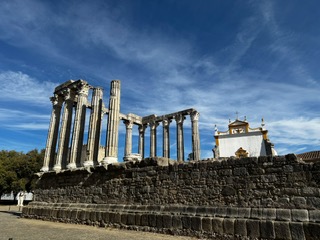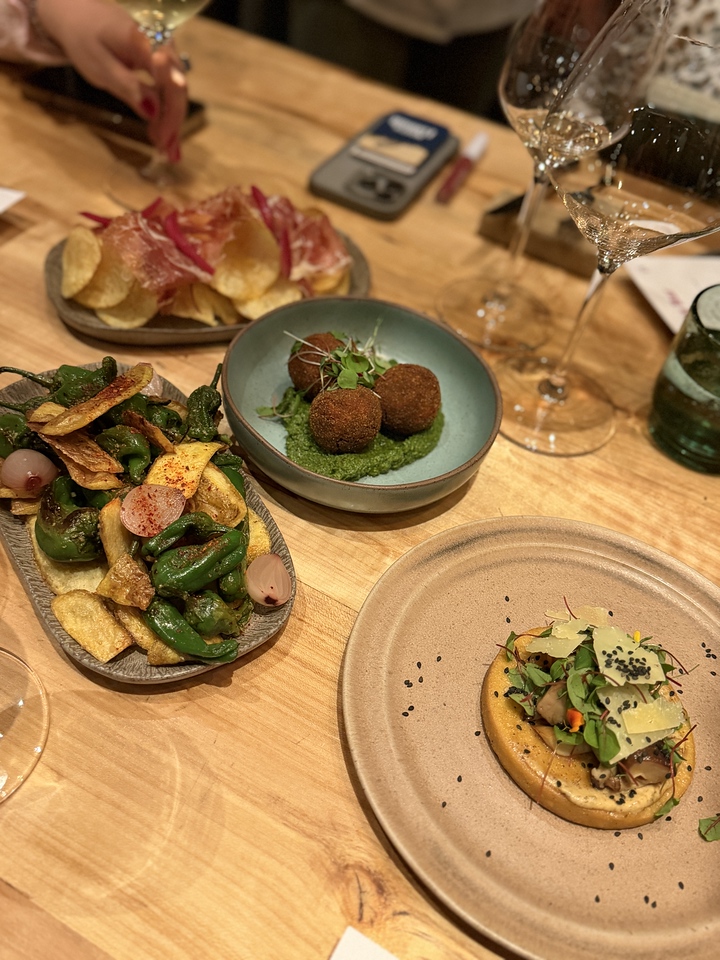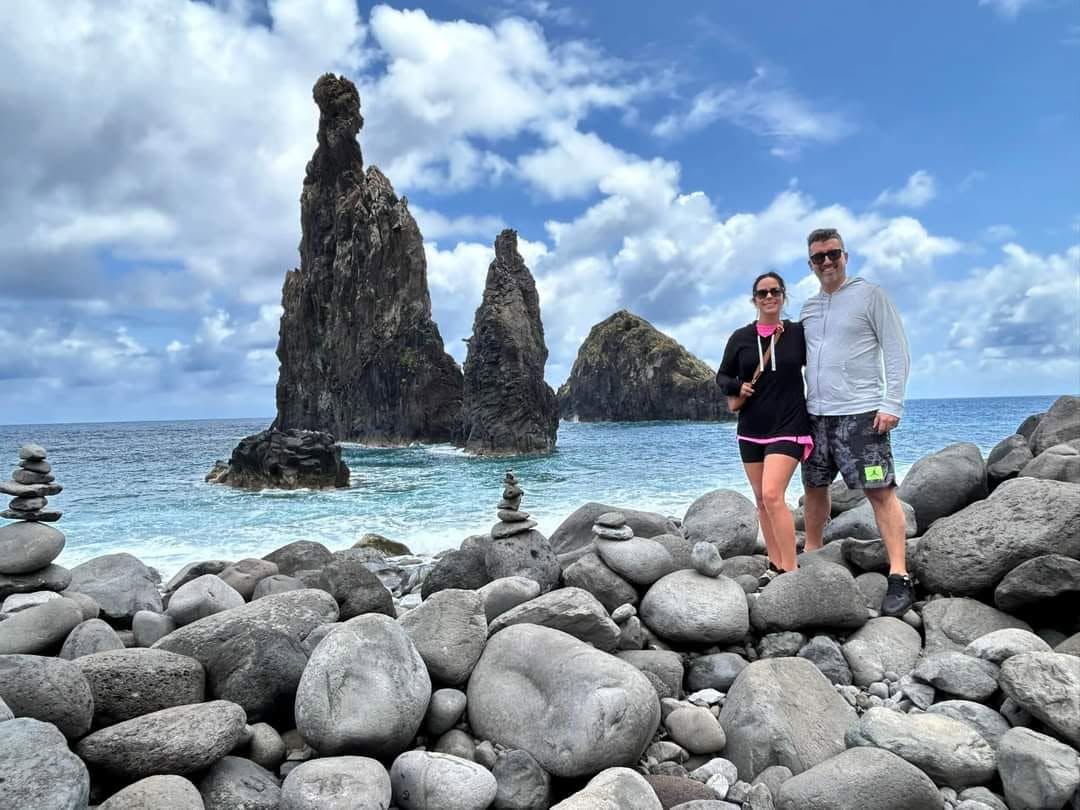

After five unhurried days in Lisbon with her partner, QA Demo Prospect (TEST) came home not just with memories of warm pastéis de nata and cobblestone streets, but with the kind of firsthand expertise that only comes from living a destination slowly.
At a Glance
Lisbon rewards slow travel, particularly in historic hilltop neighbourhoods like Alfama. Base yourself near Rossio Square, ride Tram 28 at dusk, book fado venues ahead, and plan at least four nights to experience the city's rhythm. Wear sturdy walking shoes for steep cobblestone streets and rest during afternoon heat.
The singer was standing two metres away. Not on a stage, not behind a rope, but right there in the low light of a small Alfama tavern, voice filling every corner of the room. It was the kind of moment that doesn't translate in a brochure, the kind that has to be felt. For QA Demo Prospect (TEST), a travel advisor who spent five days in Lisbon, Portugal in September with her partner, that fado evening in the historic hilltop neighbourhood became the emotional centrepiece of a trip that delivered on every promise the city makes.
"It was our first time in Portugal and we wanted good food, old neighbourhoods and the river," TEST recalls of the intention she and her partner carried into the trip. What they found was all of that, and something harder to name. A rhythm. A pace. A city that rewards those willing to slow down enough to hear it.
The Right Hotel Changes Everything
Before the fado, before the trams and the pastries, there was the question of where to base themselves. TEST and her partner chose Hotel Avenida Palace, positioned just steps from Rossio Square in the heart of the city. The decision shaped everything that followed. "The location was perfect for walking to the Baixa and Alfama," she says, "the rooms were classic and quiet, and the breakfast room felt like a step back in time."
That breakfast room deserves a moment of its own. With its old-world grandeur and unhurried atmosphere, it set the tone for days that unfolded without urgency. From the hotel's doorstep, Lisbon's most storied neighbourhoods were within reach on foot, a fact TEST now considers non-negotiable when advising clients. She is direct about it: choose a hotel near Rossio, and the city opens up in a way that no amount of taxi rides can replicate.
Tram 28 and the Alfama at Dusk
The trip's defining evening began with Tram 28, Lisbon's beloved, creaking piece of living city history, which carried TEST and her partner up through the winding lanes of the Alfama as the afternoon heat began to soften. The neighbourhood, one of the oldest in the city, tumbles down from its hilltop in a tangle of terracotta rooftops, laundry lines, and narrow staircases that seem to have been arranged by chance rather than design. It is beautiful and disorienting in equal measure.
Then came the fado. In a small tavern, with the singer close enough to make eye contact, TEST experienced the music not as performance but as something closer to confession. The emotion in fado, that particular Portuguese longing known as saudade, landed differently at that proximity. It is the kind of experience that, as an advisor, she now knows must be booked ahead. Fado venues worth visiting fill quickly, and the intimate ones, the ones where the music feels real rather than rehearsed for tourists, require planning.
Belém and the Pastéis de Nata

A separate half-day carried TEST and her partner west along the Tagus River to Belém, the riverside district that holds two of Lisbon's most iconic experiences within easy walking distance of each other. The Jerónimos Monastery, a cathedral of golden stone and intricate Manueline carvings, stands as one of Portugal's great architectural achievements. But TEST is equally clear about the other essential stop. "We also loved Belém for the pastéis de nata and the monastery," she says, and the order of those two things feels intentional. A warm custard tart, eaten just outside the bakery that invented it, is not a tourist cliché. It is a sensory argument for why some traditions endure.
TEST now plans Belém as a dedicated half-day for clients rather than a rushed addition to a full day of sightseeing. The neighbourhood deserves unhurried attention, and the tart deserves to be eaten warm.
The Practical Truth About Lisbon's Hills
For all its beauty, Lisbon asks something physical of its visitors. The city is built across a series of steep hills, and its cobblestone streets, while photogenic, are genuinely slippery underfoot. TEST is candid about this with the clients she now advises. "Lisbon is very hilly with slippery cobblestones," she notes, "so bring good walking shoes and use the trams and funiculars." It is the kind of practical intelligence that only comes from having navigated those streets yourself, on a warm September morning, before the tourist crowds gather.
Her thinking extends further than her own experience. TEST recognises that Lisbon suits couples and food lovers particularly well, but she is equally clear about who might find it challenging. Travellers with mobility concerns, she advises, should base themselves in the flat Baixa district, where the city's grid-like streets offer a very different, and far more accessible, experience. It is the kind of client-first nuance that no travel guide provides.
Her overall prescription for the city is precise: "I would recommend at least four nights." Fewer than that, and the slow travel rhythm that makes Lisbon sing never quite gets a chance to establish itself.
Cities on Hills Reward Slow Travel
Beyond the specifics of this one trip, TEST has come home with a principle that she applies more broadly. "Cities on hills, like Lisbon, reward slow travel," she reflects. "Base yourself centrally, walk in the morning, rest in the afternoon heat, and go out again in the evening." It is a framework as elegant as it is practical, one that works as well for clients booking their first European city break as it does for seasoned travellers looking to go deeper.
Lisbon, she now understands, is "a relaxed, walkable city break with great food and history." That description is deceptively simple. Behind it sits five days of lived experience, careful observation, and the kind of professional clarity that only comes from having been there.
What Comes Next
TEST is not finished with Portugal. Not even close. Porto and the Douro Valley wine region are already on her radar, and after that, the Azores. Each destination represents not just a personal wish list item but a deepening body of knowledge that her clients will be able to draw on. For an advisor building expertise in a country as rich and varied as Portugal, one city is only the beginning.
For now, her invitation to anyone dreaming of Lisbon is simple and warm: ask her anything. She has walked the hills, ridden the tram, sat close enough to feel the fado, and eaten the tart while it was still warm. She knows which hotel puts you in the right spot, which evenings to book ahead, and exactly how many nights you will need to leave feeling like you actually arrived.