Travel advisor Henry Nicholson arrived in Okinawa with a gi, a group of thirty, and a lifelong passion for martial arts — and left with something the dojos never taught him.
At a Glance
Okinawa, the birthplace of karate, welcomes foreign martial artists into traditionally secretive dojos where masters teach multiple Okinawan styles. The island's architecture reflects Chinese influence more than Japanese, and October's Naha Great Tug-of-War Festival features a massive straw rope pulled by thousands. Tipping is considered insulting; cash transactions use discreet trays, and compact hotel rooms are standard.
There is a particular kind of door that most travelers never even know exists. Not the doors of temples or castles or five-star hotel lobbies, but the sliding wooden doors of a dojo — a space where tradition has been kept deliberately, almost fiercely, out of reach. For Henry Nicholson, a travel advisor and longtime martial artist, those doors swung open on a humid October morning in Okinawa, Japan, and what he found on the other side changed the way he sees both the island and his role as an advisor.
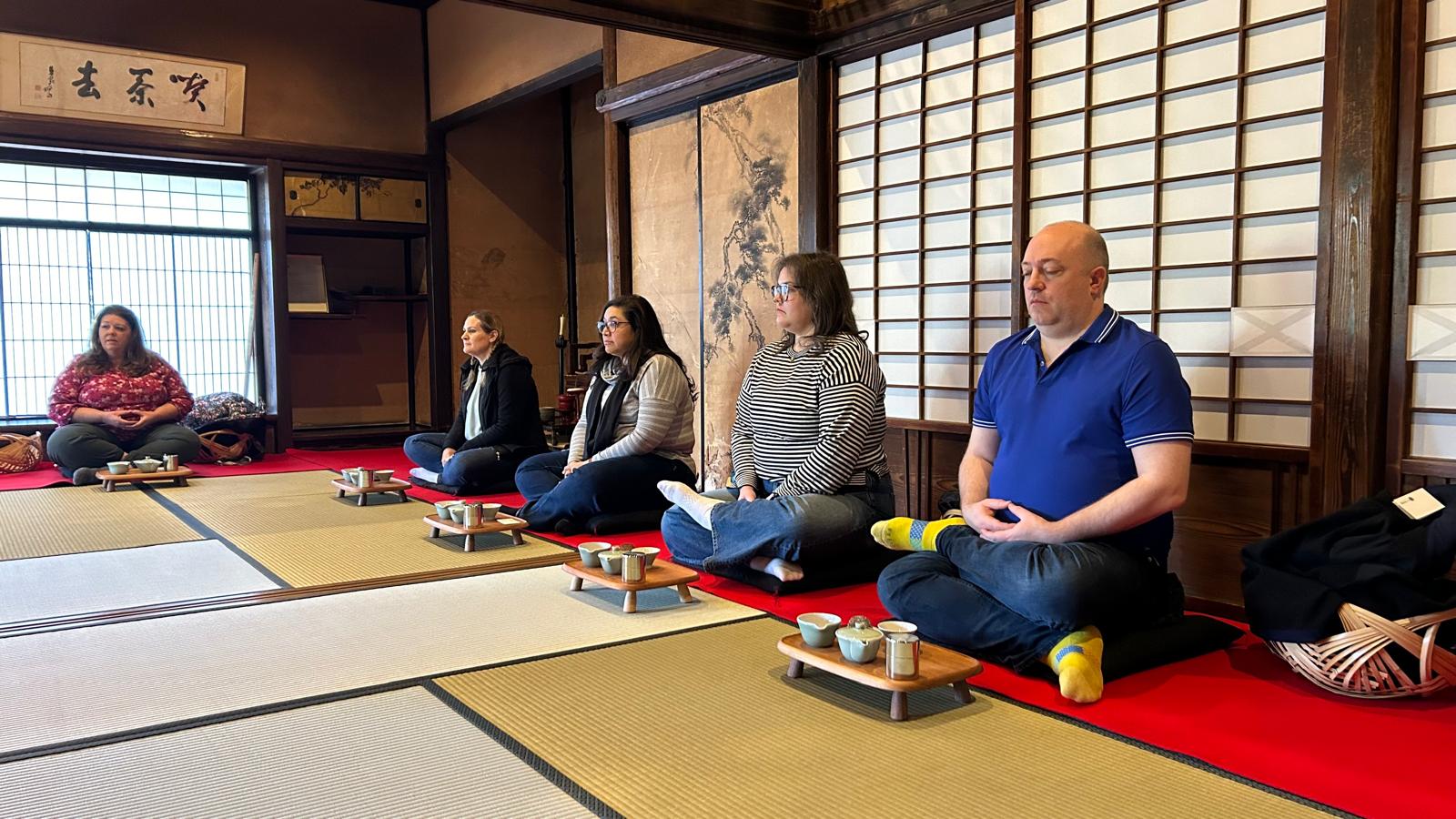
"Traditionally it was very secretive and not shared — it was literally like in the movies, just passed down from one master to another," Nicholson says of the Okinawan martial arts lineage his group had come to experience. The trip, organized through a private California-based operator and coordinated by his own sensei, brought thirty practitioners to the birthplace of their discipline for two weeks: one week of training, one week of exploration. They flew Air Canada, connecting through Tokyo before the short hop south to Okinawa. It was, by any measure, a trip built around a very specific purpose. What Nicholson did not anticipate was how thoroughly the island would rewrite his expectations at every turn.
The Dojo Doors Open
Okinawa is widely regarded as the cradle of karate, a place where martial arts traditions were cultivated in secrecy over centuries and passed with great reverence from master to student. For a group of foreign practitioners to be welcomed into that world was not something Nicholson took lightly. "The fact that they opened up their dojos to have us come train was such a fantastic experience," he says, the warmth in his voice unmistakable even in reflection. The masters they trained with were eager to share multiple styles of Okinawan martial arts, styles that had once been guarded like classified documents. The generosity of that welcome, Nicholson suggests, set the emotional tone for everything that followed.
The people of Okinawa, he found, extended that same openness well beyond the dojo. Despite significant language barriers, the group was welcomed everywhere they went. Restaurant menus filled with photographs made pointing a perfectly acceptable form of communication. Locals met fumbled attempts at connection with patience and warmth. "The people were just super friendly," Nicholson recalls. "We were welcomed everywhere we went, and even with language barriers we were somehow always able to manage to communicate." It is the kind of hospitality that no travel brochure can adequately prepare you for, and the kind that only a firsthand account can truly convey.
Not Quite Japan: The Architecture That Rewrote the Map
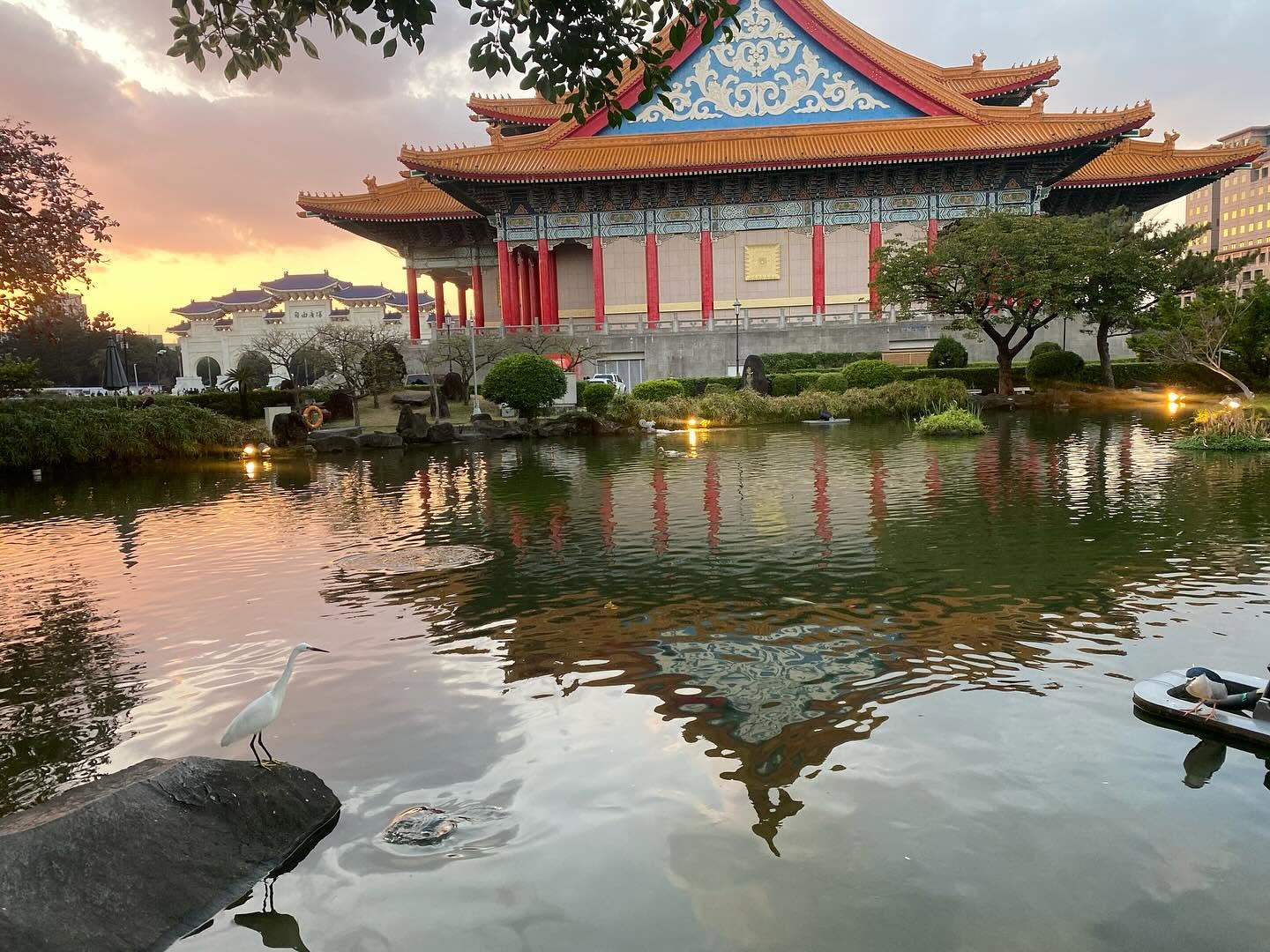
For travelers who picture Okinawa as a straightforward extension of mainland Japan, Nicholson has a gentle corrective. The island's history is layered and complicated, shaped by centuries of rule under both Chinese and Japanese influence. Okinawa once sent regular tribute shipments to China, and that long relationship left deep marks on the island's visual identity. "You think there'd be more Japanese architecture," Nicholson says, "but it was actually very influenced by Chinese culture — the architecture surprised me the most when I was there." Ornate rooflines, Chinese-influenced castle structures, and a cultural aesthetic that sits distinctly between two great civilizations greet visitors who arrive expecting something more uniformly Japanese. It is a nuance that transforms a trip and reframes an entire destination.
Shuri Castle, along with the island's celebrated Churaumi Aquarium, which ranked among the world's three largest at the time of Nicholson's visit, are among the landmarks he now recommends to clients. Beautiful gardens round out the sightseeing itinerary. But it is the living culture, the one that plays out in markets and streets and festival grounds, that Nicholson describes with the most animation.
The Rope Bigger Than a Car
The group had deliberately timed their trip to coincide with the Naha Great Tug-of-War Festival, held each October, and Nicholson's description of it strains the boundaries of what language can comfortably hold. The festival rope is woven from straw and constructed on a scale that defies easy comprehension. Two enormous loops connect via a wooden log at the center, and the assembled rope is, in Nicholson's telling, larger than the cars parked nearby. Hundreds, even thousands, of participants grab the small offshoots branching from the main rope as the city divides itself into two sides and pulls. Festival marshals walk up and down the length of the rope itself, working to synchronize the crowd into a common rhythm. "The rope is so big it's made out of straw — they have people marching up and down on top of the rope to get everybody into a common rhythm as they pull," Nicholson says. It is the kind of spectacle that earns its place permanently in memory.
The Etiquette No Guidebook Mentions
Some of Nicholson's most valuable takeaways from Okinawa are the ones that could save a traveler from an inadvertent slight. Chief among them is the island's relationship with tipping, which is not a cultural grey area but a firm one. "They consider a tip to be an insult because they are very service oriented — they really take pride in the service they provide," Nicholson explains. In Okinawa, offering a tip implies that the service rendered was somehow insufficient, a transaction rather than a point of pride. It is the kind of cultural landmine that well-meaning visitors stumble into daily, and the kind of insight that only an advisor with firsthand experience can reliably pass on.
Equally specific is the etiquette around cash transactions. Rather than openly exchanging bills and coins as is common in North America, Okinawan custom calls for discreetly placing money in a small tray provided at the counter, which is then passed quietly back and forth. Nicholson also flags a practical safety note: local authorities have the right to stop and request identification from foreign travelers at any time. Carrying a passport at all times is strongly advised. And for those who prize spacious hotel rooms, a word of warning: Okinawan accommodations tend toward the compact. "They are like a closet," Nicholson says plainly, with the kind of candor that earns a client's trust.
A small bow of respect, he adds, goes further in Okinawa than almost any words. Learning the basic courtesies of the language, a thank you, a polite greeting, signals the kind of cultural humility the island rewards.
Who Should Go — And Who Should Think Twice
Nicholson is enthusiastic about Okinawa but measured in who he recommends it to. The island is, above all, a destination for the culturally curious, for travelers who want immersion rather than observation. The heat is a serious consideration. Even in October, the humidity is subtropical and relentless, "the most repressive I have ever experienced," Nicholson says without dramatization. Those who are uncomfortable in heat, in small spaces, or in environments where English is rarely spoken may find Okinawa a challenge rather than a pleasure. For everyone else, particularly those drawn to living history, festival culture, and the kind of quiet, dignified hospitality that has nothing to prove, it delivers on every level.
Nicholson retired from active martial arts practice after this trip, but the island that gave his discipline its roots did not leave him. He came to Okinawa as a practitioner and left as something broader: a traveler permanently shaped by a culture that values discipline, service, and the generous sharing of things once kept secret. "Accept it for what it is," he says of the destination, simply and without qualification. It is the kind of advice that only comes from someone who has actually been inside the doors.
With the Mediterranean, the Baltic countries, and New Zealand all calling from his bucket list, Nicholson shows no sign of slowing down. Each destination, he suggests, will get the same treatment as Okinawa: experienced fully, reflected on honestly, and shared with clients as only a firsthand witness can share them.