A food-loving Canadian travel advisor and her husband boarded a 12-stop Norwegian Cruise Line voyage through Asia expecting culture shock, and came home with something far more powerful: a complete change of heart.
At a Glance
Japan's cleanliness, punctuality, and food culture profoundly impact first-time visitors from Western countries. Travelers unfamiliar with Asian cuisine often discover unexpected culinary rewards through authentic local experiences, while the country's efficient infrastructure and respectful social norms—like carrying personal garbage—reshape perceptions of urban life and collective responsibility.
It started on a couch in Canada, with a bowl of something familiar and a television show about anything but. Misti Garcia and her husband were watching an episode of Everybody Feed Phil, the one where Phil Rosenthal winds his way through Japan, slurping and marveling at everything on the plate in front of him. Garcia nudged her husband. They looked at each other. "We just thought it would be so cool to try Japanese food," she recalls. And just like that, two self-described non-Asia travelers began planning their first journey to the other side of the world.
What followed was a 12-day Norwegian Cruise Line voyage that touched 12 ports across Taiwan, Japan, and South Korea. For Garcia, a Canadian travel advisor who built her practice on firsthand experience, the trip was equal parts professional research and personal leap of faith. She was nervous. The flights were long. The culture was unlike anything she had encountered before. But from the moment she arrived in Taipei, she began collecting moments she would spend months telling clients about.
A City That Stopped Her in Her Tracks
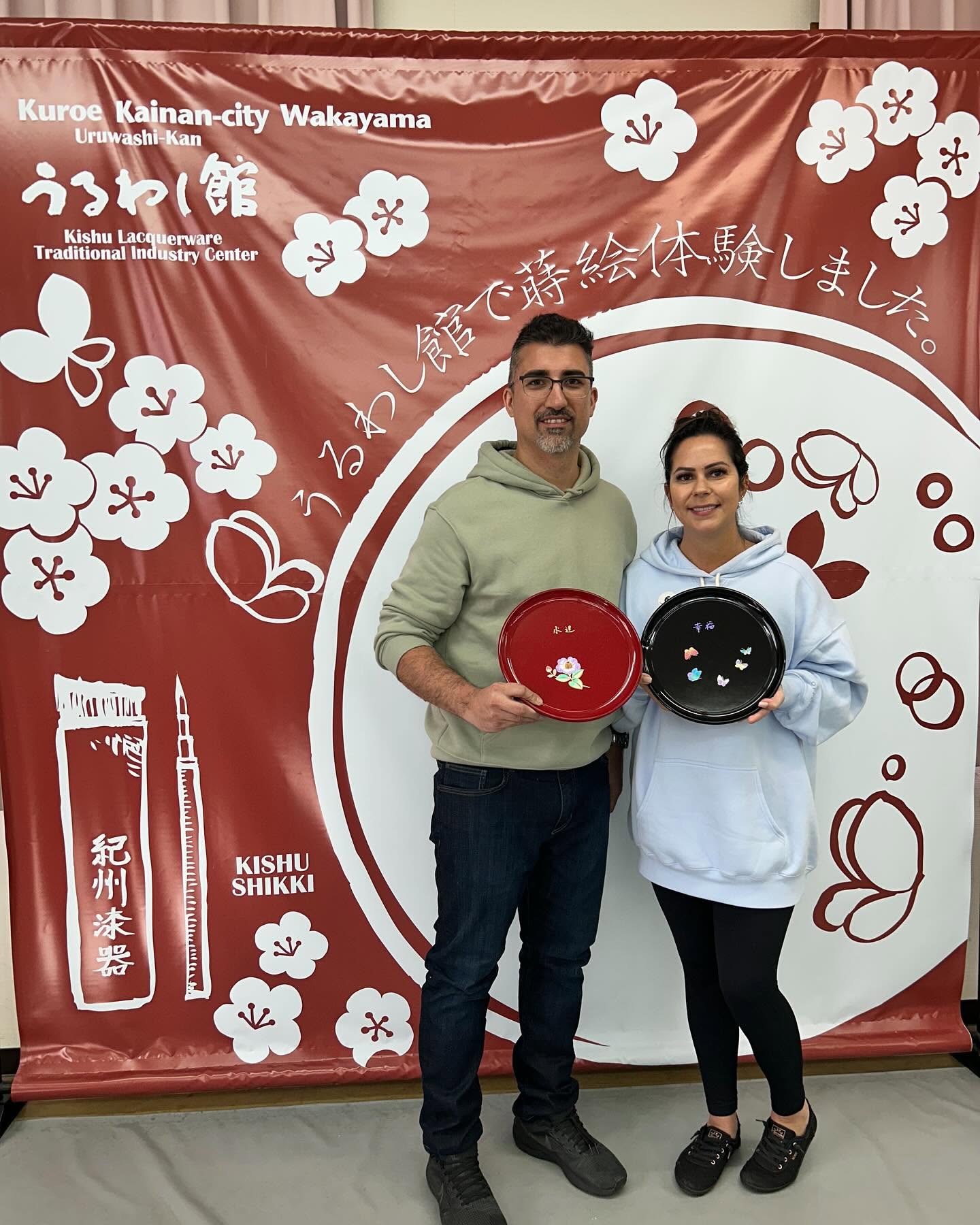
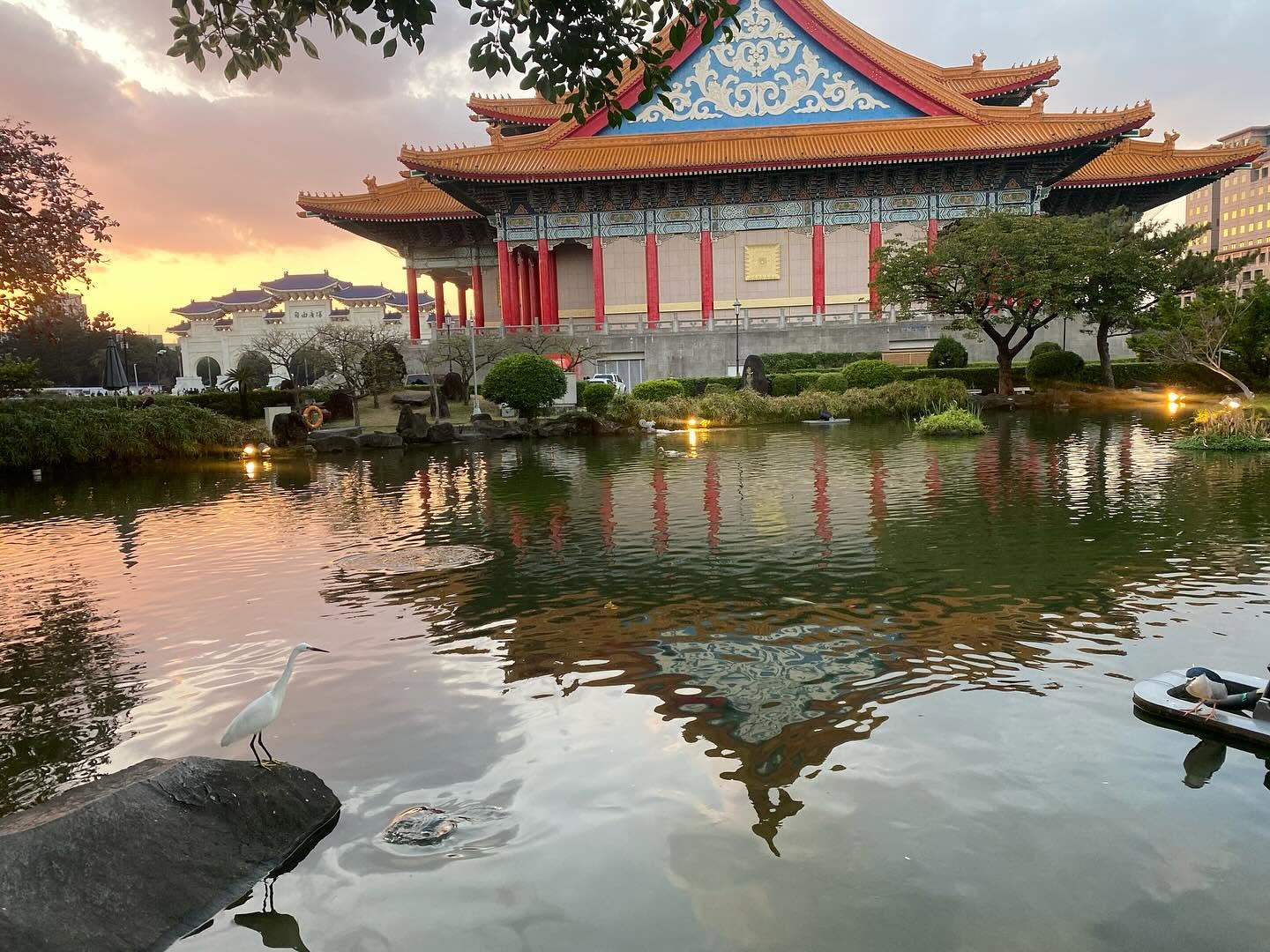
Before boarding the ship, Garcia and her husband spent a single day in Taipei, Taiwan, a stop she had not fully anticipated loving. It turned out to be one of her most significant regrets of the trip, not because the city disappointed her, but because it did the opposite. "We wished we actually took three days instead of just the one 24 hours before getting on the ship," she says now, a lesson she carries directly into conversations with clients who are tempted to cut their pre-cruise extension short. Taipei, she tells them, earns every extra day you can give it.
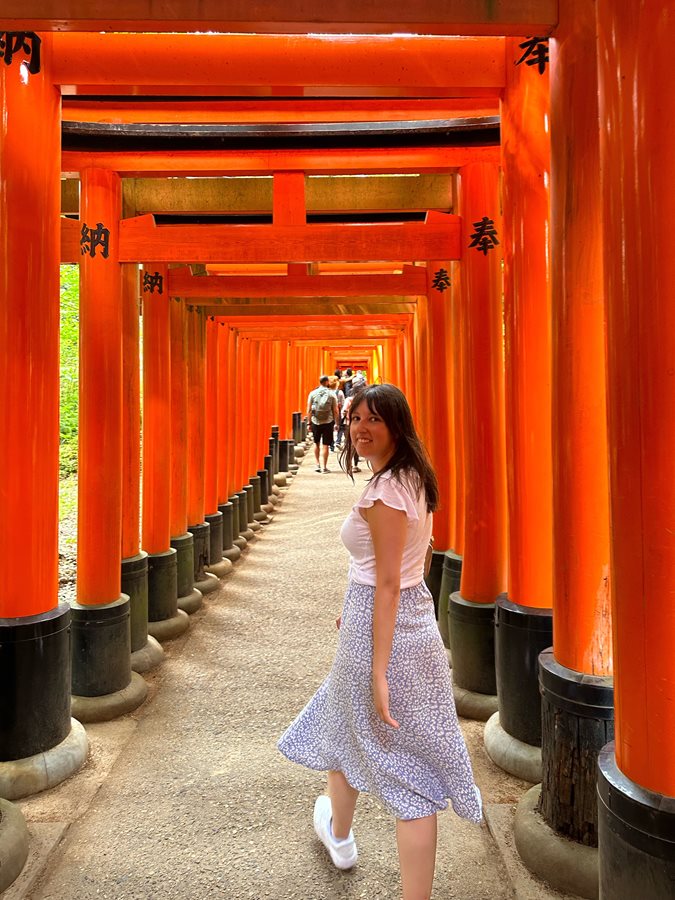
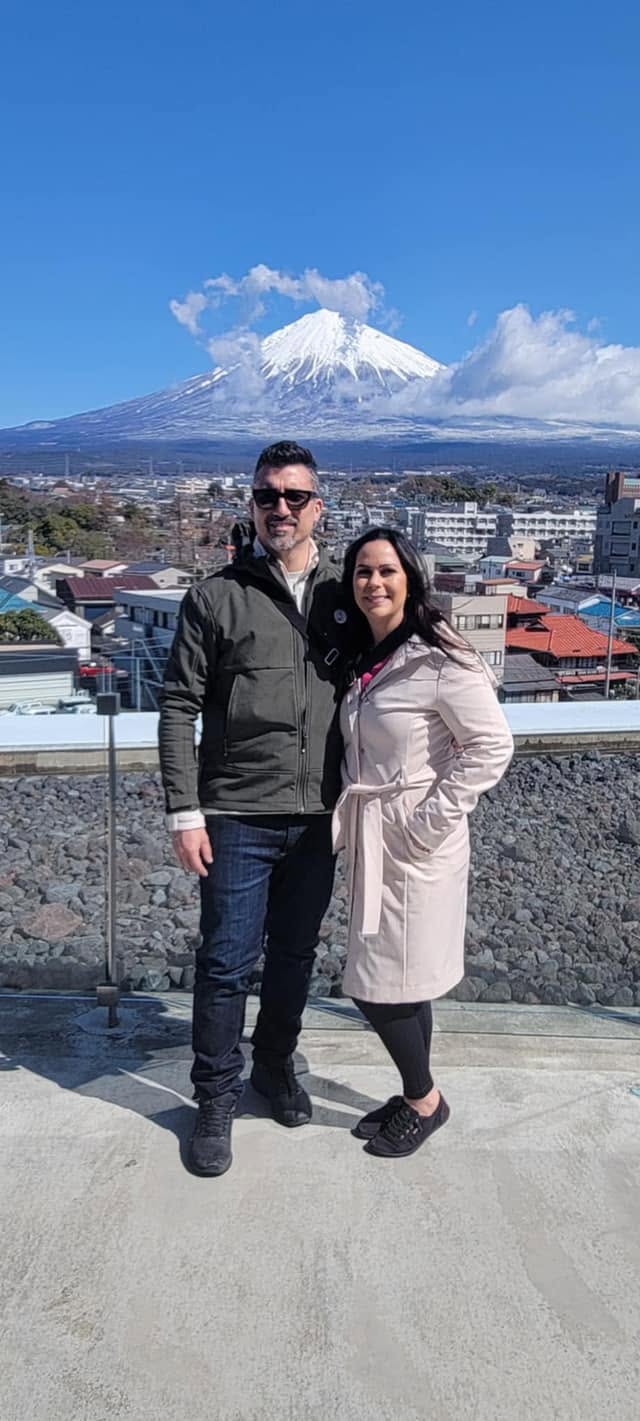
Once the cruise set sail and the Japanese ports began to unfold, Garcia found herself quietly recalibrating everything she thought she knew about urban life. Tokyo, a city whose size and density might suggest grime and chaos, was immaculately clean. Not just presentable, but startlingly so. The reason, she learned, was rooted in something far more deliberate than civic pride. "They don't have garbage cans so everyone takes their garbage home with them or puts it in their pocket," she explains, describing a policy born from anti-bombing precautions that had, over generations, become a defining expression of Japanese respect and collective responsibility. Garcia found herself noticing the absence of something she had never thought twice about at home, and it reframed the entire culture for her.
The punctuality was equally striking. In Japan, she discovered, being a few minutes early is simply called being on time. The subway systems ran like instruments in an orchestra, every note where it was supposed to be, every train exactly on schedule. For a traveler arriving from a country where "on time" carries considerably more flexibility, the precision felt less like a rule and more like a philosophy.
The Sushi That Moved, and the Octopus That Converted Her
Garcia is candid about the fact that she is not, by nature, a sushi devotee. She will eat it, she says, but it has never been the cuisine she reaches for on a date night. It was precisely this hesitation that made her approach to the trip so deliberate. She and her husband chose a cruise over a land-only itinerary partly as a strategic safety net, knowing that Norwegian's onboard dining would provide a familiar fallback if the local food scene proved too challenging. It was a client-psychology decision as much as a personal one, the kind of nuanced thinking that only comes from an advisor who truly understands her traveler's fears because she shares them.
Her caution was put to the test early. During a day tour led by a local guide, Garcia was taken to an authentic Japanese restaurant and ordered sushi. What arrived on the plate was not quite what she had anticipated. "The fish was still kind of moving on the plate. It really freaked me out. So coming home after that trip, I didn't eat fish for a few months," she says, laughing at the memory with the ease of someone who has since made peace with it. The moment is vivid, visceral, and perfectly honest, exactly the kind of detail that reassures hesitant clients that their nerves are not only valid but shared by the advisor sitting across from them.
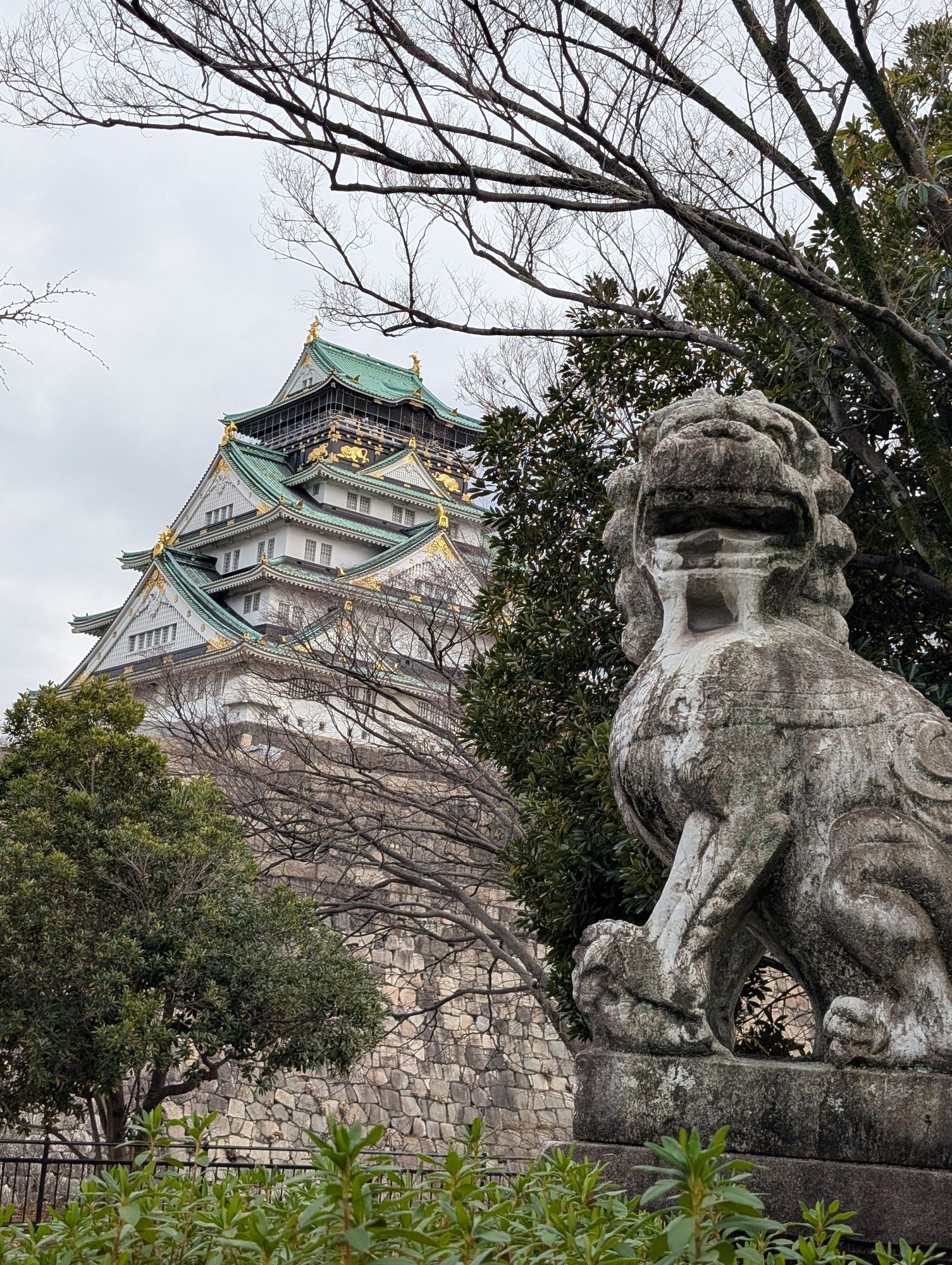
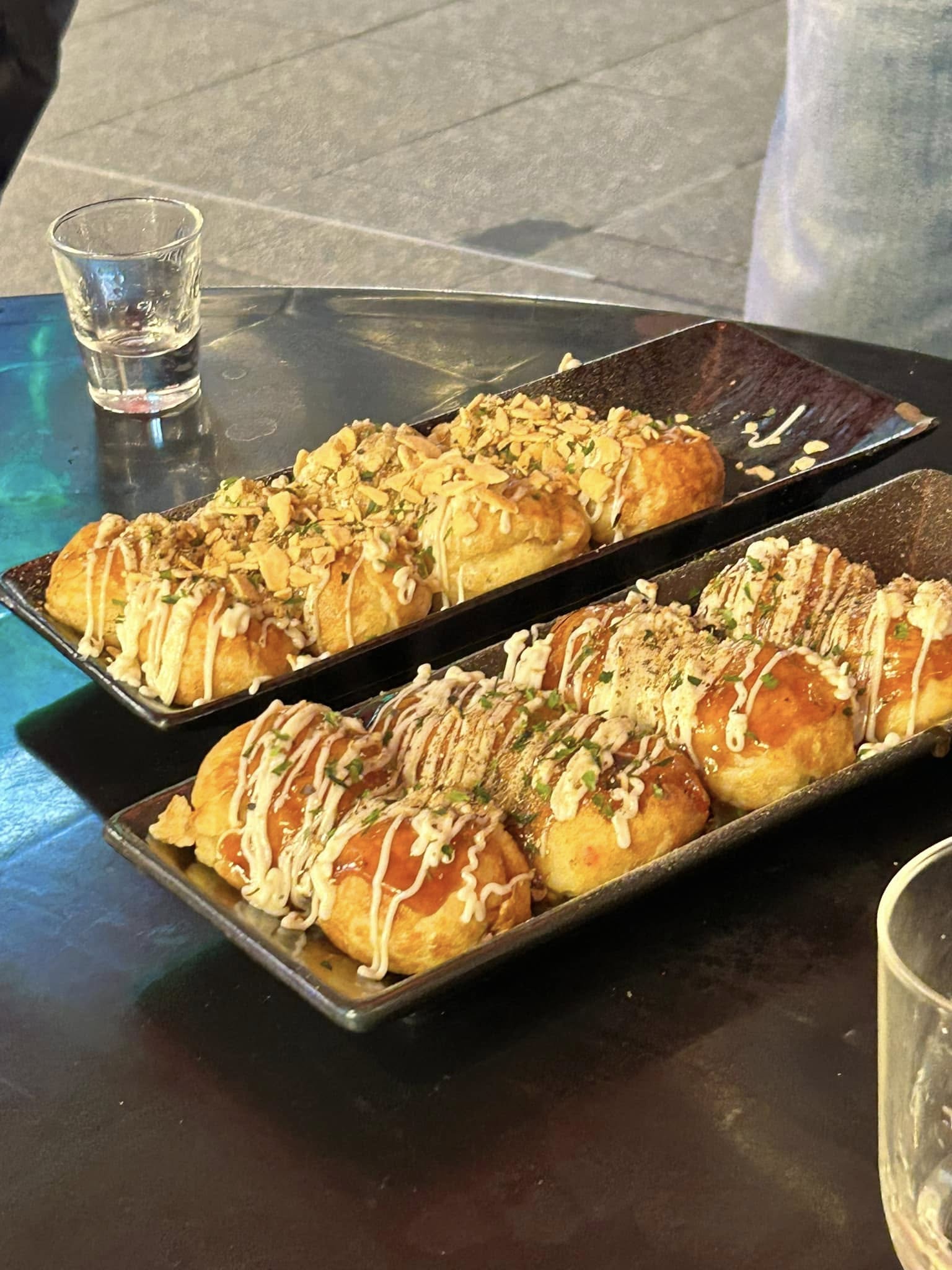
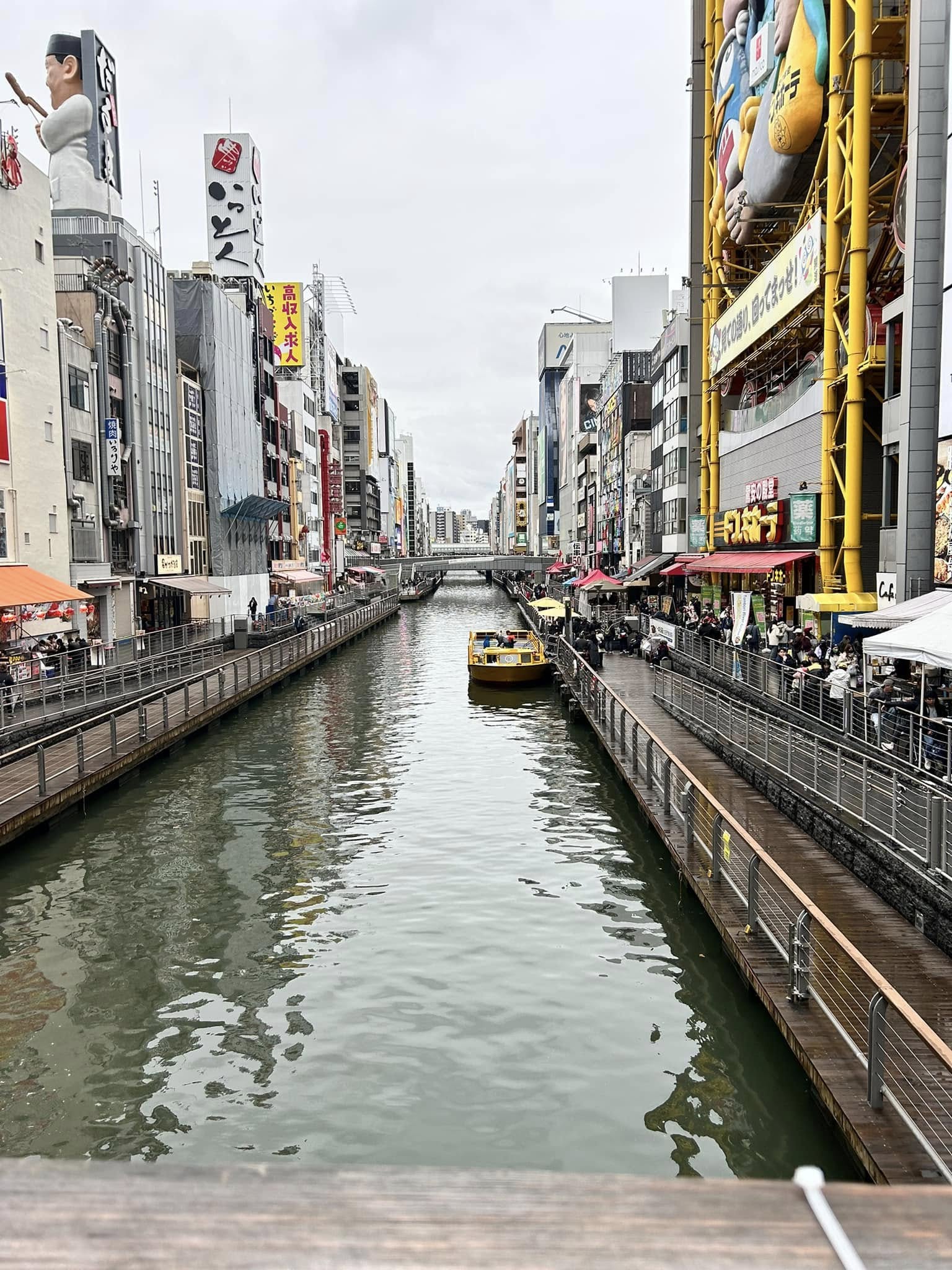
The greater culinary revelation, however, came in Osaka, the city that she and her husband agreed was the undisputed highlight of the entire journey. There, on a food tour through streets lined with vendors and sizzling pans, Garcia encountered takoyaki, deep-fried octopus balls served with a sauce that stopped her skepticism cold. "Things that you would just put your nose up at here tasted so good there," she says, a sentence that neatly captures the arc of her entire trip. The food-nervous Canadian had become, quietly and deliciously, a convert.
Lost in Seoul, Found in Friendship
If Osaka was the culinary peak, Seoul was the emotional one. Garcia had researched an authentic Korean barbecue restaurant before leaving home, the kind of advance preparation that defines a good advisor. But when the ship docked and she and her husband set off to find it, Google Maps refused to cooperate. In South Korea, where government restrictions limit foreign mapping applications, the digital lifeline that modern travelers depend on simply does not function the way they expect. Suddenly, Garcia found herself in a foreign city, holding a paper map, navigating streets she did not know, in a country where public transportation was the expected mode of movement for visitors.
What happened next became the story she tells most often. Walking down a Seoul street, map in hand and destination uncertain, she and her husband encountered another couple in exactly the same predicament. They joined forces. They navigated together. They found somewhere to eat, spent the entire day exploring side by side, and exchanged social media details before the night was out. They are still connected today. "It was one of my favorite days out of the whole trip," Garcia says, and the warmth in those words is unmistakable. The day when everything went technically wrong turned out to be the day everything went beautifully right.
What She Brings Back to Her Clients
The professional insights Garcia carries home from this trip are as practical as they are personal. She now knows, for instance, that port location matters enormously on a large-ship cruise. During the Japan leg, she and her husband had hoped to attend a sumo wrestling event, but the travel time from port to venue and back made the logistics too tight to attempt comfortably. The excursion was abandoned in favor of something closer and less stressful. It is a lesson she now passes on directly: when planning shore excursions for cruise clients, the distance between the ship and the destination is never a detail to overlook.
She is equally clear about who this kind of trip is built for and who might find it a stretch. Travelers who are genuinely open to new flavors, even if they arrive at that openness nervously, will find Japan and its neighbors endlessly rewarding. Those who are deeply resistant to any departure from familiar food may find the experience more challenging, though Garcia is quick to note that the language barrier, often cited as a concern, proved far more manageable than expected. Google Translate handled menus with ease, and the warmth of the people more than compensated for any communication gaps.
For clients who have always been curious about Asia but could never quite picture themselves there, Garcia has become a particularly persuasive voice. She arrived as one of them: uncertain, food-cautious, and quietly intimidated by the distance. She left as someone who stood in the streets of Osaka eating octopus and loved every bite. As she looks ahead to her husband's 40th birthday celebration, a Norwegian Cruise Line voyage through Europe in October, Garcia reflects on what this trip gave her beyond the memories. "Now I know what makes sense to put in an itinerary so it flows better," she says, "and so you can see multiple cities without the trip feeling too long." It is the kind of wisdom that only comes from having been there, made the mistakes, and come home ready to make sure her clients never have to repeat them.