A February 2025 fam trip to Japan with Celebrity Cruises and JNTO transformed travel advisor David Petlin from a hesitant outsider into one of the destination's most enthusiastic and well-equipped sellers.
At a Glance
Japan surprises first-time visitors with bilingual signage, affordable street food, and genuine hospitality despite initial assumptions about language barriers and cost. Travel advisors who visit discover Mount Fuji views from the Shinkansen, the necessity of carrying trash bags due to absent public cans, and that pre- or post-cruise time transforms a layover into a meaningful journey.
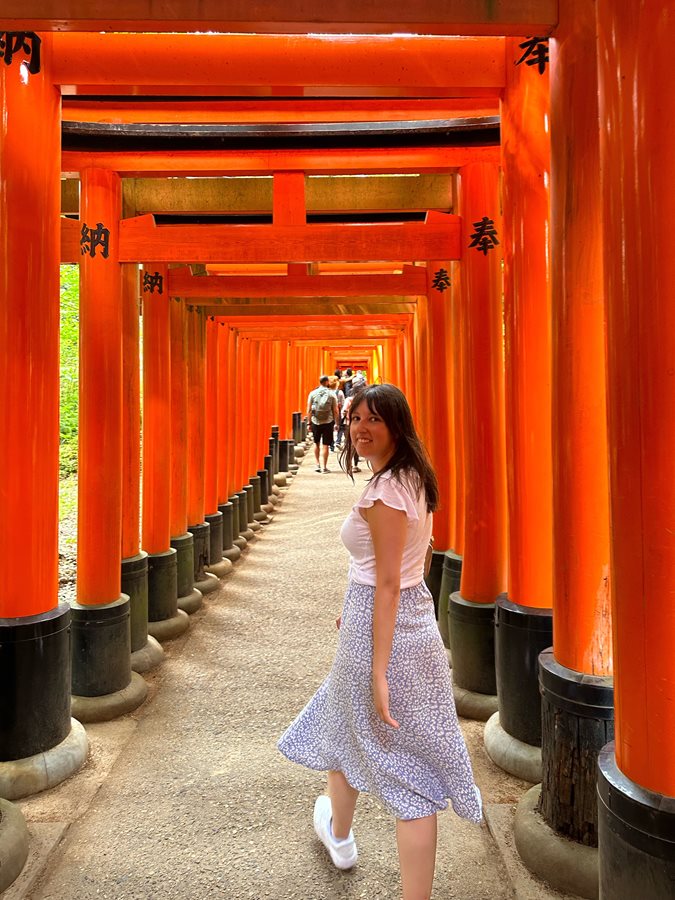
David Petlin did not used to sell Japan. Not because he had anything against it, but because he simply did not know it well enough to feel confident. Like many travel advisors, he had been working from a distance, relying on destination management companies and secondhand knowledge, operating under a set of assumptions that, as it turned out, were largely wrong. Then came February 2025, a fam trip organized in partnership with Celebrity Cruises and the Japan National Tourism Organization, and everything changed.
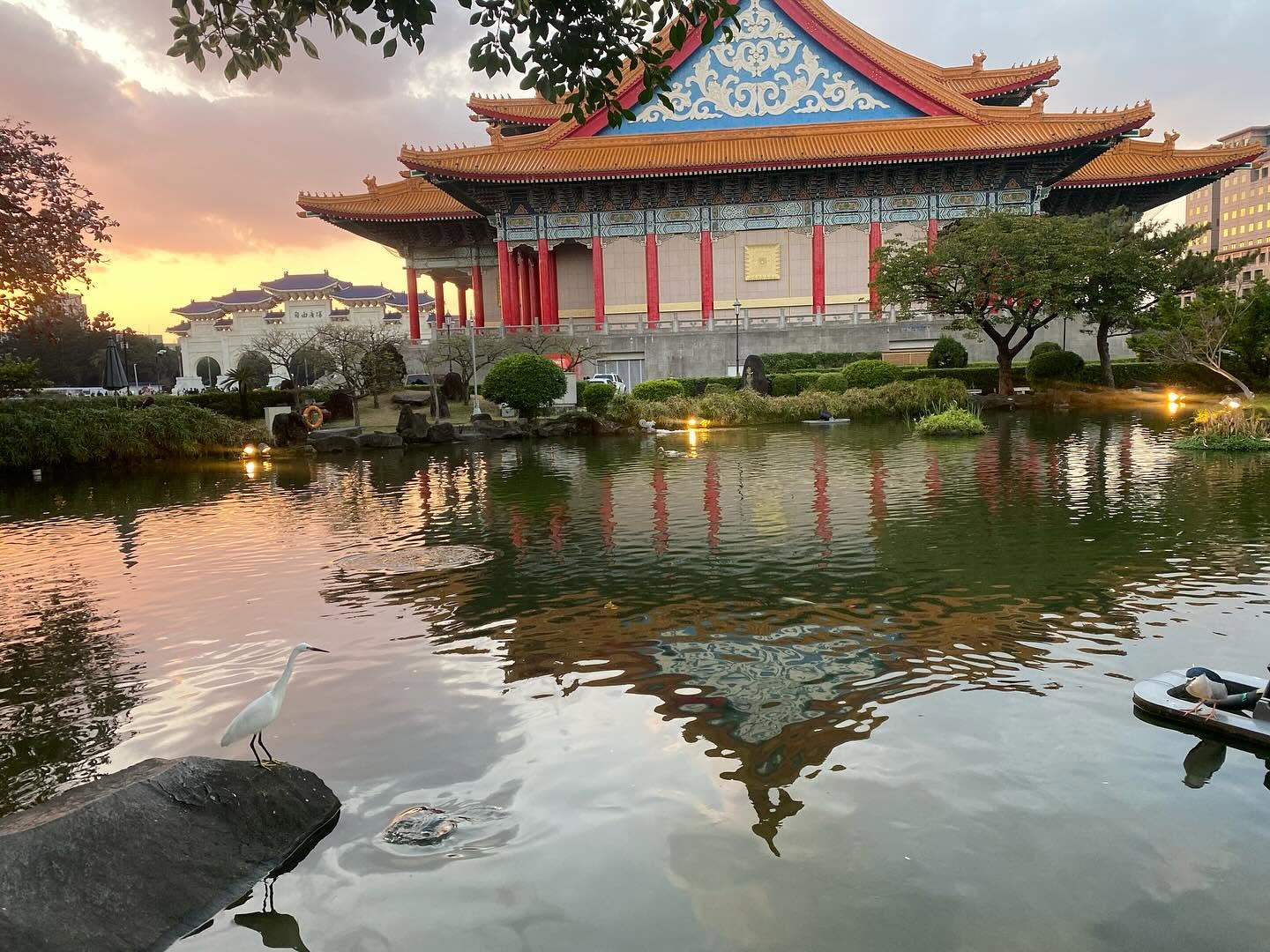
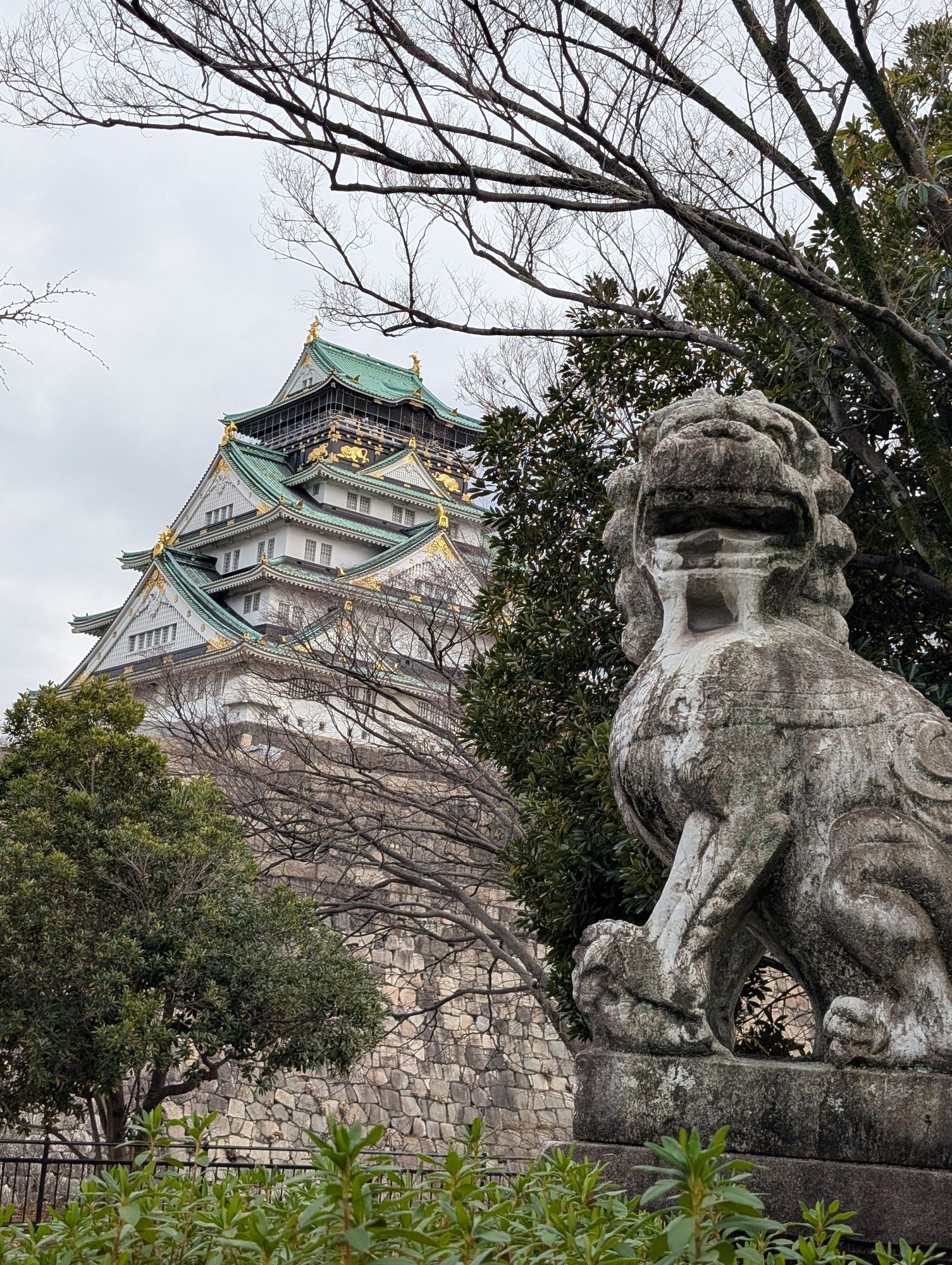
Petlin joined a small group of about six agents, accompanied by a full-time tour guide named Kiki and escorts from JNTO, on a carefully constructed journey through Tokyo, Yokohama, Kyoto, and Kobe, with a final departure from Osaka. The trip was designed not just to showcase Japan as a leisure destination, but to help advisors understand what the country looks like through a cruise traveler's eyes: the port cities, the boarding experience at Yokohama's cruise terminal, and the rich possibilities waiting before and after any sailing. What Petlin came home with, however, went far beyond logistics.
The Surprise of Ease
Before the trip, Petlin had quietly assumed Japan would be challenging for American tourists. Language barriers, cultural confusion, the fear of getting lost in a place where the signage looks entirely foreign. None of that materialized. "There was no culture shock or fear of things," he says. "Everything was in Japanese and English for the most part. We never had any language barrier." Bilingual signs appeared throughout restaurants, transit stations, and tourist sites, and on the rare occasion that communication became tricky, Google Translate stepped in as what Petlin calls "your saver."
What surprised him even more was the warmth of the people he encountered. Petlin had picked up a few words of Japanese before the trip, just enough to introduce himself or offer a simple response, and the reaction from locals was immediate and genuine. He describes how the people he met were "incredibly hospitable," and how they lit up whenever he attempted even a phrase or two in their language. It was a small gesture with an outsized return, a reminder that cultural curiosity, however rudimentary, is its own form of connection.
A Food Culture That Rewrote the Budget
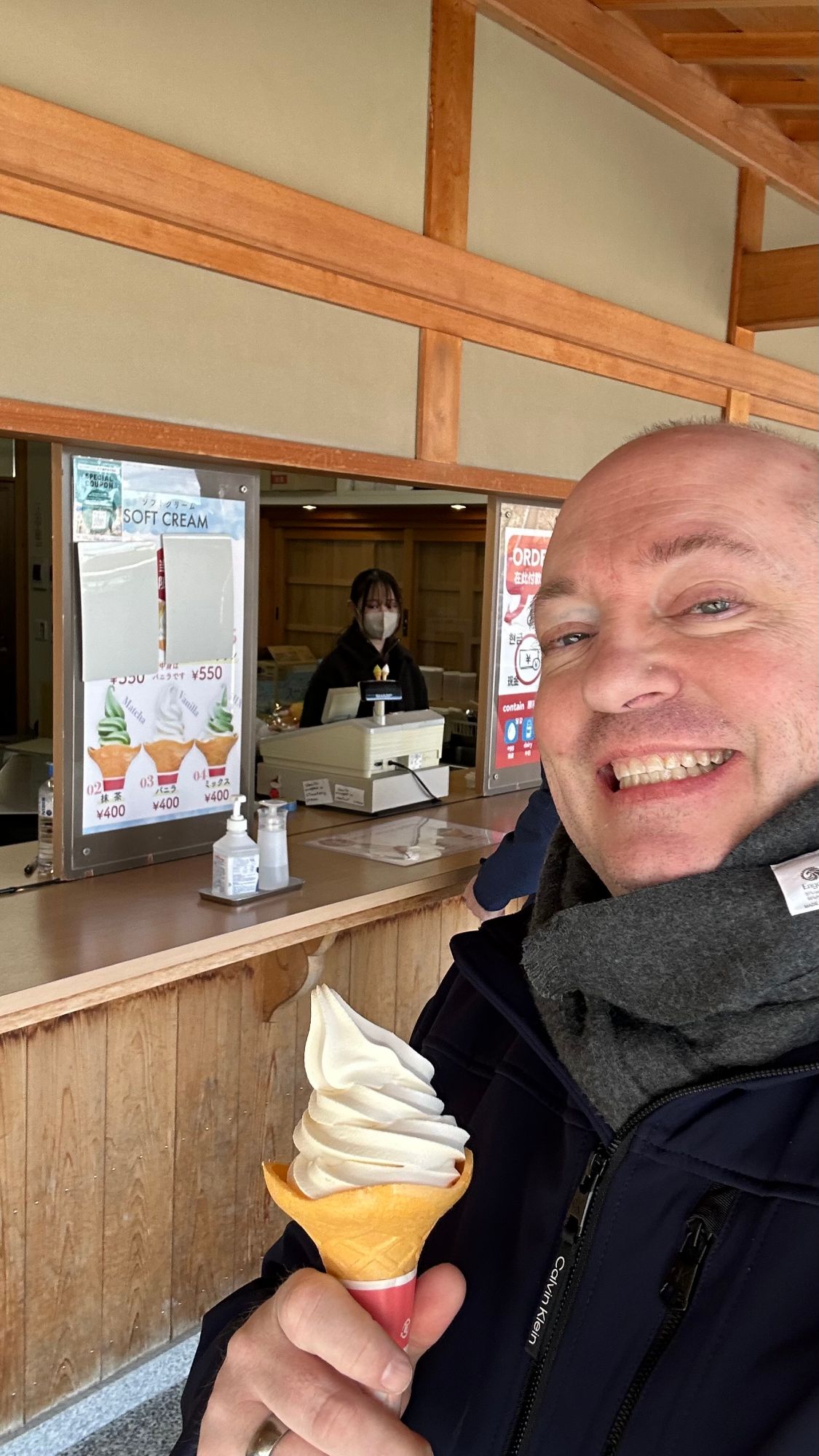
The other assumption Petlin arrived with was that Japan would be expensive. Flights and premium tours can certainly add up, but on the ground, the story was far more generous than he expected. Nowhere was this clearer than at Nishiki Market in Kyoto, the city's famous covered food hall stretching through the heart of the old city. Stall after stall offered fresh sushi, grilled fish, and sizzling steak, all prepared directly in front of the customer, all for just a couple of dollars a piece. "I could get really good food, especially when I went to the food market, the food stall hall in Kyoto," Petlin says. "You can go down and just eat tons of different foods and samples from fresh sushi to grilled fish, grilled steak, and they all make it right there in front of you. And how affordable."
There is a catch, and it is one that catches nearly every Western visitor off guard. In Japan, you do not walk and eat. When you buy something at a market stall, you eat it right there, in front of the vendor, before moving on. For someone accustomed to wandering a food truck park with a pretzel in hand, this required a small but genuine mental adjustment. Petlin now passes this tip on to every client heading to Japan.
He also passes on another one: pack a small trash bag. Japan's streets are immaculate, spotless in a way that feels almost impossible given the foot traffic of its cities. The paradox is that there are almost no public trash cans to be found. "That trash can thing was really crazy," Petlin says. "How there's no trash cans anywhere, but how clean it was." Visitors carry their own waste back to their hotels, a practice that speaks to a deeper cultural ethic around shared public space and collective responsibility. It is one of those details that no guidebook quite prepares you for, but that a well-traveled advisor can brief a client on in thirty seconds.
Mount Fuji Through a Bullet Train Window
The group traveled between Tokyo and Kyoto on the Shinkansen, Japan's legendary bullet train, and Petlin came prepared with one piece of advice he now considers essential. If you are traveling south, book a seat on the right-hand side of the train. That is where Mount Fuji appears in the window, snow-capped and vast, hovering above the landscape for a few breathtaking minutes before the train speeds past. "Got some amazing photos and views of Mount Fuji from the train," Petlin says, "and I think that was really cool." It is the kind of hyper-specific, you-had-to-be-there tip that separates an advisor who has done the trip from one who has simply read about it.
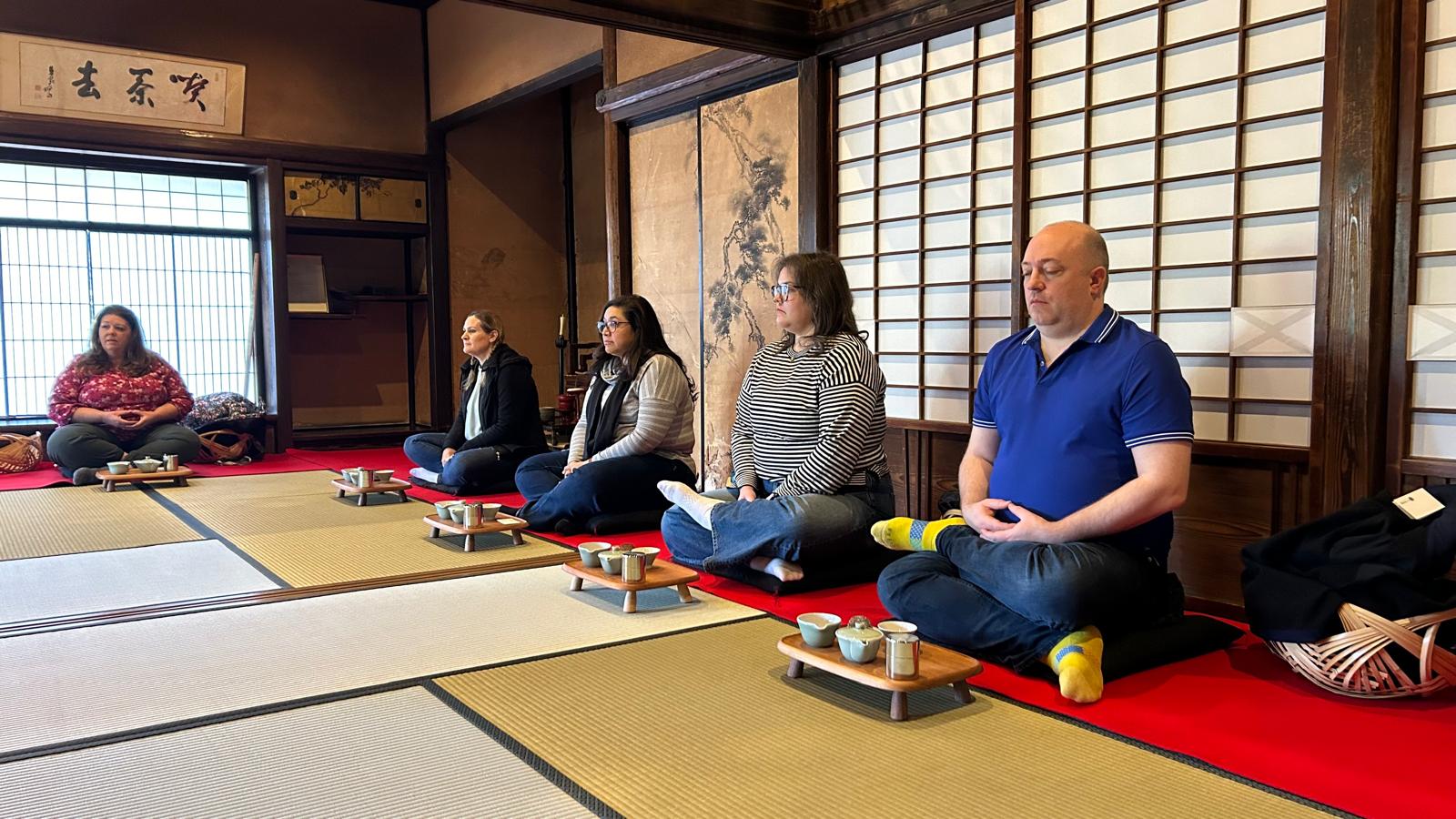
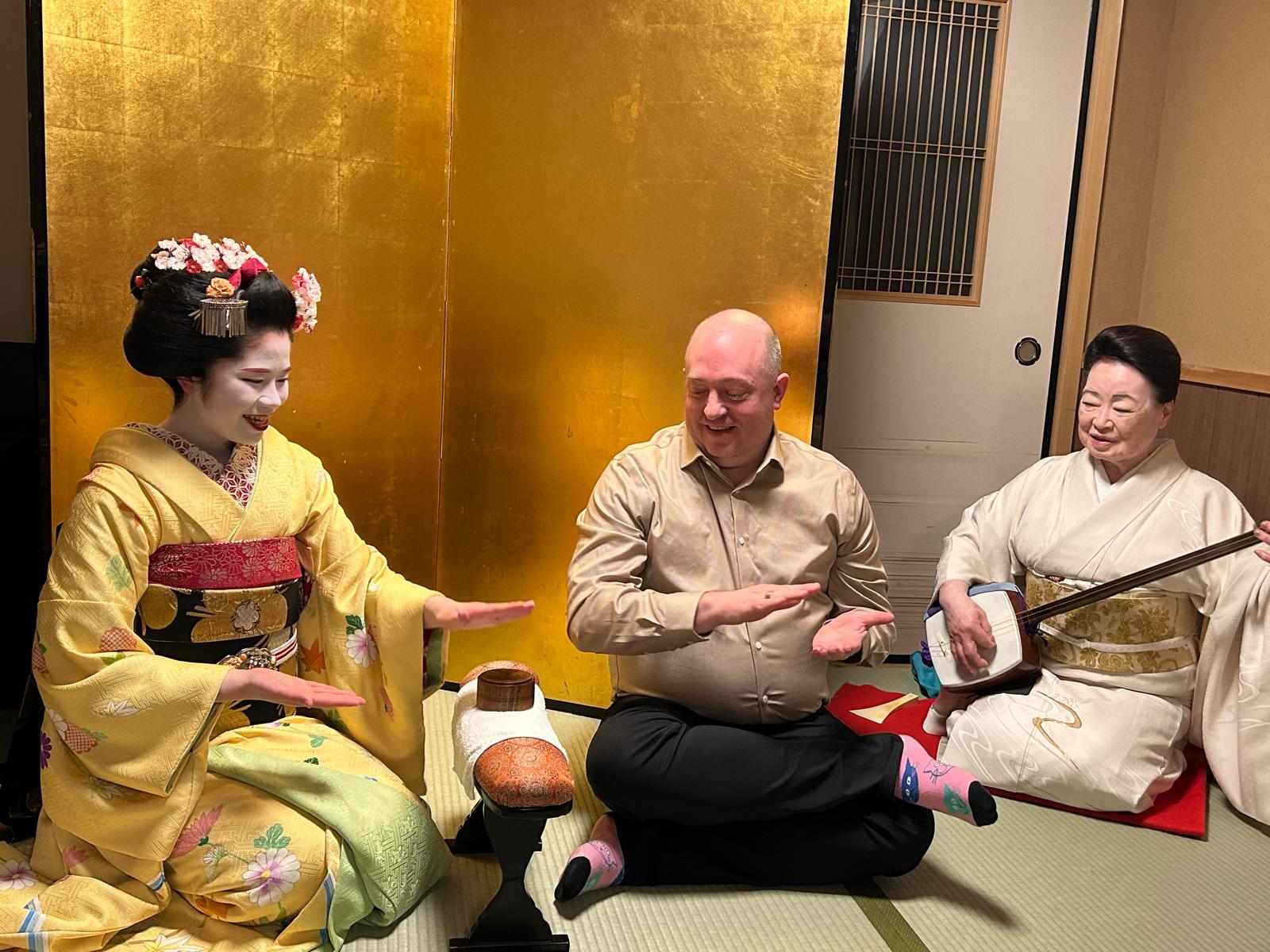
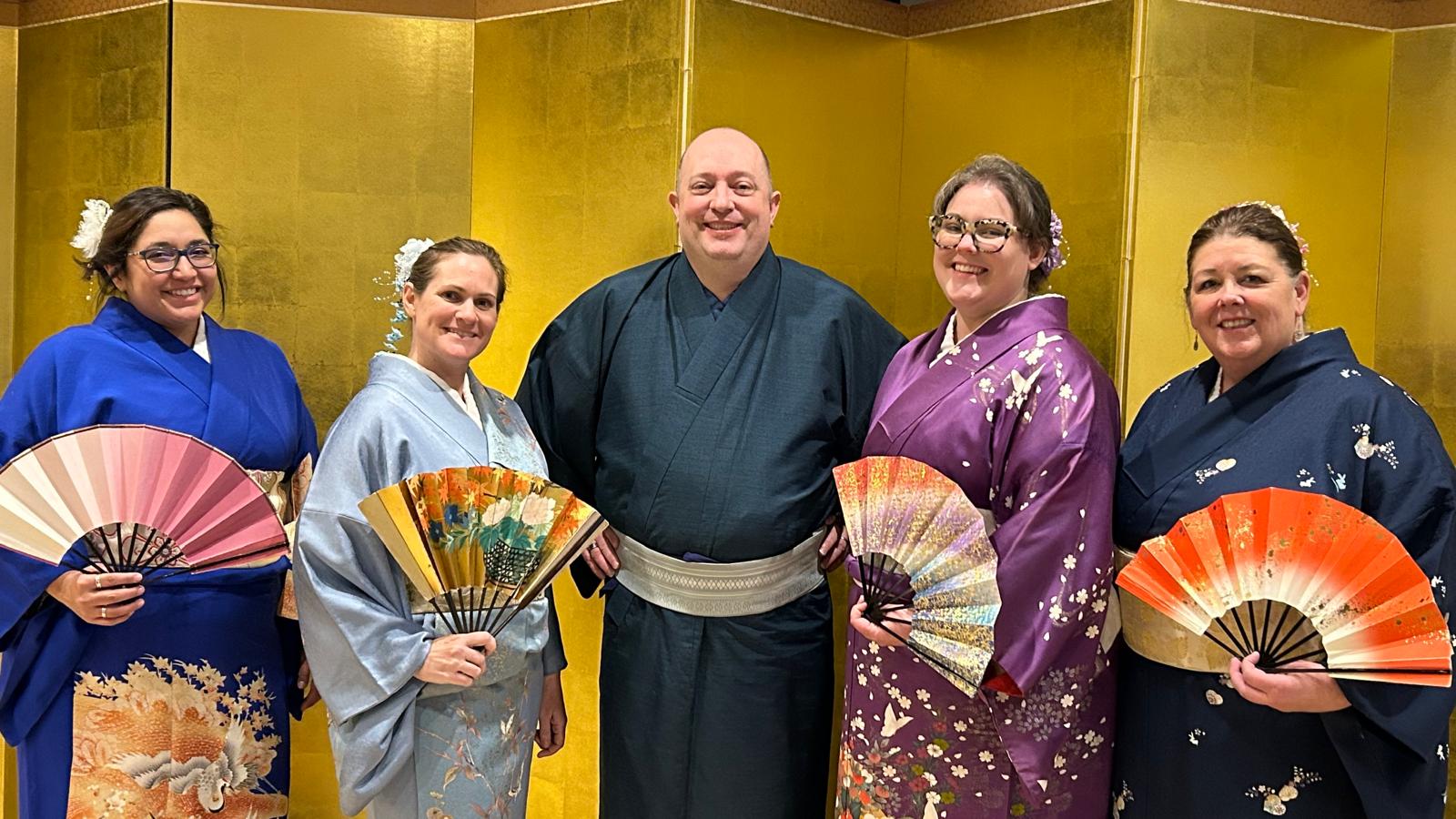
Kyoto also delivered two of the trip's most memorable curated experiences. The group participated in a kimono ceremony, where each traveler was dressed head-to-toe in a vintage or traditional kimono, complete with a styled photo shoot in a Japanese garden. And then there was the geisha dinner. A small, intimate gathering with a maiko, a geisha in training, and a more senior geisha who guided the group through conversation, traditional games, and live performances on classical instruments. "It's a very kind of losing art form," Petlin notes. "There's not a lot. There's only certain destinations in Japan where you can have that geisha experience, and it's something I really took away as a special experience." Neither of these can be arranged on a whim. Both require advance planning, and both are now standing recommendations from Petlin to any client who wants to experience Japan beyond its surface.
Who This Trip Is For
Petlin is thoughtful about fit. He sees Japan working beautifully for couples and friend groups ranging from their twenties through their seventies, for honeymooners looking for something more original than a repeat European itinerary, and for self-guided travelers who enjoy researching trains and food markets without needing a tour guide at every turn. He is equally candid about where the destination presents challenges. Families with young children may struggle with small hotel rooms that rarely accommodate two adults and two kids comfortably. Travelers with significant mobility considerations will find the country accessible in many respects, but the volume of walking and the depth of transit station stairwells can add real strain. For those clients, Petlin suggests that the cruise portion alone may be the better fit.
And for cruise clients in general, his message is direct. Too many travelers fly into Yokohama or Tokyo, spend one night at a hotel, and board their ship without ever really seeing Japan. Petlin now actively encourages his cruise clients to build in four or five additional days before or after their sailing. He spent time in Yokohama learning to make ramen at the city's Ramen Museum, and he argues that the port city deserves to be a destination in its own right, not just a logistical layover. The same principle applies wherever he sends clients. Pre- and post-cruise time is not an add-on. It is where a trip becomes a journey.
The Advisor Who Goes First
Before February 2025, Petlin's agency, Fleur Travel, did not sell Japan. After the trip, he has closed multiple Japan bookings, each one guided by the kind of fluency that only comes from being there. He knows which side of the bullet train faces Fuji. He knows that Nishiki Market demands patience and a willingness to stand still. He knows to suggest a small trash bag and to warn clients that the Kit Kat aisle at a Japanese convenience store is a genuinely delightful rabbit hole, with flavors unavailable anywhere in the United States.
That same methodology now points toward his next destination. Petlin is preparing for a trip to Vancouver and Whistler with Destination Canada, motivated by the same logic that drove him to Japan: so many of his Alaska cruise clients fly into Vancouver and see almost nothing of it. He intends to fix that, one first-hand experience at a time. "Doing this with a four-night trip to Vancouver and Whistler," he says, "can really help me sell and explain why these are destinations. If they're doing a seven-night Alaska cruise, doing four nights here before or after their cruise could really help make their cruise experience awesome. Just like we did in Japan." For Petlin, the trip always comes before the recommendation. That is not a policy. It is simply how he works.