Travel advisor Cleofe Cornelio set sail through Japan and South Korea with her family expecting the pace of multi-country travel to overwhelm the experience, and came home with a story that has quietly changed the way she advises every client who walks through her door.
At a Glance
An 11-day Norwegian cruise through Japan and South Korea proves that visiting multiple countries in one trip need not feel rushed. The ship serves as a constant home base while each port reveals distinct cultural textures, allowing travelers to experience depth across destinations without logistical strain or frequent hotel changes.
There is a particular kind of travel wisdom that cannot be found in a brochure. It lives in the early morning light falling across an unfamiliar port, in the weight of a silk kimono slipped over your shoulders for the first time, in the quiet recognition that the assumptions you carried aboard a ship were gently, completely wrong. For Cleofe Cornelio, a travel advisor who recently completed an 11-day Norwegian cruise through Japan and South Korea with her husband and daughter, that wisdom arrived one port at a time.
Cornelio had held a belief common among even experienced travelers: that visiting multiple countries within a single trip would inevitably feel rushed, a blur of arrivals and departures that sacrifices depth for breadth. The 11-day Norwegian itinerary, threading through some of Asia's most storied coastlines, challenged that belief from the very first day. "It challenged my belief that exploring multiple countries would feel rushed," she reflects. "It was actually a relaxed and enriching way to travel." Coming from an advisor who has spent years helping others navigate complex itineraries, that admission carries real weight.
A Family Voyage, Port by Port
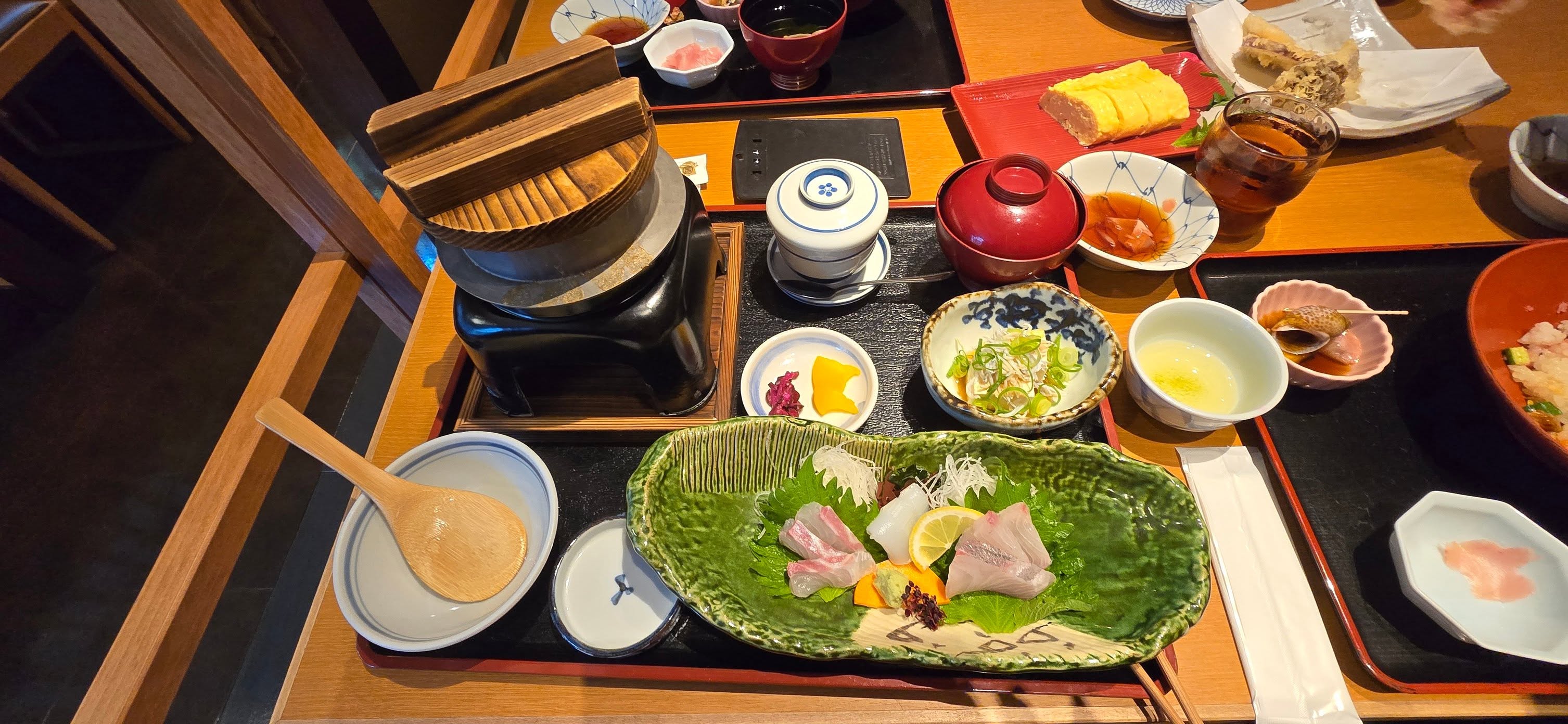
What made the journey immediately distinctive was its rhythm. Each port arrived with its own personality, its own palette of sounds and flavors and histories, yet the ship itself provided a constant, unhurried home base. There were no hotels to check into, no luggage to repack, no logistical scramble between two very different countries. Just the slow approach of a new shoreline and the promise of something entirely fresh waiting beyond the dock.
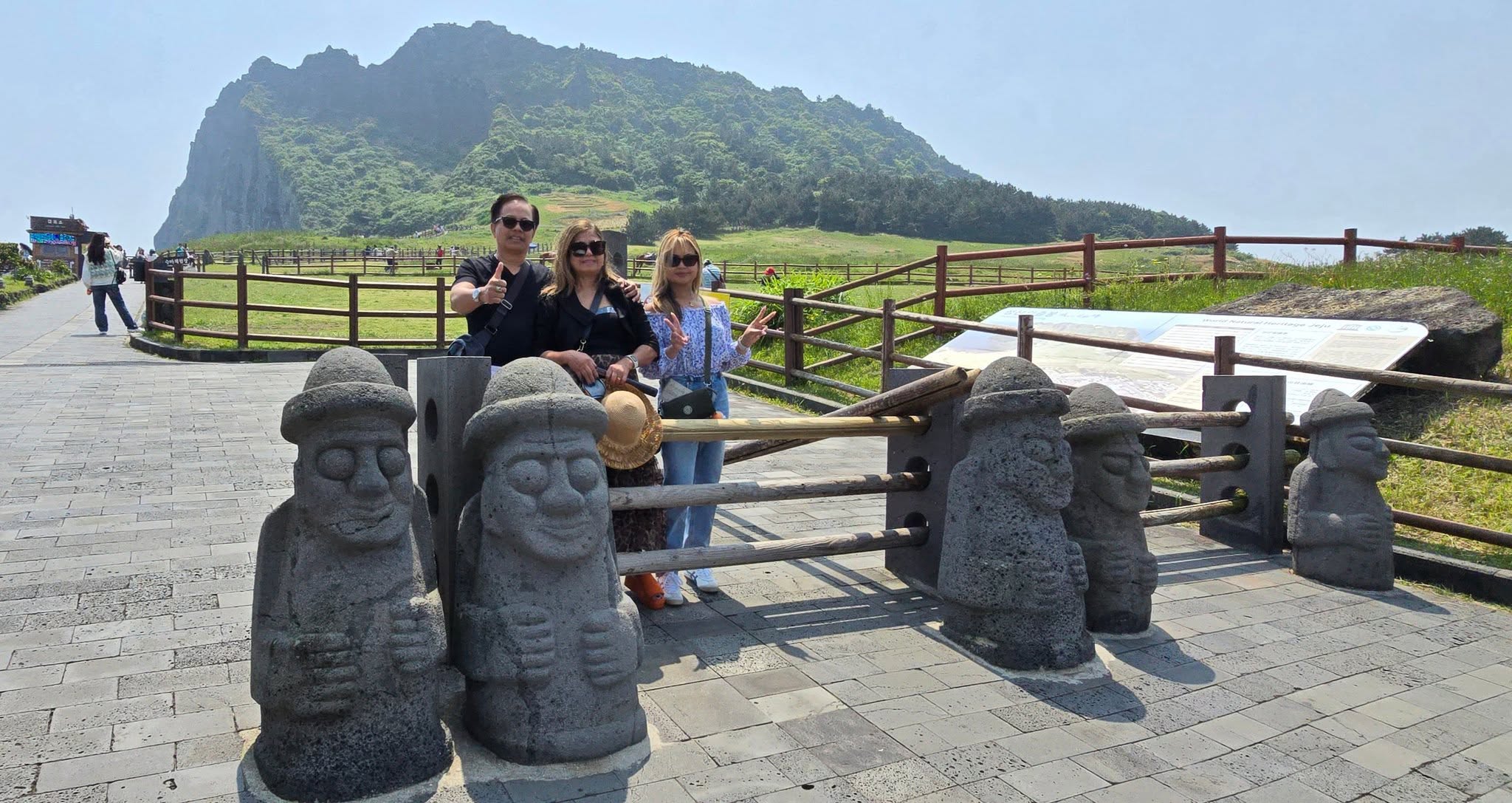
Cornelio describes the experience in terms that go well beyond the practical. "Visiting beautiful ports, immersing ourselves in different cultures, and creating unforgettable memories together made the journey truly special," she says, her warmth for the trip unmistakable. "More than the destinations themselves, it was the quality time we shared that I'll remember and talk about for years to come." For a family traveling together, that layering of place and connection turned a well-designed itinerary into something genuinely irreplaceable.
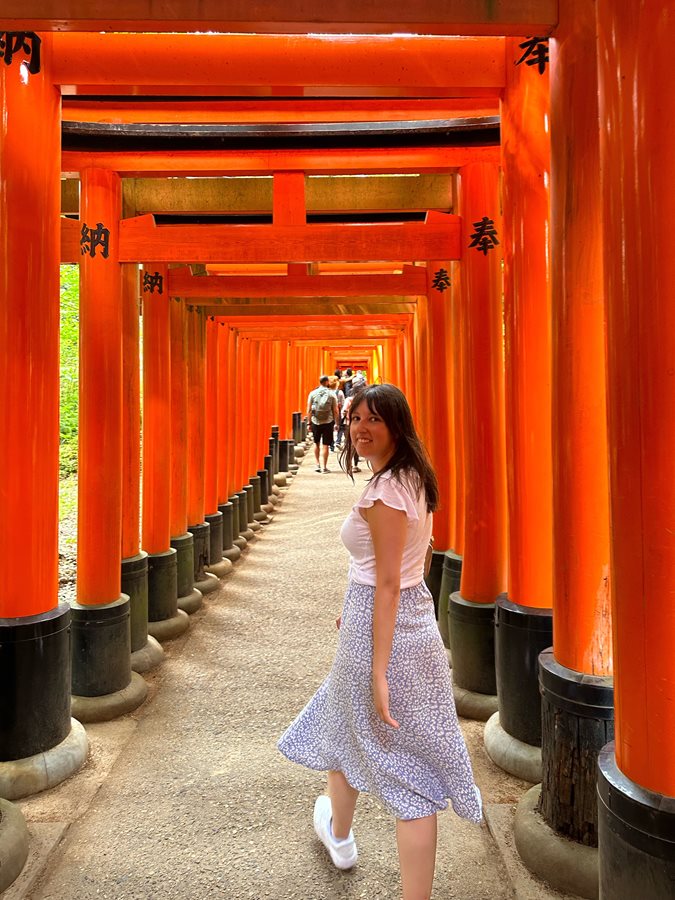
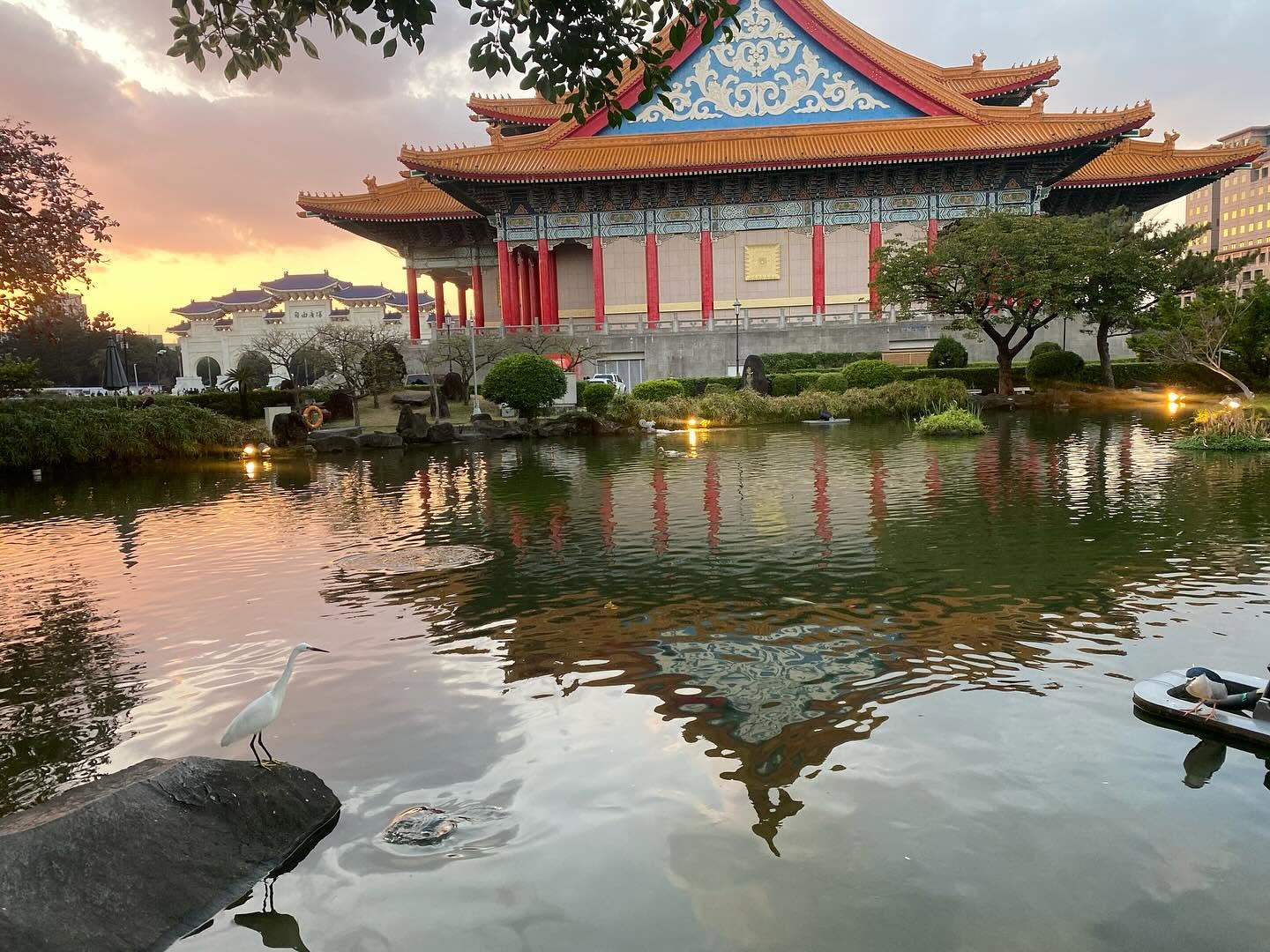
The ports themselves delivered on every expectation and then exceeded them. Japan and South Korea, while geographically close, revealed themselves as fascinatingly distinct at every stop. The cultural textures shifted noticeably from one landing to the next, from the intricate rituals and refined aesthetics of Japanese tradition to the bold, layered history woven through South Korean cities. Cornelio found herself genuinely surprised by how fully each destination announced itself, and how little the cruise format diminished that impact.
The Moment That Stays With Her
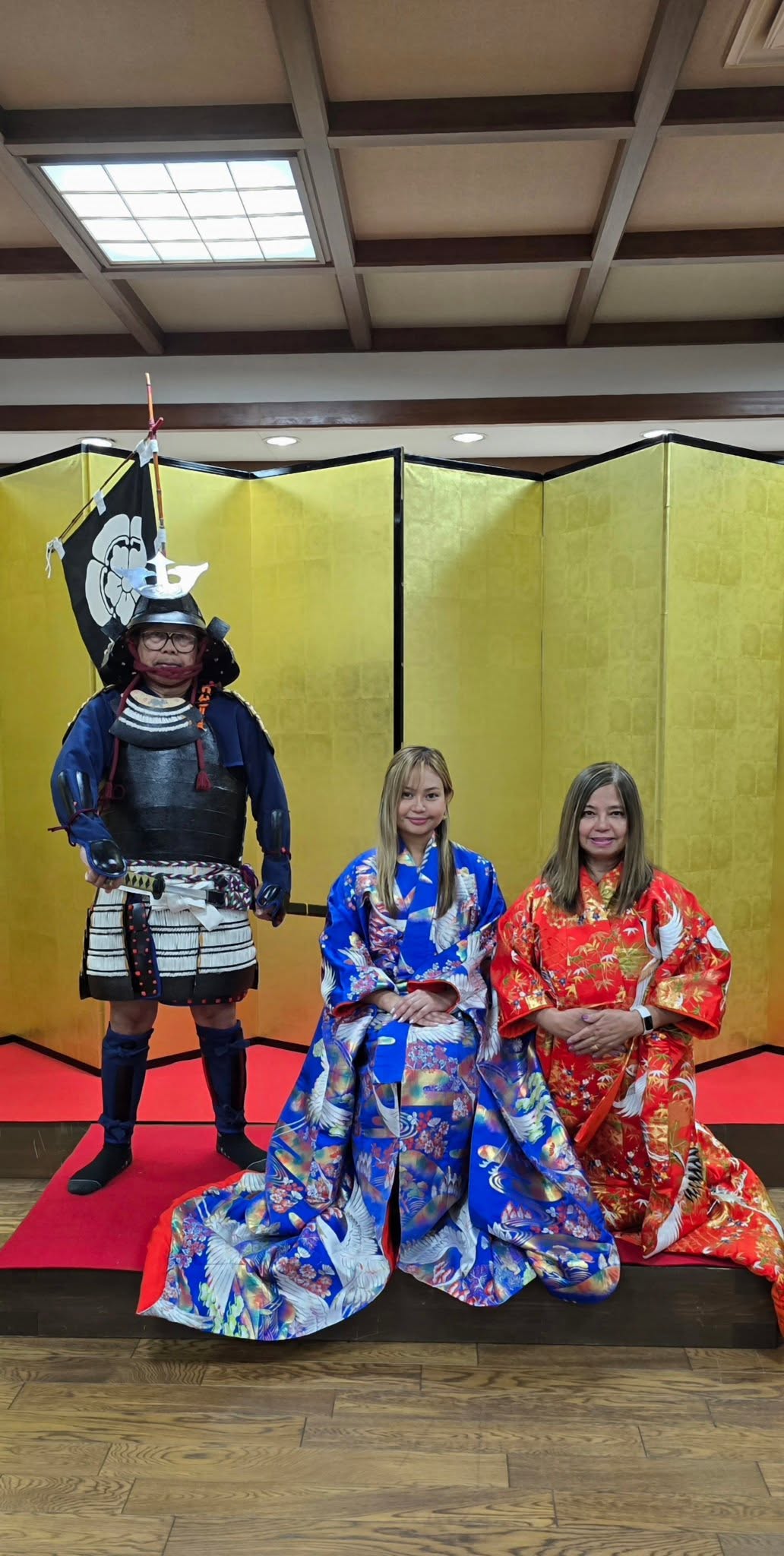
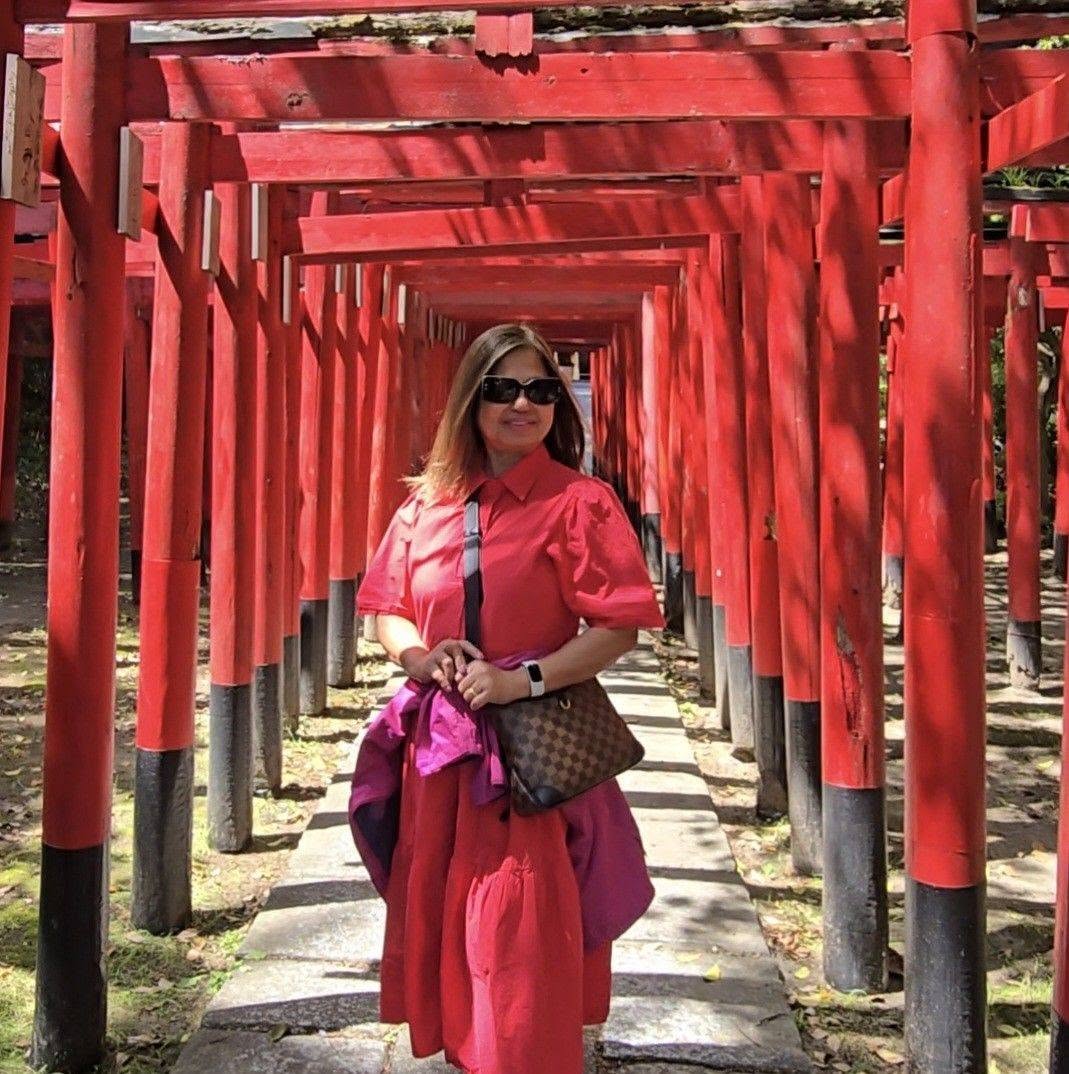
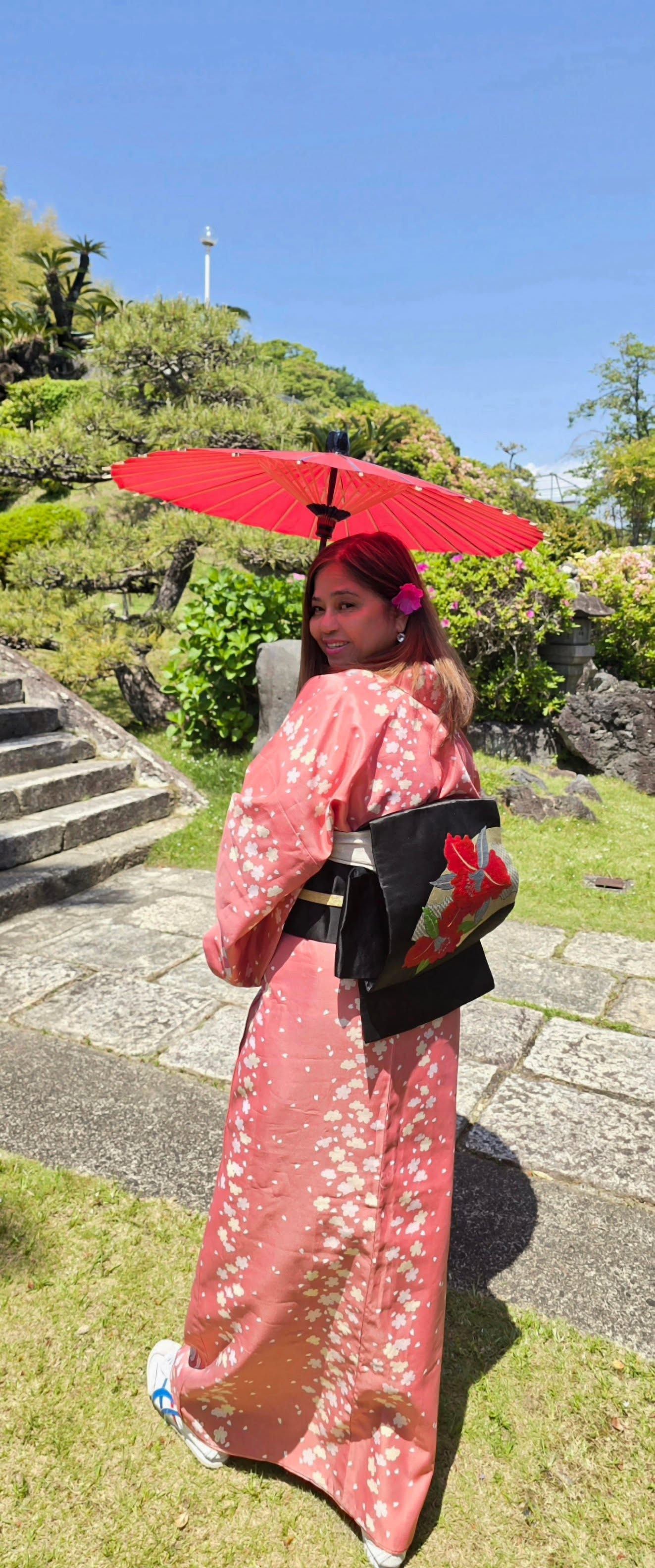
If one experience crystallized the spirit of the trip, it was the opportunity to step, quite literally, into Japanese culture. During one of their port days in Japan, Cornelio and her family dressed in traditional Japanese clothing, an experience that moved well beyond the photogenic and into something more quietly profound. "One of the most memorable experiences was having the opportunity to wear traditional Japanese clothing," she says, "which gave us a deeper appreciation of their rich cultural heritage." It was the kind of immersive moment that no itinerary bullet point can fully prepare you for, the kind that travels home with you long after the ship has docked for the last time.
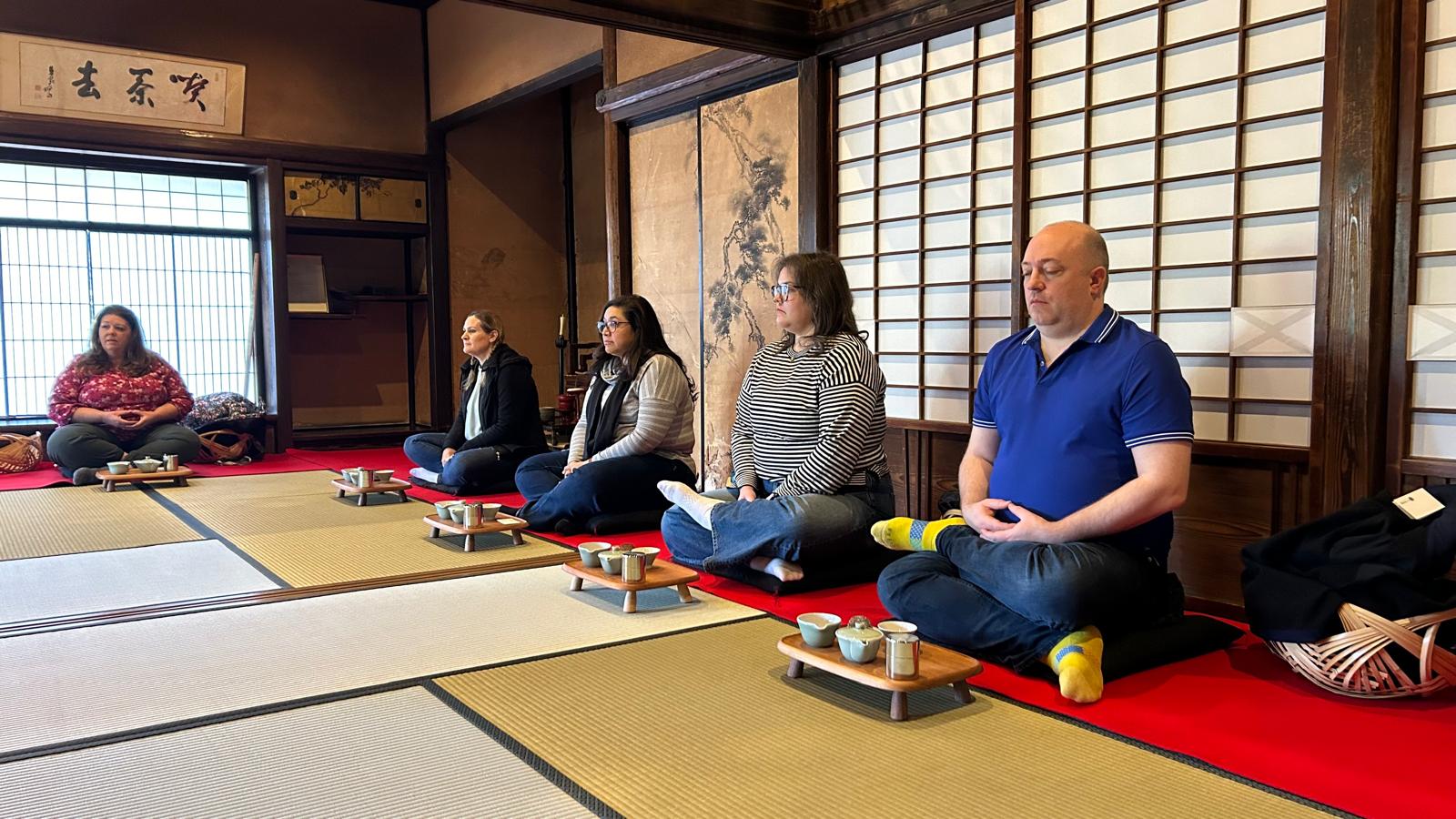
Beyond the landmark sights and famous skylines, Cornelio found that Japan and South Korea rewarded travelers who looked a little closer. The cuisine was authentic and adventurous, the locals warm and genuinely hospitable. She came away convinced that these are destinations best experienced not through the lens of famous landmarks alone, but through the quieter, more personal encounters that accumulate over an unhurried journey.

What She Knows Now That She Couldn't Before
Returning home, Cornelio found that her professional perspective had shifted in ways both subtle and significant. "Experiencing this cruise firsthand has made me more confident in recommending it to my clients," she says. "I can now share personal insights, practical tips, and authentic experiences that go beyond brochures, helping clients choose the itinerary with greater confidence and set realistic expectations for an unforgettable journey." That kind of confidence, grounded in lived experience rather than supplier materials, is precisely what separates a trusted advisor from a booking engine.
She is now particularly well-placed to address one of the most common reservations she hears from clients considering multi-destination cruise travel: that moving between countries will feel superficial or exhausting. Having stood in those ports herself, having tasted the food and worn the traditions and felt the distinctive energy of each place, Cornelio can meet that concern with something far more persuasive than reassurance. She can answer it with her own story.
Her Advice for Anyone Considering This Itinerary
Cornelio is emphatic about who this trip is built for. Families, couples, culture enthusiasts, first-time visitors to Asia, and seasoned travelers looking for a genuinely relaxing way to cover meaningful ground will all find something to love aboard this itinerary. The unpack-once convenience removes a layer of travel friction that, she notes, allows passengers to arrive at each port already present, already rested, already ready to engage.
For those flying into the embarkation port, she offers a piece of practical wisdom she wishes more travelers knew. "Arrive at the cruise terminal a day before embarkation if you're flying in," she advises. "It gives you peace of mind in case of travel delays and lets you start your vacation relaxed." It is the sort of insider tip that only emerges from real experience, the small adjustment that protects an entire trip from an avoidable disruption.
The lesson she takes beyond this single itinerary is one she expects to apply across her work for years to come. Cruising, she now understands with a firsthand certainty she did not have before, is not a compromise between comfort and discovery. Done well, it is the most elegant version of both.
The Horizon Is Already Calling
For Cornelio, the momentum of great travel rarely stops at one destination. Already, her eyes are on South America, where her next cruise will carry her from Argentina to Chile, tracing a very different kind of coastline through some of the world's most dramatic landscapes. She is, by her own account, someone who does not merely recommend travel. She lives it. And that, for the clients fortunate enough to work with her, makes every difference.