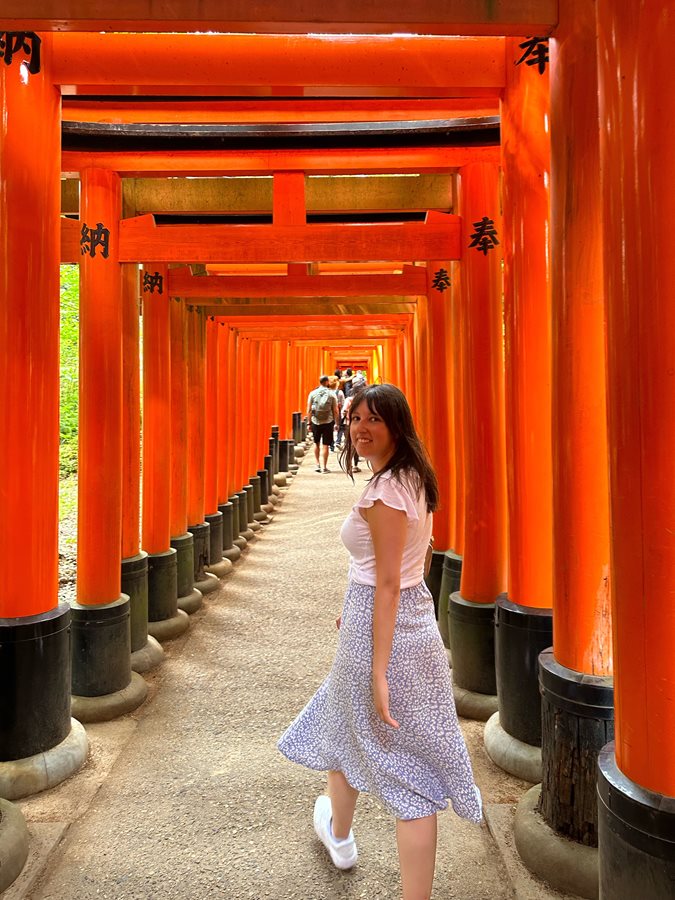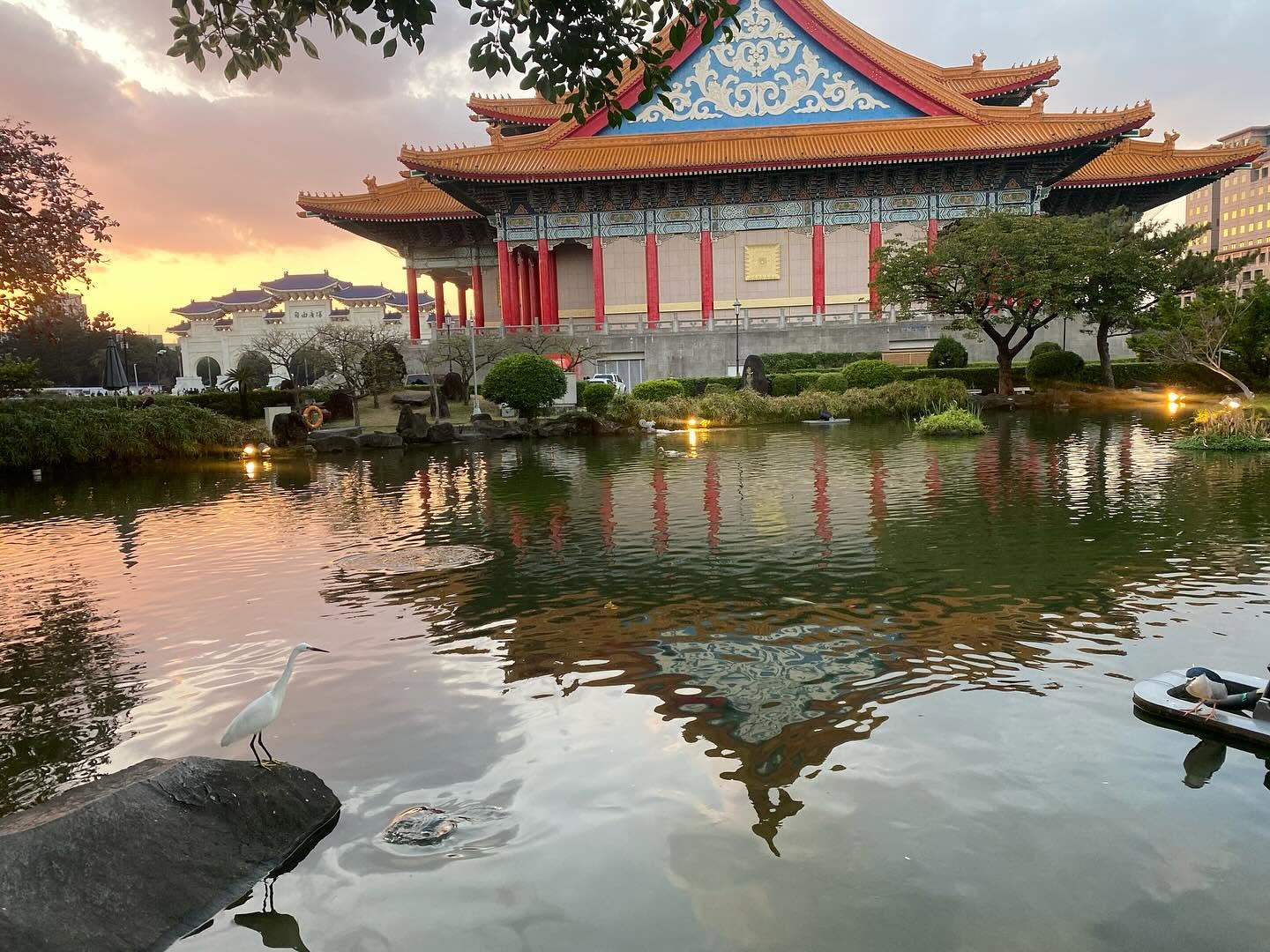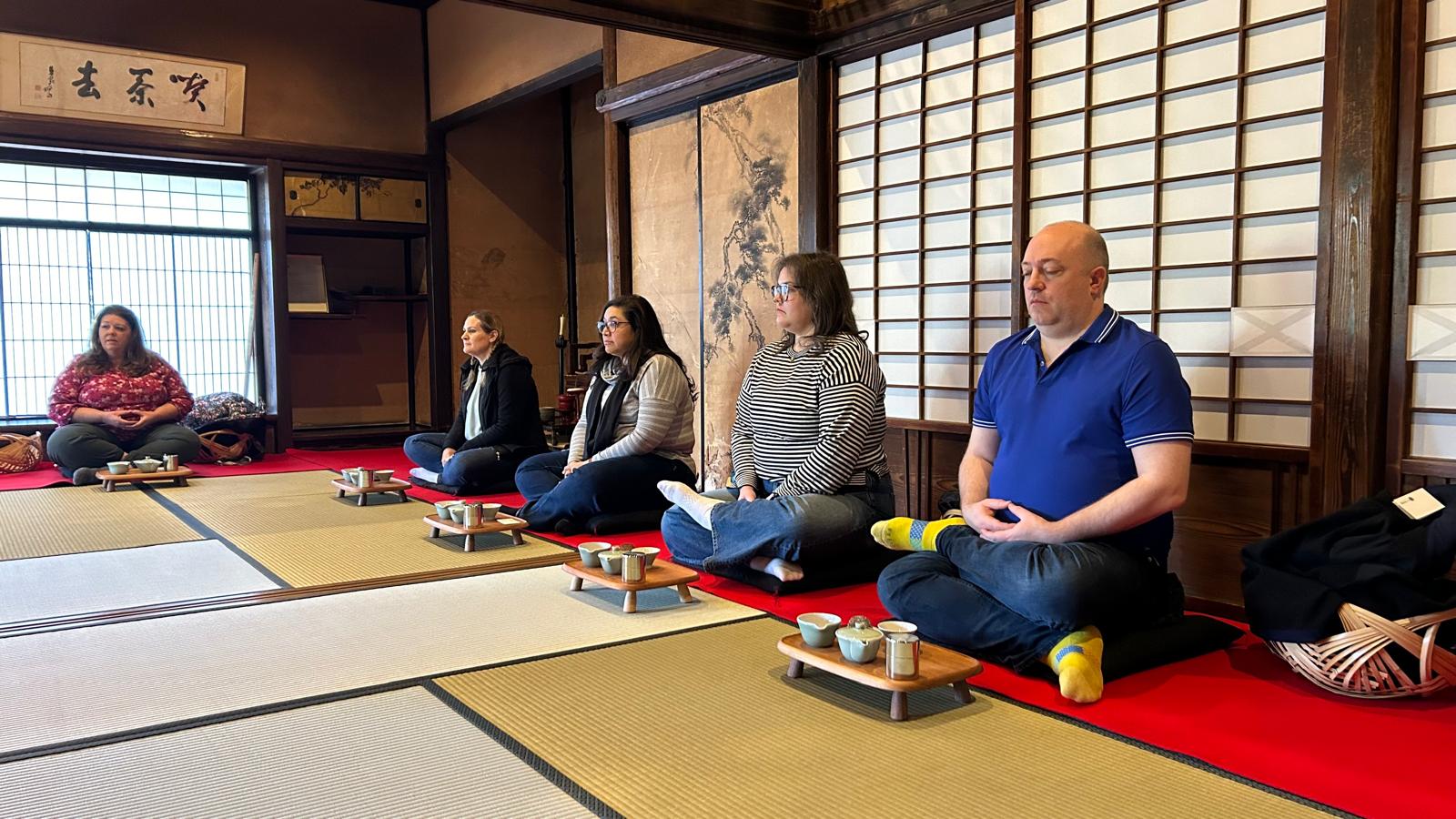
From an impulsive one-way ticket to a second trip timed perfectly for cherry blossom season, travel advisor Sam Wallbridge has fallen into a relationship with Japan that shows no signs of ending.
At a Glance
Japan rewards genuine curiosity and extended time; six weeks across two trips barely scratches the surface. Cultural nuances—from shoe etiquette to regional escalator customs—are not obstacles but the destination's core appeal. Wandering unplanned routes, embracing awkward moments, and connecting with locals transforms Japan from a checklist into a relationship.
Some destinations are checked off a list. Japan, it turns out, is not one of them. Sam Wallbridge, a travel advisor who has now spent six weeks across two separate trips exploring the country, will be the first to tell you that more time does not mean more certainty. "Even now with six weeks of travel in Japan in my life," she says, "I've still barely scratched the surface." Coming from someone who has walked the backstreets of Tokyo, shared a family dinner in a quiet regional town, and navigated the country both solo and with friends, that is not a disclaimer. It is an invitation.
The Trip That Started It All
Wallbridge's first visit to Japan was not carefully planned. In the fall of 2023, she quit her job as a barista, decided she did not want to find something new before the holidays, and impulsively booked a one-way ticket. What followed was two months of travel across Japan, Singapore, Bali, Australia, and New Zealand. Every destination left an impression. Japan left something deeper. "I loved everywhere I saw," she says, "but Japan was special, and I wanted to see more." That one sentence, delivered simply and without drama, explains everything that came next.

By the following spring, Wallbridge was back. This time she brought two friends, timed the trip to coincide with cherry blossom season, and built a custom itinerary that moved through Tokyo, Kakegawa, Kyoto, and Osaka, before two of the group continued on to Hiroshima and then five days in Seoul. She booked flights, travel insurance, and select tours through her agency. The rest they figured out together, a few weeks before departure, which, as it turned out, was precisely enough planning and precisely not too much.
A Night in Kakegawa That No Itinerary Could Have Built
If there is a single stretch of the trip that Wallbridge keeps returning to in conversation, it is the overnight stop in Kakegawa, a town in Japan's Shizuoka region, tucked into mountains and blanketed in the green of thousands of tea shrubs. The stop was not found in a guidebook. It existed because of a friendship that began when Wallbridge was twelve years old and her Japanese student pen pal was thirteen.
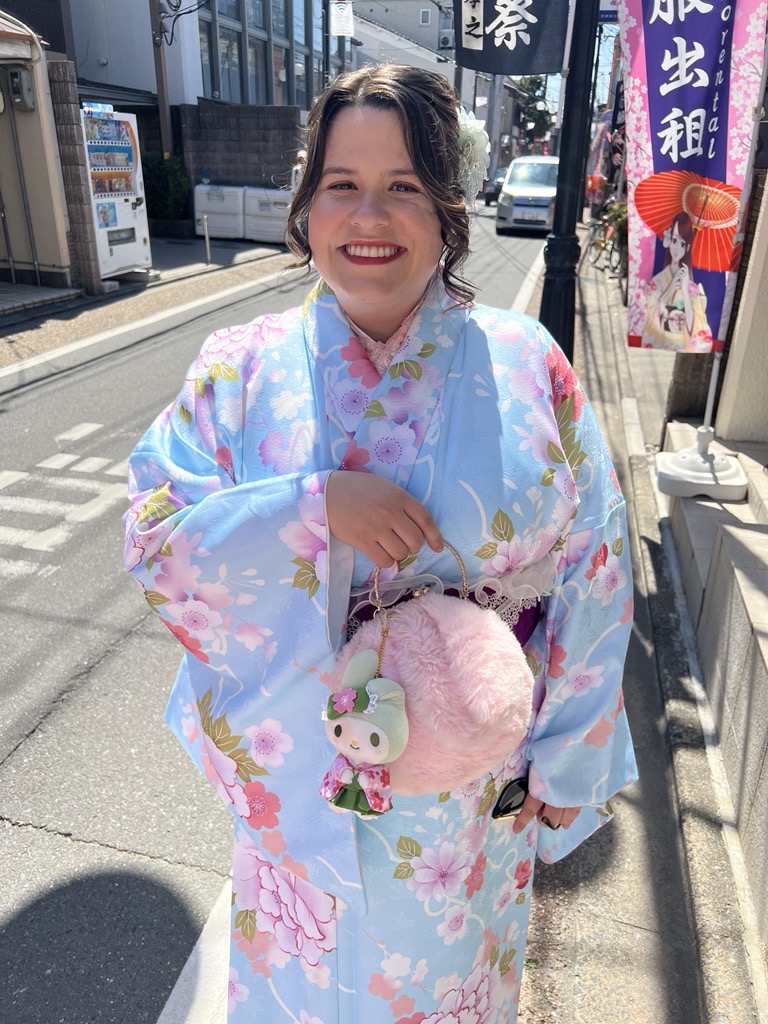
The two had reconnected on Wallbridge's first trip, meeting briefly in Osaka. The invitation to visit Kakegawa came then, offered warmly and meant genuinely. So when the group arrived the following spring, her friend was waiting. The afternoon was packed with a ramen stop, a green tea museum, and then, with a perfectly straight face, their host asked if they liked Thomas the Train. "It was a Thomas the Train outdoor museum," Wallbridge recalls, laughing at the memory. "We all laughed and said yes." The absurdity of stumbling onto a beloved childhood character in the middle of the Shizuoka countryside, framed by lush hills and tea fields, was exactly the kind of moment no itinerary could manufacture.
That evening, the group gathered around the table with their host's partner and two young sons, aged four and one, for a make-your-own temaki roll dinner. The night filled with laughter, and much of it was orchestrated by the oldest boy, who had discovered that a stranger's phone and Google Translate were a powerful combination. "He said whatever he could think of that might make us laugh," Wallbridge says, "and he succeeded." The following morning brought a bird sanctuary, where the group encountered owls, penguins, toucans, and a shoebill, before ending the Kakegawa chapter at Hattasan Soneiji Temple, its grounds heavy with cherry blossoms and the quiet weight of something ancient. They left carrying good luck charms and the particular warmth of having been welcomed into someone's real life.
What Japan Teaches You That No Research Can
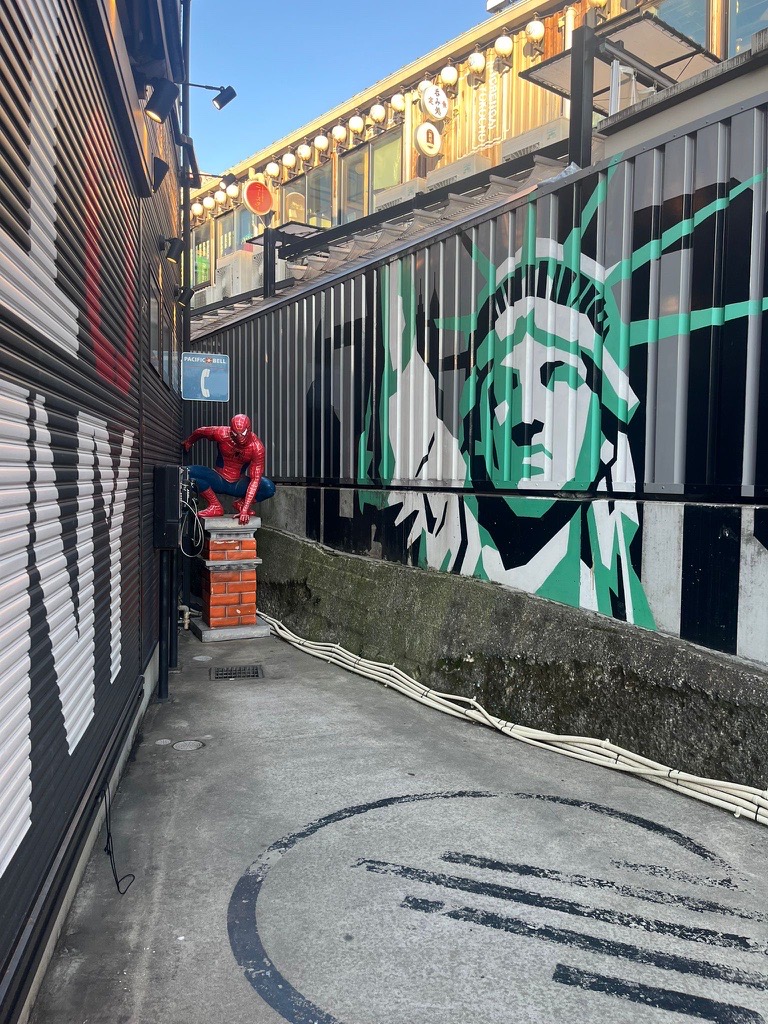
Wallbridge is candid about the learning curve that comes with Japan. The cultural architecture of the country is intricate and specific. Shoes come off before entering certain restaurants. There are multiple ways to say thank you, each carrying its own meaning and context. Respect for elders is not a general principle but a practiced social reality. Trains stop running at midnight, something Wallbridge learned the hard way on her first trip. And despite an almost complete absence of public rubbish bins, Japan remains one of the cleanest countries she has ever visited. Even escalator etiquette is regional: stand on the left in Tokyo to let others pass, but shift to the right in Kyoto and Osaka.
None of these things are obstacles. They are, in Wallbridge's view, the point. Japan, she says, is a destination that rewards genuine curiosity and punishes impatience. It is also, she is honest enough to admit, not the easiest place to navigate. Trains were missed. Wrong tickets were purchased. Language barriers appeared at inconvenient moments. At one hostel, the group was briefly convinced they had been locked out for the night before realising the entry code had been printed on their key the entire time. "If you're open to the awkward and things going wrong," Wallbridge says, "it can be so rewarding."
Getting Happily Lost
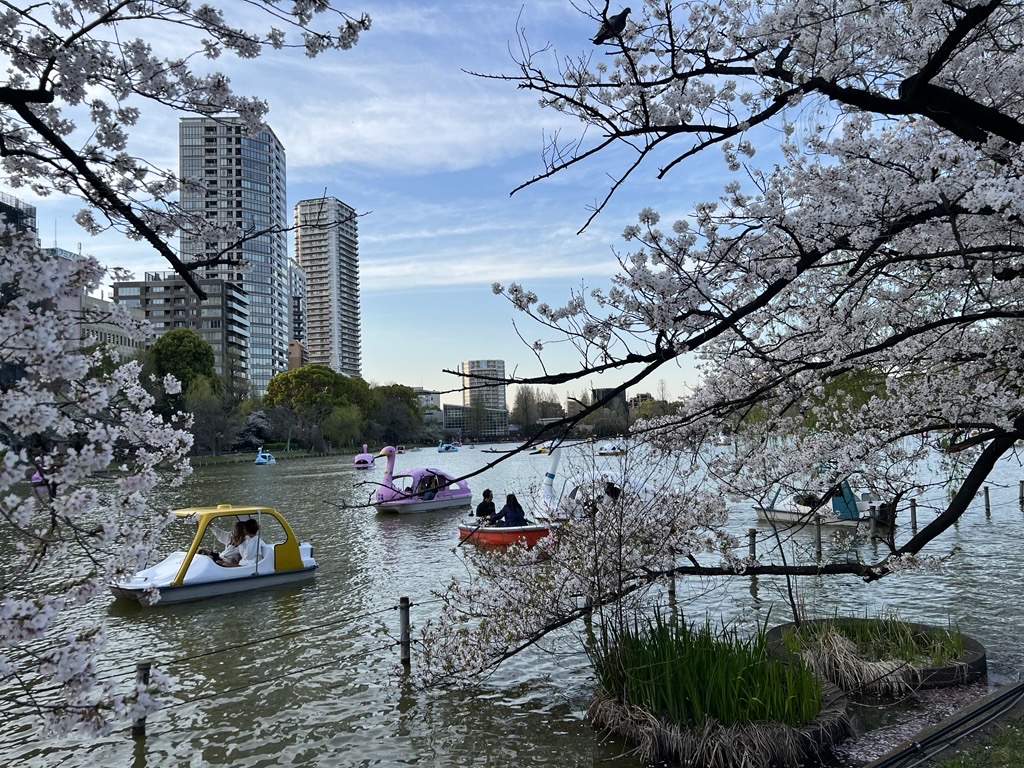
Some of Wallbridge's sharpest travel advice is delivered almost as an aside. Wander, she says. Just wander. On her first trip, she stumbled onto an indoor fishing centre in Osaka without trying. On this one, a wrong exit out of Harajuku station led the group into a Tokyo back alley that had somehow become a miniature New York, complete with Statue of Liberty graffiti, a fake phone booth, and a Spiderman statue. Japan, she insists, gives these things to the people who are not trying too hard to find them.
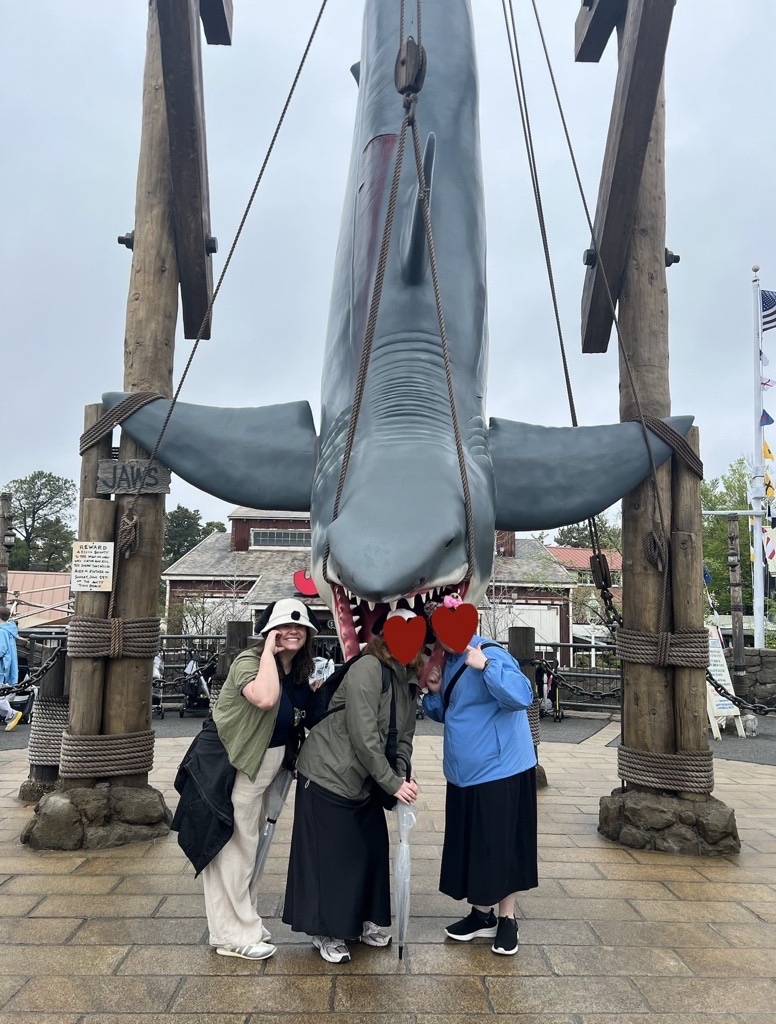
The country's theme parks offer their own brand of joyful surprise. At Universal Studios Japan, the group boarded the Jaws ride, one that no longer exists anywhere else in the world. Their operator, an enthusiastically cheerful woman, delivered every line in Japanese with total commitment, before producing a fake shotgun, shooting the shark, and recoiling dramatically from the blast. The crowd screamed every time the shark surfaced. "It was so over the top," Wallbridge says, "but so fun." It is exactly the kind of experience that does not translate to a trip report but stays with a person for years.
Who Japan Is For, and How to Make It Work
Wallbridge is thoughtful when it comes to matching Japan to the right traveller. It is not, she believes, the ideal destination for a first-time international traveller. The culture shock is real, and the logistics, particularly outside of major cities, require patience and flexibility. Transportation in places like Kakegawa requires a car. Even Hakone, a popular destination, does not offer the seamless connectivity that Tokyo does. Her advice: give yourself more time than you think you need, especially off the beaten path.
For travellers who might feel hesitant, she has a practical solution. A guided tour or cruise removes the unknown factor, offering structure without sacrificing the experience. Japan, she is careful to note, has something for everyone. "There's a saying that if you can't find it in Japan, it doesn't exist," she says, "and I think that's true." The culture, the food, the history, the sheer variety between regions and cities, it is all there. The only requirement is a willingness to meet it on its own terms.
A Relationship, Not a Destination
Wallbridge already knows where she is going next. Japan is on the list again, this time with the countryside and the northern and southern islands in her sights. So is South Korea, which she and her friend had only five days to explore after flying from Tokyo to Seoul. She spent the thirty minutes before that flight teaching herself Korean phrases from her phone and came home afterwards determined to learn to read Hangul. She has since managed it, more or less. "I don't know what it means," she admits with a laugh, "but I can read and say the words for the most part." That instinct, to reach toward a culture rather than simply pass through it, is perhaps the most honest expression of who Wallbridge is as both a traveller and an advisor. Japan did not just leave her with memories. It left her with questions she is still working to answer, and an already-forming plan to go back and try again.