What began as a caregiving break transformed into one of the most profound journeys of Flordeliza Laudi's life, a pilgrimage through snowfall and tea ceremonies in the footsteps of a mother she would never travel with again.
At a Glance
Japan offers profound cultural authenticity and preserved traditions that create space for meaningful reflection. Visitors encounter immaculate cities, meditative temples, and a culture that treats every moment—from meals to encounters—with quiet dignity. Small group tours navigate language barriers and remote sites, allowing travellers to be fully present rather than managing logistics.
Some trips are planned. Some trips find you. The journey that Flordeliza Laudi took through Japan with G Adventures was, at its origin, meant to be a respite. A pause. After a season of caregiving, she had booked the Japan Express itinerary from Osaka to Tokyo as a way to exhale. Then her mother passed away unexpectedly, and everything changed. The trip remained on the calendar, but its meaning was transformed entirely. Japan, it turned out, was one of the last destinations her mother had visited. "It was one of the last destinations she went to," Laudi says simply, four words that reframe the entire journey before it has even begun.
What followed was not just a holiday. It was a homecoming of sorts, a daughter tracing the outline of a life well-travelled, moving through a country her mother had loved, searching for the light her mother had always left behind.
Walking in Her Mother's Footsteps
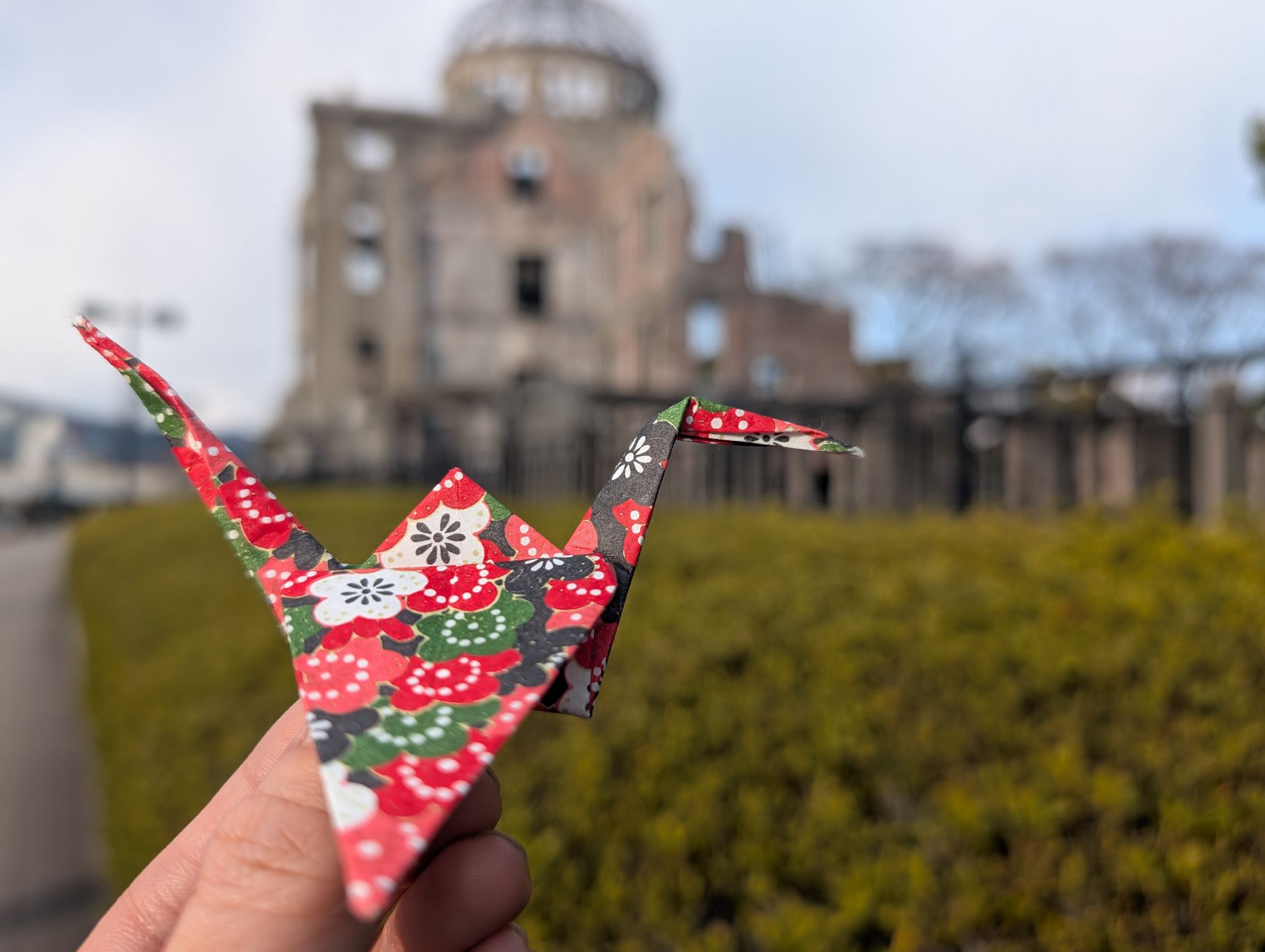
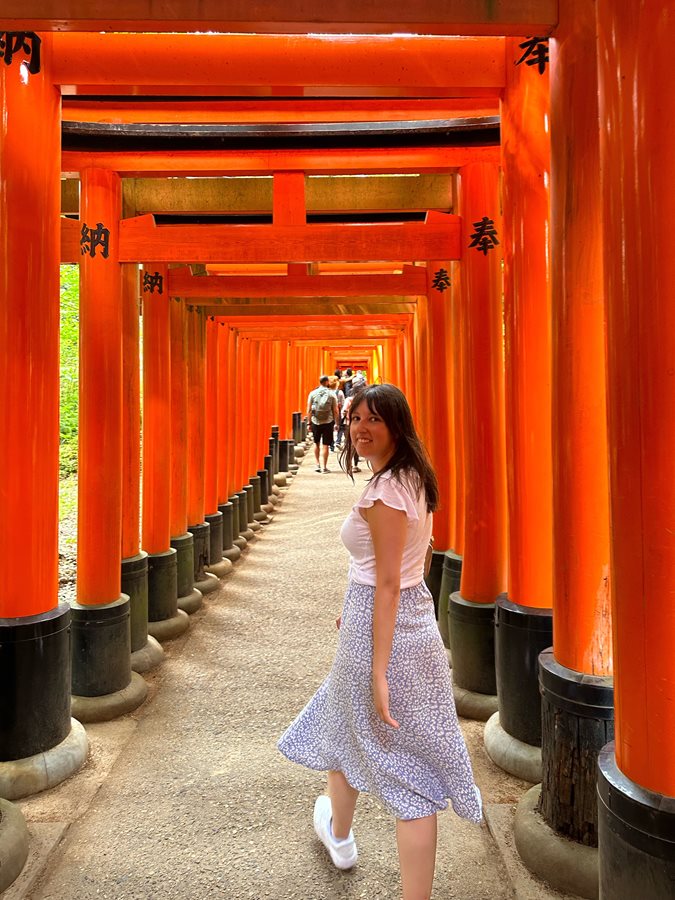
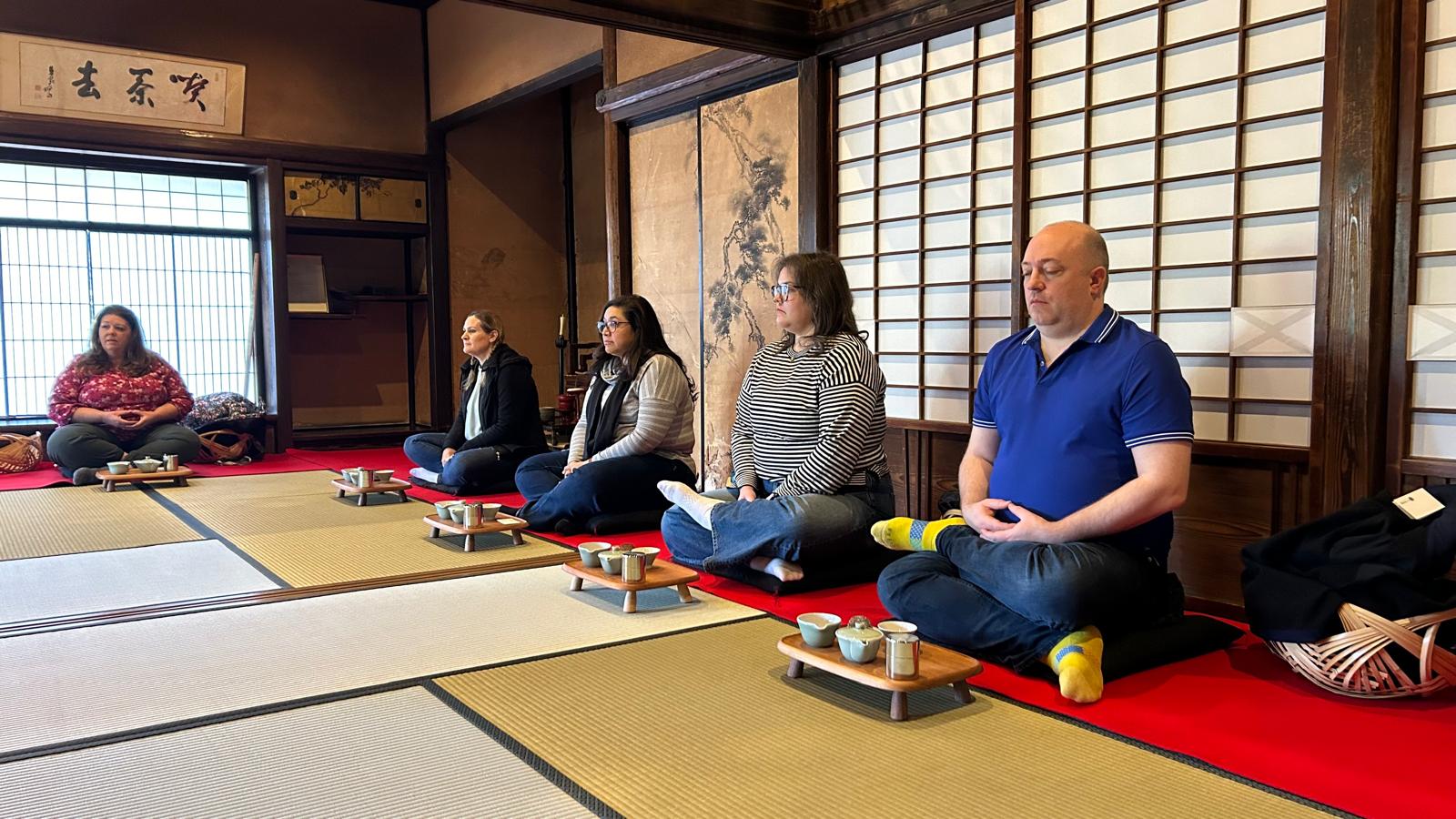
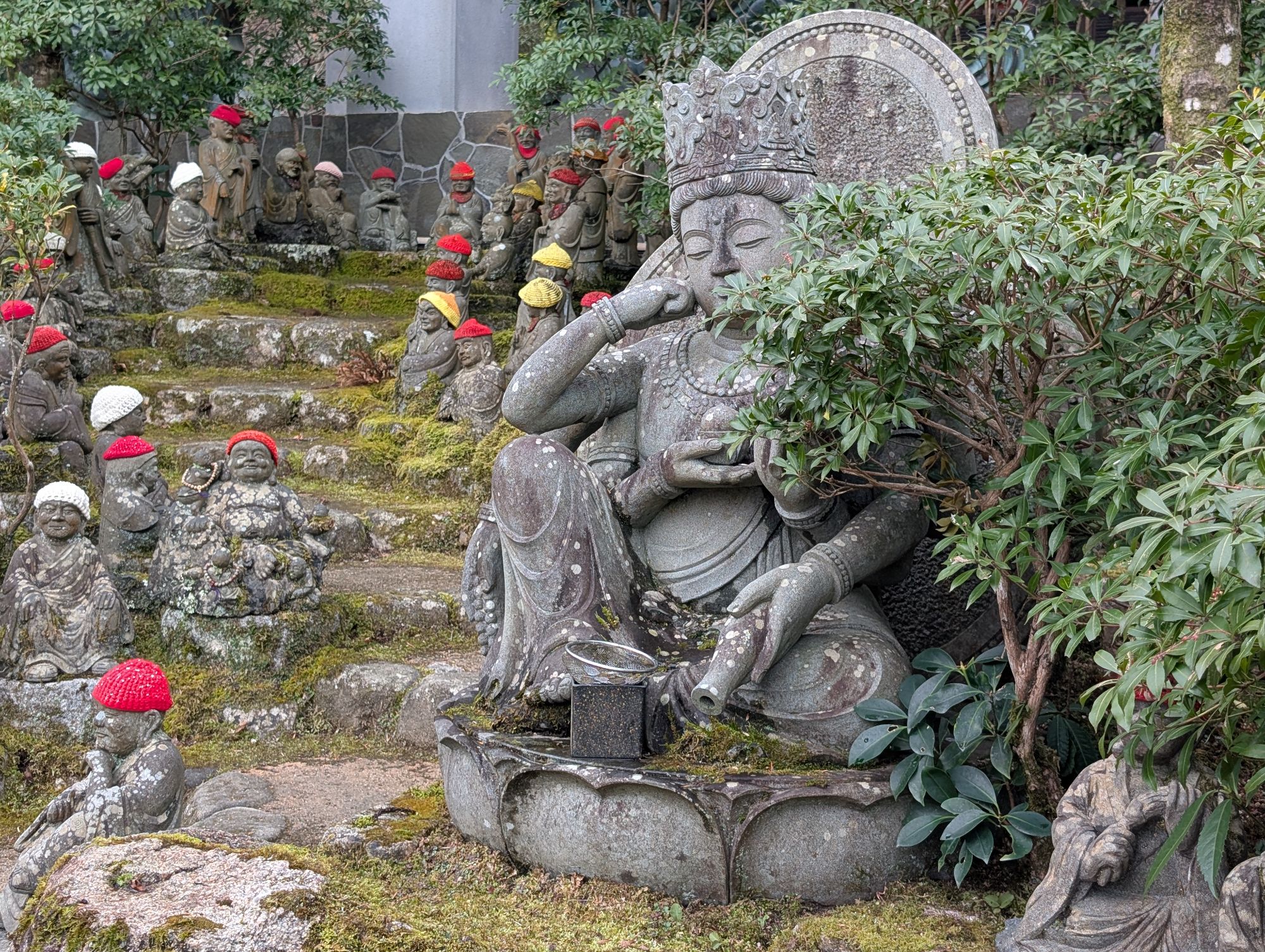
Japan greeted Laudi with snow. In the mountains, she explored historic samurai graveyards as flakes fell quietly around her. In Kyoto, she sat with training Geishas and shared tea in the unhurried way that only that city seems to allow. The country, she found, did not disappoint. "From exploring historic samurai graveyards in the mountains by snowfall to sharing some tea with training Geishas in Kyoto, there's nothing that wasn't authentic about the people and landscape Japan had to offer," she reflects. "I felt like I was continuing my mother's legacy and love for travel where she flourished and exchanged light with everyone she met around the world."
That phrase, exchanging light, speaks to something larger than sightseeing. It speaks to the way certain travellers move through the world, open-handed, curious, generous with their presence. Laudi's mother was clearly one of those people. And in Japan, surrounded by centuries of preserved culture and a population that treats every encounter with quiet dignity, Laudi found the right place to carry that inheritance forward.
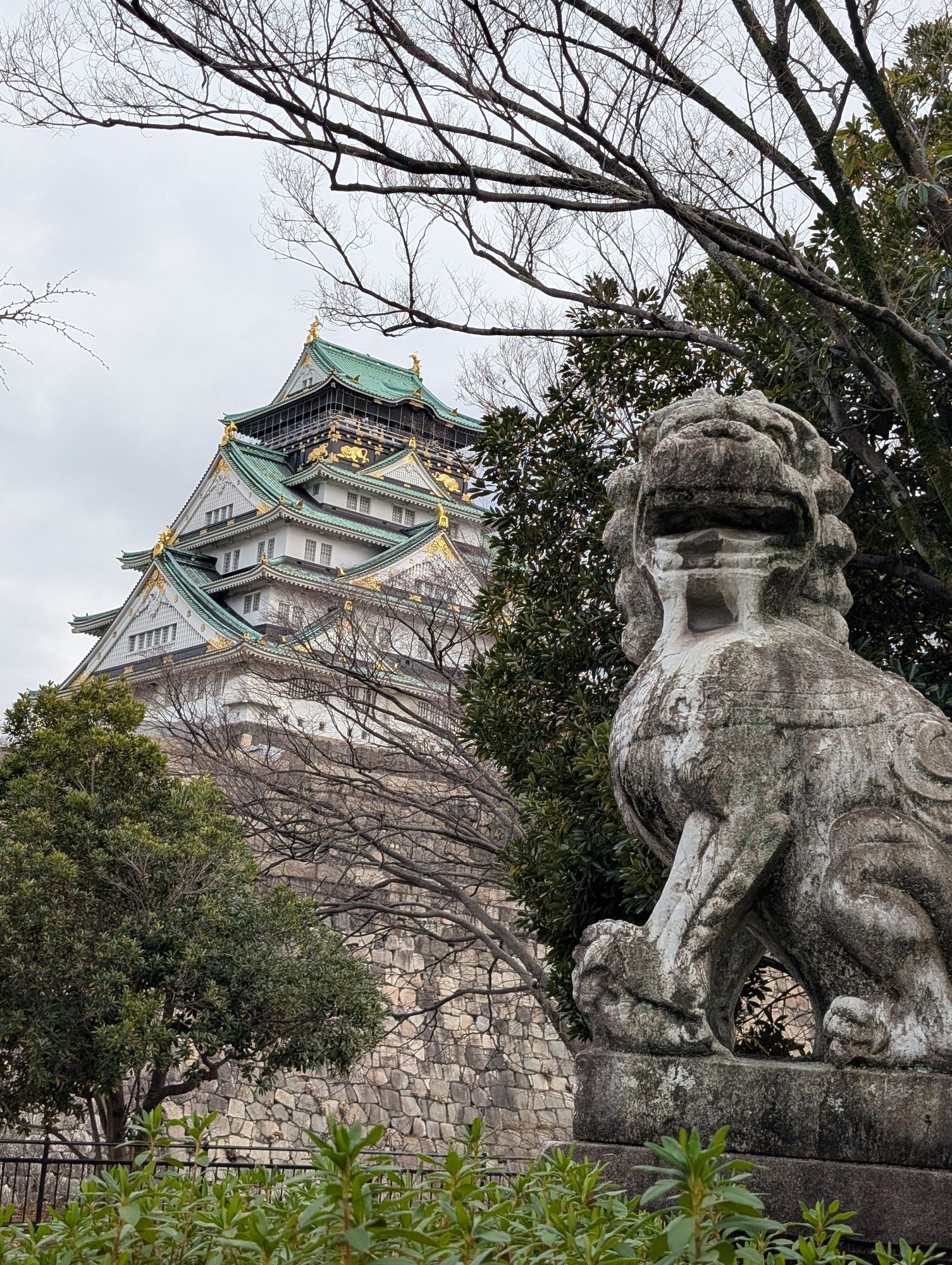
At the heart of what moved her most was something she describes as "the preservation of culture and immense peace I could find in almost every corner of the country I explored." Japan did not merely offer history behind glass. It offered history still breathing, still practiced, still respected. That authenticity, she says, was everywhere.
A Country That Surprises Even the Prepared
Laudi arrived in Japan as an experienced travel professional, and yet the country still managed to catch her off guard in the best possible ways. She had braced for the chaos that a nation of such population density might suggest. What she found instead was the opposite: immaculate streets, seamless public transit, and an almost meditative orderliness woven into daily life. Quiet temples and pocket-sized parks appeared around corners throughout cities, offering sanctuary within the bustle.
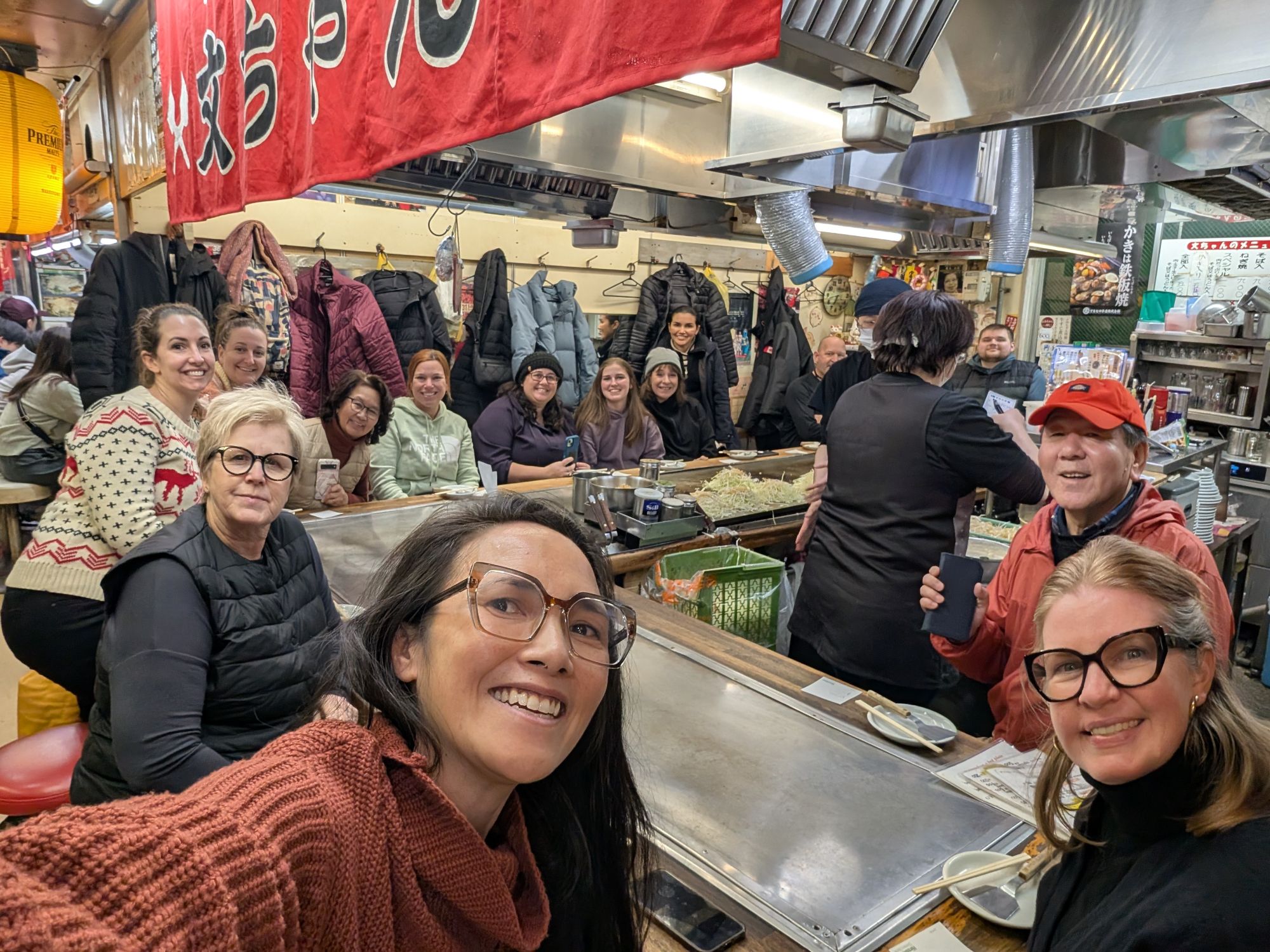
One cultural detail in particular stayed with her. In Japan, eating on the go is quietly discouraged. Food is something to be respected, savoured in place, not consumed mid-stride. The result is a country that is remarkably clean, and a culture that treats nourishment as something worthy of attention. For a traveller accustomed to grabbing coffee between gates, it was a gentle but meaningful reorientation.
Then there is the matter of tipping. Laudi's insider advice on this point is characteristically direct: "Don't tip or leave gratuities. It causes confusion." In a culture where service is rendered with pride and genuine care rather than expectation of reward, the Western habit of leaving extra money on the table can feel jarring to locals rather than generous. It is one of those small, specific insights that only comes from having actually been there.
The language barrier, she notes, is real but navigable. Many locals are shy around English speakers or simply do not speak it. Travel apps for translation and navigation were, in her words, essential. But technology was only part of the solution. Learning even a handful of Japanese phrases opened unexpected doors. "Research customs that may differ from your own," she advises. "Even if you can't speak their language, learning simple phrases can really get you a long way, especially when locals are more open to share hidden treasures."
Why the Small Group Format Changed Everything
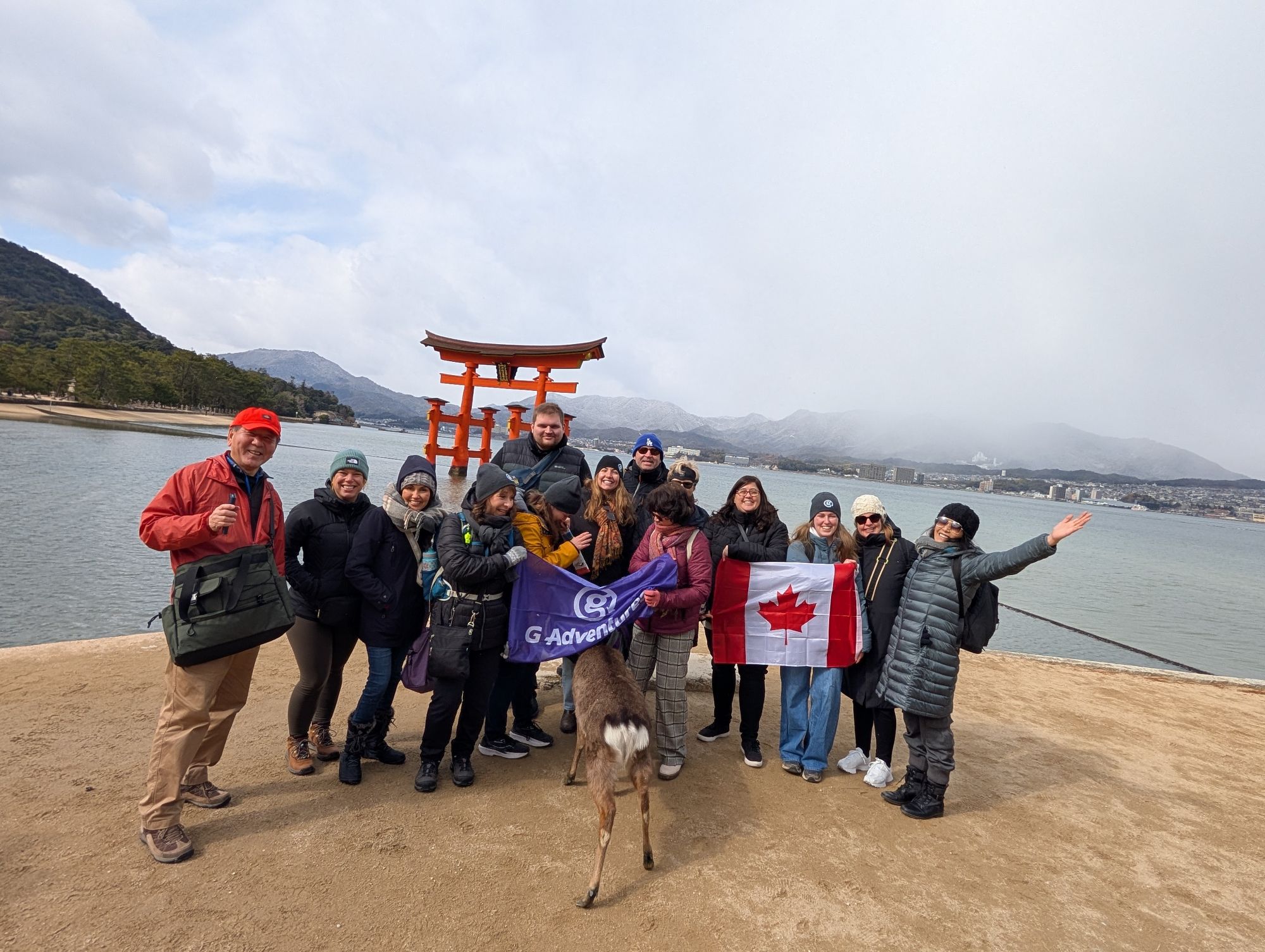
Laudi chose to experience Japan through G Adventures' Japan Express, a small group escorted tour, and she credits that decision with giving her the freedom to be fully present. For a country where remote historical sites sit well beyond the reach of the rail network, and where navigating logistics in a language you cannot read is genuinely challenging, having a knowledgeable guide meant that her energy could go entirely toward experiencing rather than managing.
"Having an escorted tour, especially in a country that you can't communicate in, can really allow you to embrace the moments, the sites and people while meeting some great like-minded travellers who often become new lifelong friends," she says. That observation carries professional weight. It is the kind of insight that only emerges from having made the choice yourself, from having felt the difference between worrying about a connection and simply watching snow fall on an ancient grave.
As for who Japan is right for, Laudi casts a wide net. Foodies, history lovers, active adventurers, and curious souls stepping outside their comfort zone will all find something here. It also works beautifully as a stopover for broader Asian itineraries. She is equally candid about who might struggle. Travellers who rely on the spacious comforts of North American travel, the large rooms, the oversized portions, the ease of constant English, may find Japan's modesty an adjustment. Packing light is not just practical advice. It is a philosophy the country itself seems to endorse.

Grief Carried Forward, Not Left Behind
There is something quietly powerful about the way Laudi speaks of this trip. It was, by any measure, a difficult journey to take. Grief is heavy luggage, and Japan asks its visitors to travel light. And yet the country's very character, its reverence for the past, its care for the present moment, its insistence on authenticity, offered her exactly what she needed without demanding she name it.
She returns from Japan not diminished by loss but deepened by it. She now recommends this destination not only with professional confidence but with the kind of personal authority that cannot be taught in a webinar or learned from a brochure. She has been to the snowfall. She has shared the tea. She has sat with her grief in one of the world's most quietly beautiful countries and found, in its temples and its side streets and its unhurried customs, something that felt like peace.
Looking ahead, Laudi shows no signs of slowing down. This month, she sets sail on the Scarlet Lady with Virgin Voyages alongside her sister, celebrating their birthdays by exploring the Mediterranean from Rome, a lifelong dream. And next spring, she plans to lead a small group on the Portuguese Camino with Intrepid Travel, guiding her clients along a path of their own. "Exploring the Mediterranean from Rome has always been a dream," she says, and the lightness in those words is unmistakable. The woman who went to Japan to rest is now a woman who travels with purpose, with her mother's legacy in her heart, and with more to offer her clients than ever before.