Travel advisor Marcia White sailed into Japan during cherry blossom season and came home forever changed, not just as a traveler, but as the kind of advisor who truly knows the difference between booking a trip and building one.
At a Glance
Japan during cherry blossom season reveals a culture of extraordinary civic care and historical depth that surpasses expectations. A twelve-night cruise provides ideal first-time access to multiple destinations, though emotionally demanding sites like Hiroshima require careful preparation. Visiting museums during off-peak hours maximizes the experience.
There are destinations that look exactly as you imagined them, and then there is Japan. For Marcia White, a seasoned travel advisor who has guided countless clients toward their dream journeys, nothing quite prepared her for the country she encountered on a twelve-night Celebrity Cruises voyage during one of the most magical windows the Japanese calendar has to offer: cherry blossom season. What she found there was equal parts breathtaking and humbling, a place of extraordinary beauty and profound historical weight that no brochure, no review, and no secondhand recommendation could have adequately described.
A Country Unlike Any Other
The first thing White noticed, before the temples, before the gardens, before the weight of history settled in, was something deceptively simple. "I've never been anywhere quite so clean in my life," she says. "The people were amazing." It is the kind of observation that sounds modest until you understand what it points to: a culture of civic care, collective pride, and an almost invisible but deeply felt attentiveness to shared space. In city after city, the streets, the parks, the public areas all reflected a national ethos that left White genuinely astonished.
Sailing aboard Celebrity Cruises gave White and her group a rare advantage. Rather than anchoring in a single city and venturing outward, they moved through Japan's coastline, arriving at port after port and peeling back the country layer by layer. The cruise format suited Japan's geography perfectly, allowing the group to sample a wide range of destinations without the logistical burden of repeated check-ins and ground transfers. As White explains, "Cruising really does that for us. We find it's a nice way for us to unpack once and it's easy to get around and we enjoy that. It's not for everyone, but it is a nice way to see a large amount of ground in a short amount of time."
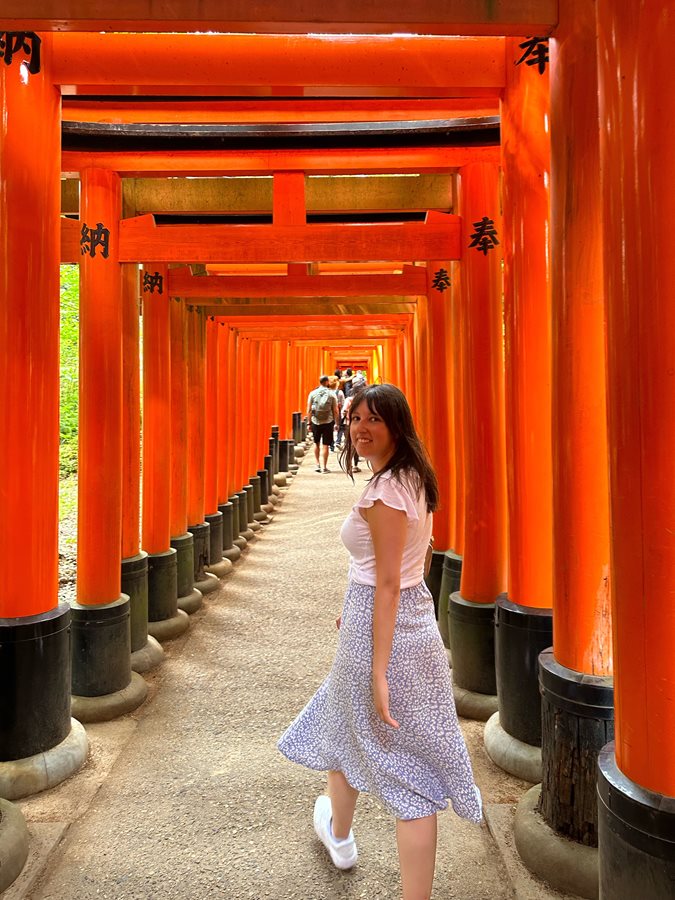
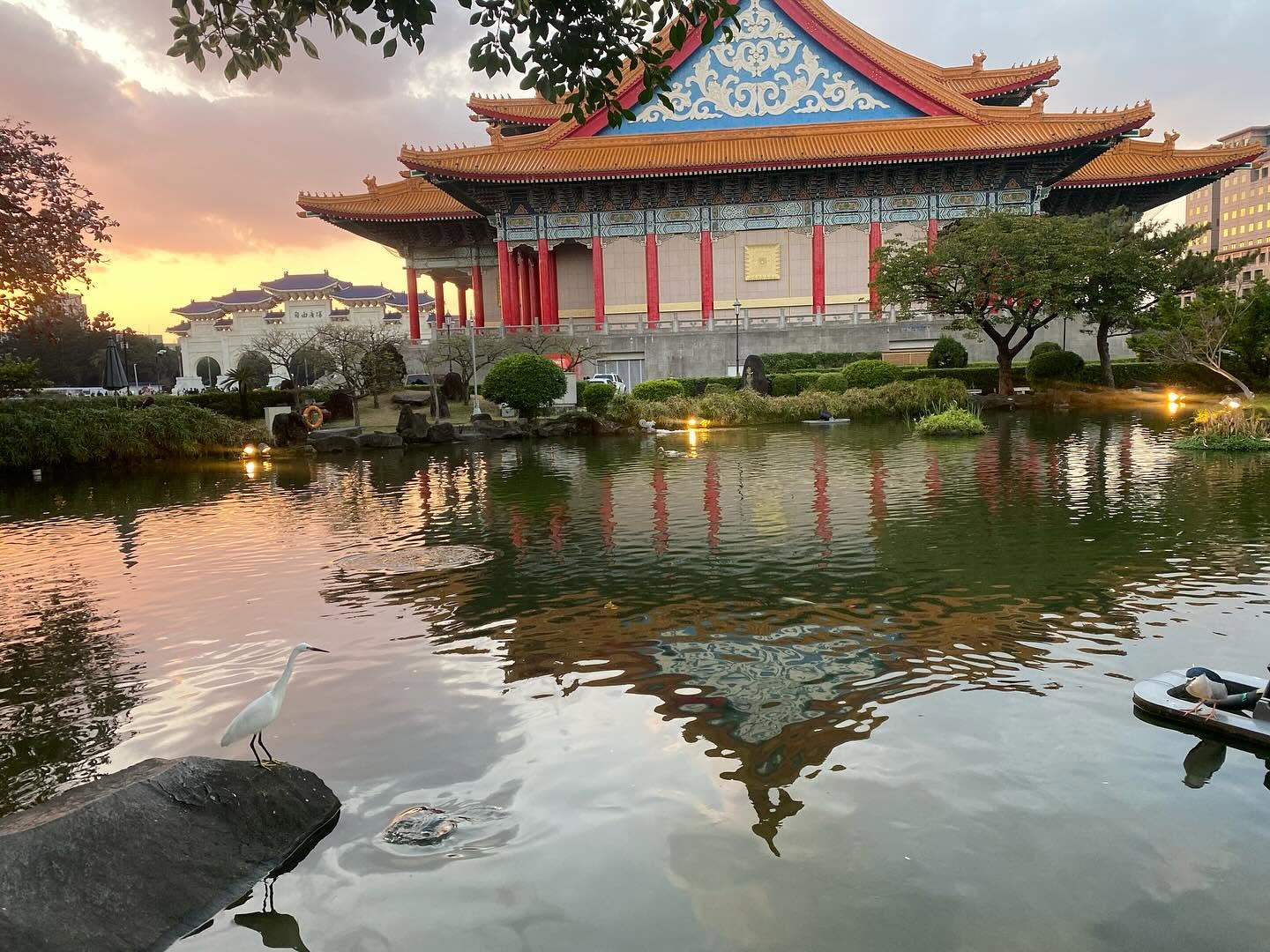
The cherry blossoms were in peak bloom, framing temple rooftops in soft pink and drifting across garden paths like something from a painting. White found herself captivated by the gardens most of all, by the meticulous care that went into every stone, every pruned branch, every raked surface. "How amazing the people were and the beautiful gardens," she recalls, "the attention to detail, the way they look after their space." It is a level of intentionality that is felt as much as seen, and it set the tone for everything that followed.
The Weight of Hiroshima
And then came Hiroshima.
No amount of reading about the atomic bombings of World War II fully equips a traveler for the experience of standing where they occurred. White had known the history, as most travelers do, in the broad strokes of textbooks and documentaries. But standing at the site, taking in the memorials and the preserved ruins and the quiet, purposeful solemnity of the place, delivered something altogether different. "The other thing that surprised me was how real everything is as far as in Hiroshima and where the bombs landed," she says. "It just opens your eyes to some of the terrible things that have happened in our world."
It is a statement delivered without drama, which is precisely what makes it land so heavily. For White, Hiroshima was not simply a stop on an itinerary. It was a reckoning, a reminder that travel at its most meaningful asks us to sit with discomfort, to bear witness, to understand the world more fully than we did before we arrived. It is also a moment that sharpened her instincts as an advisor. She returned home understanding that Hiroshima is not a destination for every traveler, and that being honest about that distinction is one of the most valuable things she can offer a client.
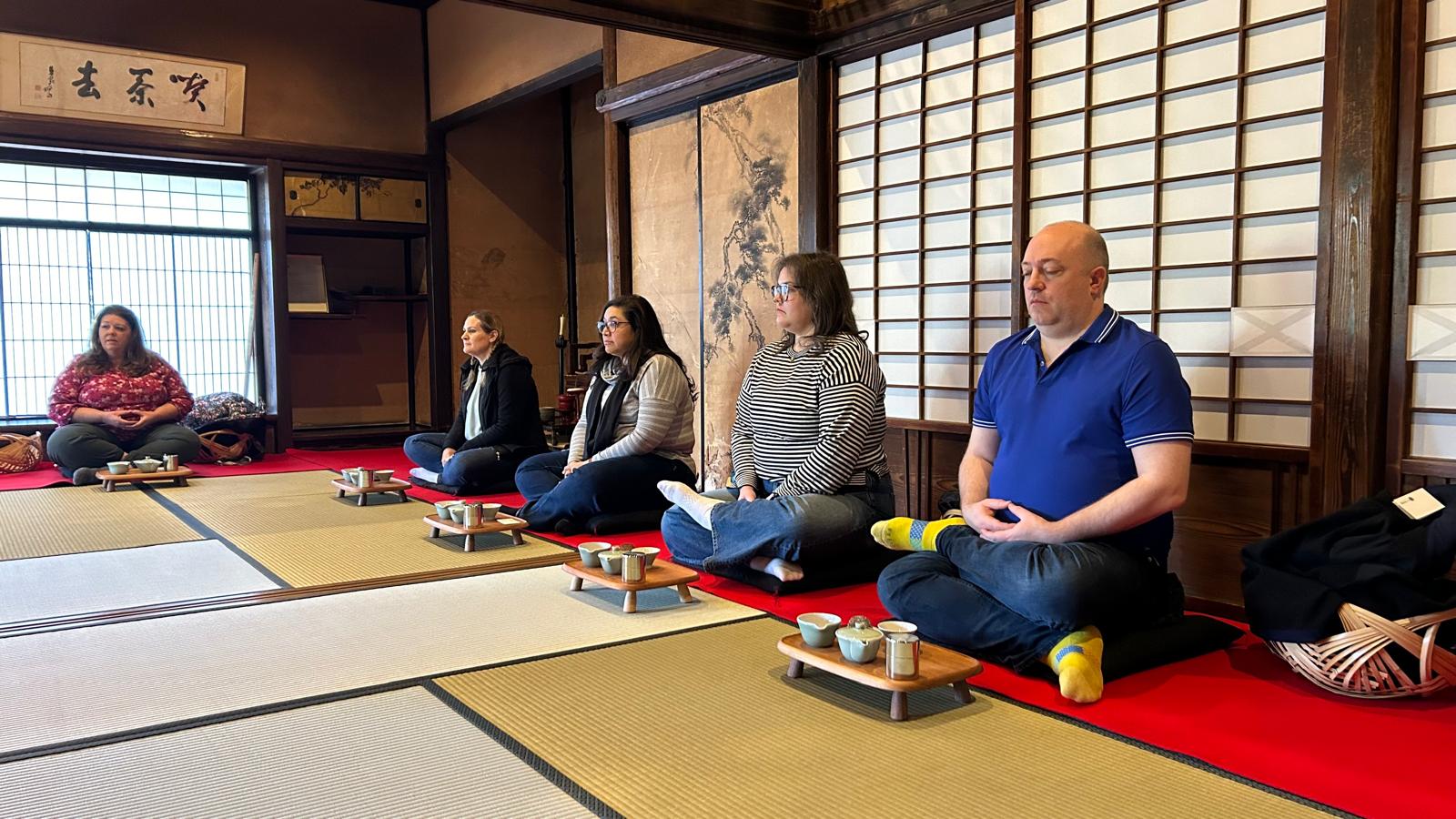
White is clear-eyed about who this trip suits and who it does not. History enthusiasts, she says, will find Japan deeply rewarding. Those drawn to temple culture, to the rituals of Japanese prayer life, to a way of being in the world that differs meaningfully from Western norms, will find layer after layer to explore. But she is equally candid about the emotional demands of places like Hiroshima. "Some people might not enjoy that because of the history there," she acknowledges. "It might be too much for them. So you have to be conscious of that." It is the kind of nuanced guidance that only comes from having been there.
Insider Knowledge, Hard Won
White returned home with the kind of practical wisdom that only accumulates through direct experience. Japan's most popular museums, she discovered, can become genuinely overwhelming during peak visitor hours. "Going at off times to some of the museums would be a better idea," she advises, "because you really can't get the full experience and read and learn when there's so many people all there at the same time." It is a small adjustment with an outsized impact on the quality of a client's experience, and it is exactly the sort of insider intelligence that distinguishes a well-traveled advisor from one who is simply reading from a destination guide.
The cruise-first framework also emerged as a key recommendation for clients who are new to Japan. White now sees the twelve-night voyage as an ideal introduction: broad enough to orient a first-time visitor, rich enough to spark deeper curiosity, and structured in a way that removes the logistical friction that can overwhelm travelers in an unfamiliar country. For those who want to go deeper into historically significant sites, however, she sees a different path forming.
Planning the Return
Perhaps the clearest signal of how profoundly Japan affected White is that she is already planning to go back. A return cruise is scheduled for March 2028, this time exploring different destinations along Japan's coastline. And for the cities that left the deepest impression, she is envisioning something more immersive. "For some of those more interesting destinations with a lot more history like Hiroshima and Nagasaki, I would probably do more by land," she says. "So we might actually do a speed train from Hiroshima down to where we will be getting on the ship." It is a blueprint she intends to share with her clients, a cruise-and-land hybrid approach built not from guesswork but from lived experience.
In the meantime, White's calendar is anything but quiet. Alaska is next, followed by Caribbean voyages, a safari, and a trip to the Canary Islands. Each journey feeds back into her practice, deepening the well of firsthand knowledge she draws on every time a client sits across from her and asks where they should go next.
Japan, with its sakura-lined gardens and its solemn memorials, its immaculate streets and its ancient temple rituals, gave White something no guidebook could: the authority to say, with complete honesty, what this destination feels like from the inside. And that, she will tell you, changes everything about how you serve the people who trust you to get it right.