Travel advisor Maria Stainburn has stood on Antarctic ice, watched thousands of penguins crowd the shoreline, and survived an unexpected landslide — and she says no brochure on earth could have prepared her for any of it.
At a Glance
Antarctica is a transformative destination unlike anywhere else, dominated by massive glaciers, thousands of penguins, whales, and seals across an extreme landscape. The narrow travel window closes by late March as waters freeze and darkness descends; visitors must dress extremely warm and spend time on land to fully experience the wildlife and raw, unscripted wilderness.
There are destinations, and then there is Antarctica. One is a place you visit. The other is a place that changes the way you understand the planet. Maria Stainburn, a seasoned travel advisor, has now experienced both kinds — and she will be the first to tell you that the white continent belongs firmly, irrevocably, in its own category. "Antarctica is a unique destination and nothing like anywhere else in the world," she says. "In fact, it's been described as 'at the end of the world.'"
That phrase, borrowed from those who have tried and failed to adequately describe the place, turns out to be less poetic metaphor and more honest geography. Antarctica sits at the southernmost edge of everything humans know, and Stainburn's recent journey there was a reminder that some places still exist entirely on their own terms, indifferent to expectation and impossible to fully anticipate.
A Landscape That Dwarfs Everything
From the moment the continent came into view, Stainburn found herself confronting scale in a way that few travel experiences can manufacture. Massive glaciers dominated the horizon, not as background scenery but as the foreground, the middle ground, and everything in between. Icebergs crowded the water, some small enough to drift past quietly, others vast enough to reshape the entire visual field. By late March, she notes, the transformation is total. The waters become completely engulfed by ice, and as the season turns, Antarctica retreats into months of complete darkness, a cinematic and quietly urgent reminder that the window to visit is narrow, and timing matters enormously.
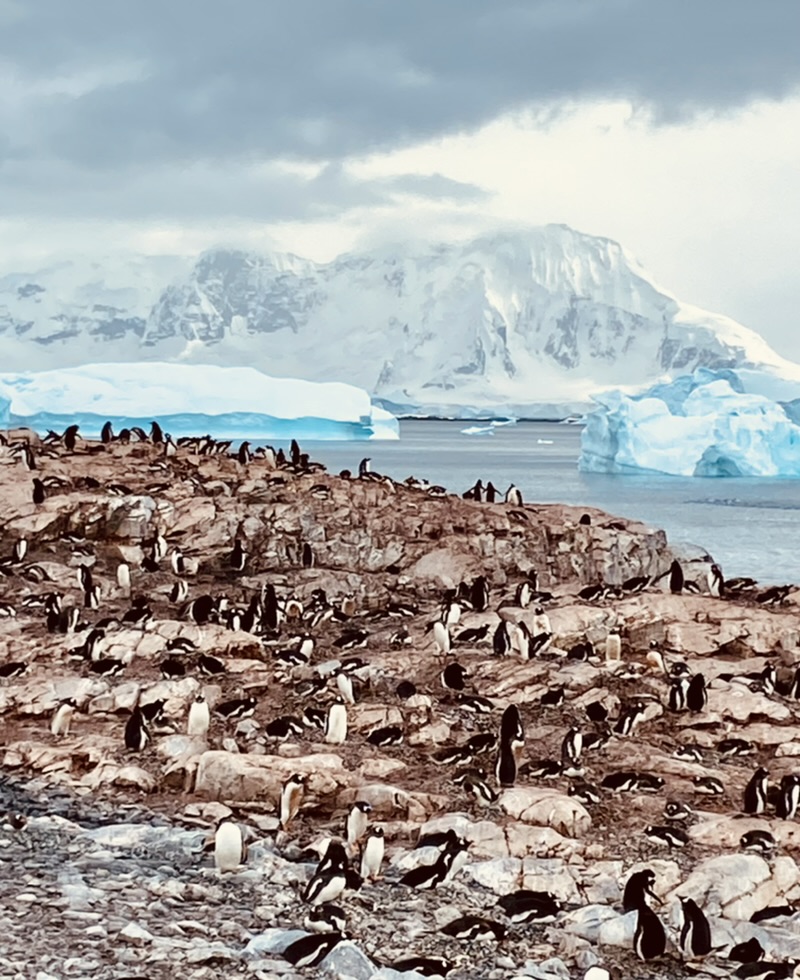
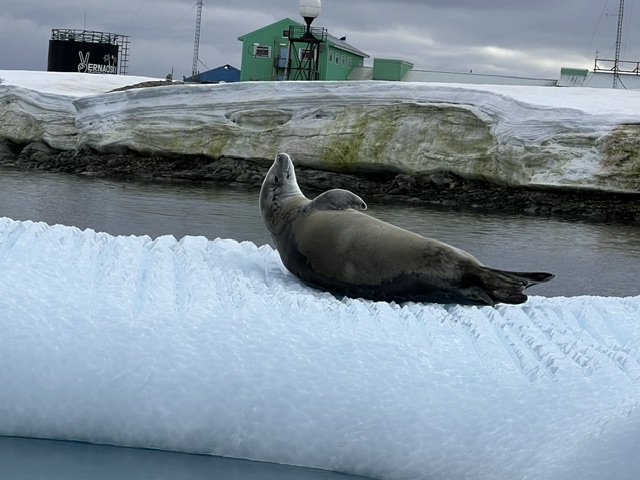
But it was the wildlife that delivered the moment Stainburn keeps returning to in conversation. "It's a once in a lifetime adventure, encompassed by massive glaciers, wildlife, like whales, seals, penguins — thousands of them," she says, and the word thousands lands with the weight she intends. Not dozens. Not a memorable cluster on a rocky shore. Thousands of penguins, pressing together across the ice and land, going about the business of being penguins with a complete and magnificent indifference to their human observers. Whales surfaced. Seals lounged. The sheer abundance of life in one of the planet's most extreme environments was, by Stainburn's account, overwhelming in the best possible sense.
What the Brochure Doesn't Mention
For all the wonder, Antarctica also has a way of reminding visitors that it is not a managed resort experience. It is a living, dynamic, occasionally volatile wilderness. Stainburn arrived expecting cold, expecting ice, expecting wildlife. What she did not expect were the landslides. Sudden, raw, and impossible to script, the landslides she witnessed were a jolt of unfiltered reality — the kind of moment that separates a traveler who has genuinely been somewhere from one who has simply read about it. It is the detail that does not appear in the glossy itinerary, and it is precisely the detail that makes her advice worth seeking.
Dress very warm, she counsels, with the quiet certainty of someone who learned the lesson firsthand. It sounds simple. It is not. The cold in Antarctica is not the brisk chill of a winter morning in a northern city. It is persistent, penetrating, and demanding of preparation. Clients who arrive underdressed do not get to appreciate the penguins. They spend the excursion managing discomfort instead.
The Advice Only a Firsthand Traveler Can Give
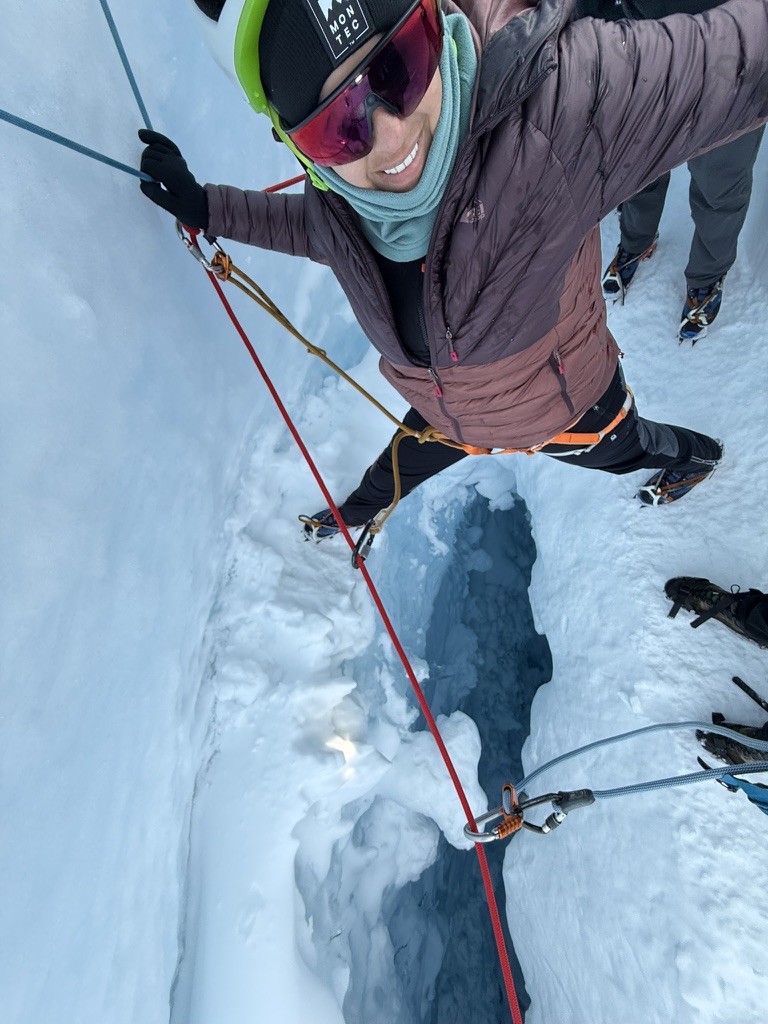
This is where Stainburn's value as an advisor becomes most tangible. There is a category of travel knowledge that cannot be found in supplier training materials or destination guides, and Antarctica produces it in abundance. Her clearest, most actionable piece of guidance is also her most personal. "Experiencing it firsthand, I would encourage you to spend time on land and encompass the wildlife around you," she says. Not from the deck of the ship, not through a camera lens from a respectful distance. On land. Present. Surrounded. Letting the reality of the place arrive fully and without filter.
It is advice that only makes sense coming from someone who has done exactly that. And it is the kind of counsel that converts a dreaming traveler into a booking client, because it carries the unmistakable texture of lived experience.
Stainburn is clear about who this trip is built for. Antarctica belongs to the adventure seekers, those who are not looking for comfort as the primary metric of a great trip, who are willing to layer up, to accept the unpredictable, and to stand at the literal edge of the known world in exchange for something they will spend the rest of their lives trying to describe to people who were not there. For those travelers, she is not just a recommender. She is a guide who has made the journey herself and come back with the kind of knowledge that no brochure will ever contain.
Always in Motion
Antarctica may be the most dramatic entry in Stainburn's recent travel log, but it will not be the last. She is already looking ahead, with Spain, Portugal, and Morocco on the horizon, three destinations as culturally rich and sensory as Antarctica is elemental and extreme. Each journey adds another layer to the firsthand expertise she brings to every client conversation, another set of answers to questions that only someone who has actually been there can answer honestly.
For now, the image she carries most vividly is a simple one: thousands of penguins, massive glaciers rising behind them, and the water ahead slowly filling with ice as the season edges toward darkness. "You have to be there to experience it all," Stainburn says. It is not a sales line. It is a statement of fact from someone who went to the end of the world and returned with proof.