Travel advisor Lisa Metzger sailed to Antarctica on a 12-night Silversea expedition and came back with three wildlife encounters, a counterintuitive climate revelation, and the kind of insider knowledge that only exists on the other side of actually being there.
At a Glance
Antarctica expedition cruises deliver unscripted wildlife encounters—humpback whales, penguins, and rarely visited bays—through small-ship voyages that adjust daily routes based on weather and ice conditions. The experience demands physical fitness, tolerance for unpredictability, and genuine interest in pristine wilderness rather than conventional tourism infrastructure.
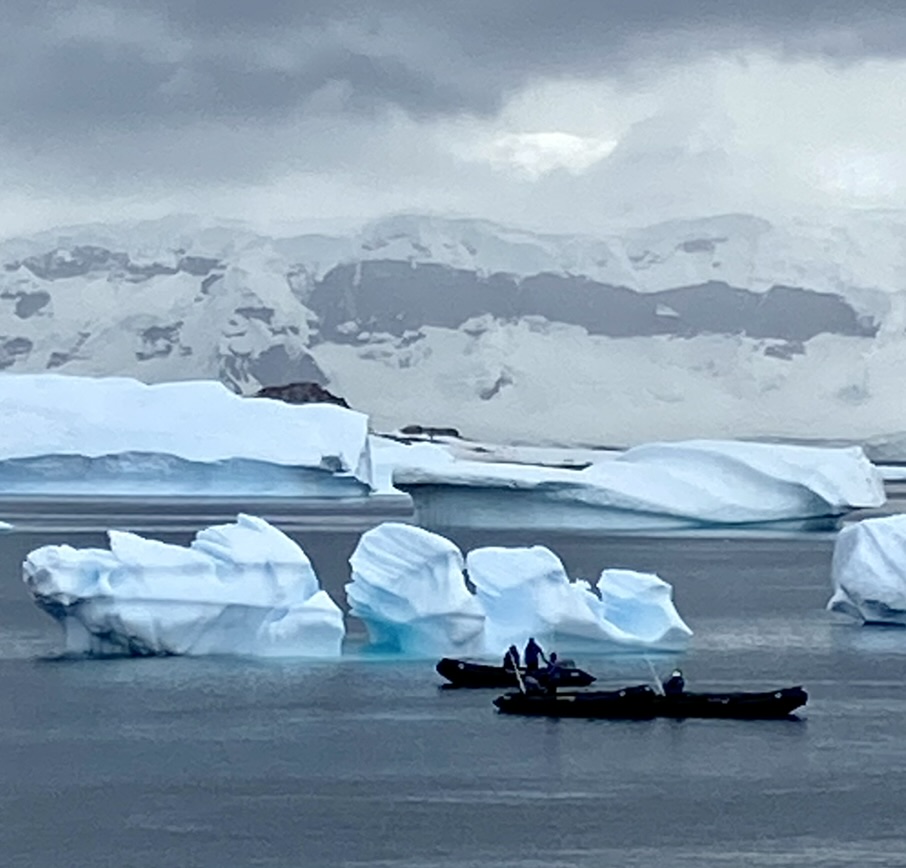
She heard it before she saw it. A single exhalation, deep and percussive, cutting through the silence of open water somewhere in the Antarctic wilderness. Lisa Metzger was sitting in a Zodiac, surrounded by fellow travelers and floating ice, a long way from the ship, when the sound reached her. She turned toward it. And then, from behind an iceberg, came a mother humpback whale and her calf.
"They swam right to the area where we were and we watched them swim underneath one of the other Zodiacs in our group and come up the other side," Metzger recalls. "We were so close and you could hear every noise they made with their blowhole in the splashes of their fins when they went by." The pair stayed in the bay for roughly ten minutes. Nobody planned it. Nobody could have. That is precisely the point.
Metzger, a travel advisor with deep expertise in experiential and nature-focused journeys, completed a 12-night Antarctic expedition cruise with Silversea earlier this year. What she brought home was not a list of ports or a curated highlight reel. It was something harder to manufacture: the memory of cold air, the sound of whale breath, and a professional understanding of this destination that no amount of research from a desk could have produced.
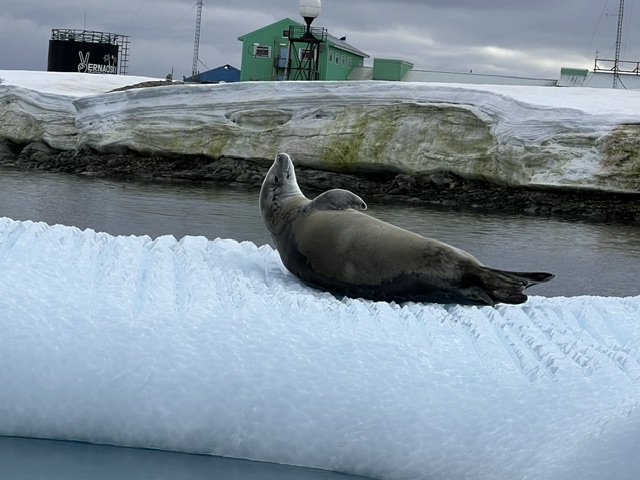
The Silence, the Ice, and the Penguins
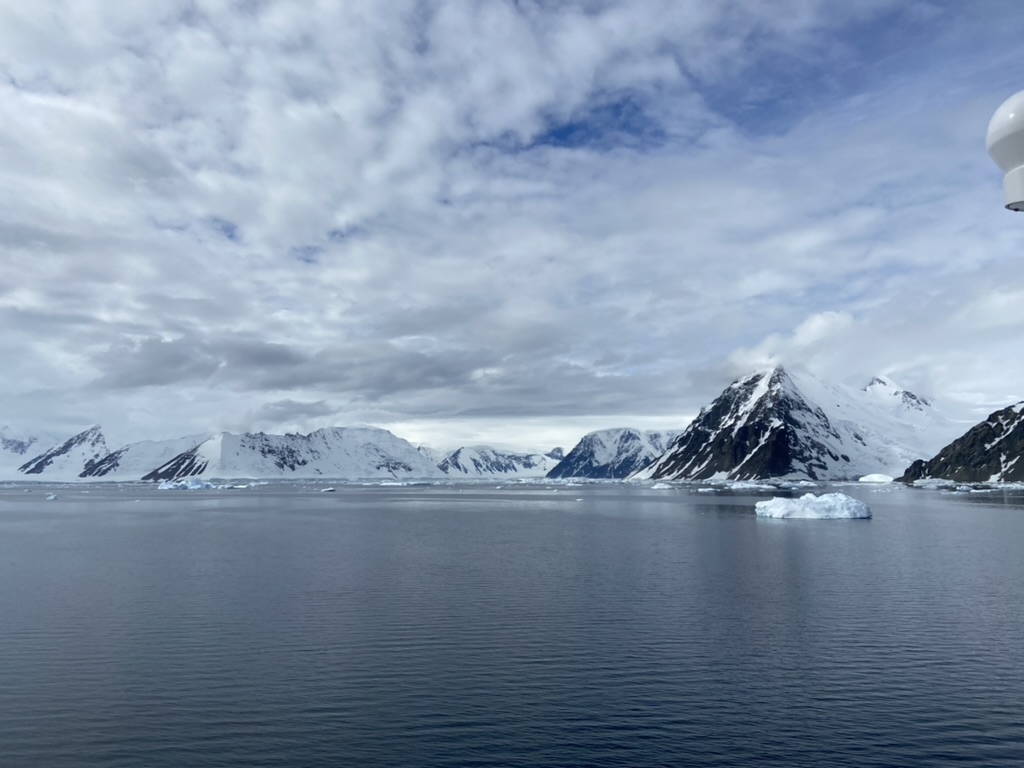
The humpback encounter was the undisputed peak, but the expedition offered quieter moments of equal power. Late at night, when the polar summer kept the sky from falling fully dark, Metzger stood on her balcony and listened. The ship moved slowly, brushing through the water, and pieces of ice drifted past in the near-silence. She describes simply "being there in that moment, where there's no people for miles except the people on your ship." It is the kind of stillness that most travelers never experience, and it is not something that appears in a brochure.
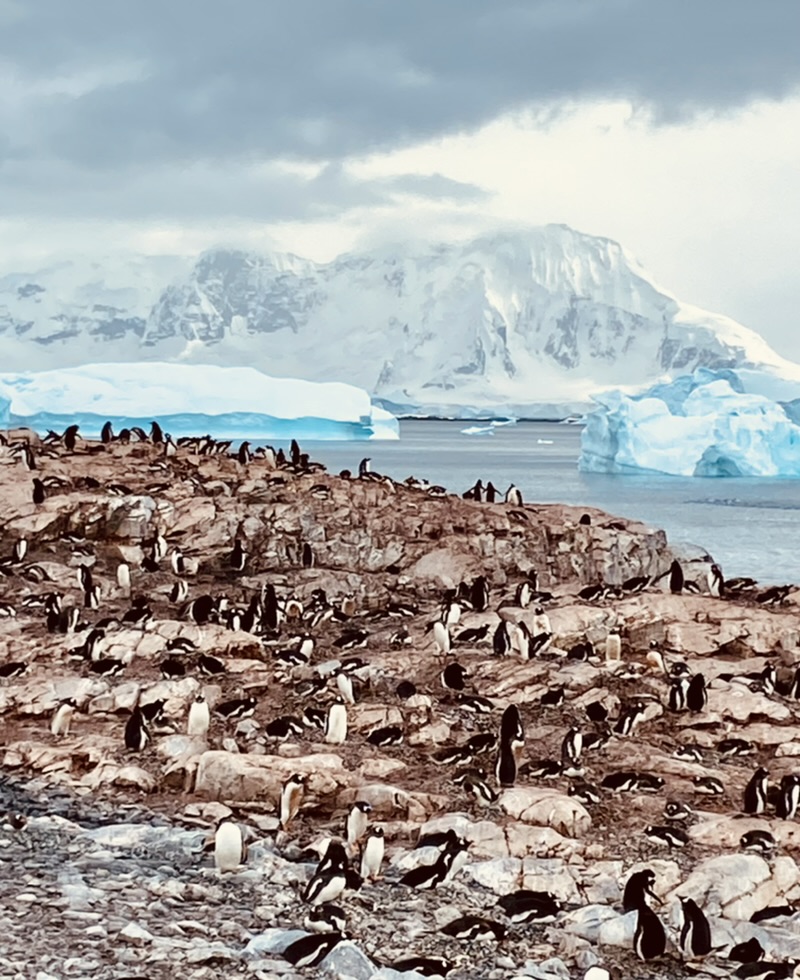
Then there were the penguins. On land, they are exactly what most people expect: waddling, endearing, a little awkward. In the water, they are something else entirely. Metzger watched them dart alongside the Zodiacs and launch themselves off icebergs as the small boats passed by, and the contrast between the two versions of the same creature left a lasting impression. "When they get into the water, they are a whole different being," she says. "So graceful and so powerful." It is a detail that sounds small on paper but lands differently when the person telling you actually watched it happen from two meters away.
The Unexpected Truths About Antarctica
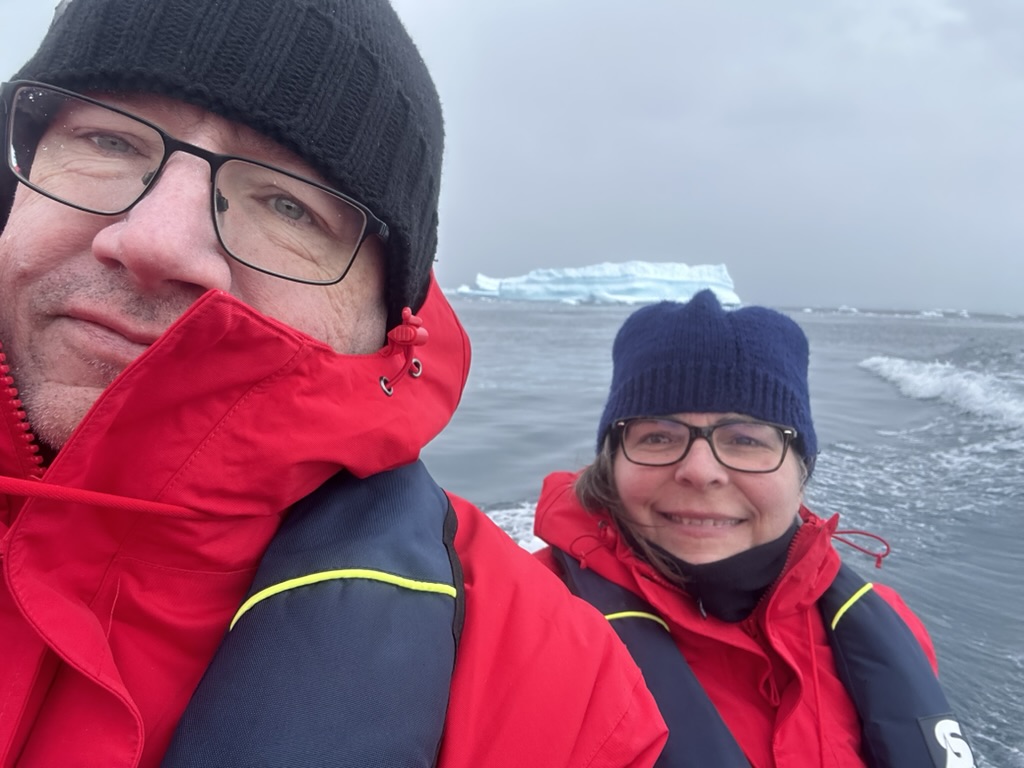
Metzger arrived in Antarctica with the assumptions most travelers carry. She left with at least one of them overturned. The counterintuitive reality of climate change in the region caught her off guard. Global warming, she learned from the expedition team, is actually increasing snowfall in Antarctica, because temperatures that were once too extreme for precipitation have now crossed a threshold. That additional snow is disrupting penguin nesting grounds, with some colonies producing no offspring in years when dry nesting sites simply cannot be found. It also shapes the logistics of every landing, since expedition rules prohibit going directly into active nesting areas.
The other revelation was philosophical. On one of the first days at sea, the expedition guide drew a clear line between what the group was doing and what most people picture when they hear the word "cruise." There is no fixed schedule. Each morning, the team studies maps, weather reports, and ice data to decide where the ship will go that day. "On these trips, you might actually go to places that have never been visited by people before," Metzger explains. On her sailing, that was not a figure of speech. The ship entered a bay that had not previously been accessible, and the group's presence there was documented. They were able to add to the maps.
The expedition also crossed a threshold that was not on the original itinerary. When a weather window opened up, the team adjusted course and pushed south of the Antarctic Circle, giving passengers the opportunity to jump into the ocean at one of the most remote and rarely visited latitudes on Earth. "We had the perfect weather window and we had the opportunity, so they adjusted the schedule and they got us to that place that so few people can go to," Metzger says. She took the plunge.
The Advisor's Hard-Won Wisdom
Metzger is careful about who she would recommend this experience to, and equally careful about who she would gently steer away. This is not a trip for travelers who measure a destination by its duty-free shops or Gothic cathedrals. It is for people who are drawn to nature in its least managed form, who can tolerate genuine unpredictability, and who are comfortable spending extended periods far from any safe port. For those who want a taste of the landscape without the full physical demands of landing, she notes that there are expedition options that allow passengers to experience the icebergs and wildlife from the ship or Zodiac without setting foot on land.
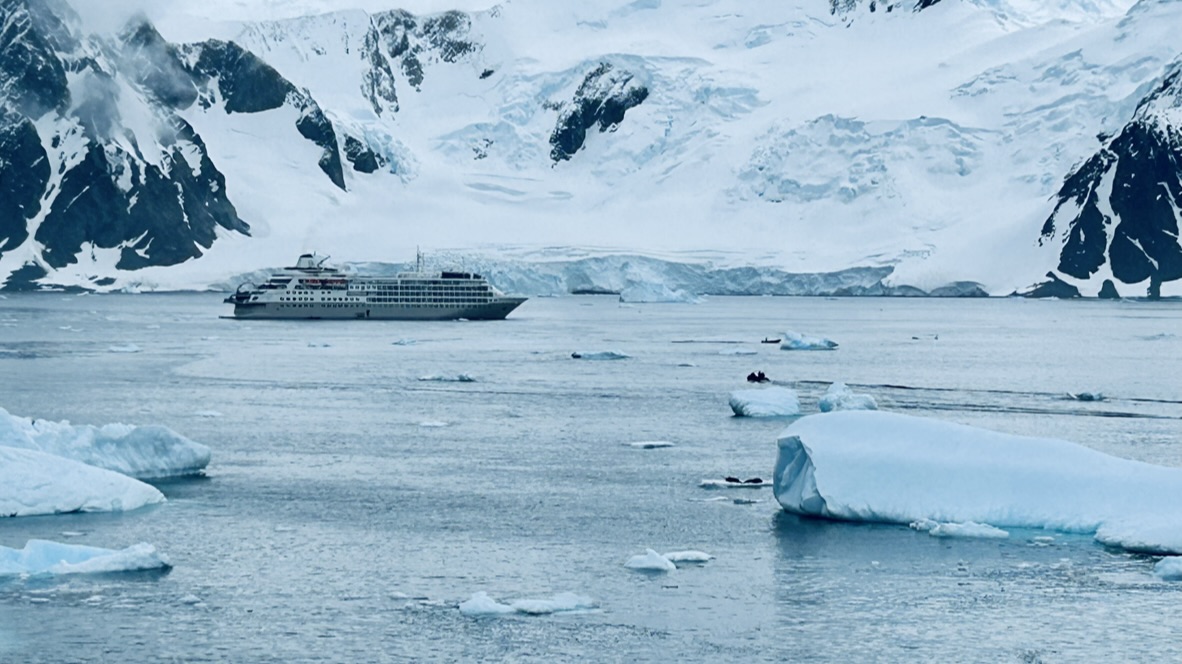
For those who are ready to go all in, she has one piece of advice that she did not have before this trip: pay close attention to the size of the ship. "The size of the ship is very important and it dictates the kind of experience you can have and the kind of places you can visit and how many opportunities you might have to go out and explore," she says. Smaller vessels can access bays and coves that larger ships cannot, and they carry fewer passengers into each Zodiac excursion. In a place where the difference between two hundred meters and two meters can determine whether you hear a whale breathe, that distinction matters enormously.
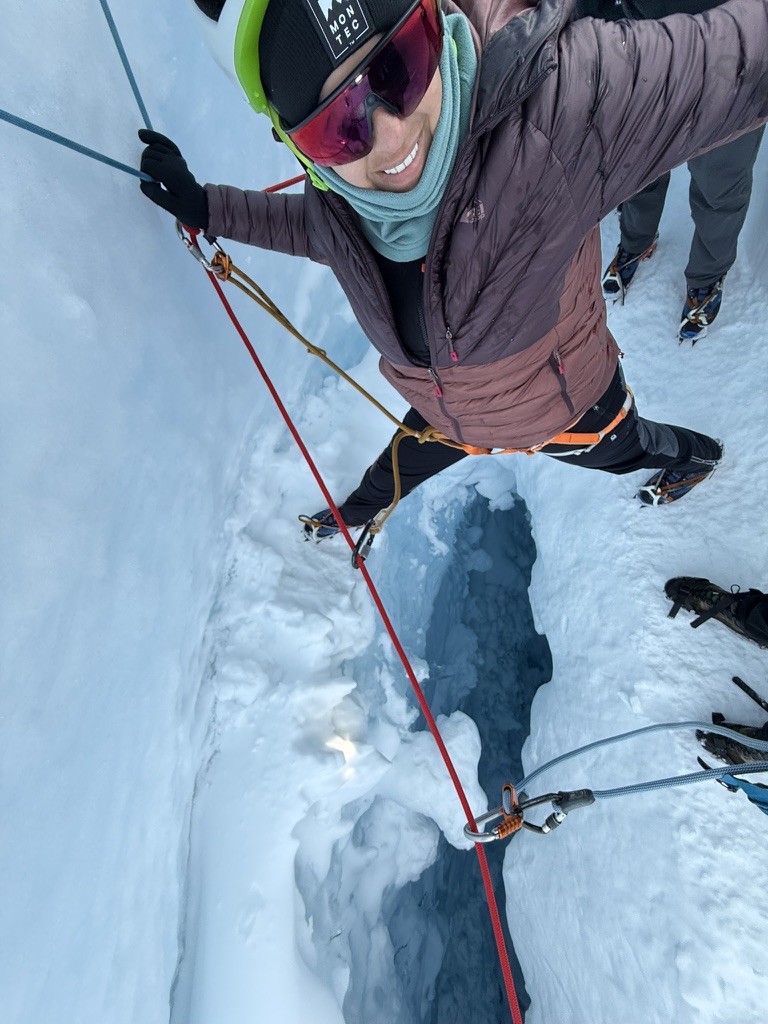
She also makes the case for timing in terms of the traveler's own life, not the calendar. Climbing in and out of Zodiacs, stepping onto slippery stones in shallow water, managing potentially rough seas, these are physical realities of the expedition format. Metzger's advice is direct: if Antarctica is on the list, do not wait. "It's important to do it as soon as you have the time and the means to do it," she says, "because it involves climbing in and out of Zodiacs, stepping on slippery stones in the water, and some rough seas potentially, so it's important to do it when you're as able to do it as possible."
From Sea Creatures to Land Creatures
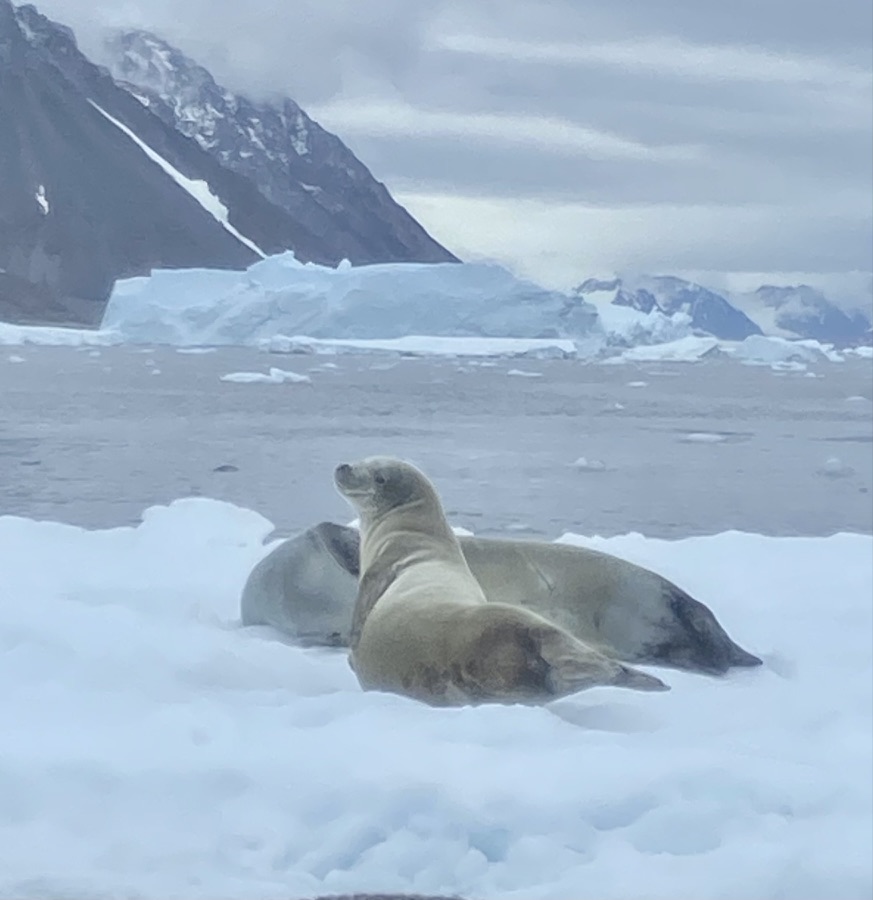
What Metzger carries back from Antarctica is not just a collection of memories, remarkable as they are. It is the ability to sit across from a client who is dreaming of this journey and tell them, honestly and specifically, what it will ask of them and what it will give back. "Having experienced this myself gives me insight into the type of experience you can have," she says, "and helps people set expectations in a way that will give them a good experience, because the whole experience can be quite unpredictable, sometimes in good ways and sometimes in challenging ways."
She is already moving toward her next immersion. An African safari is on the horizon, a shift, as she puts it, from sea creatures to land creatures. For an advisor who converts lived experience into client value, the expedition never really ends. It simply changes terrain.