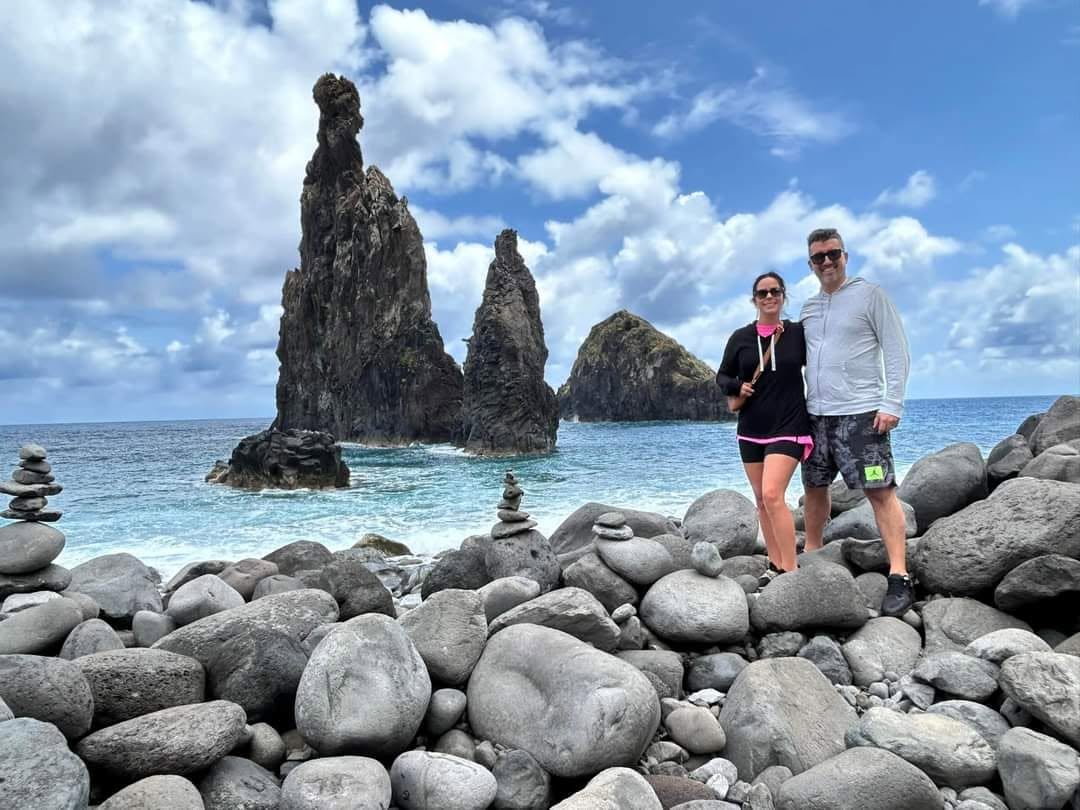
For travel advisor Debbie Cox, a first trip to Europe wasn't just a personal milestone — it was a professional awakening that changed how she plans trips for every client who follows in her footsteps.
At a Glance
The Algarve offers a markedly slower pace than North America, with breathtaking beaches and excellent food that justify the journey. First-time European visitors should fly into Faro rather than Lisbon to save on tolls, use Uber from the airport, and rent locally to avoid jet-lag complications. Language barriers dissolve with Google Translate.
Debbie Cox had spent years recommending destinations she had researched thoroughly, studied carefully, and believed in professionally. But Portugal was different. Portugal was hers. When she and her husband touched down in the Algarve for a week in Portimão followed by three nights in Albufeira, Cox wasn't just checking a destination off a list. She was stepping onto European soil for the very first time — and what she found there surprised her in the best possible way.
She had expected different. What she got was better.
A Culture That Exhales
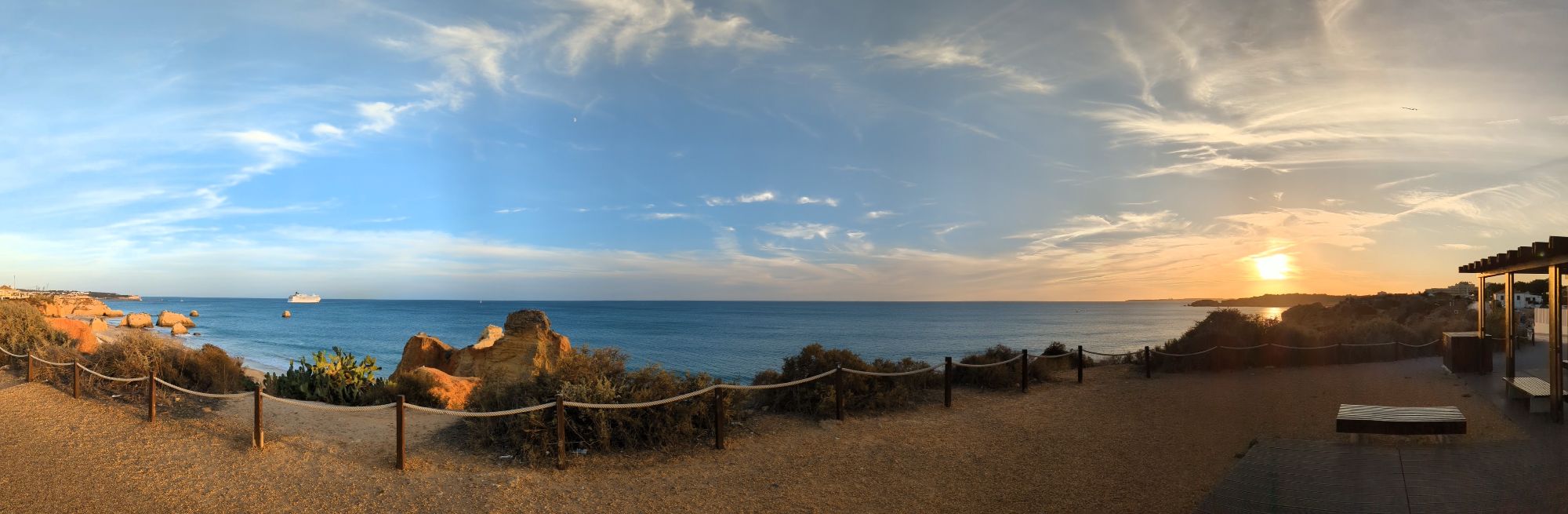
The shift wasn't loud or dramatic. It settled over Cox quietly, the way a slower afternoon does. As someone who had never experienced Europe before, the contrast with life in North America landed with an unexpected clarity. "It's a completely different vibe than in North America," she reflects. "It was much more laid back, a slower pace. Everybody's not go, go, go the way I have always experienced most of my life." For a travel advisor accustomed to the relentless rhythm of a continent that prizes productivity above presence, the Algarve felt less like a foreign country and more like a long exhale.
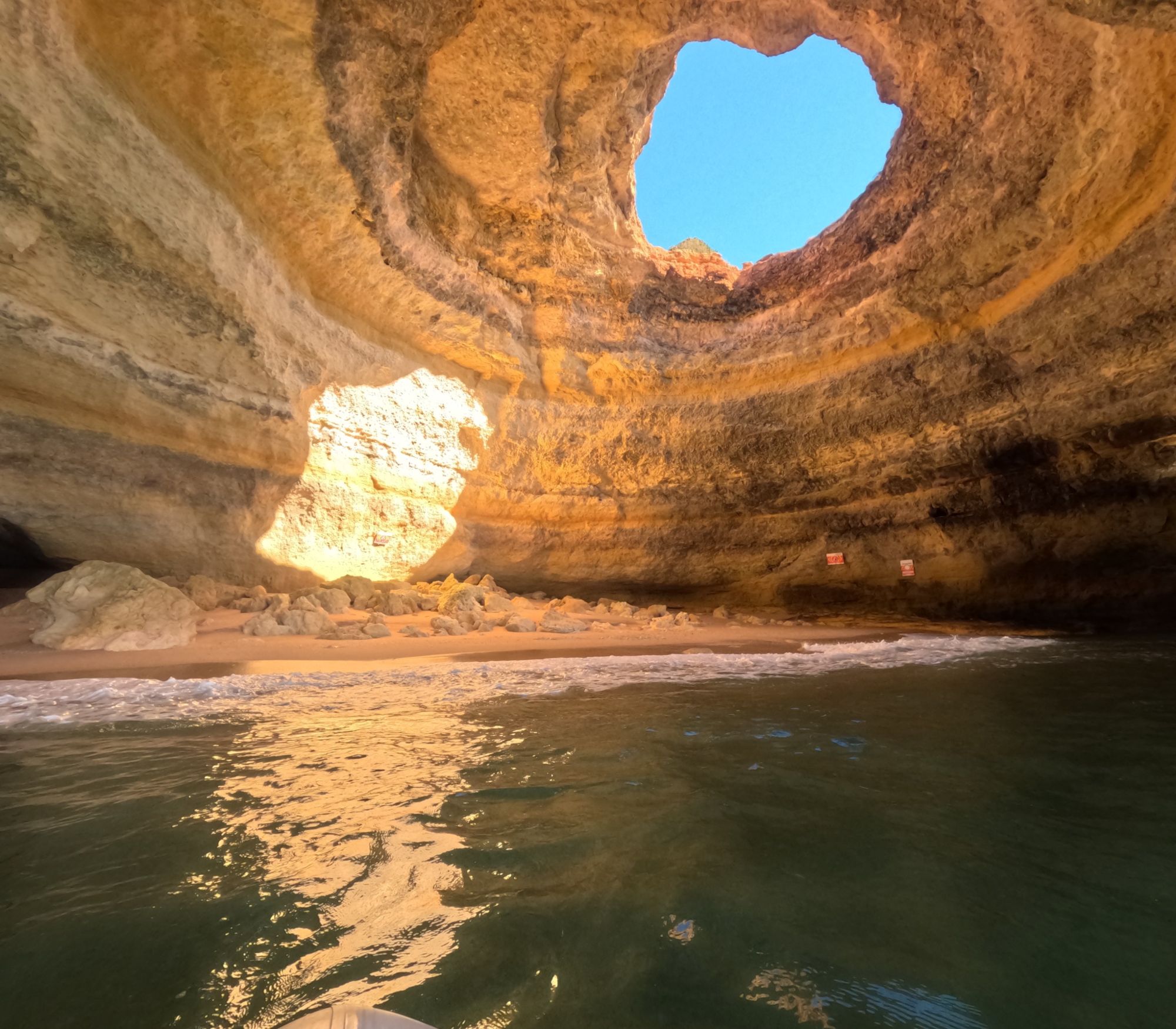
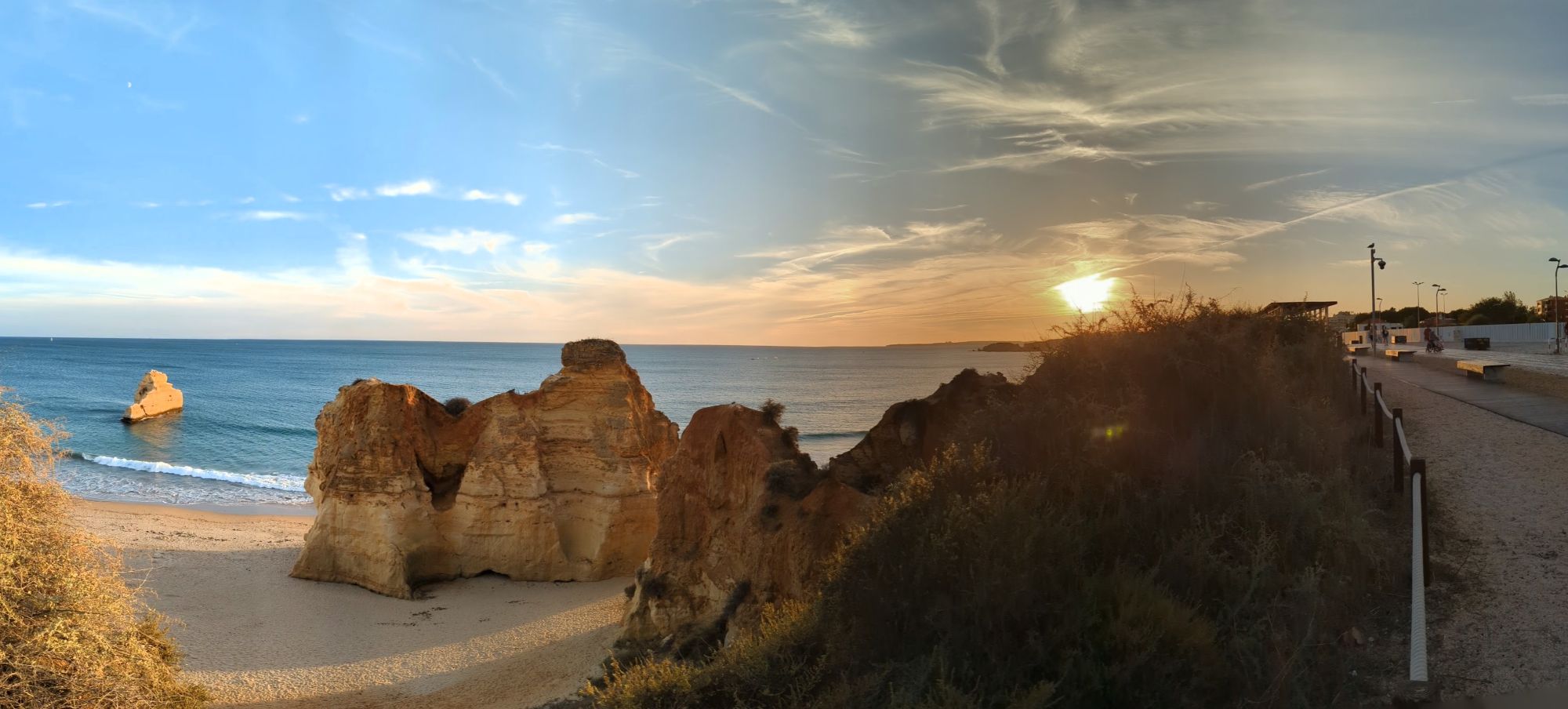
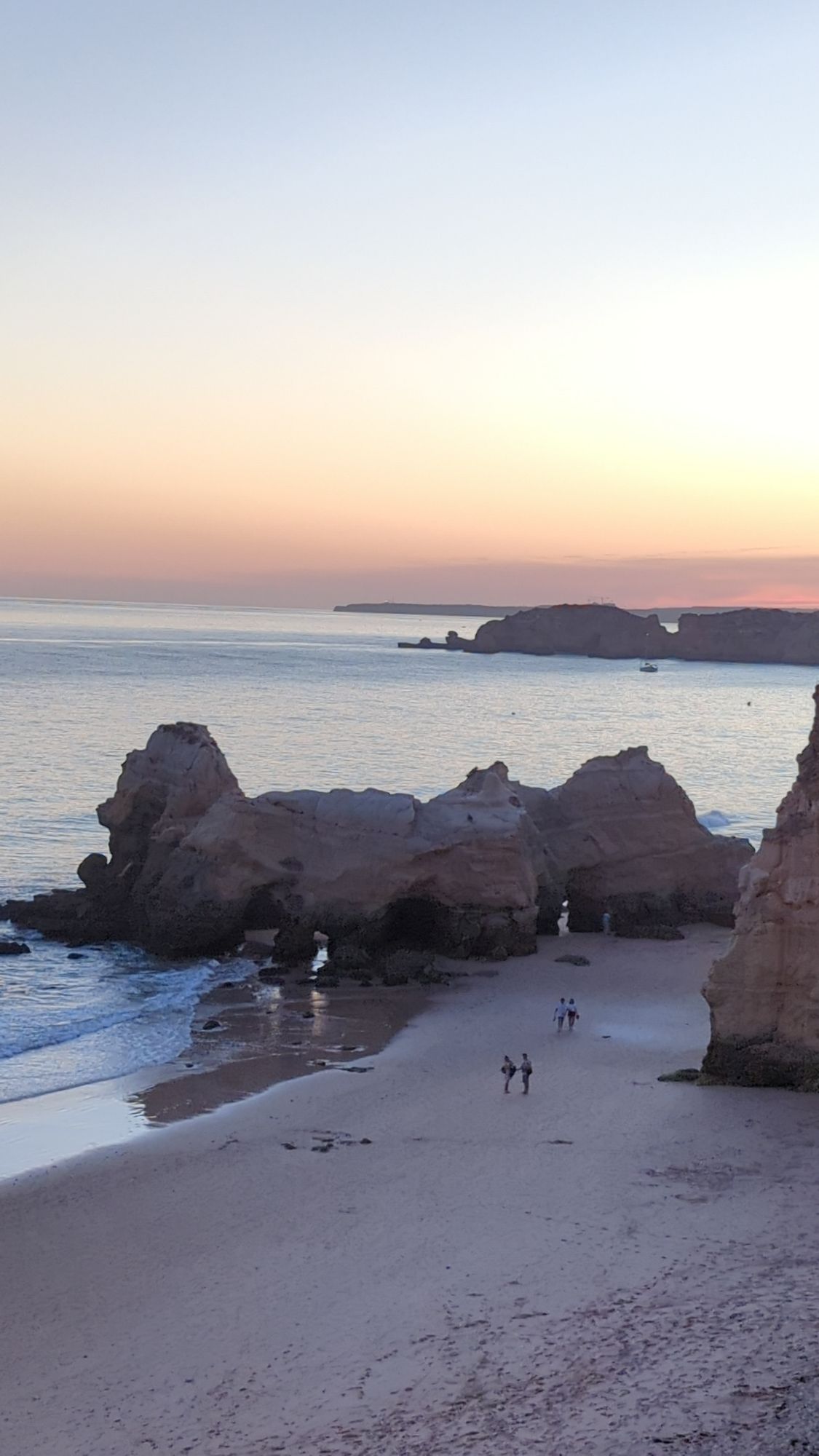
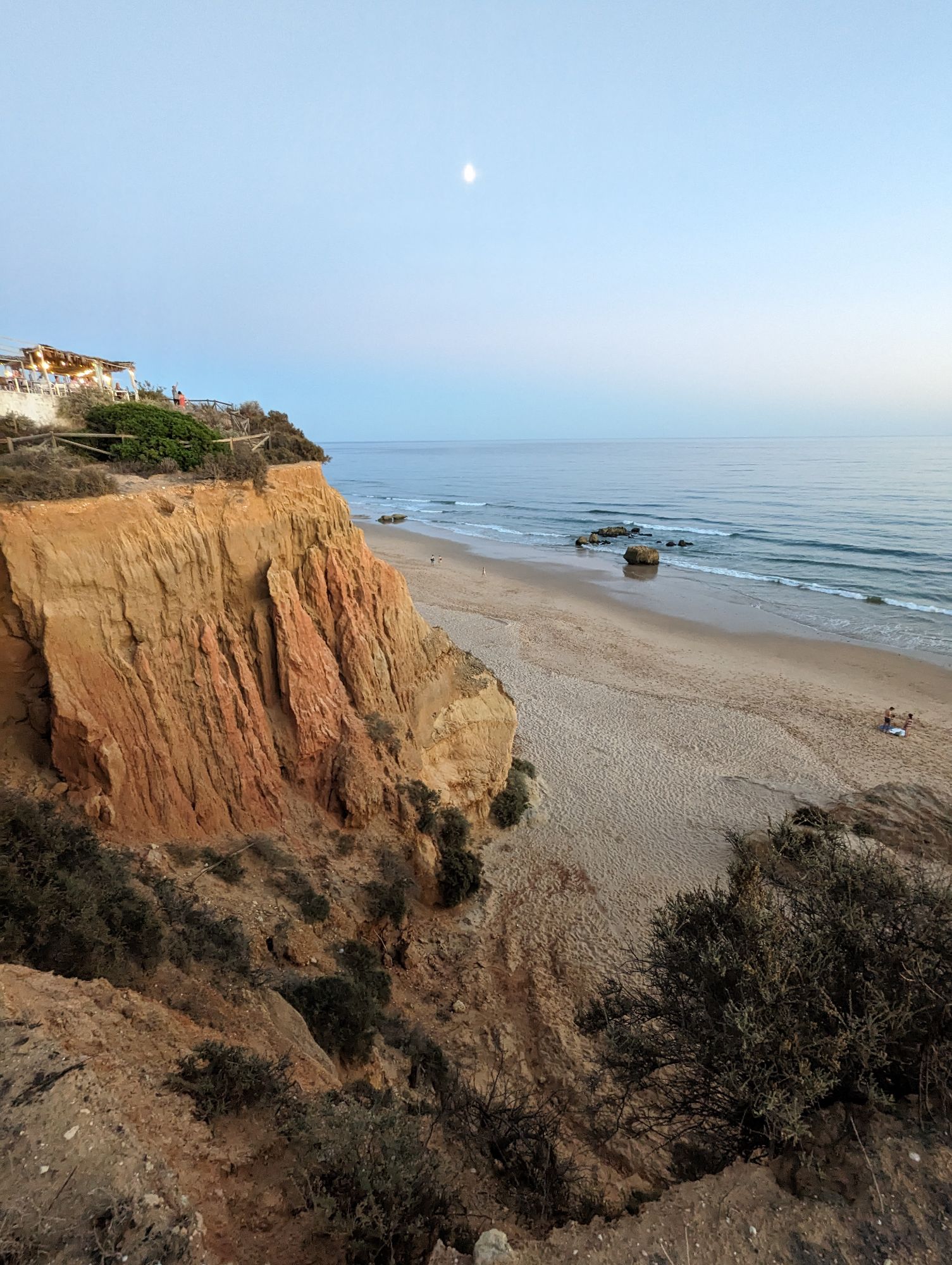
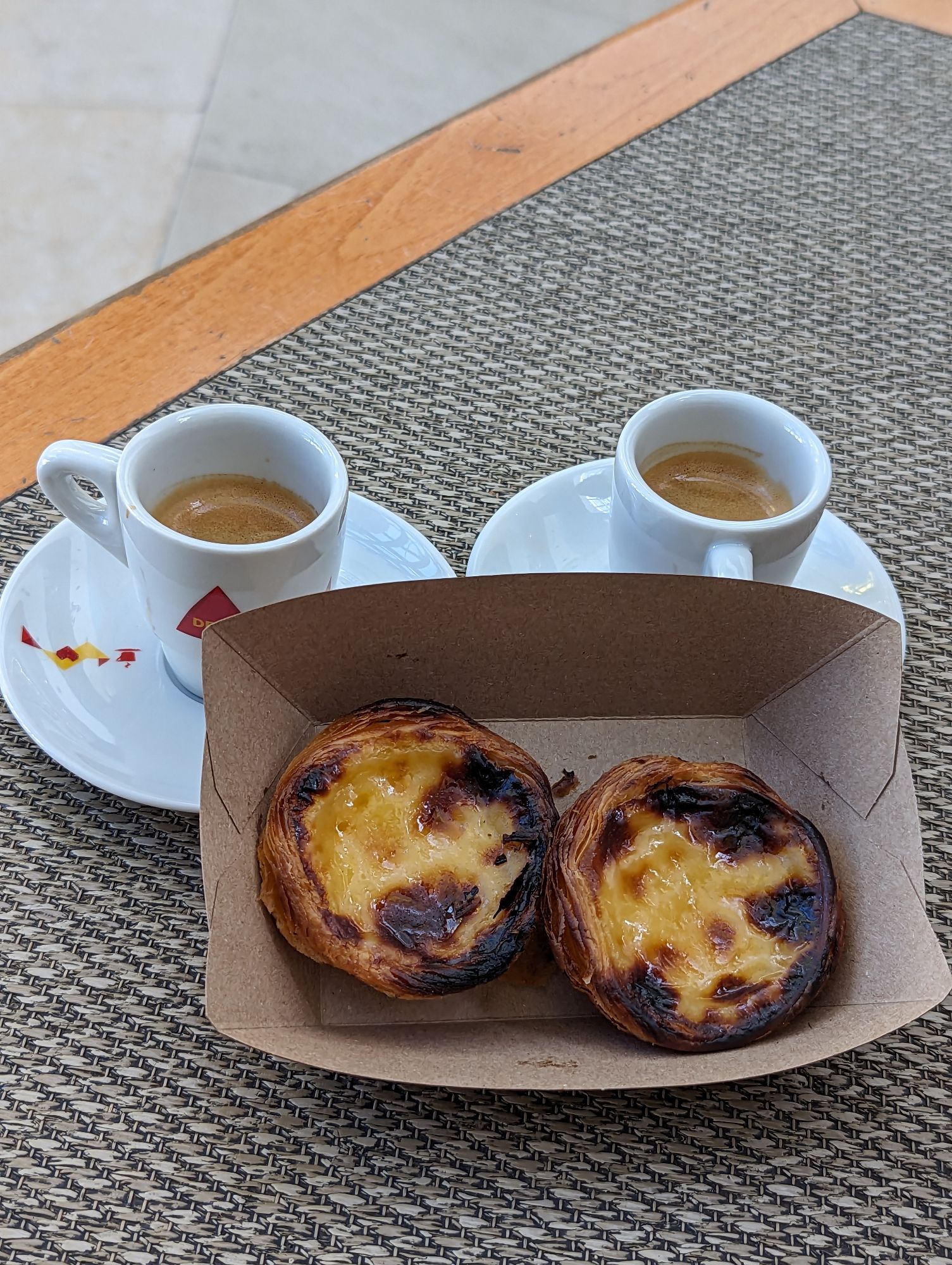
The beaches only deepened that feeling. Stretching along Portugal's southern coast, the Algarve's coastline is the kind that photographs struggle to capture honestly. Cox doesn't try to oversell it. She simply says, "the beauty of the beaches is just breathtaking. And the food is also wonderful." There is a quiet authority in that plainness. She is not reaching for superlatives. She has been there, stood on that sand, tasted that food, and she knows the words will fall a little short regardless.
The Language Was Never the Barrier She Feared
One of the most common hesitations Cox hears from clients considering Portugal is the language. Portuguese is not widely spoken by North American travelers, and the fear of being lost in translation is real. Cox can now speak to that fear directly, and with confidence, because she lived it. In areas where English wasn't spoken, she turned to a tool most travelers already carry in their pocket. "Google Translate absolutely saved the day," she says. "So the language barrier was not an impact at all." It is exactly the kind of firsthand reassurance that no brochure can provide and no amount of online research can replicate.
That ground-level knowledge extends to the logistics of arrival as well. Cox returned home with a specific, practical recommendation for anyone heading to the Algarve: fly into Faro, not Lisbon. The drive from Lisbon adds significant cost through tolls, particularly for those renting a car. And even flying into Faro, she advises skipping the airport rental counters entirely. Taking an Uber to the destination and then collecting a car from a local rental company, she explains, saves money and, perhaps more importantly, spares a jet-lagged traveler the ordeal of navigating an unfamiliar road system after an overnight transatlantic flight. Coming from North America means losing five hours, and Cox knows better than most how that feels in your body when you're trying to decipher highway signs in a new country.
The Lesson That Came Home With Her
The Algarve gave Cox more than memories. It gave her a new framework for how she builds travel plans for her clients. The experience crystallised a principle she now holds firmly: "Booking the resort or booking the flights based on the price and not the best place to land to save a few dollars isn't always worth it." It sounds simple. It is, in fact, profound, because it comes from a woman who has now felt the difference herself.
Cox describes arriving in Portugal not as a sales exercise but as a human being who was tired, time-shifted, and eager to begin. That experience now informs every itinerary she builds. "I'm going to look at what's going to feel better," she explains. "I'm going to recommend it in a way of how they are going to want to experience the first part of their trip when they arrive in Portugal, knowing they're going to be jet-lagged and tired." That is not an advisor reading from a supplier sheet. That is someone who earned their expertise on the ground, in real time.
And yet, for all the practical wisdom she carries home, it is the intangible things that seem to linger longest. The pace of the Algarve, that unhurried, generous quality of life, has proven stubbornly difficult to transplant. "As much as I've tried to bring that European vibe and slower pace of living back home," Cox admits, "it's just so much harder to do when you're living in a go-go atmosphere." Anyone who has returned from a trip like this, full of intention and calm, only to find the old pace rushing back in, will recognise that feeling immediately.
Who Should Go — And Who Should Know Before They Do
Cox is candid about the fact that Portugal is not a universal fit. Travelers who resist difference, who prefer the familiar rhythms of home, may find certain aspects of Portuguese culture jarring: the unhurried service, the longer queues, the sense that time operates on its own terms. She notes it gently but honestly.
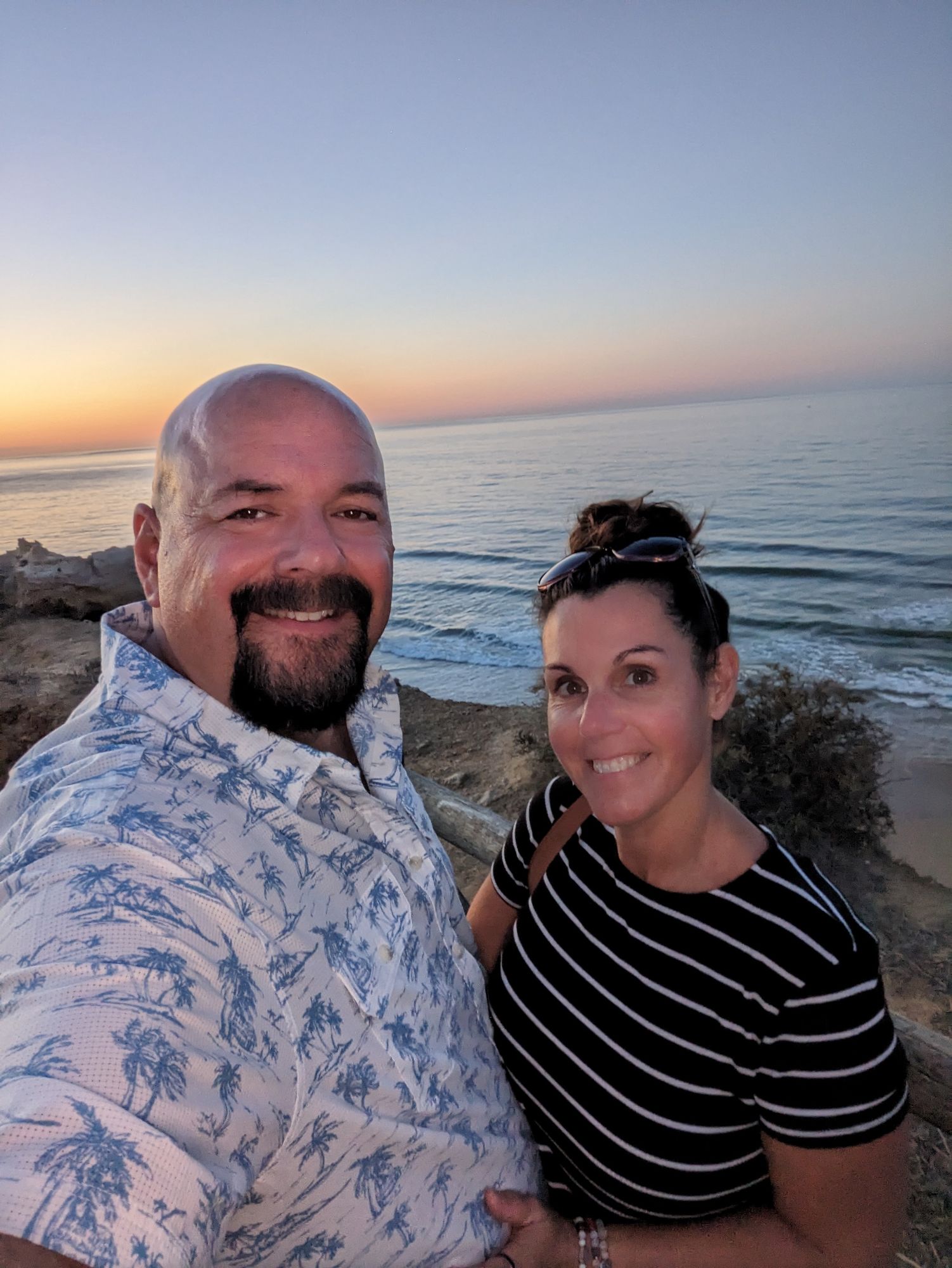
But for the curious, the open-hearted, and the ready, her endorsement is full-throated and warm. "For somebody that's just looking to explore a new part of the world and can make it as relaxing and adventurous as they want, well, seeing the beauty that Portugal has to offer and the friendly people, then I would absolutely recommend coming here." In that sentence, Cox moves fully into her identity as an advisor, not a promoter, but an advocate who has done the work of being there so her clients can arrive better prepared.
The Horizon Ahead
Portugal may have been Cox's first chapter in Europe, but it is clearly not her last. With Greece and Italy sitting at the top of her travel wish list, she is already mapping the next set of experiences she will bring back to the clients who trust her most. That is, after all, what distinguishes a great travel advisor from a booking engine. She goes first. She learns what the pictures don't show and the reviews don't capture. And then she brings it back.
For anyone dreaming of the Algarve's golden coastline, its unhurried afternoons, and its tables full of wonderful food, Debbie Cox has been there. She knows the airport to fly into, the car rental strategy that will save both money and sanity, and exactly what it feels like to arrive somewhere and realise, with quiet certainty, that the world is more beautiful and more welcoming than the pace of daily life ever suggested.