Flair Travel advisor David Petlin arrived in British Columbia to research hotels and came home with a conviction that would change the way he plans every Alaska cruise itinerary he builds.
At a Glance
Vancouver and Whistler offer Alaska cruise travelers meaningful pre-cruise extensions worth two nights minimum. A guided food tour through Granville Island Public Market creates sensory memories through sight, sound, smell, and taste, while Whistler provides wildlife encounters and mountain immersion two hours from the cruise terminal, transforming a layover city into an integral vacation component.
There is a moment, somewhere above the glittering harbor of Vancouver, when a travel advisor who spends his days encouraging clients to try new experiences has to reckon with the fact that he is terrified. For David Petlin of Flair Travel, that moment arrived inside a Harbour Air floatplane. "I was honestly deathly afraid of getting into such a small plane and flying over Vancouver," Petlin admits. "When you're a travel advisor, you spend a lot of time encouraging clients to try new experiences, but that doesn't mean you're automatically comfortable doing all of them yourself."
He got on the plane anyway. And that decision, small as it might seem against the backdrop of mountains and ocean far below, captures everything that defines Petlin's approach to his work. In September 2024, he traveled to Vancouver and Whistler, British Columbia, on a travel advisor familiarization trip, commonly known in the industry as a FAM, hosted by Destination Vancouver and Tourism Whistler alongside a roster of partner hotels and local experience providers. He went looking for professional insight. He returned with something more personal: a transformed philosophy about what an Alaska cruise vacation can and should be.
More Than a Layover City
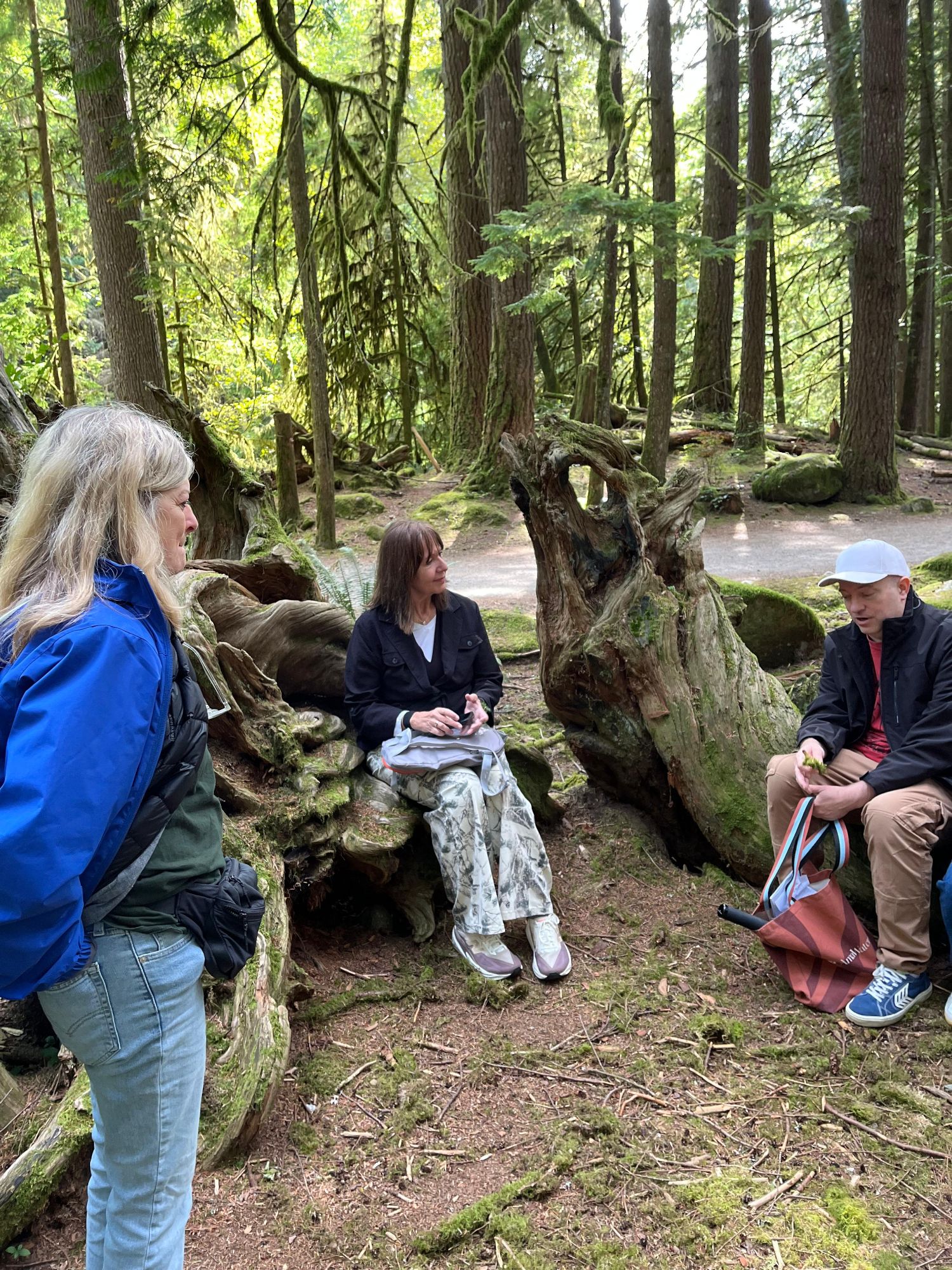
The premise of Petlin's trip was deliberately provocative. For years, Vancouver has functioned in the Alaska cruise world as a logistical gateway, a city where travelers land the night before embarkation, check into a hotel near the cruise terminal, and promptly stop thinking about where they are. Petlin knew this pattern well because he had been booking it for his clients. His goal on this FAM was to find out what they were missing.
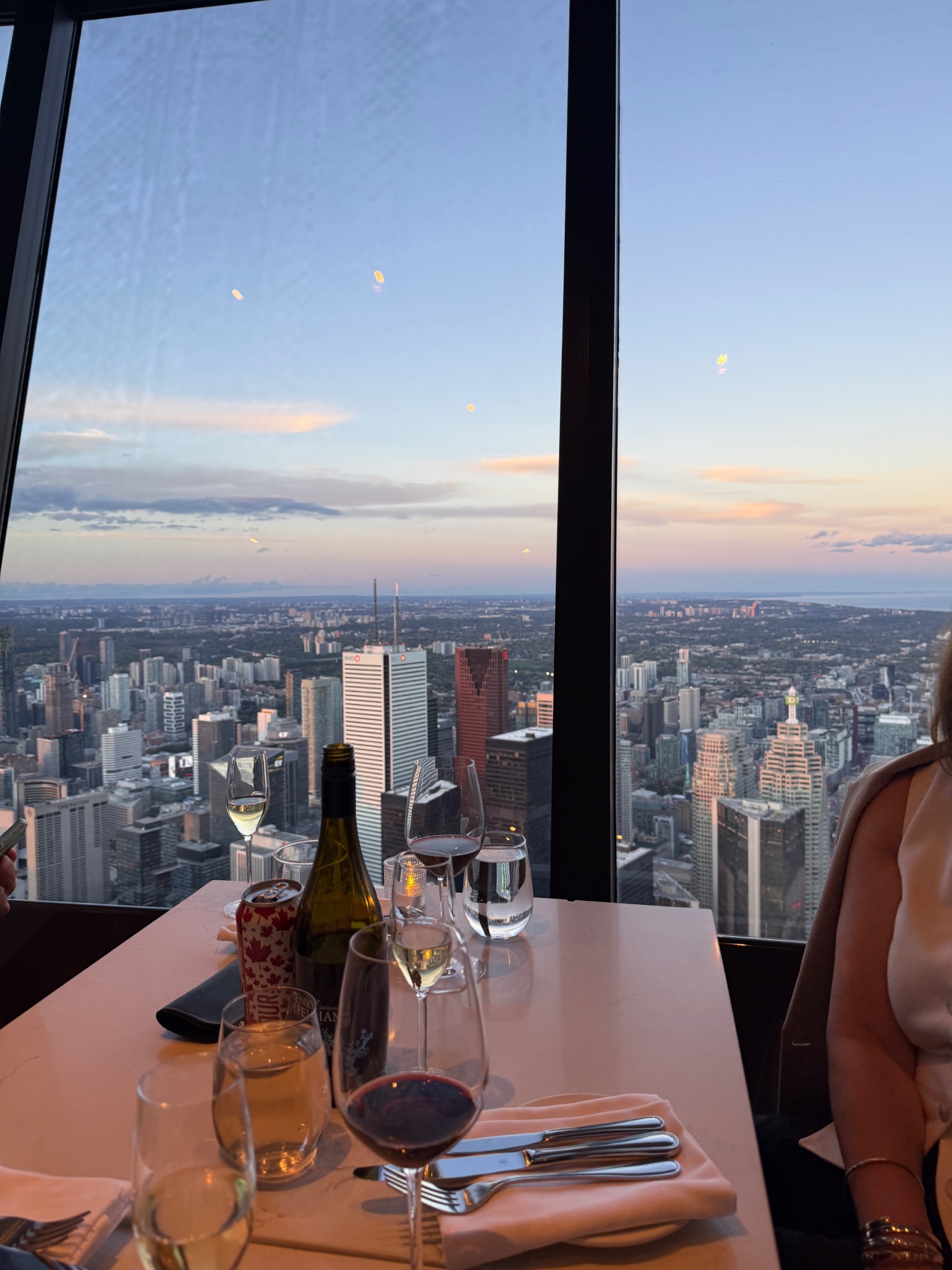
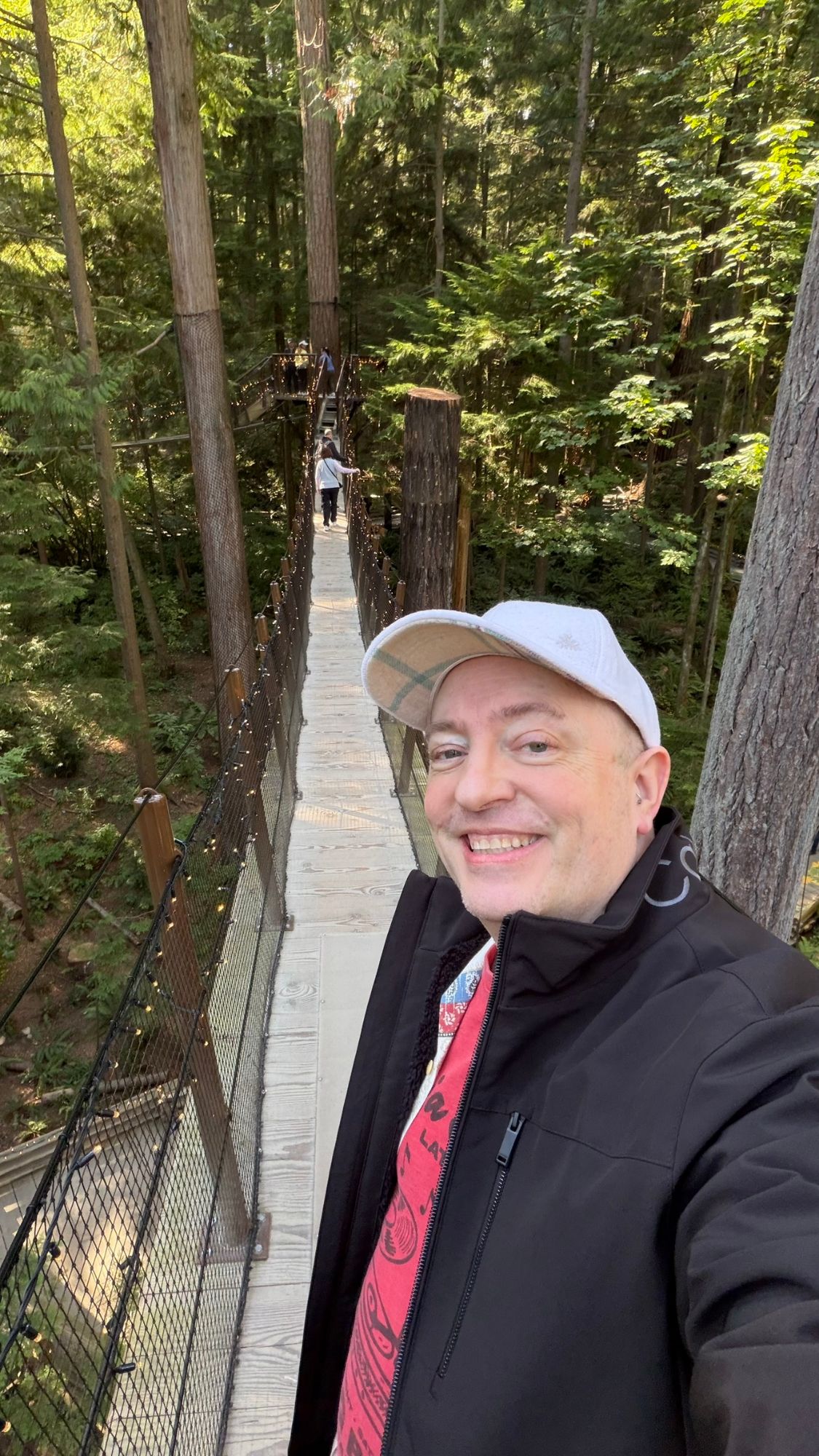
What he found was a city that rewards curiosity at every turn. The waterfront, visible in its full sweep from the elegant rooms of the Fairmont Pacific Rim, frames a skyline that backs up against mountains in a way that feels almost theatrical. Capilano Suspension Bridge Park offered a physical encounter with the landscape, and Petlin noted a practical detail most visitors would never discover: the park runs a complimentary shuttle from downtown Vancouver, making it an accessible half-day option even on embarkation morning. But the experience that lodged itself most deeply was not a view or an attraction. It was a meal.
The Flavor That Keeps Coming Back
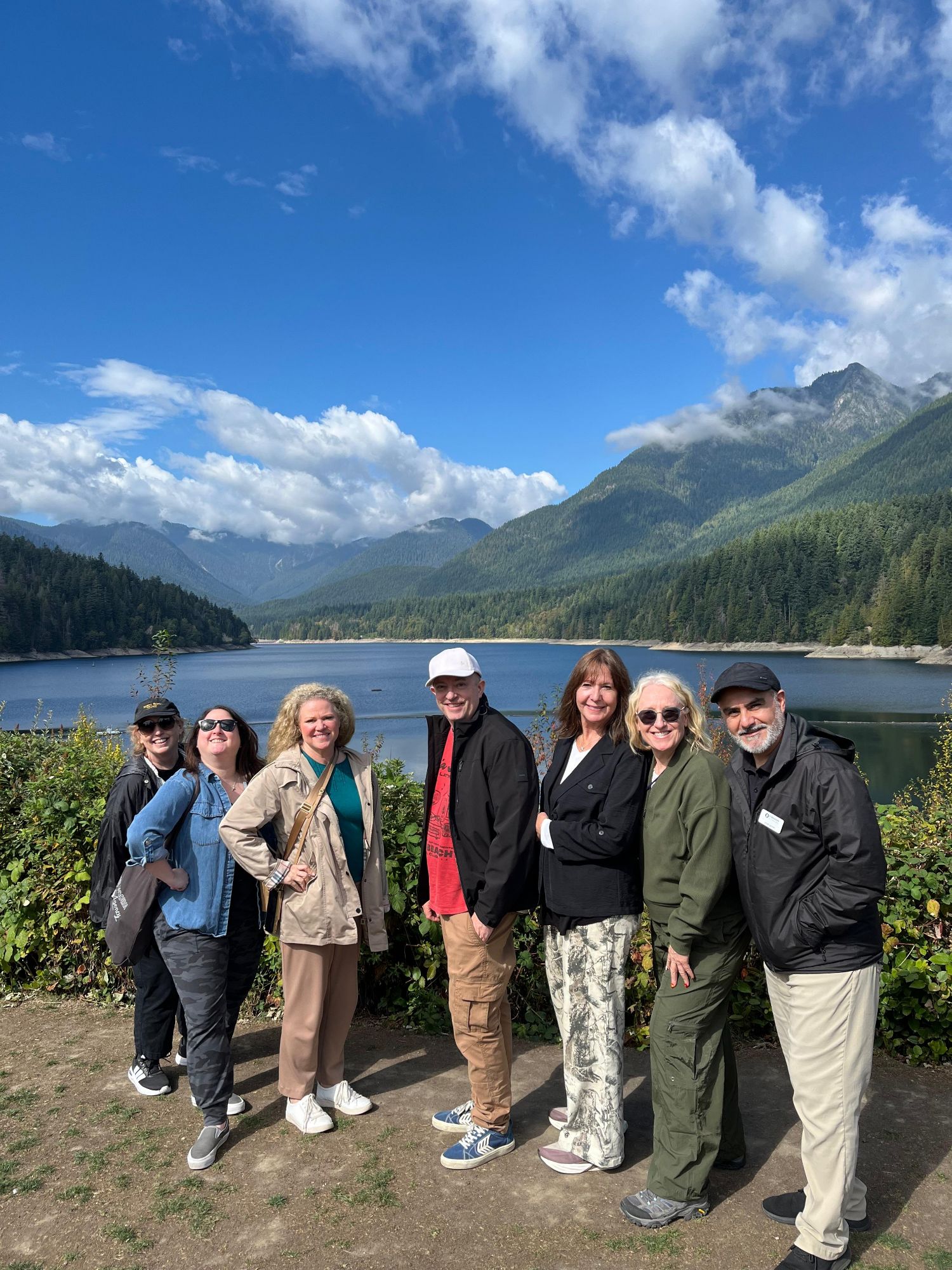
Of everything Petlin experienced across both Vancouver and Whistler, the guided food tour through Granville Island Public Market with Vancouver Foodie Tours is the one he returns to in conversation, the one he reaches for first when describing the trip to anyone who will listen. The market itself is accessible to any traveler willing to wander its stalls. What a guide adds, Petlin discovered, is something more layered: vendor introductions, local stories, and the context behind what you are tasting.
His thinking about why food tours work so well reveals the professional instincts beneath the enthusiasm. "Food also has such a strong connection to memory," he explains. "On a food tour, you're seeing the market, hearing the conversations and stories, smelling what's being prepared, and tasting it all as you go. You have sight, sound, smell, and taste working together." That sensory density is not incidental, in Petlin's view. It is the mechanism by which a destination moves from visited to remembered, from a place on a map to a flavor or a smell that can summon it years later.
For his Alaska cruise clients, that matters enormously. "This tour gives them a reason to slow down and spend some time enjoying the city," Petlin says. "It becomes part of the vacation that they'll remember, rather than just an overnight before the cruise." Granville Island, he adds, "gave me a connection to Vancouver through food, and that's something I want my clients to experience, too."
Into the Mountains
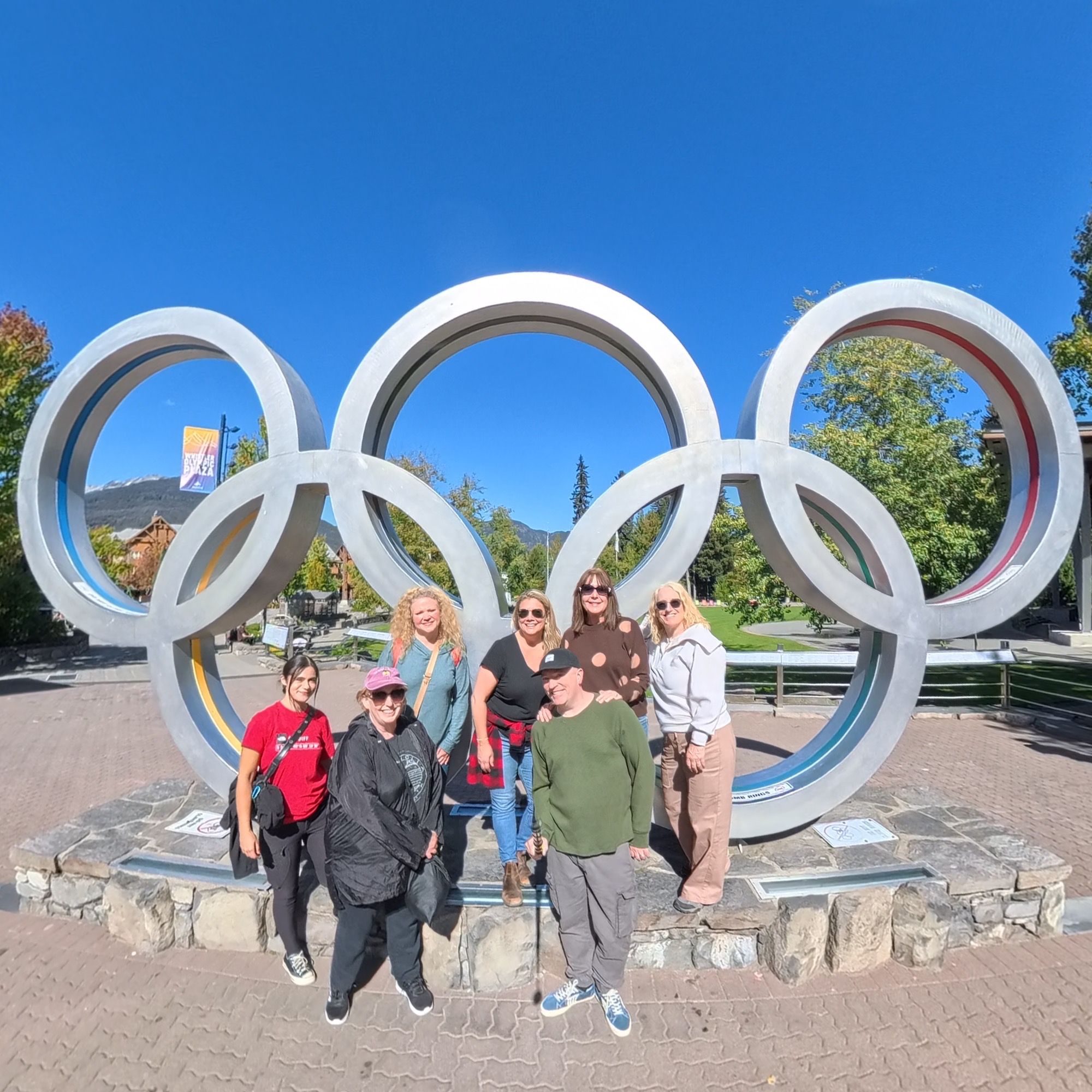
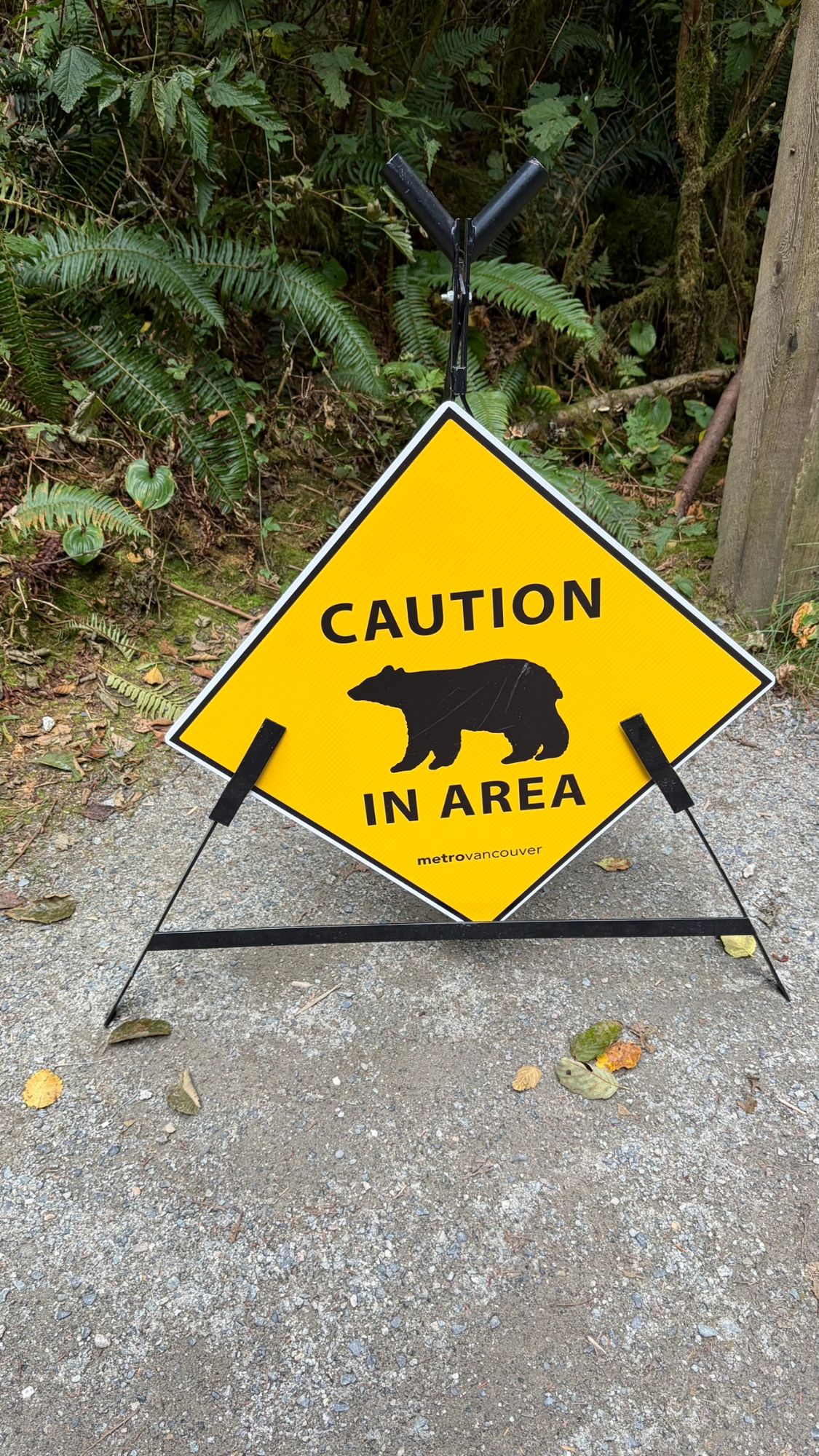
From Vancouver, the FAM group made its way up to Whistler, and Petlin found himself in a destination that operates on an entirely different register. Where Vancouver offers waterfront, food culture, and urban sophistication, Whistler delivers wilderness in the most immediate sense. The group stayed at both Fairmont Chateau Whistler, exploring its Fairmont Gold rooms and private lounge, and Four Seasons Resort Whistler. They took an off-road buggy tour with Canadian Wilderness Adventures, covered trails, rivers, and lakeside paths on an e-bike tour with Whistler Eco-Tours, and joined a bear safari with Whistler Photo Safaris.
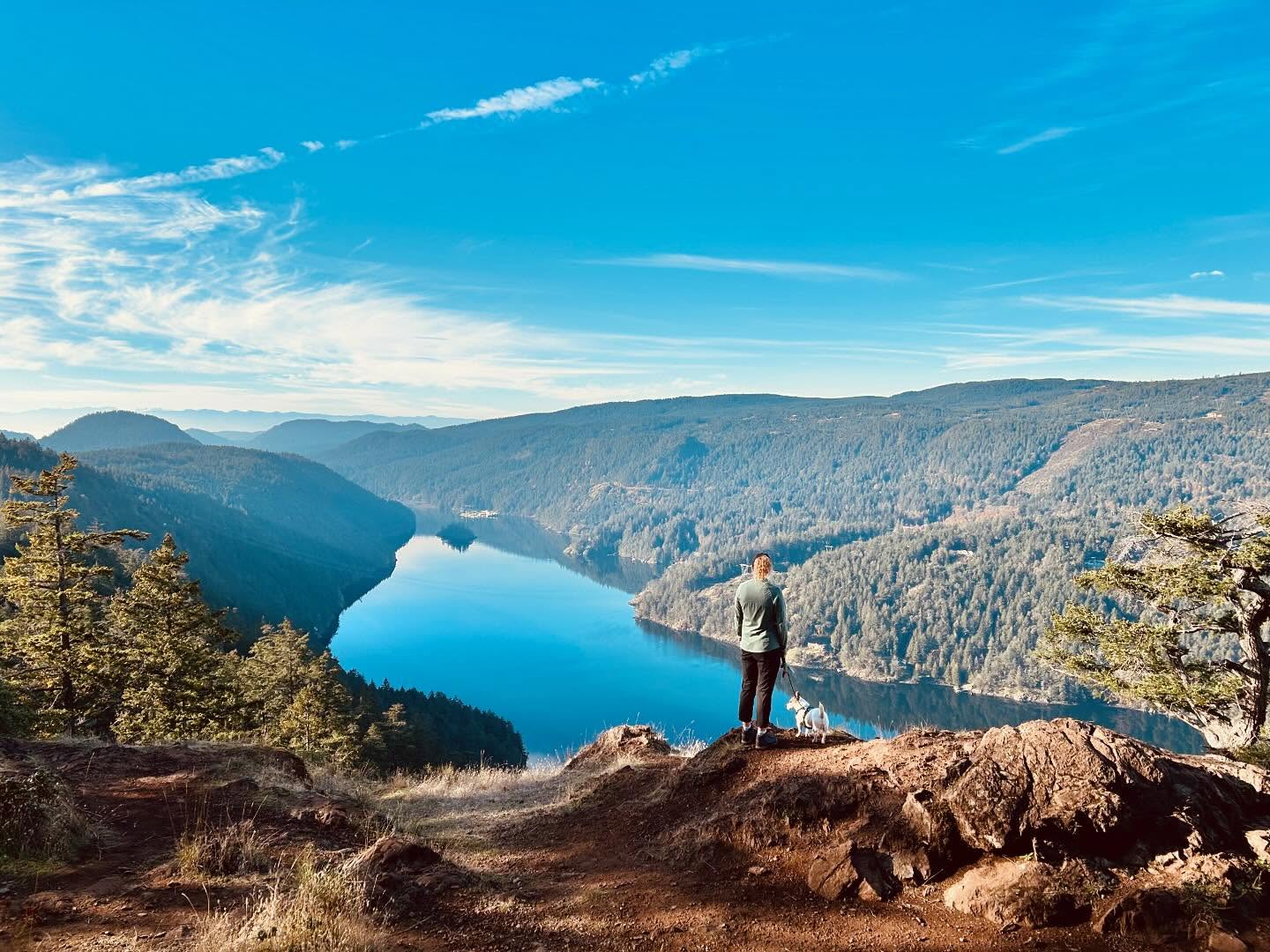
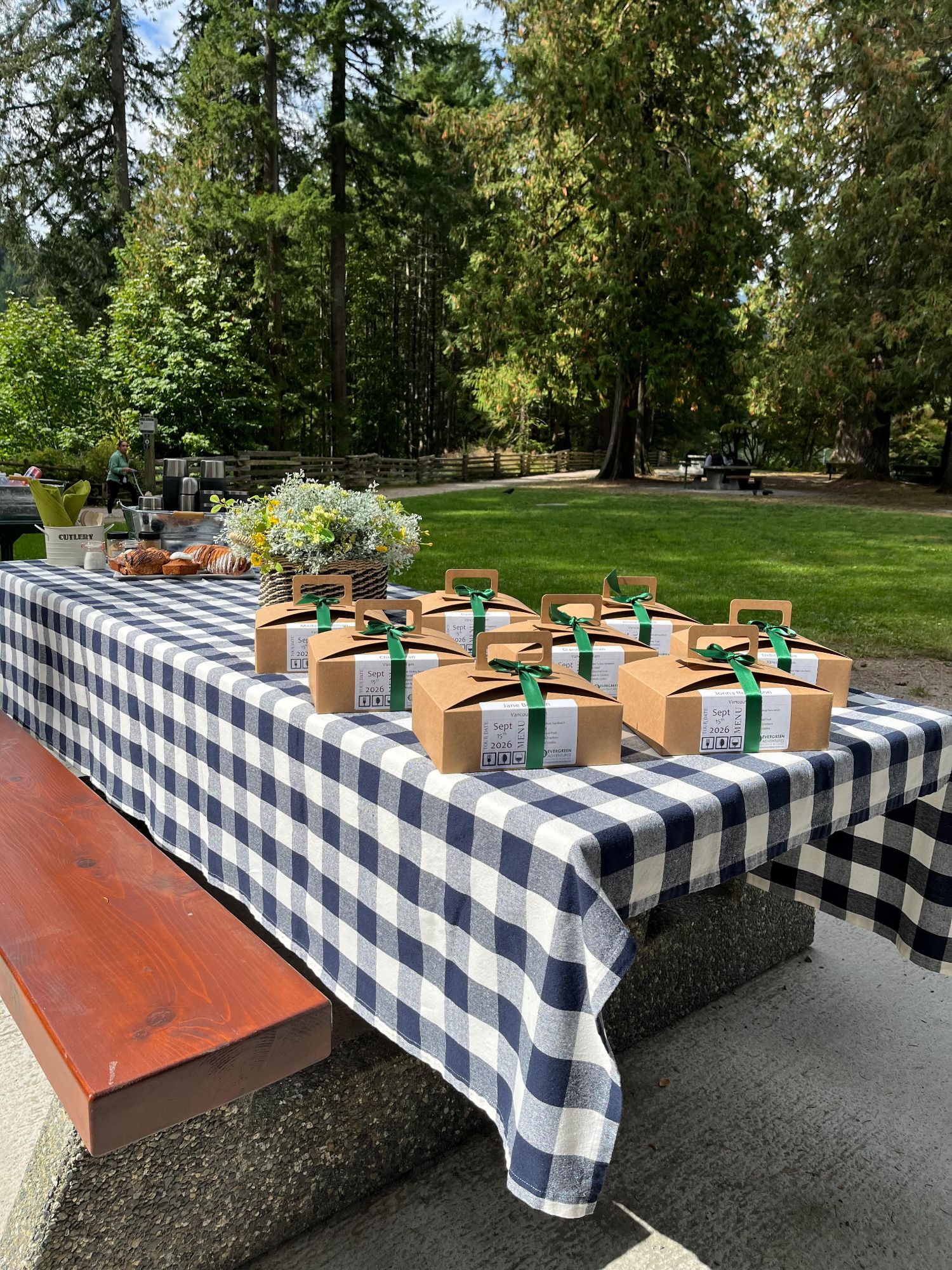
That last outing produced the trip's most instinctively gripping moment. "On the bear safari, we saw a mother black bear with her two cubs, which was an amazing moment." The sentence is simple, almost understated, yet it points to something Petlin believes his Alaska cruise clients often miss: the kind of wildlife encounter and mountain immersion that a land extension into Denali might offer, available two hours from the cruise terminal, before the ship has even set sail.
That connection is Petlin's insider tip. Whistler is a well-known destination in its own right, but the idea of weaving it into an Alaska cruise itinerary, arriving in Vancouver, transferring up to Whistler for two nights, then returning to the terminal on embarkation morning, is not a route most travelers would map on their own. "They may know about Vancouver, Whistler, and Alaska cruises individually," Petlin says, "but they may never have thought about how those pieces could work together."
A New Minimum Standard
When Petlin reflects on what this trip changed professionally, the shift is clear and specific. "Two nights should be the minimum. You need time to enjoy the city rather than just arrive, check in, and leave the next morning." That conviction, backed now by firsthand experience rather than educated intuition, is reshaping the conversations he has with every Alaska cruise client who walks through his door at Flair Travel.
He is also thinking more carefully about who each extension suits. Families will find outdoor adventures in both cities that adults and children can share. Couples and groups of friends can build stays around food, scenery, and beautifully considered hotels. Travelers who are not particularly athletic or adventurous need not replicate Petlin's itinerary; the point is not to do exactly what he did, but to find the version of Vancouver and Whistler that fits. For clients who prefer a slower pace or have limited mobility, Petlin can select appropriate experiences and arrange transportation accordingly. The Granville Island food tour, he notes, would be among his first suggestions regardless of fitness level.
The one group for whom he pumps the brakes is not defined by interests but by calendars. If a client truly has only enough vacation days for a seven-day Alaska cruise, adding four pre-cruise nights is simply not feasible, and Petlin respects that reality. His advice to those clients: keep it in mind for a dedicated British Columbia getaway, perhaps a long weekend with two nights in each city. The trip is there whenever the schedule allows.
The Advisor Who Takes His Own Advice
What ultimately distinguishes Petlin's recommendations is not the depth of his research notes but the fact that he climbed aboard a floatplane when every instinct told him not to. He watched Vancouver's waterfront, city grid, and encircling mountains resolve into a single panorama, the kind of perspective that cannot be absorbed from the ground. He stood in Granville Island Market while a guide introduced him to vendors and the smells of freshly prepared food drifted through the stalls. He watched a mother bear move through the Whistler wilderness with her two cubs. These are not details drawn from a brochure. They are memories, and they carry the kind of authority that only firsthand experience can produce.
That authority is already shaping what comes next. Within a week of returning from British Columbia, Petlin was headed to the Cancún area to inspect twelve hotels for Flair Travel's All-In Collection of curated all-inclusive resorts, attending a supplier conference alongside the property visits to deepen the partnerships that support his clients from booking to return. After that, Costa Rica and Ireland are calling, both destinations where he intends to bring the same approach he took to Vancouver, arriving with curiosity, staying long enough to understand the place through its food and landscapes, and coming home with stories he can put to work for the people who trust him to plan their trips.
For now, though, the lesson that stays with him is the one British Columbia delivered: that the vacation begins the moment a client lands, not when they board the ship. "That's what I'm taking forward from this trip," Petlin says, "planning the vacation from the moment my clients arrive, giving them a reason to stay longer, and helping them enjoy the destination and the hotel as much as the cruise."