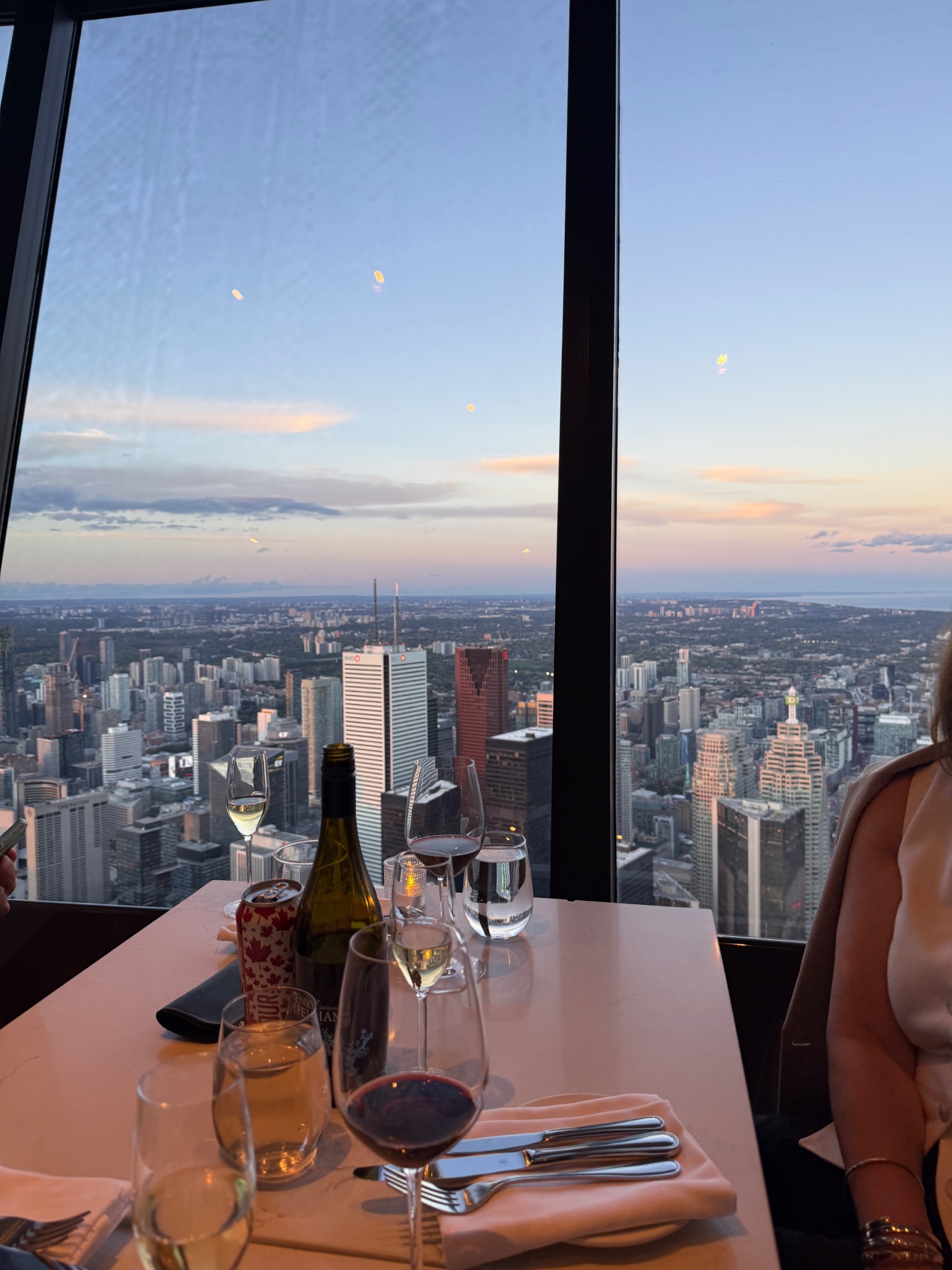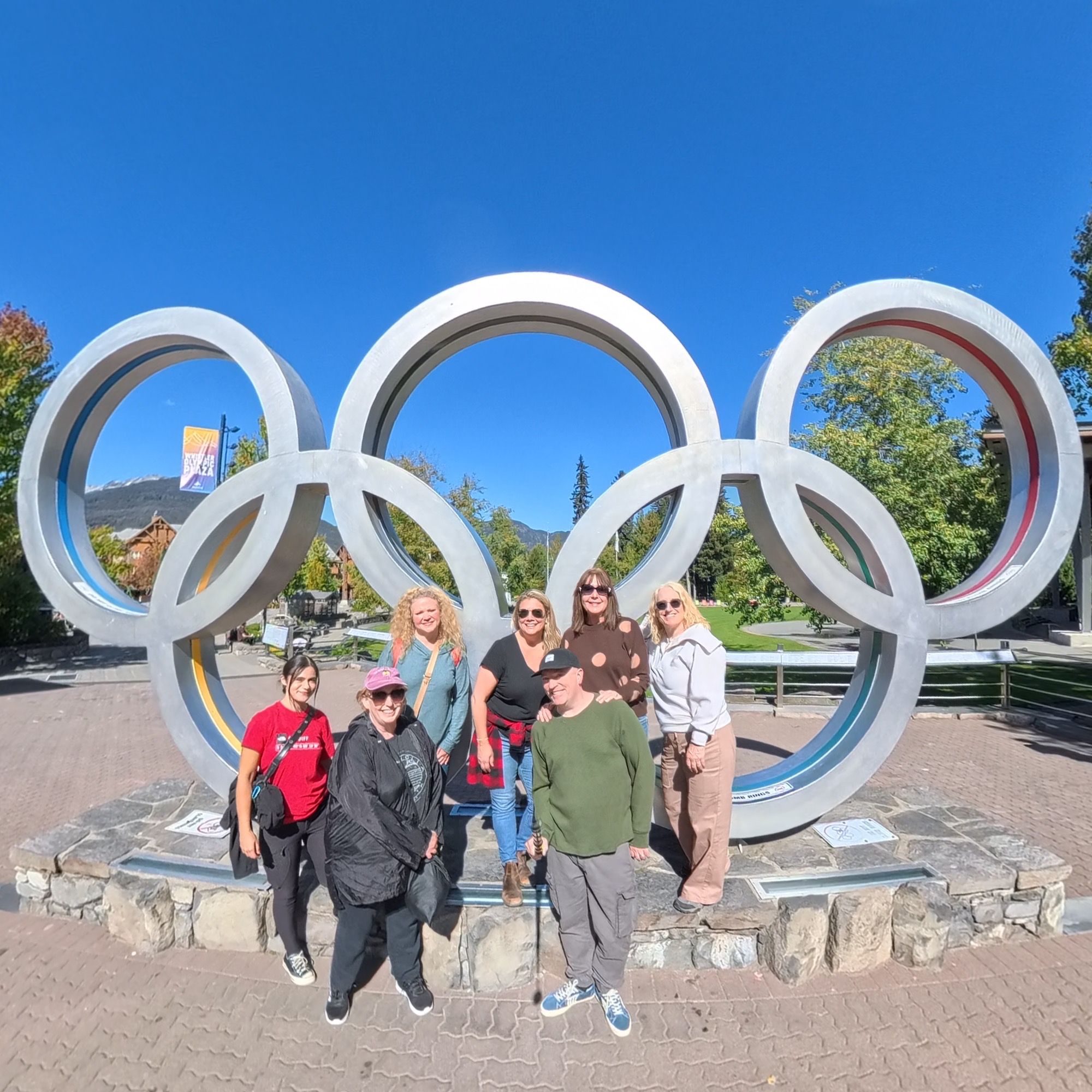
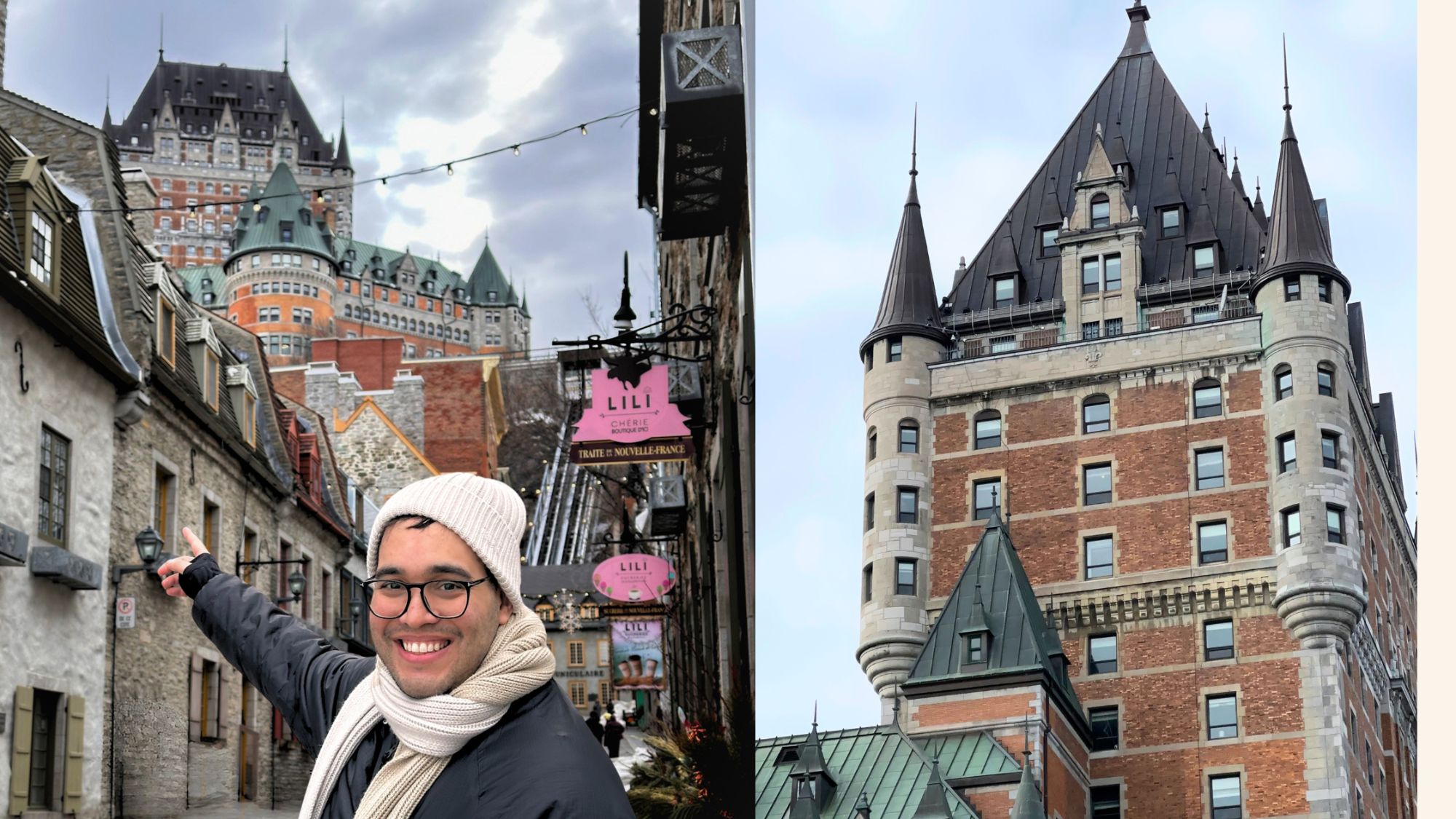
Vancouver-based travel advisor Patricio Martinez traded the Pacific Coast for cobblestones and smoked meat this past April, returning with hard-won insights, a renewed love of train travel, and a list of recommendations his clients will thank him for.
At a Glance
When Patricio Martinez's Montreal trip concert was cancelled, he discovered the city's true appeal: European architecture, world-class museums spanning five buildings, traditional Quebecois cuisine, and the Via Rail connection to Quebec City. He now advises clients never to anchor trips to single events and recommends visiting in fall for picturesque foliage against historic buildings.
When Patricio Martinez booked flights from Vancouver to Montreal last April, a sold-out concert was the original spark. But as any seasoned travel advisor knows, the best trips are the ones that outgrow their own itineraries. The concert was cancelled. The trip, however, was not. And what unfolded across Montreal and Quebec City turned out to be far richer than any single evening in an arena could have been.
Martinez is quick to frame the cancellation as a lesson rather than a loss. "Don't plan a trip around a single event," he says, "because you never know if that event can get cancelled, and then you're going to end up disappointed." It is the kind of earned wisdom that only comes from living through it, and it is precisely the kind of advice his clients now receive before booking anything centered on a concert, a festival, or a one-night show.
A Tale of Three Hotels
The itinerary was elegantly simple. A few nights at the Omni Mont-Royal on Sherbrooke Street West placed Martinez close to the Bell Centre and the pulse of downtown Montreal. From there, he and his travel companion boarded a Via Rail train for Quebec City, checking into the Hilton Quebec before returning to Montreal for a final stay at the Vogue Hotel Crystal Montreal. Each property told its own story.
The Omni, he notes, is an older hotel, though perks from his agency's consortium partnership softened any rough edges. A fifty-dollar USD dining credit and complimentary breakfast made the stay feel genuinely hospitable. The Hilton Quebec, meanwhile, delivered something no credit can manufacture: a sweeping view of Old Quebec that became one of the most photographed moments of the entire trip. The Vogue Hotel Crystal Montreal, the final stop, was in a class of its own. Martinez describes it as feeling "like a little apartment," a spacious, boutique-luxe retreat perfectly suited for a slow final morning before the flight home, minibar credit in hand and a film on the television.
One practical note he carries forward for clients: not every front desk agent at a hotel will proactively mention the perks attached to a booking. At the Vogue, Martinez had to ask, wait while staff reviewed the reservation, and confirm the inclusions himself. "That's something that kind of feels like they don't want you to use it," he says with measured candor. The takeaway for his clients is straightforward: always ask, always confirm, and never assume the hotel will volunteer what it owes you.
The City That Feels Like France
For a traveler based in Vancouver, where the cultural energy leans firmly toward North American pragmatism, Montreal and Quebec City arrived as a genuine sensory shift. The architecture curves and narrows into centuries-old stone. The menus read in French. The waitstaff operate on a different rhythm, one that Martinez describes as more European than the eager, sale-forward service common in western Canada.
The Montreal Museum of Fine Arts was a revelation, and a humbling one. Martinez had expected something manageable, a few galleries and an afternoon well spent. What he found was an institution spread across five separate buildings, vast in scope and ambition. "We probably explored like maybe twenty-five percent of the whole museum," he admits. It is a miscalculation he now plans to correct on his next visit, and an explicit warning he passes to clients: budget a full day, minimum, if art is genuinely on the agenda.
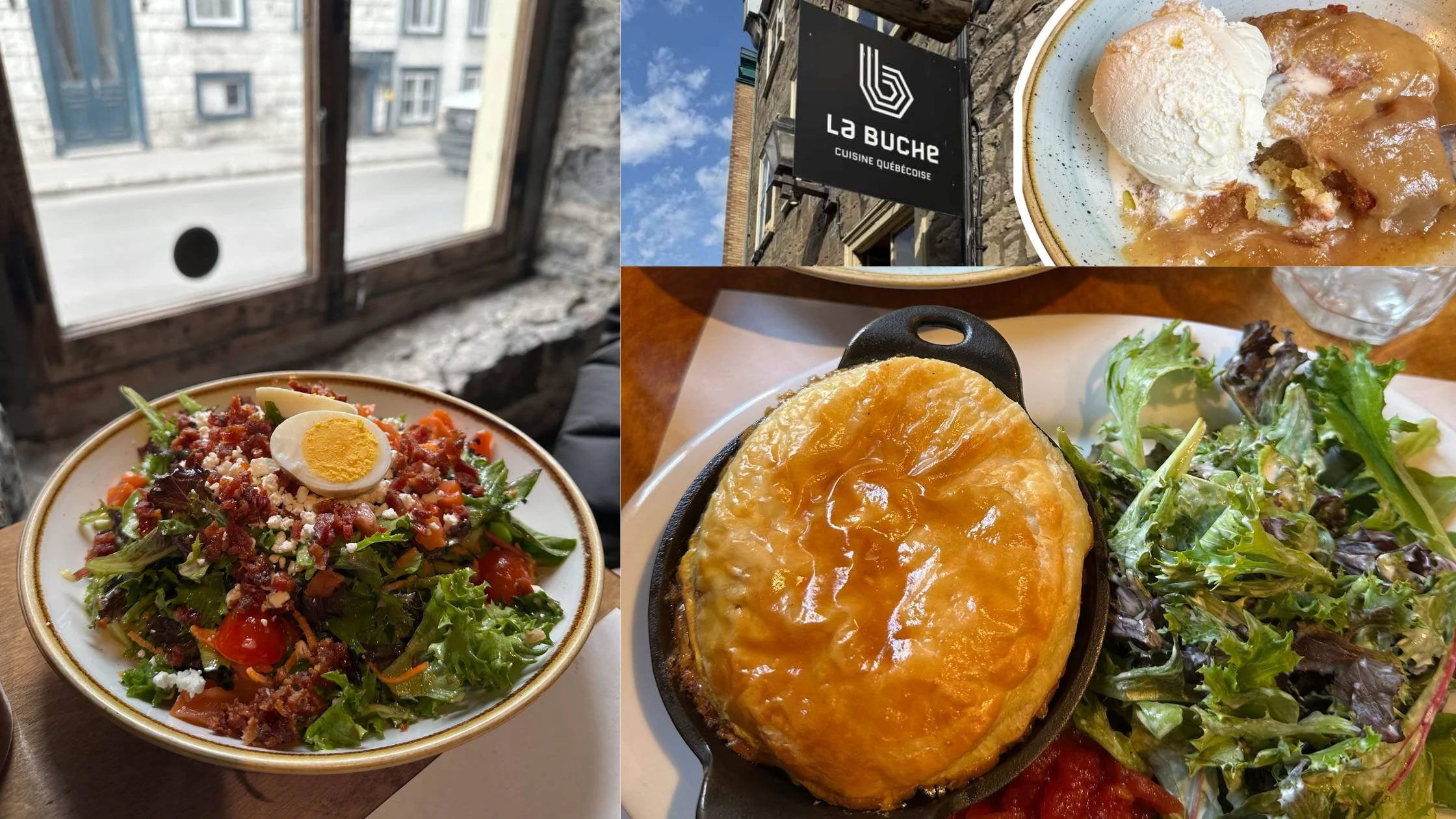
The Notre-Dame Basilica, the Biodome, and the charming café La Petite Dep rounded out the Montreal days. In Quebec City, the restaurant La Bouche delivered what Martinez considers an essential cultural experience: traditional quebecois cuisine, generous portions, and the kind of comfort food that makes you understand a place from the inside out. "It's a restaurant that I would recommend any client to visit," he says simply. His advice for the table: order with a sharing mindset. The portions are generous, and variety is its own reward.
Snow in April and the Wisdom of Seasons
Perhaps the most visceral surprise of the trip was the weather. Vancouver in April leans toward mild. Montreal and Quebec City in April, it turns out, lean toward winter's reluctant exit. There was still snow on the ground in Old Quebec when Martinez arrived, which made for beautiful photographs and a scramble for warmer layers. The cold nudged most of the trip's activities indoors, toward museums and sheltered streets, which shaped the experience in ways both limiting and unexpectedly lovely.
It also prompted a season-based rethink that Martinez now applies when recommending the destination to clients. Summer, he notes, brings the city fully to life, with crowds filling the streets and a vibrancy he remembers from a trip to the region more than a decade ago. But perhaps most tantalizing is the window between mid-September and late October, when the fall foliage transforms the older architecture into something almost cinematic. He mentions, too, the possibility of a fall Eastern Canada cruise, sailing past the changing leaves of Quebec's coastline. "Seeing the fall in Montreal and Quebec is just very picturesque, especially with those older architecture buildings," he says, a note of genuine longing in his voice.
The Case for the Train
One of the clearest professional insights Martinez carried home had nothing to do with a hotel or a restaurant. It was the Via Rail journey between Montreal and Quebec City, two hours and thirty minutes of comfortable, connected, luggage-friendly travel through the Quebec countryside. The contrast with flying, he argues, is not just about time. It is about friction. An airport demands arrival two hours early, a journey from downtown to a terminal, and the theatre of security. A train station is simply there, in the city, ready when you are.
For Martinez, the train question has now become a standing part of his client consultations. Depending on the route, the distance, and the traveler's priorities, the train may simply be the better choice. It is the kind of nuanced, practical guidance that only comes from having made the journey oneself.
Who Should Go, and Who Should Wait
Martinez is generous but honest when profiling the ideal traveler for a Montreal-Quebec City trip. History lovers, architecture enthusiasts, and anyone who has ever wanted to experience a European-flavored city without crossing an ocean will find exactly what they are looking for. Families with older children, teenagers particularly, will appreciate the cultural depth. Families with very young children or strollers, however, may find the cobblestones, the walking, and the predominantly adult-oriented cultural slate more exhausting than enchanting. There are destinations better suited to that season of family life, and Martinez would rather say so upfront.
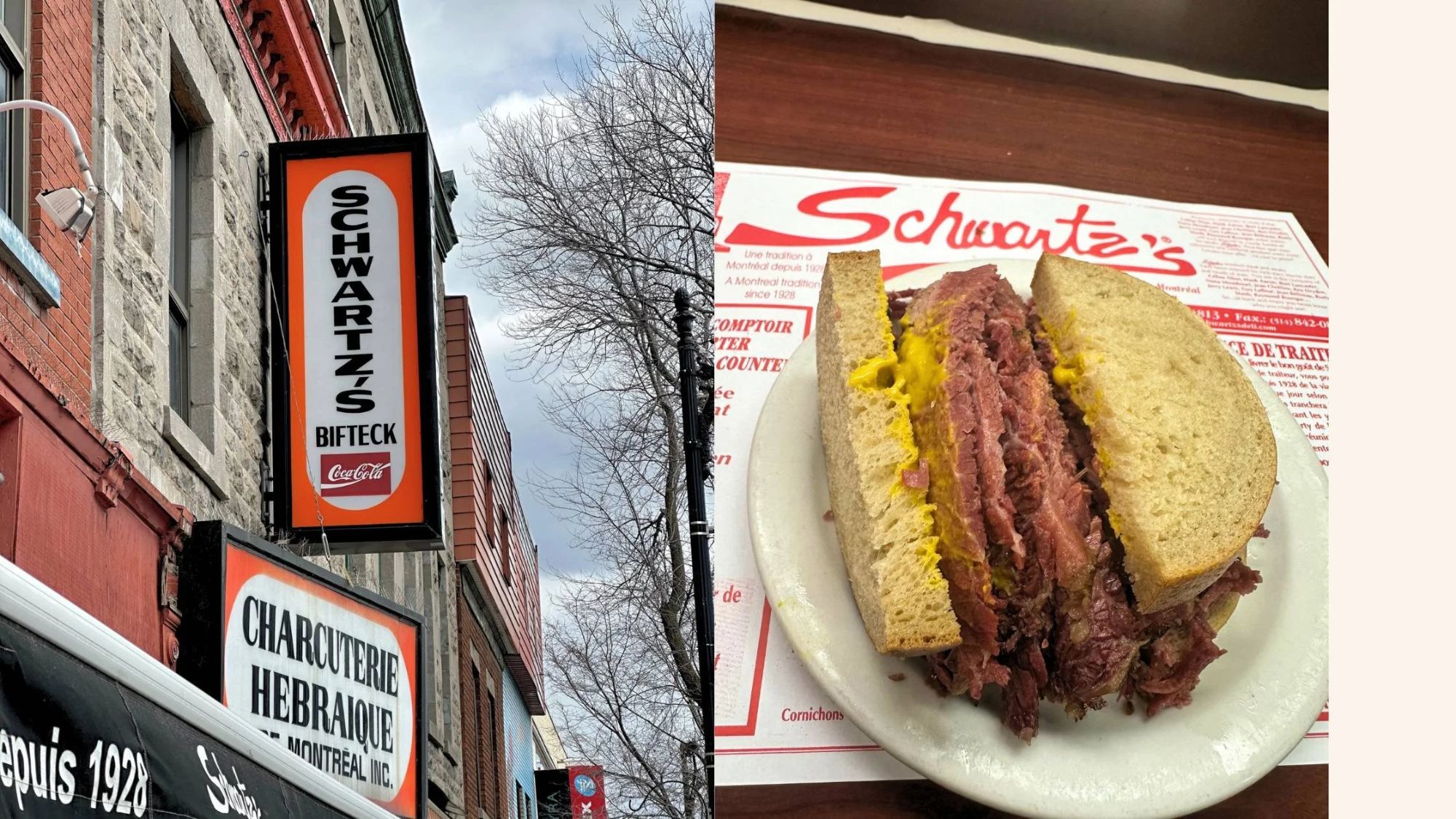
For those who do go, Schwartz's Deli on the Main is non-negotiable, provided the timing is right. The famous smoked meat sandwiches are worth the wait, but Martinez advises arriving outside the lunch rush or in the lull between lunch and dinner. "The line moves fast," he notes, "but so does everything else. They move tables very fast." It is the kind of insider rhythm that a guidebook cannot quite capture.
Looking Ahead
Martinez is already planning his next adventure. Next summer, he has his sights set on Alaska by sea, ideally aboard a Disney Cruise Line ship, with Royal Caribbean as a close alternative. It will be his second Alaskan cruise, his first having sailed with Norwegian in 2019 under the constraints of a family trip where the planning choices were not entirely his own. This time, he intends to design the experience himself, from the cruise line to the ports to the pace. "I would really love to do Royal Caribbean as well," he says, leaving the door pleasantly open. For a travel advisor who has just rediscovered the joy of a well-planned personal trip, that openness feels less like indecision and more like the best kind of possibility.