When travel advisor Julie Charlton closed her eyes in a bush hut and heard something enormous moving in the dark outside, she discovered that Africa's greatest gift isn't the wildlife you chase — it's the extraordinary presence the continent demands of you.
At a Glance
South Africa's private game reserves offer intimate wildlife encounters unavailable on public lands, where only lodge guests access game drives. The experience rewards travelers who embrace unpredictability and present-moment awareness over checklist completion, with moments of quiet observation—elephants at a riverbed, giraffes at water's edge—often proving more memorable than photographed sightings.
It starts in the dark. Lying in a hut somewhere deep in the African bush, the night alive with sound, Julie Charlton found herself wide awake and completely uncertain of what was making the noise outside her walls. Elephants, perhaps. Or something else entirely. She describes those nights as moments of being unable to sleep because she could hear elephants rumbling outside their hut, "wondering if that was even elephants or other animals — always adding to the excitement and making you feel truly present." It is a disarmingly simple description of something profound: a travel professional, well-versed in logistics and itineraries, undone in the best possible way by the raw, unscripted drama of the African wilderness.
Charlton is a travel advisor who came to Africa with open hands and clear intentions. She wanted to travel with companies that focused on responsible tourism, conservation, and community engagement, and she found that the connections forged with local guides, trackers, and communities became some of the most meaningful parts of the entire experience. That grounding in purpose shaped everything that followed.
Whatever the Universe Offers
When her guide asked, on one of their first outings, what she most hoped to see, Charlton's answer was immediate and telling. "Whatever the universe offers me," she told him. She had not arrived in Africa with a mental checklist of the Big Five to tick off, and that decision, conscious or instinctive, unlocked a quality of experience that most safari travelers never quite reach. It freed her to be astonished by the unexpected rather than disappointed by the unscheduled.
The philosophy bore fruit in the quietest of hours. At Sabi Sabi Little Bush Camp, one afternoon stretched into something she still reaches for when describing what safari truly is. Charlton spent over an hour watching a family of elephants along the dry riverbed outside her private hut. "They were eating grass and watching me as I sat on our deck," she recalls, "while I simply sat there watching them back." Along that same riverbed, giraffes moved with their unhurried, lumbering grace past the water's edge. No jeep. No engine noise. No urgency. Just time, and the animals, and the dust-warm African afternoon.
It is the kind of moment that resists being photographed into full meaning. And Charlton knows it. "Safari forces you to become present," she says. "There's this moment when you look around and realize, 'I'm actually in Africa.' And sometimes that stays with you far longer than checking another animal off a list." That sentence is the philosophical heart of everything she now brings back to her clients. It reframes the entire proposition of a safari from an exercise in wildlife accumulation into something closer to a meditation on paying attention.
The Insider Intelligence That Changes the Experience
Charlton is generous with practical wisdom, the kind that only comes from having navigated the logistics herself across three different African countries. She is clear that booking with a company that guides and advises at every step matters enormously. Visas, vaccinations, routing decisions — the preparation required is real, and having an expert partner in that process transforms the experience before the plane even lands.
Her strongest operational recommendation is one that separates comfortable safari from truly extraordinary safari: staying at private reserves whenever possible. In private reserves, only guests staying at the lodges can access game drives, which creates a quieter, more intimate encounter with the landscape and its inhabitants. It is the difference between feeling like a tourist and feeling like a guest of the wilderness itself.
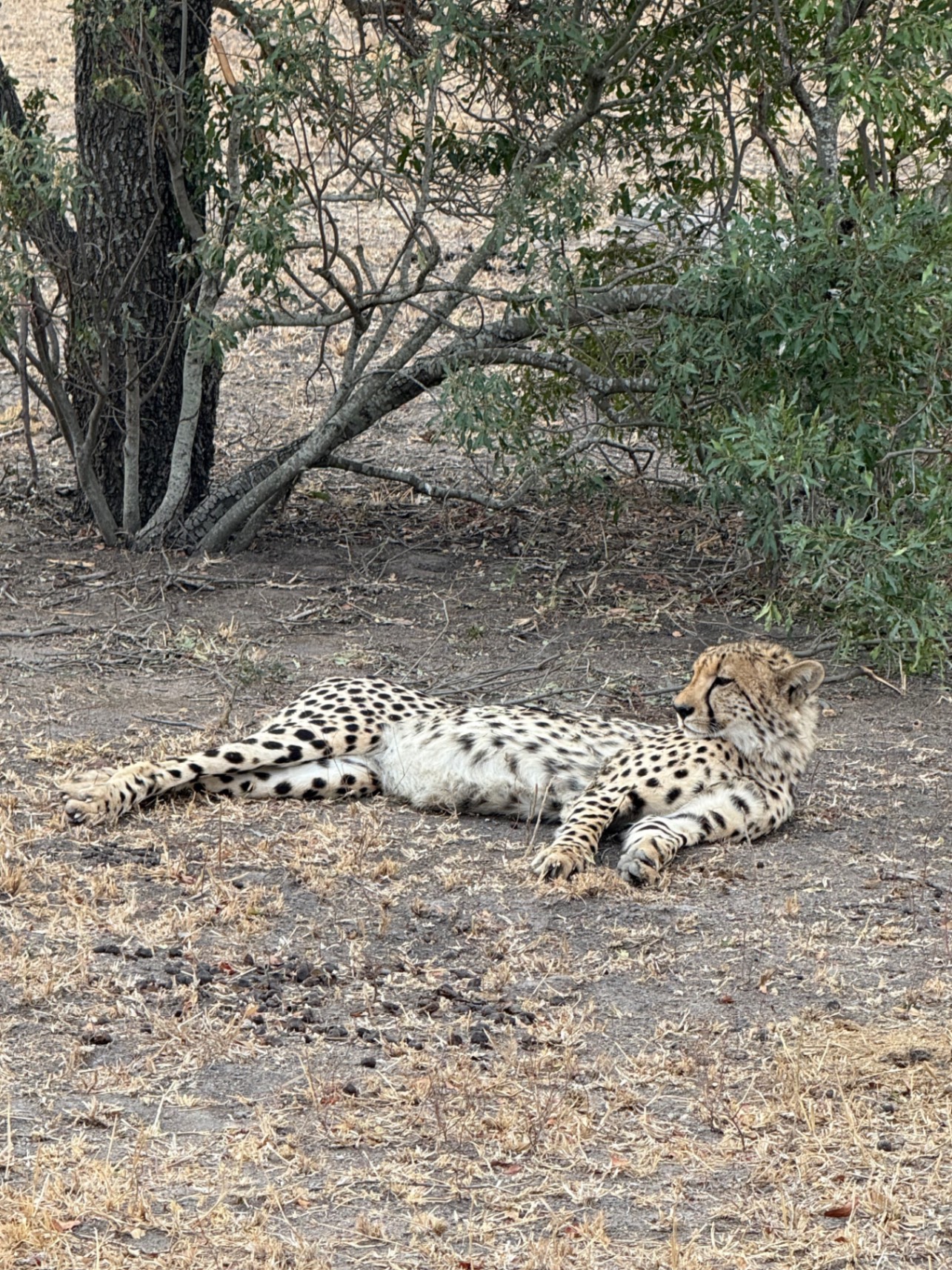
She is equally honest about who the experience is not suited for. Safari rewards those who love wildlife and nature and understand that the magic lives in unpredictability. It is a harder fit for travelers who need rigid itineraries, who resist early mornings, or who are genuinely uncomfortable with the dust and the bumping of a jeep across wild terrain. Wildlife, she is clear, does not perform on demand.
The Part You're Most Unsure About
Some of Charlton's most valuable client intelligence came not from her own experience but from watching her husband move through his. He had been genuinely hesitant before the trip, uncertain about whether an African safari was for him. It ended up being one of the best and most exhilarating experiences he has ever had. That transformation gave Charlton something she now carries into every hesitant client conversation: the understanding that reluctance is not a verdict, it is a question worth exploring together.
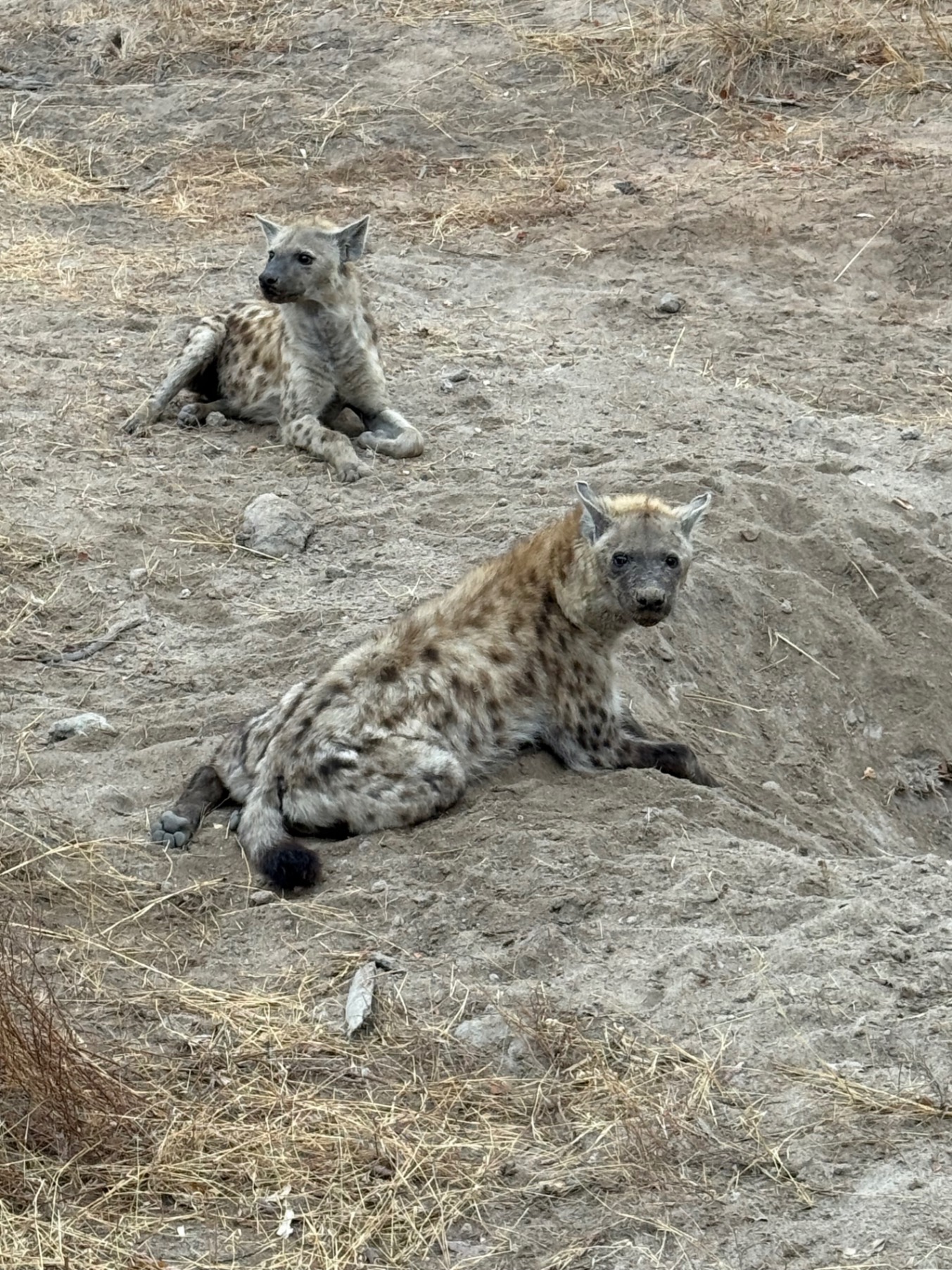
Her approach now is to meet hesitation with creativity rather than persuasion. Perhaps a client begins in Cape Town, absorbing the diversity and energy of South Africa, before flying into a private game reserve for just a few days. A full safari itinerary is not the only entry point. Sometimes the part you are most unsure about ends up being the highlight, and it is the advisor's job to build the bridge that makes the crossing feel possible.
Three Countries and Growing
Having now traveled through three different African countries, Charlton moves through client conversations about the continent with a confidence that cannot be manufactured. She can speak to the differences between experiences across regions, share what genuinely surprised her, and set realistic expectations grounded in what she actually saw, heard, and felt. "I can share firsthand what surprised me, what I loved, and what clients can realistically expect," she says. "I'm also more comfortable suggesting different ways to experience Africa." That breadth of firsthand knowledge is not a small thing in a destination as vast and varied as this one.
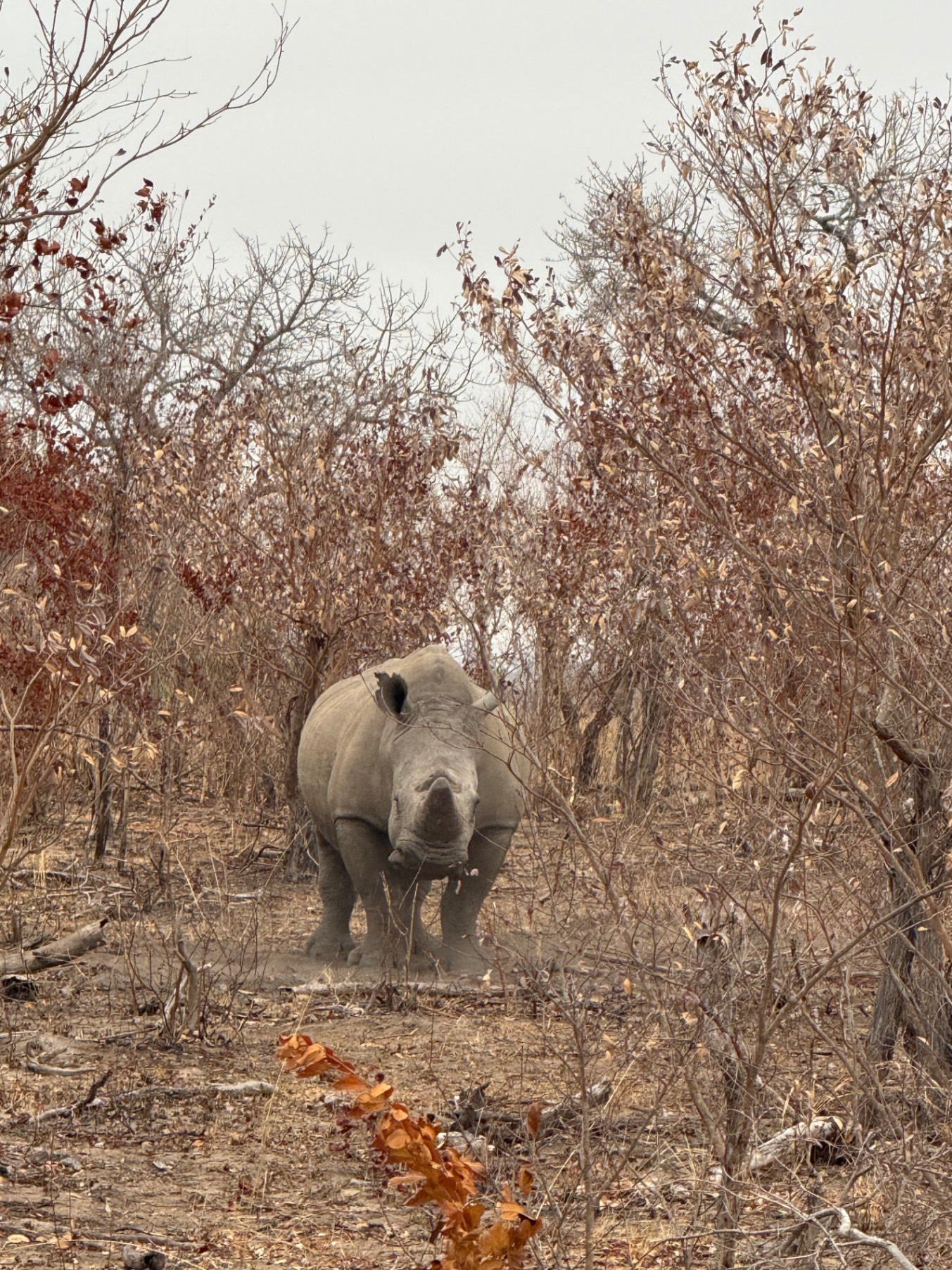
It is the kind of expertise that lives in the body, not just the brochure. It is knowing what the bush smells like before dawn, what it sounds like to lie awake uncertain in the dark, what it feels like to sit perfectly still while a family of elephants decides you are not a threat.
A Life Built on Stories Worth Sharing
Charlton is not finished accumulating them. After Christmas she heads to Mexico on a cruise, followed by a UK sailing at the end of April 2027. Then, in late September of that year, she will co-host a Riverside luxury river cruise sailing from Lyon to Avignon, exploring the Rhône, as she puts it, one glass at a time. Each trip adds a new layer to what she can offer, a new destination lived rather than researched, a new set of sensory memories to press into the hands of clients who are still only dreaming. "Every trip allows me to share more stories with my clients," she says, and the way she says it makes clear that sharing the story is not a byproduct of the travel. It is, in its own way, the whole point.