On her first African safari across South Africa, Zimbabwe, and Botswana, travel advisor Courtney Morin discovered that the continent has a way of obliterating every expectation you arrive with — and replacing them with something far better.
At a Glance
A 17-night overland safari through South Africa, Zimbabwe, and Botswana reveals that the best wildlife encounters are often unexpected. Travelling in September during the dry season concentrates animals around watering holes, while smaller group sizes and experienced guides transform logistics into philosophy, turning frustration into T.I.A.—This Is Africa.
It happened within minutes of entering Kruger National Park. The jeep had barely cleared the gate when Courtney Morin looked out the window and felt the world shift. There, walking casually away from its pride, was a baby lion. "I almost felt like I was in a movie," Morin recalls, "and I couldn't believe I was actually there seeing this animal in front of me that you've only ever seen photos and videos of." The Lion King reference came instantly, involuntarily, the way it does for anyone who has grown up with that image burned into their imagination. Only this time, it was real. That was the moment Morin knew Africa was going to be unlike anything she had prepared herself for.
The Plan Behind the Adventure
Morin's first African safari was not a spontaneous leap. It was a carefully considered itinerary built around a philosophy she now advocates for every client: smaller is better. She chose Intrepid Travel specifically for its group cap. "I chose Intrepid because they had a maximum of 12 travellers with the group, and I thought that seemed like a great size," she explains, noting the appeal of mixing age groups and travel styles within that intimate number. She also opted for the overland experience, 17 nights of camping through national parks across South Africa, Zimbabwe, and Botswana, with a deliberate upgrade to a dedicated camp team that handled all the cooking. What that team produced over an open campfire, she says, was nothing short of spectacular.
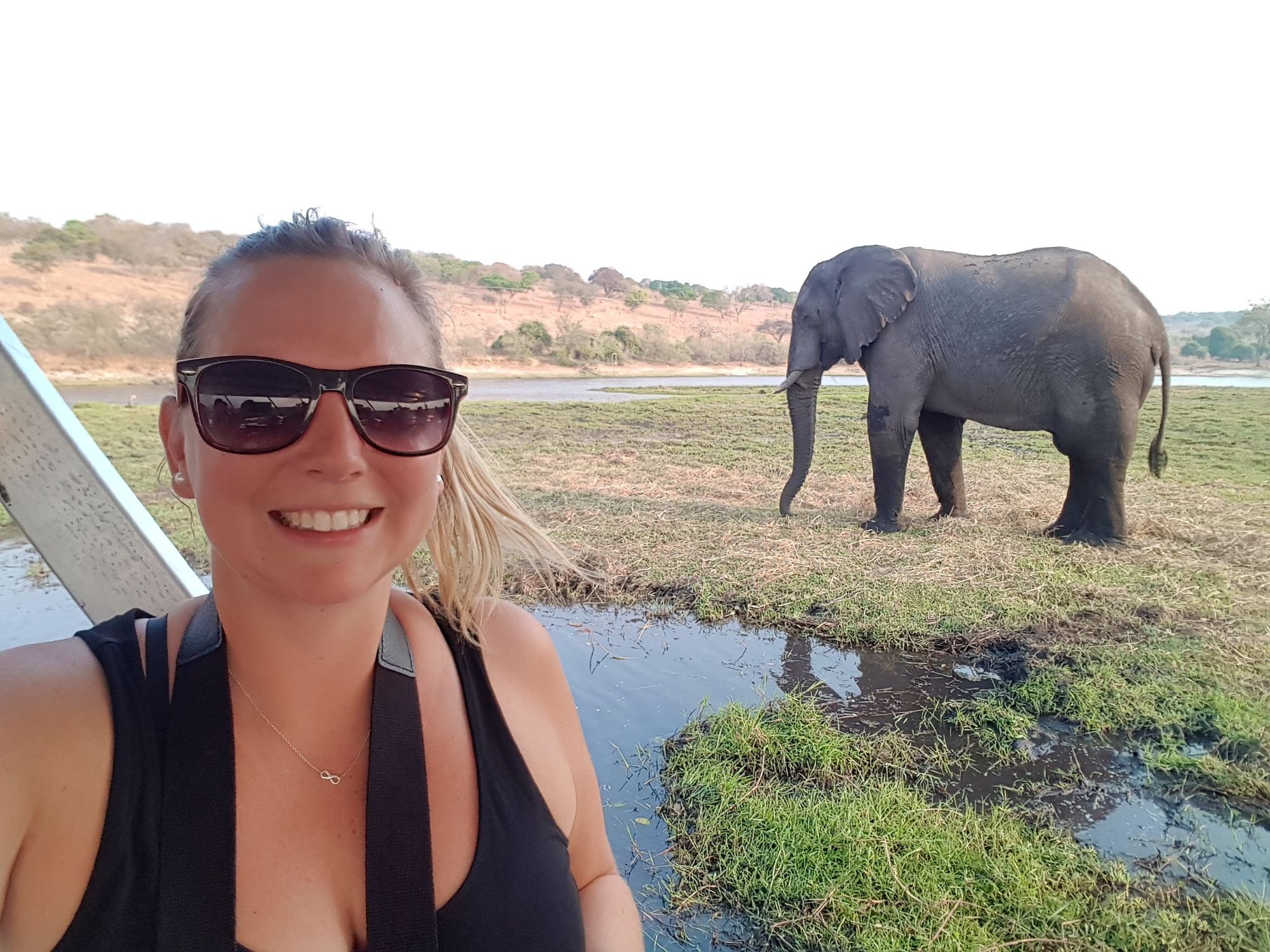
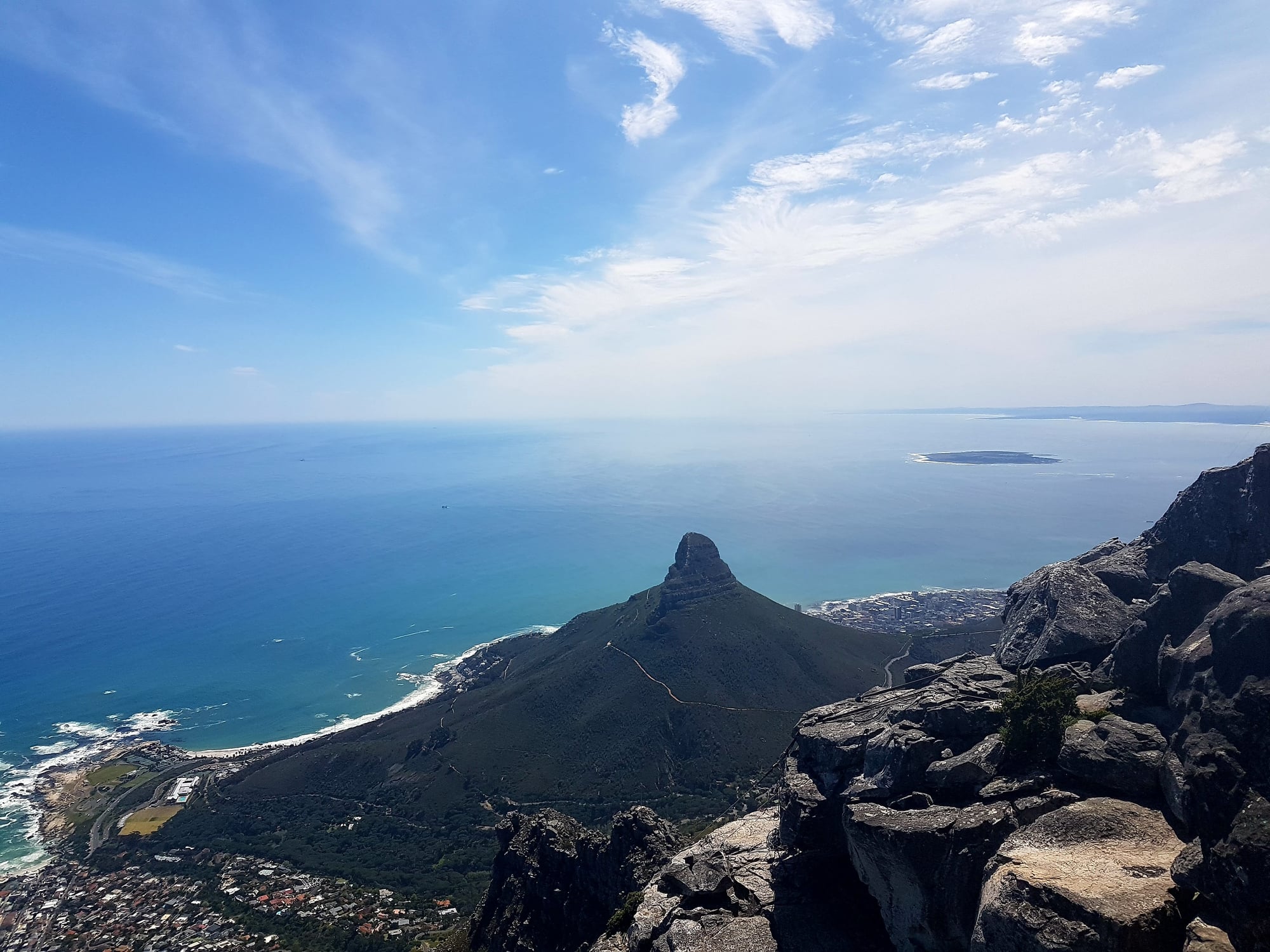
The route was intentional, too. Kruger National Park anchored the beginning. From there, Morin moved into Zimbabwe for Victoria Falls and a dinner river cruise on the Zambezi. Then came Botswana, including the Chobe National Park and the Okavango Delta. The trip closed with a city break in Cape Town, a conscious pivot to coastline and culture after weeks in the bush. It was a structure designed to offer contrast, and it delivered.
When the Wildlife Becomes the Weather
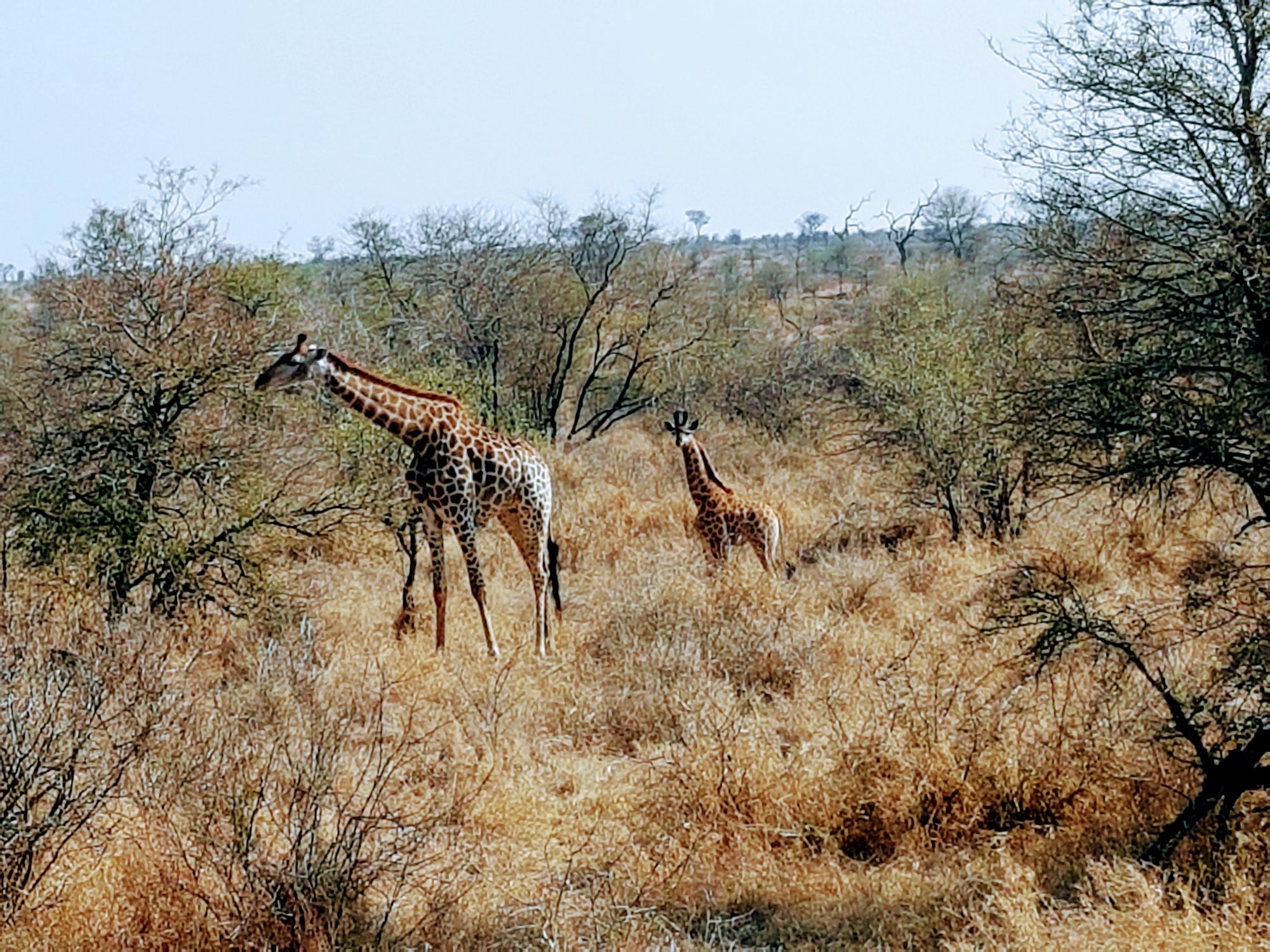
Morin arrived in Africa the way most first-time safari travellers do: quietly hoping. Hoping for a giraffe sighting. Maybe a zebra. Perhaps, if fortune smiled, an elephant. What she did not anticipate was abundance on a scale that would fundamentally reset her sense of wonder. "By the end of the safari, we were just driving past giraffes and zebras, not stopping to take a look because we'd actually been so lucky with seeing so many of them," she says, still sounding slightly disbelieving as she describes it. The animals that had once represented the entire dream of Africa had become, in the most extraordinary way, almost ordinary.
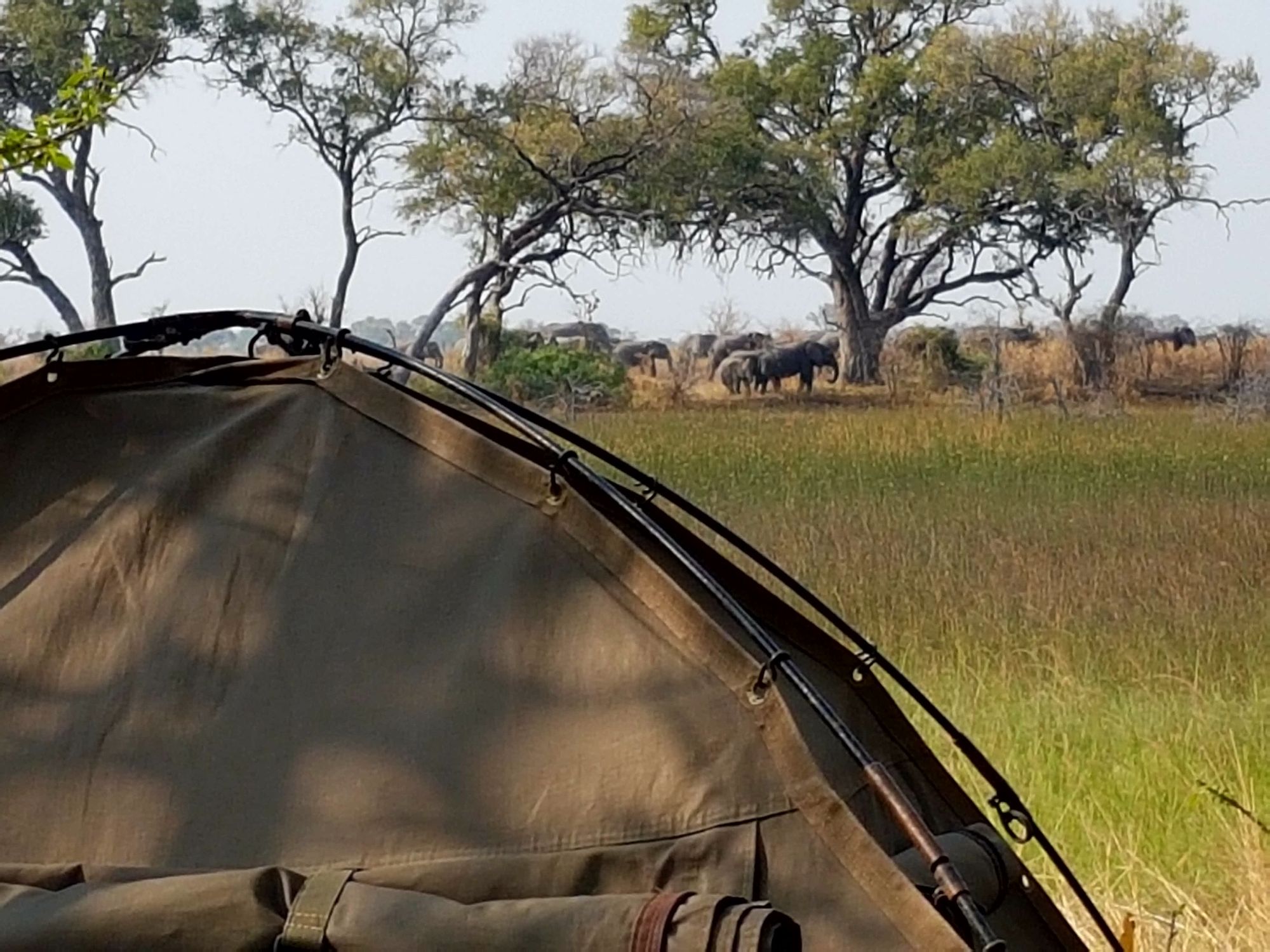
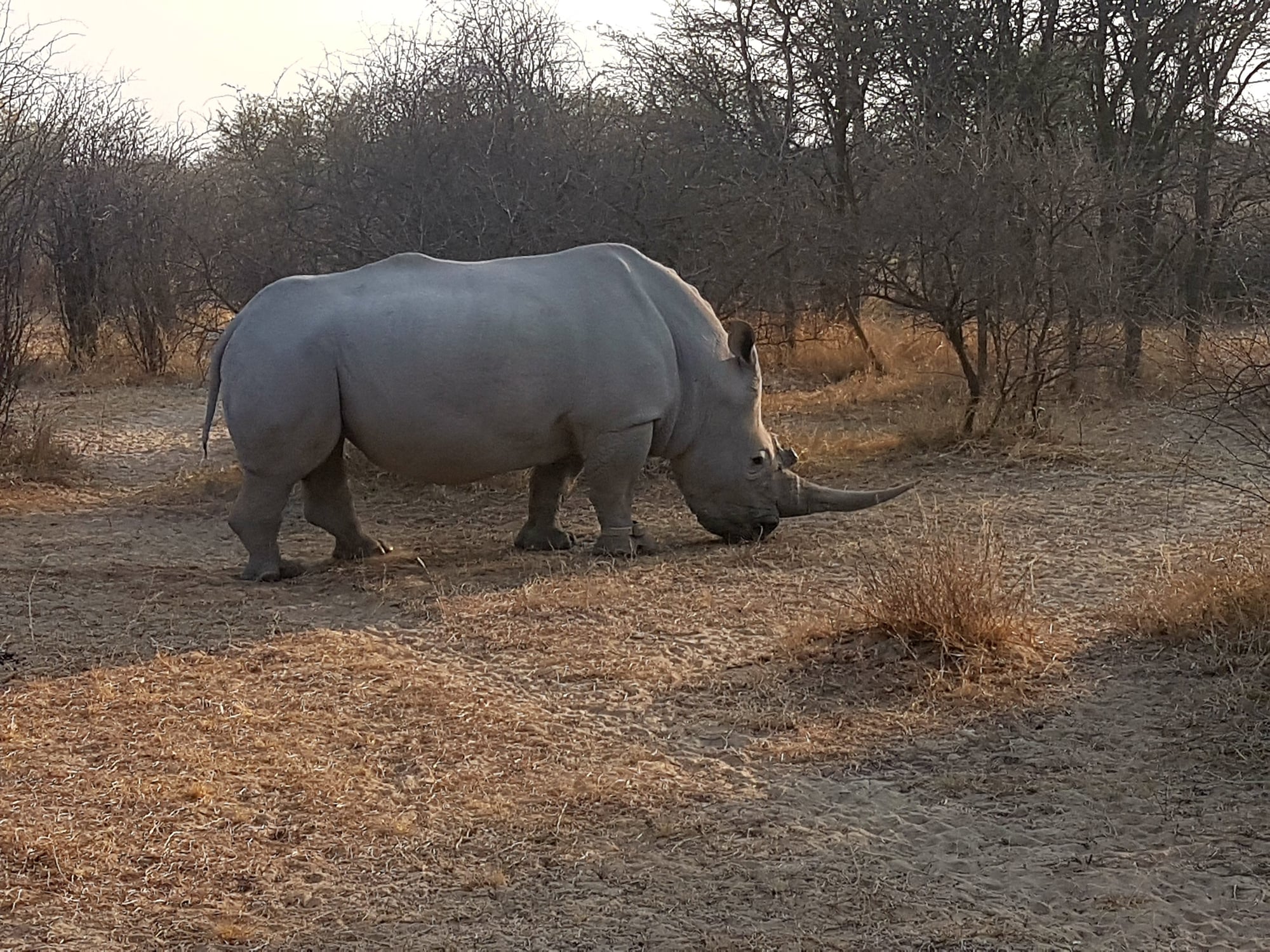
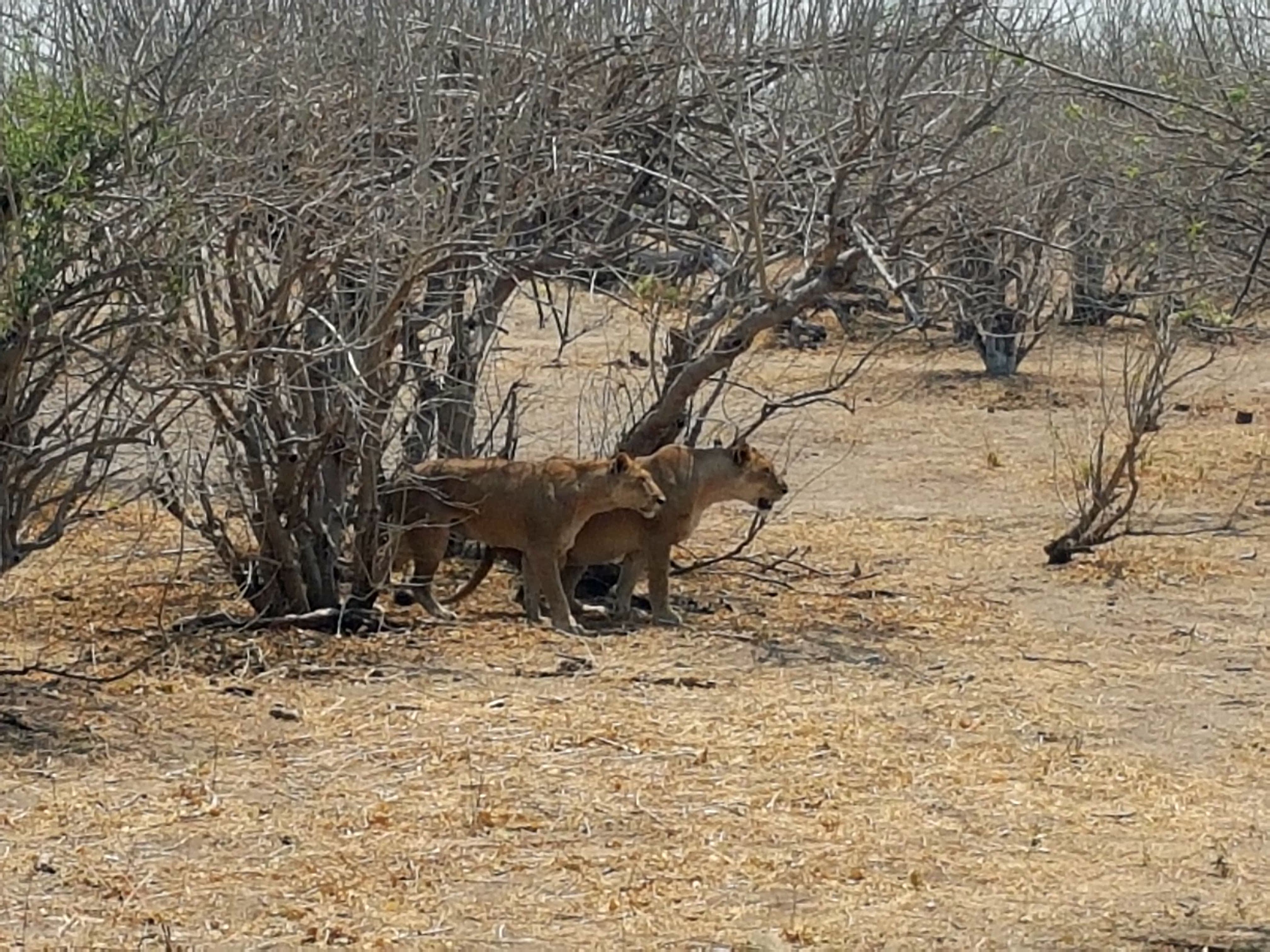
But the encounters that stayed with her were the rare and the unexpected. Watching a pride of lions in the slow, coiled tension of a hunt — never quite reaching its conclusion, but no less gripping for it — left her with a new understanding of patience and predatory intelligence. Swimming in the hippo baths at the Okavango Delta camp, the heat pressing down on the group until the water became a necessity rather than a novelty, was a moment of pure, unscripted joy. And then there were the wild dogs. Spotted resting in the shade of a large tree, the pack represented something Morin had not even thought to look for. "It was very, very rare to see these wild dogs and they are becoming less and less in Africa," she says, "and so this moment I got to take away was special and not something I actually went there to look for." It is perhaps the most honest encapsulation of what Africa offers: the best moments are the ones you never put on your wish list.
T.I.A. — This Is Africa
No editorial about Morin's safari would be complete without accounting for the roads. African overland travel is not for the faint of spine, and Morin is candid about it. The distances are long, the surfaces are punishing, and by the end of the trip she had quietly revised her advice for certain stretches. "I would probably opt to fly some of those longer overland road trips next time," she admits, with the measured honesty of an advisor who has earned the right to say so.
But the roads, the border queues, the moments when the schedule dissolved and plans quietly rearranged themselves, all of it was absorbed into a framework their guide introduced on the very first day of the trip. T.I.A. This Is Africa. When things don't go as expected, the answer isn't frustration. The answer is T.I.A. It became the group's private shorthand and, over 17 nights in a canvas tent, something closer to a genuine philosophy. "I think what made our trip so great was the group that we had and the guide that we had," Morin reflects. "He just had a great sense of humour, and we always felt safe being with the Intrepid guide. He knew the ropes, he knew the people." That sense of safety mattered, particularly in Botswana, where strict park regulations mean guides operate unarmed and where Morin's group had a close encounter with an agitated elephant that required calm, expert navigation and, eventually, the quiet solution of canoes on the water rather than footpaths through the bush.
The Hidden Heart of the Trip: Chobe and the Okavango
If Kruger is the famous opening act, Morin argues that Botswana is where the safari finds its soul. Chobe National Park, she says, is consistently underestimated and often skipped. It shouldn't be. The park was uncrowded during her visit, the game drives long and unhurried, the jeep sometimes the only vehicle in sight for hours. The Okavango Delta offered something else entirely: the sensory shock of lush waterways and papyrus banks after days of dry, open savannah. Moving through the delta by canoe, surrounded by birdsong and the slow green movement of water, was a counterpoint that sharpened everything that had come before it.
Timing, she notes, is not incidental. Morin travelled in September, at the tail end of the dry season, specifically because reduced vegetation and limited water sources concentrate wildlife around the remaining watering holes. The calculation paid off. "Choosing your season wisely is really important," she says, adding that the proximity of animals to camp meant the group spent less time searching and more time simply watching.
What She Brings Back for Her Clients
Morin returned from Africa not just with photographs and memories, but with the kind of professional clarity that can only come from having lived the experience rather than read about it. She now understands, from the inside, the difference between a lodge outside the park boundary and one within it, why the night game drives, when the bush shifts into an entirely different register of sound and shadow, are non-negotiable, and why the operator you trust with the details is the operator who will matter most when an elephant blocks the path and the rulebook runs out.
She also came back with a broader truth about what travel actually is. "One of the biggest things when you're travelling is the memories and the connections that you build with the people around you," she says. The group of 12 strangers who set up camp together, cooked together, and whispered in the dark at the sounds moving through the night beyond the canvas, became something more than fellow passengers. They became the texture of the trip itself.
Her advice to clients considering Africa now carries the full weight of someone who has felt the dust, smelled the campfire, and watched a lion decide whether to hunt. Say yes to every game drive, she tells them. The sunrise one and the afternoon one. The one you think you're too tired for. "Every time that you get in that jeep and you head out on a game drive, it'll never be the same," she says. "There's some magic that's always going to be out there." And as for what comes next, Morin is already looking closer to home, with her sights set on the Rocky Mountaineer through Canada's own wild interior, proof that for the best travel advisors, the learning never stops and the next great journey is always just around the bend.