Raised in the African bush and fluent in its rhythms, Melonie Eva isn't just selling safaris, she's guiding travelers into a world that time has mercifully forgotten.
At a Glance
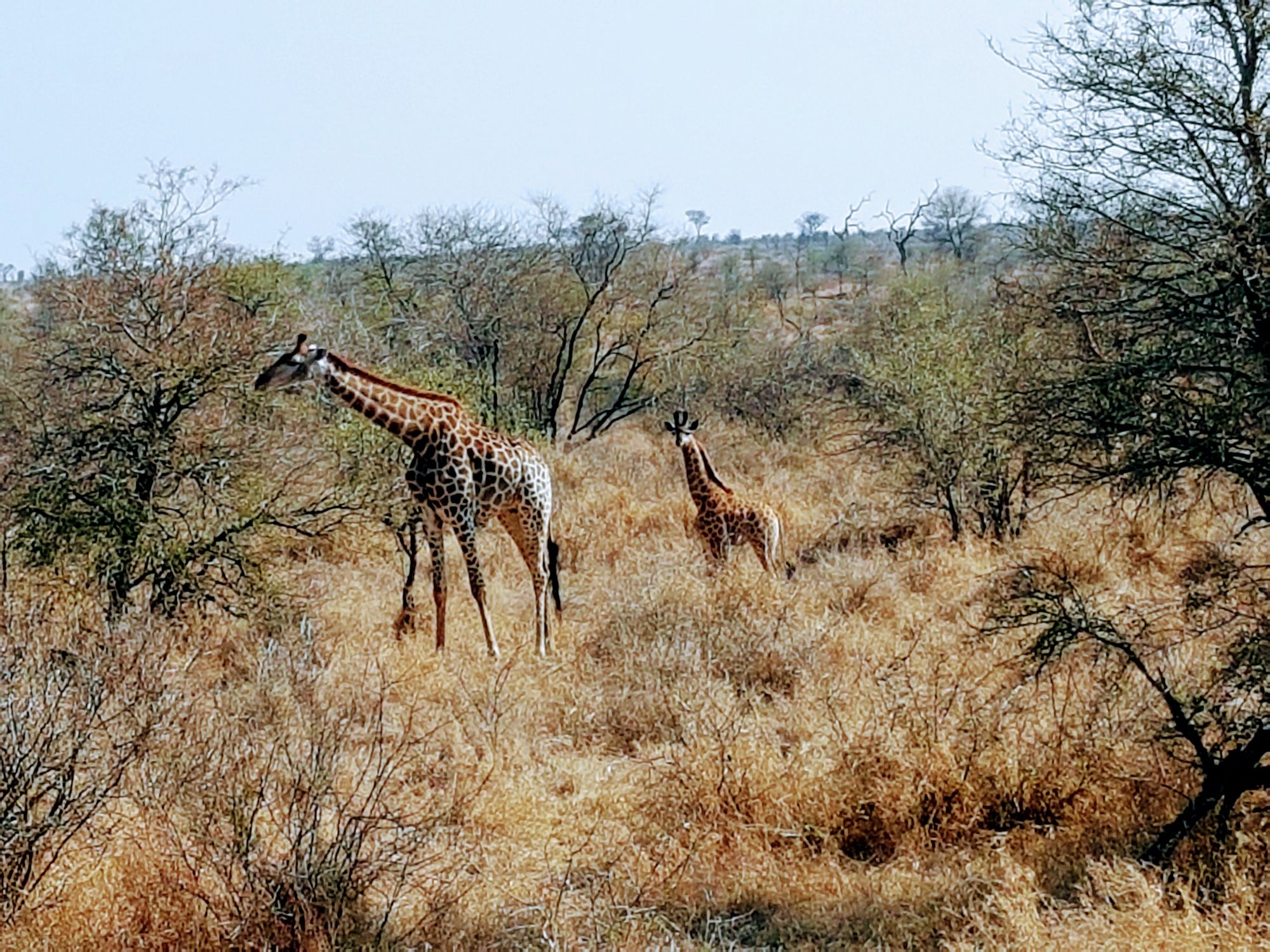
Botswana's mobile safaris offer intimate wilderness experiences through the Okavango Delta, Savuti, and Chobe, with small groups of four per vehicle and flexible itineraries. Porters establish camps daily, allowing travelers to follow wildlife sightings in real time rather than adhering to fixed schedules, creating unhurried encounters with lions, wild dogs, and African ecosystems largely unchanged since the 1970s.
There are travel advisors who recommend Africa, and then there is Melonie Eva. Born and raised in Botswana, shaped by seven African countries, and carrying 32 years of continent-wide travel experience, Eva doesn't simply sell safaris through Global Journeys. She delivers them from the inside out, with the kind of intimate, personal knowledge that no brochure or algorithm can replicate.
Her most recent journey took her back across the terrain she knows best: a mobile safari through Botswana, winding through the Okavango Delta, Savuti, Linyanti, and Chobe, before crossing the land border into Zimbabwe to stand once more before Victoria Falls, or as it is known in the local tongue, Mosi-oa-Tunya, the Smoke that Thunders. It is a route Eva has travelled since childhood in the 1970s and 80s, yet it continues to reveal new layers of itself.
The Art of the Mobile Safari
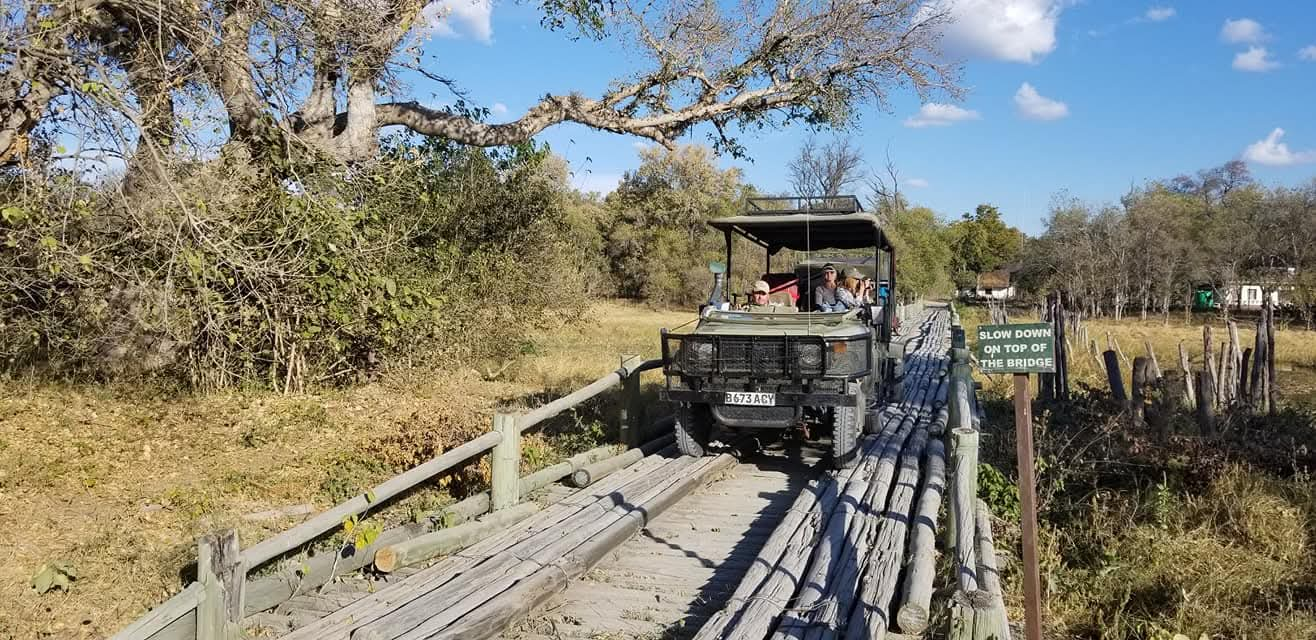
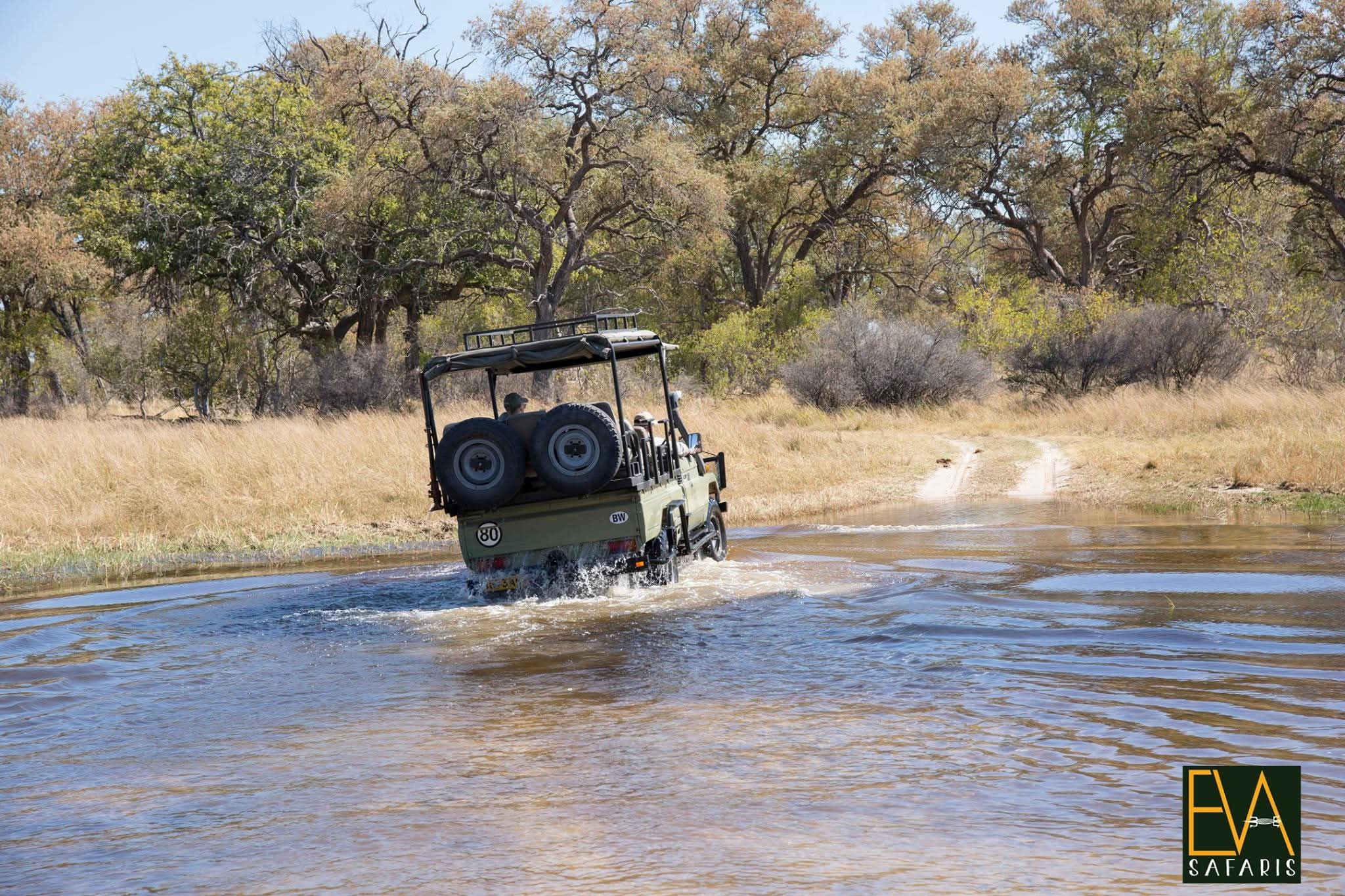
The concept of a mobile safari is, at its heart, a lesson in trust and surrender. A team of porters travels ahead, selecting each campsite and erecting the tents before the group arrives. By the time Eva and her clients roll in from a game drive, the world is ready for them. "The gin and tonics are awaiting on ice, the camp fires are burning, dinner is being cooked, and your lovely Meru-style canvas safari tent has been erected with beds and all the comforts of home," Eva explains. "It's like stepping back in time, out of one of those Out of Africa movies."
That deliberate retreat from the modern world is not incidental. It is the point. Eva travels with a maximum of eight guests and two vehicles, placing just four people per vehicle so that every traveller has room to stretch, to think, and to breathe. There is no itinerary enforced by a tour bus schedule, no dinner bell pulling the group away from a once-in-a-lifetime sighting. The group decides, together, in real time. The result, Eva says, is a kind of unwinding she watches happen every single trip. "After three or four days on safari, when I look back in the vehicle and ask clients how the trip is going, some of them are sitting quietly with tears running down their cheeks. Others ask, 'What day is it? How long have we been out there?' Because they've completely relaxed and decompressed of all the earthly things and all the worries from back home."
The Moment That Stopped Everyone
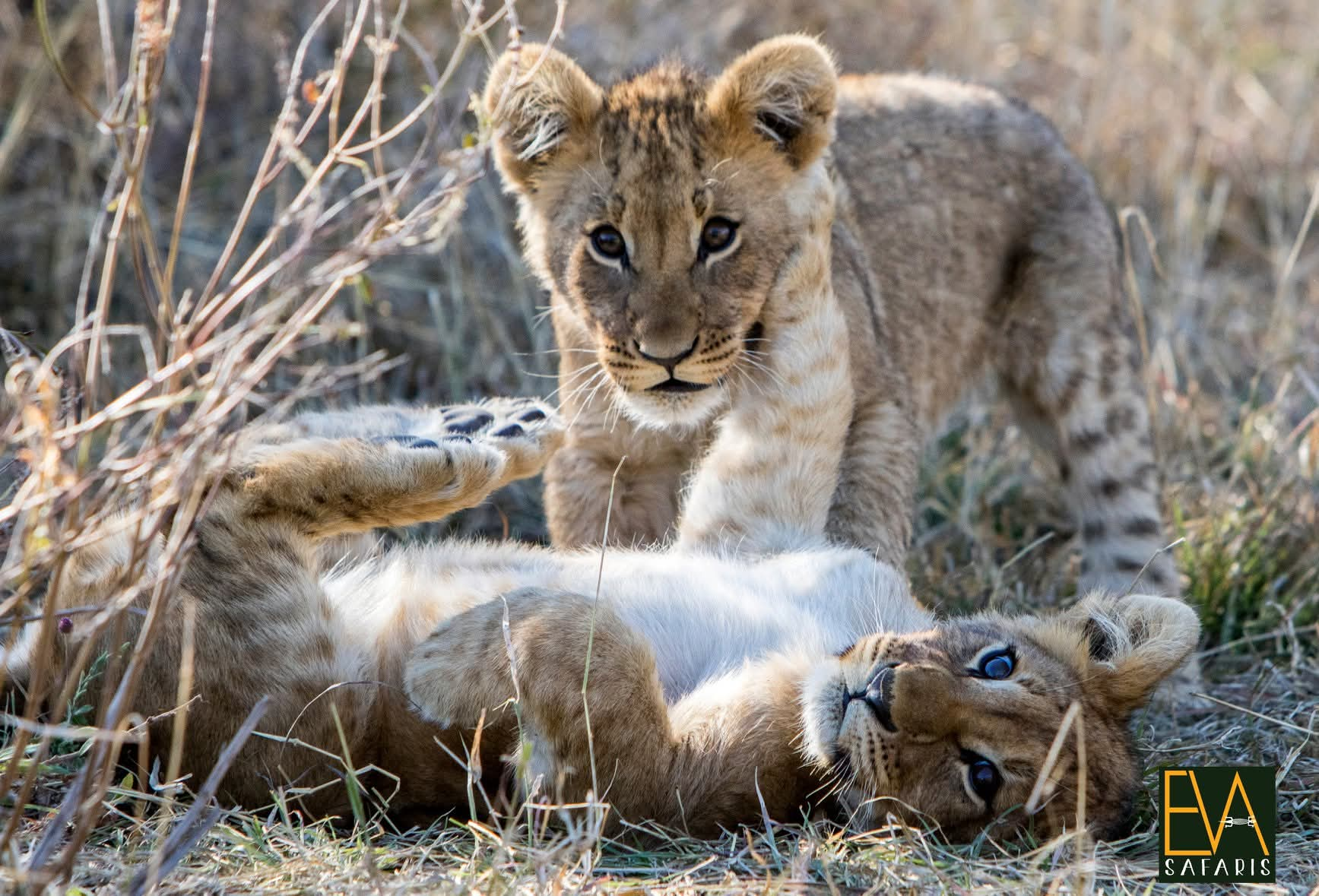
If there is a single scene that encapsulates why Eva's approach to safari is different, it unfolded quietly one morning when the group tracked a pair of lionesses and their cubs. The cubs were tiny, no more than eight weeks old. The lionesses settled the cubs beneath a tree, exchanged what Eva can only describe as a look of maternal instruction, and slipped silently into the bush. The group faced a choice: follow the lionesses, likely heading out to hunt, or stay with the cubs.
They stayed. For hours, from the heat of mid-morning through to lunch and back again, they watched. The cubs played, squabbled, and ventured just far enough from the shade to send their nerves spiking when an eagle crossed overhead, sending the tiny animals scrambling back to cover. "We were talking in our regular voices. Everyone was just in awe that we were sitting in the African bush alone watching lion cubs all day long," Eva recalls. It is precisely this kind of unhurried intimacy that a group of forty on a chartered bus cannot buy.
When the Bush Reveals Its Rawness
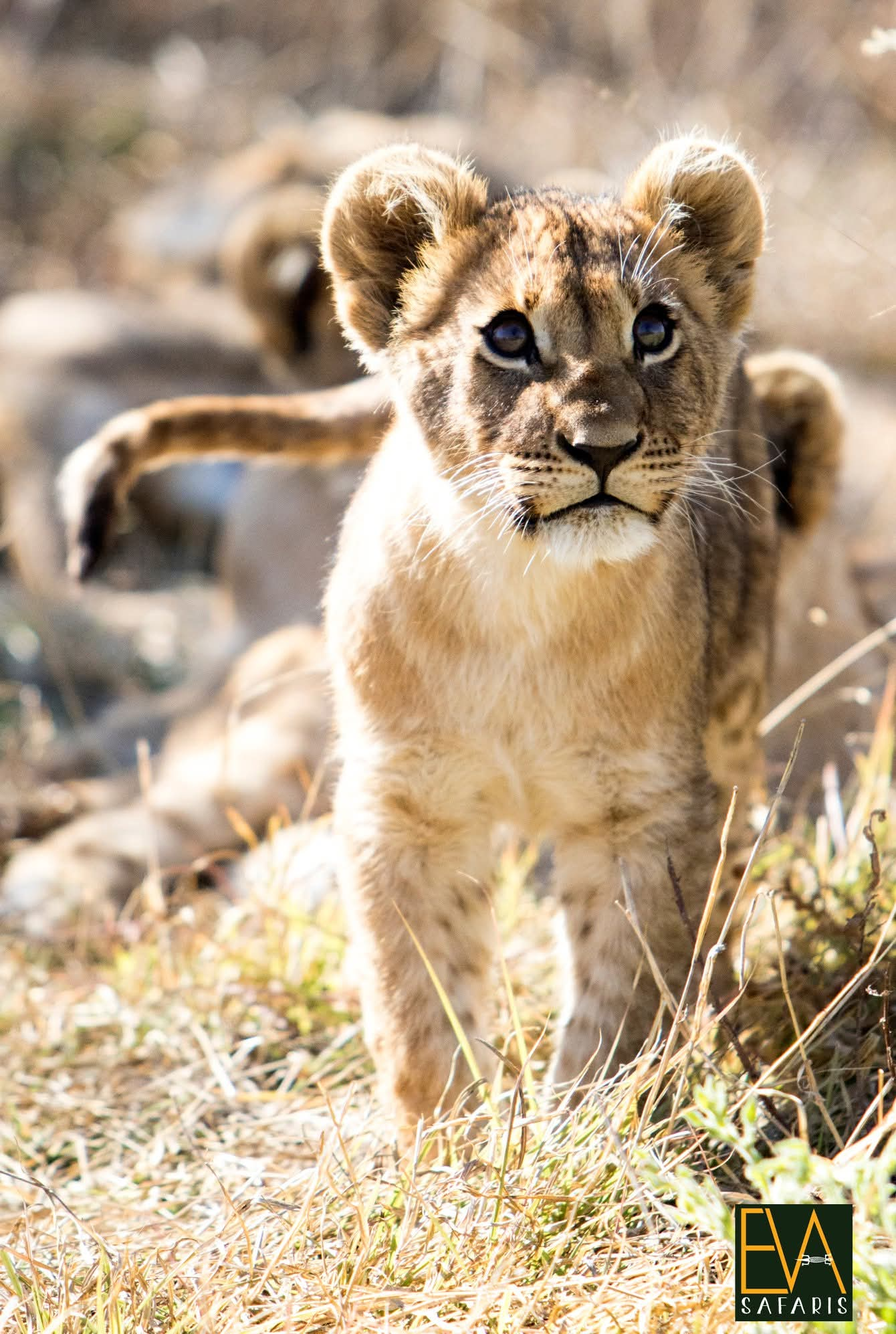
Eva is candid that after a lifetime in the African wilderness, very little surprises her. But even she was not prepared for what unfolded during one sundowner setup. A lioness and her lone cub were resting nearby when a pack of seventeen African wild dogs came through on a hunt. In the chaos, the dogs leapt over the vehicle, startling the lioness, and then turned on her and her cub. What followed was thirty-eight minutes of a mother fighting, with everything she had, for her cub's life.
When the dust settled and the dogs finally retreated, the lioness walked slowly to a nearby sage bush, made small sounds, and waited. A tiny cub crept out, exhausted, and lay down to nurse. "Even I was crying," Eva says quietly, "and having lived and grown up in the African bush, it was a once-in-a-lifetime sighting, and we got to experience and capture the whole scene on camera." The group, already emotionally opened up by days without news, Wi-Fi, or the noise of ordinary life, had no defences left. The bush had reached all the way in.
Relationships Over Reservations
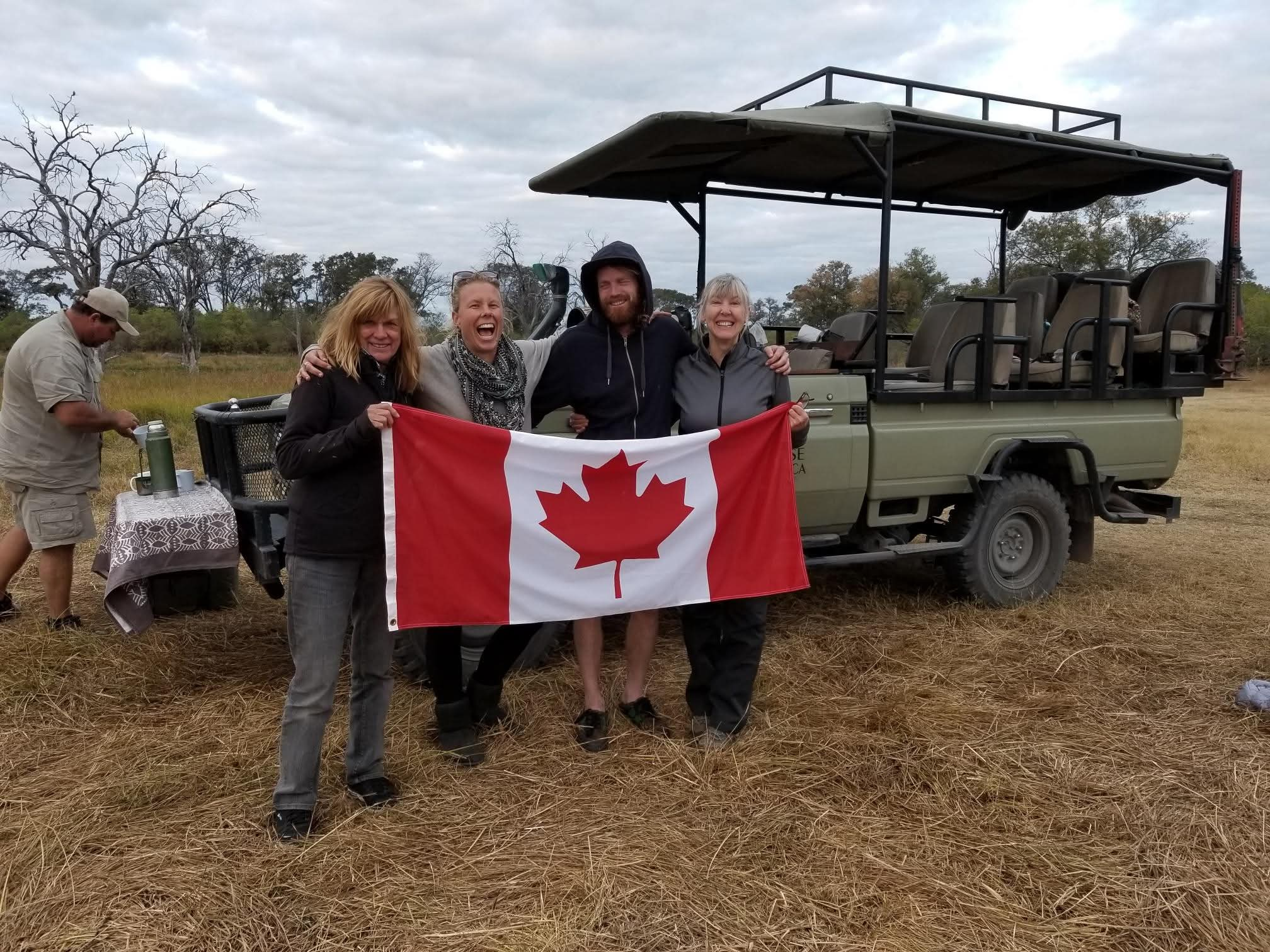
What separates Eva's safaris from a packaged group tour is not just the small vehicle count or the flexible itinerary. It is the architecture of trust she has built over decades. The ground operator she relies on most is Chase Africa Safaris, run by Chris, a man Eva has known since they were both two years old. These are not vendor relationships. They are friendships tested by time and terrain.
"I'm not booking your safari through someone sitting in London contacting a company in Africa," Eva says. "I'm booking your trip having lived there, and I know the person I'm booking the trip with by name. I know their kids and their families." That network extends across Botswana, Zambia, Kenya, Tanzania, Mozambique, and Namibia, built over thirty-two years and residency in seven African countries. It means that if something goes wrong at a border crossing or a bag disappears at a connection in Johannesburg, Eva is reachable, personally, around the clock. Not a machine. Not an automated voice. Her.
Planning the Journey Before the Journey Begins
Eva's preparation for clients begins long before anyone boards a plane. She completes visa applications, maps out entry requirements, advises on hydration strategies for long-haul flights, and even conducts packing tutorials, walking clients through what to bring, what to leave behind, and the small, practical tricks accumulated over a lifetime of transatlantic travel. Her standing advice on trip length is firm. "I never book trips that are eight days. You're spending a lot of money to go to Africa. You want to spend at least fourteen days on the ground." She builds in overnight stays in Johannesburg on both ends of the journey, knowing that cramming international connections leaves no margin for the delays that Africa, gloriously and unapologetically, does not worry itself about.
At Victoria Falls, she insists on three nights rather than two, because one full day is simply not enough to absorb a waterfall that generates its own weather. For those who want the adrenaline of bungee jumping or white-water rafting on the Zambezi, it is on the table. For those who simply want to stand at the edge and feel the mist on their faces, that is equally valid. Eva tailors every detail to the individual sitting across from her, not to a demographic or a price bracket.
What Comes Next
Within ten days of completing her Botswana circuit, Eva will be boarding a flight to Nairobi, leading eight clients through the Masai Mara, across the Tanzanian border to the Serengeti, down to the Ngorongoro Crater, through Tarangire National Park, and on to Zanzibar Island for four nights of Indian Ocean stillness. Several of the guests are repeat clients who have already traveled Southern Africa and Madagascar with her and are ready to discover the rhythms of East Africa. After that, Tanzania again in May 2027, and then back to Botswana in September 2027 for another mobile safari.
Eva's closing thought on what makes all of it worthwhile is simple and certain. The mobile safari in Botswana works, she says, because "time has stood still there. There are still no road signs, no tar roads. It's still the beautiful, wild, and untamed wilderness, the way Africa should be experienced. That is what makes this unique. It is the last of the untamed, Out of Africa experience, and there is truly nothing like this on Earth."
For anyone dreaming of Africa, the best first step is the same one Eva offers every client: tell her what moves you, and she will take it from there.