Travel advisor Poornika Wijesundara discovers that the world's most visited museum doesn't have to be a battlefield when you arrive with an eight-year-old in tow.
At a Glance
The Louvre becomes manageable and engaging for children through structured treasure hunts that transform masterpieces into puzzle waypoints rather than checklist items. Entry via Porte des Lions avoids crowds; visiting Monday or Thursday mornings between 9–11 a.m. ensures lighter foot traffic. Pre-booking tickets online and using self-service lockers streamline the experience.
Paris has a way of humbling even the most seasoned traveller. The city's grandeur, its history, its sheer density of unmissable experiences can feel overwhelming for anyone, let alone a family navigating it all with a young child. But travel advisor Poornika Wijesundara returned from a recent three-day family trip to the French capital with something more valuable than postcards and a beret. She returned with proof that Paris, done right, can be genuinely magical for kids.
Wijesundara travelled with her eight-year-old son on a carefully curated trip booked through Family Twist, a specialist operator focused on transforming iconic cultural destinations into immersive, child-friendly adventures. The itinerary was thoughtfully constructed, including a macaron-making class, a climb up the Eiffel Tower complete with a game booklet to keep young minds engaged, and what would turn out to be the undisputed highlight of the trip: a treasure hunt through the Louvre.
A Museum Transformed
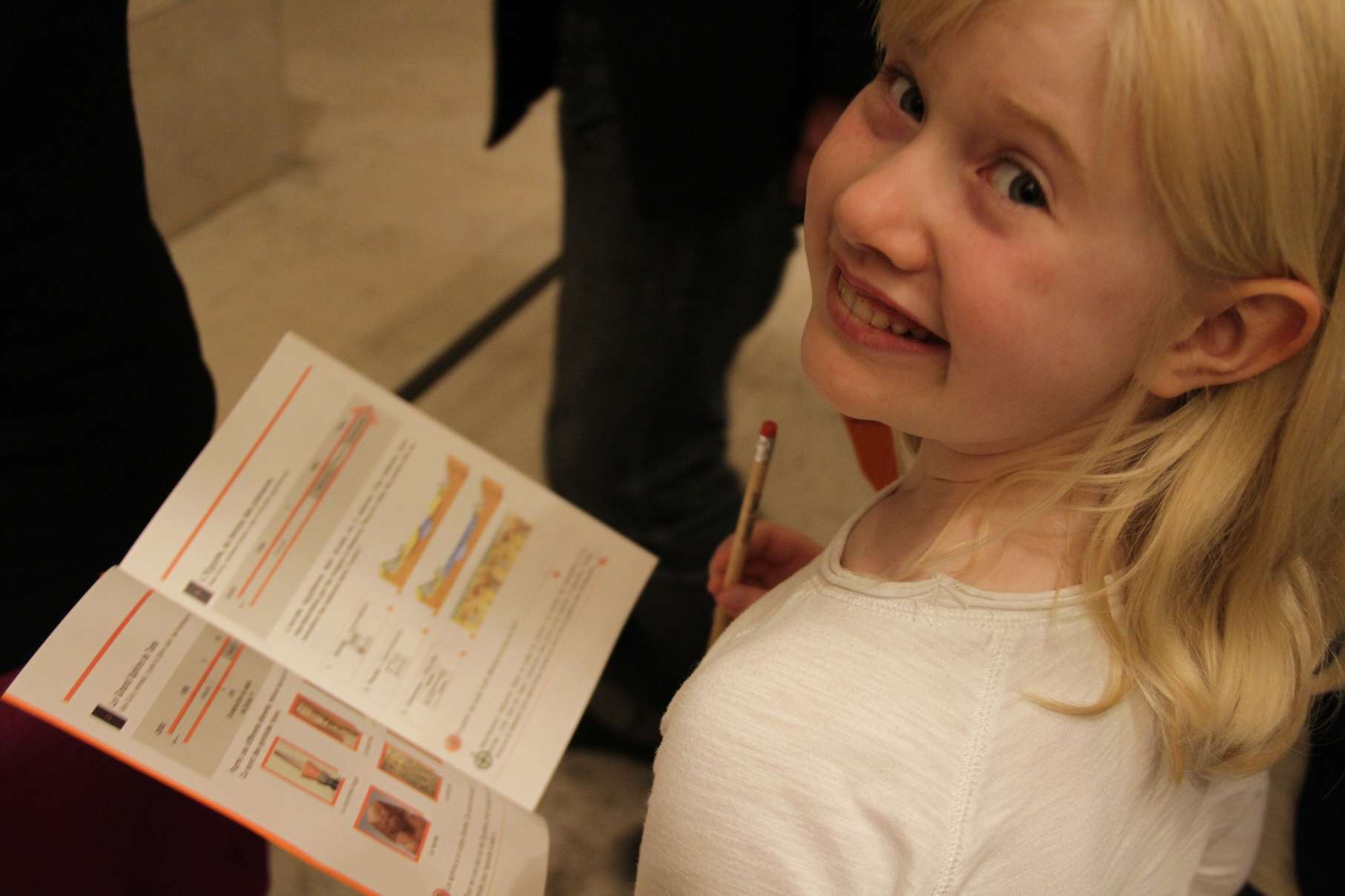
The Louvre is, by any measure, an intimidating proposition. With more than 35,000 works of art spread across 72,735 square metres, it is the largest art museum in the world and one of the most visited. Convincing an eight-year-old that this is a good way to spend an afternoon is, for most parents, an act of sheer optimism. Wijesundara arrived with a different strategy entirely.
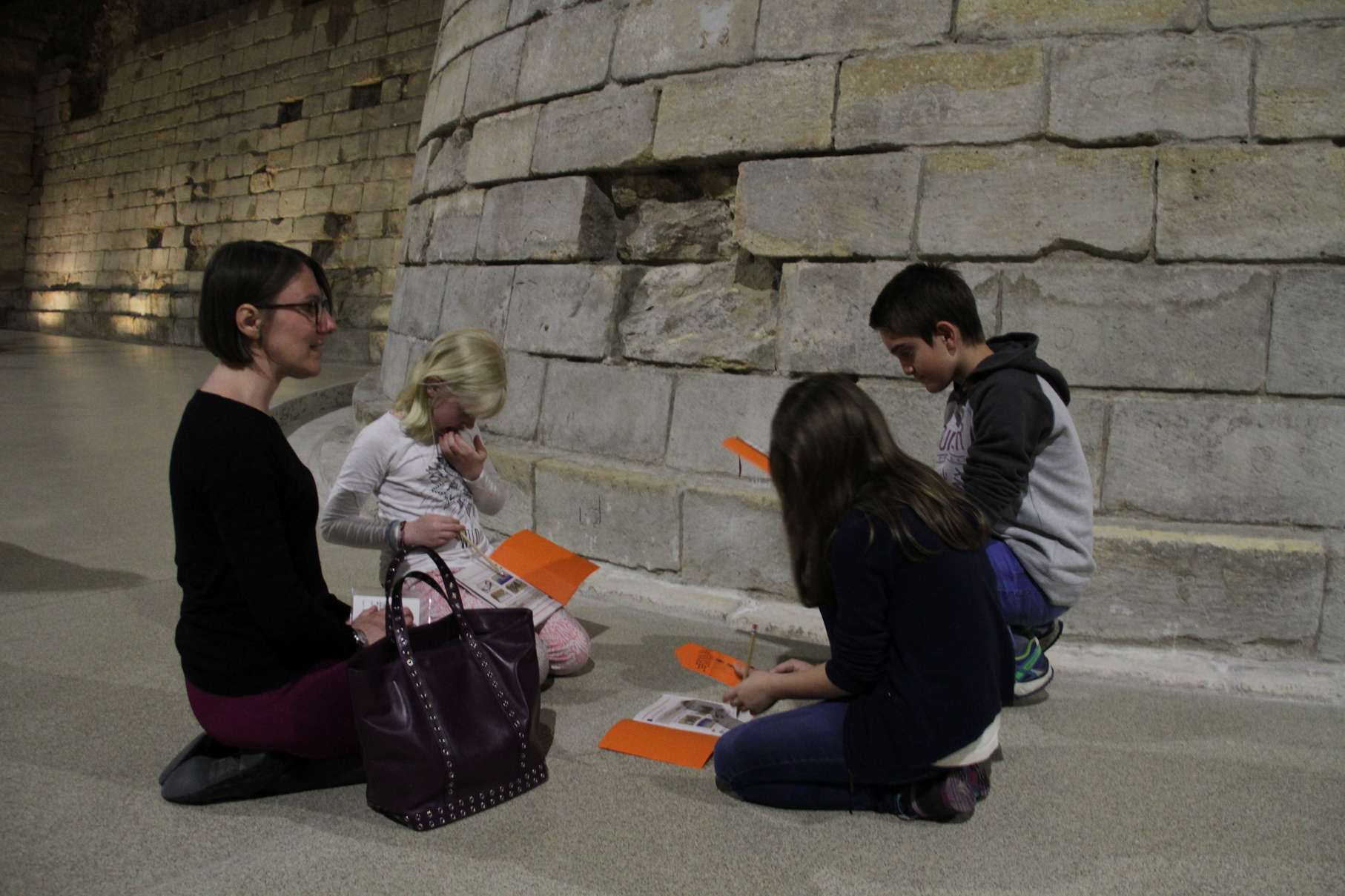
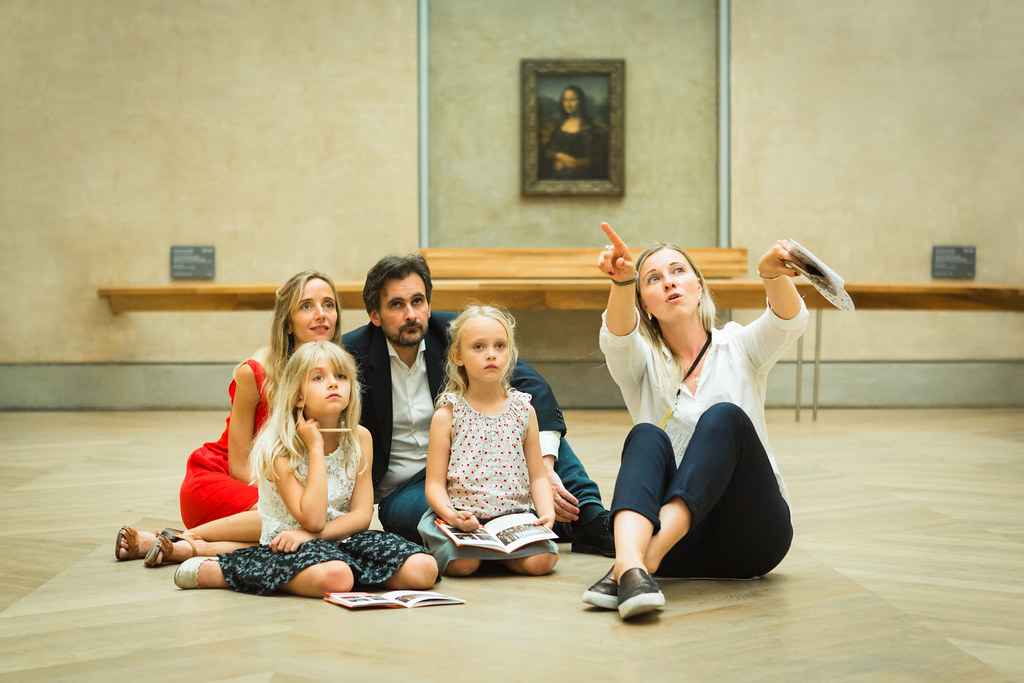
Through Family Twist's specially designed treasure hunt, Wijesundara and her son moved through the museum not as passive observers but as active participants, solving clues, cracking puzzles, and unlocking riddles that led them through some of the Louvre's most celebrated masterpieces. The Mona Lisa, the Venus de Milo, and the Winged Victory of Samothrace all became waypoints in an unfolding story rather than items on a checklist. Their guide wove in stories spanning Ancient Egypt, the Middle Ages, and the Italian Renaissance, and at the end of the two-hour adventure, a gift awaited the successful treasure hunters.
Wijesundara describes the experience in terms that any parent will immediately understand: "stress free, easy going, fun filled museum visit with kids. Museum visit never got easy like this never before." It is a deceptively simple observation, but one that carries real weight. The Louvre has a well-earned reputation for reducing even enthusiastic adults to exhausted silence. To navigate it with a young child and emerge energised is no small achievement.
The Moment She Keeps Talking About
When asked which part of the trip she keeps coming back to in conversation, Wijesundara does not hesitate. The treasure hunt is the answer, every time. There is something about watching a child engage with centuries of human history not through obligation but through genuine excitement that stays with a person. For Wijesundara, it crystallised everything she believes about what family travel should feel like.
It also challenged her assumptions. The Louvre, she now understands, is not simply a museum. In the right hands, and with the right framework, it becomes a stage for discovery. The experience, she notes, revealed masterpieces "in a very engaging and entertaining way," with fun facts and stories delivered through the lens of play rather than lecture. That shift in approach changes everything.
What She Knows Now That She Didn't Before
First-hand experience has a way of surfacing practical intelligence that no guidebook reliably delivers. Wijesundara came home from Paris with a set of insider insights that she is now actively passing on to clients, and the Louvre logistics alone are worth the price of admission to this story.
The glass Pyramid, the museum's iconic and most photographed entry point, is, in her view, precisely the wrong place to start. The security queues are long, the crowds are dense, and arriving there with children means burning through goodwill before you have even seen a single painting. Her recommendation is to use the Porte des Lions instead, a quieter southern entrance marked by two lion statues that most visitors simply walk past. It is closed on Fridays, but on every other day it offers a dramatically calmer entry experience. For those with pre-booked tickets, the Passage Richelieu entrance at the north wing is another strong alternative.
On timing, Wijesundara is equally specific. Monday and Thursday mornings between nine and eleven are statistically the least crowded windows for families. Wednesday and Friday evenings, when the museum stays open until ten, suit older children and offer a quieter, more atmospheric visit. And critically, tickets should always be booked online in advance through the official Louvre website. Arriving without a reservation and hoping for the best is, she suggests, a gamble not worth taking.
One final tip that she is quietly delighted to share: free self-service lockers are available underneath the Pyramid. Travelling light through the Louvre is not just more comfortable, it also speeds up the security process considerably.
Who This Trip Is Really For
Wijesundara is clear about her ideal client for this kind of Paris experience. Families with younger children are the natural fit. The treasure hunt format, the structured engagement, the sense of achievement built into every step of the museum visit, these elements are designed precisely for that stage of family life when attention spans are short and novelty is everything.
The broader lesson she takes from the trip, however, applies well beyond Paris. Across all her work with families travelling with young children, she sees the same need: a seamless, thoughtfully planned experience that removes friction and replaces it with wonder. Her advice to any family considering a similar adventure is straightforward. "Contact a travel agent for a seamless tour with younger kids." It sounds simple, but it reflects a genuine conviction that the difference between a stressful trip and a transformative one often comes down to who planned it.
Looking Ahead
Wijesundara is already thinking about what comes next. London is on her travel wish list, and given the depth of insight she returned from Paris with, there is little doubt she will approach the British capital with the same curiosity and practical eye she brought to France. For her clients, that future experience will become another layer of expertise they can draw on when it is their turn to plan something unforgettable.
For now, though, Paris has done its work. A city that can feel like too much has revealed itself, at least through the lens of a well-designed treasure hunt, as exactly enough.