Travel advisor Maksym Shkurupii turned a gift between an aunt and her niece into a masterclass in thoughtful trip design, weaving together Paris, Bordeaux wine country, and a sun-soaked Marseille finale into a 16-night French journey neither woman will ever forget.
At a Glance
A 16-night France itinerary combines Paris bookends with a seven-night Viking river cruise on the Dordogne and Garonne, concluding in Marseille. The route traces wine country from Saint-Émilion to Médoc, with a Veranda Stateroom providing direct water views. Late-September timing captures harvest season, and overland train journeys between cities become integral experiences rather than transfers.
Some trips are booked. This one was given. When a client approached Maksym Shkurupii wanting to take her niece on a proper trip to France, the Victoria-based travel advisor understood immediately that the logistics would be as meaningful as the destinations. The aunt lived in Victoria, British Columbia. The niece lived in Moncton, New Brunswick. They were about as far apart as Canada allows, and the trip would be the first river cruise for both of them. The challenge, and the opportunity, was to make every decision count.
What emerged from Shkurupii's planning was a 16-night itinerary built around Viking's "Châteaux, Rivers & Wine" sailing aboard the Viking Forseti, with Paris bookending the journey and Marseille added as an unhurried southern finale. The total cost came to approximately $33,000 CAD all-in for two. Every train, hotel, and flight was chosen so the journey itself felt as considered as the destinations.
Two Cities, One Flight, One Meeting Point
The invisible work began before the trip even started. Getting two people onto the same transatlantic flight from opposite ends of Canada meant routing both through Montréal onto the same Air Canada Premium Economy overnight service to Paris, a single 777 departing from one gate, carrying passengers who had boarded in different cities. They met in Paris. The logistics were invisible. The reunion was the point.
Shkurupii placed them at Hotel Atmospheres on Rue des Écoles in the 5th arrondissement for the first two nights, steps from the Sorbonne and the Luxembourg Gardens. The choice was deliberate: a walkable, boutique neighbourhood where jet-lagged travellers could decompress slowly and let Paris do what Paris does. From there, a first-class TGV Inoui from Montparnasse carried them south to Bordeaux in under three and a half hours, seats side by side on the upper deck, vineyards beginning to appear outside the window long before the train arrived.
Seven Nights on the Dordogne
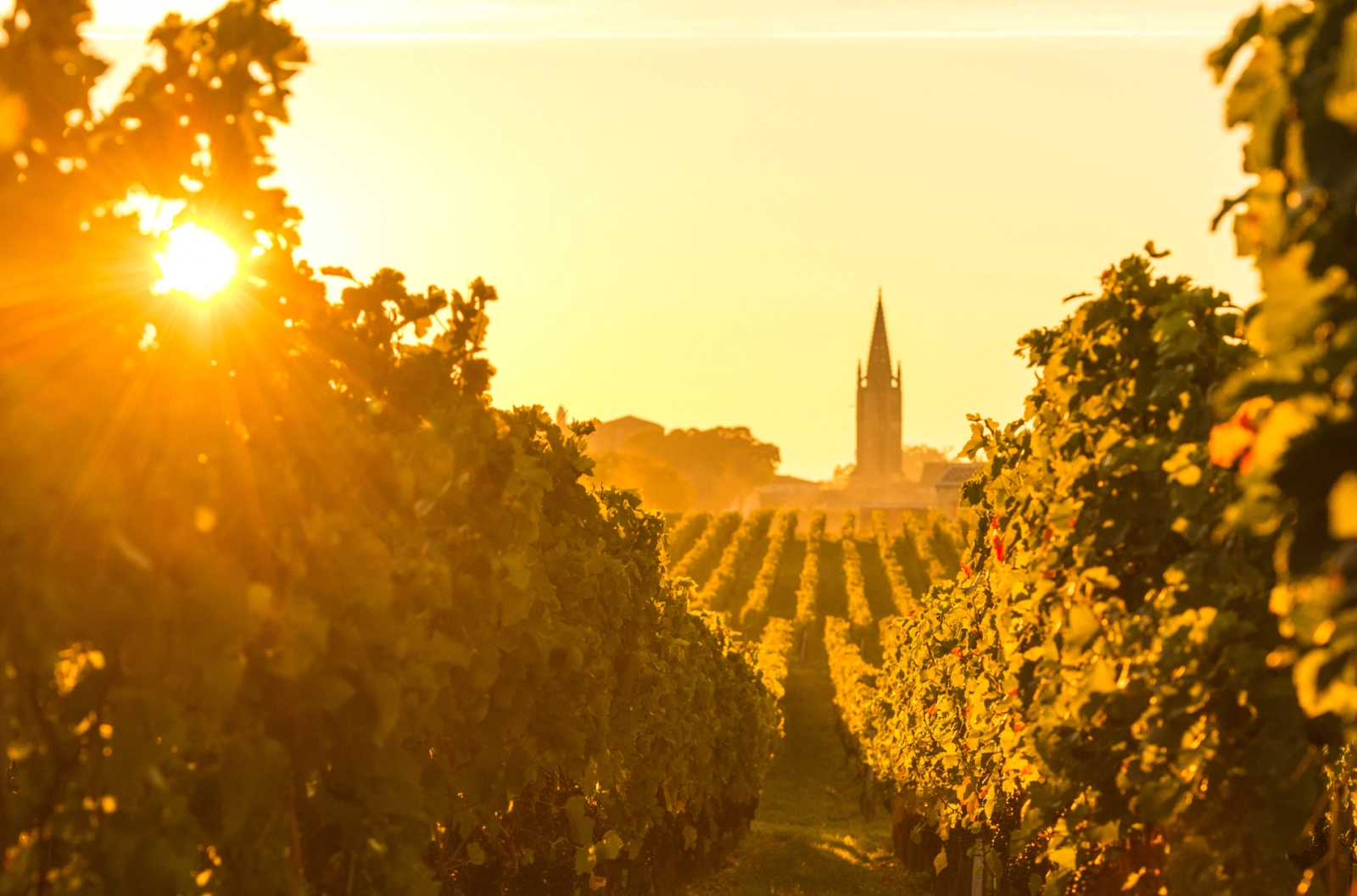
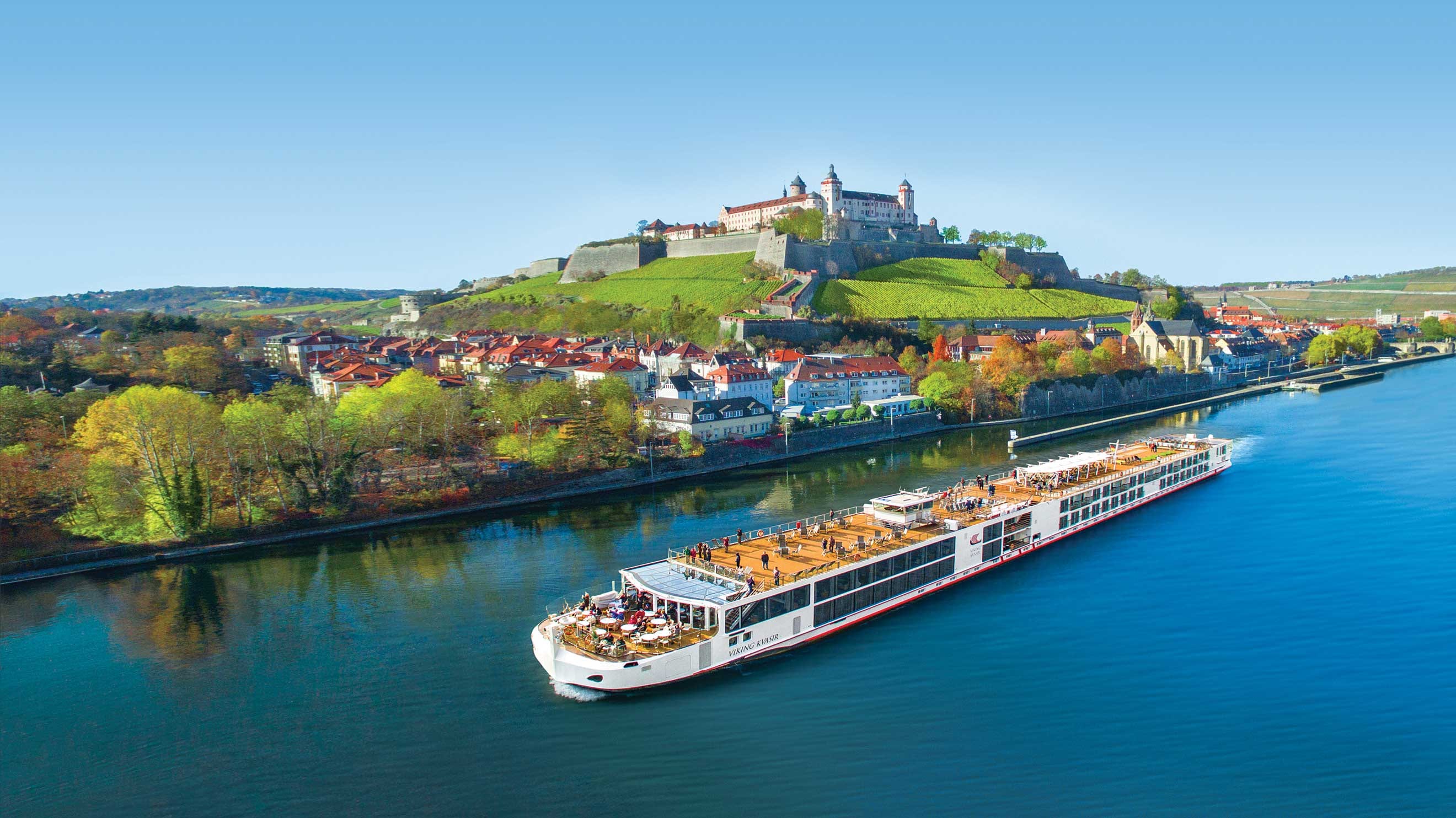
The heart of the journey was seven nights aboard the Viking Forseti, a longship purpose-built for the Garonne and Dordogne rivers. Shkurupii booked Stateroom 217, a Veranda Stateroom with a full private veranda opening directly onto the water. The upgrade was not incidental. As Shkurupii explains, "for a first river cruise the private veranda changes everything: coffee in the morning with the Dordogne sliding past, a glass of Margaux as the lights of Saint-Émilion come on." For two passengers experiencing river cruising for the first time, that outdoor space transformed how the cabin lived.
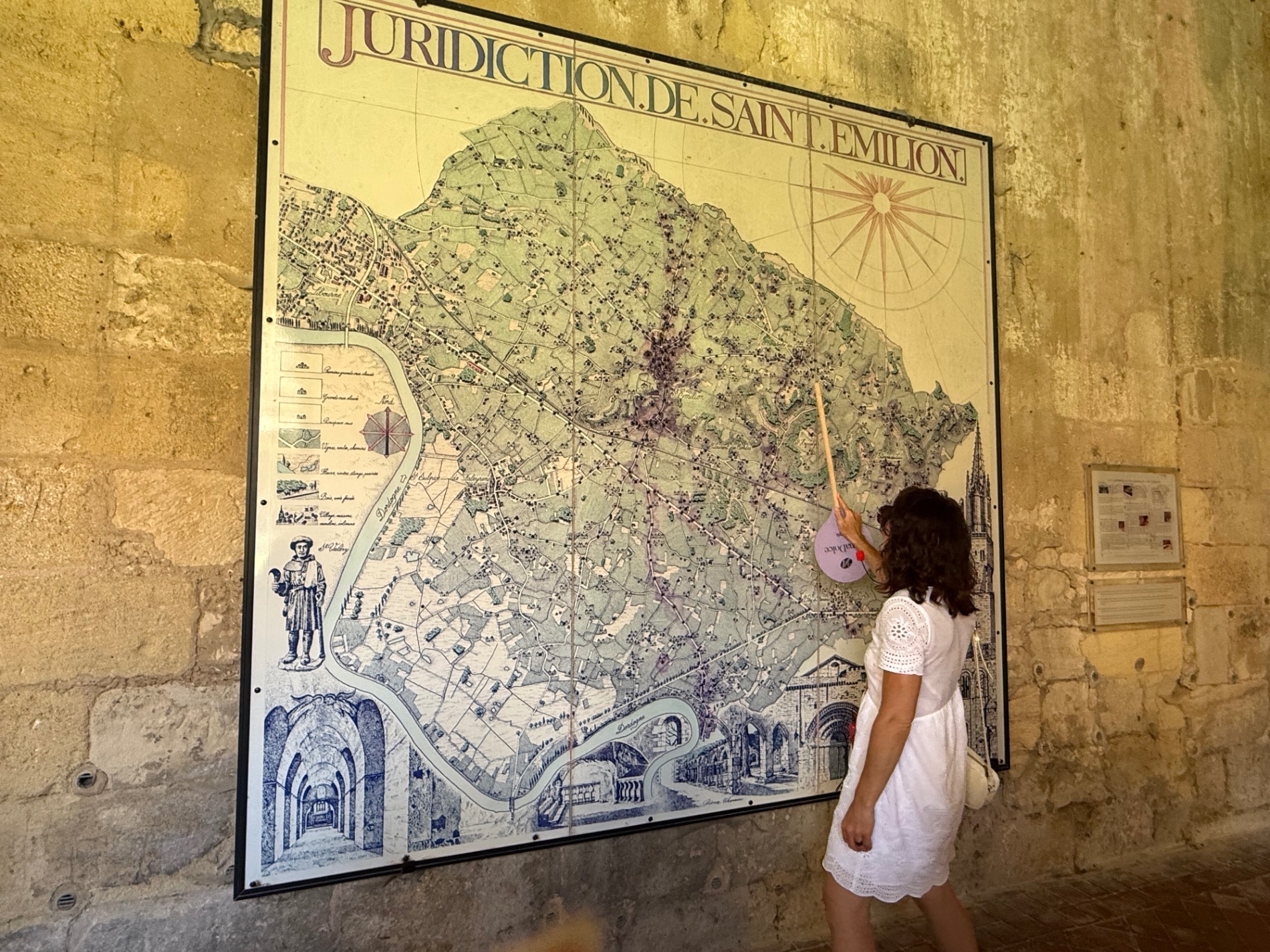
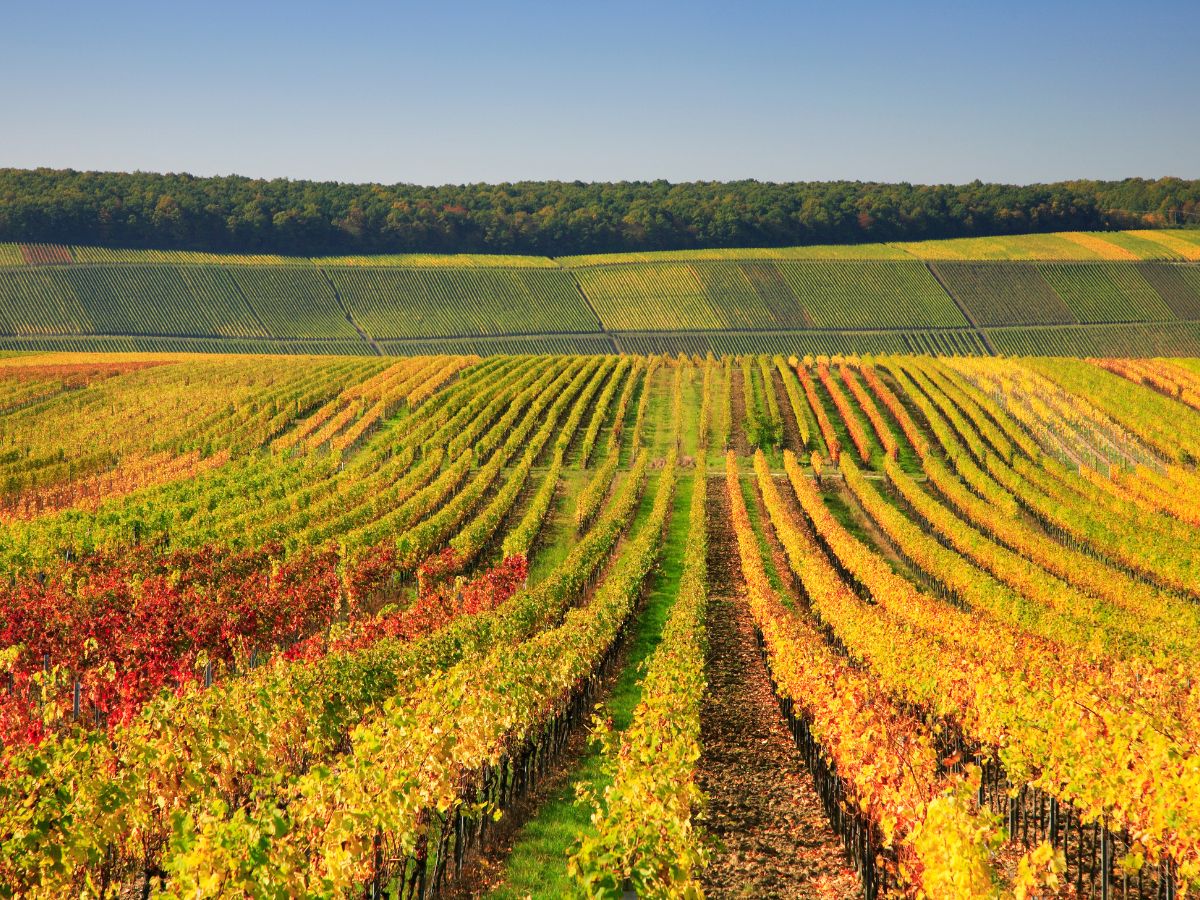
The sailing traced a route no other form of transport replicates: scenic passages on the Dordogne, Libourne as the gateway to Saint-Émilion's limestone cellars and grand cru vineyards, the twin fortresses of Bourg and Blaye facing each other across the Gironde estuary, and the celebrated wine country of Médoc and Margaux before returning along the Garonne to Cadillac and its royal château. Timing did its own quiet work. A late-September sailing lands in Bordeaux as harvest begins, the vineyards at their fullest before the picking, the air carrying the particular sweetness of ripening fruit. All meals, wine and beer with lunch and dinner, and a shore excursion in every port were included in the fare.
The Surprise That Stole the Trip
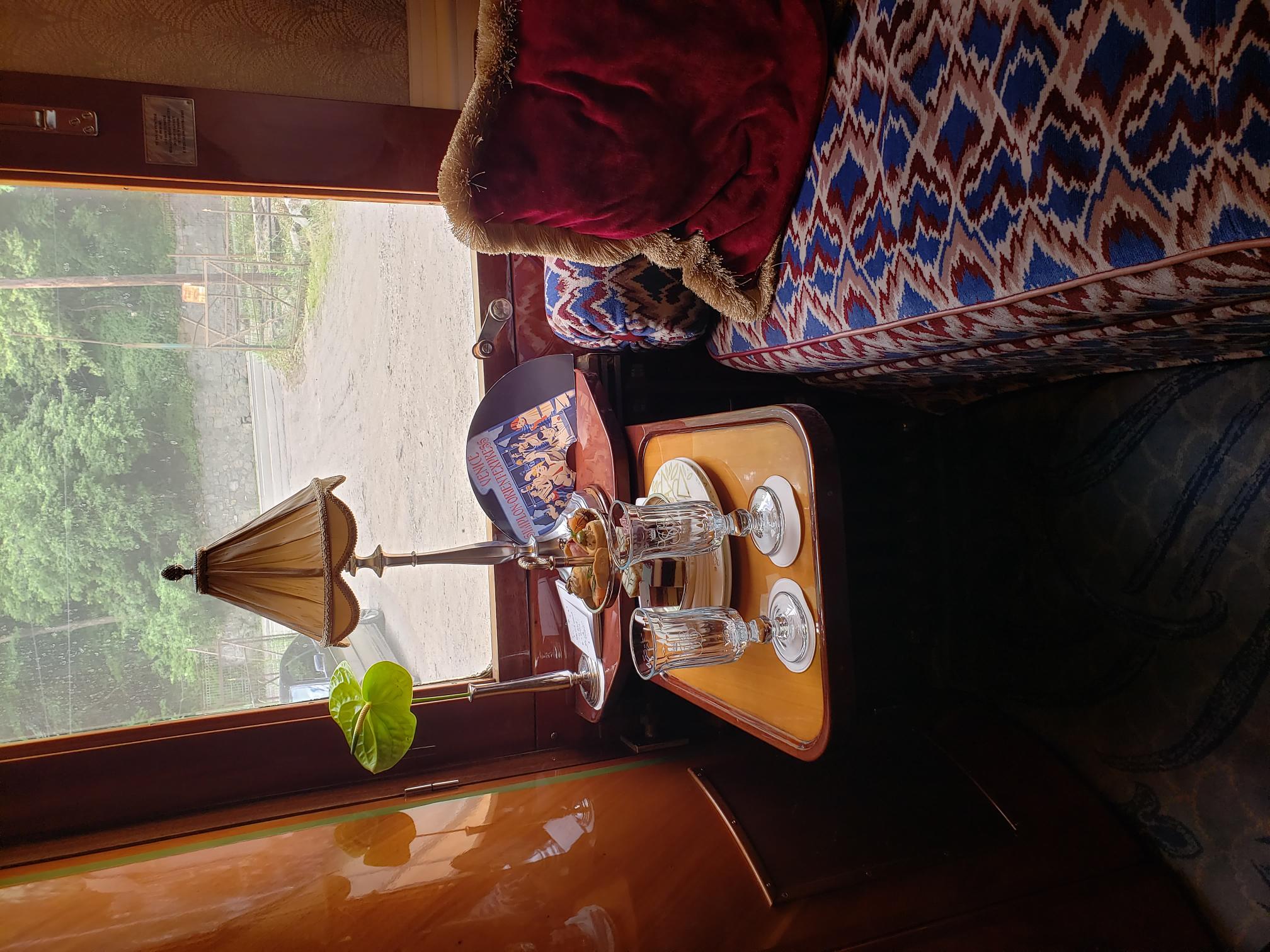
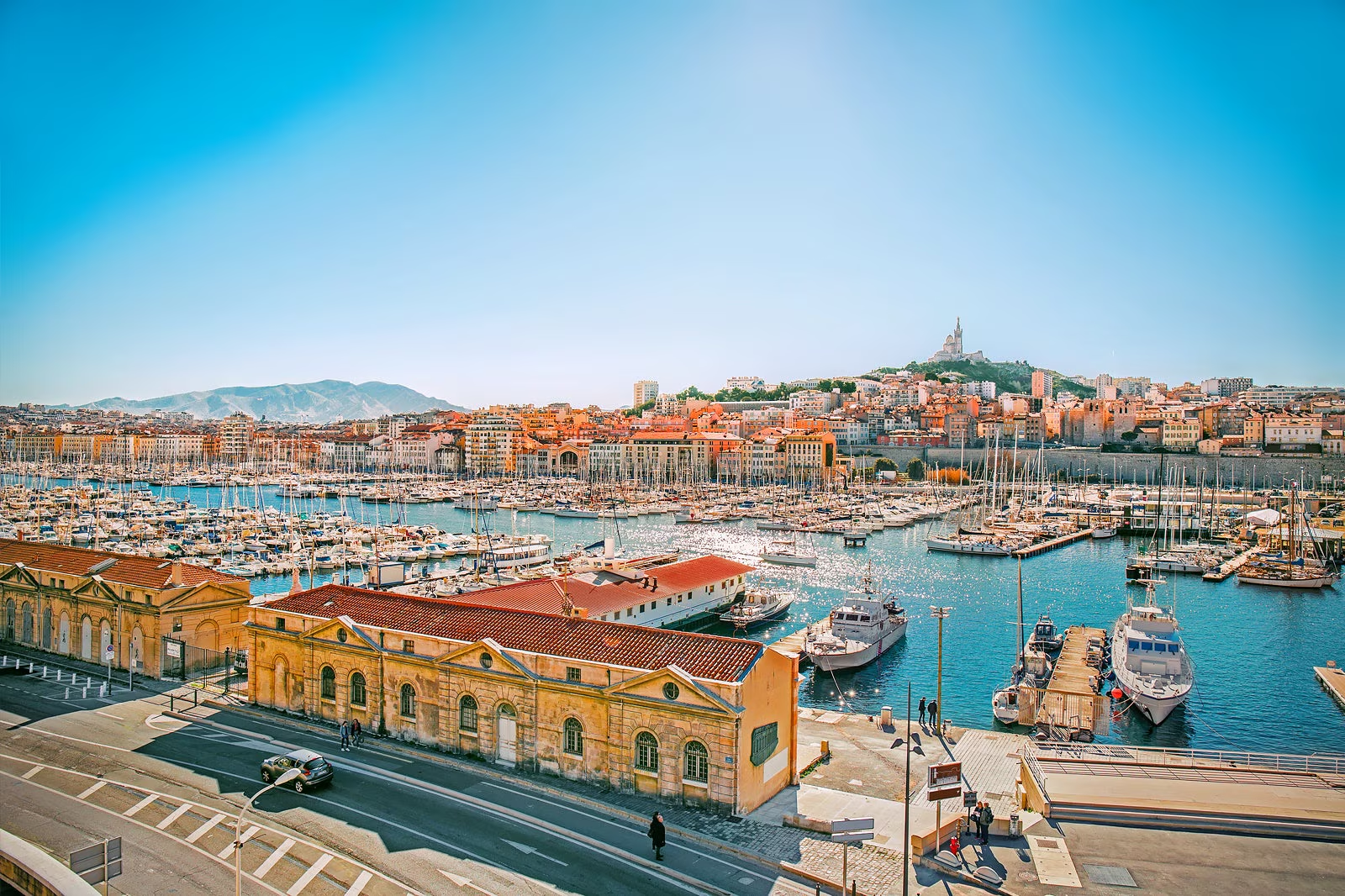
After the cruise, rather than flying directly from Bordeaux to Paris, Shkurupii routed the pair south by rail through the Languedoc on a six-and-a-half-hour Intercités train to Marseille Saint-Charles. The logic was characteristically straightforward: "you arrive in the city, not outside it, you see the country between, and the journey is part of the trip rather than an interruption of it." An hour by air would have meant missing all of it.
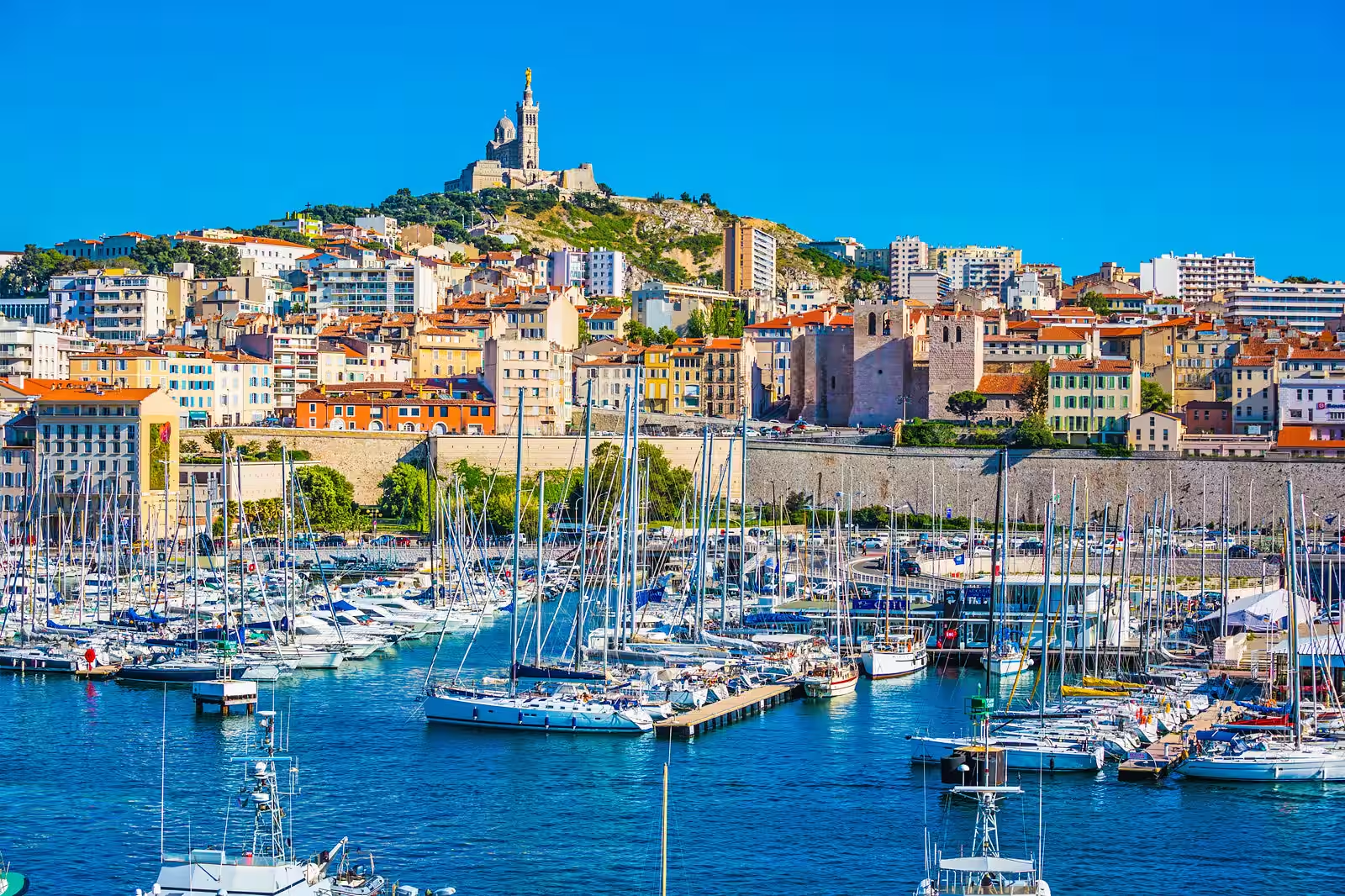
Three nights at the Sofitel Vieux Port, on Boulevard Charles Livon above the old port, turned Marseille from an afterthought into the surprise highlight of the entire trip. Most visitors give the city half a day. Shkurupii gave his clients three nights to eat bouillabaisse on the waterfront, walk the Corniche, and settle into a hotel that left a genuine impression. The niece described the Sofitel as "on my list of top 5 hotels I've ever stayed in, the rooftop bar, exceptional service, spa, beds, breakfast, all incredible." Marseille, genuinely ancient and genuinely delicious, delivered everything Shkurupii knew it would for clients willing to linger.
The Details That Never Show Up on a Booking Engine
A trip of this scale carries a thousand small decisions, and Shkurupii's instinct is to account for each of them with the same care. Paris was used as a bookend, not merely a stopover. The same hotel, the same neighbourhood, the same breakfast, at the end of the trip as at the beginning. "Returning somewhere familiar at the end of a long trip is a small luxury that costs nothing extra," he notes. Two final nights of bistros, the Seine at dusk, and a city both women now knew a little better than when they had arrived.
There was also the matter of $704.48 that most travellers would never know to ask about. Viking offers a discount for paying by electronic check rather than credit card. On this booking, that single piece of advice, volunteered by the advisor and offered by no booking engine, saved the clients more than seven hundred dollars. "Watching for these is part of the job," Shkurupii says plainly.
He is equally direct about what this kind of trip is not. The Bordeaux itinerary is a wine-immersion cruise, not a city-a-day dash across Europe. River-ship staterooms are compact by ocean standards, beautifully designed but compact, which is precisely why the Veranda category matters. The pace is gentle and the crowd skews mature. "I walk every client through all of this before booking," he says, "because the right cruise is the one chosen with eyes open."
What He Carries Forward
The broader lesson Shkurupii takes from this trip is one he applies across every itinerary he builds: the journey between places is never dead time. The trains through France were not transfers. They were three of the best hours of the trip. The six-and-a-half-hour ride to Marseille was not an inconvenience. It was the reveal. When every connection is chosen with intention, the whole trip holds together as a single, coherent experience rather than a list of bookings.
With this journey behind him, Shkurupii is already looking toward his next chapter, one that will add even more depth to his first-hand expertise. Japan and South Korea are next on his own travel wish list, and if this French itinerary is any indication, the clients he works with have a great deal to look forward to.