Born and raised on the rugged shores of Nova Scotia, travel advisor Autumn Fiske has spent years exploring the world, only to find that the destination she knows best is still the one that surprises her most.
At a Glance
Nova Scotia rewards slow travelers seeking coastal drives, fresh seafood, and maritime history, with no point more than 60 kilometres from the sea. The province features 160–185 historic lighthouses, three UNESCO World Heritage Sites, and authentic experiences found in locals' homes rather than tourist menus, though it suits those avoiding urban nightlife and theme parks.
There is a particular kind of homecoming that only seasoned travelers understand. It is the one where you return not as a child, but as a professional, your eye trained to see what others miss, your instincts sharpened by years of recommending far-flung corners of the globe. For Autumn Fiske, that homecoming is Nova Scotia, and every visit deepens her conviction that this Maritime province belongs on every serious traveler's radar.
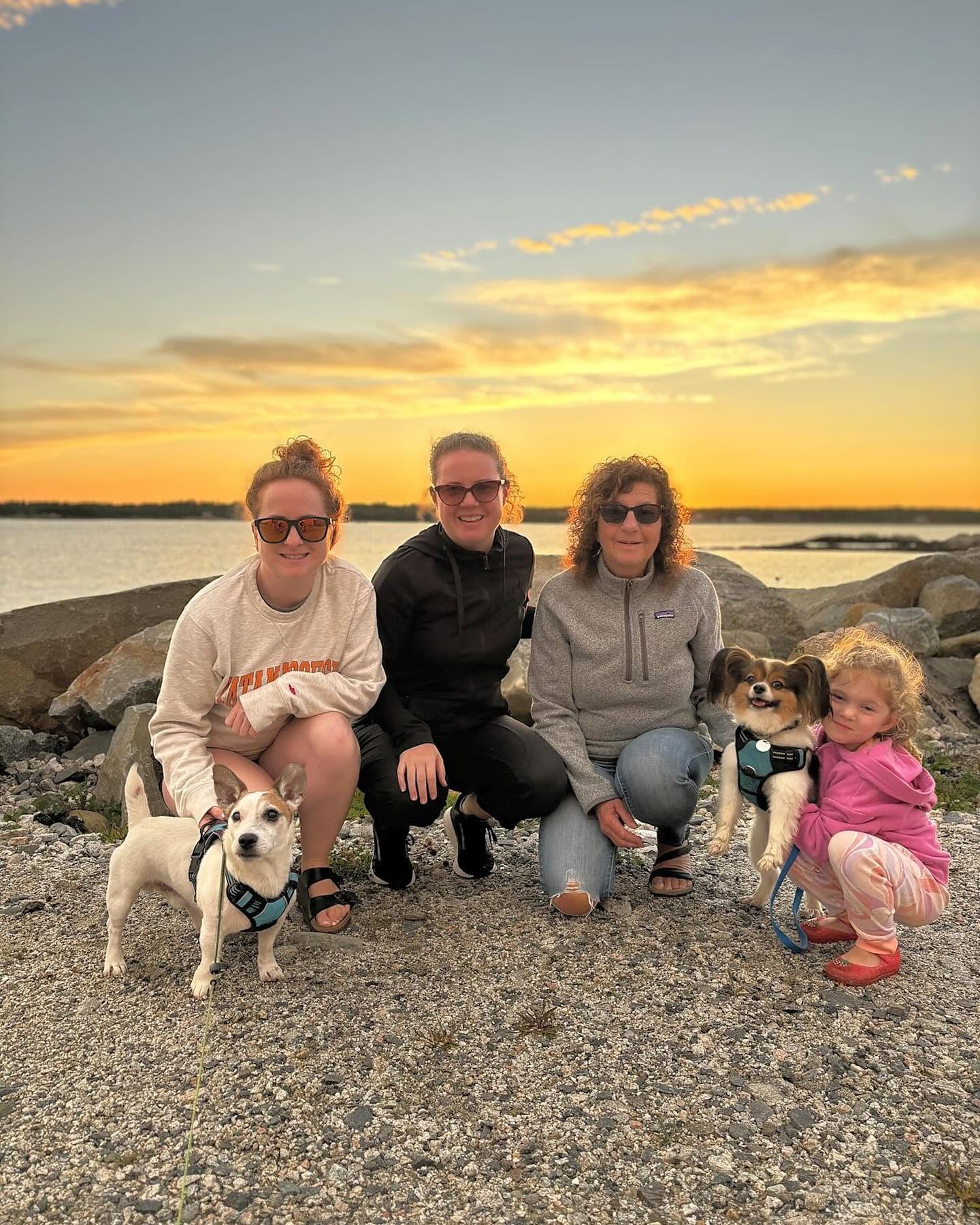
Fiske was born and raised in Lockeport, a small seaside community tucked along Nova Scotia's South Shore. She has since lived abroad in Spain and across multiple Canadian provinces, but the pull of the Maritimes remains constant. She returns each year to see family, and what began as personal trips have quietly become one of her most powerful professional assets.
A Province That Gets Under Your Skin
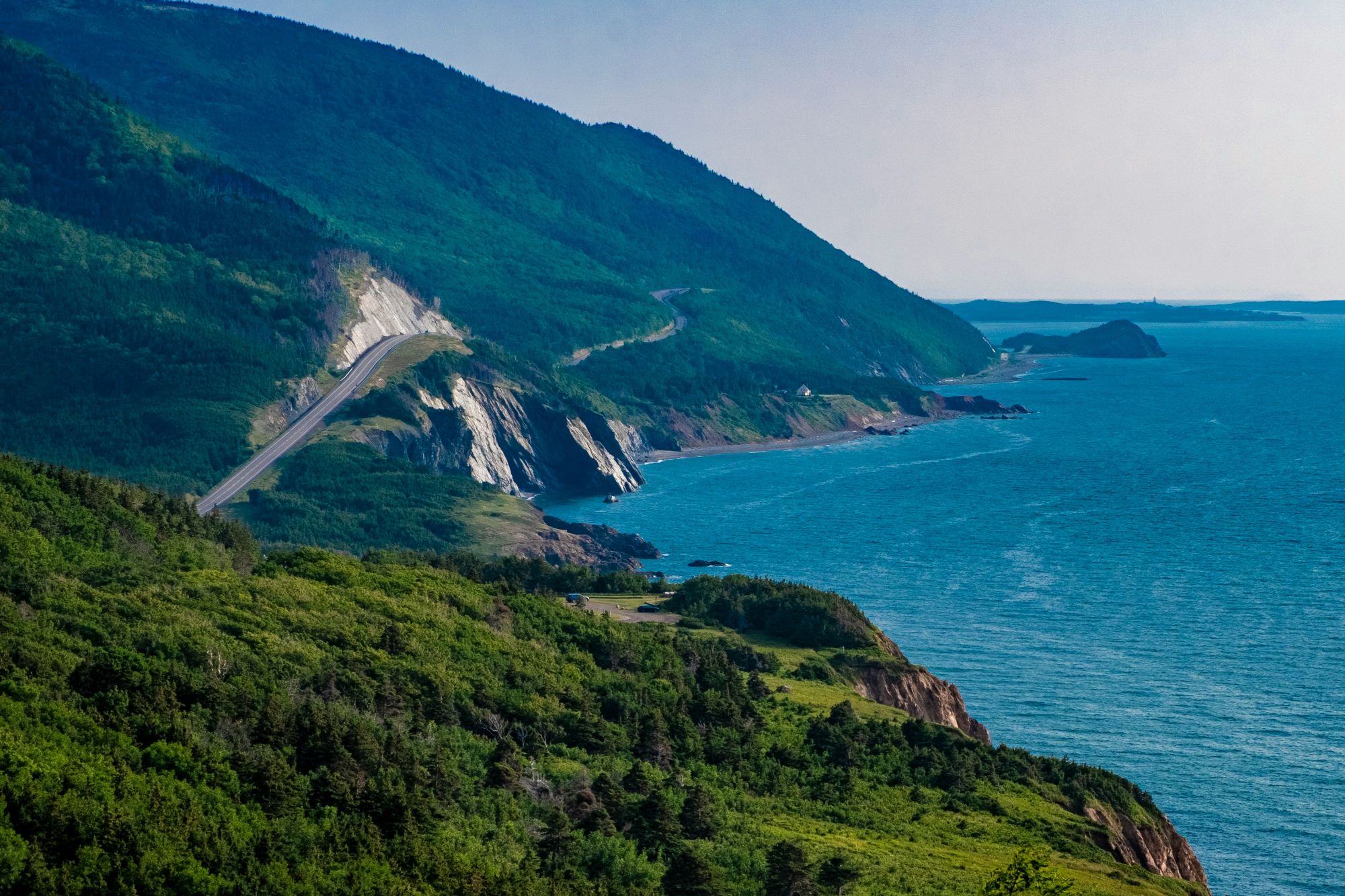
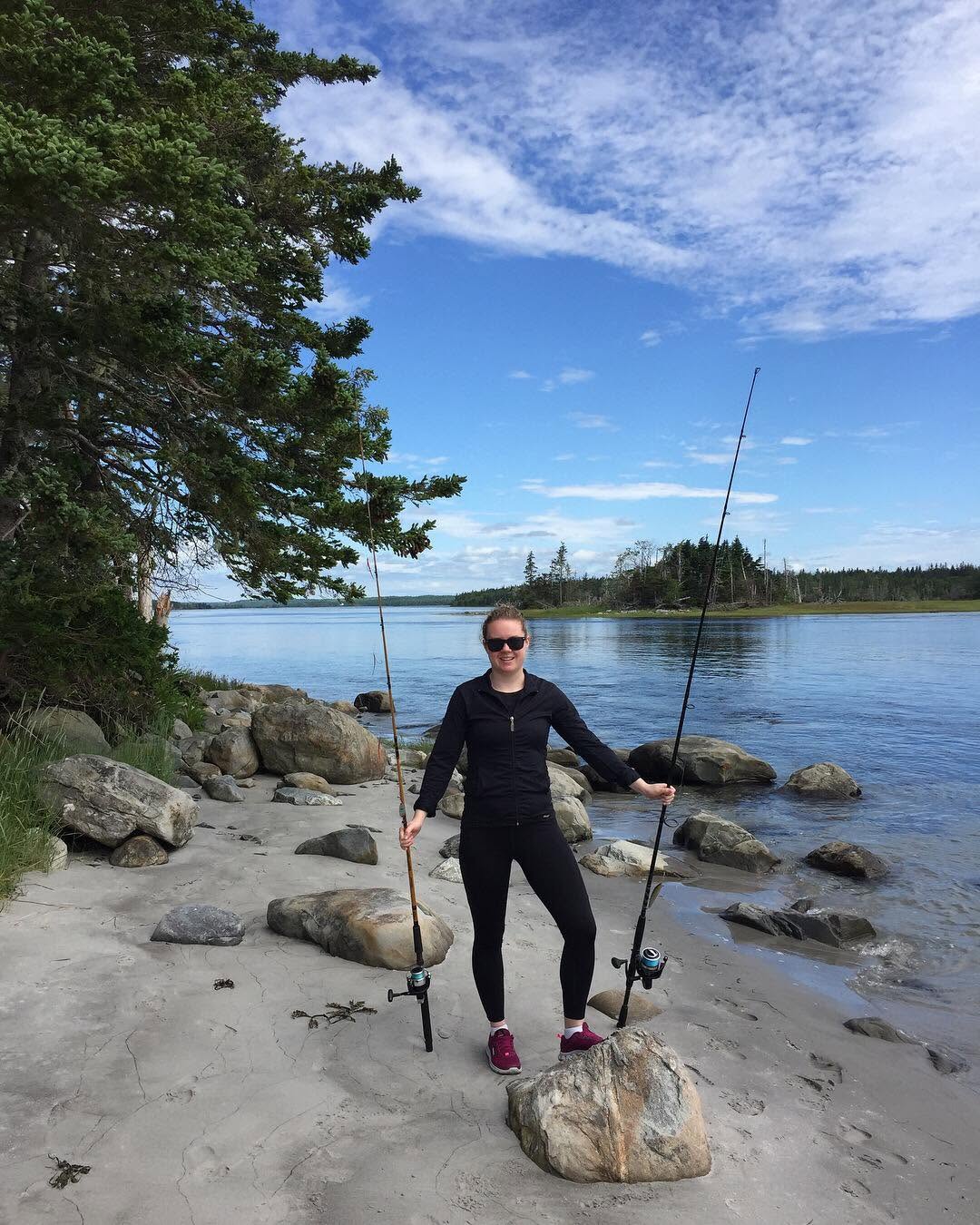
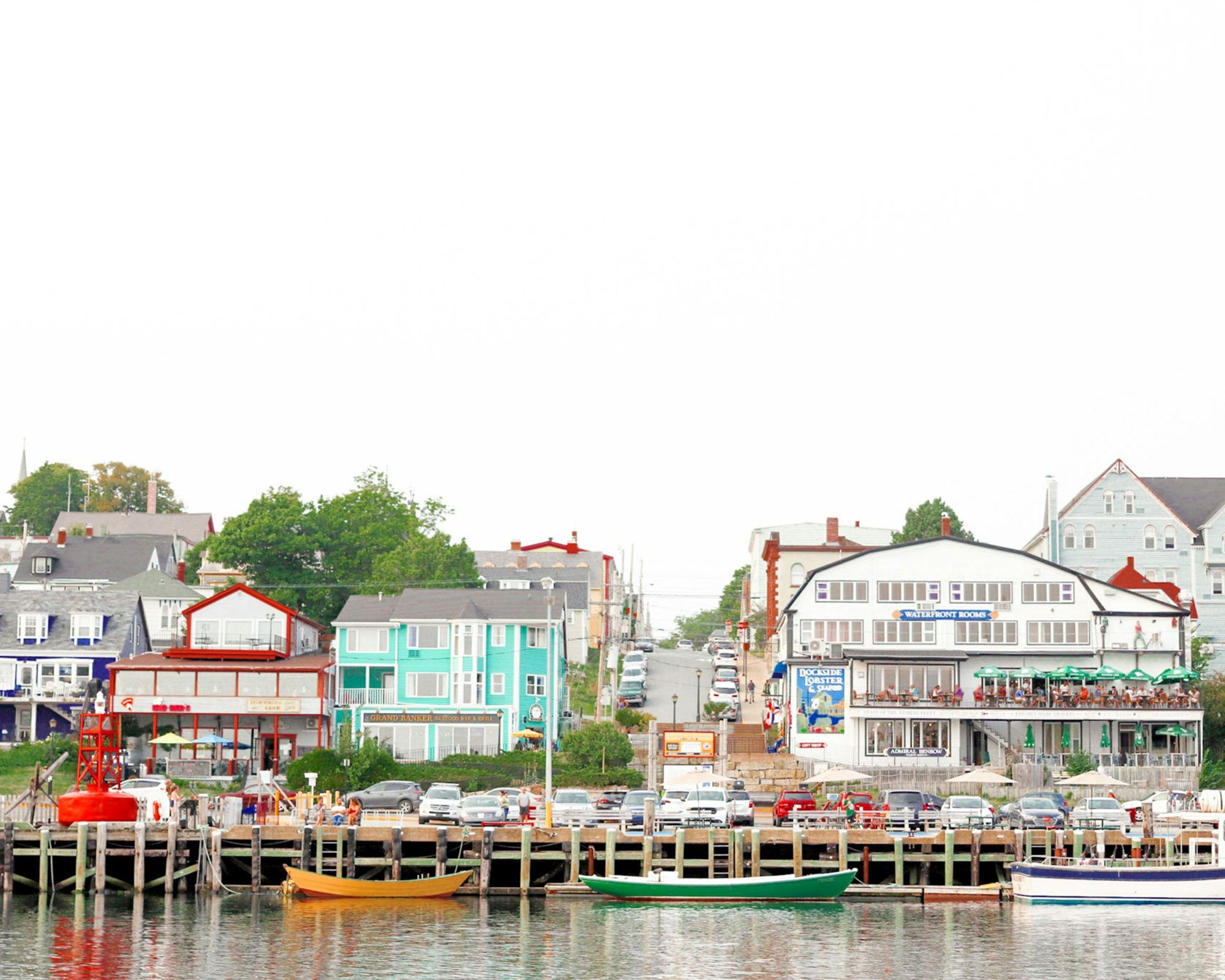
Ask Fiske what makes Nova Scotia extraordinary and she will tell you it comes down to proximity. No point in the province sits more than 60 kilometres from the sea, a geographic fact that shapes everything from the light in the sky to the food on the table. The coastline is dense with approximately 160 to 185 historic lighthouses, colourful fishing villages cling to rocky shores, and hiking trails wind along headlands that feel untouched by time. Add three UNESCO World Heritage Sites and a layered cultural identity woven from Celtic, Acadian, and Indigenous traditions, and the picture begins to fill in.
But it is the quieter qualities that Fiske finds herself returning to again and again. "You don't realize how lucky you are to grow up in Nova Scotia until you leave," she reflects. "We never had to worry about our safety. People are friendly. And nature is well taken care of by local guardians." It is the kind of observation that only distance makes possible, and it is precisely the insight she now shares with clients who are weighing their options.
The Scholar and the Storyteller
Fiske's relationship with Nova Scotia extends well beyond personal affection. For her master's degree in tourism, she turned her academic lens on one of the province's most remarkable and undervisited landmarks: the Fortress of Louisbourg, a meticulously reconstructed 18th-century French colonial settlement on Cape Breton Island, known in Mi'kmaq as Unama'ki. Her thesis examined why visitation to the national historic site has been declining in recent years and what role social media and digital tools play in either drawing travelers in or letting them slip away.
The research produced findings that are as practical as they are revealing. Fiske discovered that successful visits to Louisbourg require planning months in advance, particularly for those who want to experience the site at full operation during peak season. She also found that self-drive routes, offered through destination marketing organizations, are a powerful tool for enticing visitors to explore cultural and heritage attractions while bridging the long distances between rural sites. It is the kind of nuanced, ground-level knowledge that no brochure can replicate.
"The title of my research is 'Time Travel at the Fortress of Louisbourg,'" Fiske explains, and the phrase captures something essential about what makes the site so compelling. Walking its reconstructed ramparts, visitors do not simply learn history. They inhabit it.
Who Belongs Here, and Who Probably Does Not
As a travel advisor, Fiske is refreshingly honest about the kind of traveler Nova Scotia suits best. The province rewards those who seek scenic coastal drives, fresh seafood straight from the source, and a deep dive into maritime history. It is a place built for slow travel, for people who find joy in a foggy morning walk or an afternoon spent chatting with a fisherman on a wharf.
It is not, however, the right fit for everyone. Fiske is candid on this point: Nova Scotia's rugged, relaxed nature makes it a poor match for travelers who demand bustling, non-stop urban nightlife, major metropolitan theme parks, or easily accessible public transit between rural towns. Knowing who not to send somewhere is, in its own way, just as valuable as knowing who to send.
The Real Food Is Not on the Menu
Among the insider knowledge Fiske carries home from every visit, the most personal involves food. Tourists flock to lobster rolls, and rightly so, but Fiske gently reframes expectations. "The best food is found at locals' homes," she says. "Locals actually don't eat lobster rolls as much as you'd think." What they do eat is homemade seafood chowder, thick with local lobster, scallops, clams, and haddock, the kind her father made while she was growing up. And for dessert, there is Blueberry Grunt, a traditional cobbler-style sweet that rarely makes it onto tourist menus.
Her advice to clients is simple and earnest: find a cooking class in a local home, or simply accept an invitation to someone's table. In Nova Scotia, that invitation is almost always forthcoming. "Nova Scotians love to welcome everyone into their home," she says, and in that hospitality lies the province's most authentic offering.

Beyond the Province: A Region Worth Exploring
For clients who want to extend their Maritime adventure, Fiske points them just across the water. Prince Edward Island, reachable by a short ferry ride or a drive across the Confederation Bridge, offers stunning coastal cycling and exceptional oyster sampling. Both provinces boast thriving craft brewery scenes, with blueberry ales that have become a regional signature worth seeking out. The cruising industry, too, is growing its footprint in Nova Scotia, with ships calling at Halifax on the mainland, where Peggy's Cove is a short drive away, and at Sydney in Cape Breton, the gateway to the Fortress of Louisbourg.
What Comes Next
Even for someone who knows Nova Scotia as intimately as Fiske does, there are still corners left to discover. Her eyes are set on Cape Smokey in winter, a ski and snowshoe destination on Cape Breton that she has yet to experience in the cold months. The mountain offers 16 runs ranging from gentle learning zones to challenging gladed terrain, along with snowshoe trails that wind past sweeping views of the highlands, the Atlantic coast, and the snow-covered stillness of Hawley's Lake.
For Fiske, this next visit is more than a personal trip. It is another chapter in an ongoing education, one that she will carry directly back to her clients. "I'd love to see Cape Smokey on my next visit to Nova Scotia since I've never been in the winter," she says, and the anticipation in her voice is unmistakable. It is the same curiosity that makes her not just a traveler, but the kind of advisor clients trust with their most precious days away.