Travel advisor Lauryn Lantela returned from a whirlwind Air New Zealand fam trip through the North Island with something far deeper than a new set of destination talking points: a genuine understanding of the people who call this extraordinary land home.
At a Glance
New Zealand's North Island offers deeper cultural immersion than its South Island counterpart, featuring geothermal parks, Māori heritage sites, and indigenous experiences like traditional hāngī cooking. Visitors gain authentic understanding of New Zealand's indigenous people and first settlers through guided walks, cultural celebrations, and direct engagement with local communities, complementing adventure activities.
New Zealand has long occupied a coveted spot on bucket lists around the world, conjuring images of dramatic fjords, adventure sports, and rolling green hills dotted with sheep. But for travel advisor Lauryn Lantela, a recent immersive fam trip through the North Island with Air New Zealand rewrote her understanding of the destination entirely. What she found was not just scenery and spectacle, but a living, breathing culture that demanded to be known on its own terms.
From Auckland to Hawke's Bay: A Journey Across an Island's Soul
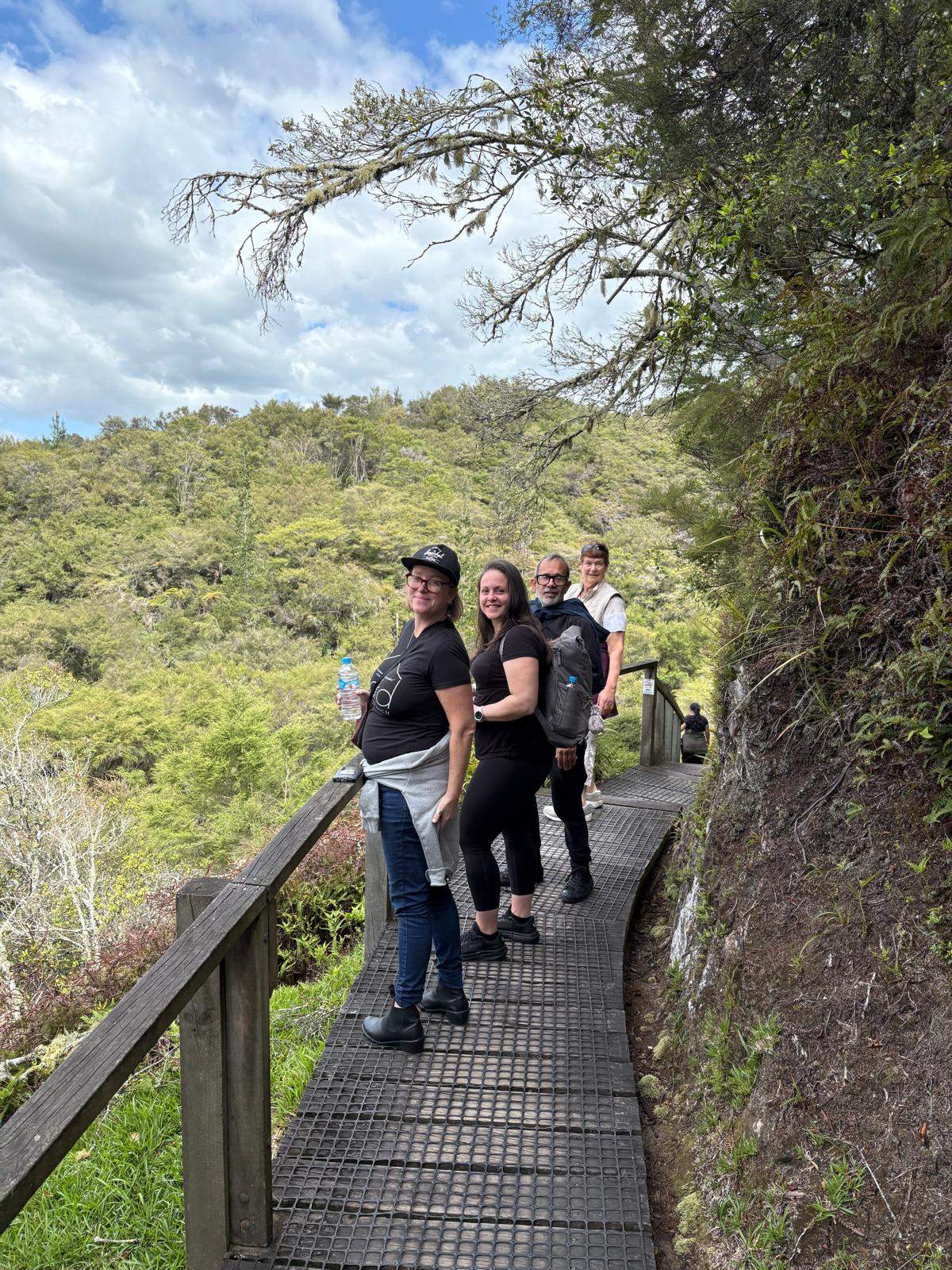
The itinerary read like a greatest-hits tour of the North Island. Lantela and her fellow advisors touched down in Auckland on October 29th, 2025, before fanning out across a remarkable range of experiences: a glass-bottom boat tour at Mercury Bay, the thermal wonder of Hot Water Beach, the Waihi Gold Discovery Centre, and a stay at the striking Grand Mercure Puka Park Resort on the Coromandel Peninsula. From there, the group wound through Rotorua's geothermal parks, the glowing redwood forests, Hamilton Gardens, Sanctuary Mountain, and the Wairakei region before finishing with wine tasting in the art deco streets of Napier's Hawke's Bay. Days were packed from early morning hot spring soaks to evening cultural feasts. The pace was relentless. The rewards were even more so.
But for all the curated highlights on the schedule, it was two experiences that Lantela keeps returning to in conversation, and they could not have been more different from one another.
Hobbiton: A Childhood Dream Made Real
On day three of the trip, the group visited the Hobbiton Movie Set near Matamata, a stop that held deeply personal significance for Lantela. A self-described lifelong Lord of the Rings fan, she had imagined this moment for years. Standing inside the meticulously crafted Hobbit holes, taking in props as small and deliberate as miniature toothbrushes, the experience delivered on every expectation. Lantela describes wandering through the set as being "in some of these places where they filmed some of these scenes that I remember watching when I was a kid," and says the scale of effort required to maintain the attraction, with tours running every hour on the hour, genuinely impressed her.
She notes that there is far more to Hobbiton than a simple walkthrough. Guests can book grand feasts in the hobbit dining areas, host private events, and raise a glass of the house ale at the Green Dragon Inn, the authentic bar modelled on the one frequented by hobbits in the films. For the right traveller, Lantela is unambiguous: it is "one hundred percent worth your time, effort, and money, and the photos you get are going to be absolutely incredible."
The Muir's Cookout: Where Culture Lives and Breathes
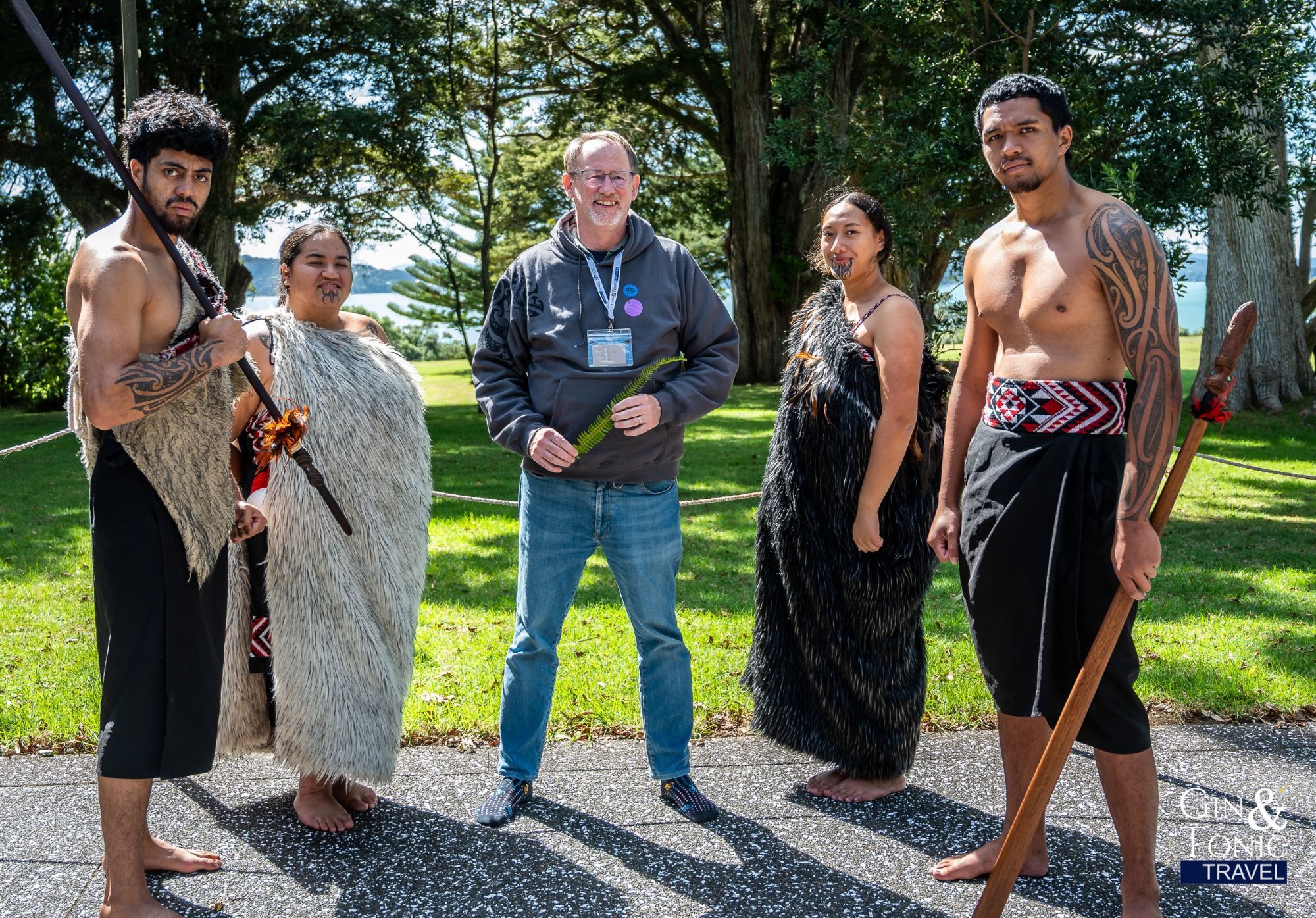
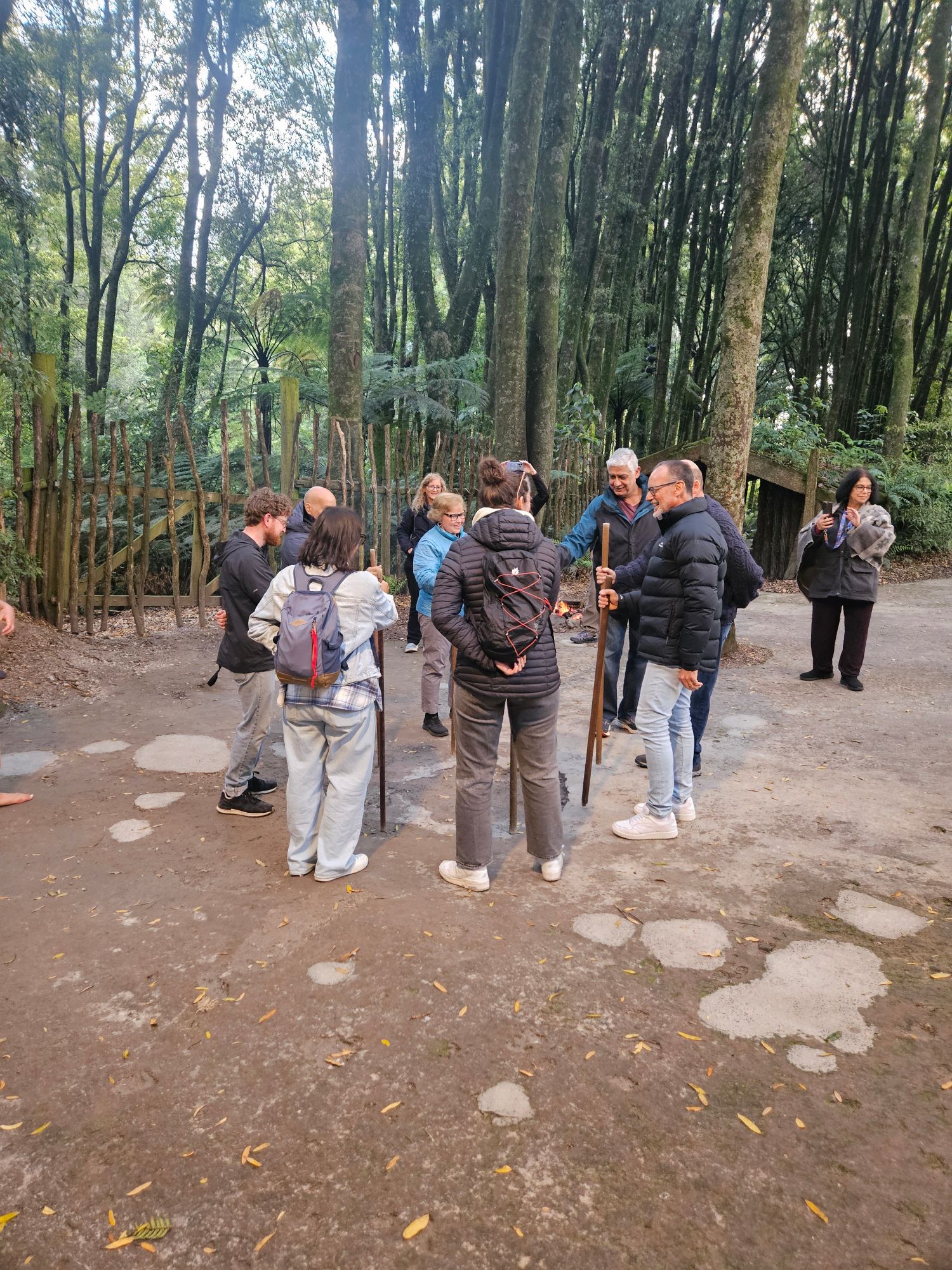
Just a day earlier, the group had experienced something of an entirely different register. On a quiet stretch of coastal land in Ngāmotu, former All Blacks player Dion Muir welcomed the group into his world. He guided them through the ancestral fishing grounds of his iwi, explained the ceremonial traditions of the indigenous people of the region, and spoke candidly about the struggles New Zealand's Māori communities have faced across generations. Then he brought everyone home.
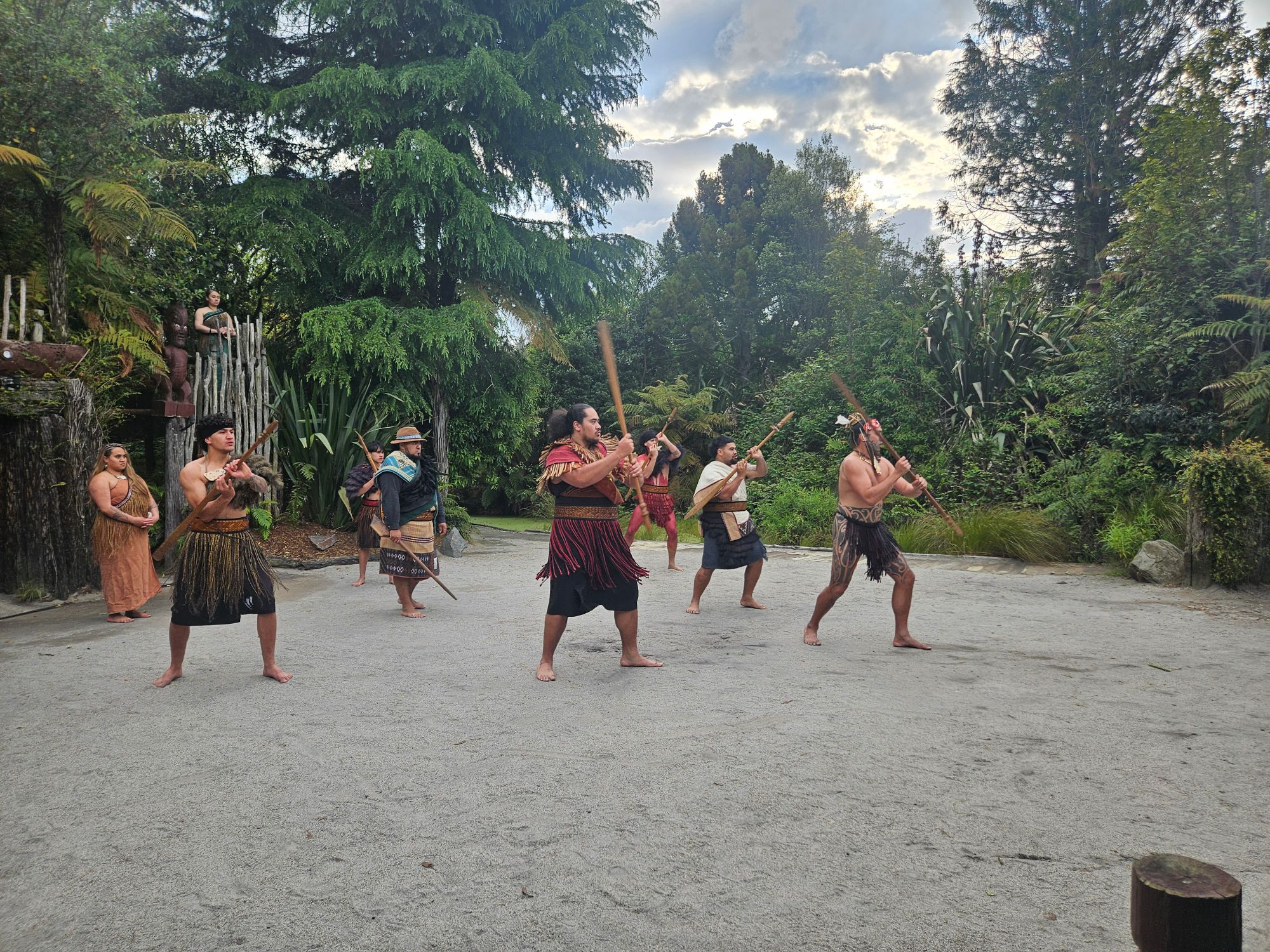
Back at Muir's property, fresh-caught fish and seafood were laid out, and guests were invited to help prepare a traditional hāngī, a method of cooking using heated rocks buried beneath the earth, which Muir built himself. Sitting with family and members of the village, sharing food and stories, Lantela found herself moved in a way that no scheduled attraction could have produced. She describes the Muir experience as "one hundred percent the best experience I had in New Zealand," a moment of genuine human connection in the middle of a professionally driven trip.
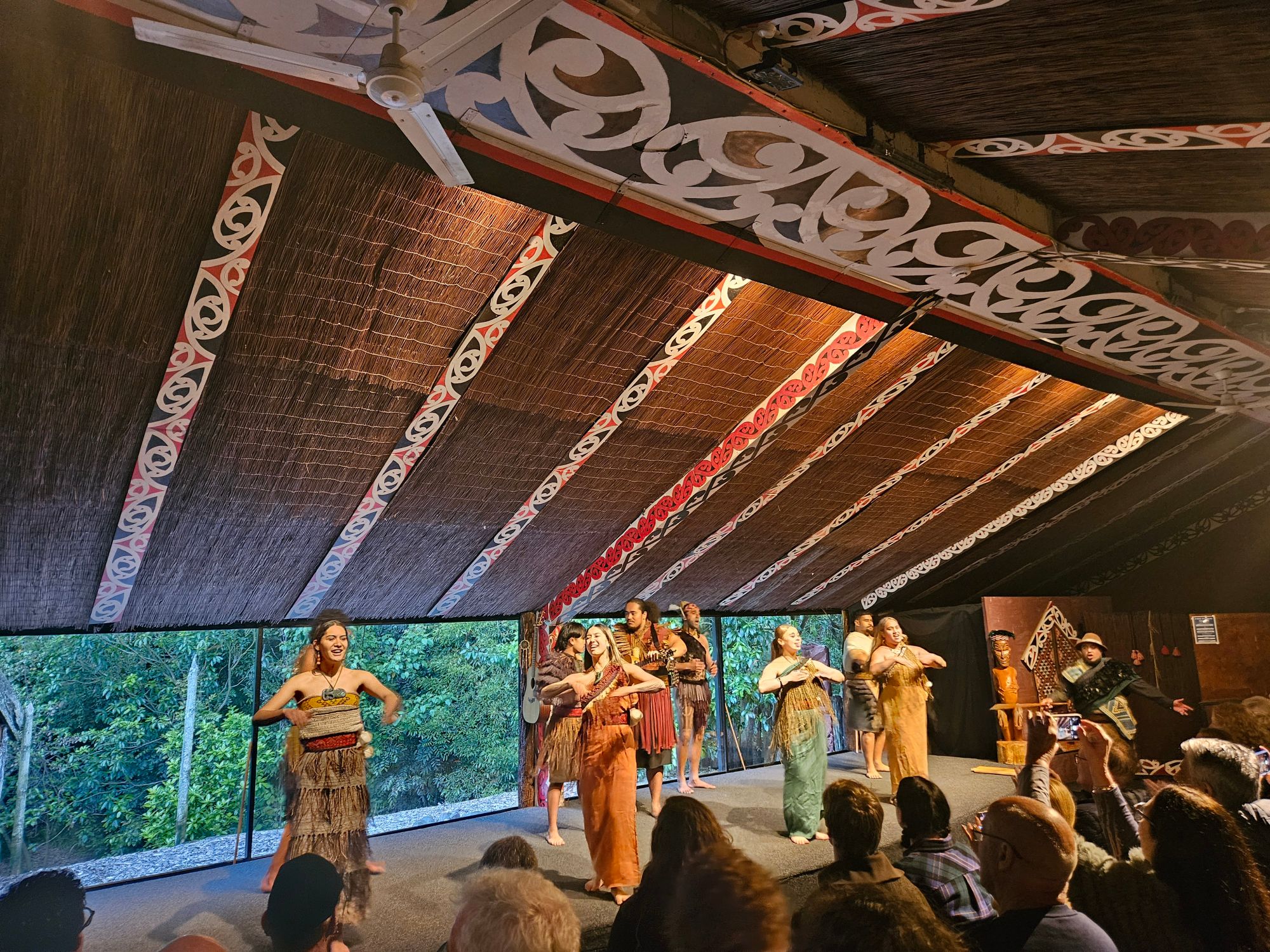
It was this encounter, alongside a guided walk through the historic battlegrounds at Tauranga and an evening at the Te Pō cultural harvest celebration in Rotorua, that reshaped Lantela's entire perception of what New Zealand travel can and should be. "What I really learned and felt that I didn't know about New Zealand was the culture of the people, the indigenous people and the first settlers," she reflects. Her previous fam trip had taken her to the South Island, with its glaciers and adventure tourism. The North Island, she says, offered something she had not anticipated: depth.
Two Islands, Two Entirely Different Experiences
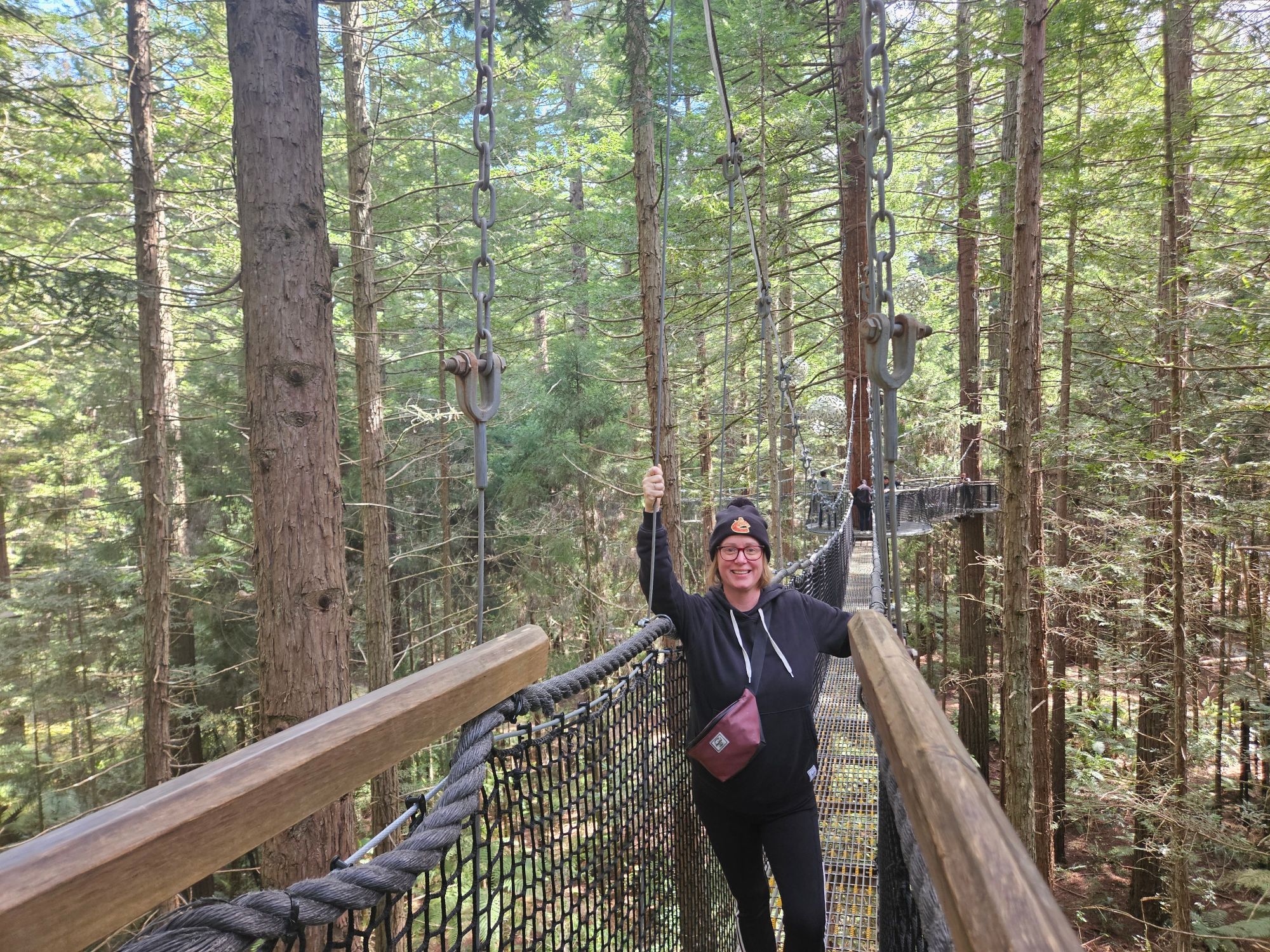
One of the most commercially useful insights Lantela brings home is a clearer framework for how to position New Zealand's two main islands to clients. The South Island, she explains, skews cooler, more mountainous, and more adventure-oriented, home to bungee jumping, skiing at Queenstown, Milford Sound, and Mount Cook. The North Island runs warmer, more tropical, and more culturally layered, with geothermal parks, historic Māori sites, world-class wine regions, and the kind of immersive indigenous experiences that Lantela now considers essential to any full understanding of the country.
Her recommendation for the ideal New Zealand traveller has also sharpened. She sees young families of four as the perfect fit, particularly those open to an RV road trip that allows flexibility and spontaneity. "There's so many amazing hikes on both islands, reef ecology tours with stingrays, art deco walking tours in Napier, the Hobbiton set, geysers, luging," she says, describing a destination where no two days need look alike. For families willing to lean into both the cultural and adventure sides of the country, New Zealand rewards generosity of spirit and schedule.
The Insider Edge: Timing Is Everything

For clients ready to make the commitment, Lantela's most practical piece of advice concerns timing. Shoulder season travel, particularly November or March through April, can unlock economy airfares in the range of twelve hundred to thirteen hundred dollars for the thirteen-hour direct Air New Zealand flight. RV rental rates and activity costs also tend to dip outside peak periods, making the already-significant investment considerably more manageable for families. "It's all about timing on when you want to go," she says simply, and for a destination requiring this level of logistical commitment, the savings can be meaningful.
She also encourages advisors and clients to think bigger than a single island, or even a single country. Given the distance involved, combining both islands with two weeks in Australia may represent the most satisfying use of the journey. A full month on the ground, she now believes, is the only way to truly do the region justice.
A Perspective Permanently Altered
Lantela returned from the North Island having revised her professional recommendations in one significant way. Where she once might have suggested two weeks for a New Zealand itinerary, she will now advocate firmly for longer. "It's such an investment for your flights, your time on the flights, and the time you're going to have to take away," she says. "You really would probably want to try and combine seeing both islands while you were there, if not Australia as well."
First-hand experience has a way of expanding the imagination, and for Lantela, the North Island of New Zealand did exactly that. As she looks toward her next adventure, a family Christmas trip to Mazatlán, she carries with her not only a new set of destination insights, but a renewed conviction that the most meaningful travel goes well beyond the sights on the itinerary. It lives in the stories shared over a hāngī fire, in the faces of people proud to share their culture, and in the quiet realisation that a place you thought you knew can still find ways to surprise you.