Travel advisor Jennifer Danter journeyed through Morocco with G Adventures Nat Geo and came back with something no brochure could ever offer: the layered, sensory, deeply human intelligence that only comes from actually being there.
At a Glance
Morocco's defining character emerges through layered contrasts: Fez's working medina where artisanal craft blends seamlessly into daily life, Merzouga's Sahara where silence feels steady rather than empty, and Marrakech's pulse. The country rewards curious, culturally minded travellers willing to engage with centuries of coexisting cultures, best experienced through group travel with local guides who provide context and access independent travellers cannot obtain.
"The water I step in is not the water I stand in." That line kept surfacing for Jennifer Danter as she travelled from Casablanca to Fez, across the dunes of Merzouga, and into the pulse of Marrakech. It is a meditation on Morocco's defining tension, a place where everything shifts, yet nothing lets go of its roots. And it is, as Danter now tells her clients, the most honest way she knows to describe what awaits them.
Danter recently completed a G Adventures Nat Geo Morocco trip, the kind of first-hand fam experience that transforms a travel advisor from someone who recommends a destination into someone who truly knows it. What she brought back was not just a collection of highlights. It was a full emotional arc, wonder and immersion in Fez, profound stillness in the Sahara, and a quiet human moment over mint tea that she says she will never quite shake.
Fez: A Market Fever Dream
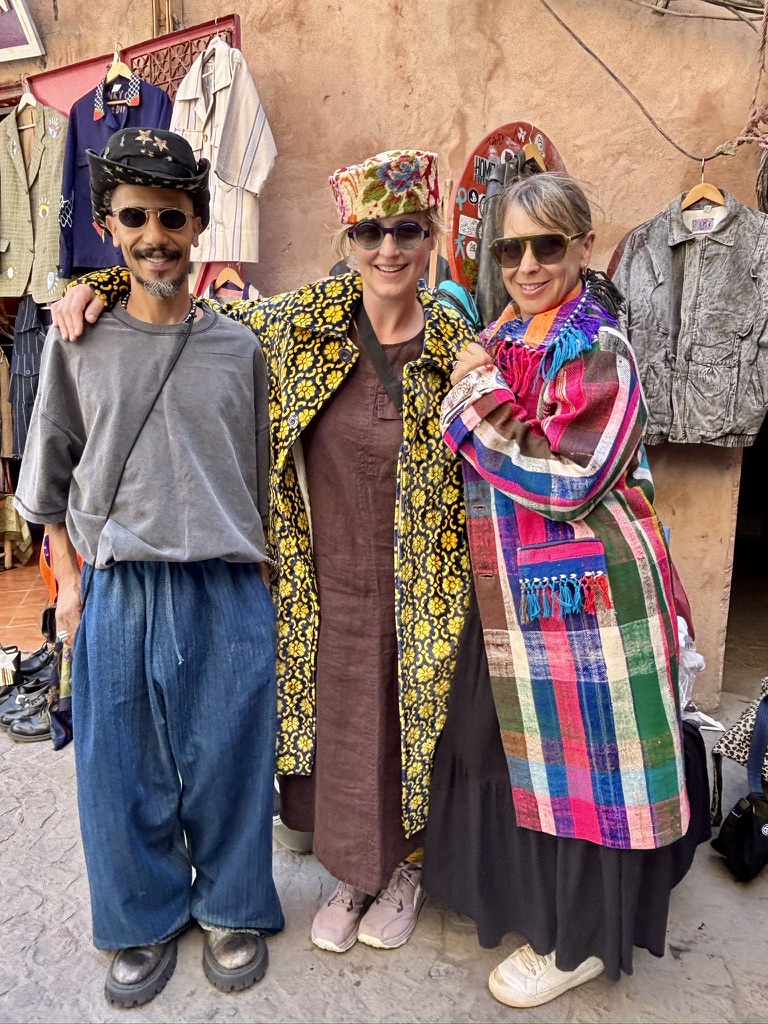
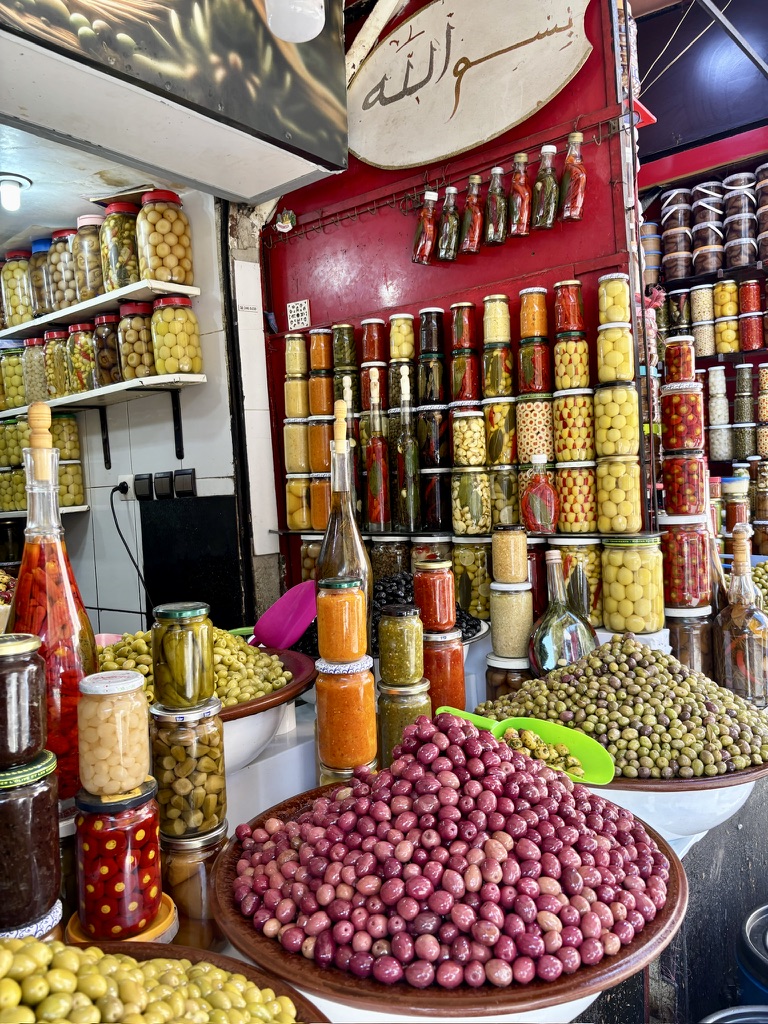
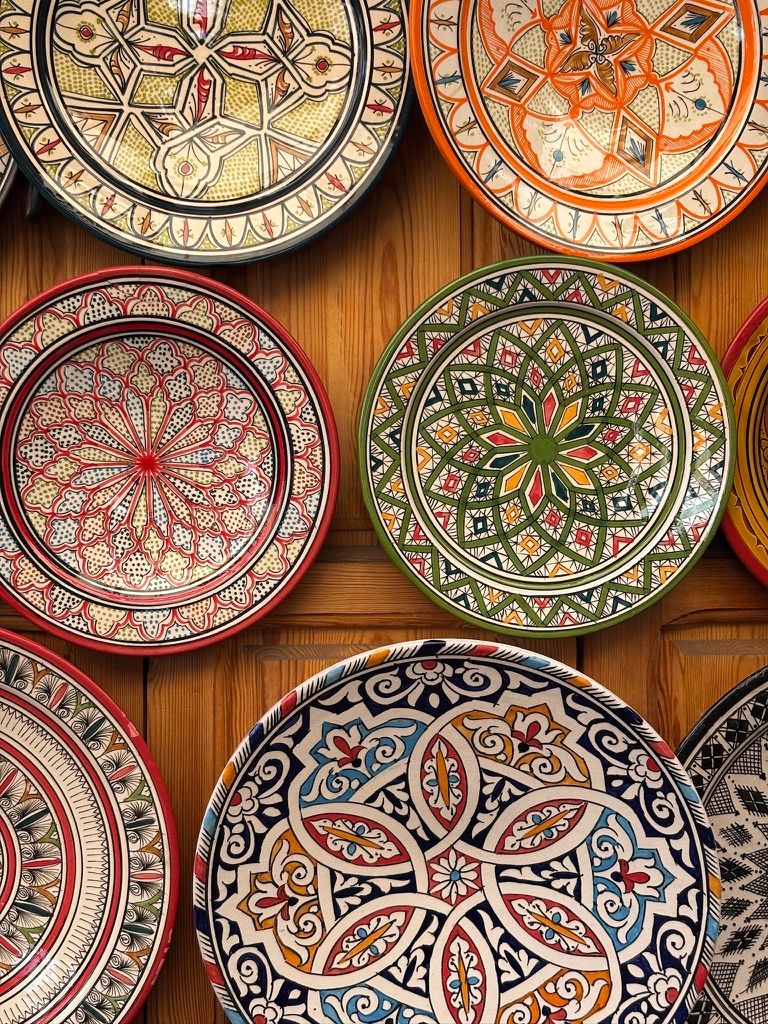
For Danter, Morocco's interior city was the turning point. "Fez is where Morocco really clicked for me," she says. "The medina is a working city, a market fever dream where artisanal craft folds seamlessly into daily life." Potters chip mosaics by hand. Tagines and plates take shape on foot-powered wheels, finished with careful hand-painted detail that borders on obsession. Brass workers hammer pots and bracelets with time-weathered tools. Food stalls blur together, fruit sellers and butchers and olive vendors and bakers slapping dough onto glossy black dome griddles where it puffs and sizzles in seconds.
Danter was particularly drawn to the design language woven through it all: geometric patterns rooted in Islamic and Arabic art, Berber wildflower motifs, and the six-pointed Star of David appearing as a quiet symbol of the destination's layered cultural coexistence. And then there is the tannery. She describes it simply as a full five-senses experience you will not forget. What struck her most deeply, though, was the absence of performance. "This is craft as daily life, not performance," she says. Nothing in Fez felt polished for tourists. It felt, instead, like being allowed inside something real.
Beyond the medina, the contrasts Morocco holds so effortlessly were on full display. Donkeys and mopeds muscle through alleys that have not widened in centuries. The call to prayer drifts over cafés where cold beer sits beside mint tea. TikTok teenagers still greet elders with a hand to the heart, a gesture, Danter notes, warmer than anything you can translate.
Merzouga: Where Silence Is Steady
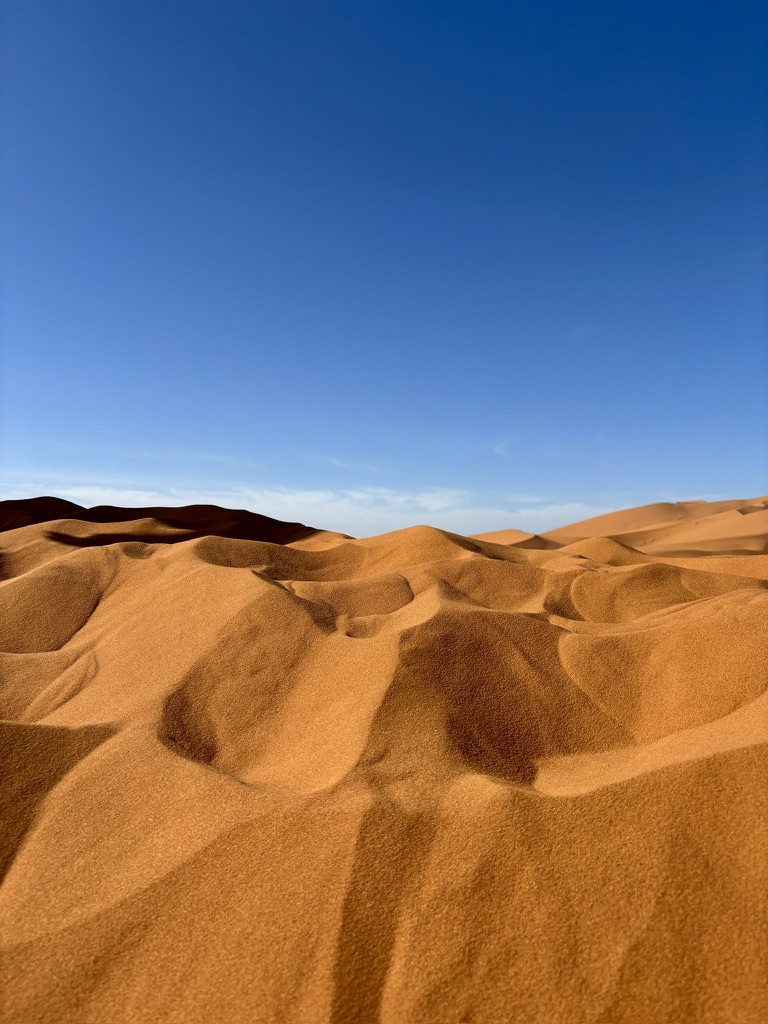
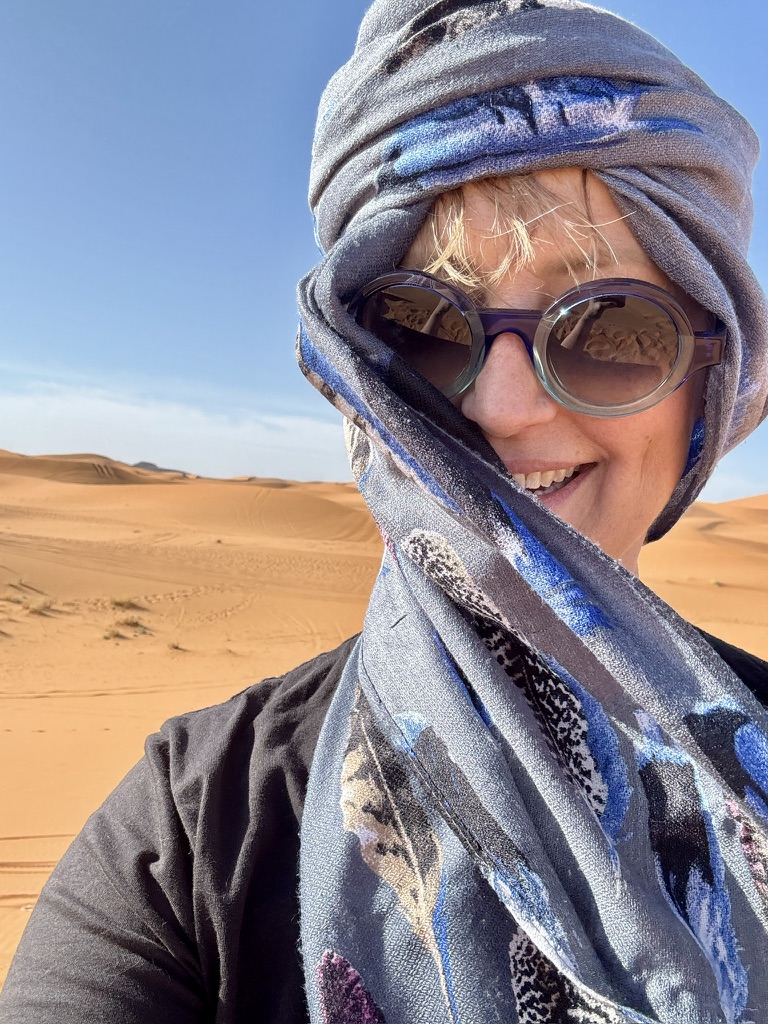
From Fez, the group moved south toward the Sahara, and Danter says the energy flipped completely. After the sensory overload of the medina, Merzouga slowed everything down. The lodge backed directly onto the dunes, and the group, by her own admission, were like kids, wandering, climbing, and sliding in the sand.
What she found in the desert surprised her. "Silence works differently here," she says. "It isn't empty; it's steady. Light shifts fast, the sand changes colour by the minute, and the scale makes you feel small. When night comes, the sky goes full IMAX." For clients asking about the classic camel ride, Danter's advice is clear and practical: skip it, take the 4x4s instead. It is the fastest way to grasp the true scale of the landscape, modern engines spraying sand, slipping over horizons, hypnotic Berber music pulsing from the windows. Almost too good, she says.
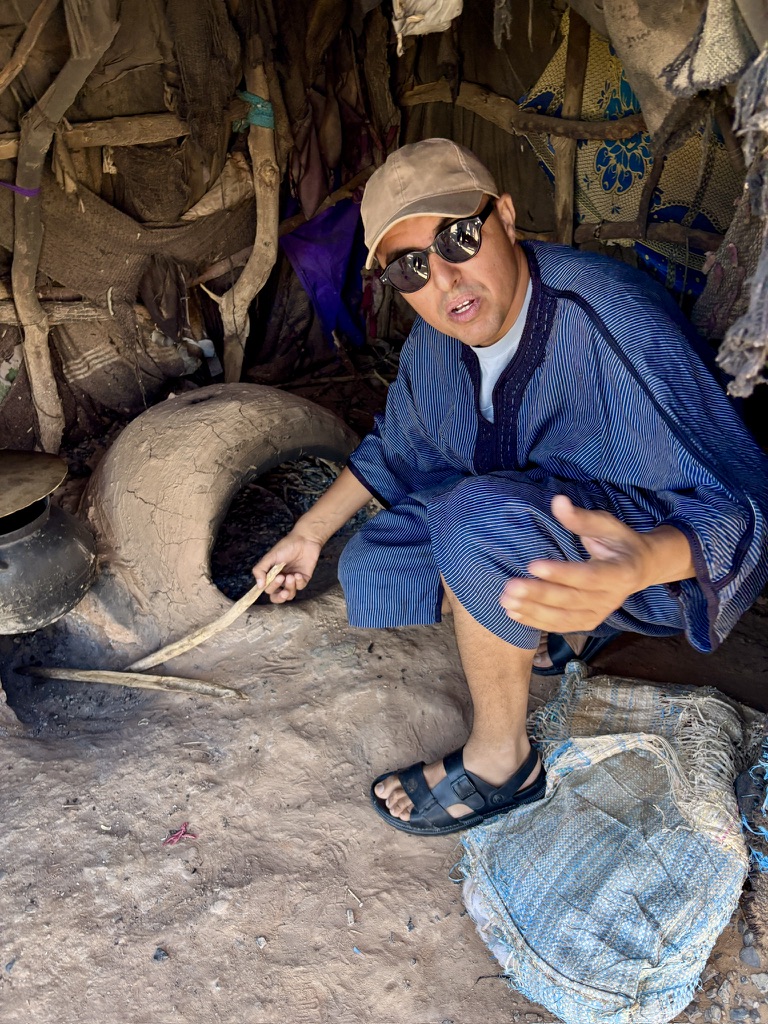
A stop in Khamlia to hear Gnawa musicians followed that wide-open freedom, echoing an earlier visit to the Dar Jamai Museum in Meknes, where sound and space work together to tell the deeper story of Berber music. And then came the moment Danter describes as the rawest of the entire trip. "My most raw moment came over mint tea, dipping home-baked flatbread into date molasses with a local family our CEO knew." She pauses before landing on the two words that carry everything. "People endure."
A Country on the Move
Morocco is not standing still, and Danter came back acutely aware of the window of opportunity her clients are looking at. The country's FIFA World Cup momentum is reshaping infrastructure in real time. Stadiums across Rabat, Casablanca, Agadir, Marrakech, Fez, and Tangier are newly built or freshly polished. Ibn Battuta Stadium in Tangier now seats more than 75,000 fans. A new Grand Stade Hassan II is on the horizon. For curious, culturally minded travellers, the rail system may matter even more. High-speed trains are tightening the seams between cities, turning long transfers into manageable hops and leaving more time to get beautifully lost in the places that actually matter.
Danter is direct about who this destination is built for: curious travellers, art and architecture lovers, history enthusiasts drawn to the layered stories of cultures living together across centuries. Active travellers who want to touch and feel landscapes, whether desert dunes, mountain trails, or Atlantic beaches, will find Morocco exceptionally generous. And yes, soccer fans have every reason to pay attention right now.
Her insider tip is characteristically specific. Mint tea gets all the attention, she says, but travellers should keep an eye out for spiced coffee. The blend varies by seller, cinnamon, cardamom, ginger, nutmeg, cloves, even a little black pepper, and the experience of stopping at a spice shop to find a house blend is one of those small, unhurried pleasures that turns a trip into a memory. Bring some home, she suggests, and your morning coffee will have considerably more personality.
Why Group Travel Changes Everything Here
Danter is unequivocal in her recommendation for how to travel Morocco. "Having a local guide gives you context you simply don't get travelling on your own," she says. "They help you understand the customs, navigate cultural differences respectfully, and introduce you to the stories, history and people behind the places you're seeing." For women travelling solo or in small groups, she adds, group travel can open doors in ways that independent travel simply cannot.
It is also, she is quick to note, why G Adventures works so well for this destination. "Their local CEOs aren't just there to get you from A to B. They're storytellers and cultural connectors." That local CEO was the one who knew the family over whose mint tea and date molasses Danter had her most profound moment of the trip. The connection was not accidental. It was the direct result of travelling with people who are embedded in the communities they move through.
G Adventures' partnership with Planeterra, its non-profit community tourism arm, adds another layer of purpose. More tourism dollars stay in local communities. Locally owned businesses are prioritised. "You don't just see Morocco," Danter says. "You understand a little more of it, and your trip can leave something positive behind." For clients who want their travel to mean something, she argues, that matters enormously.
As for what is next on Danter's own travel list, she has her sights set on European Christmas Markets. But Morocco, she says, will stay with her in the way that only the destinations that genuinely move you ever do. She is already looking forward to matching the right clients to this layered, luminous, perpetually shifting country, and to watching it change them, too.