When travel advisor Sam Wallbridge landed in Morocco for the first time, she expected noise, crowds, and overwhelm — what she found instead was mint leaves, quiet medinas, and a desert sunset that stopped her in her tracks.
At a Glance
Morocco's Fes tanneries operate in centuries-old stone vats and are best experienced during Ramadan, when the medinas are calm and the call to prayer creates a collective spiritual atmosphere. Visitors receive mint sprigs to counter the intense smell, and the contrast between luxury riads and ancient craft traditions defines the destination's character.
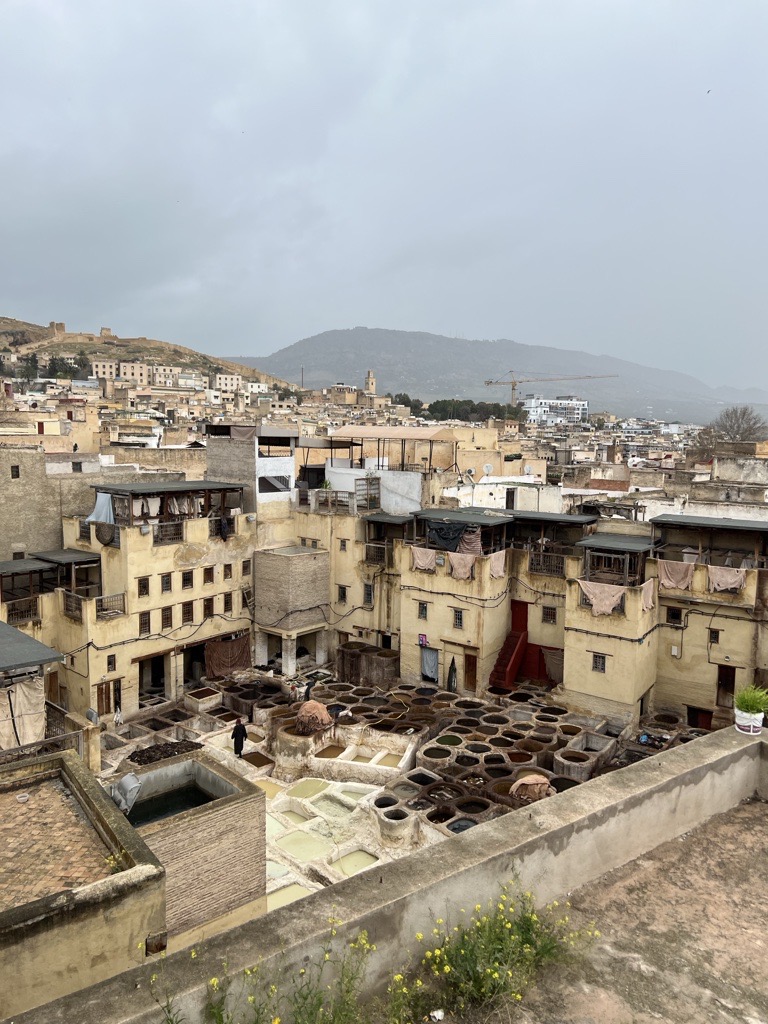
Before entering the tanneries of Fes el-Bali, someone hands you a sprig of mint. It is a small, practical gesture, the kind that only makes sense once you are standing at the edge of a working tannery that has operated in the same stone vats for centuries. The smell tells you everything. The mint, held just below the nose, is your introduction to the raw, living craft of Moroccan leather. It is also, for travel advisor Sam Wallbridge, the kind of detail that no brochure can give you. You have to be there.
In March 2025, Wallbridge joined a FAM trip through Morocco with Insight Vacations, the luxury-leaning sister brand to Trafalgar, Luxury Gold, Contiki, and Brendan Vacations. Over the course of a week, the group traced a route from Casablanca through Rabat, Fes, Marrakesh, and Essaouira before returning to where they began, guided throughout by their tour director, Mohammad. It was, by any measure, a highlights reel of one of Africa's most storied destinations. For Wallbridge, it was something more personal. It was her first time on the continent.
Arriving Into Ramadan
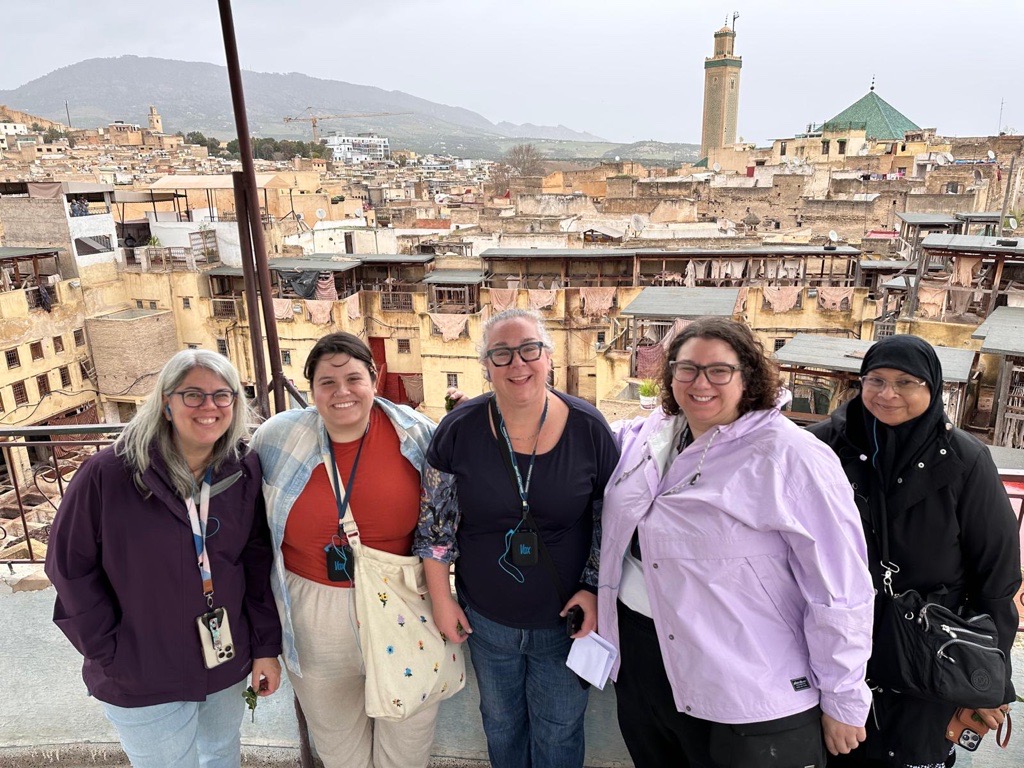
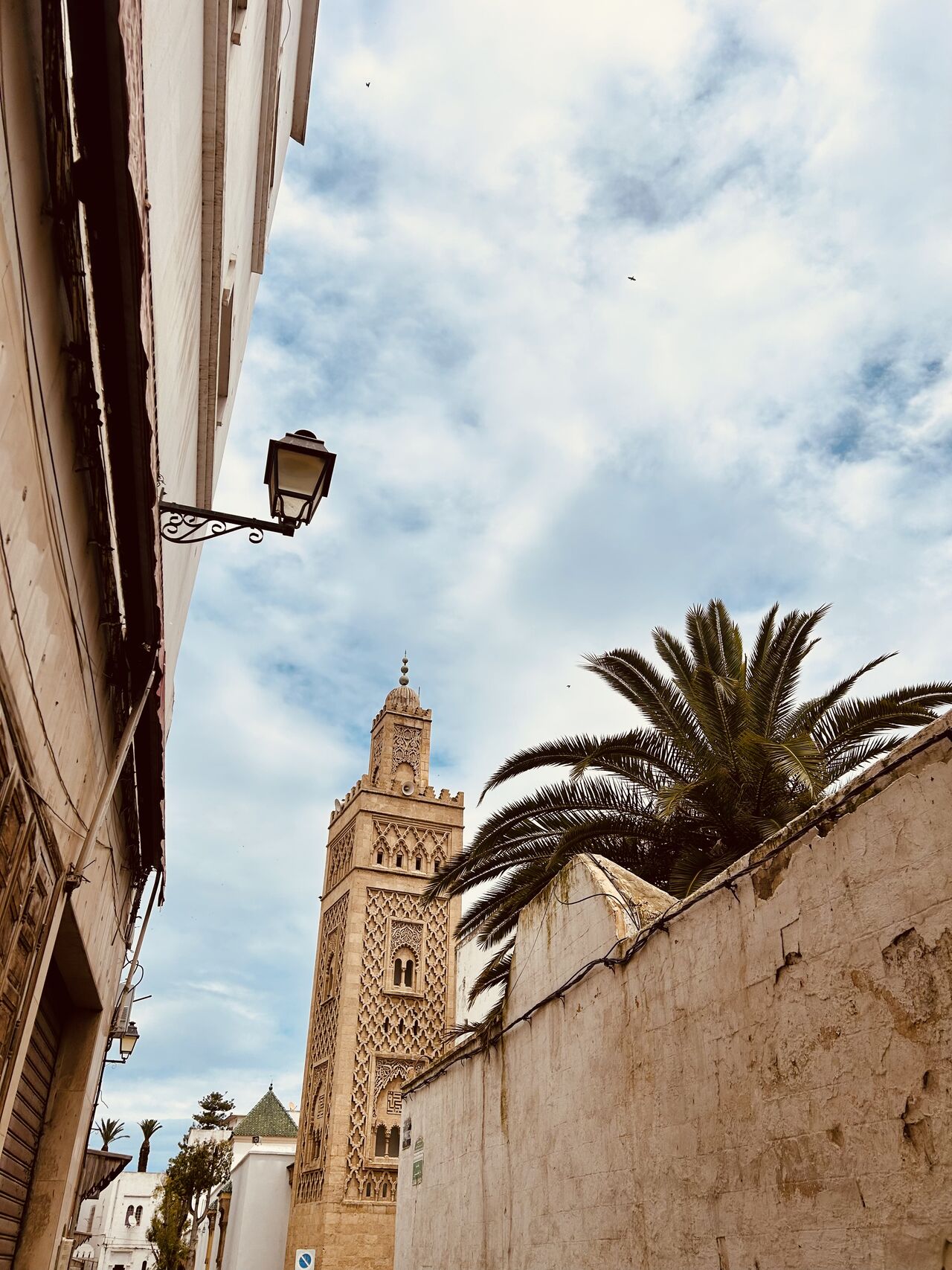
The trip unfolded during Ramadan, a timing that might give some travelers pause but proved, for Wallbridge, to be one of the journey's most quietly extraordinary dimensions. The streets were unusually still. The medinas, ordinarily thronged with visitors and vendors, were calm. And five times a day, the call to prayer rose across the rooftops of every city they passed through. Wallbridge describes the sound as "mesmerizing as we listened to the whole of the city participate." There was a collective quality to it, something that made the scale of the faith feel immediate and real rather than distant and abstract.
That sense of shared observance extended to the people traveling alongside her. Mohammad and the group's bus driver were both fasting for the entirety of each day's journey, declining to eat even though the distances they covered would have permitted them an exemption under Islamic guidelines. It was a quiet act of devotion that Wallbridge noticed and has not forgotten. Details like that, she says, are what separate the experience of going somewhere from the experience of truly seeing it.
Fes: Where the Luxury and the Grit Stand Side by Side
If there is a single sequence that captures the full texture of the Morocco Wallbridge experienced, it is the group's time in Fes. It begins at the Fes Marriott Hotel Jnan Palace, where the welcome alone sets the tone. A group of musicians playing traditional instruments, some of which Wallbridge had never encountered before, greeted the group on arrival. Then came the hotel itself. Wallbridge describes it as "one of the fanciest I've ever been to," with ceilings that were "extraordinary with intricate designs and grand chandeliers." Before dinner, each guest was invited to select a caftan from the hotel's collection. They ate from tagines. Live musicians played.
The following morning brought a different kind of immersion. The group visited an equestrian hospital that cares for the working donkeys and horses of the region, an organization that receives a portion of the tour's proceeds. From there, they wound into the labyrinth of the ancient medina, past carpet collectives and into the tannery itself, mint in hand. The contrast between the gilded ceilings of the night before and the centuries-old stone vats of the tannery the next morning is the kind of juxtaposition that Morocco delivers without apology, and that Wallbridge now considers one of the destination's defining qualities.
The Desert at Sunset
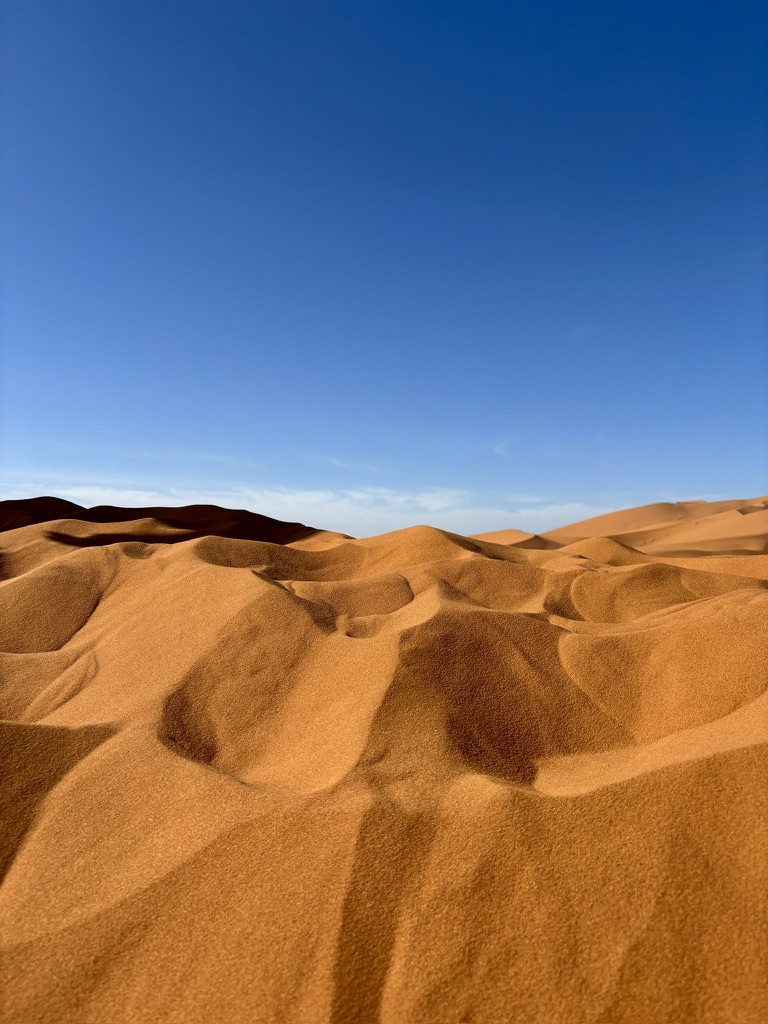
Marrakesh brought a free day, and Wallbridge used it well. A smaller group broke off for an optional excursion into the desert outside the city, where they rode ATVs across the landscape before settling in to watch the sun go down. "We rode ATVs before we watched the sun set over the desert with dinner," she recalls, and the simplicity of the description does nothing to diminish the image. Dust, speed, the fading light over an open horizon, and then a meal. It is the most cinematic beat of the trip, and the one most likely to appear in the retelling.
What She Wishes She Had Done Differently
Wallbridge is candid about the moments that challenged her. Morocco's market culture runs on negotiation, and while several of her tour companions leaned into it with enthusiasm, she found herself hesitating. "While some of my tour mates loved the art of the bargain, I struggled," she says. "I always felt like I'd insult by underselling, but more often than not it seemed like the vendor would be disappointed if I didn't participate." It is an honest admission, and a useful one for any client heading to the souks for the first time. The haggle is not aggression. It is a form of conversation, and sitting it out, as Wallbridge now understands, is its own kind of missed connection.
She offers other practical wisdom freely. Morocco's March weather is more variable than most travelers expect. Wallbridge found herself constantly layering up and stripping back down, navigating warm afternoons, cool mornings, and unexpected rain within the same day. Loose, breathable fabrics and a good layering system are not optional. They are the wardrobe of someone who has actually been there.
Who Should Go, and How
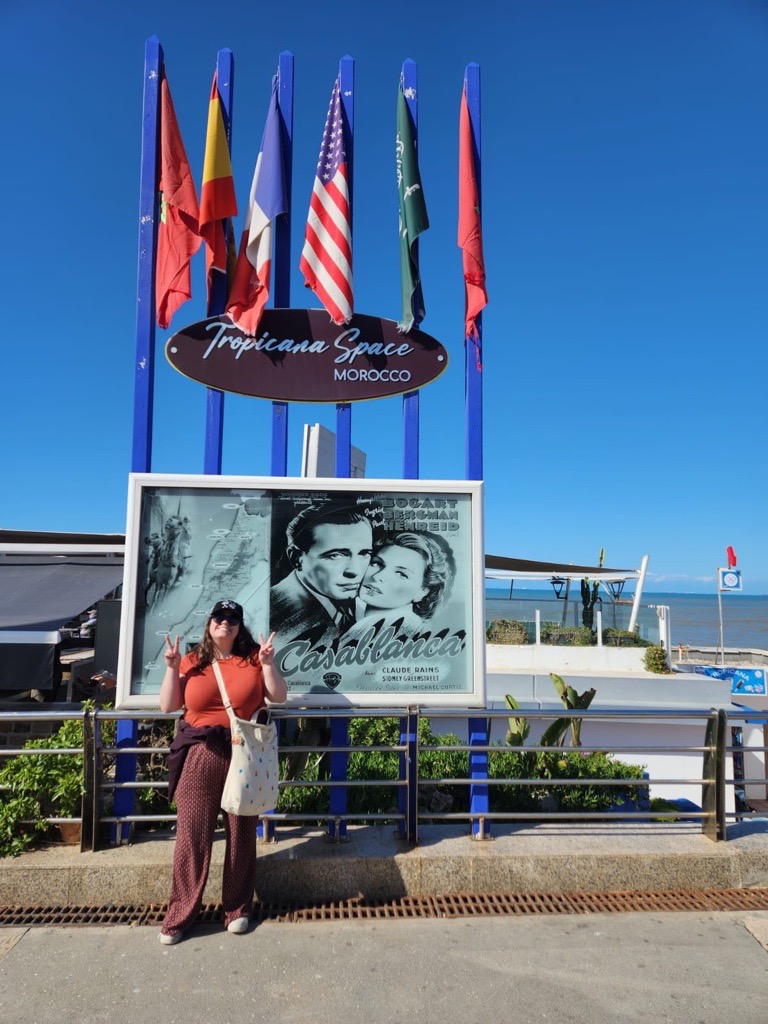
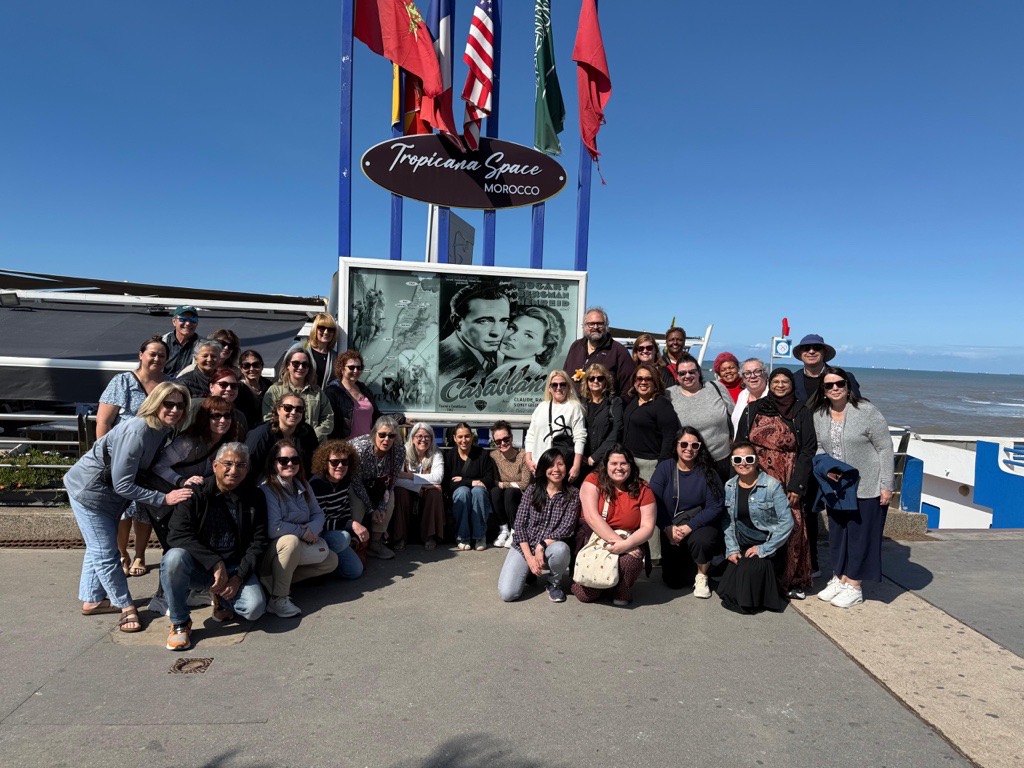
Wallbridge is clear-eyed about who this trip is built for. Morocco rewards the curious: those drawn to desert landscapes, layered architecture, living craft traditions, and the kind of local encounters that a well-designed tour itinerary makes possible. Each city on the route brought its own identity. Casablanca carries the weight of its cinematic mythology. Rabat offers the grandeur of the palace. Essaouira opens onto a long, beautiful beach. Fes holds its medinas like a secret.
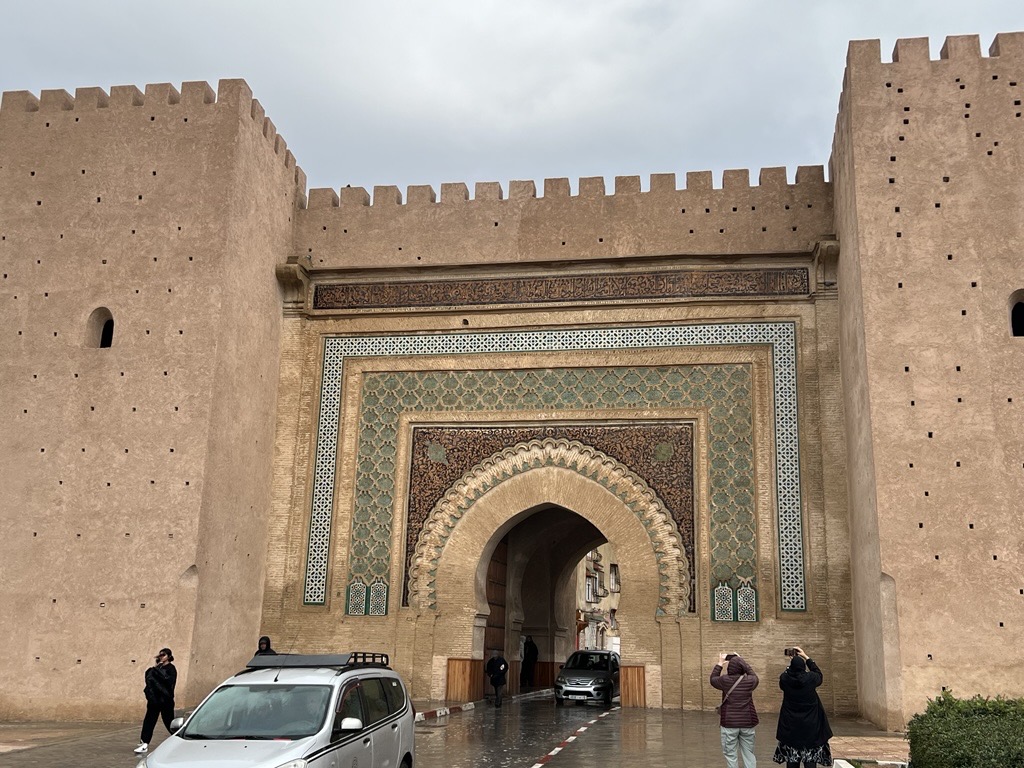
She is equally direct about the value of going with a structured operator rather than attempting it independently, particularly for first-time visitors. "Morocco is not as intimidating as people make it out to be," she says. "With a tour, the experience was so rewarding, and I learned more about it than I would have going solo." The tour format, in her view, is not a concession to comfort. It is the mechanism through which a destination like Morocco becomes genuinely accessible, its layers peeled back with the help of someone who knows where the mint is kept and why it matters.
What Comes Next
Wallbridge returned from Morocco not satisfied, but hungry. There is more of the country she wants to see: Marrakesh at her own pace, and the blue-walled city of Chefchaouen, which did not appear on this itinerary. But the horizon she is most fixed on is Egypt. "I've been fascinated by it since I was a kid," she says. "The mythology, the pyramids, the culture — everything." One first on the African continent has already recalibrated what she thought she knew. She is ready for the next one.