Canadian travel advisor Autumn Fiske returned from G Adventures' National Geographic Journeys: North India Highlights with a notebook full of insider knowledge, a deep respect for the subcontinent's chaos, and a passion for helping her clients experience it all with open eyes.
At a Glance
The Taj Mahal reveals its true magic during early morning hours when the marble shifts from grey to peach to brilliant white as the sun rises, while crowds remain minimal. Visiting before dawn transforms the experience from a checklist landmark into a color-shifting spectacle that showcases northern India's layered architectural heritage.
There is a moment, early in the morning, when the Taj Mahal is still half-swallowed by shadow and the sky begins its slow shift from indigo to rose gold. For Autumn Fiske, a Canadian travel advisor a couple of years into her career, that moment was the kind that rewrites what you thought you knew about a place. It was also the moment that confirmed exactly why first-hand experience is the most valuable tool in a travel advisor's kit.
Fiske had applied for a travel advisor FAM trip that G Adventures was offering to India, and when the confirmation came through, she was thrilled. The itinerary: an eight-day immersion into the north of the country through G Adventures' National Geographic Journeys: North India Highlights. What she came back with was far more than a checklist of landmarks visited. It was a layered, sensory education in one of the world's most complex and captivating destinations.
A Melting Pot Written in Stone
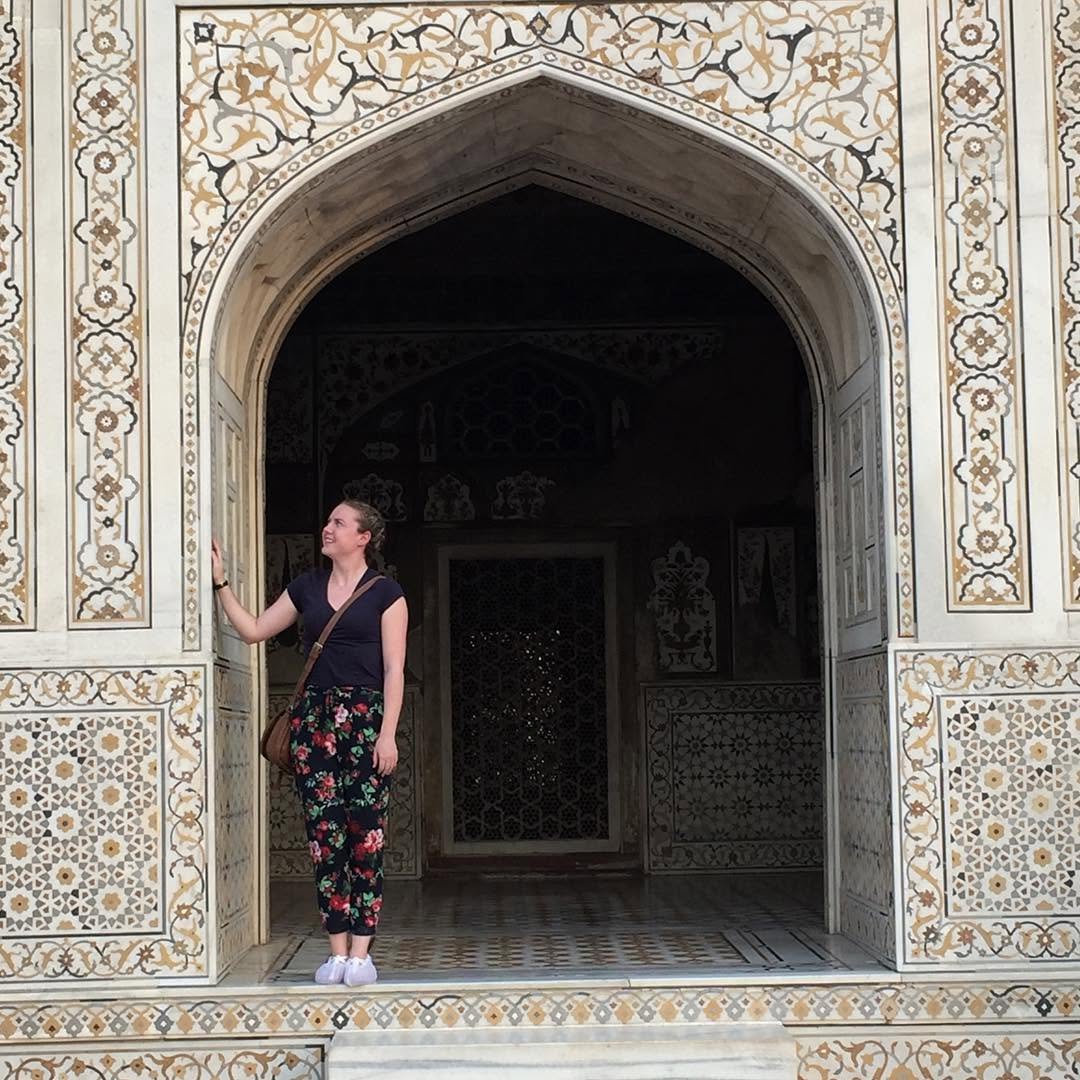
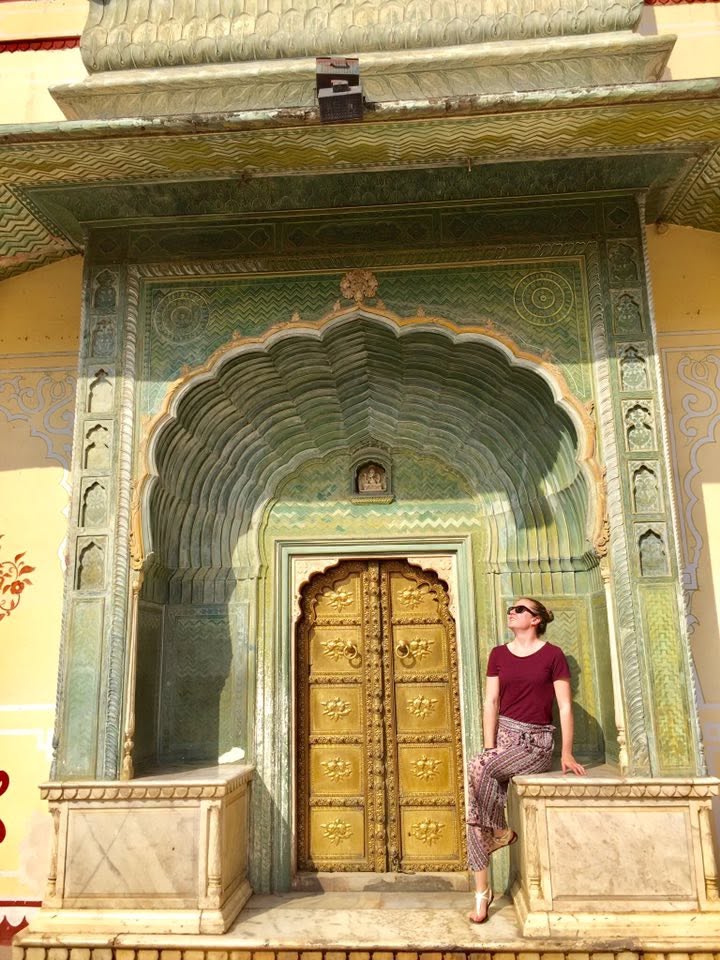
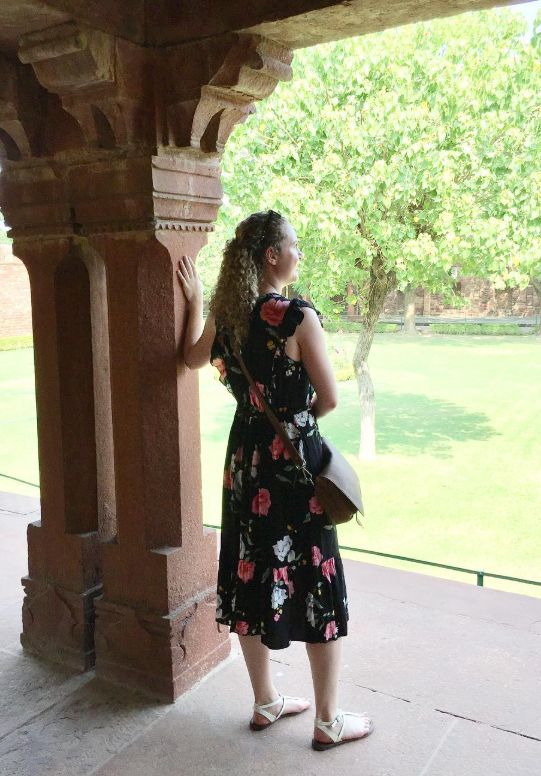
From the very first days in the field, Fiske found herself drawn to the architecture of the region, not simply as a backdrop but as a living record of the civilisations that had shaped northern India across the centuries. "For centuries, northern India has been a melting pot of religions and cultures," she reflects, "and nowhere is this legacy more apparent than in the region's incredible architecture." Temples, royal palaces, and towering monuments told stories that no guidebook could fully capture, and Fiske made it her mission to absorb as much of it as possible.
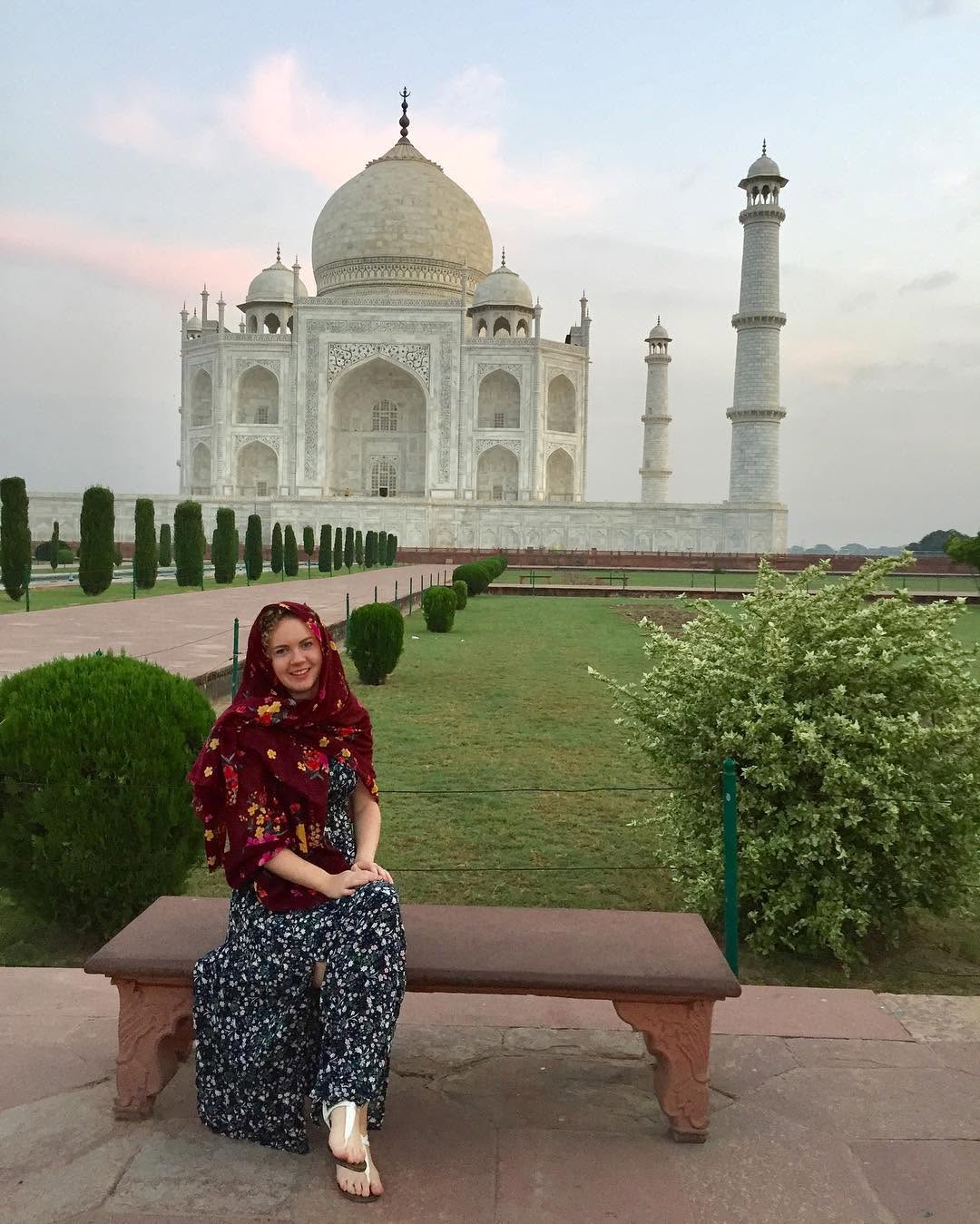
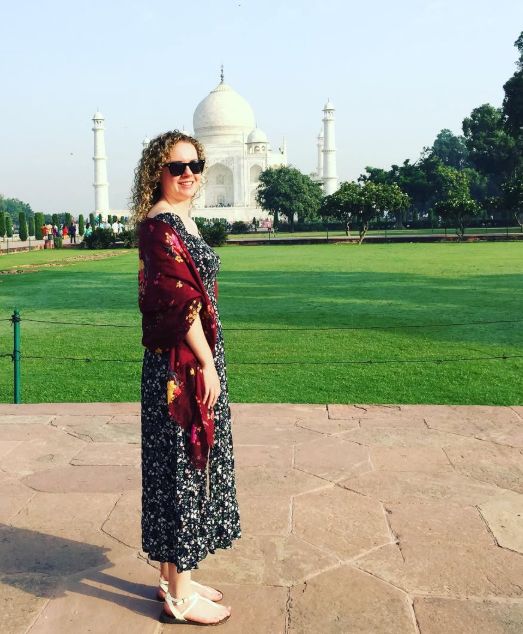
The centrepiece of any North India journey, of course, is the Taj Mahal. But Fiske came back with advice that most first-time visitors simply do not know: the iconic mausoleum is not just a single image. It is a colour-shifting, living spectacle, and the early morning hours are when its magic is most potent. "The Taj Mahal changes colour as the sun rises," she notes. "Best to get up very early to see it change and avoid the big crowds." It is the kind of tip that only comes from being there, from setting an alarm before dawn and standing in the cool air as marble transforms from grey to peach to brilliant white.
Beautiful, Brilliant Chaos
If the architecture represented India's grandeur, the streets of Old Delhi represented something else entirely: a joyful, bewildering, endlessly entertaining chaos that Fiske describes with obvious affection. For a group of Canadian travel agents more accustomed to orderly intersections and traffic lights, the rhythms of Indian road life were nothing short of revelatory.
Tuk-tuks darting between lanes, towering stacks of rice bags balanced improbably on handcarts, and the unquestioned authority of a cow wandering through a busy road, stopping all traffic without a single horn of protest. Fiske found herself utterly captivated. "I was fascinated by the chaos, which was normal for locals but a surprise for us agents from Canada," she says. "I could have watched the traffic for hours. Each scene tells a different story." That instinct to observe and absorb, rather than retreat, is precisely what makes Fiske's perspective so valuable to the clients she serves.
Who India Is For, and Who Should Wait
Part of what separates a great travel advisor from a good one is the honesty to say when a destination is not right for a particular traveller. Fiske is candid on this point. India, she explains, is extraordinary, but it is also intense. Travellers who dream of ancient temples, royal palaces, and authentic regional cuisines ranging from complex curries to street-side snacks will find it endlessly rewarding. But those who have never ventured far from home may find the noise, the crowds, and the cultural navigation genuinely overwhelming.
Her insider advice for those who do make the journey is delivered with warmth and humour: pack patience alongside your passport. "If you are able to travel with a lot of patience and a healthy sense of humour," she says, "then we know that you, like all of us, will be captivated by what India has to offer." Trains may run late. Power cuts happen, even in hotels with generators. Menus that look ambitious may yield only a single dish. And everywhere, from guesthouses to temples to busy market lanes, strangers will want to know your name. Fiske frames all of this not as inconvenience but as invitation, the invitation to travel differently, to slow down, and to let a place be exactly what it is.
The Details That Make the Difference
Back in her practice, Fiske has translated every lesson from the trip into a better client experience. She is meticulous about the documentation side of India travel, particularly in light of updated requirements. As of early 2026, the Indian government has mandated that all non-Indian nationals entering the country by air, land, or sea must complete an e-Arrival Card online before arrival, registering within three days of their journey. "When clients book their travel to India through me," Fiske explains, "I provide all of the information and documentation needed, such as the visa application and e-arrival card required." That kind of proactive, detail-oriented support is exactly what travellers booking a complex destination like India need, and it is a service that only an advisor who has been there, done the paperwork, and navigated the nuances can truly offer.
She is equally candid about accommodation expectations, noting that hotels and guesthouses in India vary widely in terms of service, cleanliness, and efficiency, and that even the best properties may not match what Western travellers are used to at home. It is not a deterrent, she insists, but a calibration, the difference between arriving with unrealistic expectations and arriving ready to embrace the full picture.
The Next Chapter
For Fiske, one trip to India was never going to be enough. The north, with its Mughal monuments and bustling bazaars, has only deepened her curiosity about what lies beyond. She already has her sights set on returning to explore the south of the country, before heading onward to Sri Lanka and the Maldives, each destination a new chapter in a story she is clearly only just beginning to write.
It is the mark of a travel advisor who understands that the best recommendation is always the one born from lived experience. Autumn Fiske went to India as a curious professional. She came back as an authority, and her clients are the better for it.