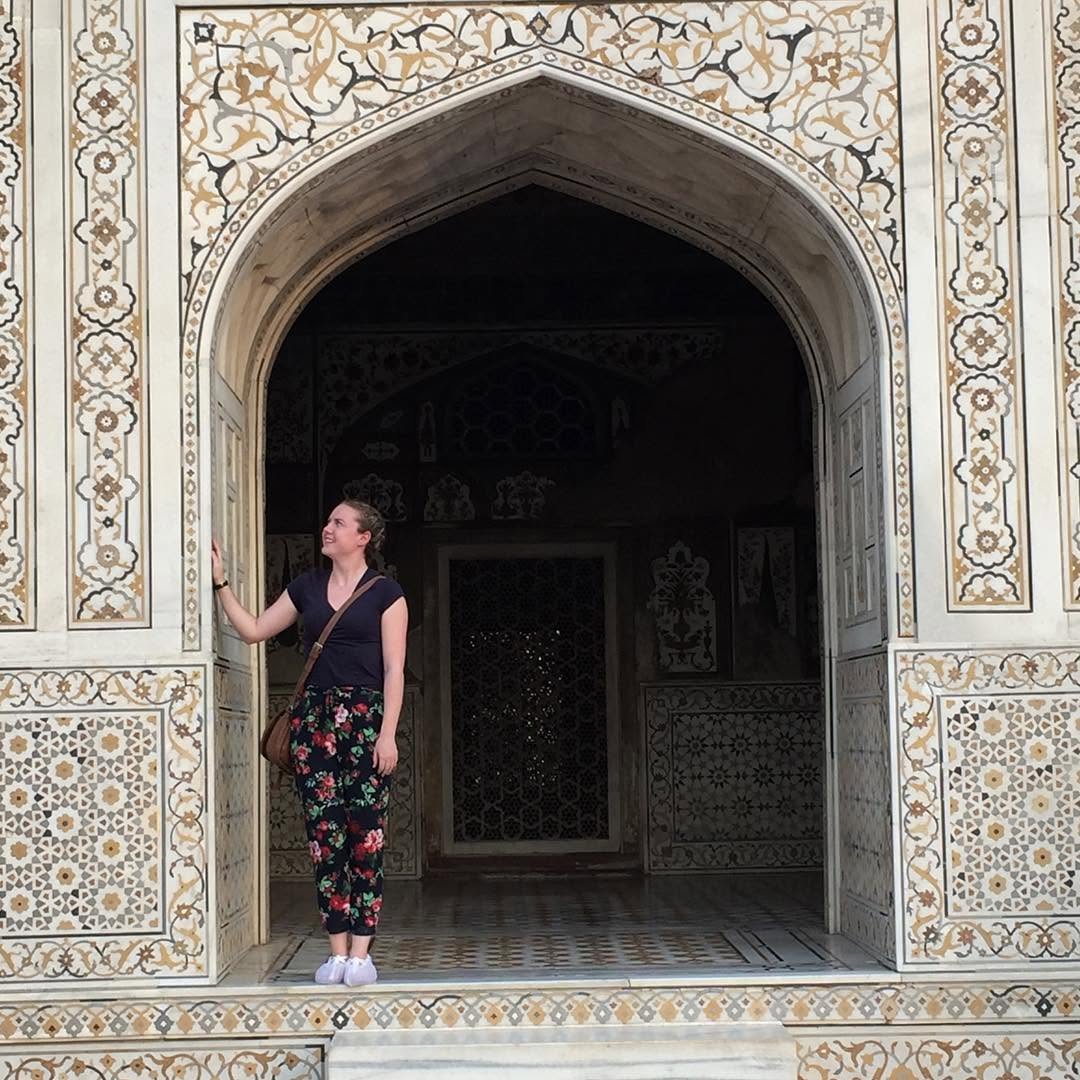
Melonie Eva, travel advisor with The Travel Agent Next Door, returned from India with a renewed mission: to shatter every misconception travellers hold about one of the world's most extraordinary destinations.
At a Glance
India's national parks deliver wildlife encounters rivaling any continent, including Bengal tigers at waterholes alongside elephants, rhinos, and diverse birdlife. Strict permit systems, anti-poaching patrols, and single-use plastic bans reflect world-leading conservation ethics, while expert naturalist guides interpret each encounter in real time.
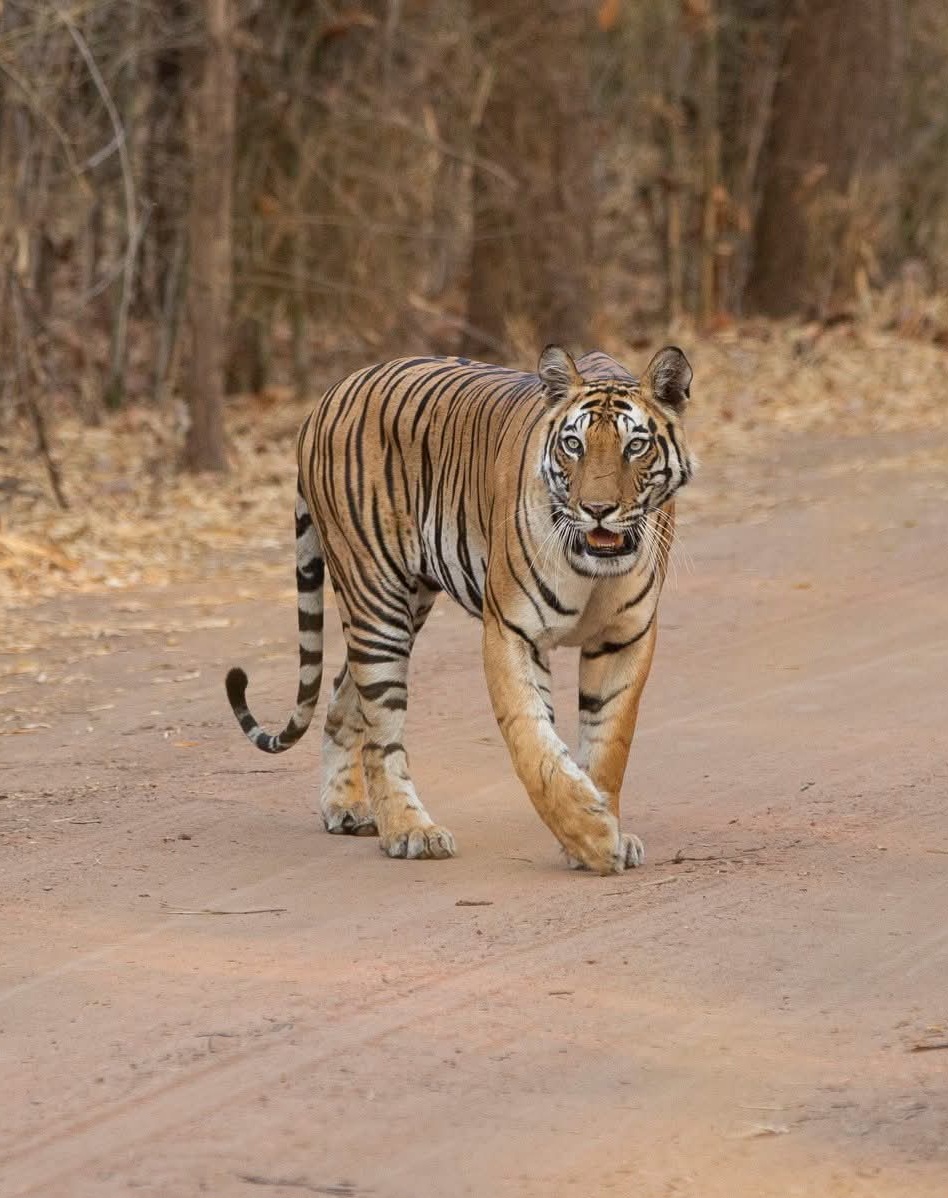
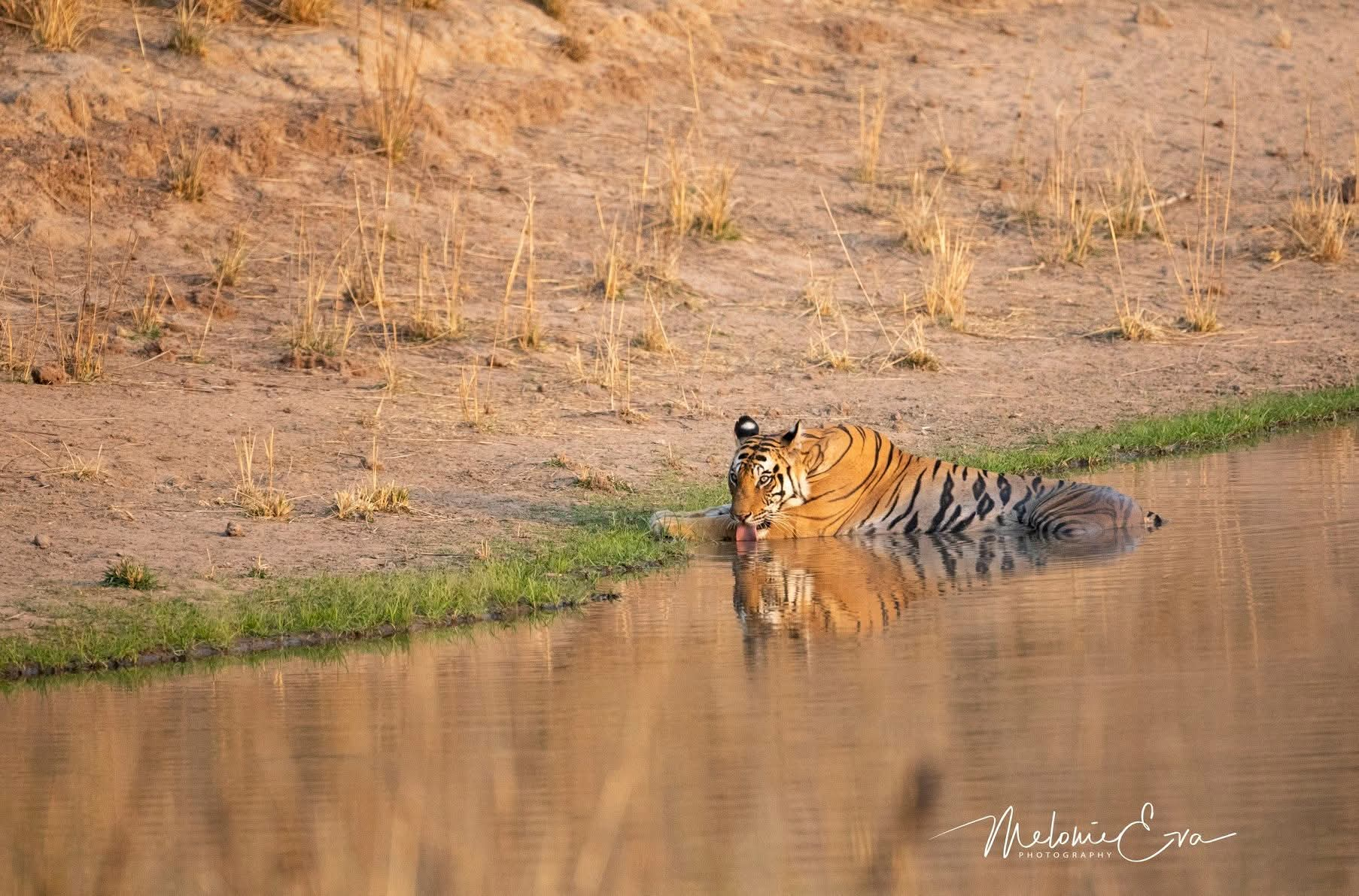
There is a moment, Melonie Eva says, that redefines what a wildlife encounter can be. You are seated at a waterhole somewhere deep in an Indian national park, watching sambar deer wade in from one side and spotted deer pick their way through the undergrowth on the other. Wild boar root at the edges. A peacock fans its tail in the foreground. A jungle fowl steps into the back of the frame. And then, without ceremony, a Bengal tiger emerges from the treeline and drops itself into the water. Everything scatters. The air holds still. Eva describes it as the kind of scene that stays with you long after the flight home.
Eva, a travel advisor with The Travel Agent Next Door, has visited India multiple times, and yet the country continues to reveal new layers. Her most recent trip, planned and operated in partnership with Royal Expeditions, took her through a landscape of temples, royal heritage, and jungles teeming with life. It is a destination she describes simply as "one of my favorite countries in the world to visit," and she has spent years trying to bring more travellers there. The challenge, she says, is not the logistics. It is the perception.
Dismantling the Misconception
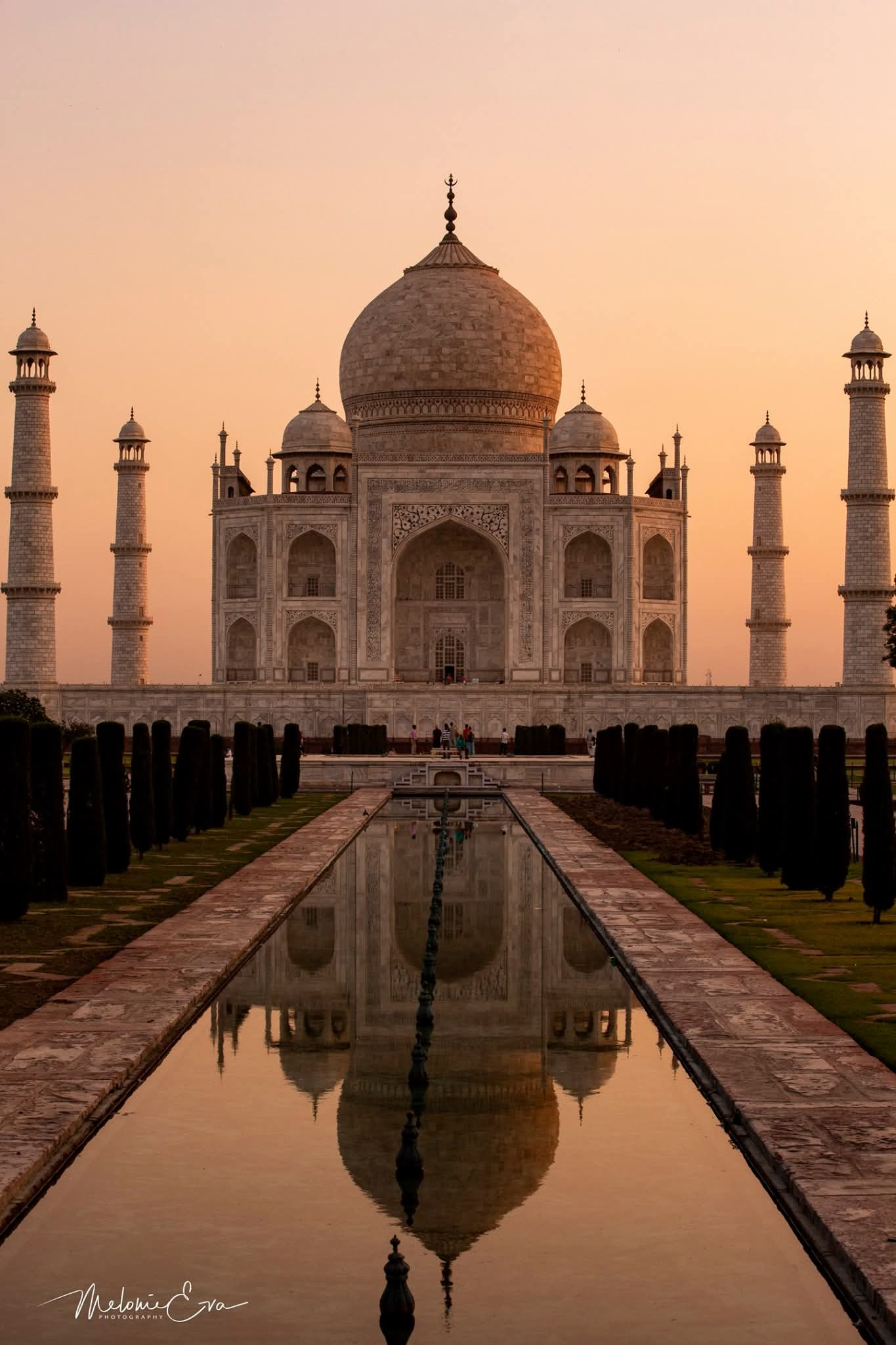
Ask most travellers what comes to mind when they think of India, and the same images tend to surface: crowded cities, poverty, the cultural shorthand of films like Slumdog Millionaire. Eva is direct about this. "I want to show the world that India is not about poverty and slums," she says. "There is so much more to India." On her many visits, she has found a country that is changing visibly, with conservation efforts taking hold, clean-up initiatives underway, and a genuine sense of forward momentum in how the country presents itself to the world.
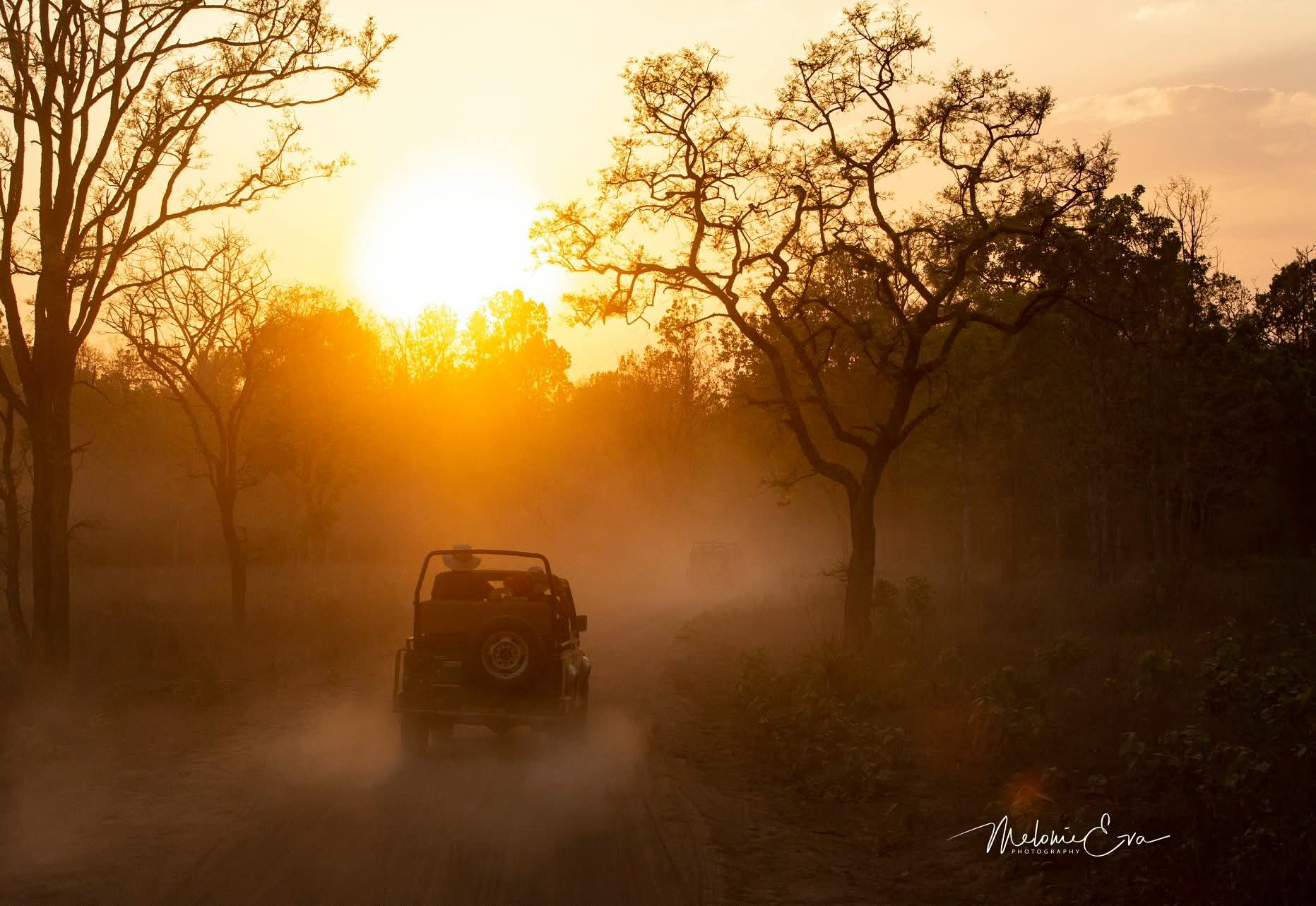
That shift is perhaps most visible in the national parks. Single-use plastics are banned in the jungle areas. Visitors receive one reusable water bottle upon arrival and are expected to leave nothing behind. Anti-poaching patrols are conducted on elephant back. The permit system for entering wildlife zones is strict and deliberately limited, which means demand always exceeds supply. Eva is emphatic that this is exactly as it should be. "There is no human footprint allowed in the jungle in India," she notes, and she sees the country's conservation ethics as genuinely world-leading.
Wildlife That Rivals Any Continent
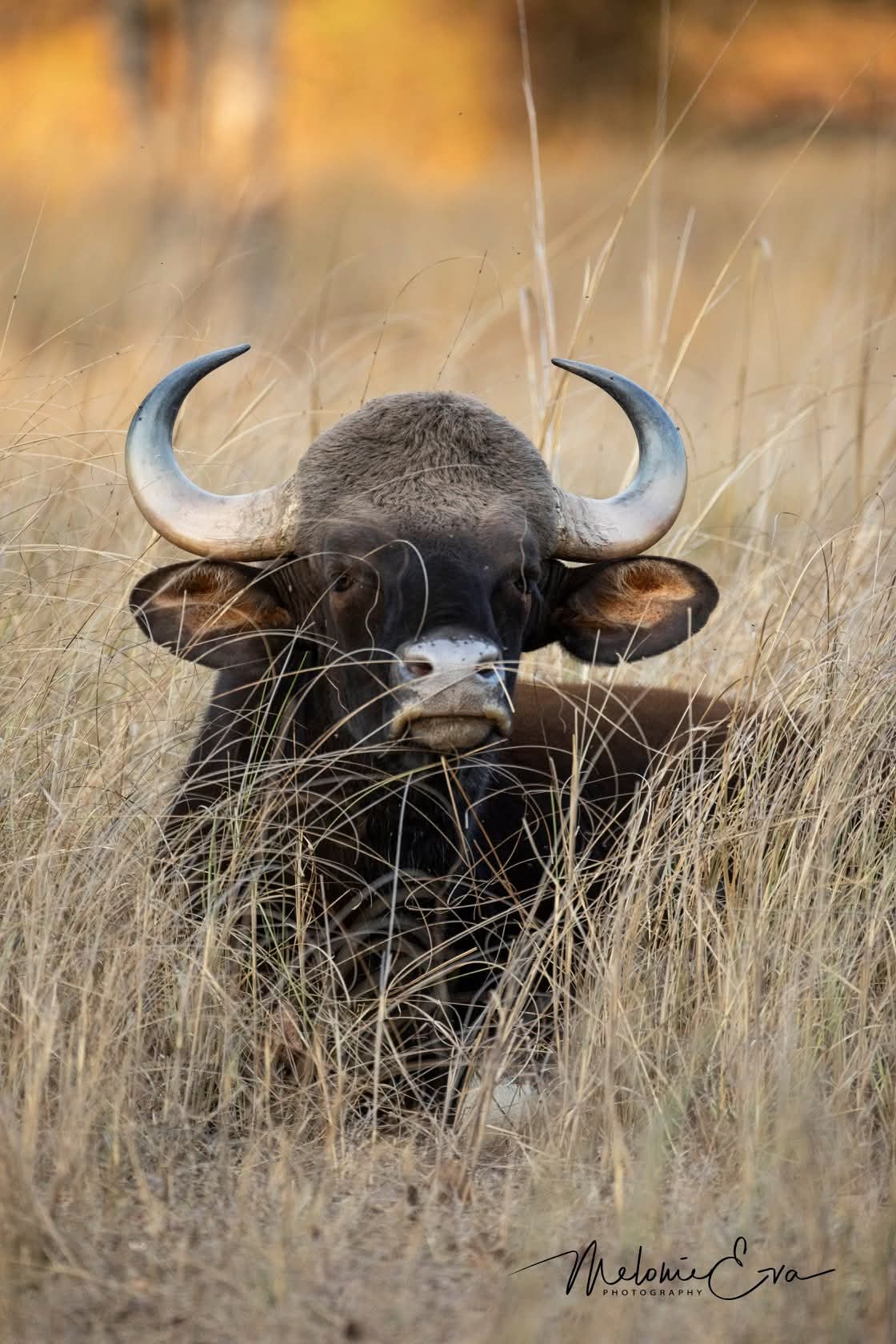
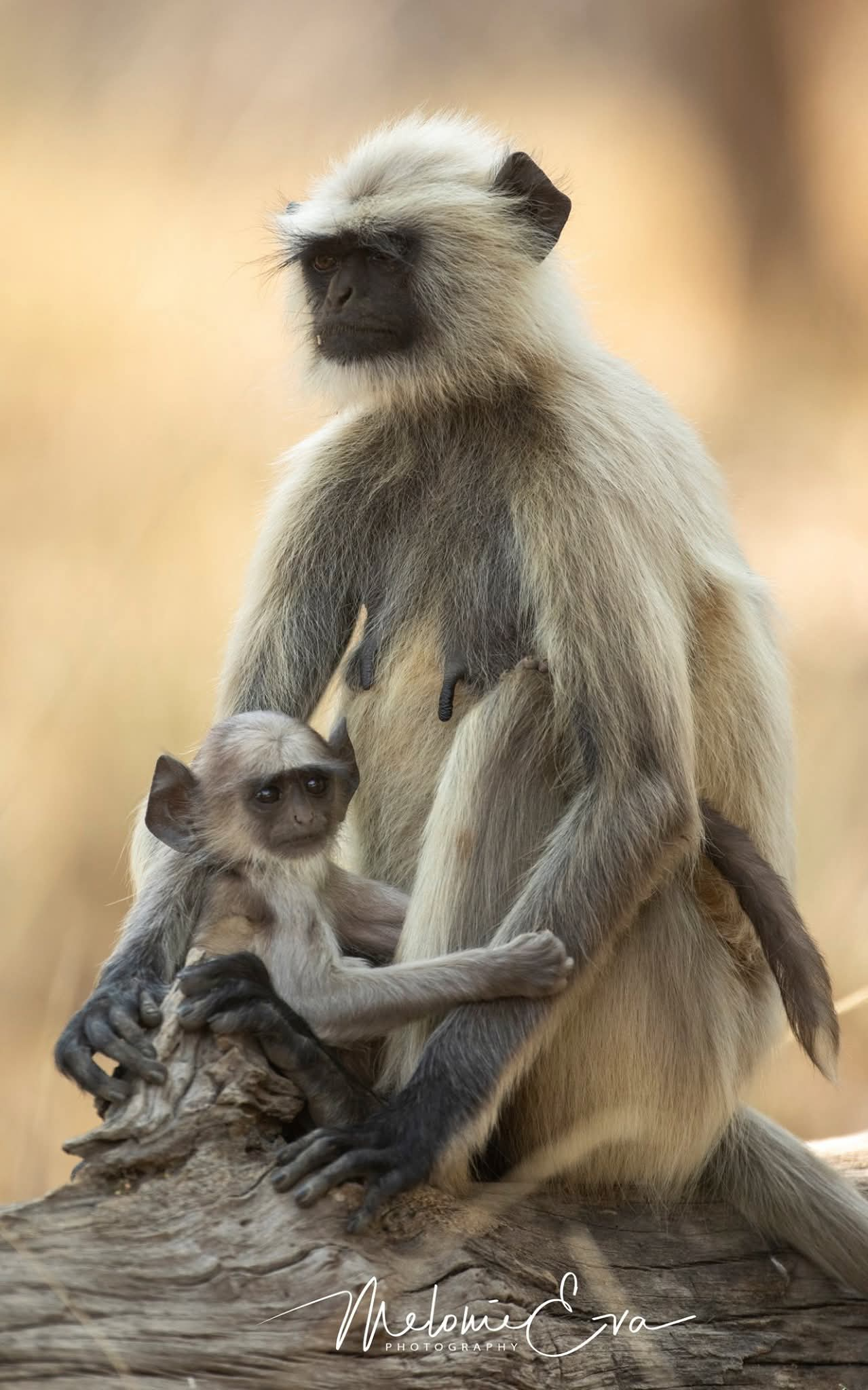
The wildlife revelation is, by Eva's account, the thing that most consistently astonishes first-time visitors. India's reputation as a wildlife destination is overshadowed globally by Africa, but Eva pushes back on that comparison with the enthusiasm of someone who has witnessed both. The subcontinent offers elephants, rhinos, and vast herds of game at a single waterhole. It offers birdlife, she says, that rivals Brazil and Costa Rica, with flycatchers, rollers, bee-eaters, and kingfishers in abundance. And it offers the one thing the African continent cannot: the Bengal tiger.
Eva captures the experience in a single sentence: "The wildlife completely surprises you, and the conservation and wildlife like no place on Earth." Highly trained naturalist guides lead every excursion, interpreting the jungle in real time and ensuring that each encounter, whether with a tiger or a peacock, carries the weight it deserves. For Eva, who is an avid wildlife photographer, this combination of expert guidance and raw, unfiltered nature is what keeps drawing her back.
Planning Is Everything
For all its rewards, India demands preparation, and Eva is candid about the details that can derail an underprepared trip. Permits for the best national parks must be secured well in advance. The permit numbers are capped, deliberately and carefully, and there is no workaround for leaving it too late. Visas require forward planning. Tipping customs, dress codes for religious sites, and seasonal climate considerations all warrant a briefing before departure. April and May bring intense heat, which also happens to coincide with excellent tiger-sighting conditions. December through March offers milder temperatures, making it the natural choice for North American travellers looking to escape winter.
Eva's approach to preparing her clients is thorough by design. "We offer firsthand, step-by-step travel planning," she explains. "I will not leave you in the dark and expect you to figure out how to get a visa or go and find a wildlife permit or how to get an entry ticket into the Taj Mahal." Every detail is handled, from packing tutorials to flight logistics, permits, and cultural briefings. She holds pre-departure Zoom calls or in-person meetings with every client heading to India. It is the kind of preparation that transforms a complicated itinerary into a seamless experience.
Her partnership with Royal Expeditions, a destination management company founded in 1993 by the Princess of Jaipur, is central to how she delivers that experience. Eva has been working with them since 2018 and describes them without hesitation as world-class. "I trust Royal Expeditions," she says. "I've been working with them for quite a few years. They know India."
A Destination for Everyone
One of the more striking aspects of Eva's advocacy for India is how universal she believes the destination to be. Budget travellers and ultra-luxury seekers can both find their version of it. Adventure travellers and wellness retreaters. Culture enthusiasts and wildlife obsessives. Families and solo explorers. "India is for everybody," she says, and she means it without qualification. She struggles to name a type of traveller for whom the destination would not work, eventually concluding that she simply cannot. If you love to travel, India has something waiting for you.
Her itineraries are built to reflect that range. A trip to India, in Eva's hands, typically begins in a cultural hub, moves through the national parks and jungle areas, and ends on an island or coastline where snorkelling and diving offer a final, unhurried exhale. It is a structure she mirrors in her upcoming East Africa itinerary, an 18-day journey through Kenya, Tanzania, and Zanzibar, which departs in just seven days. The parallels between the two continents are not lost on her. "Just like you go on an African safari, an Indian safari is life-changing," she says.
Looking Ahead
Eva's next India journey is already on the calendar: a 20-day, 19-night trip that she is preparing to share with a new group of clients. For her, the work of promoting India is far from finished. The misconceptions are stubborn, but she is more stubborn still. She returns from every visit with the same conviction she arrived with, only sharper and better evidenced. India, she says, is not a destination you can understand from the outside. You have to go. And when you do, she intends to make sure you are ready for everything it offers.