Travel advisor Autumn Fiske traded the familiar Atlantic skies of Halifax for seven transformative days in Iceland, returning with hard-won insider knowledge, a deep respect for a fragile destination, and a burning desire to go back.
At a Glance
Iceland's best aurora viewing occurs September through April, with peak solar activity around the equinoxes in March and September. Beyond the Golden Circle and Blue Lagoon, Diamond Beach on the southeast coast offers a singular experience where glacier chunks wash ashore onto black sand, creating an otherworldly landscape that justifies the journey.
It started with a direct flight. When Autumn Fiske was living in Halifax, Nova Scotia, the existence of a nonstop Icelandair route to Reykjavik felt less like a logistical convenience and more like an open invitation. She accepted it without hesitation. Seven days in October later, she had walked on black volcanic sand, floated in mineral-rich geothermal waters, and stood in the dark scanning a vast sky for ribbons of green light. Iceland, she discovered, is not merely a destination. It is an experience that rewires the senses.
A Golden Circle and a Glacial Lagoon
Fiske's itinerary reads like a greatest-hits tour of one of the planet's most geologically dramatic landscapes. She made the pilgrimage along the famous Golden Circle, pausing at Thingvellir National Park, where tectonic plates visibly pull apart beneath your feet, and standing before the thundering curtain of Gullfoss waterfall. At Geysir, she watched the earth exhale in explosive bursts of steam and boiling water. She wandered through Skógar Museum, taking in traditional turf-built homes that speak to the ingenuity of people who learned to live within, rather than against, a demanding land. And at Jökulsárlón glacial lagoon, she gazed out at a procession of floating icebergs, sculpted by time and tide into shapes no artist could plan.
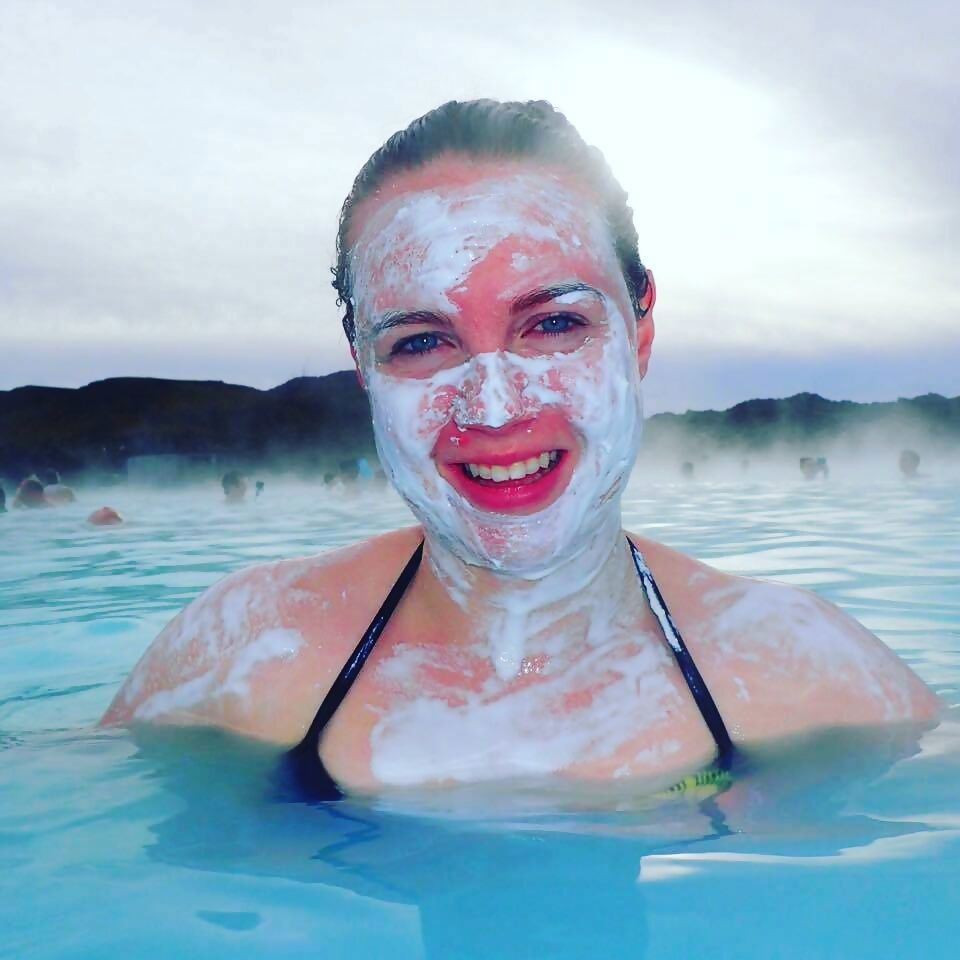
Then there was the Blue Lagoon, where Fiske, like so many before her, surrendered to the warm, silica-blue water and simply exhaled.
Diamond Beach: A Moment Unlike Any Other
Of all the extraordinary things Fiske encountered, one place refused to leave her. Diamond Beach, known in Icelandic as Fellsfjara, sits on Iceland's southeast coast directly across from Jökulsárlón Glacier Lagoon, just off the Ring Road within Vatnajökull National Park. Here, chunks of glacier calve into the lagoon, drift to the sea, and wash back ashore onto black volcanic sand, where they glitter like scattered gems under whatever light the sky chooses to offer. Fiske describes it as "the most unique experience ever at a beach," a description that, given the competition Iceland provides, carries genuine weight.
The accessibility of the spot, right off Route 1, belies the otherworldly quality of arriving there. It is the kind of place that makes a person stop mid-sentence and simply look.
What the Weather Teaches You Immediately
Iceland has a way of humbling the unprepared, and Fiske learned its first lesson quickly. Weather in Iceland, she notes, behaves much like it does back home in Nova Scotia: it changes without warning and without apology. But there is one critical difference in how locals respond to it. Fiske is emphatic on the point: leave the umbrella at home. As she explains, "locals never use them as it's windy and they break." Waterproof boots or sturdy hikers, on the other hand, are non-negotiable. It is the kind of practical wisdom that only comes from standing in an Icelandic gust and watching your best-laid plans invert.
Chasing the Aurora: Timing Is Everything
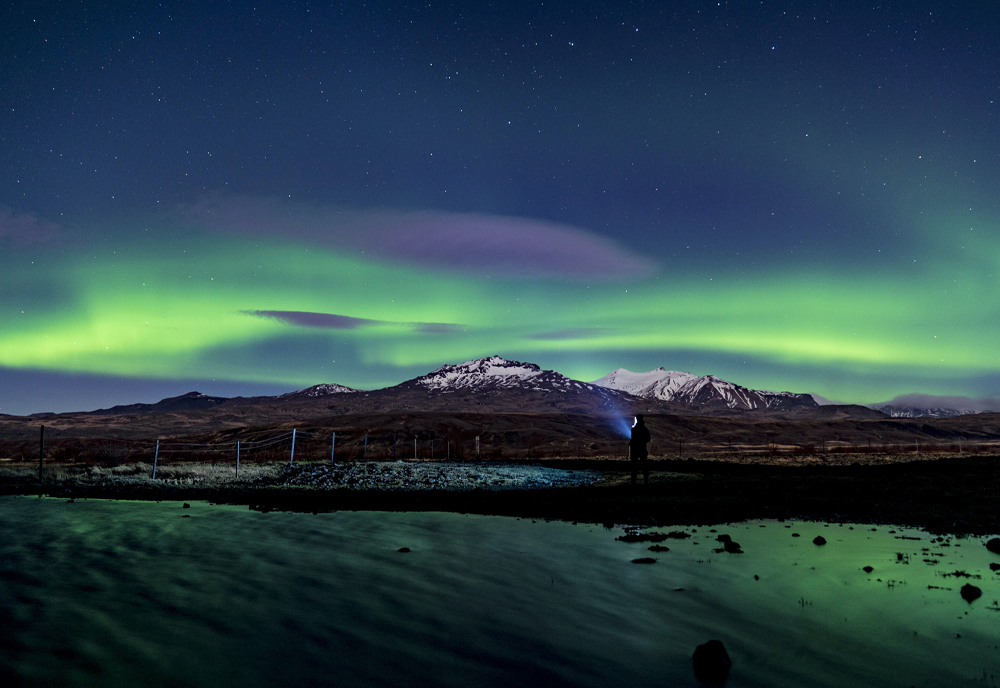
One of the most valuable things Fiske brought back from Iceland is a precise, professional understanding of when to go for the northern lights. The aurora borealis is Iceland's most coveted spectacle, and Fiske knows from firsthand experience that chasing it requires more than luck. "The best time to visit Iceland for the northern lights is from September through April, when the nights are long enough for the aurora to be visible," she explains, adding that travelers after the highest probability of a sighting should "aim for March and September, as solar activity statistically peaks around the equinoxes." It is the kind of insider calibration that separates a good recommendation from a great one.
Hidden Waterfalls and Mossy Canyons
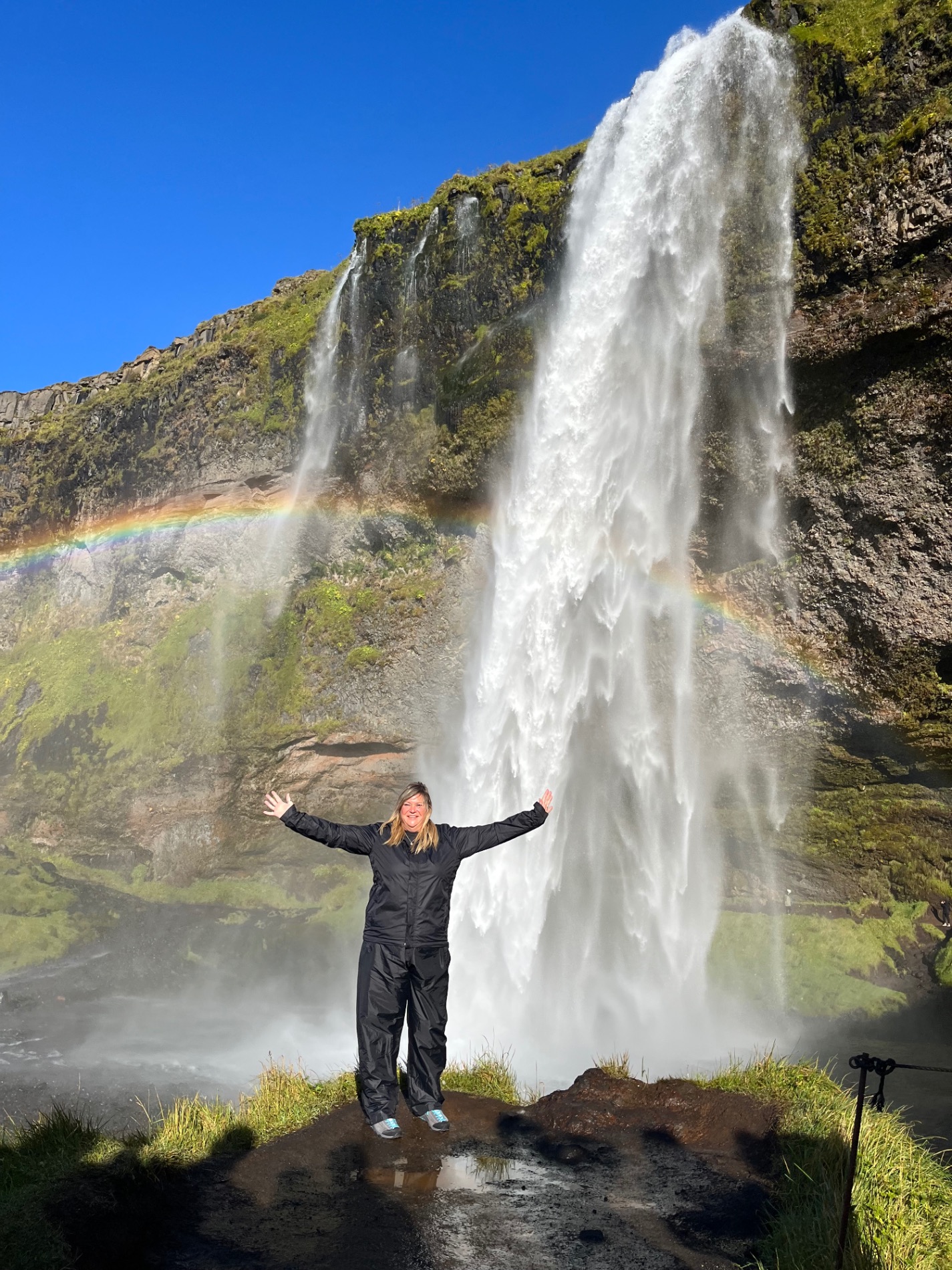
Beyond the iconic stops, Fiske is passionate about steering curious travelers toward Iceland's quieter rewards. She points to Gljúfrabúi, a magical, narrow waterfall tucked into a canyon near Seljalandsfoss that most visitors walk right past. She recommends the geothermal Seljavallalaug pool, one of Iceland's oldest swimming pools, fed by natural hot spring water and framed by mountains. And for those willing to hike, the mossy walls of Fjaðrárgljúfur canyon offer what Fiske calls "unparalleled peace, raw volcanic beauty, and unforgettable photography." These are the places, she suggests, where Iceland stops performing for tourists and simply exists.
A Destination Under Pressure
Fiske's affection for Iceland is matched by her candor about its challenges. The country receives more than two million visitors annually, nearly six times its local population of around 383,000. The strain is visible: delicate natural environments pushed to their limits, infrastructure stretched thin, and housing costs climbing as short-term rentals proliferate. For Fiske, this reality shapes how she now talks about Iceland with her clients. She is clear that the destination rewards responsible travelers. "Make sure you travel with reputable travel suppliers who support local tourism businesses and the environment," she says, noting that clever airline stopover programs and Iceland's reputation as the world's safest country make it an easy sell, but that ease comes with responsibility.
She is also quick to note that Iceland is not for everyone. It is a dream for nature lovers, adventure seekers, and photography enthusiasts, but it can disappoint travelers who prioritize budget travel, tropical warmth, or a buzzing urban nightlife scene. Knowing who to send, and who to redirect, is part of what makes Fiske's firsthand experience so professionally valuable.
Iceland Is Not Scandinavia
One of the more nuanced lessons Fiske brought home is a clearer sense of what Iceland is not. The island is frequently bundled into a general Nordic category, but Fiske is careful to draw the distinction. Unlike Sweden, Norway, and Denmark, Iceland is defined by extreme geographic isolation, a geothermal geology found nowhere else on earth, and a language so archaic and insular it bears little resemblance to its continental cousins. Understanding that distinction helps her set the right expectations for clients who may be comparing apples to something far more volcanic.
What Comes Next
For all that Iceland gave her, Fiske is already thinking about what she has not yet seen. Eastern Iceland, with its humbling fjords, dramatic waterfalls, and fishing villages so photogenic they seem to exist outside of filters, has claimed a firm spot on her wish list. "I'd love to go back to Iceland to trek the Eastern region," she says, her enthusiasm unmistakably that of someone who left a place before she was finished with it. For her clients, that unfinished conversation with a destination is perhaps the most convincing endorsement of all.