Travel advisor mkbrowne returns from a masterfully sequenced two-week journey through Ireland, the Faroe Islands, and Iceland with a philosophy that is quietly changing the way her clients experience the world.
At a Glance
Iceland is best experienced via ultra-luxury cruise combined with land travel, offering both adventure and comfort without pretension. Pairing one week of high-energy land exploration with one week of cruise allows visitors to absorb logistics initially, then settle into the experience while the ship moves between ports, maximizing both energy and immersion.
The black cab barely makes it a few blocks before the conversation shifts everything. In Belfast, where murals bleed colour across gable walls and peace lines still divide neighbourhoods, a private driver narrates a history that no guidebook fully captures. It is here, inside that cab, that mkbrowne's most recent journey stopped being a trip and became something harder to name. "The experience and understanding you'll come away with is life changing," she says, and she means it without hesitation.
Browne is a seasoned travel advisor whose approach to building itineraries has always been grounded in one principle: go first, then recommend. Her most recent two-week journey was no exception. She began with a self-planned week across Ireland, moving through Dublin, Galway, the Aran Islands, and Belfast, before transitioning to a FAM trip aboard Regent Seven Seas, departing Belfast and calling at the Faroe Islands before reaching multiple ports across Iceland. It is a sequence that sounds ambitious on paper and feels, in practice, like it was designed by someone who has spent years learning exactly how human energy moves through travel.
Ireland: Where the Land Does the Talking
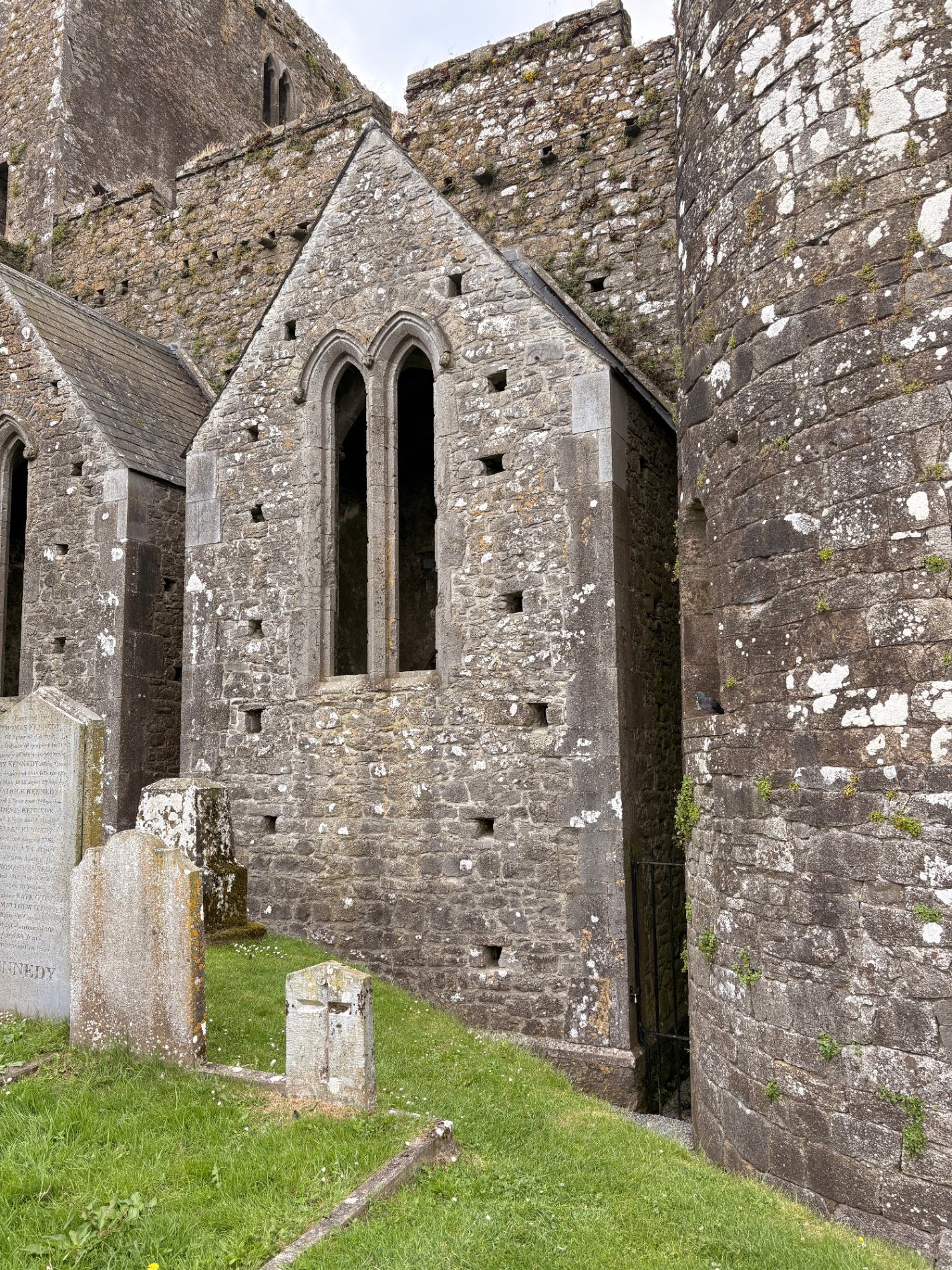
The first week asks something of you. Moving between cities, packing and unpacking, navigating by train and ferry, absorbing a landscape that shifts from the cobbled Georgian streets of Dublin to the raw Atlantic edge of the west coast. Browne describes the Irish coastline in terms that are almost geological in their reverence. The wildness of the Giant's Causeway, the view stretching north across the water toward Scotland, the ancient geometry of basalt columns formed by forces older than any human story told about them. These are not backdrops. They are the point.
But it is Belfast that delivers the journey's emotional centre of gravity. Browne did not approach the city's layered history from a distance. She went directly into it, via a private black cab tour of The Troubles, and came away with something that reshaped how she understands the destination entirely. "I learned so much about the Troubles in Belfast," she says. "Learned about both perspectives, and just how deeply it is still rooted in the daily life and structure of life in Belfast." The peace walls are not relics. The murals are not art installations. They are living architecture, and the people who guide visitors through them carry the weight of lived experience inside every sentence they speak.
For anyone planning time in Belfast, Browne is unequivocal: do not skip a private black cab tour of the Troubles. It is the single insider tip she offers with the most urgency, precisely because it cannot be replicated by reading about it.
The Faroe Islands: A Culture That Honours Its Own
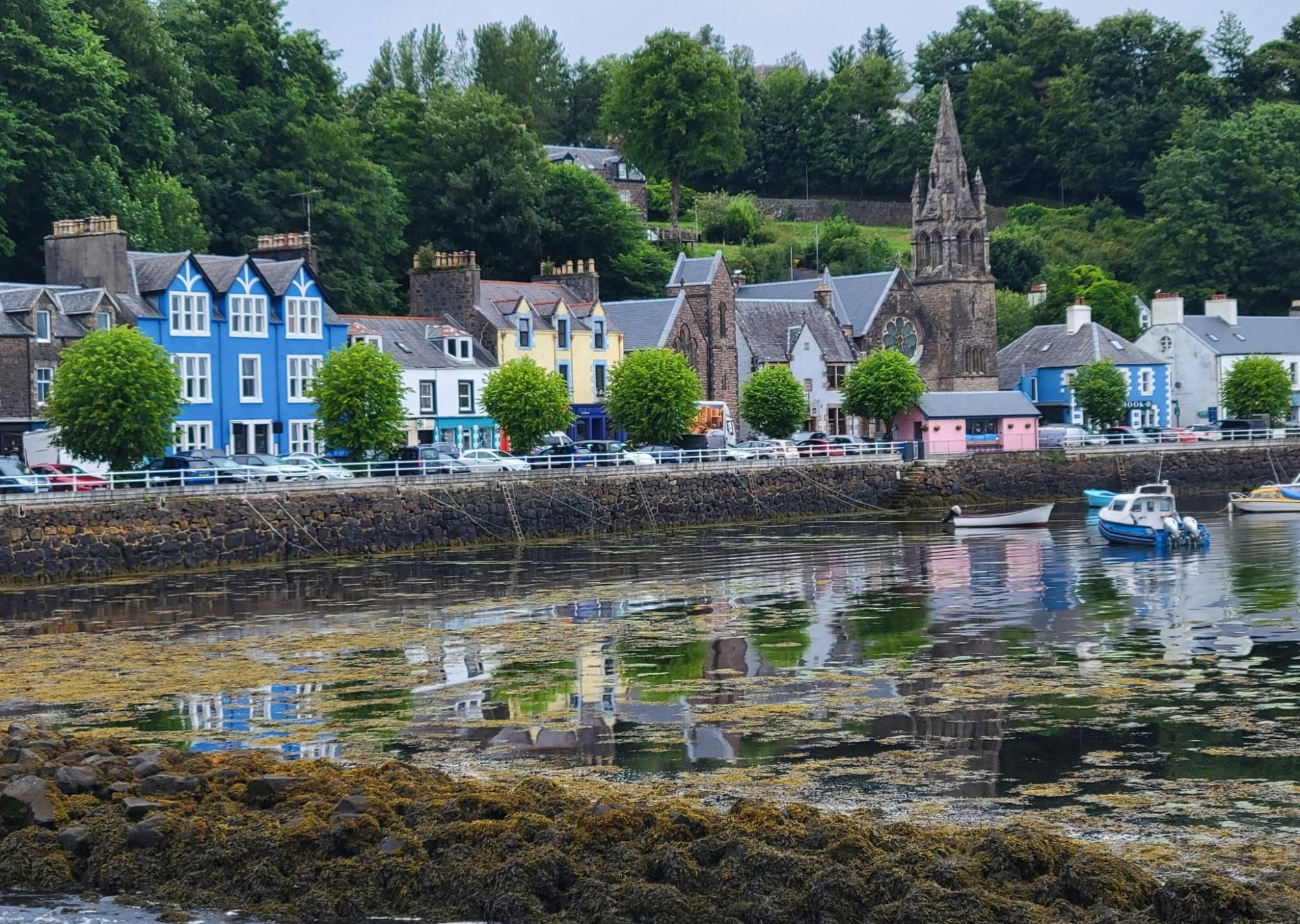
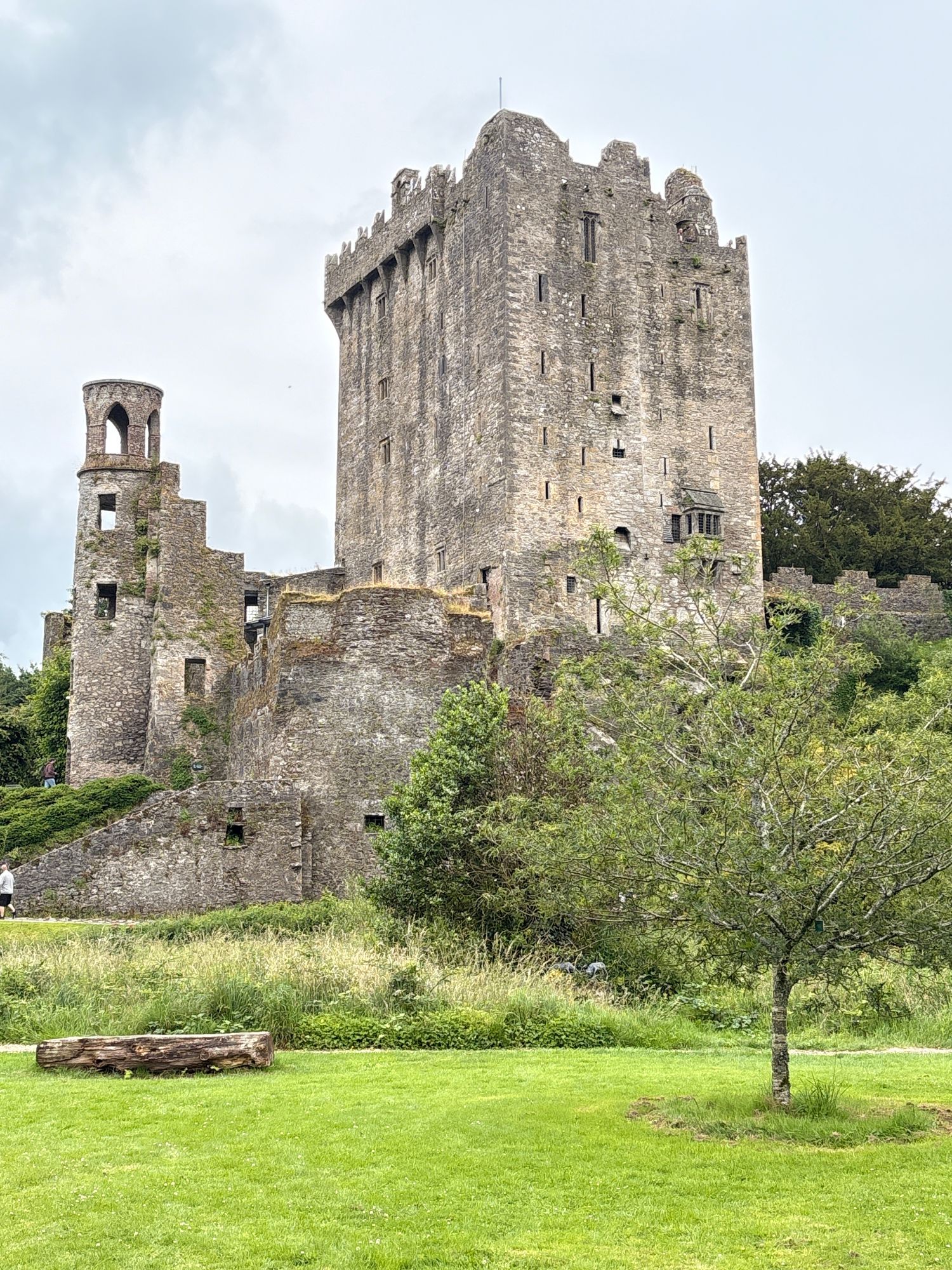
Departing Belfast aboard Regent Seven Seas, the itinerary carried Browne northward into waters that few travellers know well. The Faroe Islands are not a destination most clients place on their first wish list, and that, she suggests, is part of what makes them extraordinary. What she found there was not spectacle but depth. "The deep traditions of togetherness, family and honouring the ancestors and traditions of the Faroese people," she says, pausing before adding simply, "it's just amazing." There is a quietness to the way she describes it, the kind of quietness that comes from being genuinely moved rather than enthusiastically impressed. The Faroese, she observed, carry their culture with both pride and tenderness, rooted in a relationship to place and ancestry that feels rare in an age of frictionless connectivity.
Iceland: Luxury Without Pretension
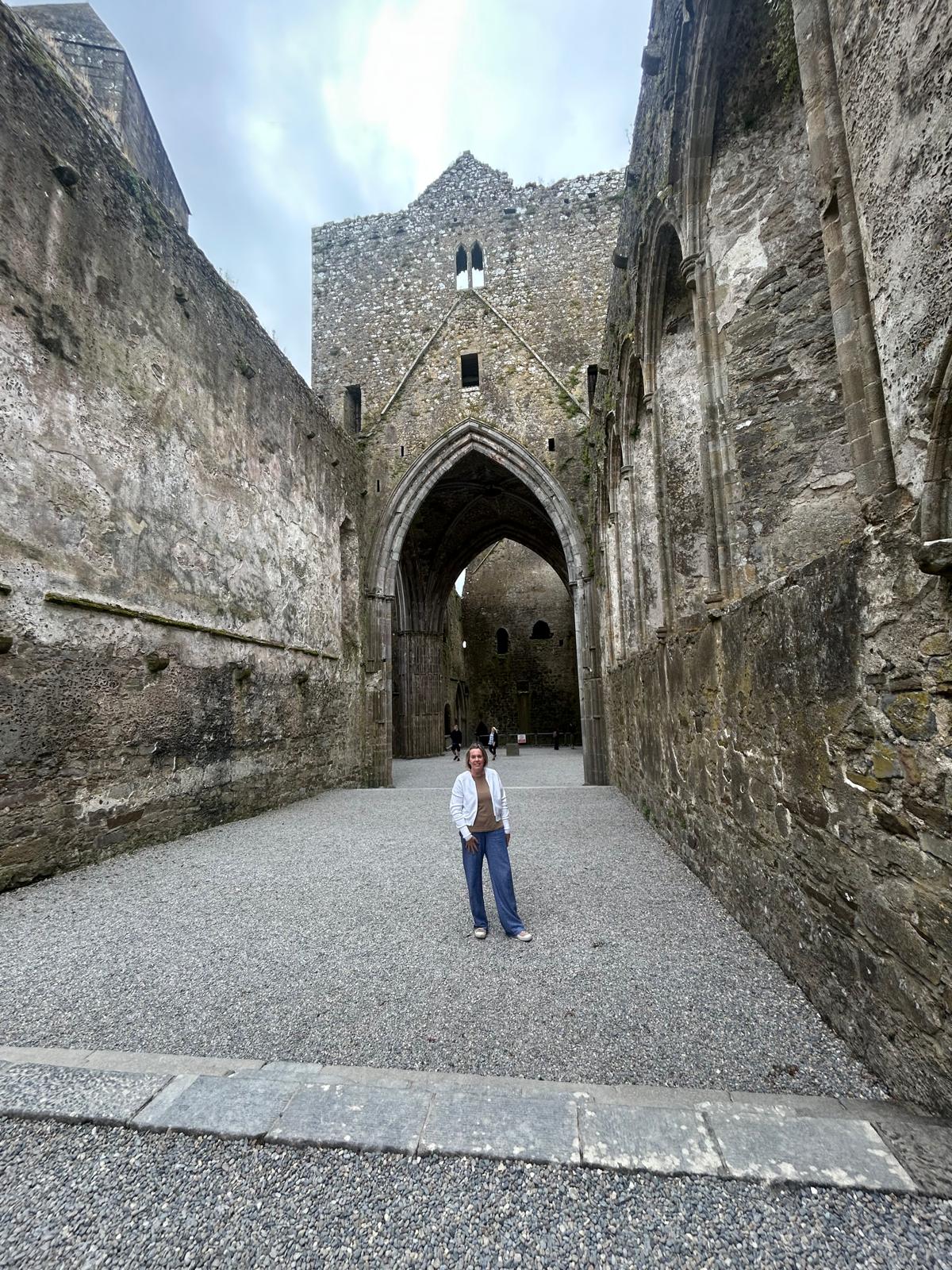
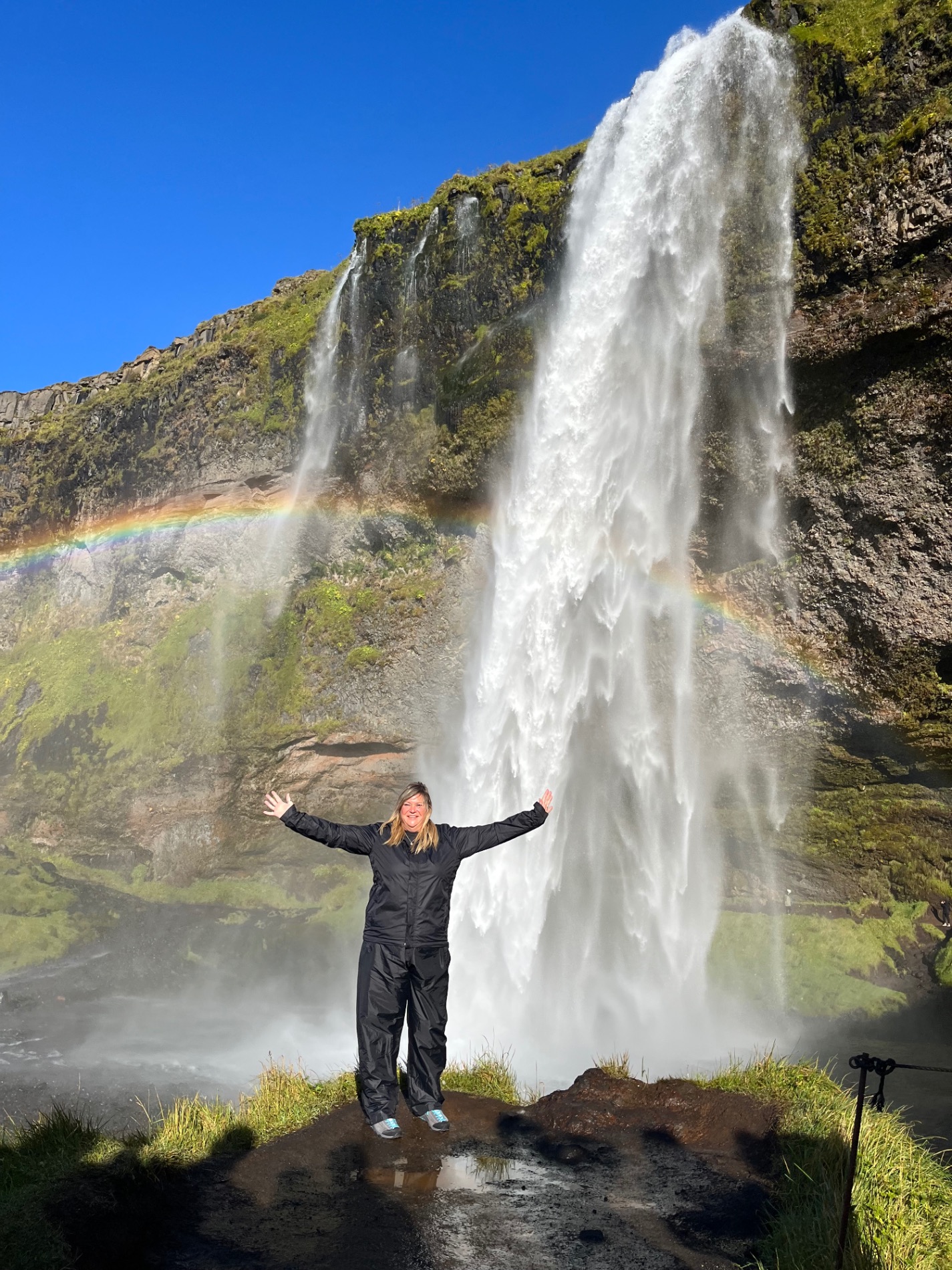
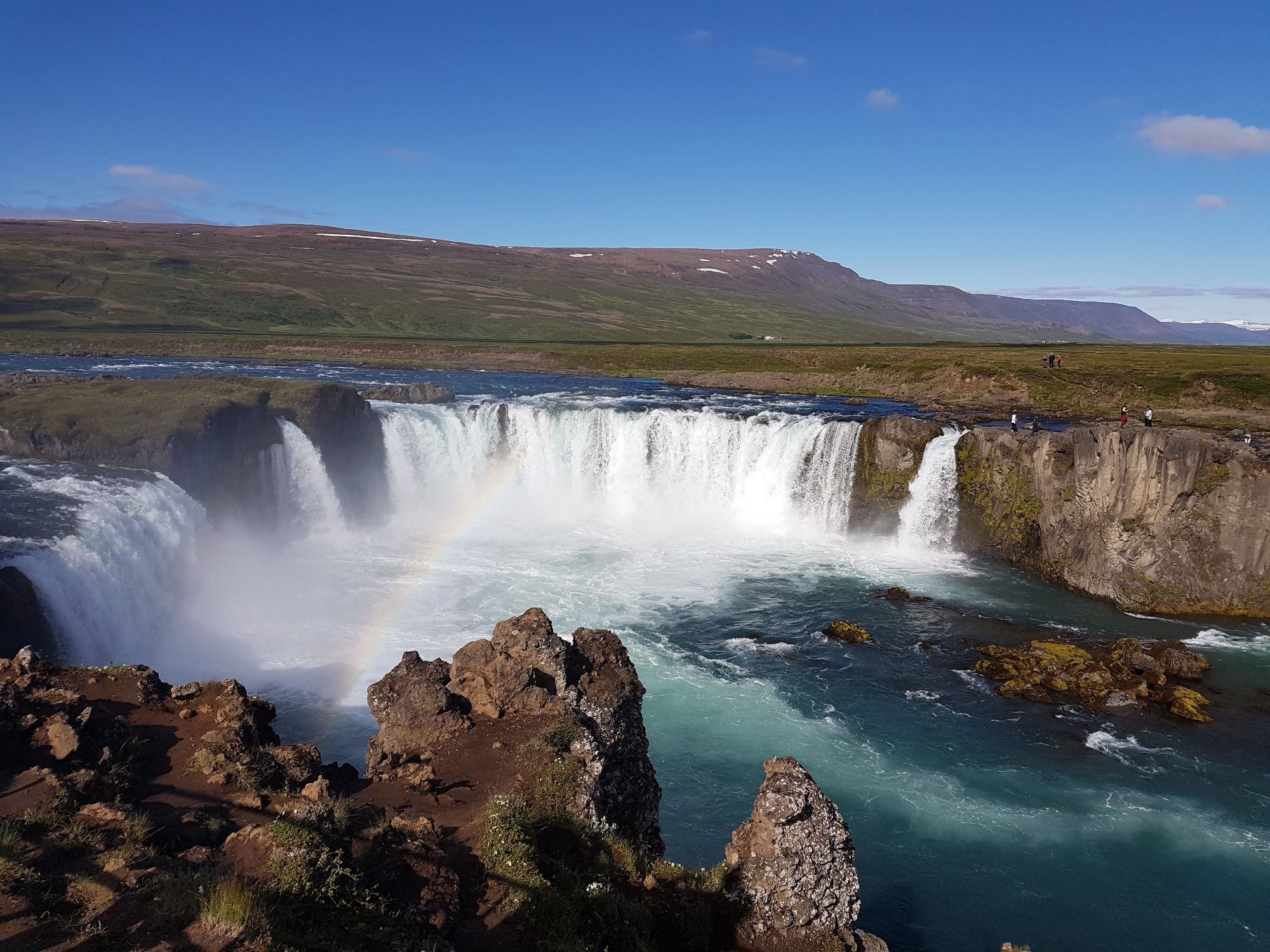
By the time the ship reached Iceland, the rhythm of the voyage had done its work. Browne arrived at each port rested, oriented, and ready to engage, not exhausted from a week of logistics but genuinely present. This, she argues, is the underappreciated advantage of experiencing Iceland by ultra-luxury cruise. "Experiencing Iceland via luxury cruise is a relaxed, non-rushed and immersive way to experience the culture and geography of the island," she explains. The geography alone rewards that kind of attention. The volcanic landscapes, the glaciers, the geological drama of an island that is still, in very literal terms, being formed.
She is also quick to dismantle one of the more persistent assumptions about luxury cruising. The Regent itinerary included glacier walking, heli-glacier experiences, and ATV adventures. These are not the quiet, passive excursions that the word "luxury" might conjure for a first-time cruise client. "You can experience luxury on the ship and adventure on land," Browne says plainly. "Ultra luxury cruise to Iceland does not mean pretentious, luxury, quiet excursions." For clients who arrive at the conversation assuming they must choose between comfort and adventure, this reframe tends to open doors.
The Sequencing Strategy That Changes Everything
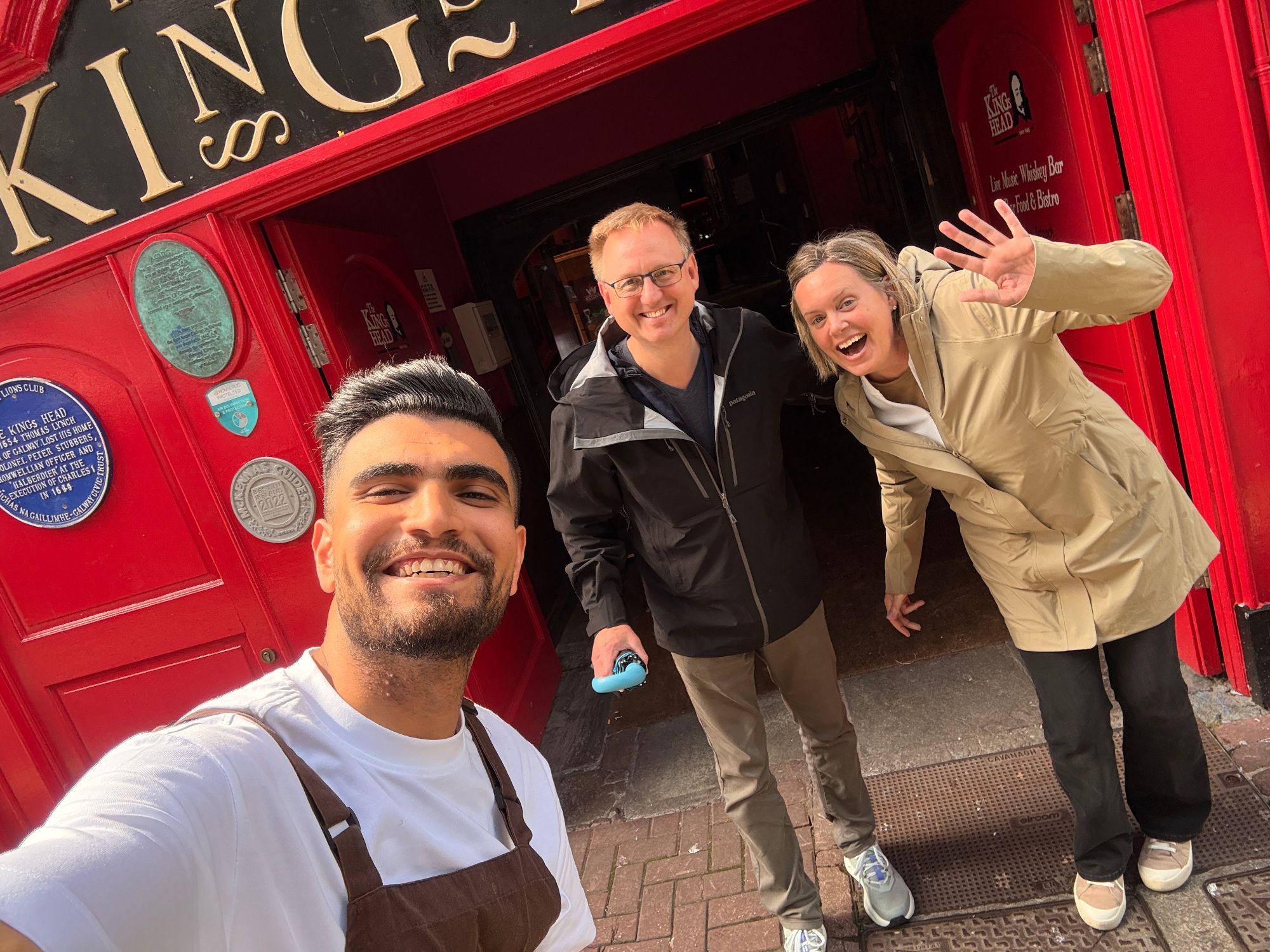
What makes Browne's approach worth paying attention to is not simply that she travels to these places. It is that she has developed a framework for how to structure them, one refined through years of client experience and now confirmed by her own body on a two-week journey. The thesis is straightforward: pair one week of high-energy land travel with one week of cruise, in that order, always. The first week, when energy is highest, absorbs the movement, the logistics, the sensory overload of arriving somewhere genuinely new. The second week, aboard a ship where the room follows you from port to port, allows the experience to settle. "Pairing one week of land with one week of cruise, this sequencing of a trip is very successful with my clients," she says, and there is nothing tentative in the way she says it.
She also brings this same strategic clarity to the question of cruise line selection. For clients whose primary investment is in the ship itself, in the dining, the service, the onboard experience, she now steers them toward lines that do not bundle excursions into the fare. The reasoning is clean: if you are not going to use what is included, you are not maximising what you paid for. It is the kind of advice that only comes from having thought carefully about the relationship between what travel costs and what it delivers.
What Comes Next
Browne is not pausing. November will find her aboard Uniworld River Cruises, cruising the Danube toward Vienna, extending the same philosophy she applied in the North Atlantic to the storied waterways of Central Europe. For clients who want their next trip to do more than move them from place to place, who want it to mean something, she is already planning the sequence.