Travel advisor Lesa Nelson traded familiar coastlines for towering icebergs and remote fjord villages on an expedition cruise that permanently changed how she thinks about selling the world's wildest destinations.
At a Glance
Greenland expedition cruises attract curious, physically flexible travelers seeking raw natural drama and authentic cultural encounters. These voyages demand readiness for unpredictable wildlife sightings, Zodiac excursions, and weather-dependent itineraries. Ideal passengers are lifelong learners energized by naturalist talks and close-range glacier encounters, not those seeking entertainment or relaxation.
There are trips that entertain, and then there are trips that transform. For Lesa Nelson, a seasoned travel advisor, a recent expedition cruise to Iceland and Greenland aboard a Hurtigruten vessel did something she hadn't fully anticipated: it rewired the way she understands her own clients, her own craft, and what it truly means to encounter a place rather than simply visit it.
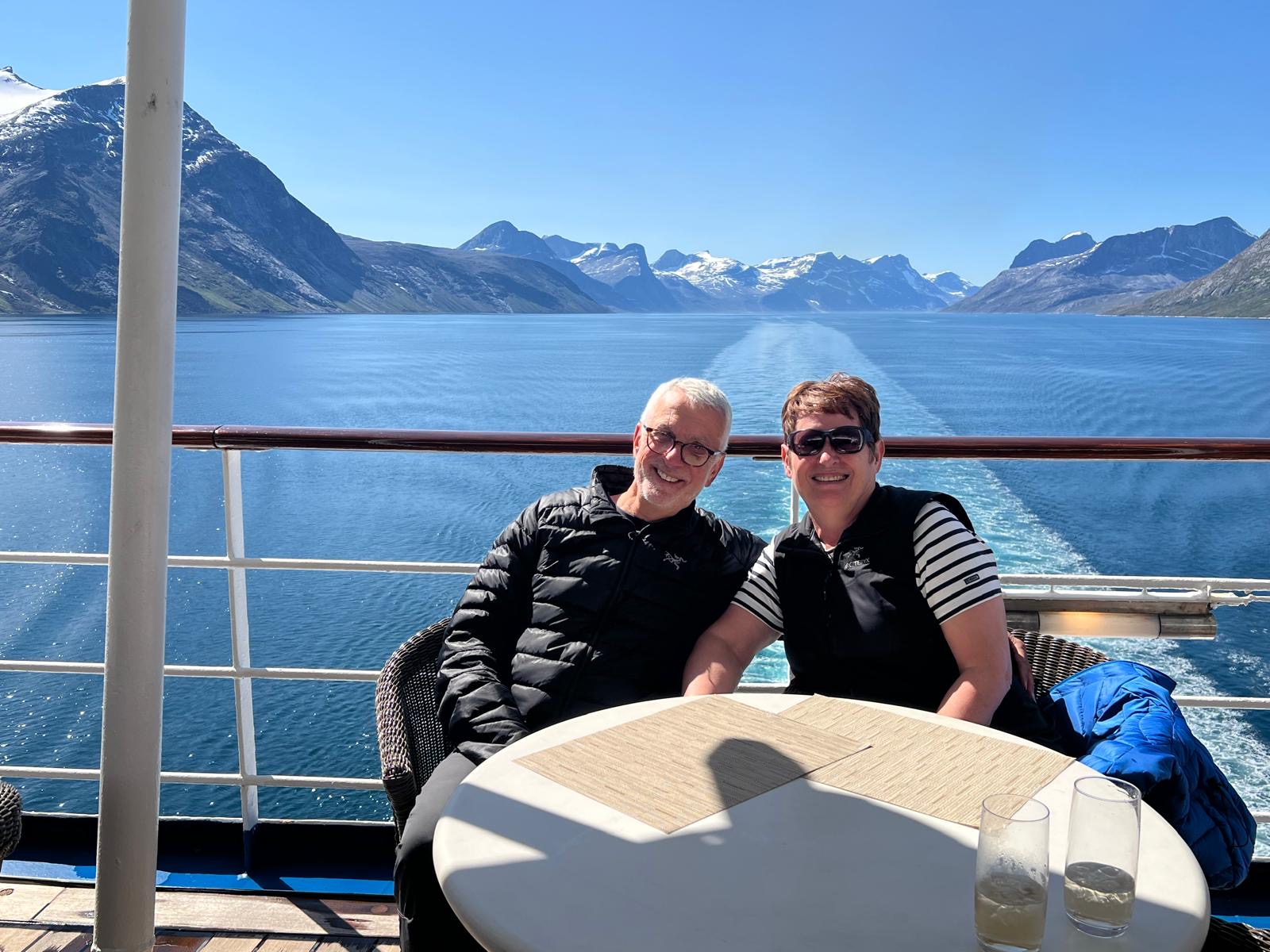
The journey was also a personal milestone. It was her husband's first cruise, and Nelson chose not just any sailing for his introduction to life at sea, but one that would take them both to the far edges of the North Atlantic, into waters where icebergs drift in silence and entire communities exist only because a boat can reach them in summer.
A Town Only the Sea Can Reach
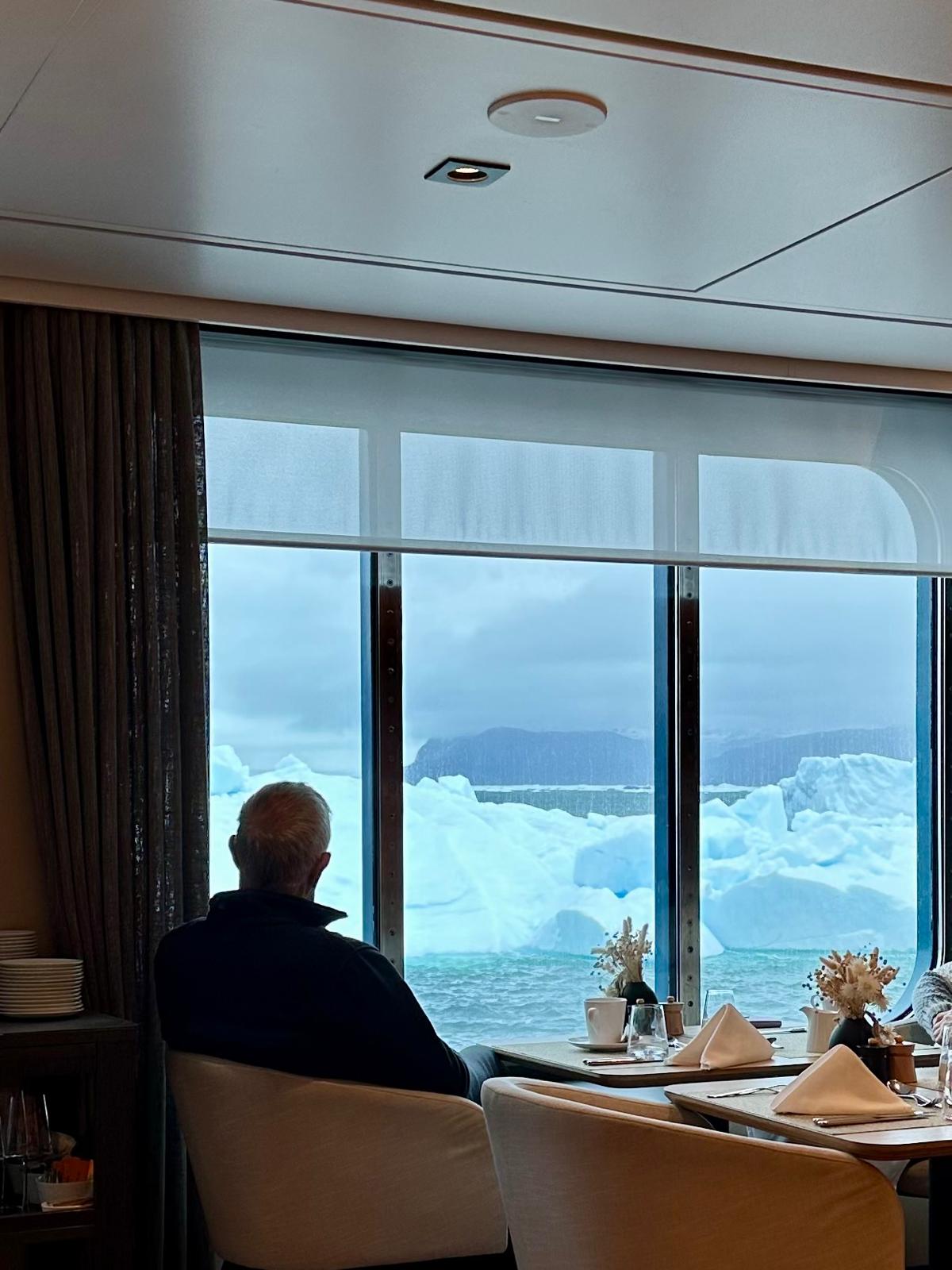
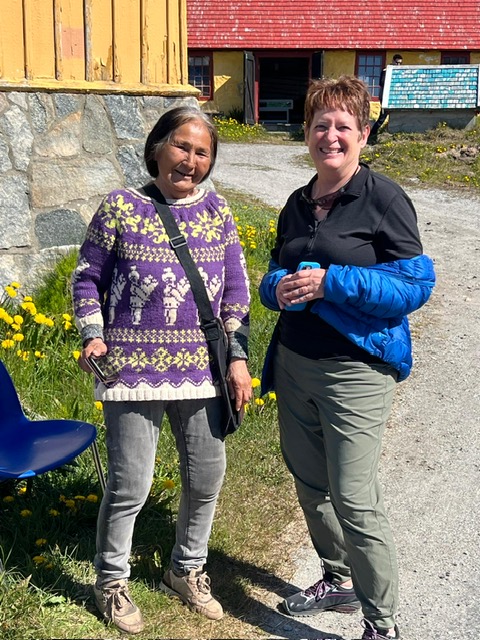
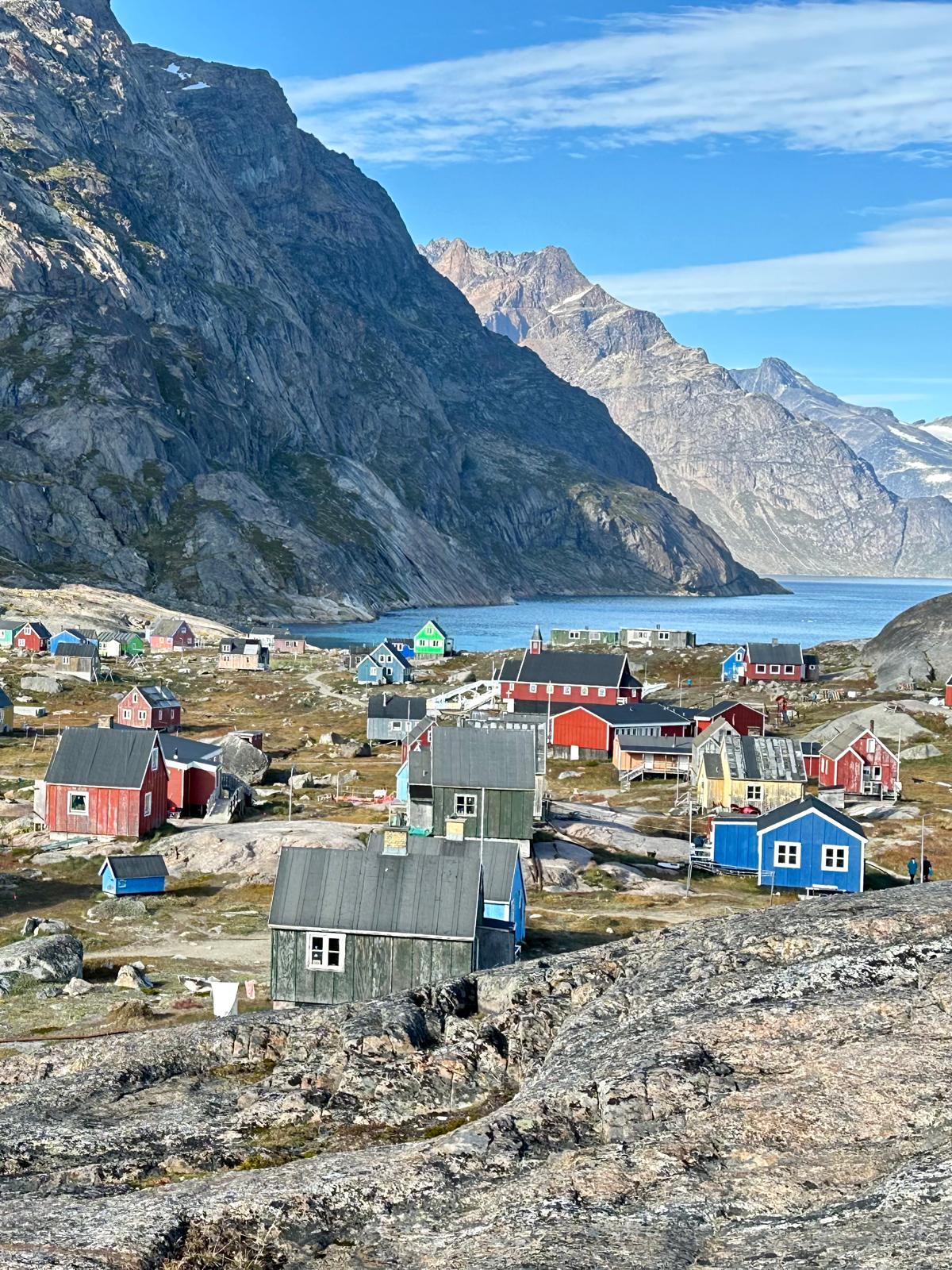
Of all the images Nelson brought home, one keeps rising to the surface when she describes the trip to friends and colleagues. The ship anchored near a small town nestled deep in the fjords, a settlement unreachable by road, accessible only by boat and only during the ice-free months of summer. Nelson recalls the quiet shock of standing there, taking in a community perched between a sheer cliff face and open water.
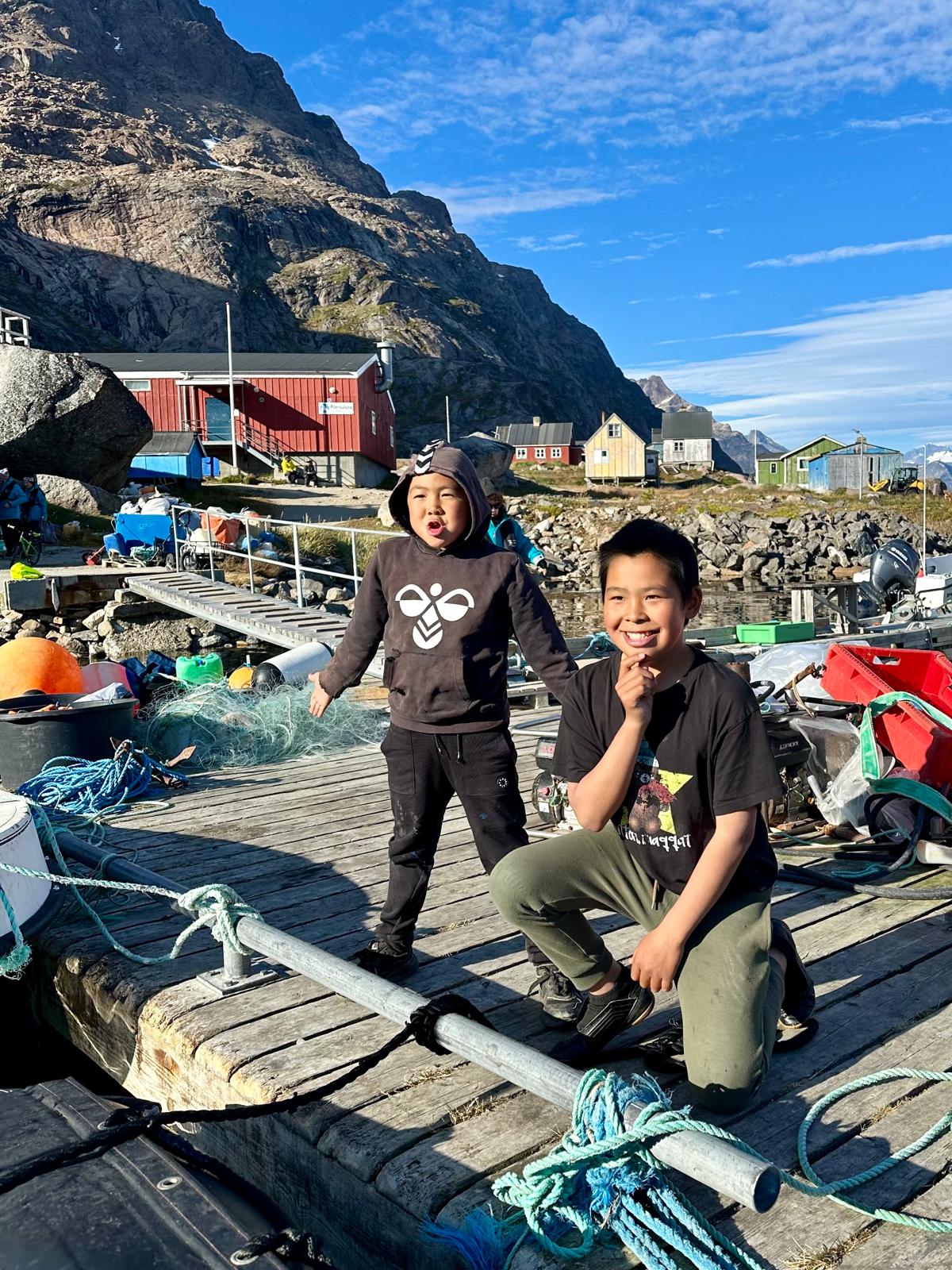
"Imagine living on a rock, surrounded by a cliff on one side and water on the other," she says. "The kids in this town have one small school for the lower grades and then go away, by boat, for the higher grades. That means they can be away from home for months." The weight of that reality, childhood measured in tides and seasons and departures, stayed with her long after the ship moved on.
Beauty That Defies Expectation
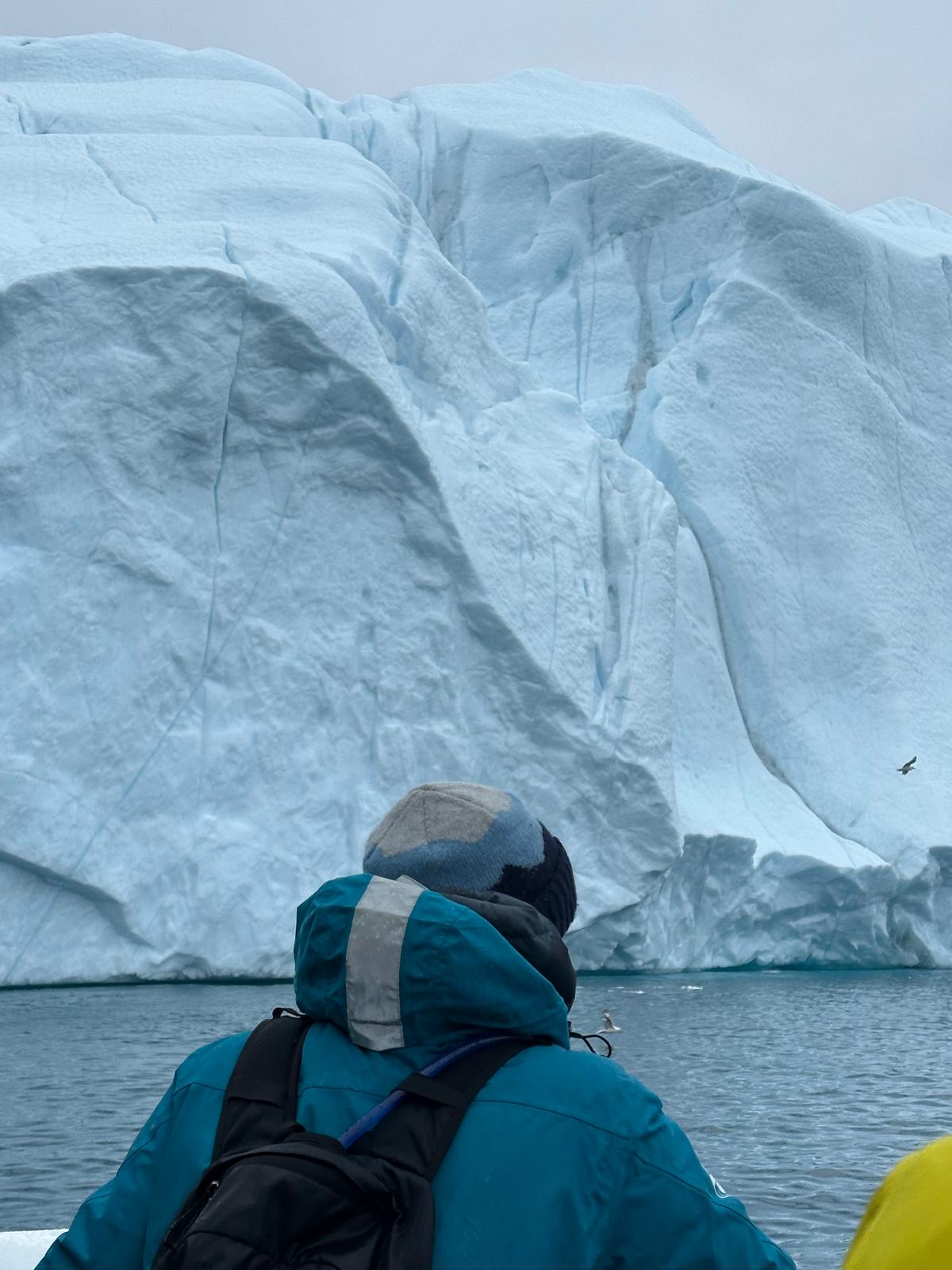
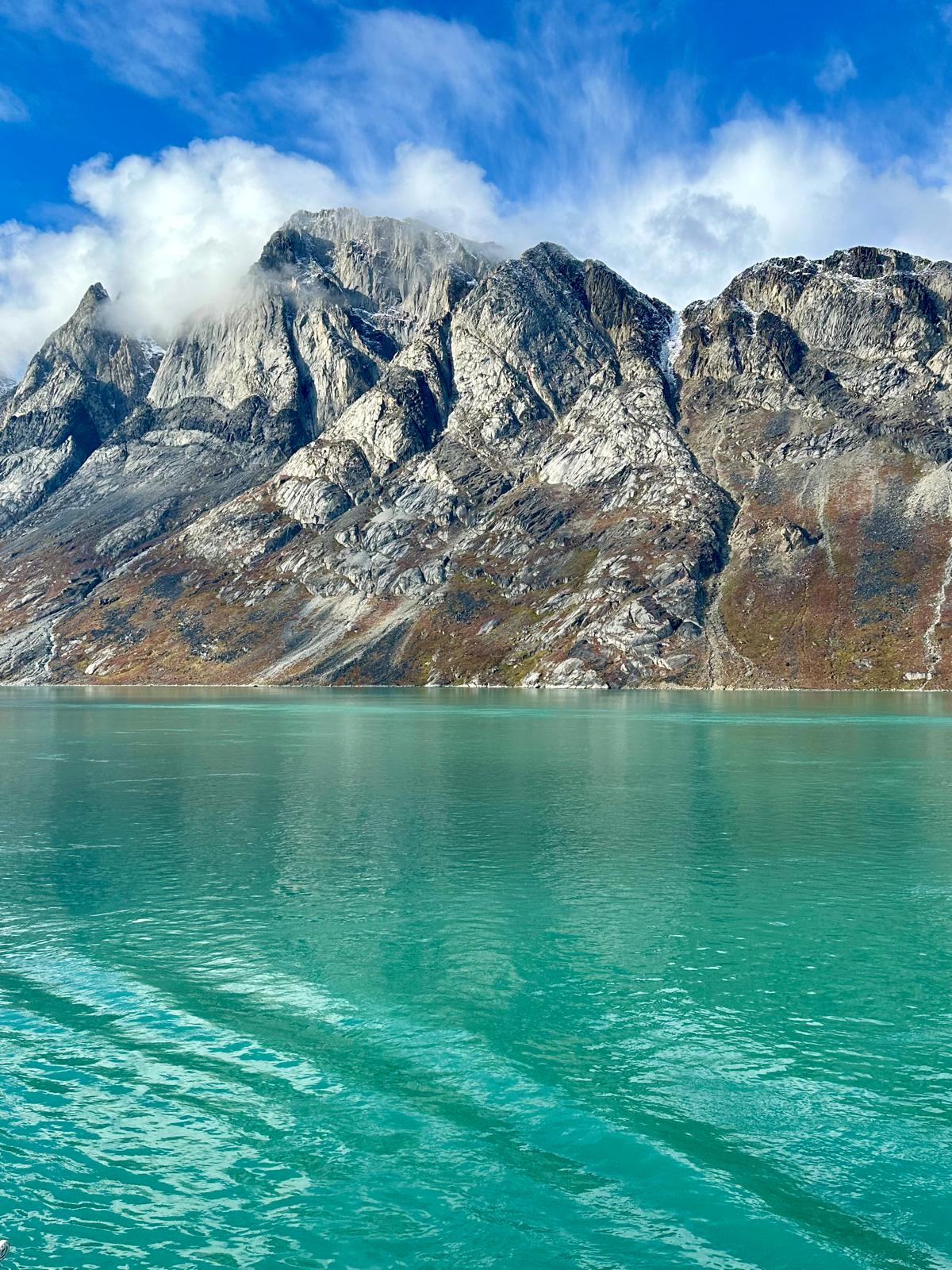
Nelson arrived with professional curiosity and left with something closer to awe. The landscapes of Greenland and Iceland are well documented, yet no amount of reading had prepared her for the scale of what she encountered firsthand. "The beauty of all the sites was mind-blowing," she says. "The fjords, the icebergs." Even a day of rough seas, which might have rattled a first-time cruiser, turned into an unexpected lesson in the quality of expedition vessels. The ship held steady, the crew remained attentive, and the overall comfort level surpassed what she had anticipated.
That combination of raw natural drama and shipboard ease is something Nelson now understands in her bones rather than simply on paper. It shapes every conversation she will have going forward with clients who are weighing whether expedition travel is right for them.
Who Belongs on This Ship, and Who Does Not
One of the most valuable things a travel advisor can offer is honest guidance about fit, and Nelson returned from this trip with sharper instincts on exactly that. She describes the ideal expedition traveler as someone who pulls the car over for a waterfall without a second thought, who is energized by Zodiac rides and shore landings and the possibility of spotting a whale or a polar bear at any given moment. Lifelong learners, she notes, find particular satisfaction on these voyages, where naturalists, geologists, historians, and photographers give talks throughout the sailing and the destination itself is the attraction.
She is equally clear about who should look elsewhere. Travelers expecting Broadway-style entertainment, those with limited mobility, and families with small children would be better served by a different kind of cruise. The expedition experience demands flexibility, physical engagement, and a willingness to let weather, wildlife, and ice conditions write the itinerary.
The Insider's Edge: Always Have Your Jacket Ready
The single most practical piece of advice Nelson now passes on to anyone booking an expedition cruise comes from a lesson learned on deck. Wildlife does not wait for convenient timing. The captain may slow the ship at any hour because whales have appeared off the bow or a polar bear has been spotted on ice. "When you're on an expedition cruise, you need to be ready to head outside at the drop of a hat," she says. "Have your winter jacket with you all the time so you can go outside and not miss these experiences."
She extends that spirit of readiness to every excursion offered. Sleep, she advises, can wait. The chance to climb into a Zodiac and drift alongside a glacier or approach an iceberg at close range cannot be rescheduled. And when the adventure quiets down, she encourages travelers to seek out the crew. "Talk to the crew members," Nelson says. "They've been to so many amazing destinations, they might actually inspire your next travel destination."
Rethinking How to Sell Greenland
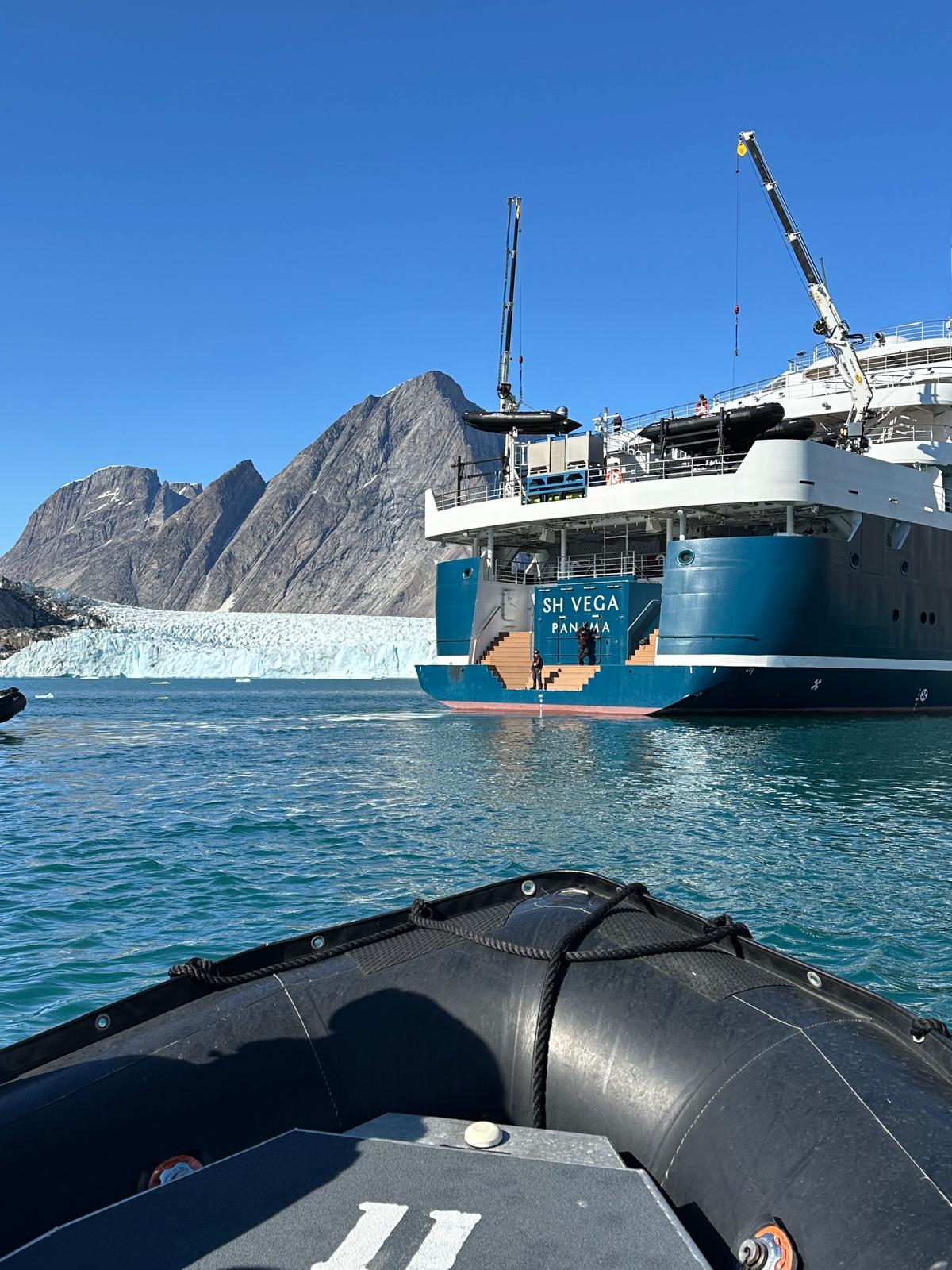
The professional shift Nelson experienced on this journey is perhaps the most significant thing she brought home. She will no longer lead with itineraries when speaking to clients about Greenland. The dates and port calls, she now understands, are not the point. "Going forward, I'll spend less time talking about the itinerary and more time talking about how Greenland feels," she explains. "The silence, the scale of the icebergs, the sense of being somewhere few people ever visit. Those are the moments clients remember long after they've forgotten what day they visited a particular fjord."
Nelson also reflects on a broader pattern she has observed in the way modern travelers are thinking about their time away. There is, she believes, a growing awareness among clients that not all vacations serve the same purpose. Sometimes a week at an all-inclusive in Mexico or St. Lucia is exactly what the body and mind need. Other times, travelers want something more demanding and more rewarding. "Sometimes you want to go and explore the world and just learn the lessons from people in other destinations," she says. "It's not a relaxing vacation, but it's a vacation where you learn and grow." Her role, as she sees it, is to help clients identify which kind of trip they are truly ready for.
She has also added a new recommendation to her Greenland conversations: extend the journey to explore inland Iceland. Having experienced it herself, she now sees it as an entirely different level of discovery, one that deserves its own conversation with any client who is already making the journey north.
What Comes Next
Nelson is not slowing down. Bhutan is on the near horizon, followed by a Mediterranean cruise with Oceania and a conference trip to Japan. But it is the longer horizon that clearly excites her most. She is looking toward hosting group trips, bringing like-minded travelers together around shared experiences in places that demand something of the people who visit them. For an advisor who now sees Greenland as "a destination for curious travelers seeking one of the last truly wild places on Earth," the next chapter of her work feels as wide open, and as full of possibility, as the Arctic sea itself.