A wildlife-obsessed travel advisor turned his honeymoon into a three-week South American odyssey across three of the world's most extraordinary ecosystems, and came back with firsthand intelligence that no guidebook can replicate.
At a Glance
The Galápagos Islands deliver the richest wildlife experience when combined with Peru's Machu Picchu and Amazon jungle on a three-week itinerary. Each island operates as a distinct ecosystem; routing decisions—Eastern versus Western islands, boat size, trip length—dramatically affect what travellers see. Early booking is essential due to strict visitor regulations.
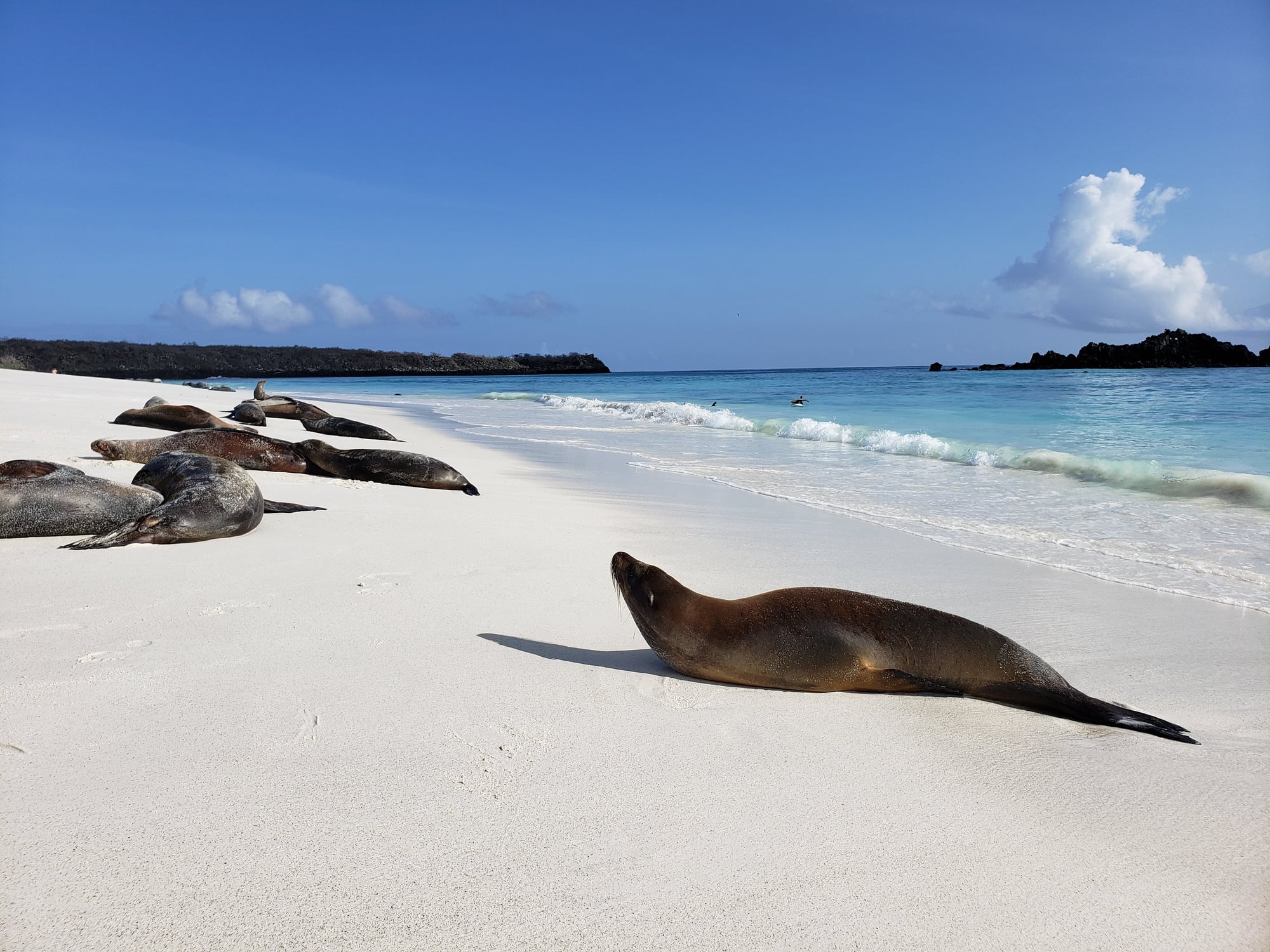
Edward Vanstone has visited 83 countries. He has stood in ancient cities, navigated remote coastlines, and crossed continents in pursuit of the world's most compelling travel experiences. But it was a moment on the Galápagos Islands, somewhere between an underwater wildlife encounter and an above-ground sighting that stopped him in his tracks, that quietly became the defining highlight of his career. "I don't know if I've ever had a more rich wildlife experience in my travels than that," Vanstone says. "It was pretty remarkable."
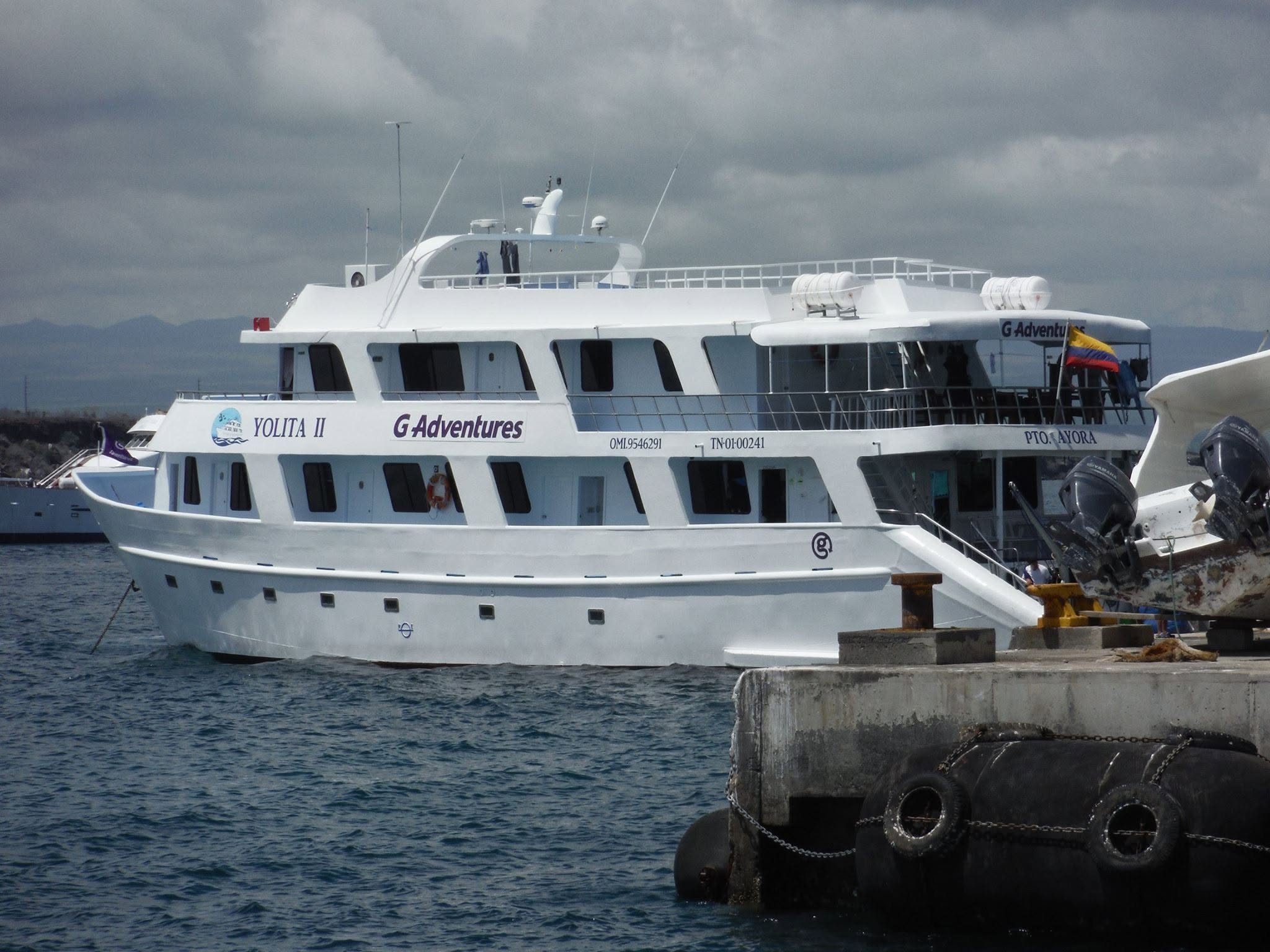
That moment did not arrive easily. It was the final chapter of a three-week honeymoon itinerary that took Vanstone and his wife through three of South America's most iconic and demanding destinations: Machu Picchu, the Amazon jungle, and the Galápagos Islands. All of it was coordinated through G Adventures, a decision that proved as strategically sound as it was logistically essential.
The Inca Trail and the Weight of Arrival
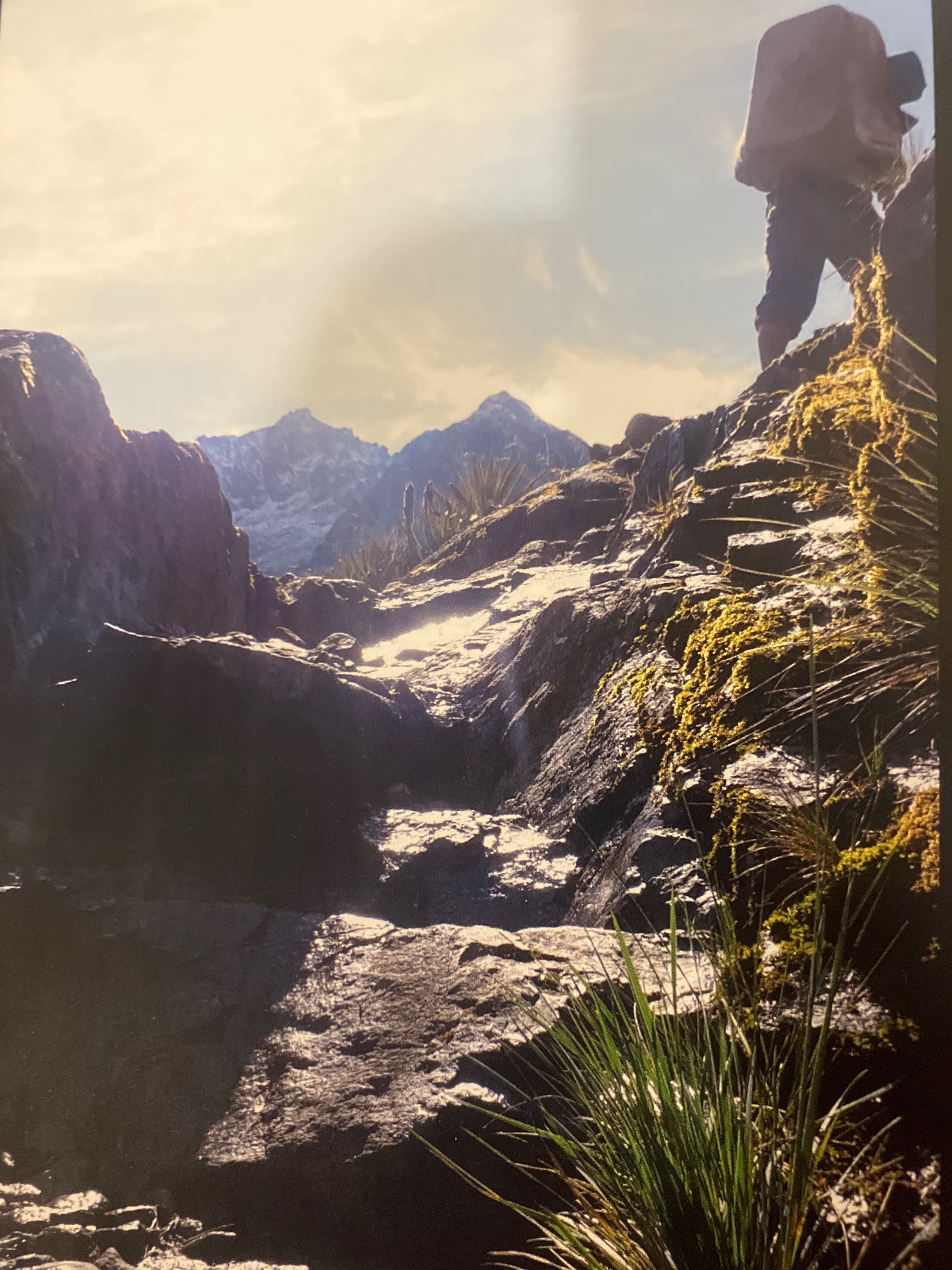
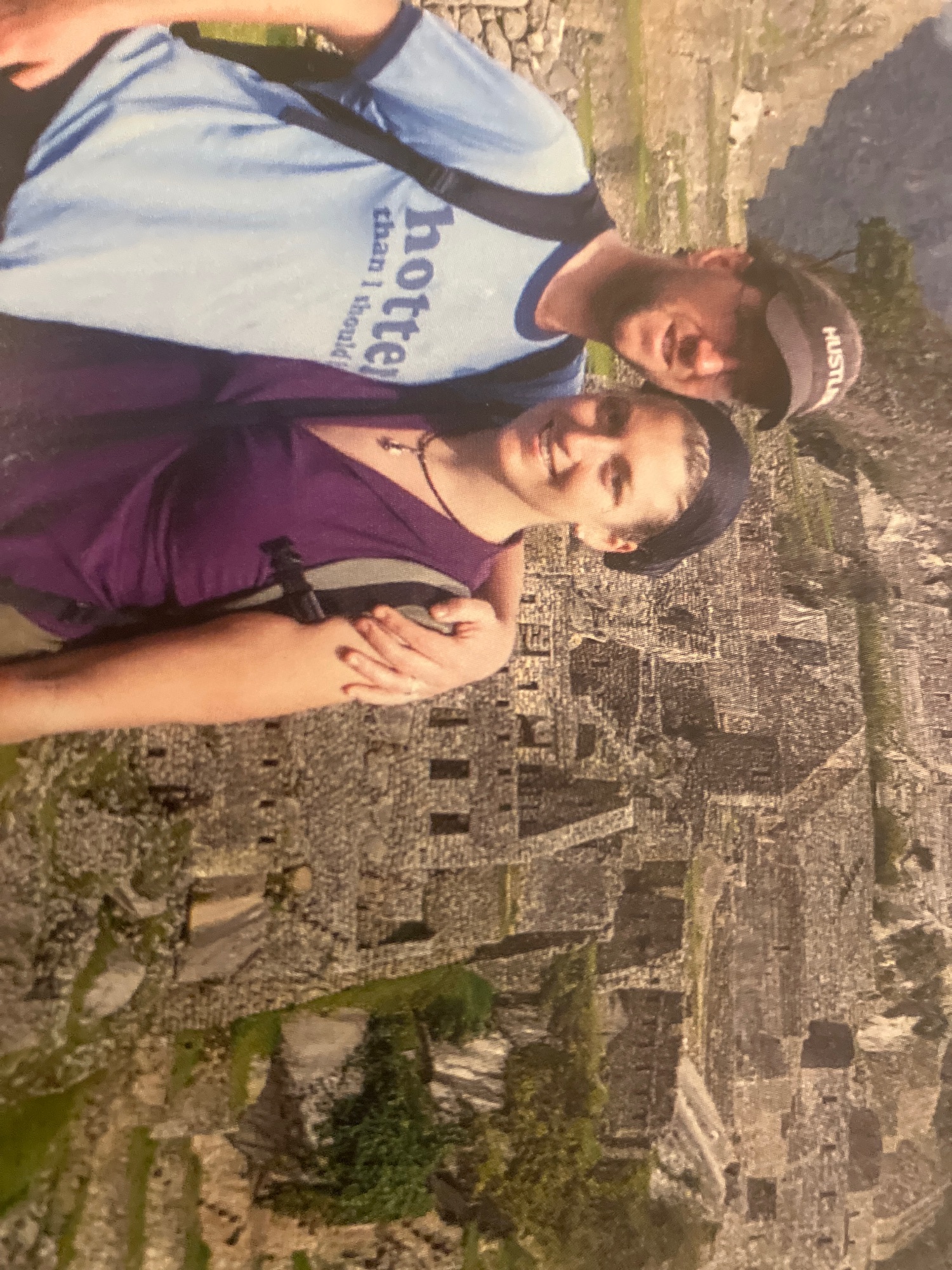
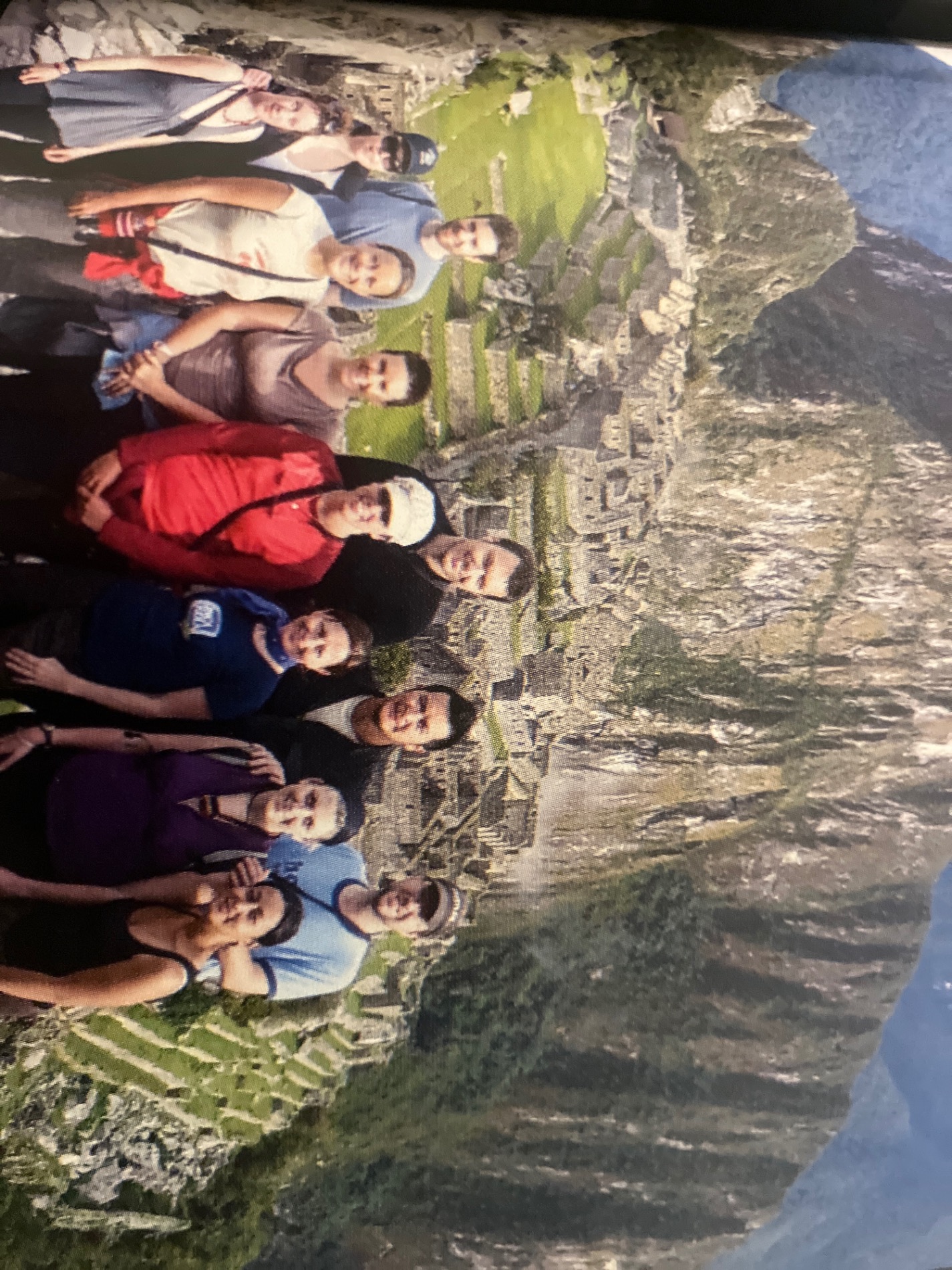
The journey began in Peru, where Vanstone chose to hike to Machu Picchu rather than take the train. It was a deliberate decision, and one he now understands with far greater nuance after completing it himself. The physical effort of the ascent, the burning legs and thinning air, gave the arrival its meaning. The ancient citadel, rising from the mist-wrapped mountains of the Andes, delivered everything its legendary reputation promised. "Machu Picchu was an adventure," Vanstone reflects. "It felt good to complete. It's a challenge, and it's a magical place."
For clients, he notes, this is precisely the kind of decision that requires an advisor who has made it themselves. Some travellers will thrive on the hike. Others will find the train the smarter, equally rewarding choice. Knowing which client falls into which category is the kind of insight that only comes from having stood at the summit both ways.
Machu Picchu also left Vanstone with a deeper appreciation for what these environments actually are. "These areas are precious, either archaeological or ecological environments," he says. "You don't really know that until you're there and experience what that means in person, both in how you interact with it and in how it's been preserved and remains for us to see today. That's pretty special."
Into the Amazon: Where Nature Keeps You Honest
From the highlands of Peru, the trip descended into an entirely different world. The Amazon jungle, reached by riverboat and settled into via a lodge that Vanstone describes as next-level in service and quality, offered a sensory experience unlike anything in the itinerary. Birds called from the canopy. The undergrowth rustled with life. And the guides, matter-of-fact and watchful, kept the group sharp with reminders of exactly where they were. "The guides are telling you these ants might paralyze you if they bite you," Vanstone recalls with a laugh. "It gets your attention and keeps you on your toes."
The lodges themselves were a revelation. Hidden entirely from aerial view, invisible to anyone flying overhead, they represent a quality of accommodation that most travellers simply do not know exists in this part of the world. "When you're flying over top, you'd never even know they exist," Vanstone says. "Having been there and seen that, you sort of know how to engage with that space. There are a lot of learnings that come from that."
It is also, he is quick to point out, the piece of the itinerary that most travellers skip. "Most of the combos in these trips miss the Amazon jungle experience," he says. "And if you can afford the time, I was really blown away with the unique experience the Amazon offered in contrast to the other two spaces." His advice to anyone building a similar itinerary is unambiguous: find the time for the Amazon. Almost everyone who skips it wishes they had not.
The Galápagos: A Wildlife Experience Without Equal
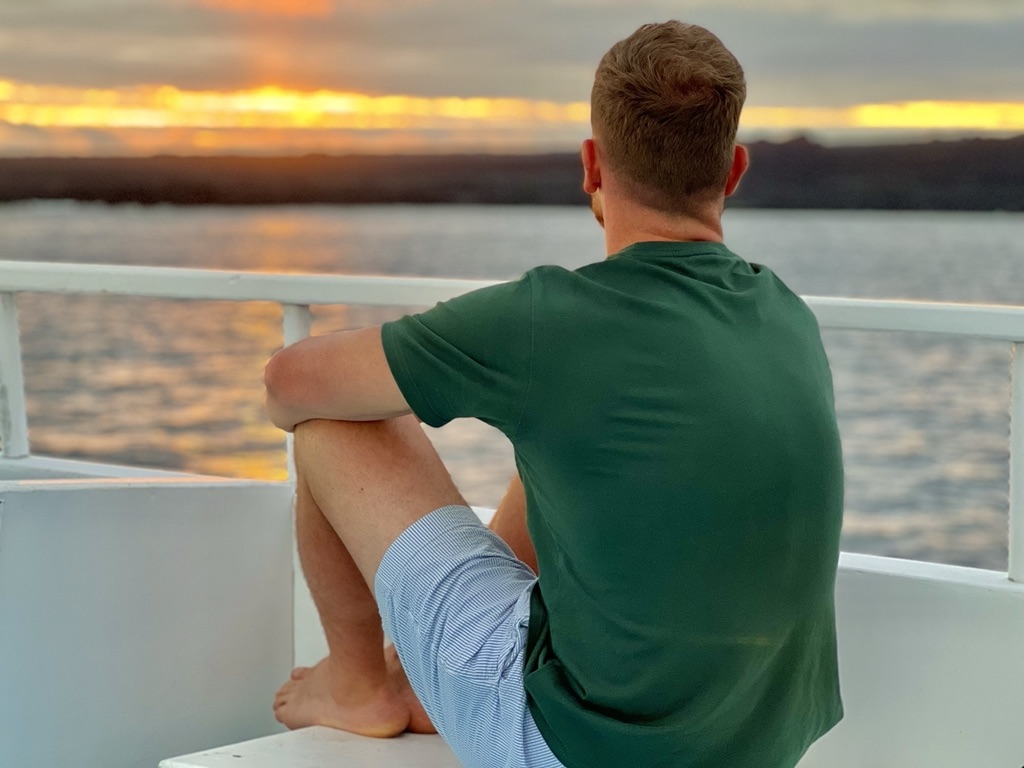
The final leg of the honeymoon was an eight-night Galápagos cruise, and it was here that the measured professionalism in Vanstone's voice gave way to something closer to pure awe. Both underwater and above the surface, the islands delivered a wildlife encounter that drew on everything he had seen across eight decades of travel. The Galápagos, combined with the birds and creatures of the Amazon, produced what he describes as the richest wildlife experience of his life.
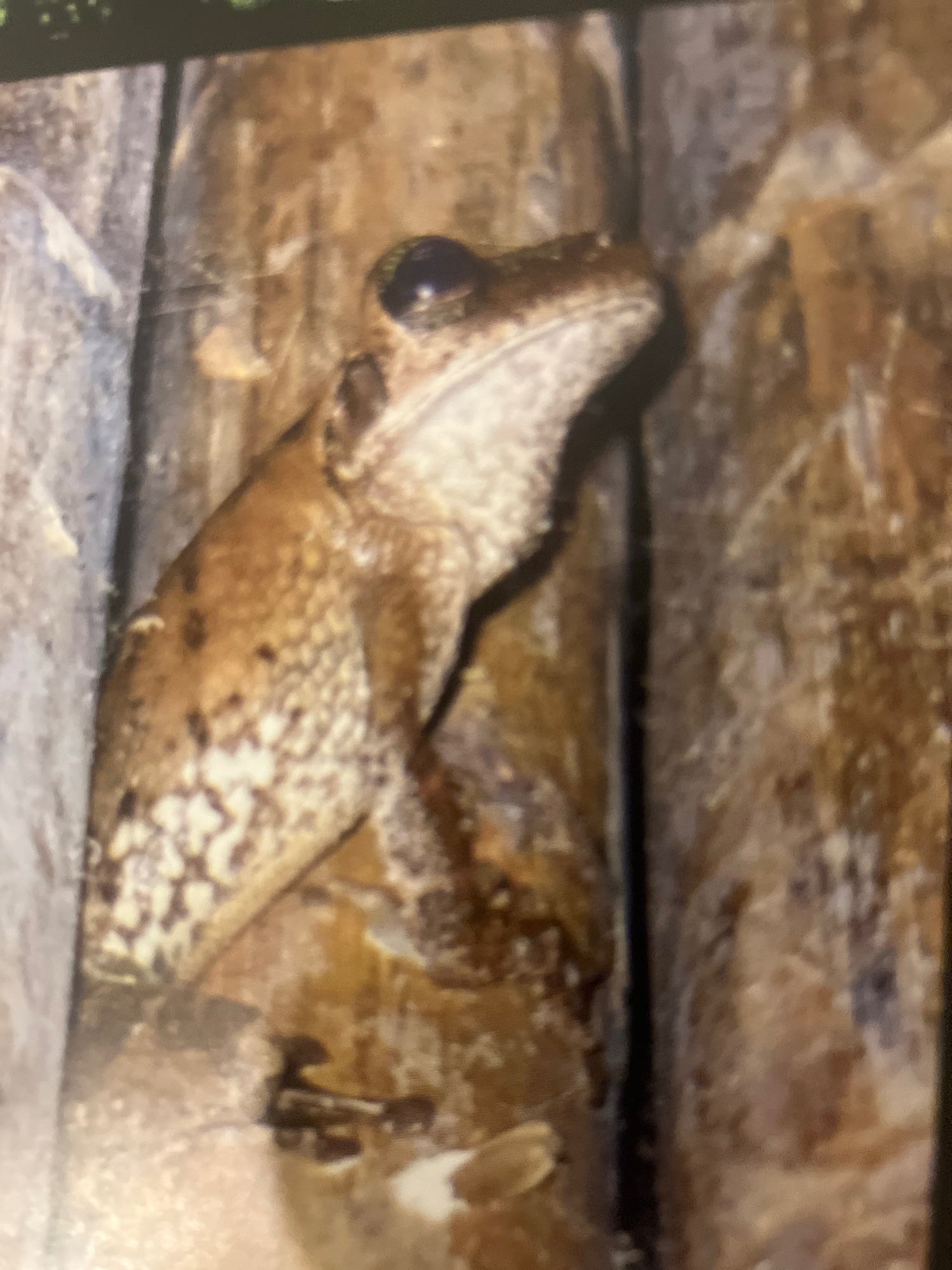
As an advisor, Vanstone now understands the Galápagos with a granularity that only comes from being there. The archipelago is vast and varied, with each island operating as its own distinct ecosystem. The routing decision, whether to explore the Eastern or Western islands, whether to book six days or ten, and whether to travel on a small boat or a larger vessel, has enormous implications for what a traveller will actually see and experience. "There are probably 100 holidays packed into those islands," he says. "Depending on what you're seeking to see biologically, each one is a little different ecosystem."
He also flags something that catches many travellers off guard: availability. Both Machu Picchu and the Galápagos are increasingly regulated, with access points and visitor numbers tightly controlled. Booking early is not optional. It is the difference between going and not going.
Who This Trip Is For
Vanstone is direct about the audience for this kind of itinerary. These are not destinations for the traveller looking to recline on a beach with a novel. The Galápagos alone requires constant movement between islands, on and off boats, into terrain that is wild and alive and entirely indifferent to comfort preferences. "If you're looking to sit back on a beach and read a book, you'll be sorely disappointed," he says. "This is an adventure trip, not a kick-back-and-relax trip."
For the right traveller, though, all three destinations deliver at a level that is almost impossible to overstate. The common thread across Machu Picchu, the Amazon, and the Galápagos is that they exist in environments that are categorically unlike anywhere else on earth. Getting there requires effort. Experiencing them well requires preparation. And understanding them deeply requires having been there.
That preparation, Vanstone believes, is the single most transferable lesson from this trip. "A little bit of preparation can go a long way, very much so for wildlife and natural environment trips," he says. "In natural spaces, having a tour or guides that allow you to see it effectively and in a responsible way is really key." It is a philosophy that shapes how he now approaches every client conversation about remote and ecologically sensitive destinations.
Looking Ahead
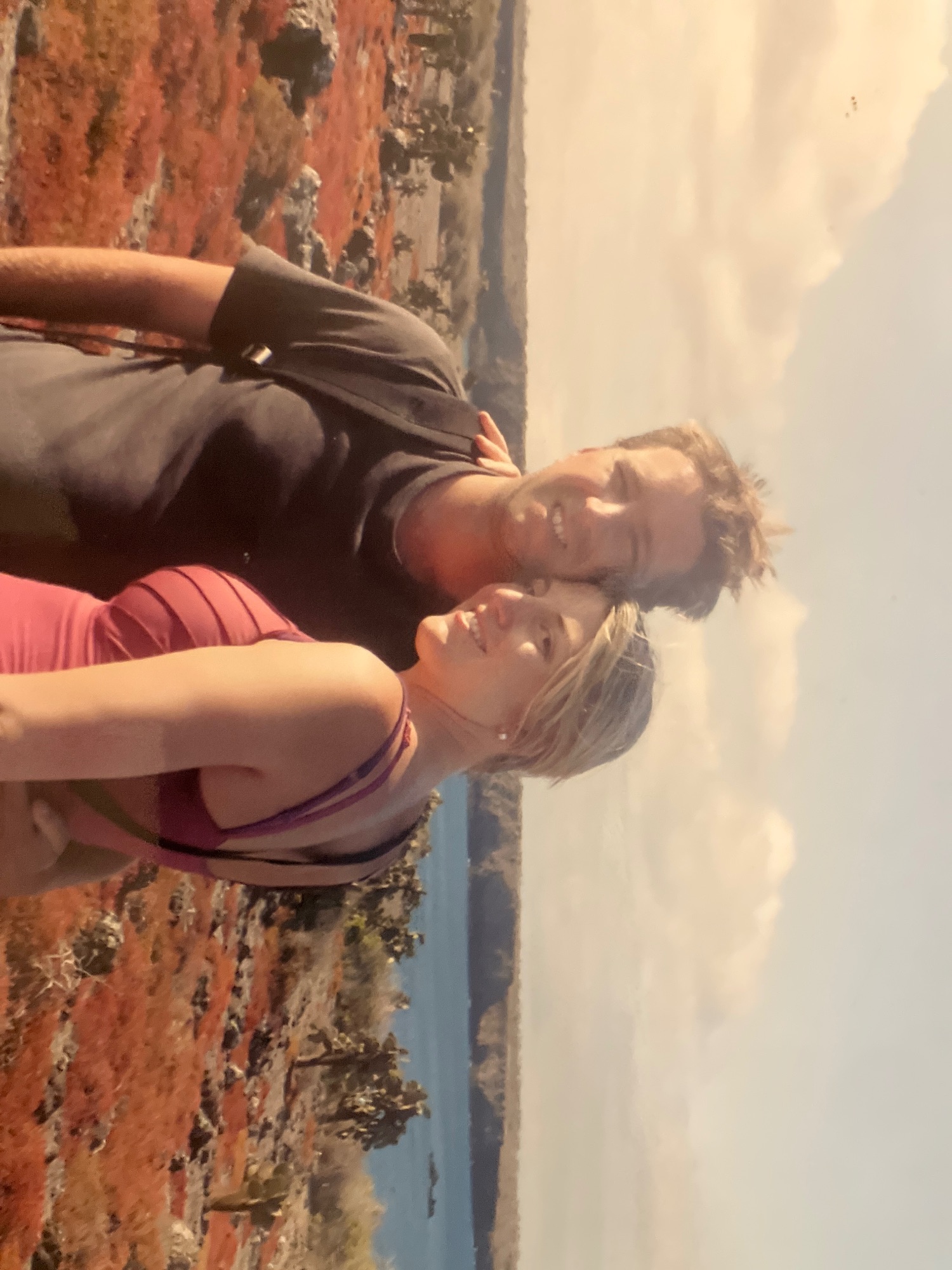
The honeymoon that produced these memories has since yielded something even more significant: children. And Vanstone's vision for the future of his own travel is inseparable from the places that moved him most. The Galápagos and Machu Picchu are already on the list for when his kids are older, destinations he believes will shape them the way they shaped him. In the nearer term, his sights are set on Asia. "We're looking closely at a trip to Asia with the kids," he says, "to have them experience the amazing culture and beaches and environment that is there as well." For a man who has circled the globe 83 countries over, the greatest adventures, it turns out, may still be ahead.