Travel advisor Nicholas Ruge returns from an expedition through the remote northwest and central Galápagos Islands with wildlife encounters, dramatic landscapes, and a deepened understanding of what today's most curious travellers are truly searching for.
At a Glance
The Galápagos Islands offer expedition-style travel with two to three daily excursions across diverse volcanic landscapes, where strictly regulated human presence allows wildlife to remain fearless. Visitors encounter marine iguanas, flightless cormorants, giant tortoises, and sea lions at close range through wet and dry landings, snorkelling, and lava field walks aboard small ships with expert naturalist guides.
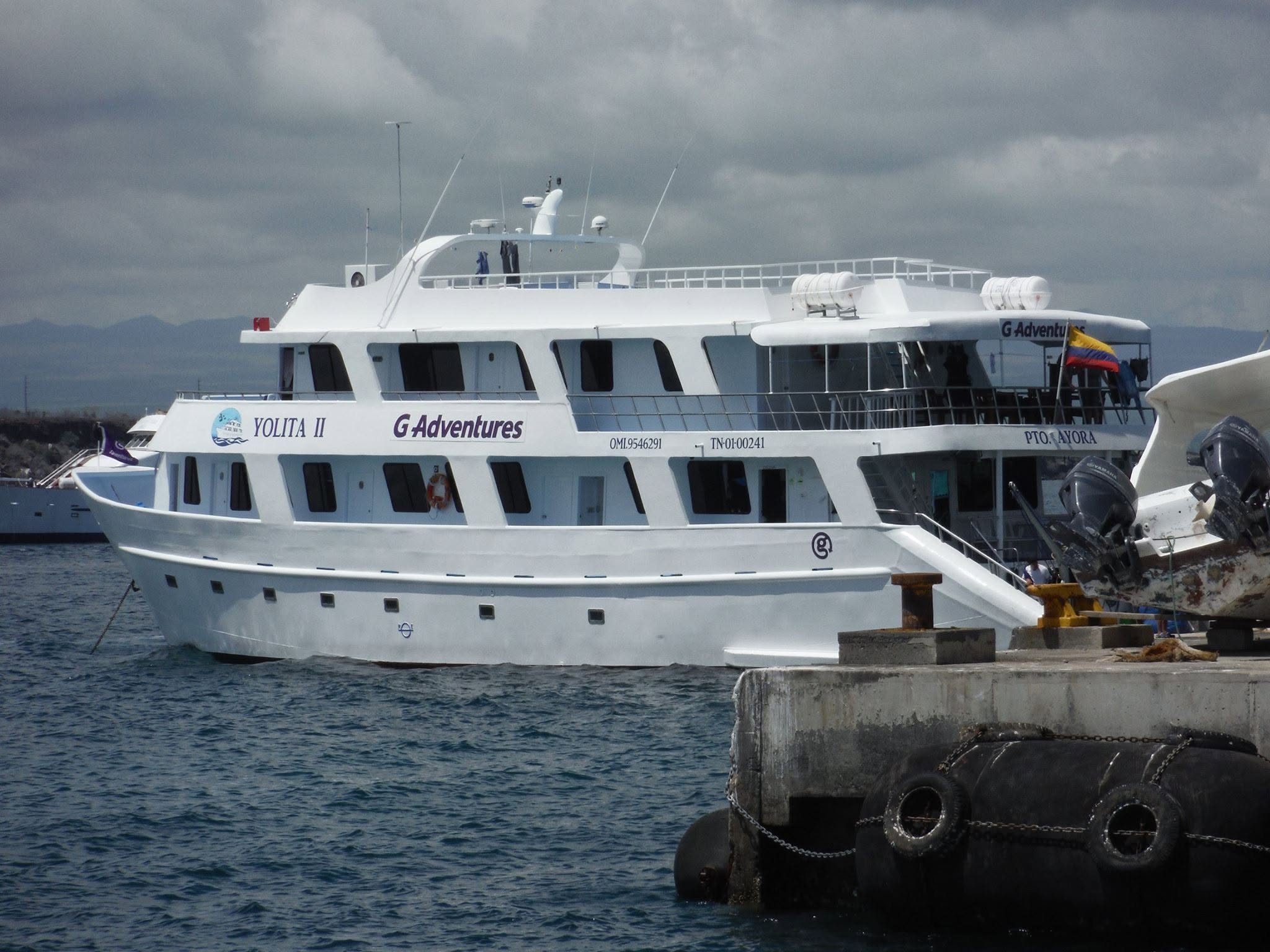
There are destinations that a traveller reads about, and then there are destinations that read a traveller back. For Nicholas Ruge, the Galápagos Islands proved to be the latter. The Vancouver-based travel advisor recently returned from a familiarisation trip with Jude Ventures, sailing the northwest and central islands aboard the Lolita Expedition ship, and what he brought home was far more than a collection of photographs. He brought back a firsthand education that no brochure could replicate.
An Expedition, Not a Holiday
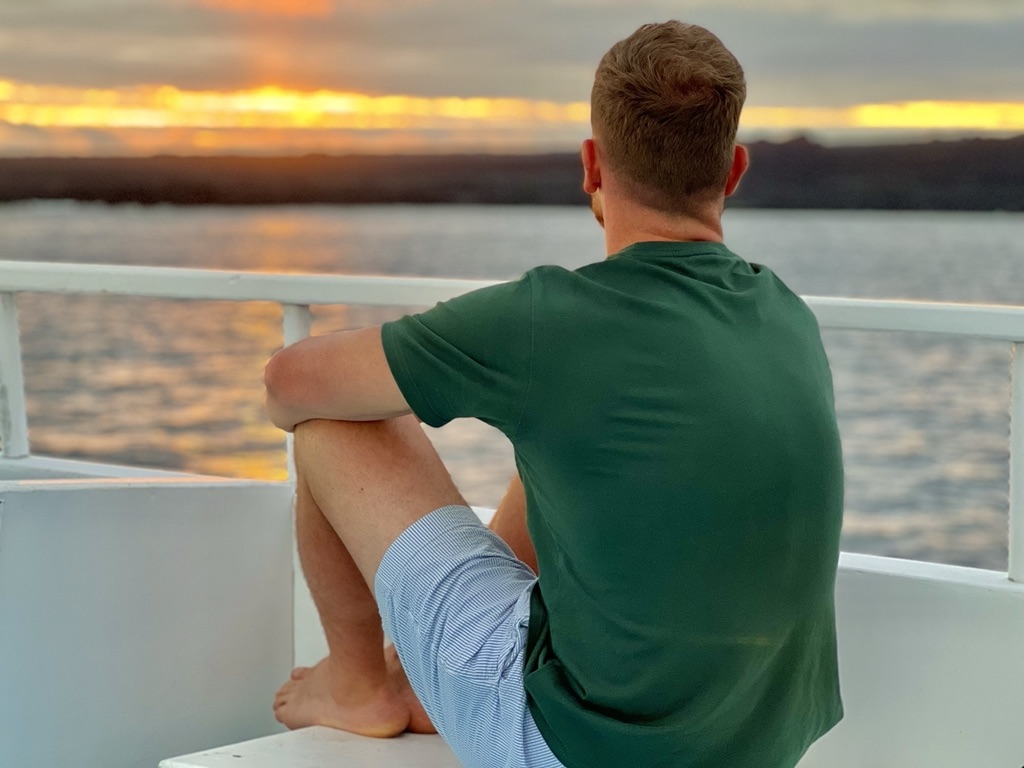
From the moment Ruge set foot on the Lolita, it was clear this would be no leisurely cruise. The itinerary moved with intention and pace, built around the rhythms of the islands themselves rather than the comfort of a fixed schedule. "What surprised me most was how much of an expedition this was," he recalls. "We had two to three excursions planned each day, combining wet and dry panga landings, snorkelling sessions, and walks over unyielding lava fields. The physical pace was invigorating." Early mornings were reserved for catching wildlife at its most active, while evenings dissolved into dark sky stargazing and quiet reflection on deck.
The vessel itself contributed significantly to the experience. With a dedicated Chief Experience Officer and an expert naturalist guide on board, and zodiac landings flexible enough to pivot with daily conditions, the group moved through the archipelago with the kind of intimacy that larger ships simply cannot offer. Ruge describes the arrangement as one of the trip's defining qualities, noting how the small-group format allowed for encounters that felt genuinely personal rather than managed.
Landscapes That Defy Expectation
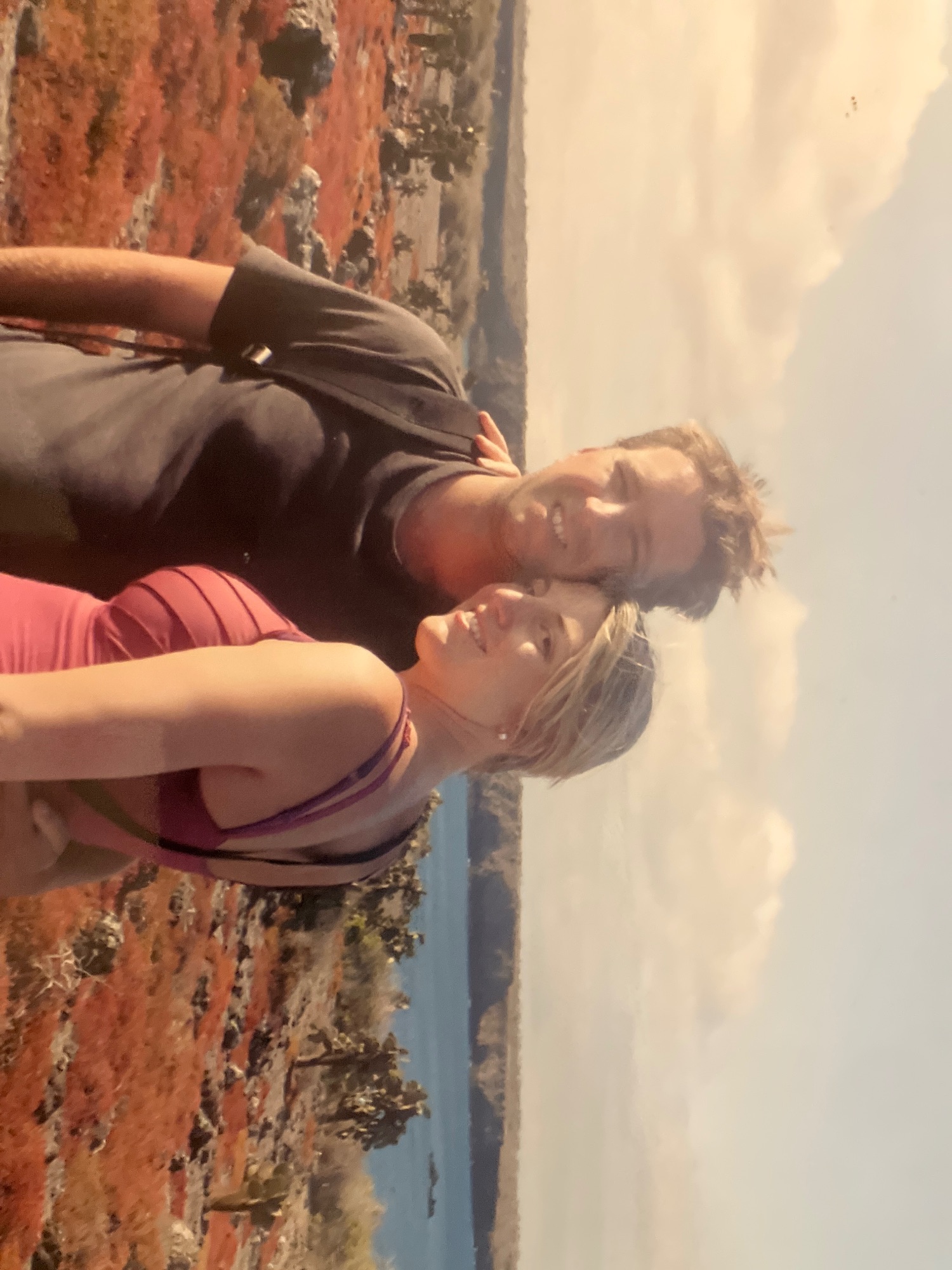
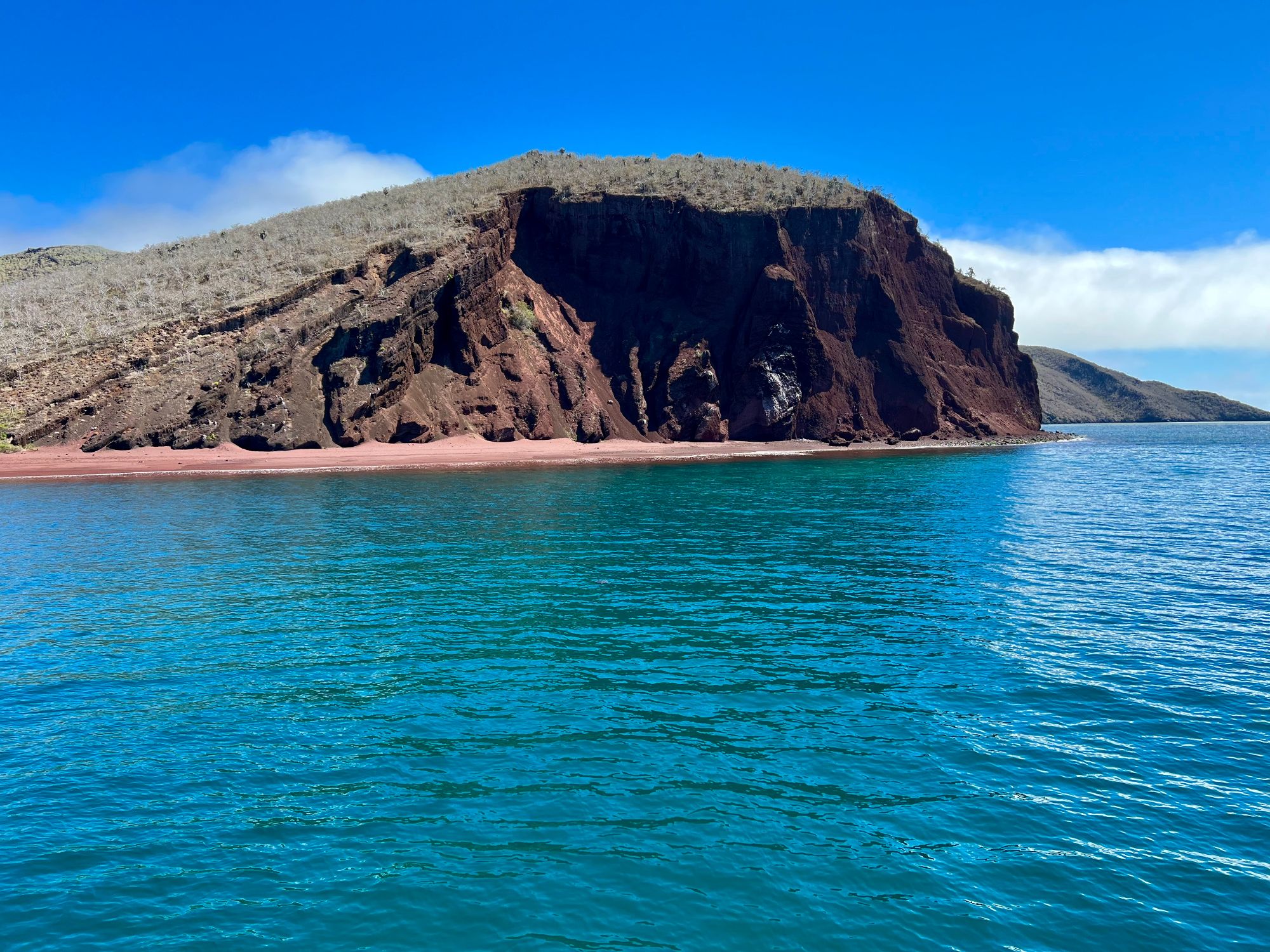
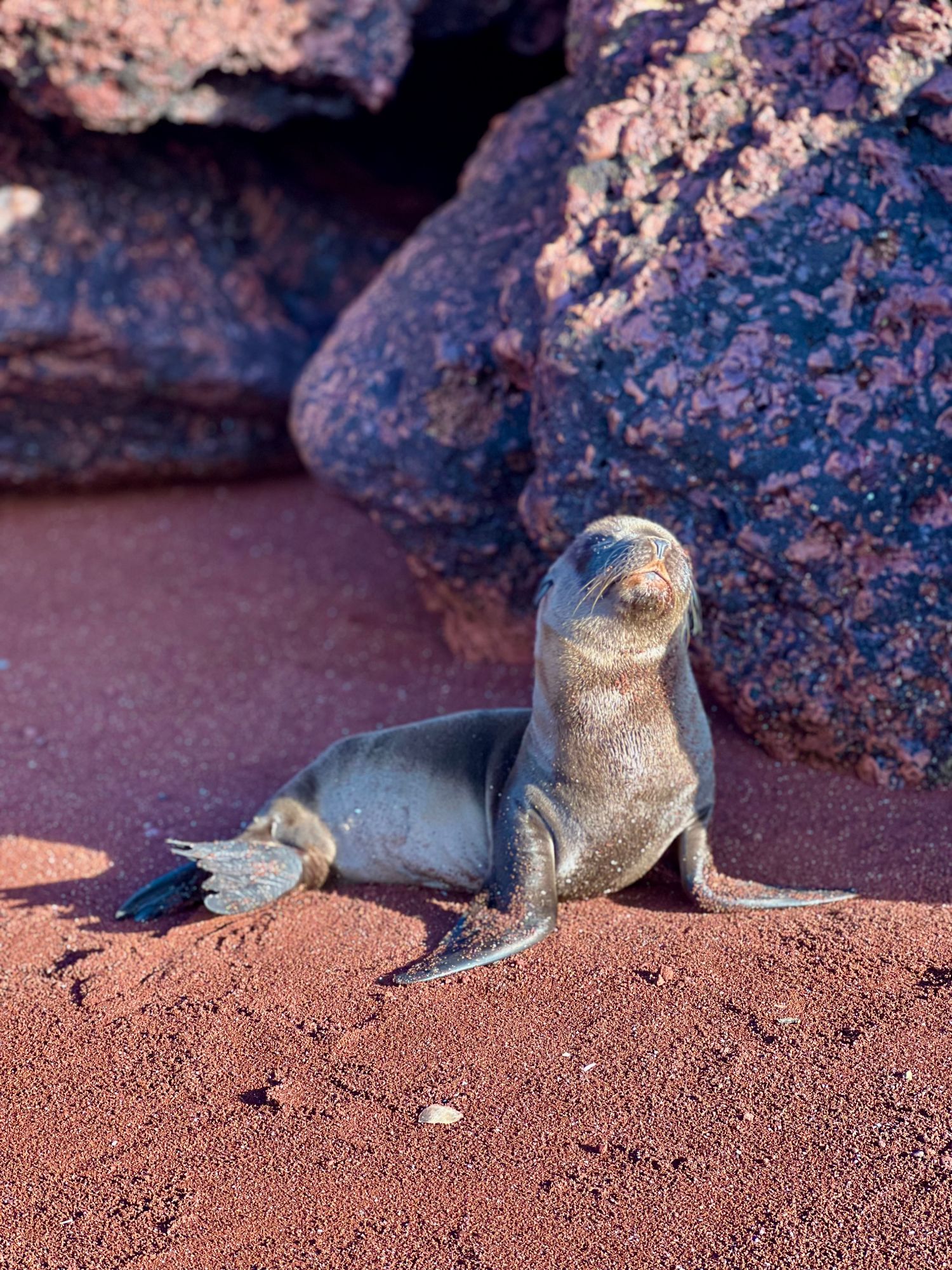
What no amount of research had prepared Ruge for was the sheer diversity of landscapes compressed into a single archipelago. On Bartolomé and Santiago, he walked across dramatic lava fields that stretched toward the horizon like something from another planet entirely. Genovesa revealed itself as a sunken volcanic caldera dense with vast seabird colonies. Rábida greeted the group with dark red sand beaches, their colour driven by iron-rich lava deposits. And on Isabela, the terrain shifted again entirely, rising into high-altitude cloud forest surrounding the expansive caldera of Sierra Negra volcano.
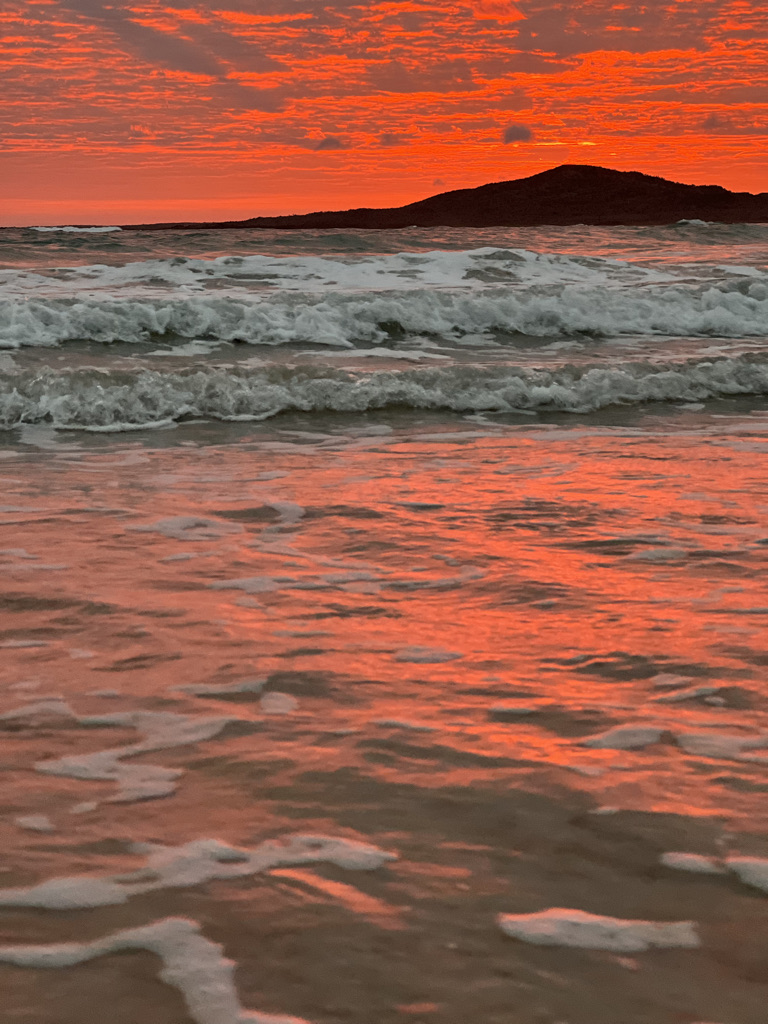
Each island, Ruge found, had its own distinct personality and ecology, a discovery that transformed his understanding of what the Galápagos actually is. It is not a single destination so much as an archipelago of worlds, each one shaped by its own geological history and wildlife community.
Wildlife Without Fear
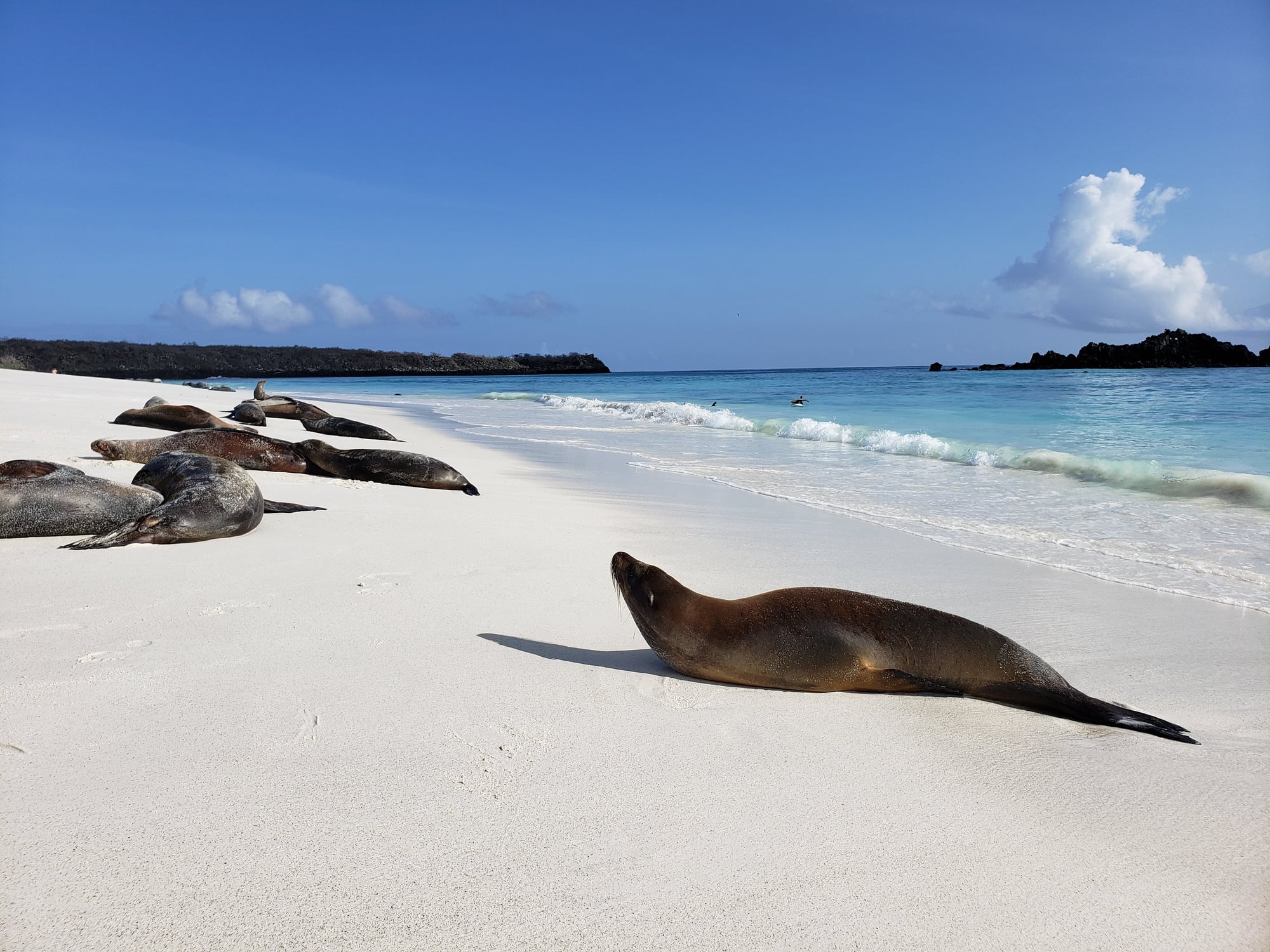
If there is one detail that Ruge returns to again and again when describing the trip, it is the behaviour of the animals themselves. Because human presence in the Galápagos National Park is strictly regulated, the wildlife has had no reason to develop a fear of people, and the results are extraordinary. "The marine iguanas would just bask on the paths right at our feet, spinning salt water out of their noses," Ruge says. "Sea lion pups would swim up to inspect our snorkel masks, and blue and red-footed boobies would nest alongside foot paths without batting an eye."
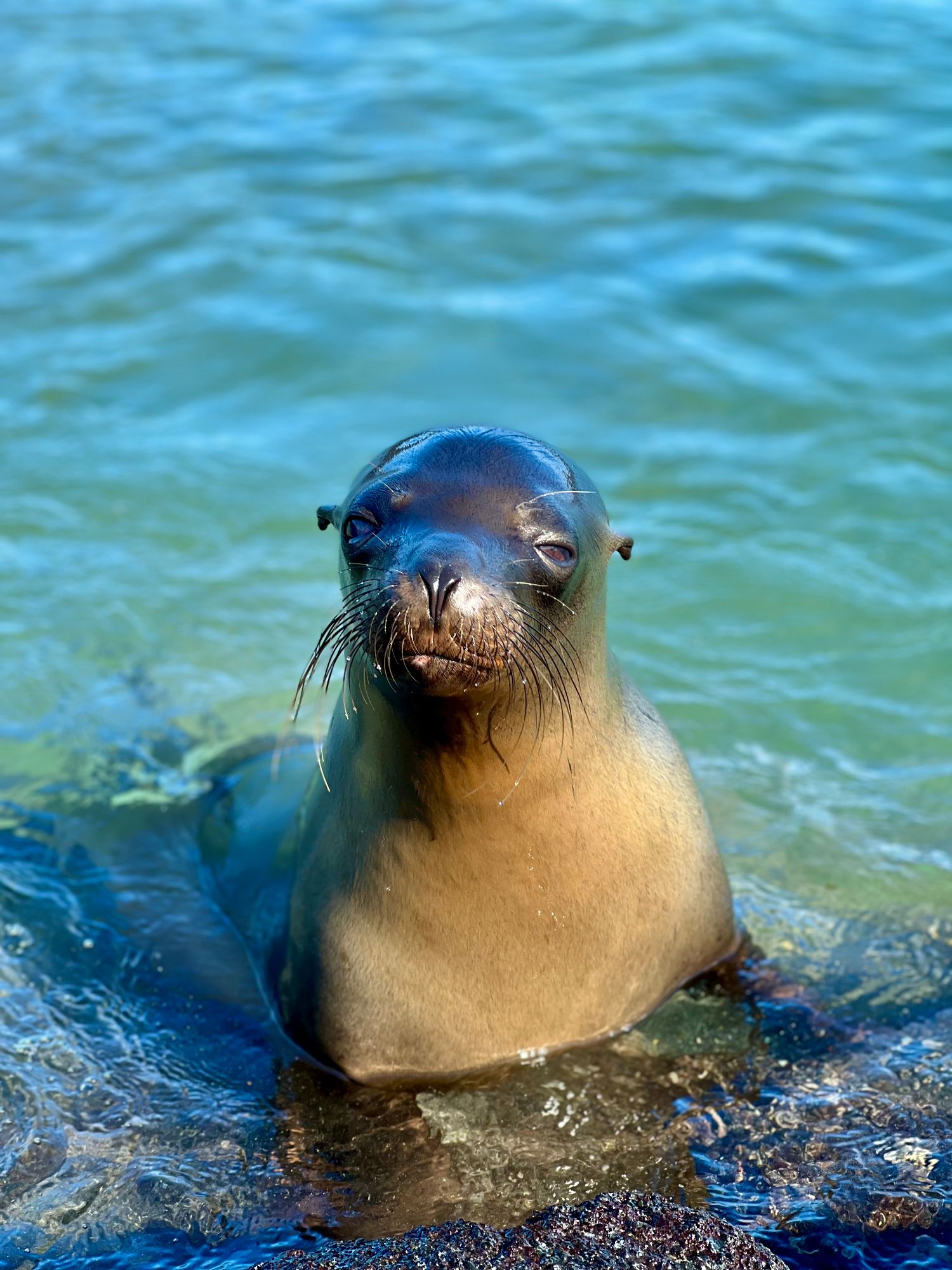
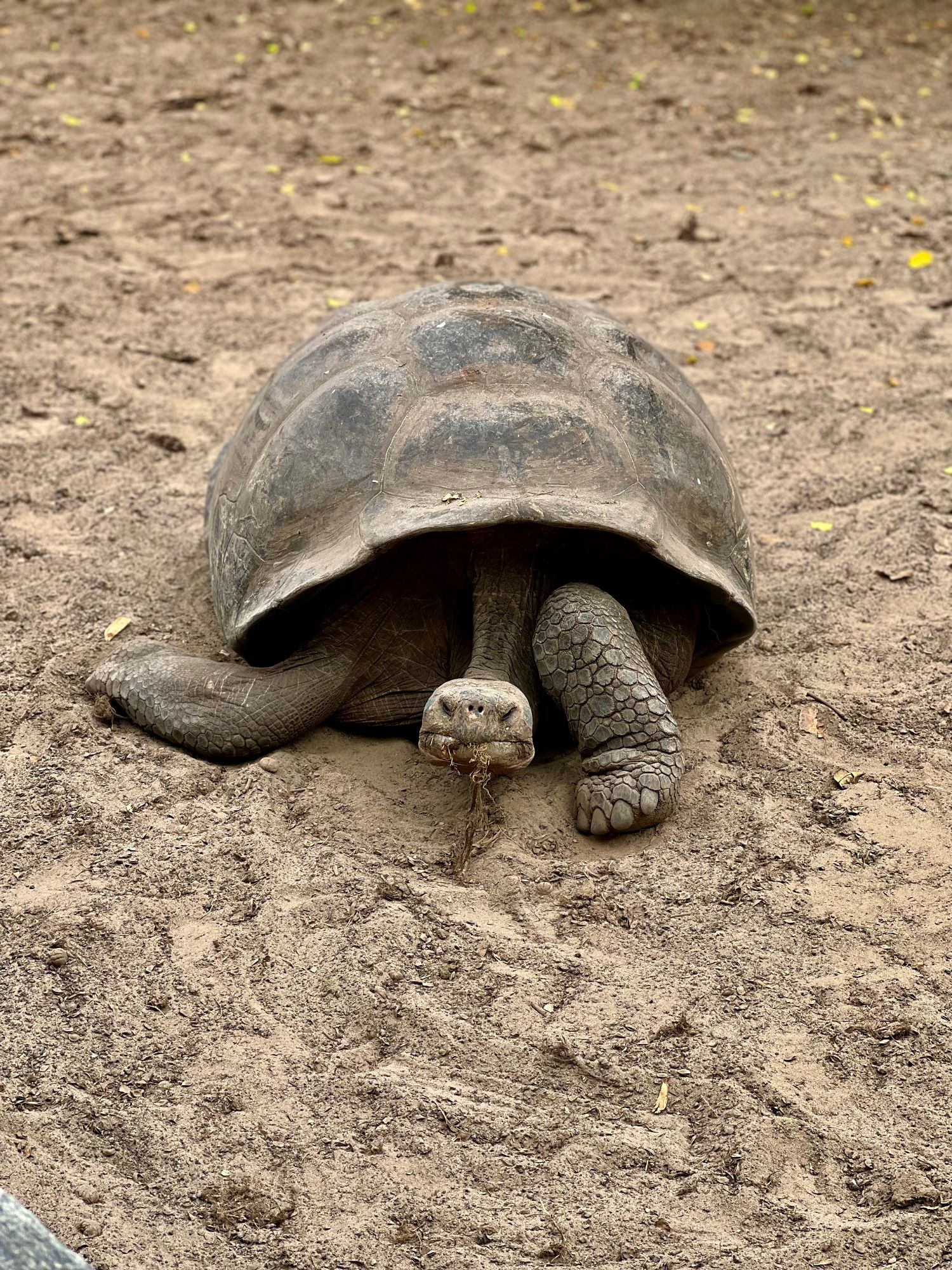
Beneath the surface, the encounters were equally remarkable. Ruge and his fellow travellers snorkelled alongside flightless cormorants, Galápagos penguins, marine iguanas feeding underwater, giant sea turtles, white-tip sharks, jellyfish, sea horses, and sea lion pups. On land, the group had the rare privilege of spending time near one of the oldest giant tortoises in the world. These were not wildlife sightings from a safe distance. They were immersions, moments of shared space between humans and animals in which the animals, for once, held all the confidence.
Who Belongs Here, and Who Does Not
One of the most valuable things a travel advisor can bring back from a familiarisation trip is clarity about fit, and Ruge returned from the Galápagos with a very precise sense of who this experience is built for. Adventure enthusiasts, scuba divers, snorkellers, wildlife and marine biology lovers, photographers, and travellers drawn to the legacy of Darwin's research are all natural candidates. Small groups seeking something genuinely challenging and educationally rich will find the expedition format deeply rewarding.
But Ruge is equally clear about what this trip is not. It is not a retreat for travellers seeking passive relaxation. The physical demands are real, the schedule is full, and the remote locations of the northwest islands mean that flexibility and stamina are genuine requirements. He also flags one practical consideration that his own experience clarified: solo travellers should ensure they book their own cabin. "I wouldn't suggest a solo traveller joining a small group tour and sharing a cabin with another traveller," he explains, "because the cabins aren't that large to begin with." Privacy and personal space, he now understands, are not luxuries on an expedition of this nature. They are essentials.
Insider Knowledge Worth Having
For travellers beginning to plan their own Galápagos journey, Ruge offers several tips drawn directly from experience. He recommends looking into Copa Airlines and considering a meaningful stopover in Panama to explore its celebrated coffee regions, as well as time in Quito before or after the islands. When it comes to packing, he advises travelling light, ideally with just a carry-on and a small roller bag, and bringing a personal snorkel mask for comfort during the multiple snorkelling sessions each day.
Timing, too, is a nuanced decision. Ruge visited in October, when many of the central and western islands were dry and desert-like, which paradoxically made wildlife easier to spot. Travellers who prefer lush, verdant landscapes should plan their visit during the wet season, typically from December through the early months of the year. Neither timing is superior. They simply offer different versions of the same remarkable place.
A Broader Shift in How People Travel
Beyond the specifics of the Galápagos, Ruge sees his experience there as a window into a much larger shift in how travellers are thinking about their journeys. "The trend towards more purpose-driven travel is going into full effect," he says. "More and more travellers are craving destinations that are off the beaten path, travelling in smaller group sizes, that are more bespoke, less crowded, and sustainable." The all-inclusive escape, he notes, is losing ground to adventures that teach something, connect travellers to wildlife and culture, and leave ecosystems and communities better than they found them.
It is a shift that the Galápagos embodies almost perfectly, a place where conservation and experience are inseparable, where the very regulations that protect the wildlife are also what make the wildlife so extraordinary to encounter.
As for what comes next, Ruge is already looking toward the African continent. He is planning a journey to South Africa, focused on a private game reserve and one of G Adventures' newest National Geographic Journeys signature trips, with a potential post-extension in Cape Town to explore its food and wine culture. After weeks surrounded by ocean and aquatic life, he says, it is time to turn his attention to the land. For those who follow his recommendations, the next chapter of firsthand expertise is already in motion.