Canadian travel advisor Anita Magnoli traded the guidebooks for a camel ride and a pre-dawn climb up Mount Sinai, returning home with the kind of firsthand wisdom no brochure can replicate.
At a Glance
Egypt demands physical endurance and cultural preparation from visitors. A comprehensive 15-day itinerary spanning Cairo, Luxor, Abu Simbel, Aswan, and the Red Sea reveals millennia of history through temples, pyramids, and the Nile. Travelers should prioritize depth over breadth, travel with guides, and prepare for 18-hour days and strict dress codes at religious sites.
There are destinations that ask something of you. Egypt is one of them. For travel advisor Anita Magnoli, a 15-day journey through the land of the pharaohs was not simply a holiday. It was a sensory immersion into millennia of history, a physical endurance test, and a professional awakening that would permanently reshape how she talks to clients about this extraordinary country.
"When I reflect back on my remarkable journey to Egypt, my senses come alive with the abundance of magnificent treasures: splendid temples and tombs, ancient pyramids, museums, the magical gift of the Nile, and the busy and colourful open-air bazaars in the heart of the city, all displaying their fragrant spices," Magnoli recalls. It is the kind of recollection that does not fade. Nearly a decade and a half after her November 2009 trip, she speaks about Egypt with the immediacy of someone who left last week.
Cairo: Chaos, Camels, and the Weight of History
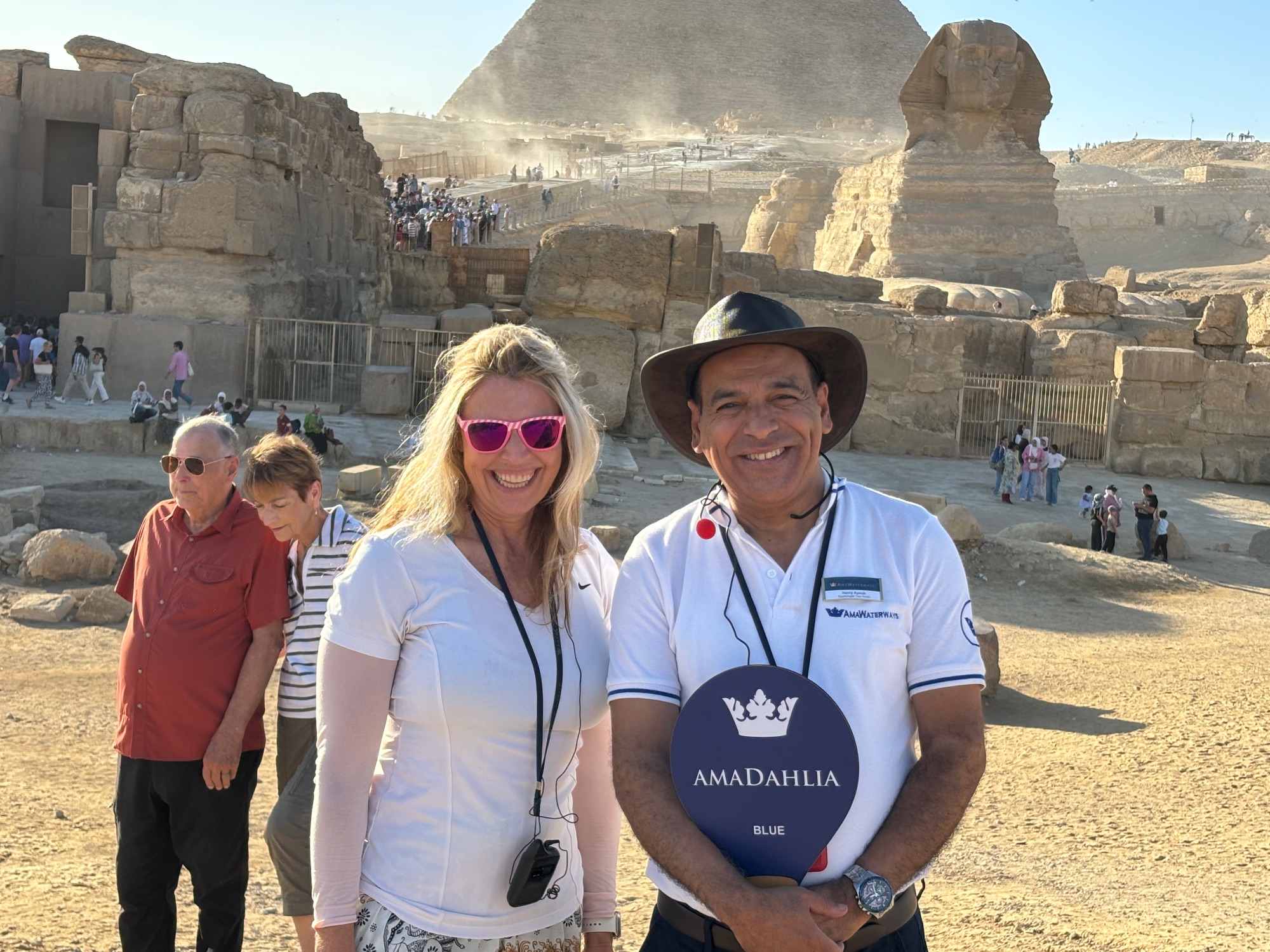
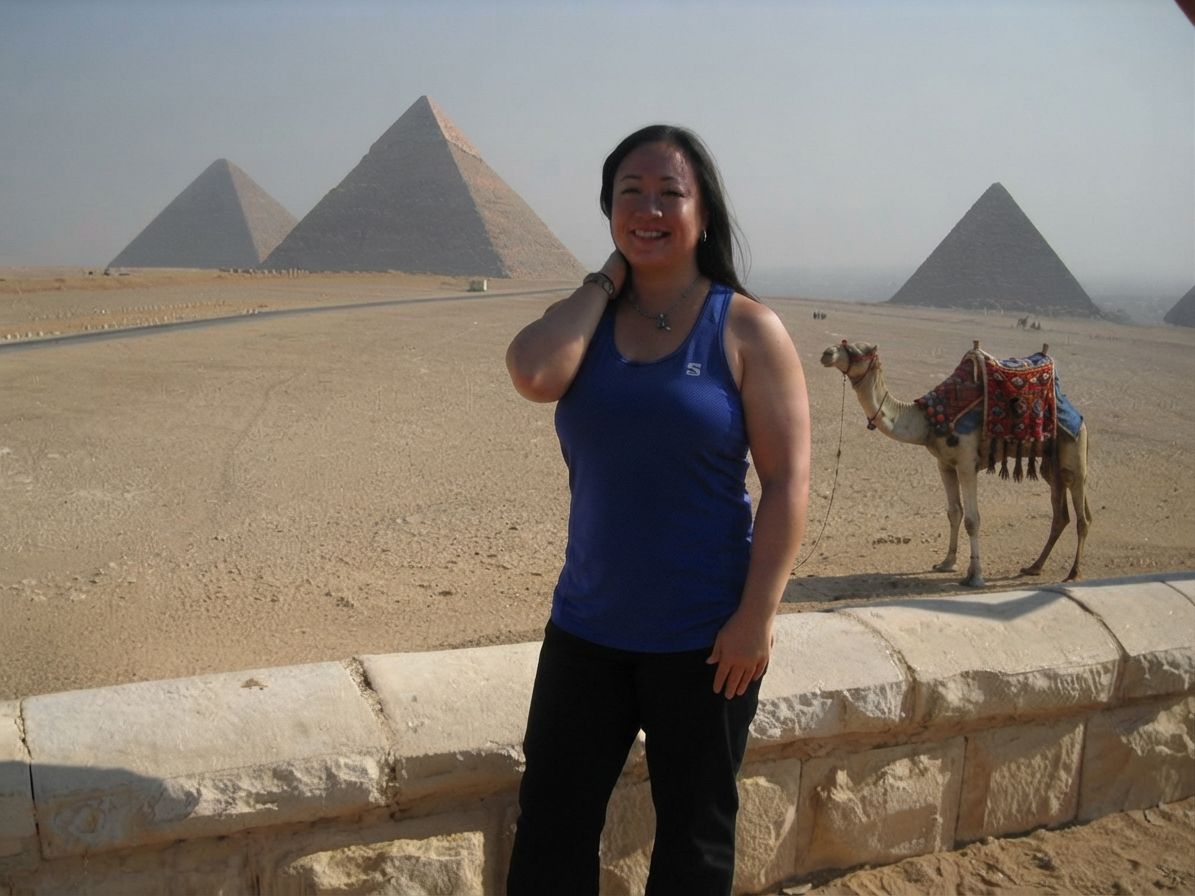
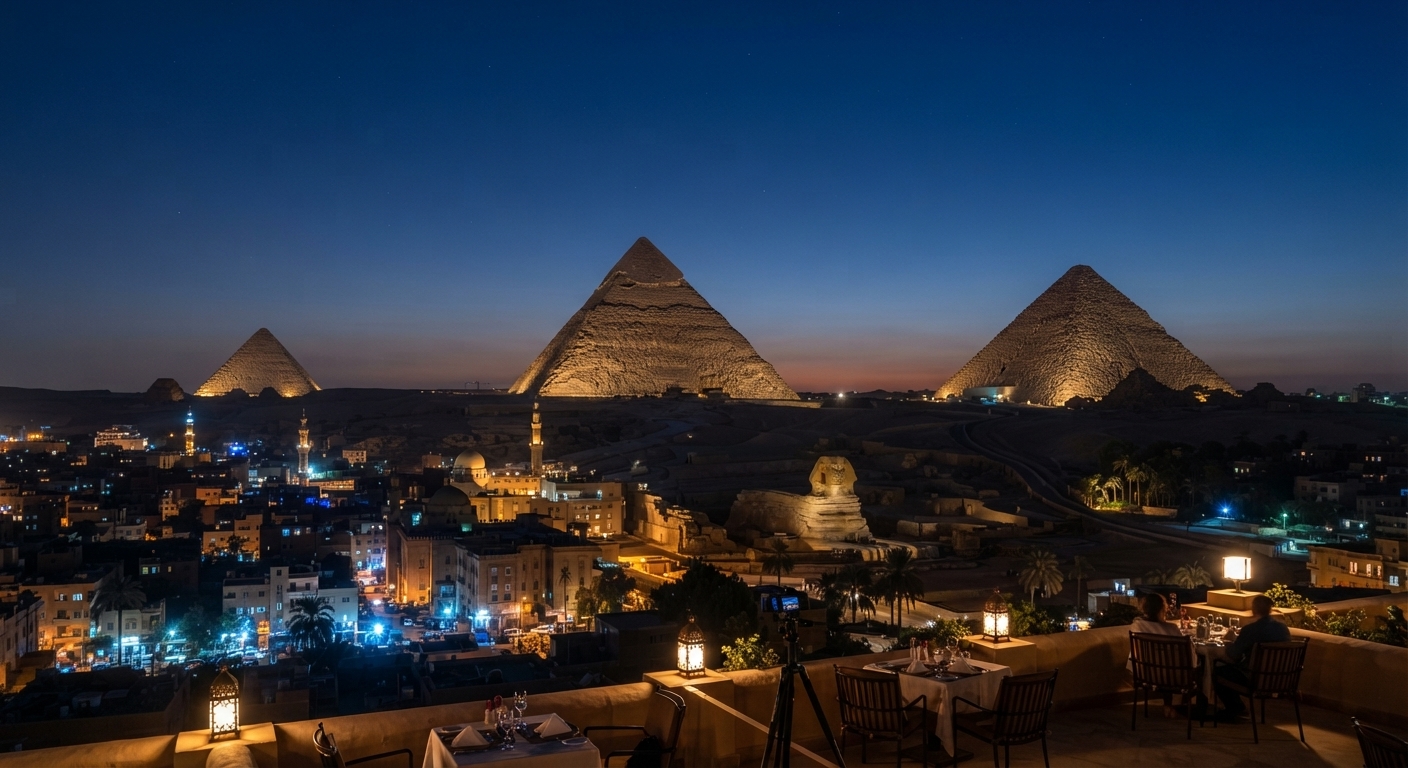
Magnoli spent three days in Cairo, a city she describes as a huge, sprawling, and chaotic metropolis that somehow manages to contain both the ancient and the contemporary within the same afternoon. Under the hot afternoon sun, she rode a camel through the desert to stand before the Grand Sphinx and the Great Pyramids of Giza. Chephren, Mykerinos, and Cheops rose from the sand with a scale that photographs simply cannot prepare you for. From there, the group moved on to the Citadel, explored the layered history of Coptic Cairo, and, as evening fell, found themselves swallowed up by the vibrant chaos of the Khan el-Khalili bazaar.
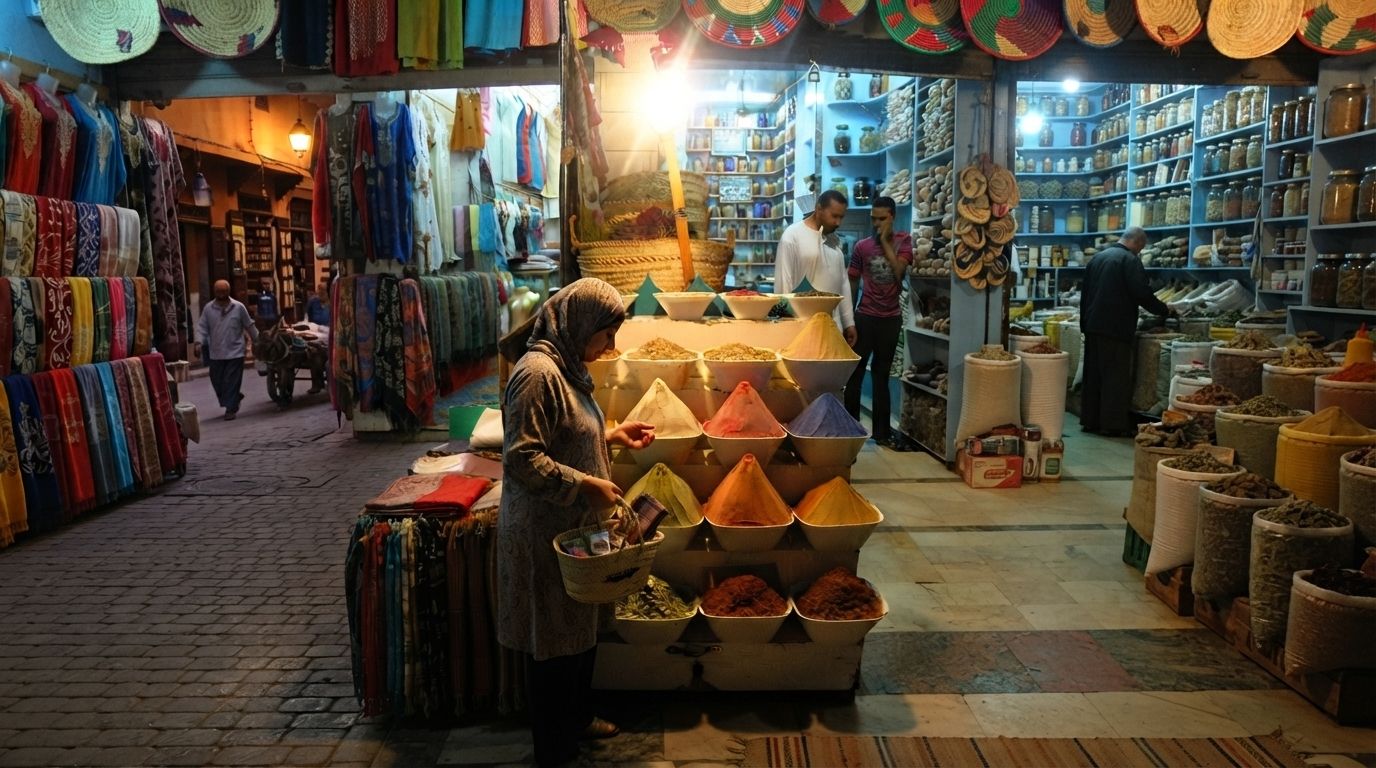
It was the bazaar at night that lodged itself in Magnoli's memory as something particularly alive. The stalls, the scents of fragrant spices piled high in open sacks, the sound of vendors and visitors negotiating in a dozen languages. She had not expected Cairo's streets to pulse with quite so much energy after dark, and the warmth she encountered from locals surprised her. "Everybody was generally quite friendly. I found the hospitality to be quite good there," she says, reflecting on a city that can feel overwhelming and welcoming in equal measure.
Abu Simbel, Luxor, and the Temples That Stopped Time
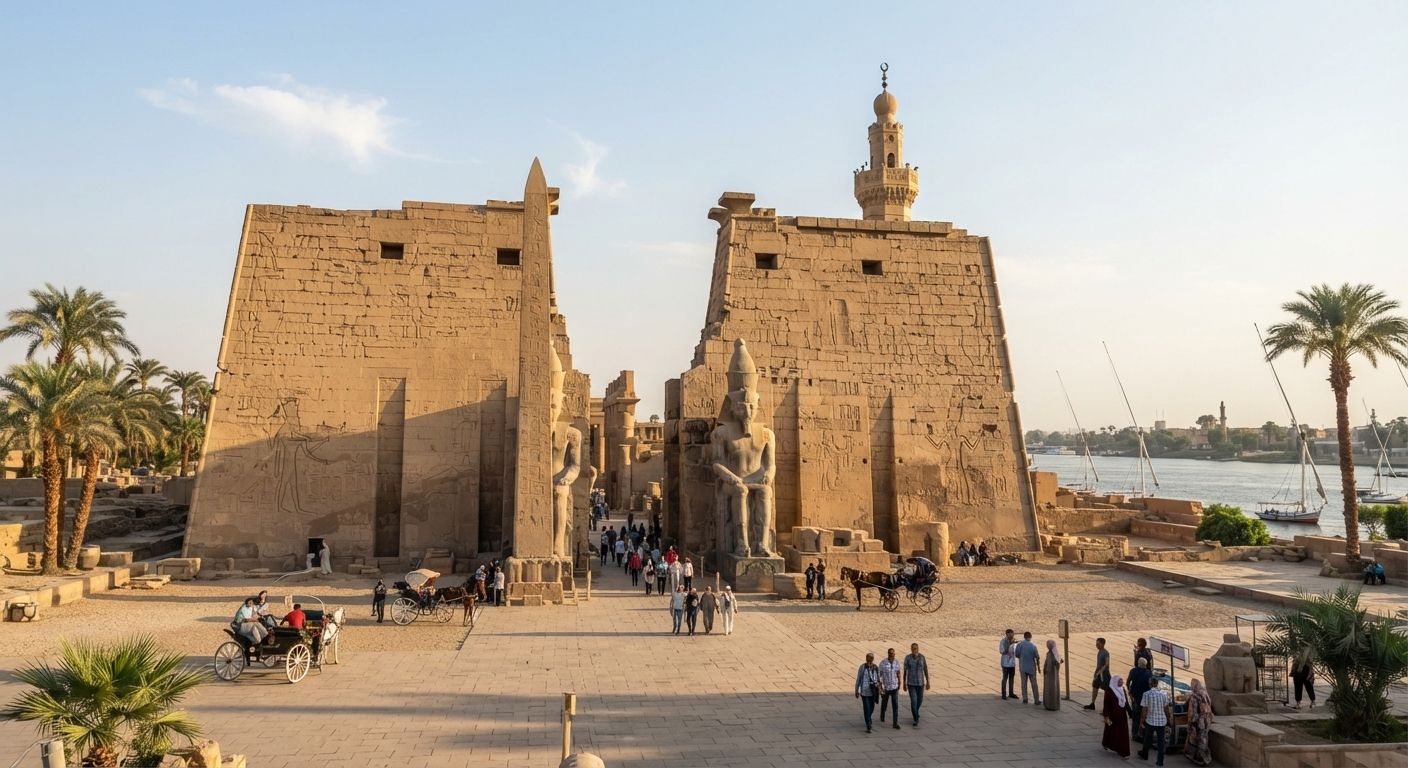
No visit to Egypt, Magnoli is quick to note, is complete without Luxor. She describes the ancient city that the Greeks called Thebes as the world's greatest open-air museum, a place where the sheer concentration of columns, pillars, and relics demands both time and humility. "As I ventured off to this epic destination, I felt overwhelmed by the expansive history and concentration of relics in this area," she says. "I needed plenty of time to take in the vast amount of columns and pillars over this awe-inspiring site."
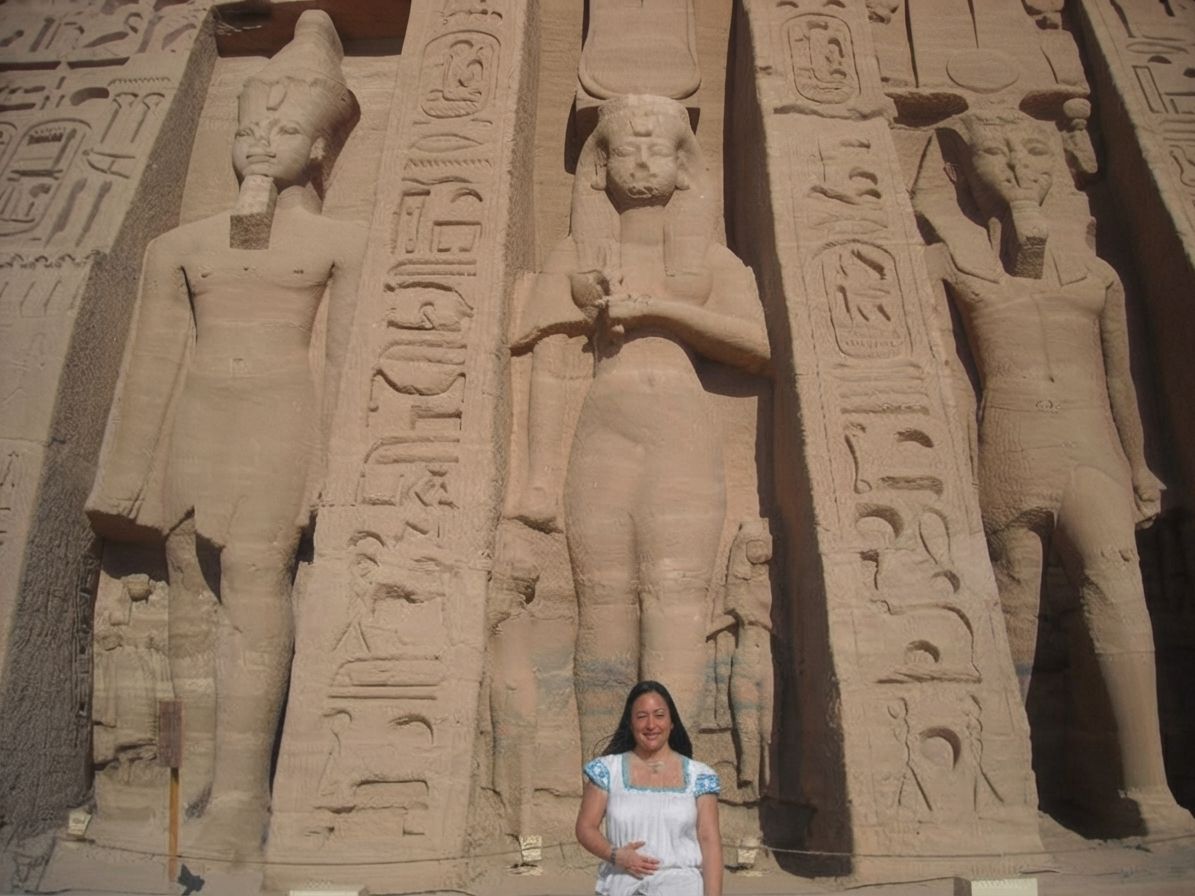
The excursion to Abu Simbel proved to be among her most cherished experiences. Built in 1244 B.C. during the reign of Ramesses II, the twin temples carved directly into a mountainside carry an architectural secret: on just two days each year, October 22 and February 22, sunlight penetrates the inner sanctuary and illuminates three statues seated within, including one of the pharaoh himself. Standing in that space, aware of the precision with which ancient builders aligned stone to sun, Magnoli felt the full weight of where she was.
Aswan offered a gentler counterpoint to Cairo's intensity. The journey along the Nile to Philae Island, with its temples dedicated to the goddess Isis and her husband Osiris, arrived wrapped in natural beauty and a slower, more meditative pace that Magnoli had come to appreciate by that point in the trip.
A Birthday on the Red Sea and a Pre-Dawn Climb
After twelve days of near-constant movement, the group made their way to Dahab on the Sinai Peninsula, a former Bedouin fishing village that now draws European sun-seekers, divers, and snorkelers to its pristine coral reefs. Magnoli spent her birthday here, in the water, snorkeling above a world of colour and marine life she describes simply as "one happy place." The rest was earned.
It was also preparation. The group rose at 2:00 in the morning to begin the arduous climb up Mount Sinai, 2,285 metres of cold, dark, uphill trail shared with fellow pilgrims, local guides, and camels. At the summit, as light began to break across the desert interior below, Magnoli found herself in the company of people from across the world, huddled together in camp and speaking in different languages, united by the same impulse to witness something sacred. The experience, she says, was simply "owing," a word she reaches for when the usual descriptors fall short.
What Egypt Teaches You About Planning
Magnoli is candid about what the trip demanded. Days ran to eighteen hours. The pace was relentless. And while the richness of each destination made every exhausting hour worthwhile, she came home with a clear-eyed understanding of what Egypt requires from its visitors, and what it does not forgive in those who arrive underprepared.
Her professional advice is direct: go with a guide, travel with a group, and do your homework before you land. Dress codes at mosques and religious sites are not optional, and she notes that finding the right clothing or a suitable scarf once you are already in a remote area can be genuinely difficult. Knowing these things in advance, she says, eases the anxiety that comes with navigating a foreign culture. Beyond logistics, she is equally thoughtful about the right temperament for this destination. History lovers, adventure seekers, divers, dreamers, and families will all find something to hold them. Those with mobility challenges or a preference for a gentler pace may find Egypt's relentless forward motion more draining than inspiring.
If she were to return, Magnoli says she would choose depth over breadth. Three solid destinations rather than five or six. More evenings at the Khan el-Khalili, more time lingering over the culinary landscape, more room to breathe. "You don't have to see it all on the first visit," she offers, with the generosity of someone who has learned that lesson the best possible way, by living it.
The Advisor Who Has Actually Been There
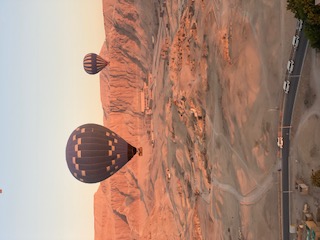
What separates Magnoli's Egypt recommendations from anything a client might assemble online is not simply itinerary knowledge. It is the accumulated texture of experience: the cold air at the summit of Sinai at 3:00 in the morning, the smell of spices in the bazaar, the surprise of a hot-air balloon ride that was never on the original plan but became a highlight the group still talks about. She is a firm advocate for flexibility within a well-structured trip, for saying yes to the sunrise balloon ride over the Pyramids of Giza, for staying open to the excursion that was never in the brochure.
For now, Magnoli's own gaze is drifting northward. She is currently planning a river cruise through Germany's Christmas markets for her clients, a journey through Austria and Denmark during the festive season, and the project has lit something in her. "I'm currently planning a trip for my clients now, and it's really piqued my interest," she says, with the unmistakable enthusiasm of a traveller who is never quite done discovering what the world has to offer.