Travel advisor Valerie Gibbs thought she knew what to expect from a week in Croatia — until a fourth-century Roman palace, a UNESCO island, and a Michelin-trained winemaker on a tiny Adriatic island proved her wonderfully wrong.
At a Glance
Croatia offers distinct experiences across three key destinations: Split's fourth-century Diocletian's Palace, Trogir's UNESCO-listed medieval architecture, and Vis island's dramatic Adriatic coastline. The country's appeal spans historians, sailors, and food lovers, with surprising mountain backdrops framing Mediterranean beauty and local culinary excellence that rivals world-class standards.
There is a moment, standing on the sun-warmed stone of Vis island, where the Adriatic stretches out in every direction and the air smells faintly of salt and wild herbs, that Croatia stops being a destination and starts being a feeling. For Valerie Gibbs, a travel advisor who recently spent a week exploring the country with her family, that feeling arrived early — and it arrived with a Mamma Mia soundtrack playing in her head.
"Walking on the Mamma Mia 2 film set — no wonder Donna did not want to leave!" Gibbs says, with the kind of delighted warmth that tells you she means every word. The Greek-set sequel was famously filmed on Vis, and for anyone who has seen it, standing on that same coastline carries a distinct, cinematic charge. But what Gibbs discovered is that Croatia's magic runs far deeper than any film location — and that uncovering it layer by layer is exactly the kind of travel experience that changes how an advisor recommends a destination forever.
A Week of Layered Discoveries
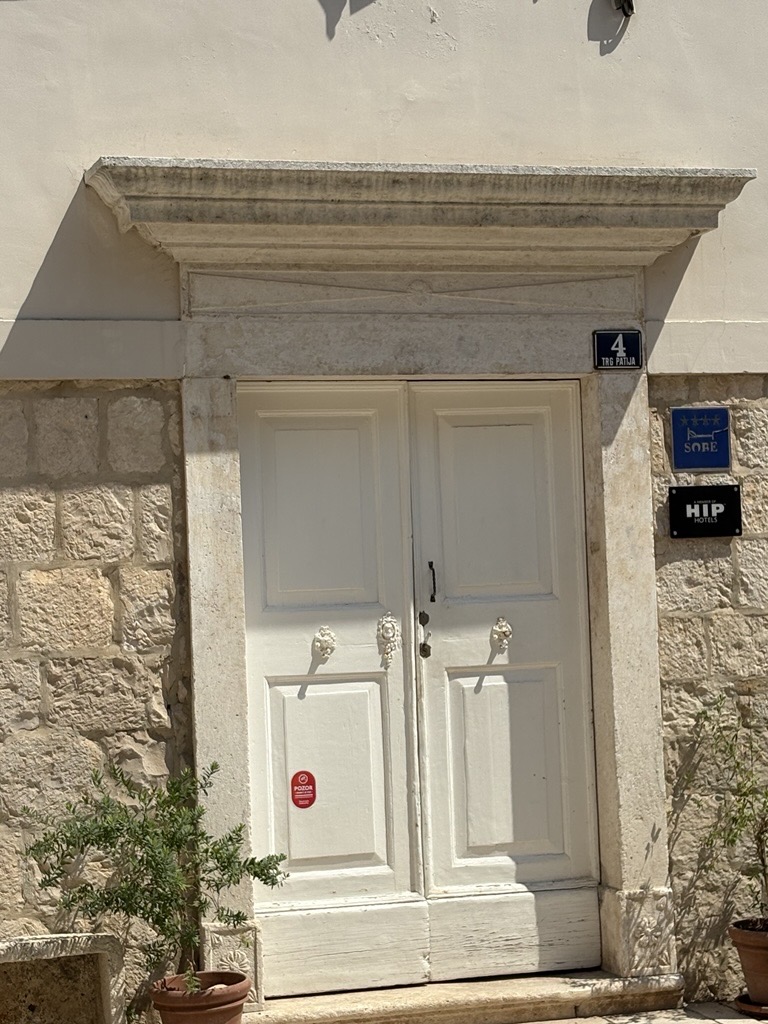
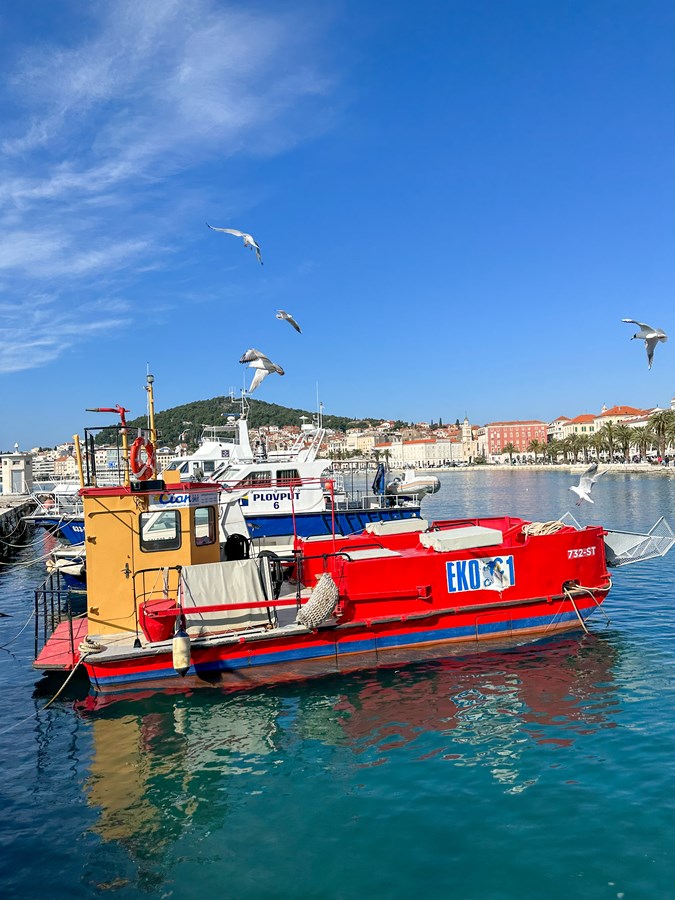
Gibbs arrived in Croatia with her family, weaving her way through three distinct destinations in seven days. The journey began at Diocletian's Palace in Split, a fourth-century Roman imperial complex so vast and so alive that an entire city has grown up inside its ancient walls. From there, the family made their way to Trogir, a medieval island town listed as a UNESCO World Heritage Site, where marble streets and Romanesque architecture speak quietly of centuries of Venetian and Croatian history. Finally, they reached Vis, the jewel of the Dalmatian Islands, sitting out in the Adriatic further from the mainland than most tourists tend to venture.
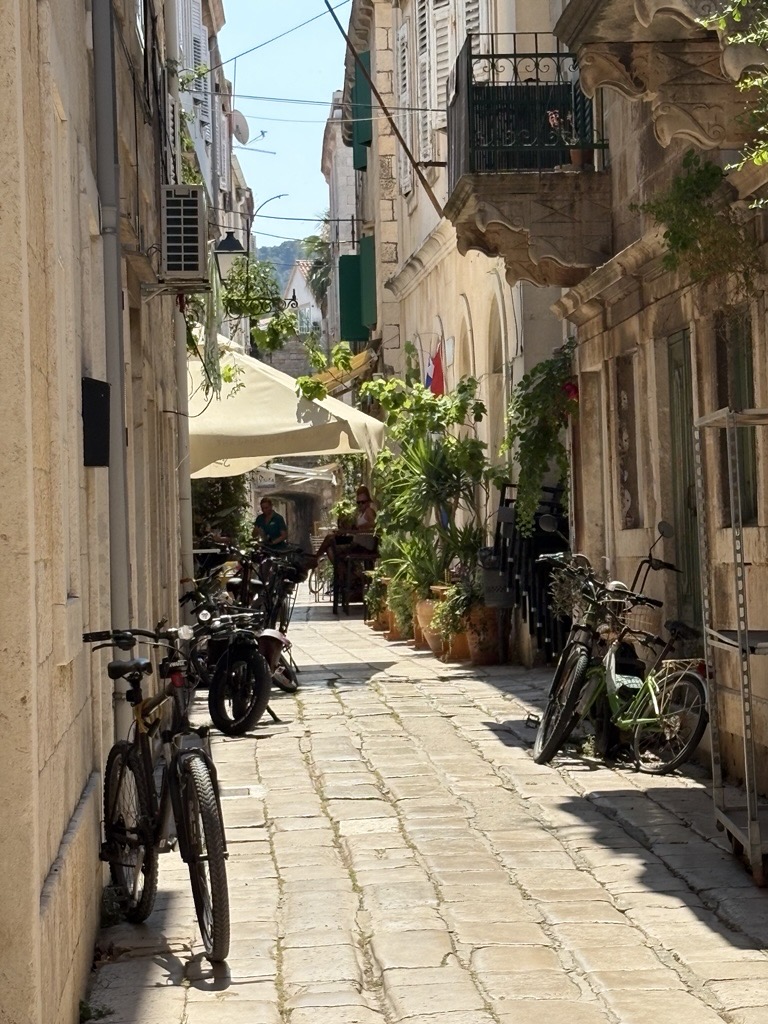
Each stop peeled back a different layer of the country. The blend of architectural eras struck Gibbs immediately — old Roman stonework sitting beside newer buildings, historic churches framed by modern cafes, a destination entirely comfortable in its own contradictions. The culture matched the landscape: warm, unhurried, and genuinely welcoming. "It has its own beauty — mountains surrounding, incredible coastline and unique islands, very much like our Gulf Islands, with warm and hospitable people," Gibbs reflects. For her Canadian clients, that comparison to the Gulf Islands is a useful bridge — Croatia suddenly feels not so foreign, not so far, but still thrillingly different.
The Surprise That No Travel Website Could Have Predicted
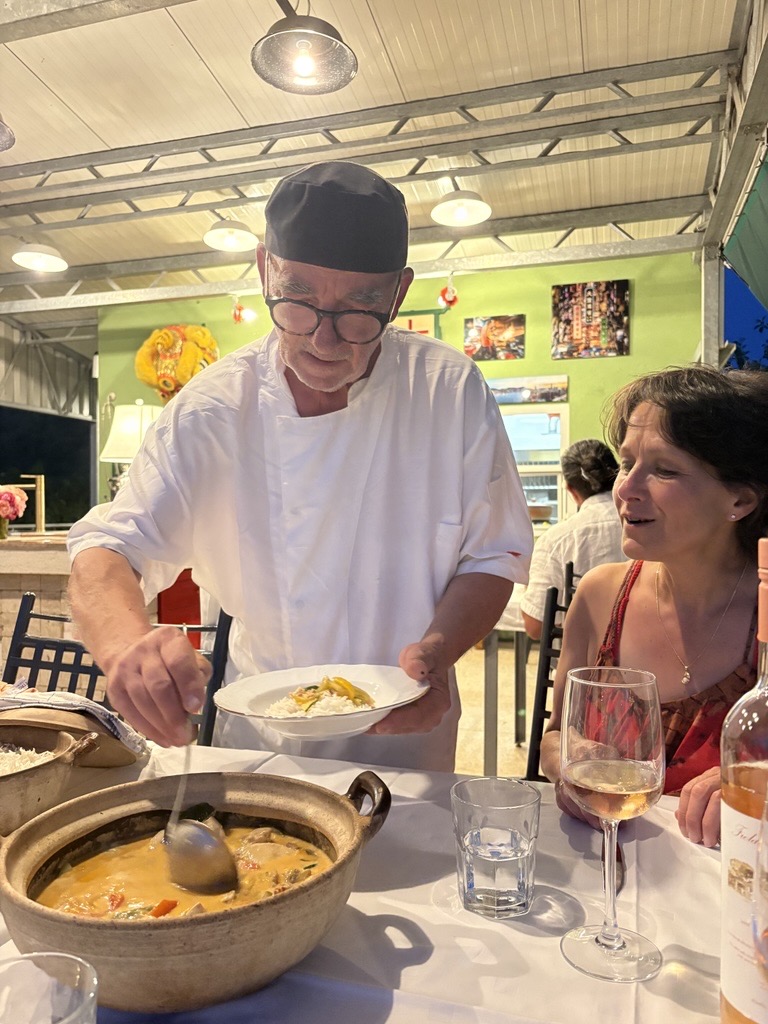
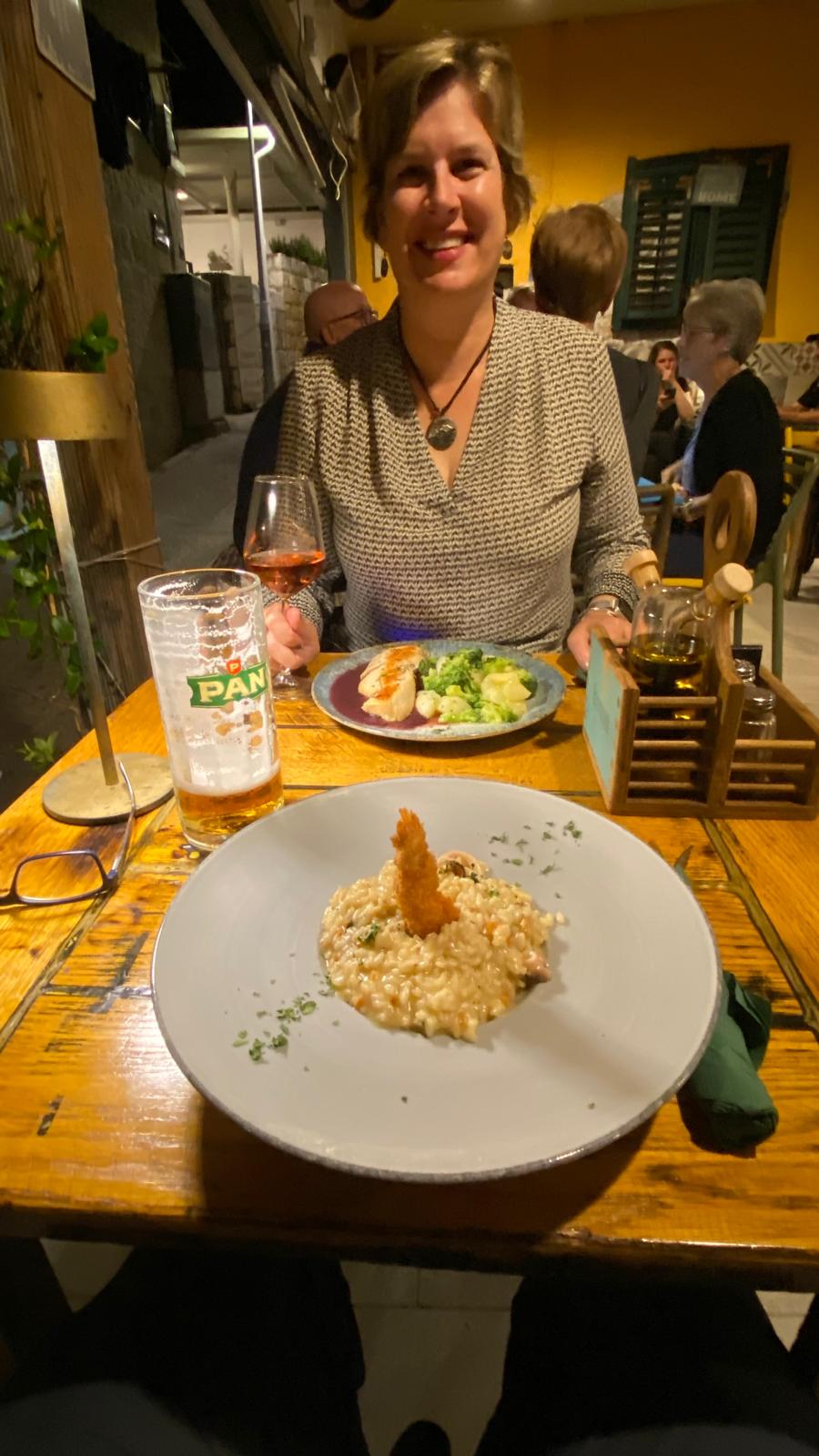
One of the most telling moments of the trip was not found in any guidebook or on any booking platform. It came through conversation — the kind that only happens when a traveller is present, curious, and paying attention. Staying on Vis, Gibbs learned something remarkable about the owners of her accommodation: "From the accommodation booked we found out the owners also had a winery, with the husband being a Michelin chef who was originally born on Vis." A local man, born on the island, trained to the highest level of culinary craft, now pouring his heritage into both food and wine on the very soil where he grew up. It is exactly the kind of discovery that transforms a holiday into a story worth telling for years.
It is also precisely the kind of intelligence that only a first-hand travel advisor can bring back to clients. No algorithm surfaces the winemaker next door. No review site captures the conversation over a glass of local wine that reveals the depth of a place. Gibbs brought that knowledge home with her, and she intends to use it.
The Mountains Nobody Warned Her About
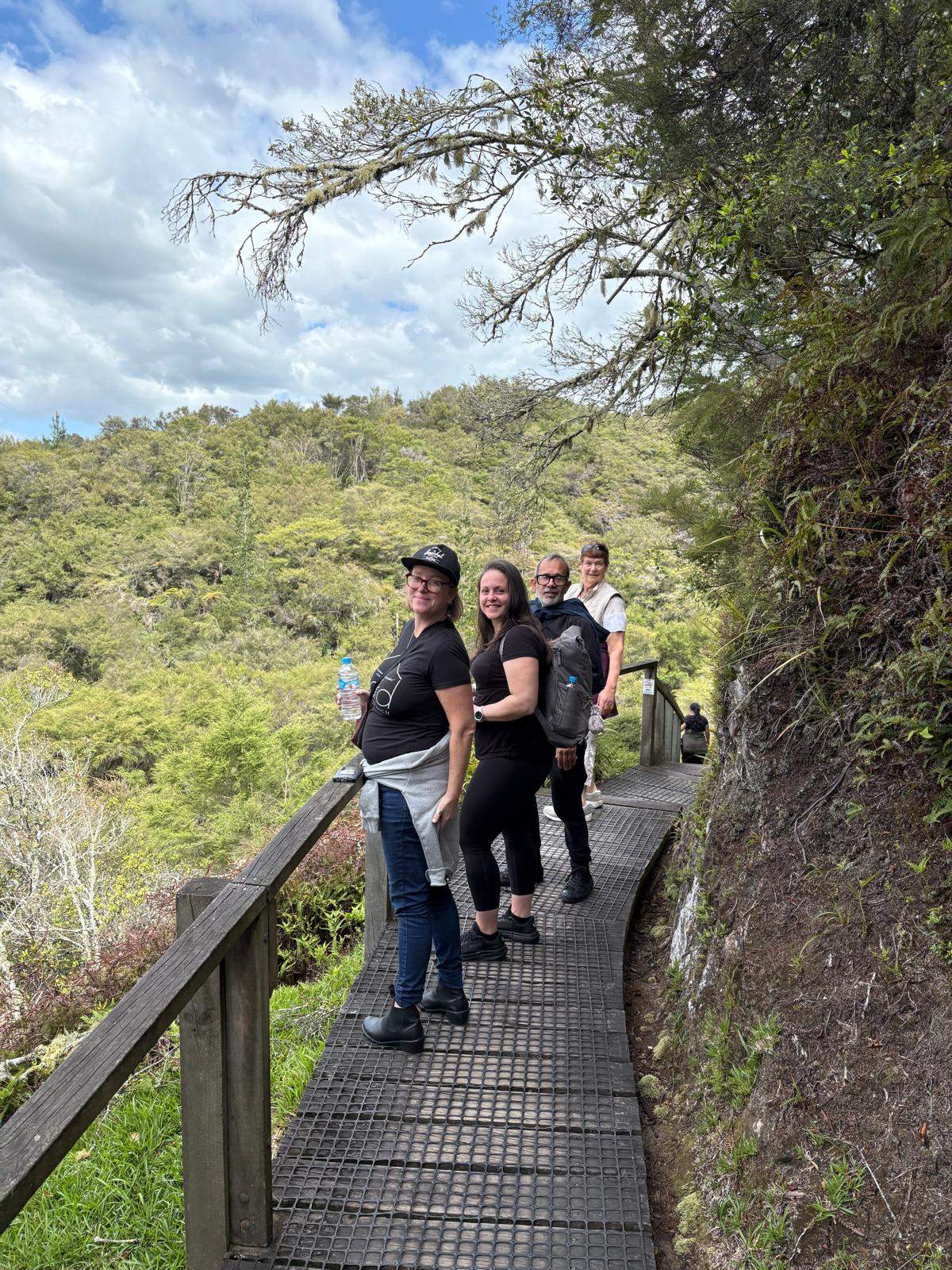
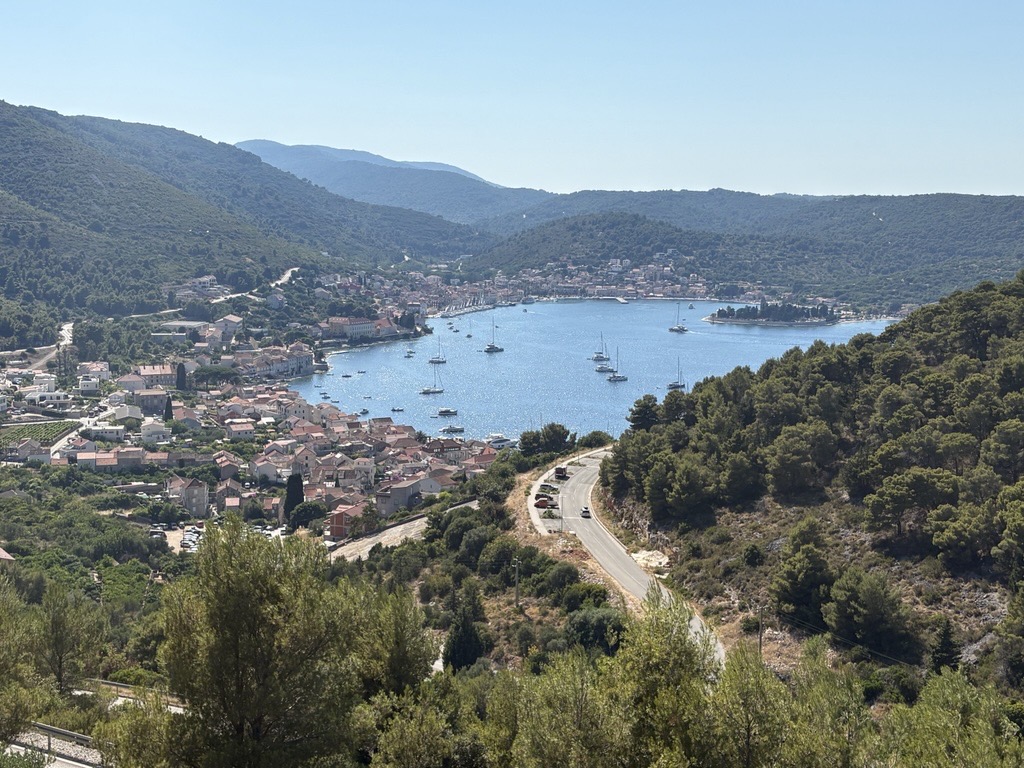
For all the coastal beauty Croatia is known for, it was something else entirely that caught Gibbs off guard. "The mountains surrounding the country," she says simply, when asked what surprised her most. It is a detail easily missed in the brochure photography of turquoise bays and old-town harbours, but standing in Croatia with those dramatic peaks framing the horizon adds a dimension to the landscape that no photograph quite prepares you for. The country is not just a coastline — it is a terrain, layered and dramatic, with the sea at its feet and the mountains at its back.
It is the kind of nuance that shifts how an advisor pitches a destination. Croatia is not simply a sailing holiday or a history trip or a foodie escape. It is all of those things at once, and Gibbs now understands how to separate those threads for the right client.
Who Croatia Is Really For
After a week on the ground, Gibbs has a clear and considered view of the travellers who would thrive in Croatia, and how to match them to exactly the right part of it. "I think there are a few different types of travellers that would enjoy Croatia — historians, avid and leisurely sailors, retreat and weekend getaway travellers — all ages recommended in different towns and islands," she says. It is the kind of framework that only comes from having been there, from having stood inside Diocletian's Palace and floated in the Adriatic and sat in a winery on Vis talking to a Michelin-trained chef.
Historians will find Split and Trogir endlessly rewarding. Sailors will fall in love with the Dalmatian islands and the warm, clear waters that connect them. Food lovers will discover that Croatian cuisine, rooted in fresh local produce and Mediterranean tradition, is genuinely world-class. And for those simply looking for a retreat — a place that is beautiful and unhurried and full of quiet surprises — islands like Vis deliver something rare: the sense that the world has not yet fully found this place.
Hidden Gems and an Advisor Who Finds Them
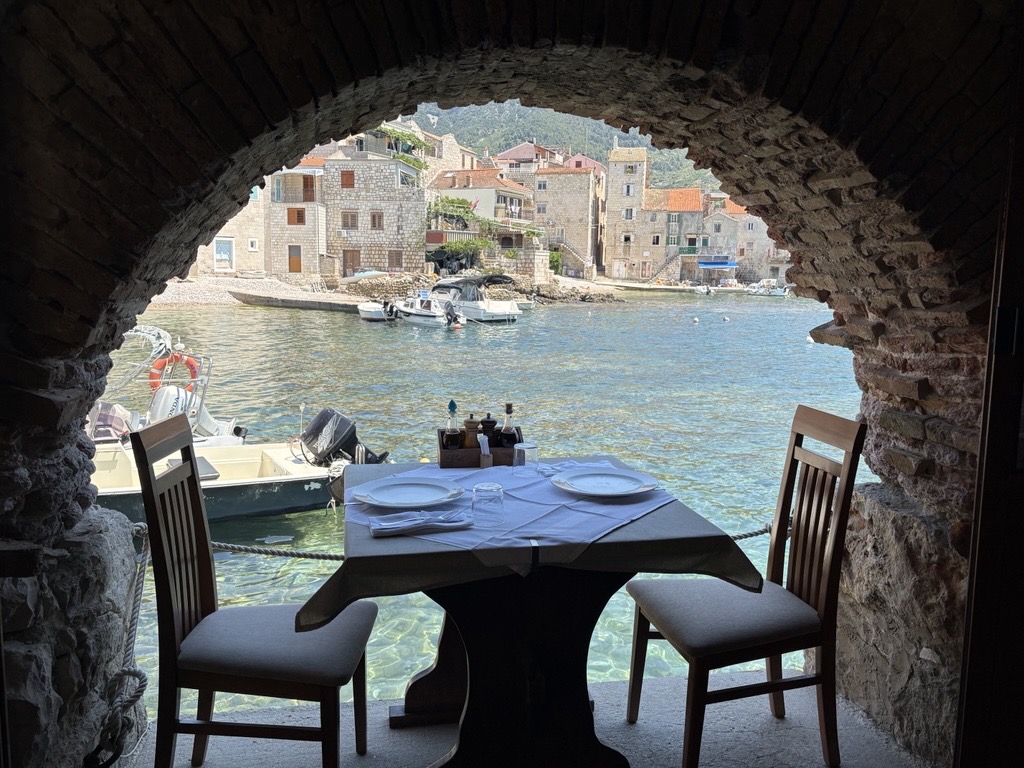
The philosophy Gibbs carries home from Croatia is one that applies far beyond the Adriatic. "You never know on these small islands what else might be hidden gems to find," she says, and it reads as both a reflection on Vis and a statement of intent. It is the mindset of an advisor who travels not just to relax, but to discover — to bring back the details, the conversations, the unexpected wineries and film sets and Michelin chefs that make a destination feel alive for the clients who trust her to send them somewhere extraordinary.
As for what comes next, Gibbs is already looking ahead with characteristic curiosity. Europe has more to offer, she says. India with her daughter, guided by a friend and colleague born there, is a possibility on the horizon. The Scandinavian countries are calling. Rail journeys across Australia, India, and China. Different styles and types of cruises. For an advisor who travels to understand, the list is never finished — and that, perhaps, is exactly the point.