Seasoned group travel advisor Jennifer McPherson has led 25 travellers through Croatia twice, and she's here to tell you the country's greatest treasures are hiding well off the Instagram trail.
At a Glance
Croatia's true appeal lies beyond Dubrovnik's postcard walls. Split, built around Diocletian's Palace, offers richer history and fewer crowds, while the Dalmatian coast delivers Italian-influenced seafood and black ink pasta. The interior reveals Alpine character through mountain tunnels and Plitvice Falls, a cascading turquoise landscape worth the journey inland.
Most people picture Croatia the same way: the blush-tinted walls of Dubrovnik glowing at golden hour, a cold drink on a sun-bleached Dalmatian beach, a boat slipping between islands. It is a seductive image, and it is not entirely wrong. But Jennifer McPherson, a travel advisor who has now hosted two groups of 25 through Croatia over 10 days, will tell you plainly that the country's real magic lives somewhere else entirely.
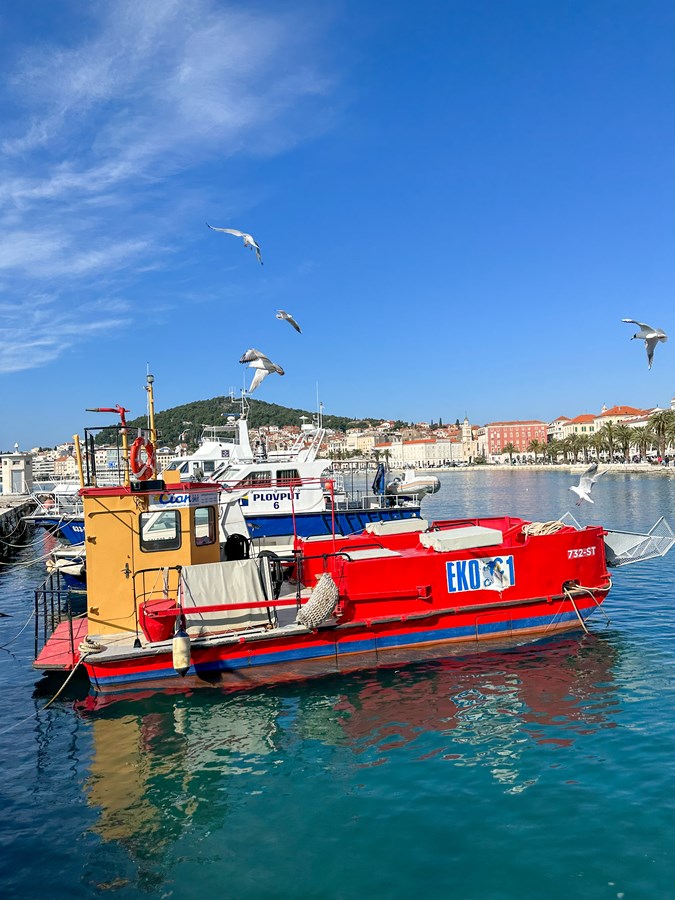
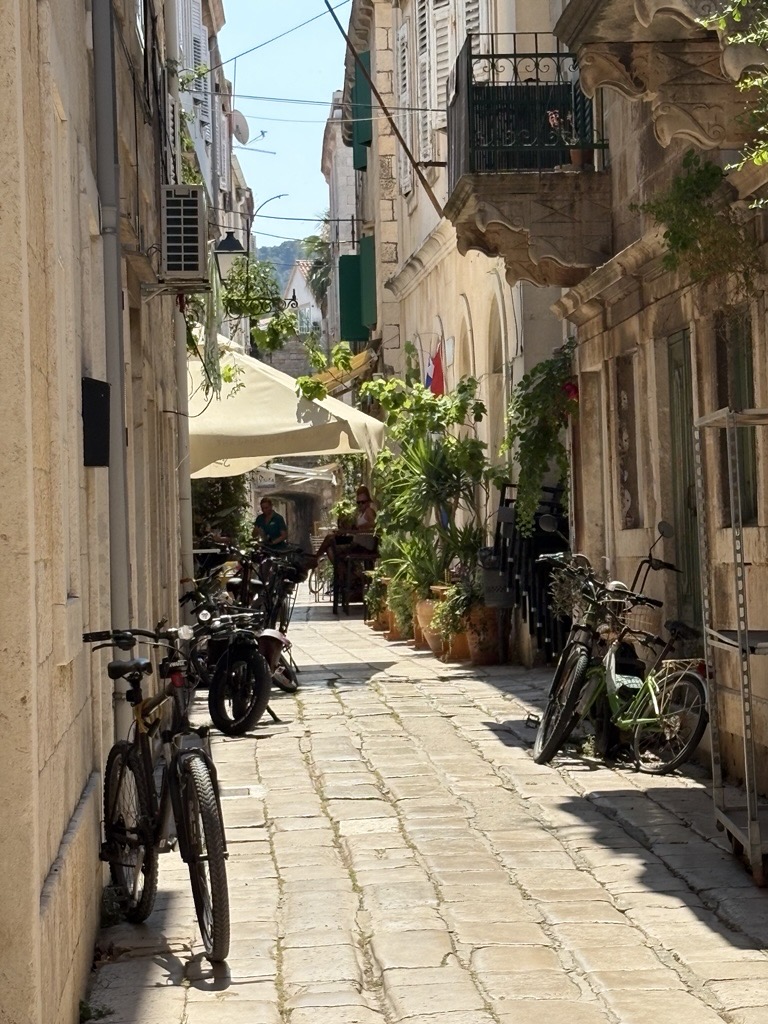
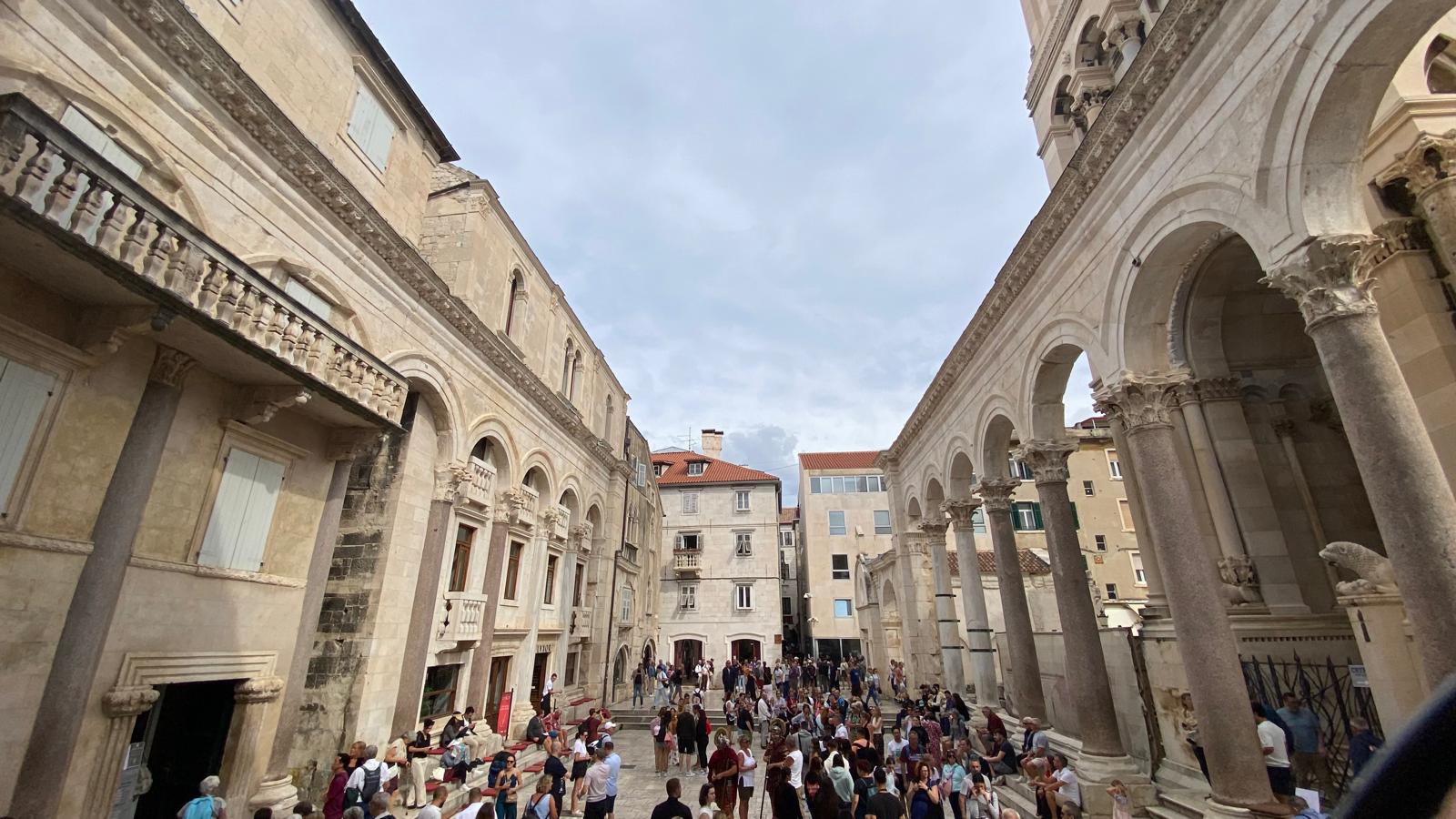
"I loved the city of Split," McPherson says. "It is literally built around an ancient Roman Palace, the Diocletian's Palace. Split is not as cramped or busy as Dubrovnik and it is full of history." For McPherson, this is not a casual travel preference. It is the kind of considered, confident counter-narrative that only comes from having actually walked the streets, led a group through the crowds, and understood what makes a destination work for real travellers, not just a camera roll.
A Country That Has Endured and Grown
What surprised McPherson most on this most recent journey was not any single sight, but the sheer density of history that Croatia carries. Layers of civilisation have left their mark on this small Adriatic nation: Roman foundations, Byzantine artistry, the architectural reach of the Habsburg Empire, and more recently, the scars and remarkable rebuilding that followed the conflicts of the 1990s. As McPherson puts it simply, "Croatia has endured and grown." Four words that do not fully prepare a visitor for what they will find, but that linger long after the trip is over.
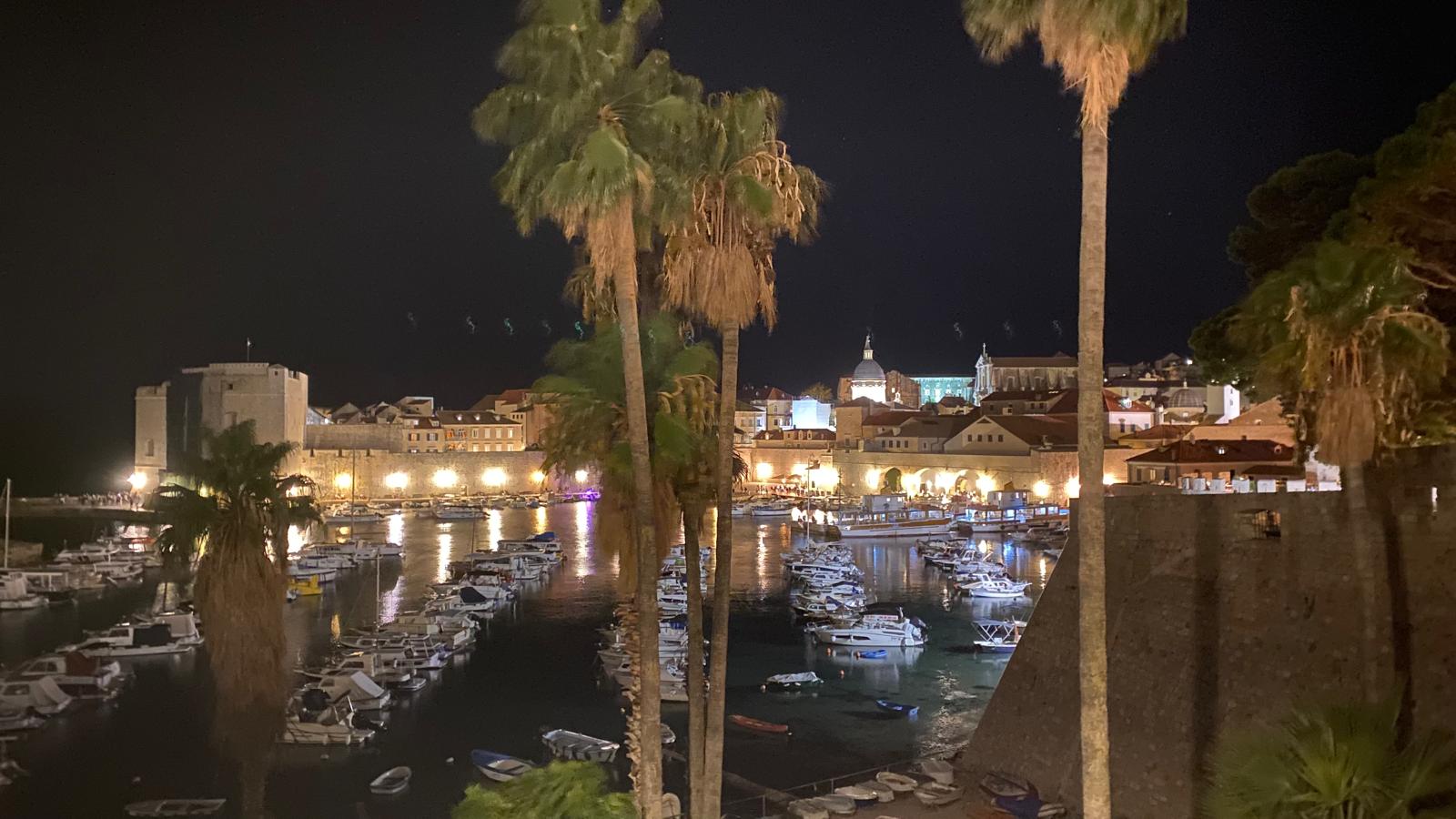
That historical weight became most humanising during the group's time in Dubrovnik, where a local tour guide shared something that stopped everyone in their tracks. McPherson recalls that "we had a tour guide in Dubrovnik share her experience growing up under constant threat and attack from Bosnia." It is the kind of moment that no guidebook can manufacture, and it is exactly the sort of encounter McPherson seeks out for her clients. A city that looks like a fairy tale from the outside carries a very different story for those who lived inside its walls. Understanding that distinction, McPherson believes, is what transforms a holiday into genuine travel.
The Dalmatian Table: Where Italy Meets Croatia
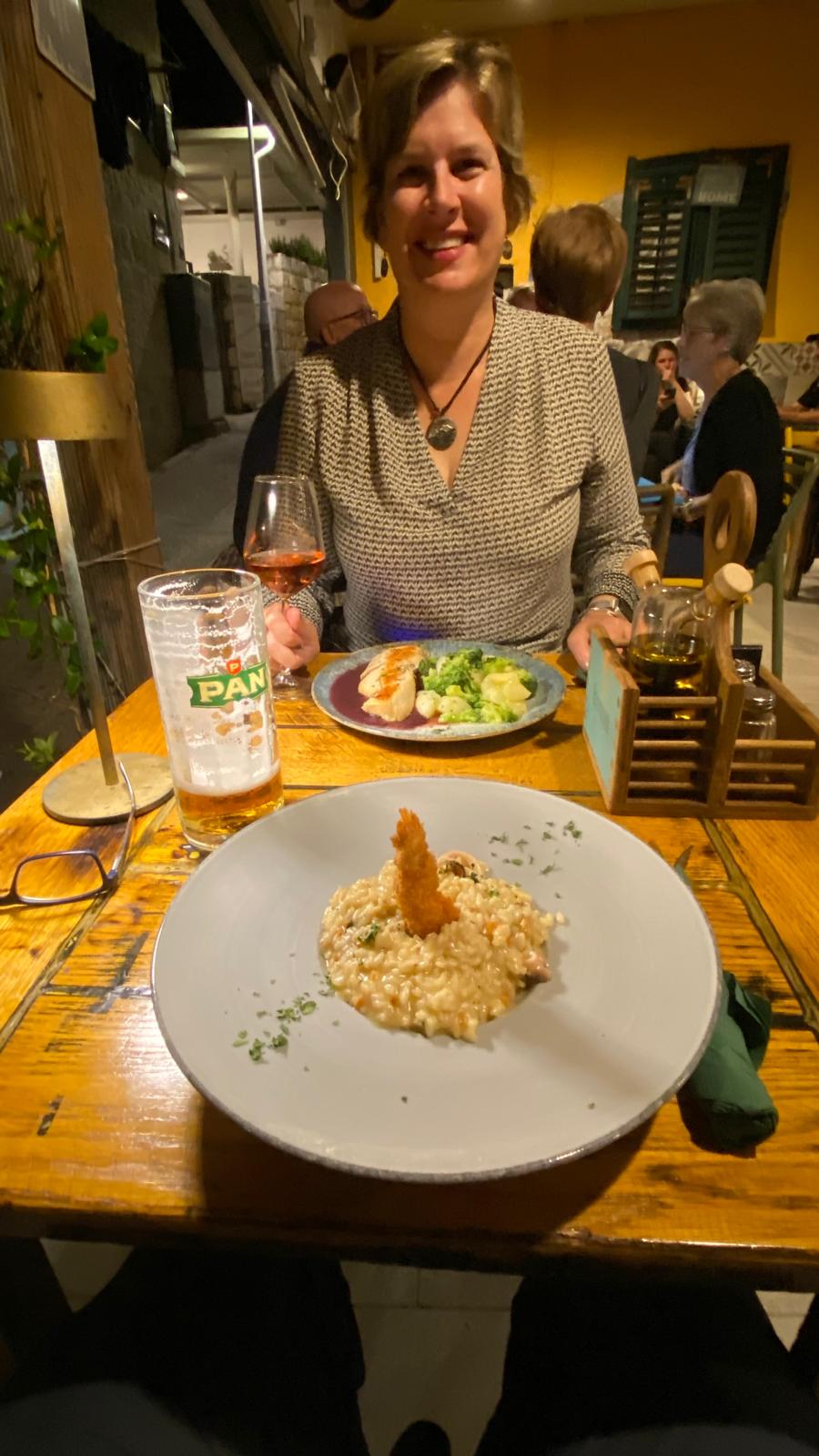
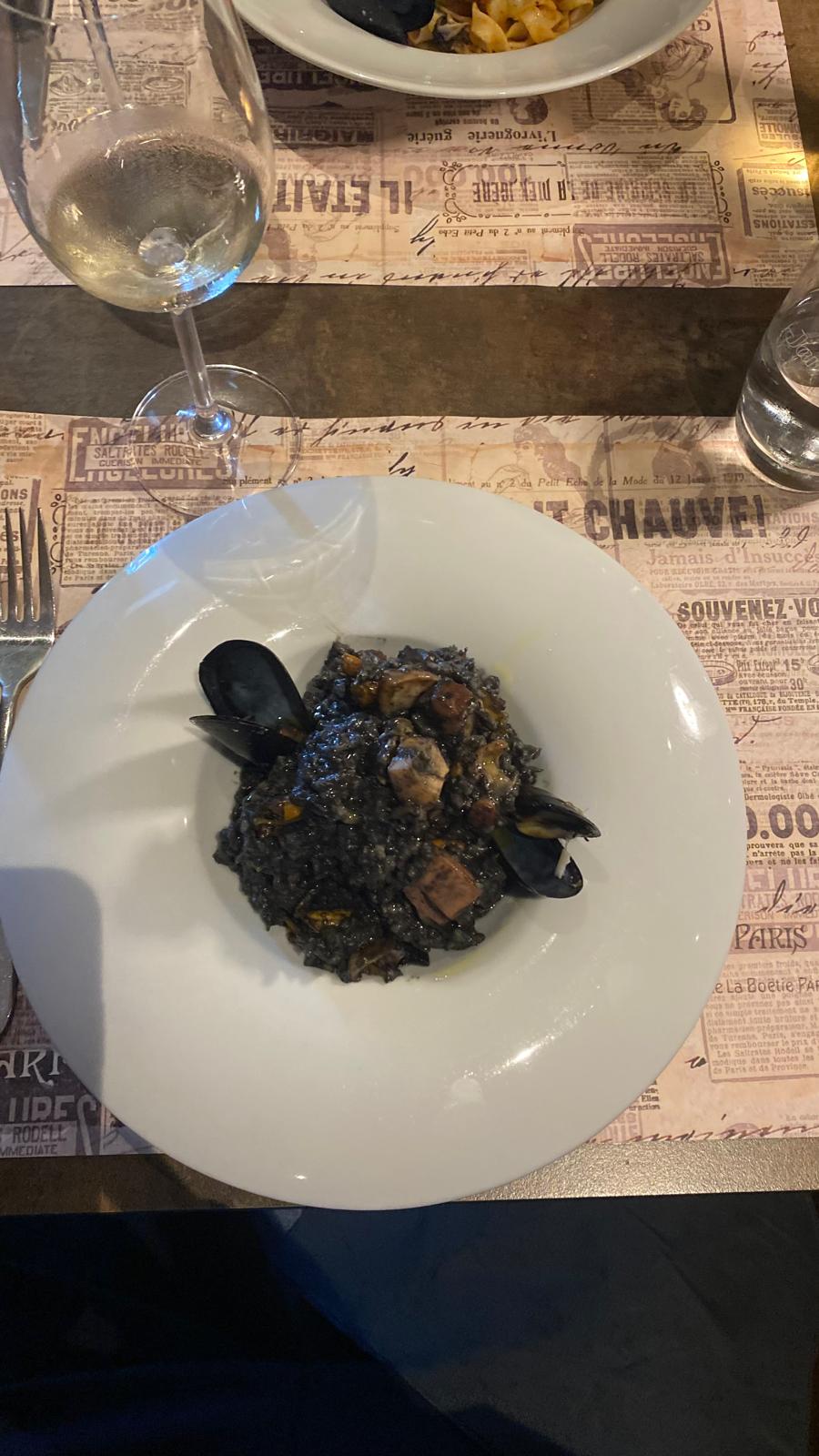
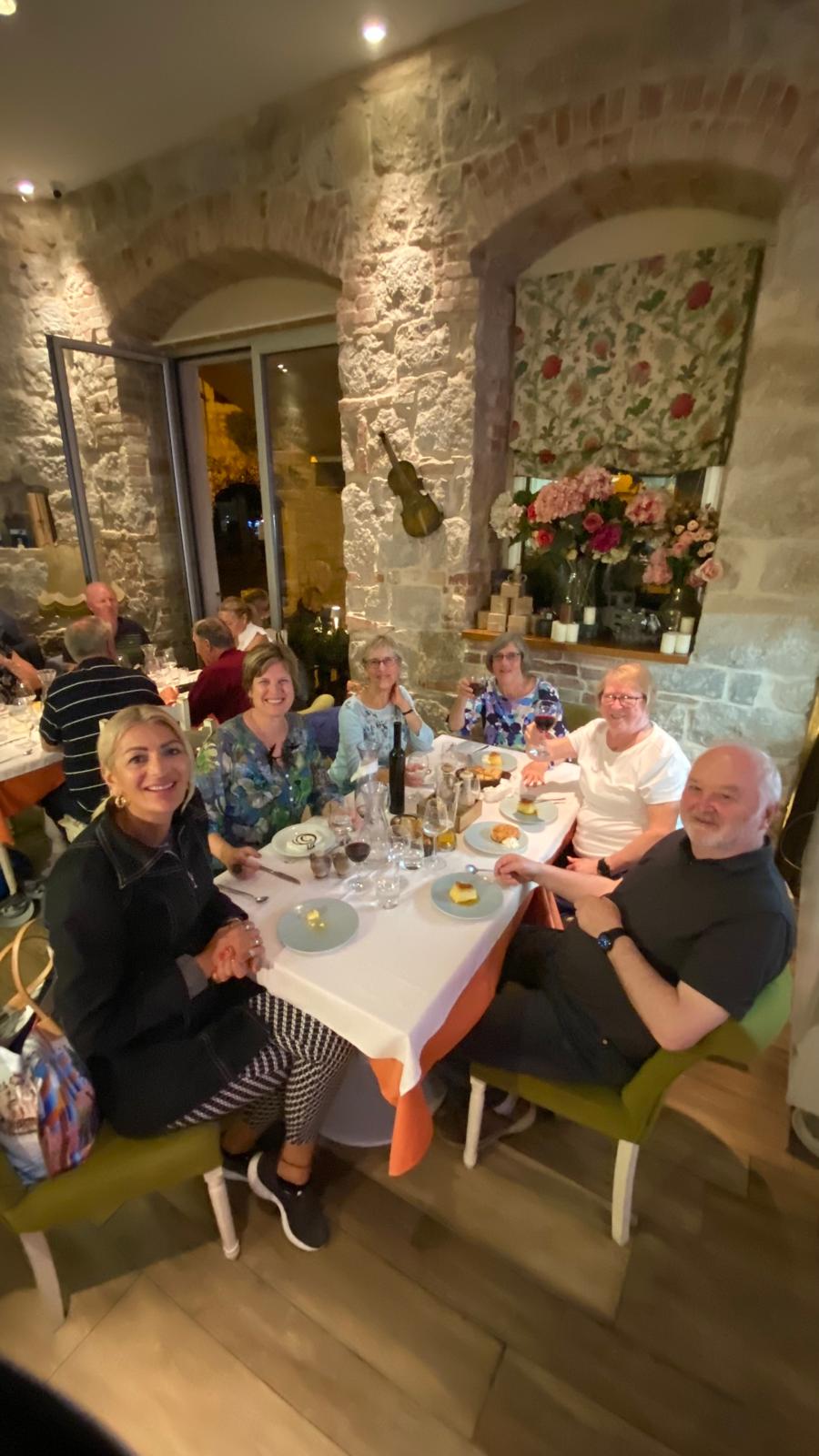
If Croatia's history provides the intellectual texture of a trip, its food provides the sensory delight. Along the Dalmatian coast, McPherson found herself thoroughly captivated by the cuisine. "The food on the Dalmatian coast was amazing," she says. "I loved the black ink pasta and all the choices of seafood. You could see the Italian influence but with a Croatian flair. And the wine was very good too." The black ink pasta alone, dramatic on the plate and rich on the palate, became a signature memory of the journey. Waterfront tables laden with fresh catch, Croatian wines poured generously, and the unmistakable ghost of Italian culinary tradition filtered through a distinctly local identity. For food-driven travellers, the Dalmatian coast is not a supporting act. It is a destination unto itself.
Through the Tunnel, Into Another World
One of the most cinematic moments of the entire trip came not in a city or at a table, but inside a 6-kilometre tunnel carved through the Croatian interior. McPherson's group was making their way toward Plitvice Falls when the landscape on the other side of the tunnel stopped them cold. "We drove through a 6 KM tunnel and we came out the other side and the temperature had dropped 8C and we thought we were in a different country," McPherson recalls. "It was such a beautiful contrast." The coastal warmth gave way abruptly to something that felt unmistakably Alpine: cooler air, different architecture, different food, different wine. The Austrian character of Croatia's interior is one of the country's least-told stories, and McPherson is now one of its most enthusiastic advocates.
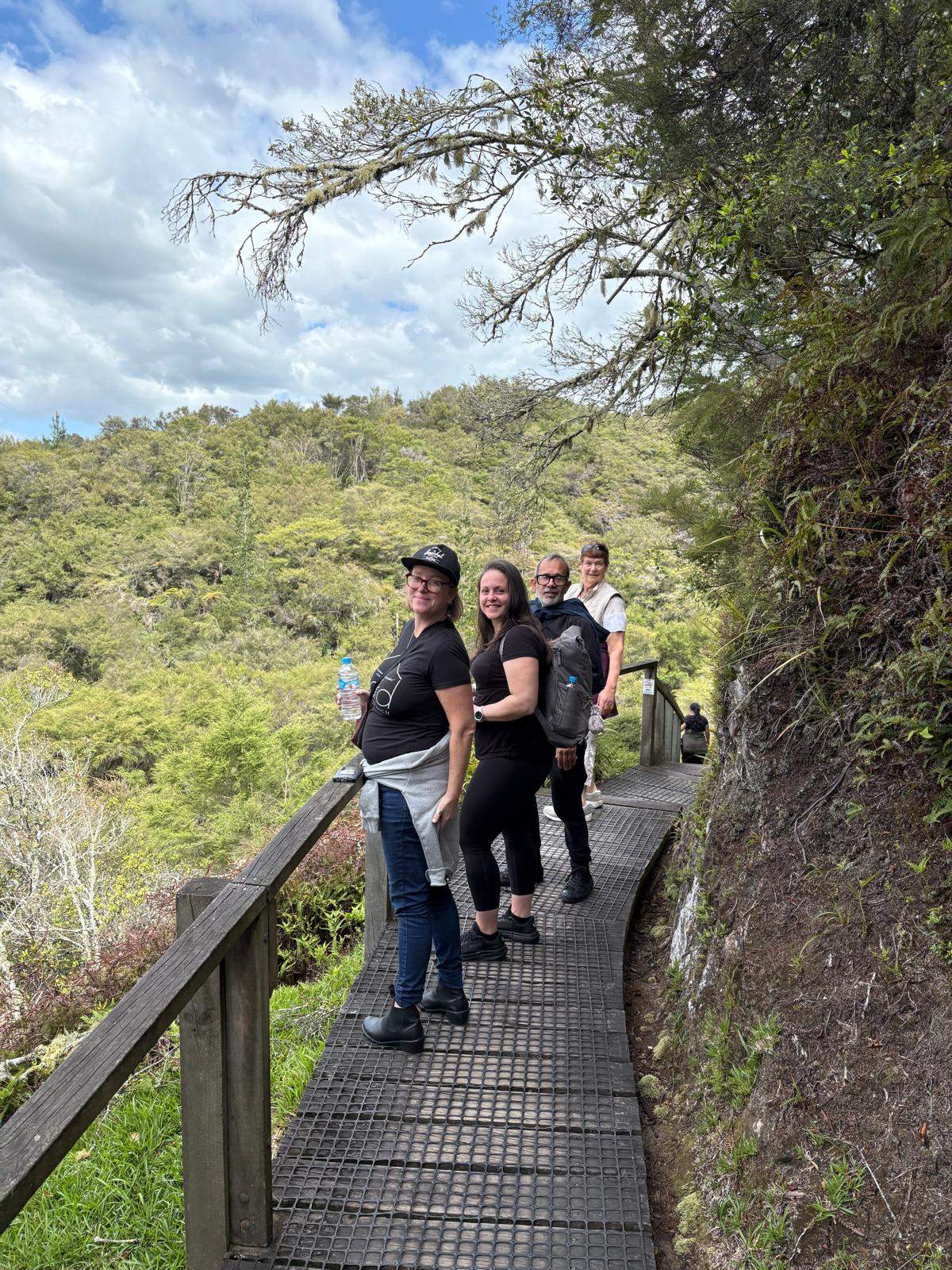
And then there is Plitvice Falls itself. McPherson is direct on this point: the journey to get there is not the easiest, but it is absolutely worth it. She describes the hike through the falls as "so beautiful and like another world," an ethereal landscape of cascading turquoise water and ancient forest that bears almost no resemblance to the sun-soaked coast just hours away. Croatia, in this sense, is a country that keeps revealing itself, and only those willing to move beyond the shoreline get to see the full picture.
Who Croatia Is For, and Who Should Know Better
As an advisor, McPherson is refreshingly candid about who belongs in Croatia and who might be better served elsewhere. In her view, Croatia is a destination for people who are hungry, both literally and figuratively. Couples seeking an active, stimulating experience will find it here in abundance. But the beach-holiday mindset, she cautions, is a mismatch for what Croatia genuinely offers. "While there are many beaches, it would be a waste to go to Croatia and sit on the beach," she says. The country's rewards go to those who are willing to walk through Roman ruins, hike to a waterfall, try the unfamiliar, and listen when a local guide decides to share something true.
A New Chapter in How She Recommends It
Having now led groups through Croatia twice, McPherson has evolved from enthusiast to champion. She actively promotes the destination as "a different way to enjoy Northern Europe," and she has developed an itinerary pairing that she believes unlocks Croatia's full context: combine it with Venice and the broader reaches of Northern Italy. The culinary and cultural threads that run between these places make the combination feel less like two separate trips and more like one coherent, deeply satisfying journey through the northern Mediterranean world.
It is the kind of recommendation that only an advisor with genuine, boots-on-the-ground experience can make with confidence. McPherson has tasted the black ink pasta. She has felt the temperature drop on the other side of the tunnel. She has stood quietly while a guide shared the story of her childhood under siege. Her clients do not have to figure any of this out on their own.
As for what comes next, McPherson is already well ahead of the horizon. In February 2027, she will be hosting a small group on a trip that has sat at the very top of her personal wish list for years: Antarctica. For an advisor who finds the extraordinary in places most travellers overlook, it seems entirely fitting that her next chapter begins at the bottom of the world.