Travel advisor Aaron Devine stepped out of a dark tunnel and into one of baseball's most iconic cathedrals, and what he found there changed the way he talks about live event travel forever.
At a Glance
Fenway Park, opened in 1912, remains baseball's oldest active stadium and delivers a distinctive sensory experience as visitors emerge from concrete tunnels into open sky and saturated green grass. The park's integration into Boston's residential neighborhood, combined with its architectural quirks like the Green Monster, creates an iconic American bucket-list destination best suited for sports fans, families, and friends.
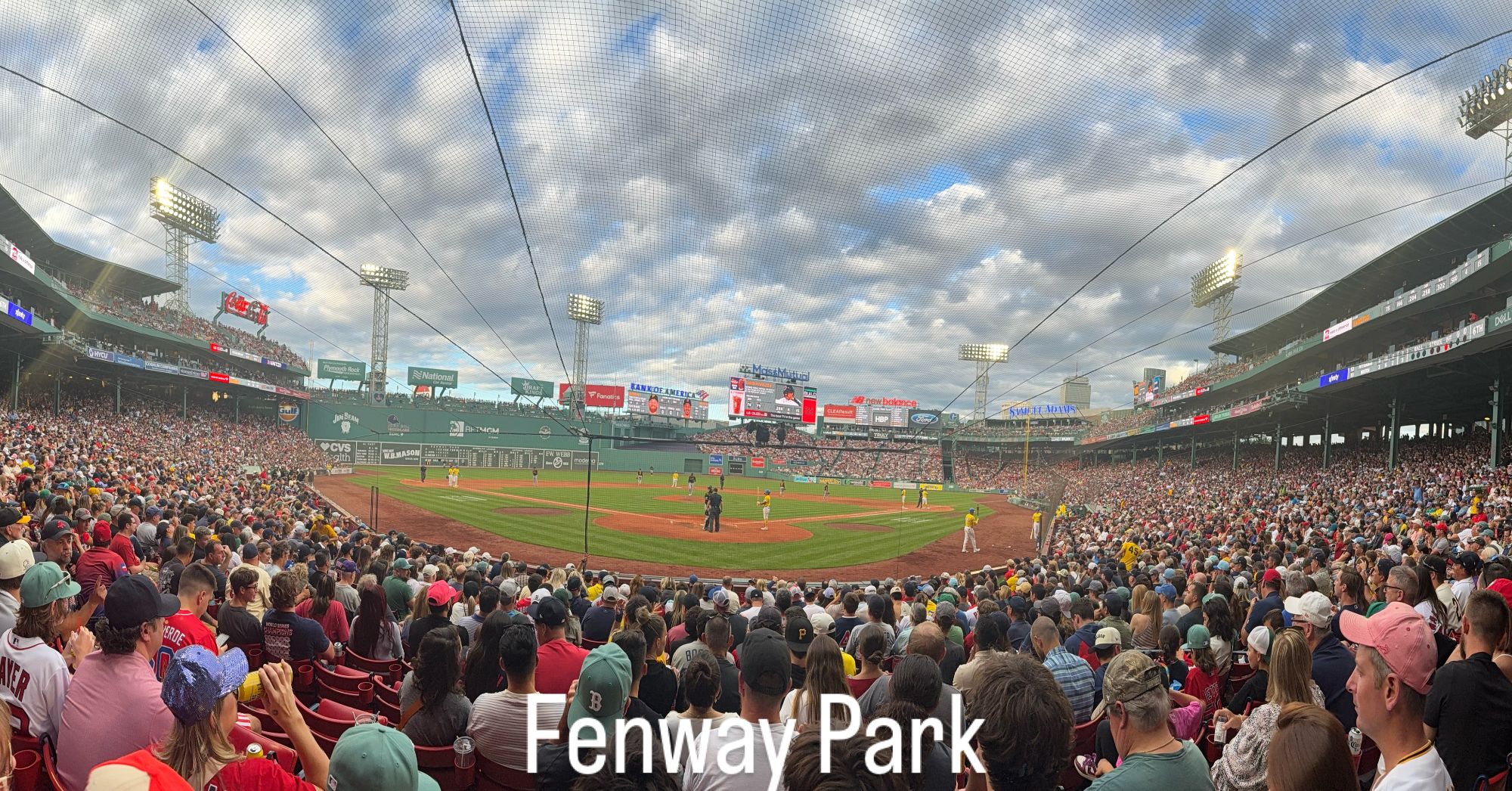
For a moment, there is only darkness. The concrete hallways beneath the stands at Fenway Park in Boston are narrow, unremarkable, and humming with the low roar of a crowd you can hear but cannot yet see. Then the tunnel opens. And the world changes. "You see the perfectly green grass, the blue sky, the thousands of fans, the crack of the ball off of the bat," says Aaron Devine, a travel advisor whose annual summer tradition of visiting North America's great ballparks brought him back to one of the most storied stadiums on the continent. It is a moment, he says, that words only partially capture.
That sensory arrival, the shift from shadow into open sky, from concrete to saturated green, is the kind of experience that travel advisors spend careers helping clients find. It is also, Devine will tell you, exactly the reason firsthand experience matters so much in this profession. He did not simply read about Fenway Park. He went. And what he came away with has reshaped the way he recommends not just this destination, but the entire category of live sports and event travel.
A Summer Tradition Worth Taking Seriously
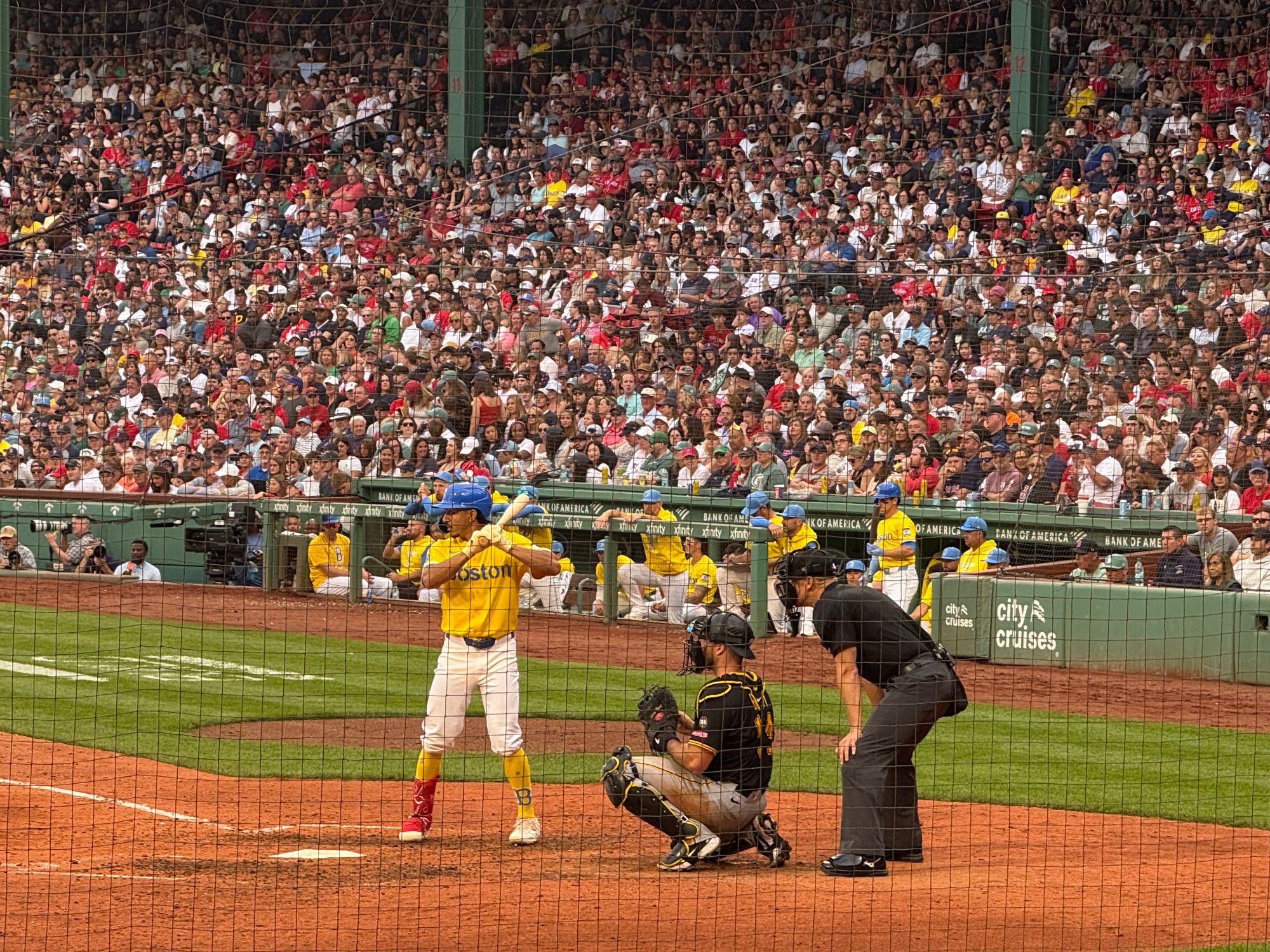
For Devine, the pilgrimage to a classic ballpark is a seasonal ritual, one that reflects a deep appreciation for the kind of travel that feels both distinctly American and timelessly meaningful. "A summer tradition is to enjoy one of the ballparks that are throughout North America," he explains, "and one that continues to stand the test of time is Fenway Park in Boston. It is really hard to beat the charm that a classic ballpark such as Fenway has to offer." That charm is not manufactured. It is architectural, atmospheric, and alive in a way that newer, shinier venues rarely manage to replicate.
Opened in 1912, Fenway is the oldest Major League Baseball park still in use, and its quirks, from the famous Green Monster looming over left field to the irregularly shaped seating bowl, are features, not flaws. They are the fingerprints of more than a century of baseball history, and they are part of what Devine positions as a genuine bucket list experience, one deserving the same intentional planning as any international destination.
The Surprise Hidden in Plain Sight
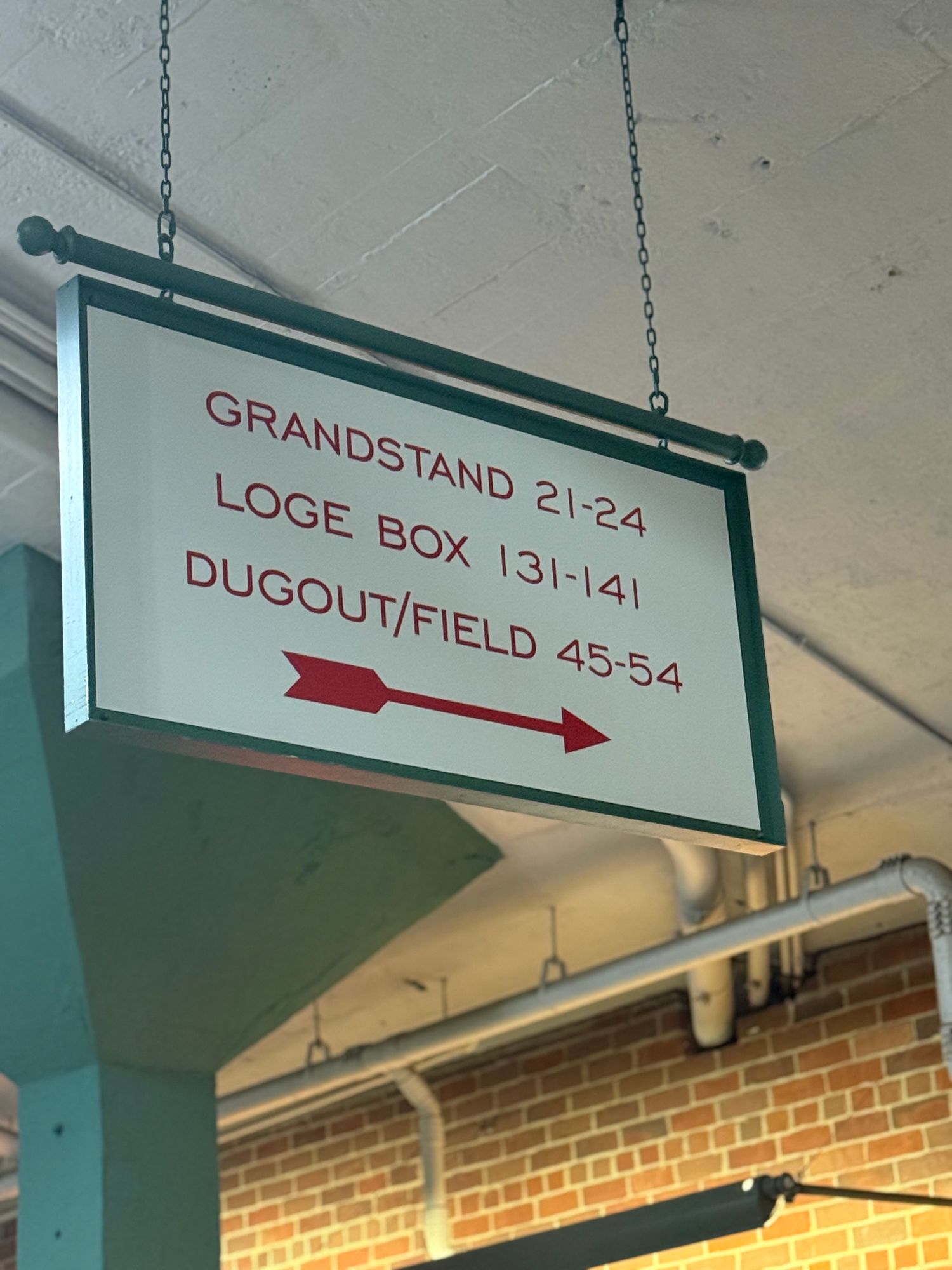
Even for a seasoned traveler, Boston offered a revelation Devine did not anticipate. What struck him was not just the park itself, but the way it exists within the city. Fenway does not dominate its surroundings the way many modern stadiums do, surrounded by parking lots and commercial buffers. Instead, it is woven directly into a residential neighborhood, its brick exterior rising from narrow streets lined with triple-deckers and corner bars.
Devine found himself genuinely moved by "how perfectly a professional sports stadium can fit in with the fabric of a residential community." It is a perspective-shifting observation, one that reframes Fenway not simply as a sports venue but as a living piece of Boston's identity. The stadium belongs to the neighborhood, and the neighborhood belongs to the stadium. Understanding that relationship, he says, changes how you experience the whole day, not just the game itself.
The Logistics That Make or Break the Experience
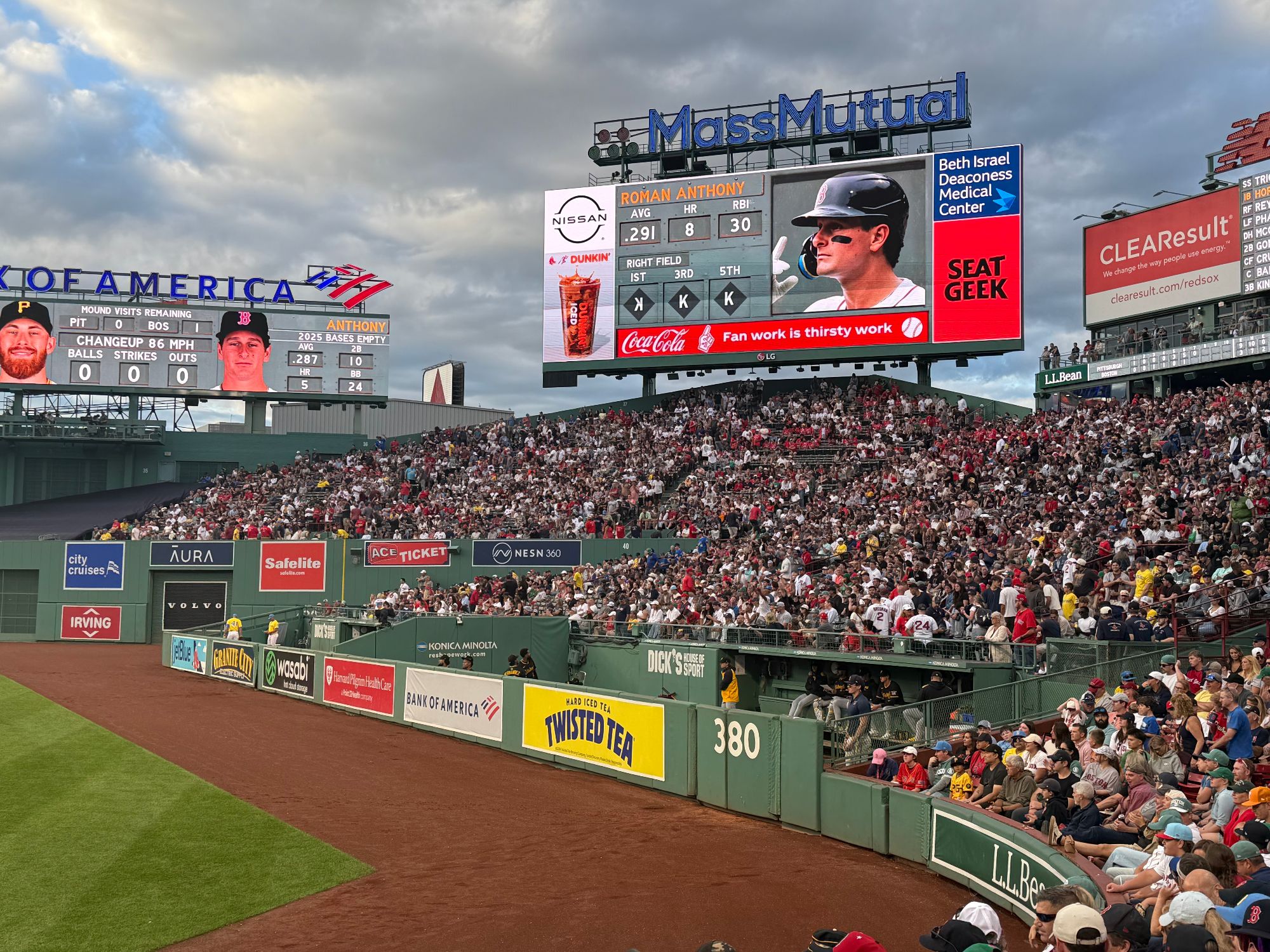
Part of what makes Devine's perspective valuable to his clients is that he does not stop at the emotional highlights. He stays curious about the practical realities that can elevate or derail an experience. At Fenway, that means thinking carefully about how you arrive and depart. The surrounding streets are dense, parking is limited, and the post-game surge of fans through a compact urban neighborhood can feel overwhelming for the unprepared. Devine now understands firsthand "the nuances that come with getting to and from the game and ensuring a smooth logistical journey," and that knowledge, invisible to someone who has never been there, is precisely what he brings to a client conversation.
His insider knowledge extends to the smaller moments that make a trip feel curated rather than accidental. Devine recommends registering with Fenway's customer service team to receive a commemorative pin marking your first game at the park, a tangible souvenir that doubles as a meaningful keepsake. He also advises purchasing merchandise outside the stadium rather than inside, where prices carry a significant premium. These are the kinds of tips that only emerge from being there, from walking the same paths your clients will walk and paying attention to what they will face.
Who Should Go, and Who Should Think Twice
As much as Devine is an advocate for the Fenway experience, he brings a travel advisor's discipline to the question of fit. This is a destination that rewards certain types of travelers: friends celebrating together, families making memories, sports fans of any stripe, and anyone working through a bucket list of iconic American experiences. "Friends, families, sports fans, those who are looking for a bucket list item," he says, are exactly who this trip is designed for. But he is equally clear about who might want to reconsider. Those who are sensitive to crowds or congested spaces may find the experience more stressful than joyful, particularly during a sold-out game in the middle of summer. Matching the destination to the client, Devine understands, is as important as selling the dream.
The Advisor Who Has Been There
There is a particular quality to the way Devine talks about Fenway Park now, a confidence that comes not from research but from memory. He knows what the grass looks like. He knows what the crowd sounds like. He knows the feeling of stepping from darkness into light and having a stadium fill your entire field of vision. That lived experience, he says, changes everything about how he shows up for his clients. "I will speak with enthusiasm," he says, "as I understand how special the in-person, live event experience is." It is a simple statement, but it carries real weight. Enthusiasm built on evidence is something clients feel, and it is what earns trust in a way that brochures and reviews simply cannot replicate.
For any traveler who has ever thought about attending a game at Fenway, or making a pilgrimage to any of North America's great classic ballparks, Devine's message is consistent: do not leave it to chance. Plan it with someone who has made the walk from the hallway into the light, someone who knows which details matter and which shortcuts save money, and who can help turn a good idea into an unforgettable memory.
As for what comes next, Devine is already looking ahead. With Costa Rica on his travel wish list, he shows no signs of slowing down. For his clients, that means one more destination soon understood not from a distance, but from the inside out.