Travel advisor Amanda Swan has visited San Juan more times than she can count, but it took a walking food tour, a passion fruit popsicle, and a bowl of mofongo to reveal just how much the city still had to offer.
At a Glance
Old San Juan's blue cobblestone streets, founded in 1521, form the second-oldest European city in the Americas and a UNESCO World Heritage Site. Walking food tours through the historic district offer the most efficient way to experience local cuisine, history, and hidden streets in a few hours, with mofongo and local coffee standing out as unexpected culinary highlights.
There are destinations that travel advisors visit out of professional obligation, and then there are the ones that quietly work their way into their hearts. For Amanda Swan, founder of Swan Family Travel, San Juan, Puerto Rico belongs firmly in the second category. A port she has returned to again and again, first as a cruise stop and later as a deliberate pre-cruise base, the Puerto Rican capital has consistently rewarded her curiosity with new flavours, fresh history, and the kind of lived experience that no brochure can replicate.
Starting the Cruise in the South
Swan's relationship with San Juan has been shaped in part by smart itinerary planning. She has twice used the city as the departure point for Caribbean cruises, a strategy that pays immediate dividends for travellers who want to maximise their time in the islands. "Being that you're already in the south, it makes the travel a lot closer," she explains, noting that embarking from San Juan rather than a northeastern port means ships reach the southern Caribbean far more quickly. The ships dock right in the heart of Old San Juan, so passengers can walk straight off and begin exploring without long transfers or wasted hours. For Swan, that seamless access is itself part of the city's appeal.
Blue Cobblestones and Five Centuries of History
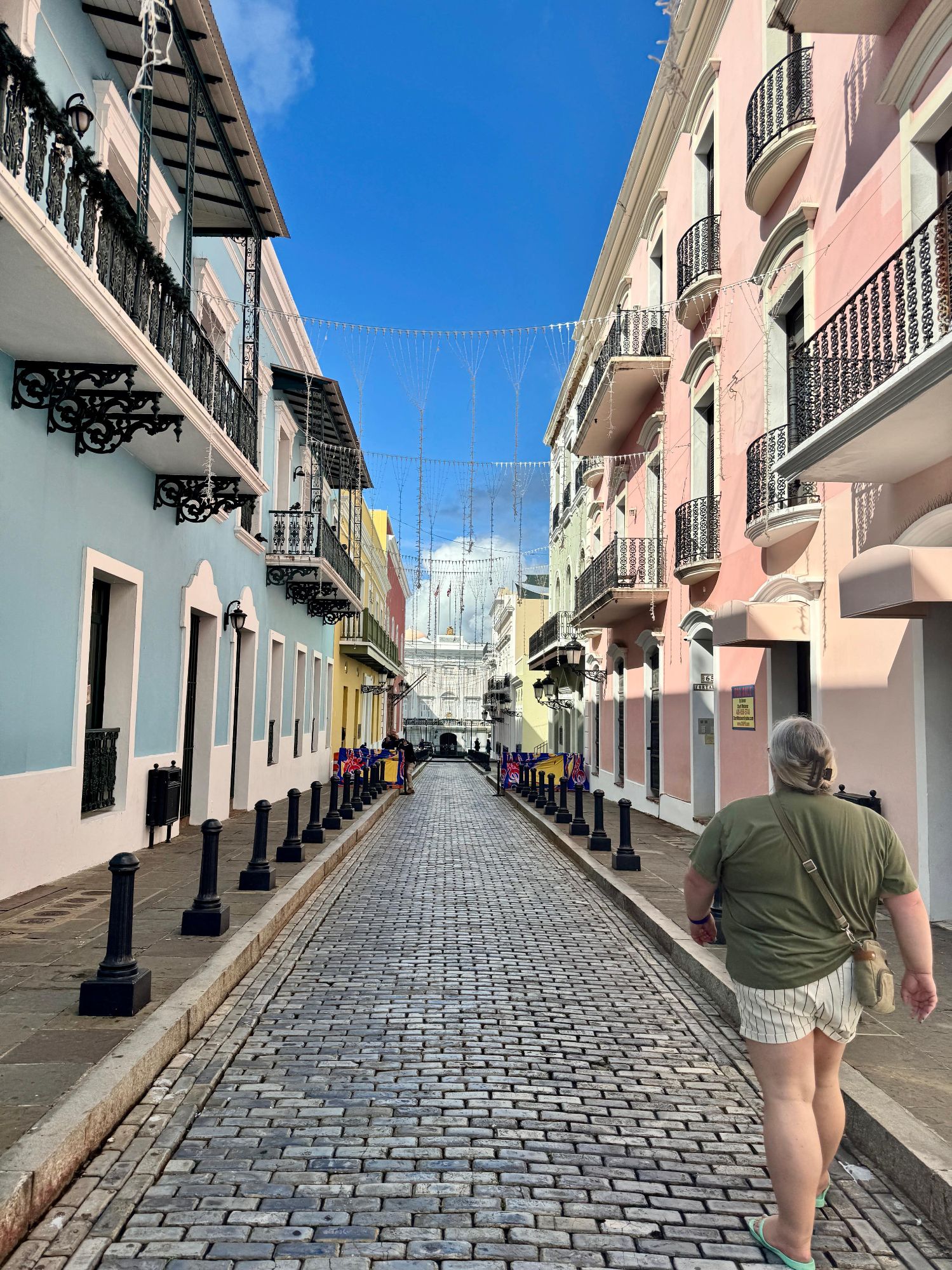
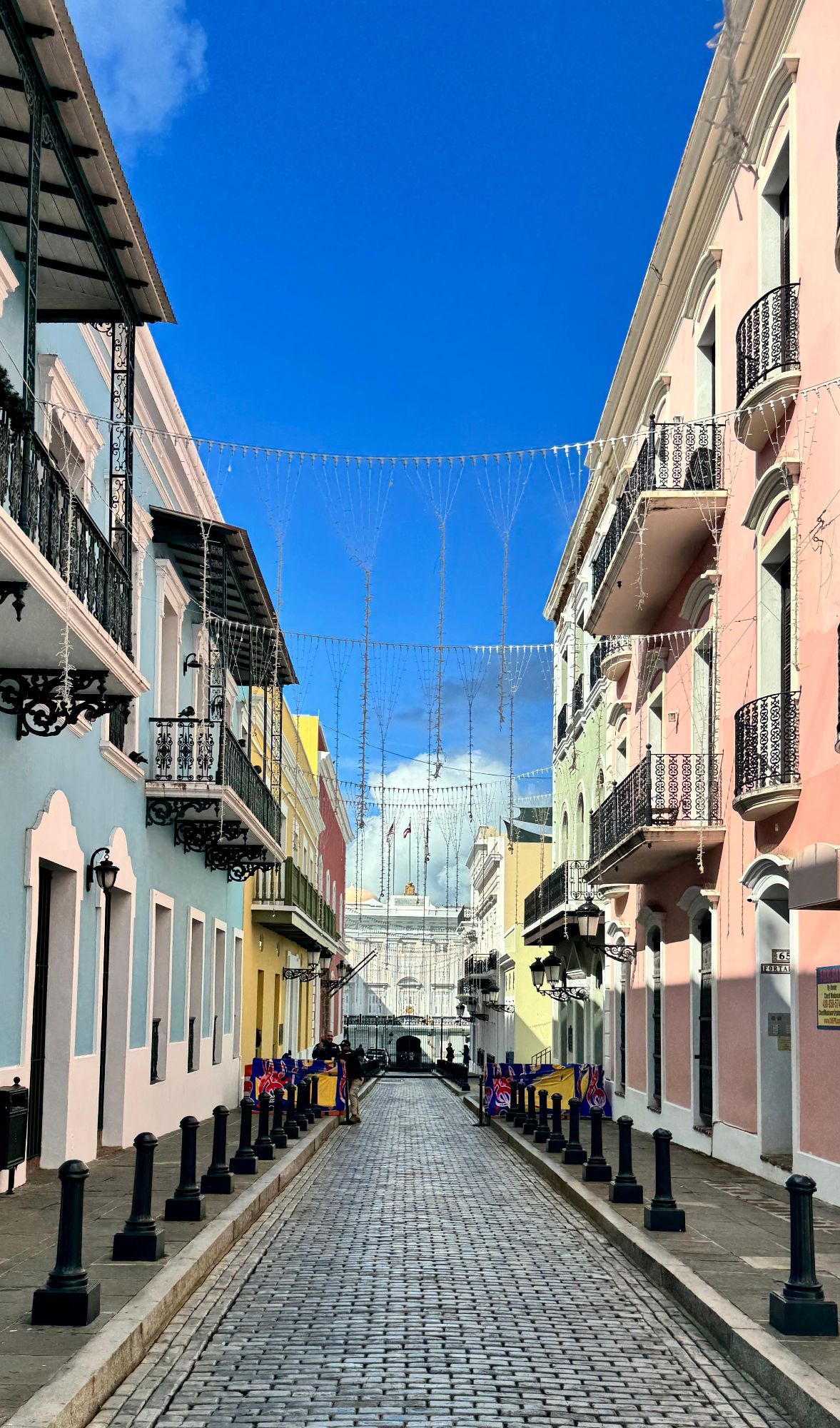
Old San Juan is a living history lesson laid out across a compact peninsula, and Swan has come to know its rhythms well. Founded by the Spanish in 1521, the district is the second-oldest European-founded city in the Americas, and its distinctive blue cobblestone streets carry an extraordinary backstory. Those stones arrived centuries ago as ballast in the hulls of ships, and today they gleam with an almost otherworldly hue, particularly after rain. Swan is quick to offer a practical warning to anyone who arrives in sandals: the cobblestones are gorgeous, but they can be uneven and slippery when wet, so comfortable walking shoes are non-negotiable.
The forts that guard the city are equally compelling. El Morro, begun in 1539 and completed roughly 250 years later, rises six levels above the sea and held off Sir Francis Drake in 1595. Castillo San Cristóbal, its counterpart built to defend against land attacks, is no less impressive. Together with the old city walls, they form a UNESCO World Heritage Site, and the ocean views from their upper ramparts are, in Swan's estimation, worth the visit alone. For those who would rather not tackle the uphill walk to El Morro, she points out that a trolley runs from near the pier, a useful tip that only an experienced repeat visitor would know to pass on.
A Walking Food Tour That Changed Everything
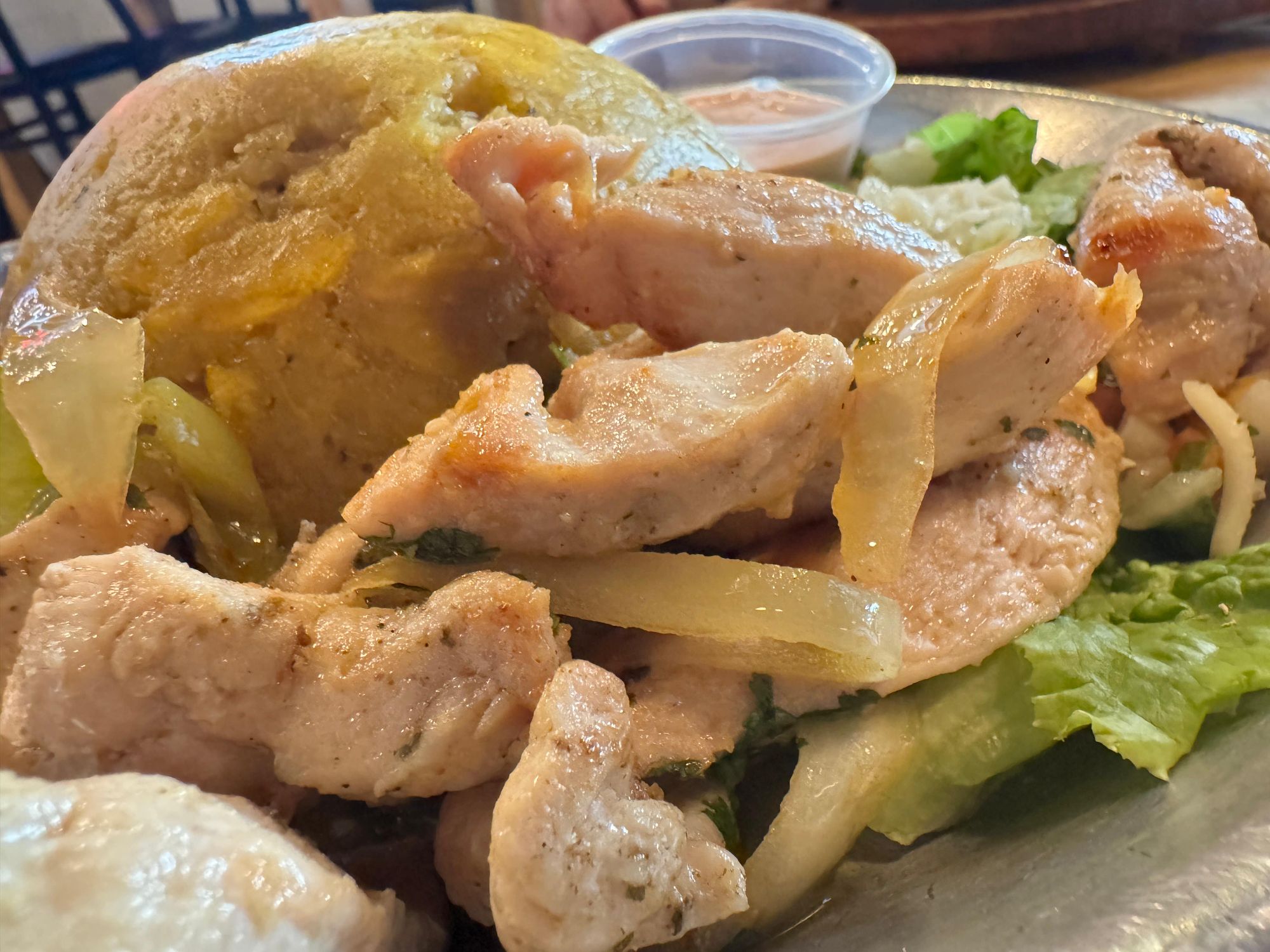
If there is a single experience that has come to define Swan's connection to San Juan, it is the walking food tour through Old San Juan, a tour she has now done twice and recommends without hesitation. The format suits the city perfectly: guests wander streets they might never discover on their own while tasting local favourites and absorbing the history from knowledgeable guides. "It's the perfect way to see the city," Swan says. "You get to taste local favourites, learn the history and wander streets you might never find on your own. If you only have a few hours in port, a food tour gives you a little bit of everything."
The standout dishes have stayed with her. Mofongo, Puerto Rico's beloved preparation of mashed fried plantains, made an impression that has only deepened with time. Swan describes it as "quite tasty" and "traditional," something she believes every visitor to the island should try. On one tour, her group had the chance to make their own mofongo from scratch, and on another they learned to mix Mojitos, the kind of hands-on cultural immersion that transforms a port stop into a genuine memory. And then there was the passion fruit popsicle, a small, vivid pleasure that Swan mentions with the kind of fondness usually reserved for meals at Michelin-starred restaurants.
The Surprise That Stopped Her in Her Tracks
For all of San Juan's well-documented charms, it was something Swan had never thought to anticipate that made the deepest impression. "I wasn't expecting the food to be as good as it is, or the coffee," she says. "Both of those really surprised me." A local coffee shop using beans sourced from San Juan itself turned out to serve one of the finest cups she encountered anywhere on her travels. A breakfast sandwich spread with guava compound butter was equally revelatory, the kind of dish that reframes a destination entirely. These are the discoveries, Swan notes, that simply cannot be communicated through a destination guide or a supplier briefing. They require presence.
Beyond the Port Gates
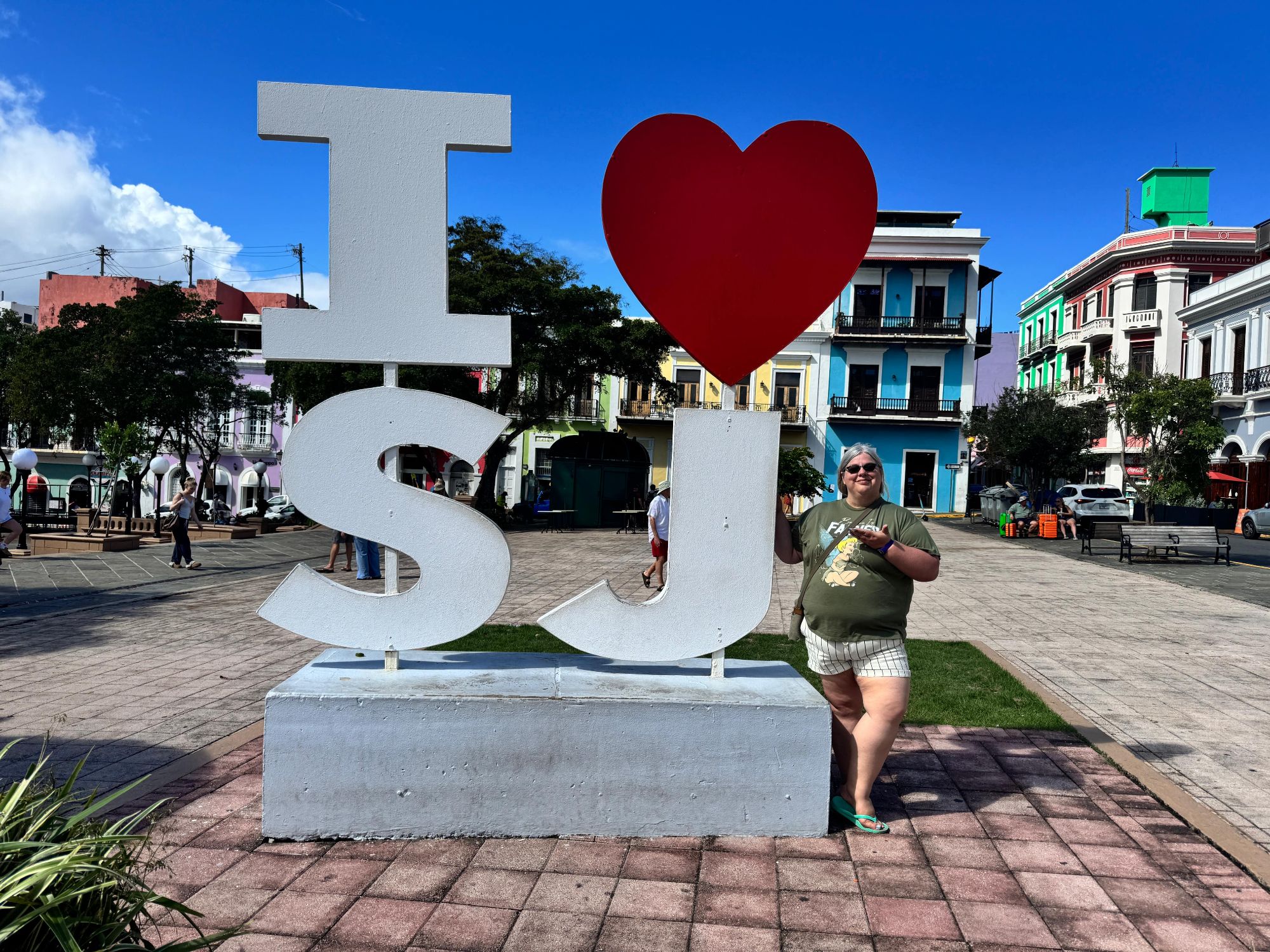
One of the more nuanced insights Swan has taken from her repeated visits is an understanding of San Juan's true scale. Cruise passengers, she observes, tend to think only of Old San Juan, the walkable, photogenic historic core closest to the pier. But the island is considerably larger, and Puerto Rico itself offers entire worlds beyond those famous blue cobblestones. Swan has stayed in different neighbourhoods of San Juan before cruises and found great local food, good shopping, and plenty to explore in areas that most port-day visitors never reach. El Yunque National Forest, the only tropical rainforest in the U.S. National Forest System, sits about 45 minutes from the city and remains high on her personal list. "It's very popular as an excursion from the port," she notes, adding that travellers who go should book a refundable option that includes transportation so there is no anxiety about returning to the ship on time.
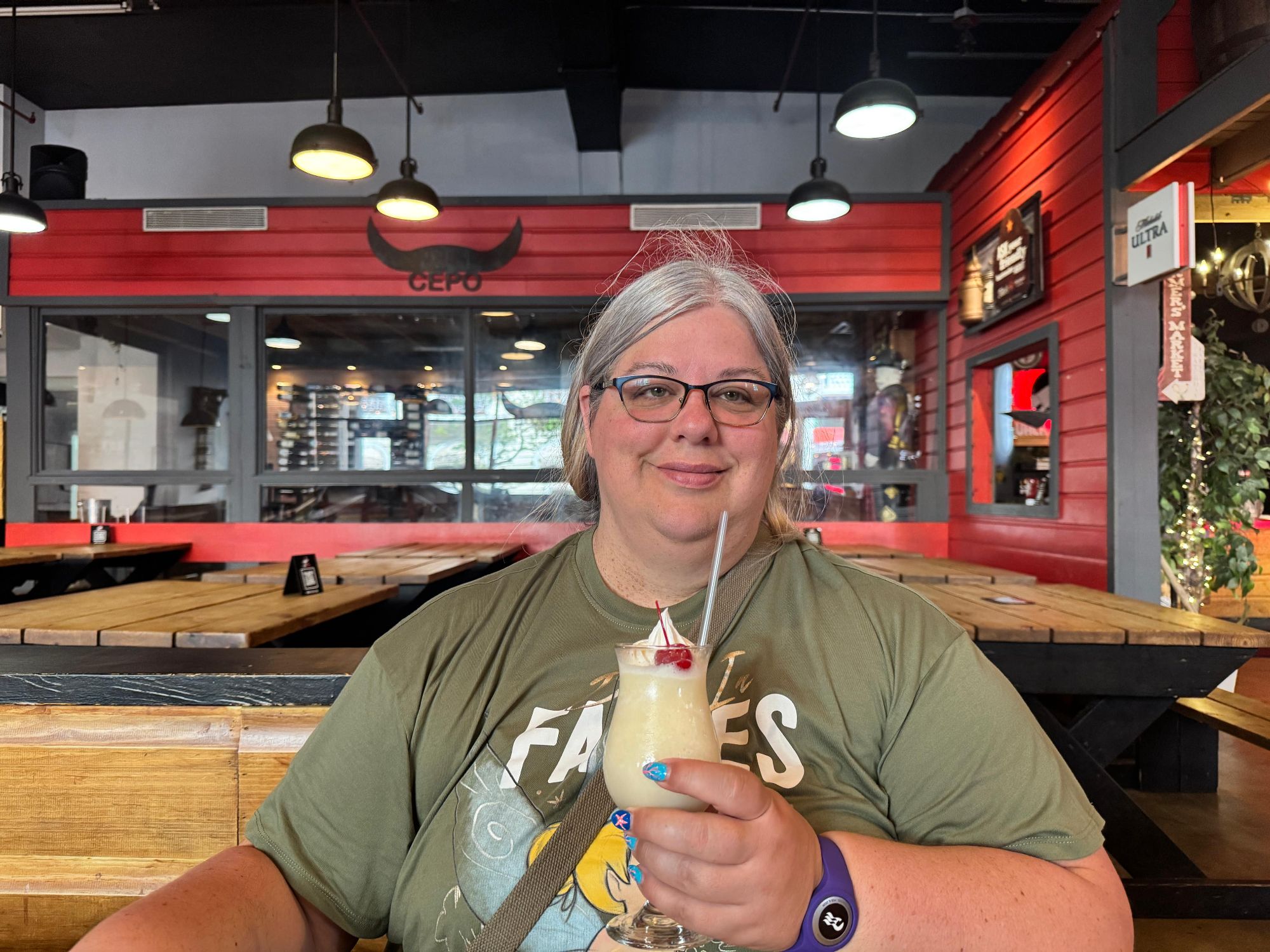
She also flags one practical reality that catches first-timers off guard: Old San Juan is hilly. The terrain is manageable, but visitors who underestimate it may find themselves wishing they had worn different shoes or skipped the second pina colada at lunch. Speaking of which, San Juan is the birthplace of the pina colada, a distinction claimed simultaneously by the Caribe Hilton, whose bartender allegedly created the drink in 1954, and by Barrachina restaurant on Fortaleza Street, which puts the date at 1963. Swan's recommendation is characteristically practical: try both and form your own opinion.
Christmas in San Juan
Swan's enthusiasm for the destination shows no sign of fading. Her upcoming Christmas cruise includes a port day in San Juan, and she is already looking forward to returning. "We're going to spend a lovely day in port, checking it out," she says, with the ease of someone who knows exactly where she is going and precisely how she wants to spend her time there. For the clients of Swan Family Travel, that depth of personal knowledge is exactly the kind of asset that turns a good booking into an unforgettable trip.