Travel advisor Amanda Rauh set sail on an Oceania Alaska cruise to inspect a ship and came home with something far more valuable: the kind of first-hand knowledge that changes how she'll serve every client who asks about Alaska from this day forward.
At a Glance
Alaska cruises on Oceania's 1,200-passenger ships offer intimate wildlife viewing and remote port access unavailable on larger vessels. The smaller scale eliminates crowding while maintaining operational efficiency across dining venues and onboard spaces, making the experience feel personal rather than institutional.
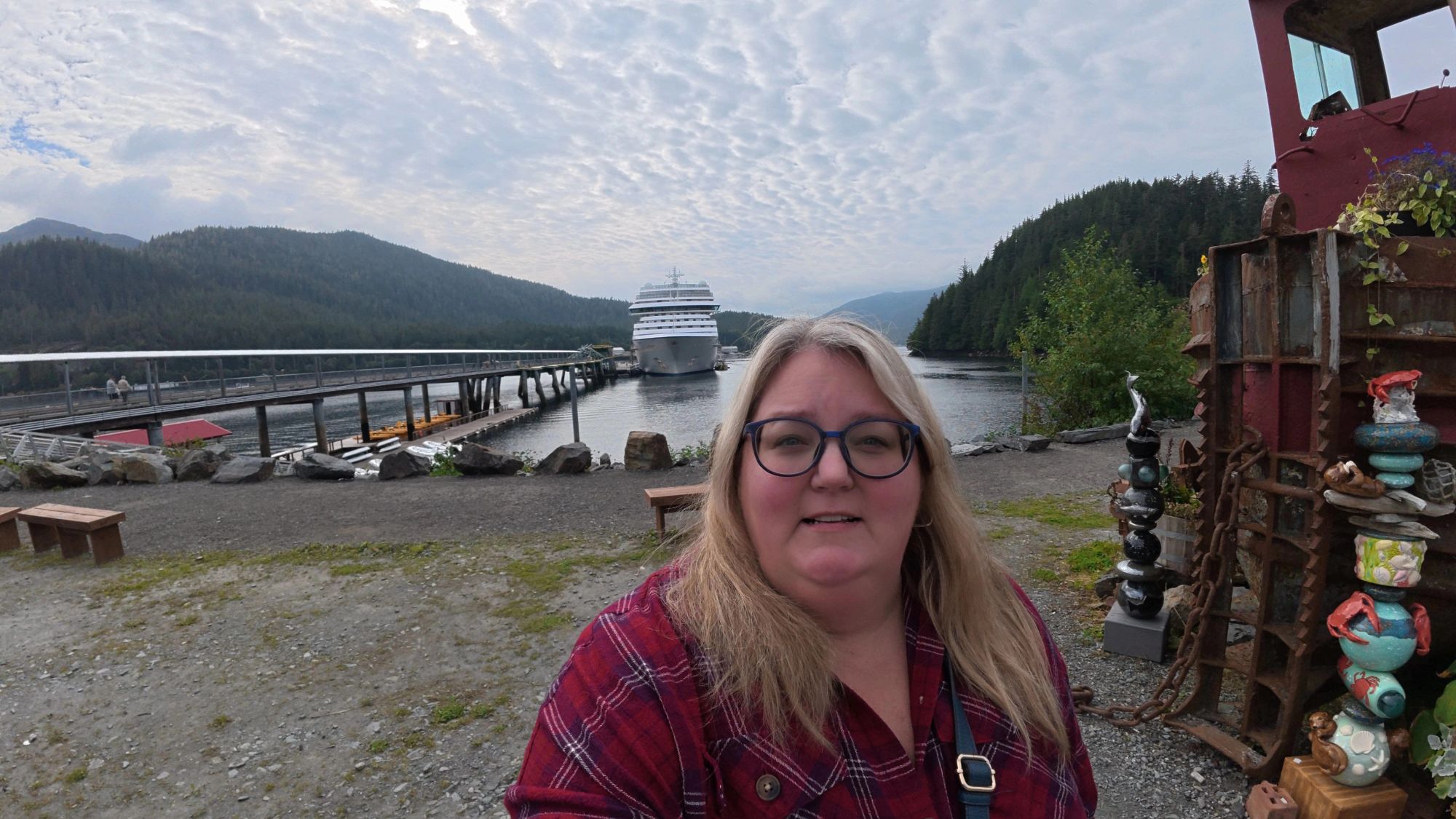
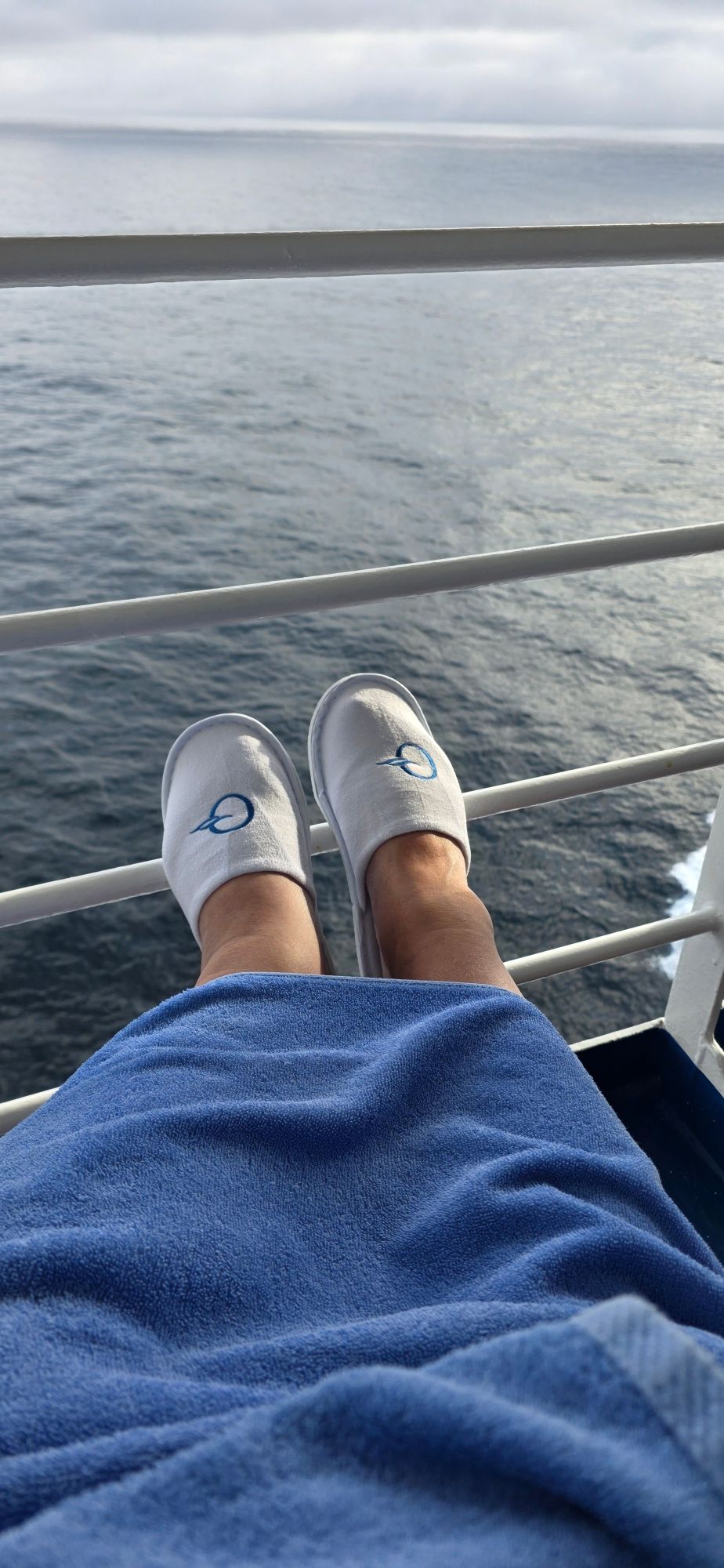
The whales came first. Then the sea otters, drifting in the glassy water below. Then the snow-capped mountains, shifting in light and shadow as the ship moved through the Alaskan passage. Porpoises cut through the wake. Seals appeared on ice floes. Sea lions watched from rocky outcroppings as if they'd been expecting company. From her private balcony, Amanda Rauh took it all in, unhurried and entirely present. What she was experiencing, she would later say, was something no brochure had ever managed to capture. "Relaxing on our beautiful balcony, staring at the changing landscape in front of us — whether it was the whales, the sea otters, the mountains, the snow-capped mountains, porpoises, seals, sea lions — you name it, we were just surrounded by nature."
It is worth pausing here to note that Rauh did not board this ship as a leisure traveler. The Illinois-based travel advisor sailed an Oceania Cruises Alaska itinerary alongside a fellow travel agent colleague specifically to inspect the product. It was, in her own words, part business, part vacation. She arrived with a professional's eye and a checklist of things she needed to understand. What she did not expect was to be stopped completely in her tracks by the view from her balcony.
The Surprise of Doing Nothing
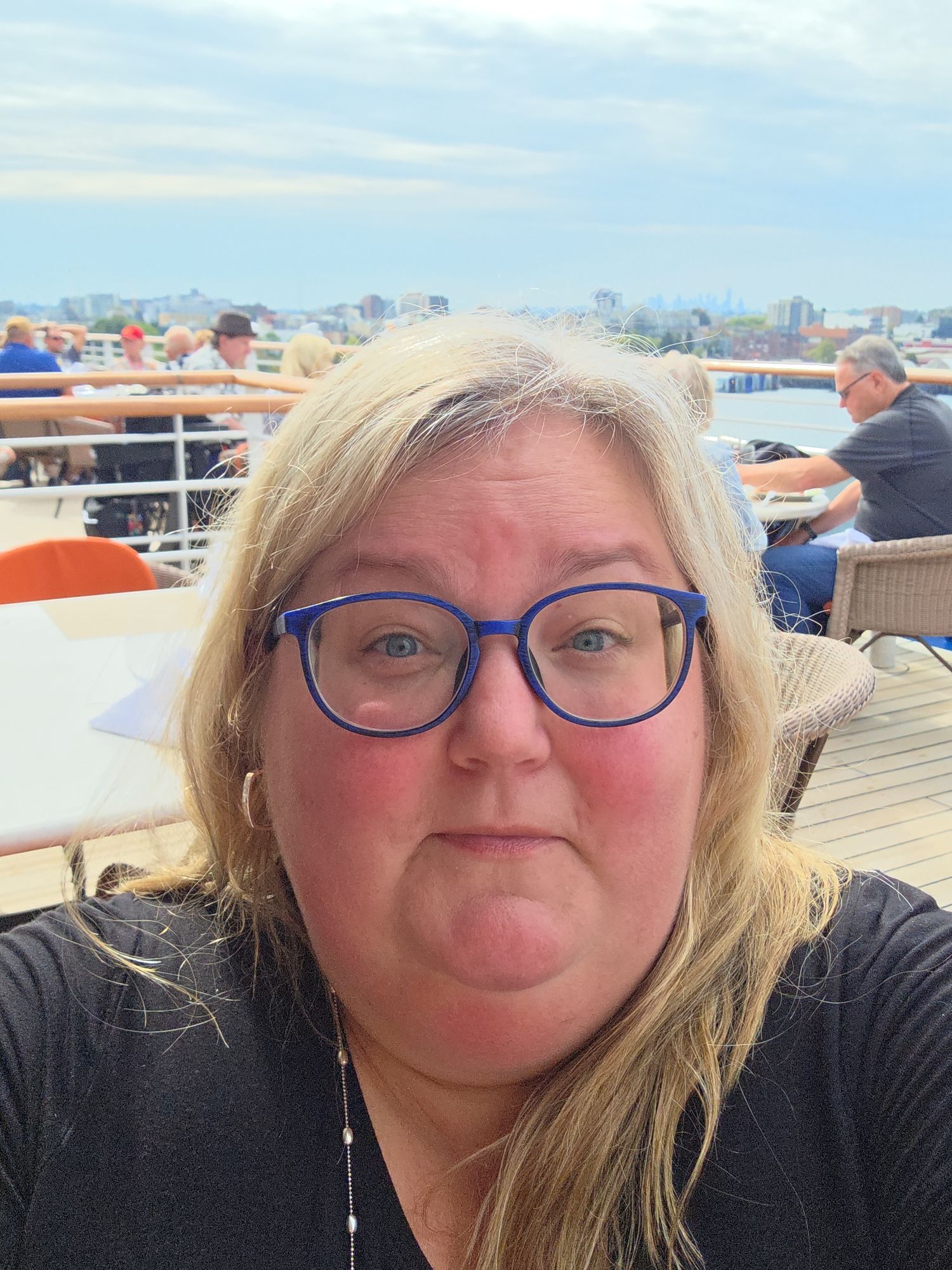
For someone whose work revolves around crafting itineraries, building schedules, and anticipating the logistics of other people's travel, the most unexpected gift Alaska delivered was the absence of all of that. Rauh describes it plainly, but the weight behind the words is clear. "Something that surprised me was just the ability to unwind and relax with no pressure — no schedule, no stress — to eat where you want, to be where you want to be." For a travel professional whose days are spent managing details on behalf of others, the experience of surrendering that control entirely was not just pleasant. It was revelatory.
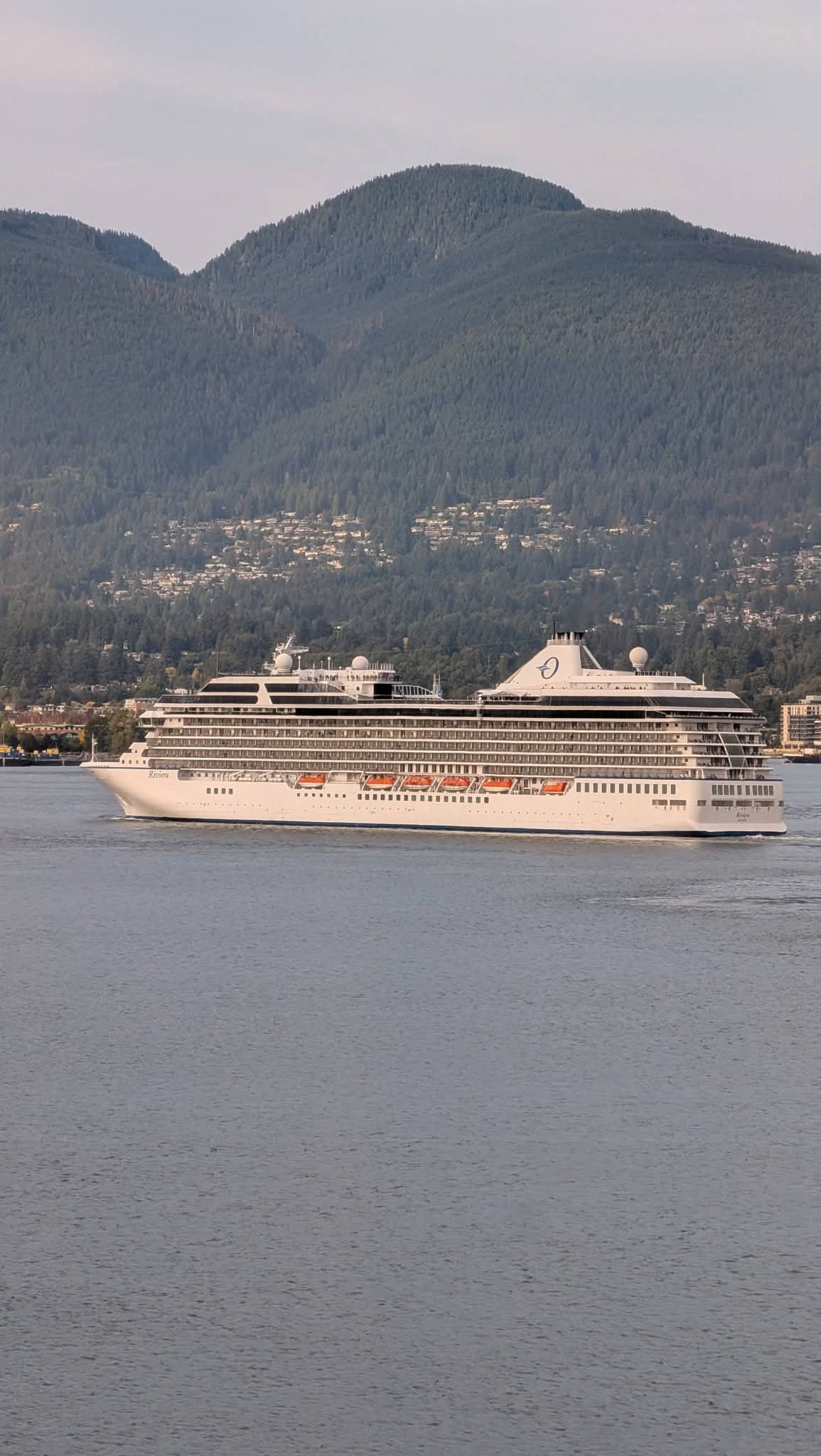
That freedom, she found, is baked into the Oceania experience itself. The ship she sailed carries 1,200 passengers, a figure that stands in sharp contrast to the mega-ships dominating many popular routes. And yet the number alone doesn't tell the story. What Rauh noticed was how that scale translated into atmosphere. "It was only 1,200 passengers and it never felt crowded," she says, with the measured admiration of someone who had come to evaluate and found herself genuinely impressed.
A Professional Eye on the Ship's Flow
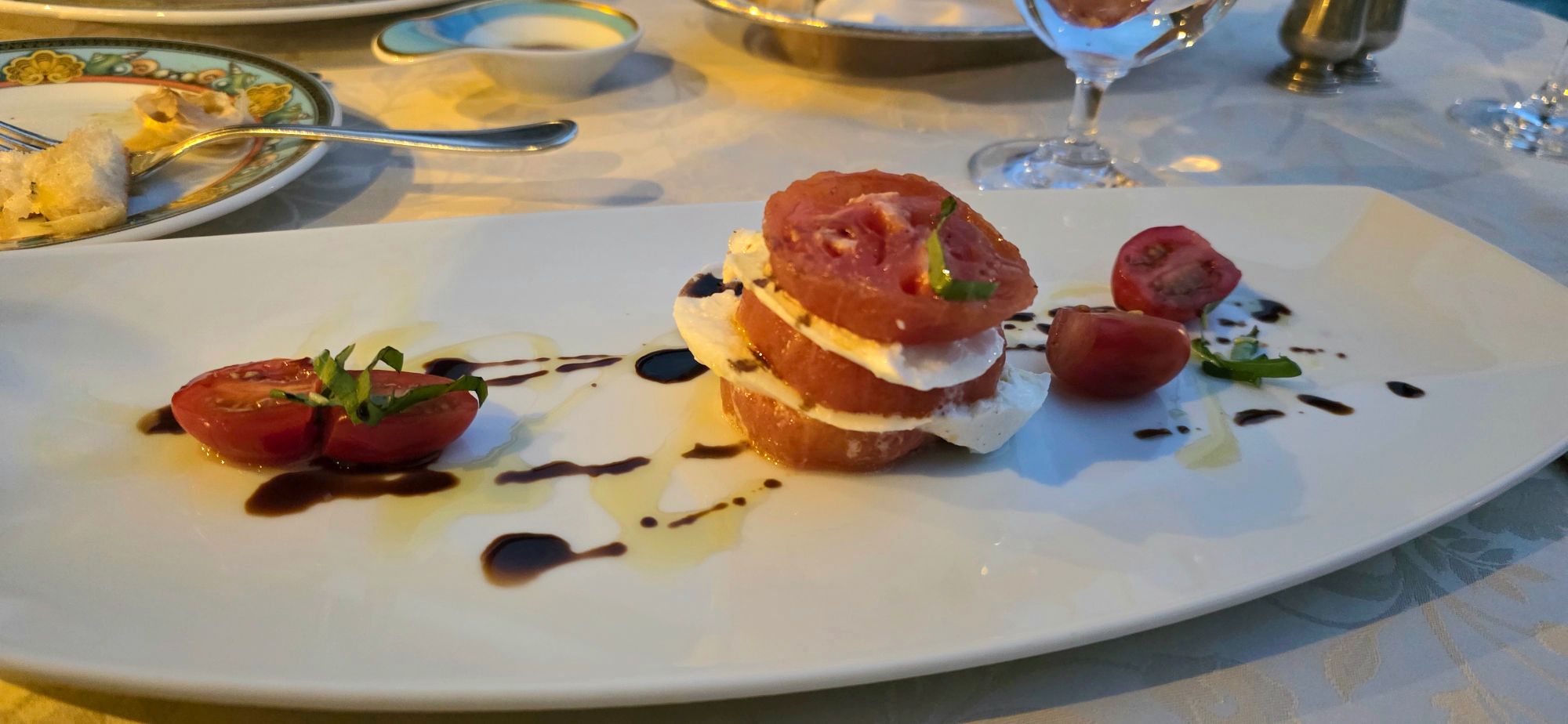
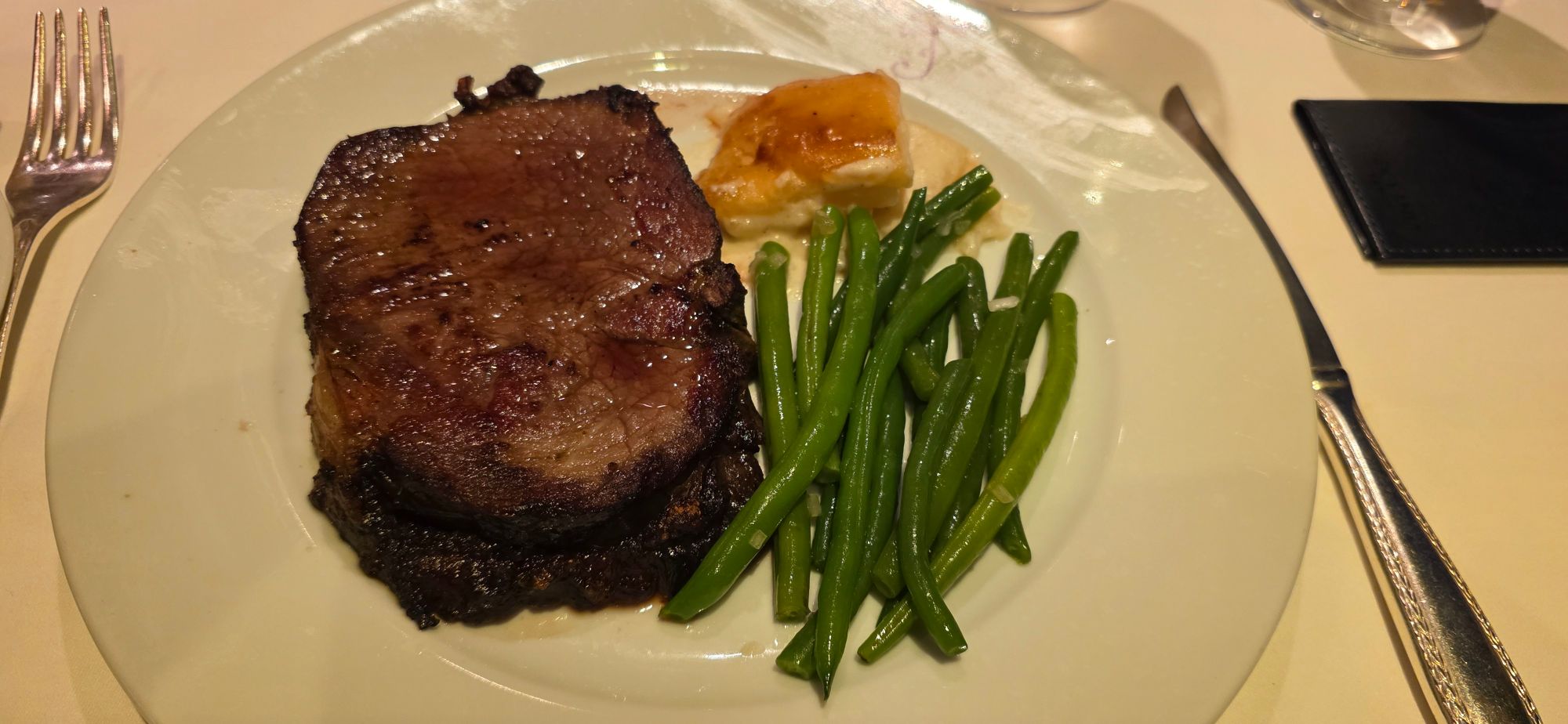
Rauh approached the ship's dining program the way a good advisor approaches any destination: systematically and with curiosity. She sampled in-room dining, the buffet, the main dining room, and the specialty restaurants, mentally cataloguing how each venue felt, how the service moved, how the spaces filled and emptied throughout the day. As a first-time Oceania guest, she had benchmarks to compare against but no preconceived impressions of this particular product. What she found was a ship that worked. "It was just nice to see the flow and see how everything worked well," she says, letting the simplicity of the observation carry its own authority.
That operational fluency matters more than it might seem. When Rauh eventually sits across from a client who is weighing Alaska cruise options, she won't be consulting a fact sheet. She'll be drawing on a mental map of how a day aboard actually unfolds, where the quiet corners are, which dining experience suits which kind of traveler, and how a ship of that size manages to feel intimate rather than institutional.
Who Belongs on This Ship (and Who Doesn't)
One of the clearest takeaways from Rauh's time aboard was a sharper picture of the traveler this experience is built for. Oceania is now an adults-only cruise line, which immediately filters out families with young children and multi-generational groups that include minors. But Rauh observed a different kind of multi-generational travel thriving onboard: grandparents, their adult children, and grandchildren who have grown past the threshold of childhood. She also noticed that the demographic skewed meaningfully older, with most passengers appearing to be in the 40-plus range, and that a striking number were either first-time Alaska visitors or first-time cruisers, or both.
That observation has direct implications for how she'll position the product going forward. "Now that I've experienced Oceania, it allows me to position this to clients — to make sure I've got the right client on the right ship on the right itineraries," she says, her language deliberate and unhurried, the vocabulary of someone who has genuinely internalized a lesson rather than simply filed away a sales point. "It allows me to really explain how those small, intimate ports of call are important versus the big mainstream ports of call. So you get a little taste of both."
The Insider Tip Most Travelers Will Learn Too Late
Alaska's geography is part of its appeal, and also part of its practical challenge. Some of the ports on Oceania's itinerary are small, remote, and not served by the larger cruise lines that dominate the market. That exclusivity is a genuine selling point. It is also a logistical reality that requires advance planning. Shore excursion availability at these smaller ports is limited, and it fills quickly. Rauh's advice is unambiguous: book early, or accept that your time ashore may simply be a slow, pleasant walk through town meeting locals. Framed that way, even the fallback sounds appealing. But for clients who want a specific experience at a specific port, waiting is a risk not worth taking.
It is the kind of tip that only surfaces after you've been there, spoken to the staff, and understood the operational reality on the ground. It cannot be gleaned from a brochure or a review site. It lives in the details that advisors carry back with them from trips exactly like this one.
The Right Client, the Right Ship, the Right Itinerary
What Rauh brought home from Alaska is difficult to quantify but easy to feel in conversation with her. It is the quiet confidence of someone who has walked the decks, eaten in every dining venue, stood on the balcony as a humpback surfaced fifty meters off the bow, and absorbed what this particular journey actually feels like from the inside. She came to inspect a ship and came away understanding something larger: that matching a client to the right travel experience requires more than data. It requires having lived it.
For Rauh, the next chapter is a personal one. She and her husband are preparing to celebrate their 20th wedding anniversary with a trip to the Hyatt Ziva in Puerto Vallarta, and when she speaks about it, the professional composure she brings to her Alaska assessment gives way entirely to something warmer. The woman who carefully evaluates ships so her clients don't have to is also, at her core, a traveler who is deeply excited about her own next adventure. "Our next trip is a personal vacation to celebrate our 20th anniversary," she says. "My husband and I are heading to the Hyatt Ziva in Puerto Vallarta." The advisor who sends others to their dream destinations is still chasing her own, and that, perhaps more than any certification or credential, is what makes the advice worth trusting.