A travel advisor's Buddhist awakening in Vietnam reveals how profound cultural immersion transforms both personal perspective and professional expertise.
At a Glance
Vietnam reveals itself as fundamentally different from preconceptions: Buddhism functions as a life philosophy rather than traditional religion, Ha Long Bay's limestone cliffs overwhelm photographs, Vietnamese cuisine proves more accessible than expected, and Hanoi's motorcycle traffic flows with organic efficiency. Experienced travel planning uncovers hidden historical sites like wartime bunkers beneath modern hotels.
When travel advisor Craig White set foot in Vietnam with 25 clients and friends in tow, he expected stunning landscapes and exceptional cuisine. What he didn't anticipate was a philosophical awakening that would reshape his understanding of an entire way of life. Among the limestone cliffs of Ha Long Bay and the bustling streets of Hanoi, White discovered that the most profound travel experiences often come from the moments that challenge our deepest assumptions.
A Philosophy Disguised as Religion
The revelation came quietly, as the most meaningful discoveries often do. While exploring Vietnam's Buddhist temples and observing daily life, White began to understand something that guidebooks rarely capture. "I would never have known that Buddhism wasn't really a religion, so to speak, in the traditional sense, where you worship a god," he reflects. "The impression I got was Buddhism was more of a way of life than a religion, just about being a good person and doing good things to the Earth and to other people around you."
This insight, born from firsthand observation rather than textbook study, exemplifies why White's approach to travel planning runs deeper than itinerary construction. His group's journey through Asia became an exploration of cultural philosophy that no amount of research could have prepared him for.
When Photos Fail to Capture Reality
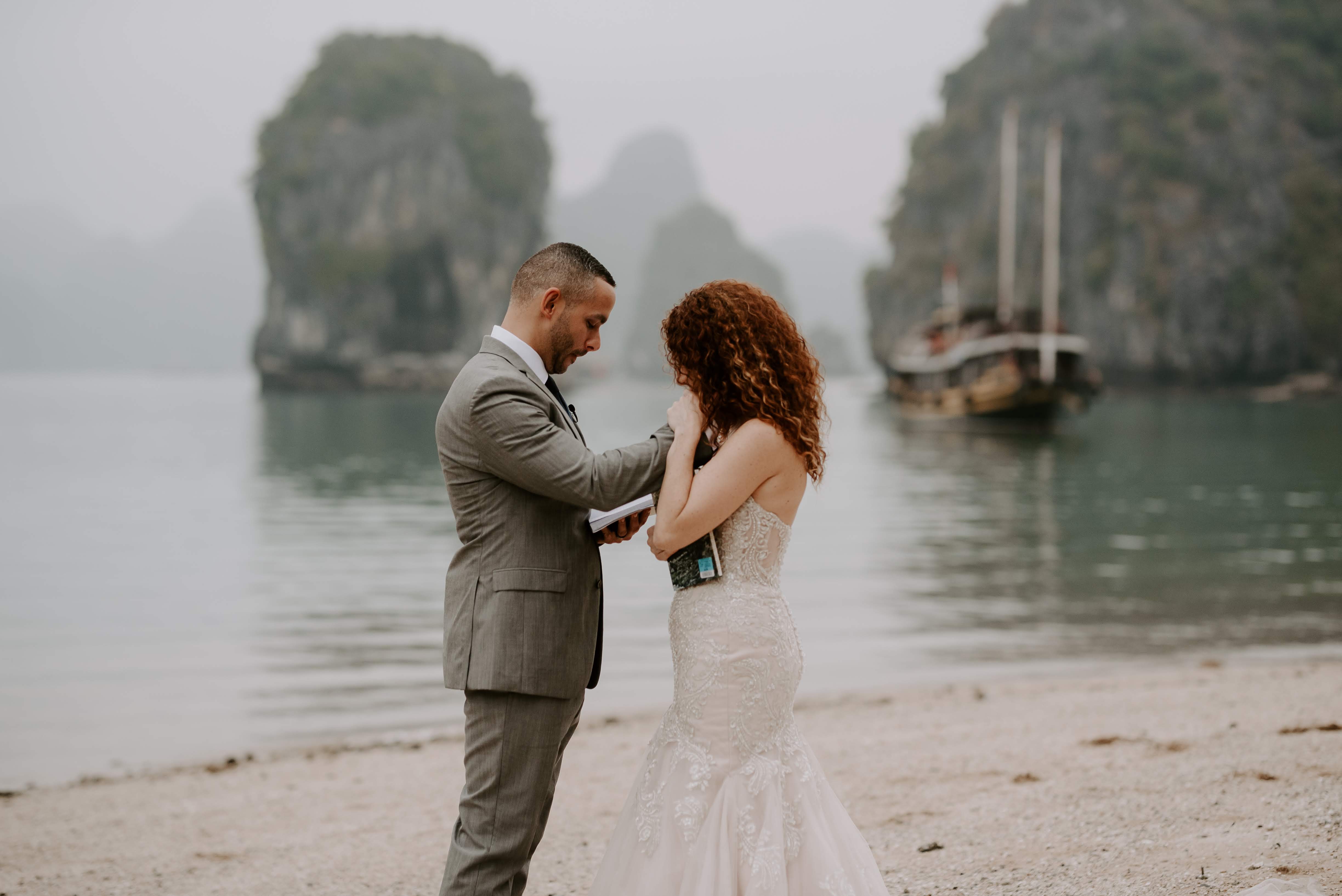
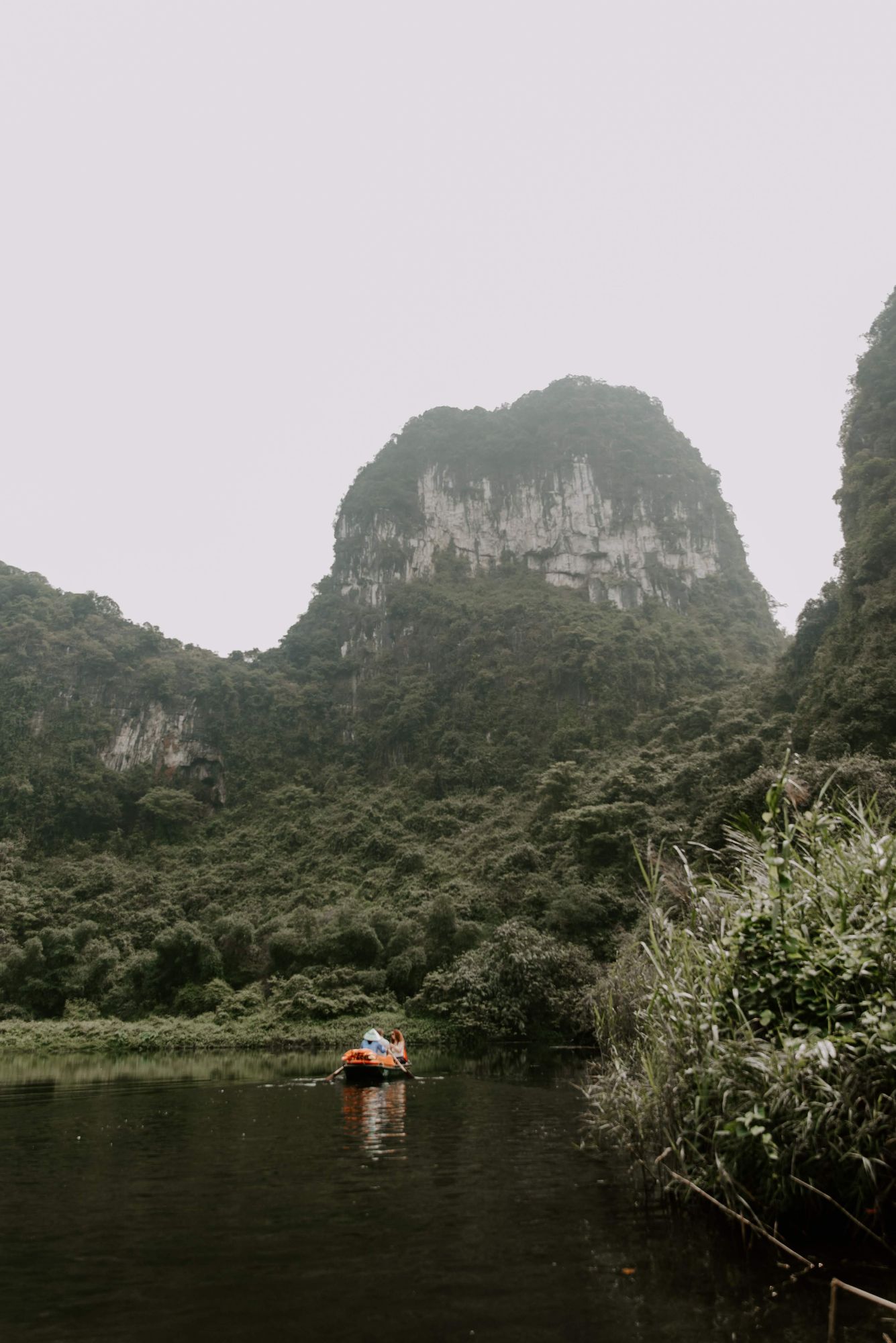
Vietnam's iconic Ha Long Bay presents another lesson in the inadequacy of secondhand experience. Despite countless photographs and movie scenes featuring the UNESCO World Heritage site, White found himself unprepared for the emotional impact of standing before those ancient formations. "Being there up close and personal to those limestone cliffs just doesn't even do it justice on a photo," he explains, his voice carrying the wonder of someone still processing an overwhelming visual experience.
The limestone islands jutting dramatically from emerald waters created moments of speechless appreciation that remind seasoned travelers why certain destinations must be experienced rather than simply observed through screens.
Culinary Surprises and Urban Ballet
White's preconceptions about Vietnamese cuisine proved equally unfounded. "I didn't expect it to be so easy to find amazing food, and the menu wasn't as obscure as I thought it was going to be," he admits. From the complex flavors of Vietnamese pho with its fresh ingredients to the unexpected delight of egg coffee, the culinary landscape revealed itself as far more accessible than anticipated.
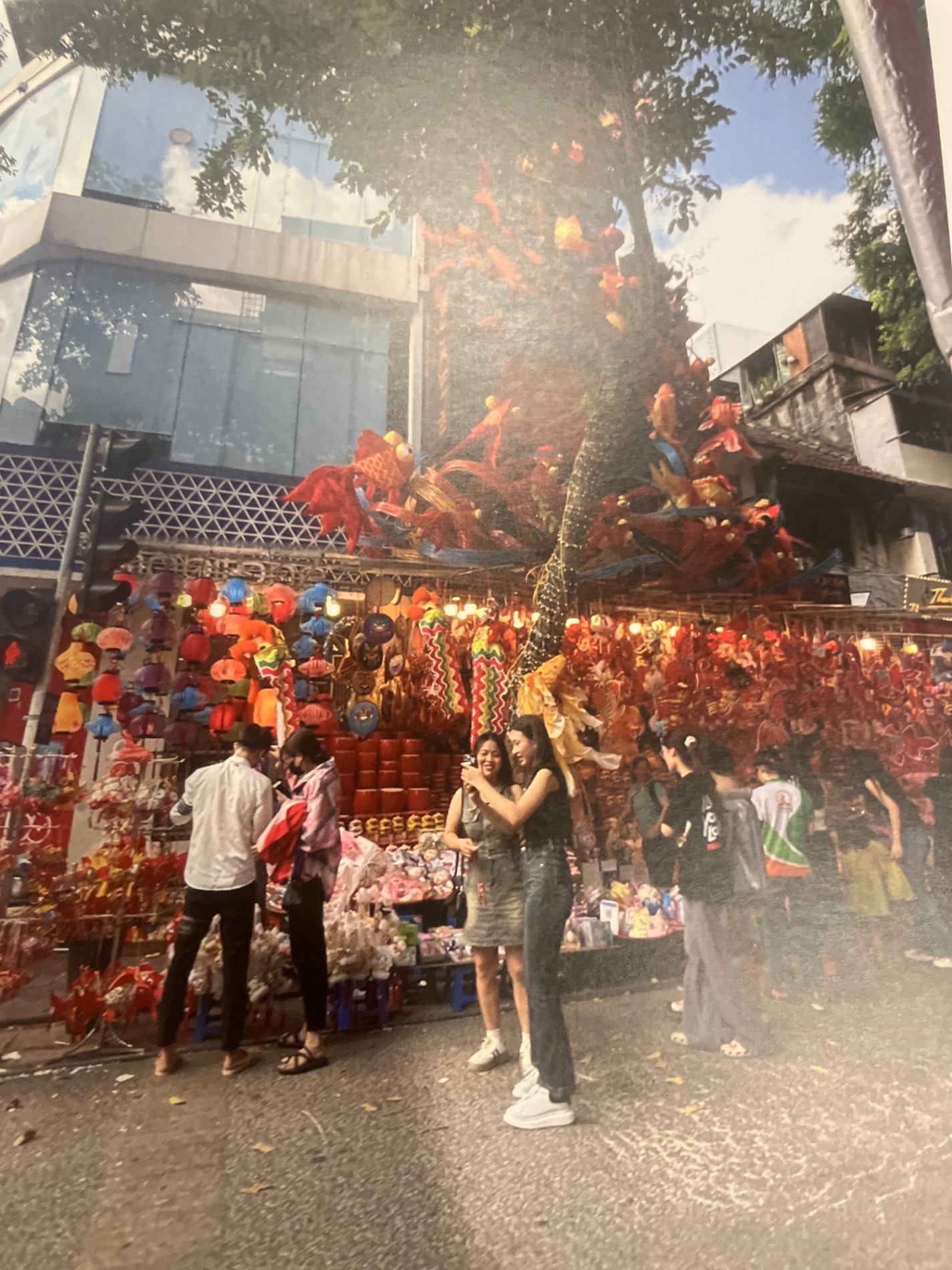
Perhaps even more surprising was witnessing Hanoi's traffic patterns, where thousands of motorcycles create what White describes as a seamless urban ballet. Despite the apparent chaos, he observed how "heavy the traffic was yet it flowed seamlessly through the city," demonstrating the organic efficiency that emerges from cultural adaptation.
Hidden History Beneath Modern Hotels
Some of the trip's most poignant moments came from unexpected historical discoveries. At their hotel in Ho Chi Minh City, White's group uncovered a piece of wartime history hiding in plain sight. "There was a bunker in the basement that was used when the Americans bombed Hanoi and all the Press were there and other Embassy staff and some celebrities were all hunkered down in this bunker," he reveals. The space remains unchanged from those tense days, offering visitors a tangible connection to Vietnam's complex past.
These serendipitous discoveries underscore the value of experienced guidance. White's meticulous planning, from "beautiful high quality hotels consistently" to ensuring "transportation is all planned and expected and organized," creates the foundation for spontaneous exploration that solo travelers might never encounter.
Professional Transformation Through Personal Experience
White's Vietnamese adventure reinforced his belief in experiencing destinations personally before recommending them to clients. The trip revealed layers of cultural depth that transform how he approaches travel planning, particularly for history enthusiasts drawn to sites from the Hanoi Hilton to the Cu Chi tunnels, or culinary adventurers ready to explore Asia's flavors.
His practical discoveries, from the efficiency of rickshaw transportation through Hanoi's narrow alleys to the unexpected pleasure of 7-Eleven egg sandwiches paired with Pinot Grigio, add authentic texture to his destination knowledge that no travel guide could provide.
As White looks toward future adventures in Cambodia, Japan, Alaska, and beyond, his Vietnamese experience serves as a reminder that transformative travel requires both careful planning and openness to surprise. "The world is just one big oyster that we want to crack into and explore from top to bottom," he says, his enthusiasm reflecting the insatiable curiosity that drives the best travel professionals to continually seek new perspectives for themselves and their clients.