After years of treating St. Thomas as a port of call for duty-free deals, travel advisor Amanda Swan kept going back, and the island kept surprising her with sea turtles, secret beaches, and flavors she never expected to find.
At a Glance
St. Thomas offers far more than duty-free shopping; snorkeling with sea turtles, hidden beaches, sugar cane ruins, walking food tours, ziplining, kayaking, and mountain tram rides reveal a layered destination. Small-group tours bypass cruise crowds and deliver intimate access to local culture, marine life, and scenic overlooks that most port visitors never experience.
For many cruise passengers, St. Thomas means one thing: shopping. The U.S. Virgin Islands port is legendary for its duty-free jewelry stores and tax-free deals that draw passengers off ships and into downtown Charlotte Amalie by the thousands. For years, travel advisor Amanda Swan counted herself among the converted. She knew the shopping was good. She knew Magens Bay was worth the trip. She had St. Thomas figured out.
Then she got back in the water, and everything changed.
"I used to think that St. Thomas was really just a shopping port," Swan admits, reflecting on her earlier impressions of the destination. "And then we discovered the snorkeling." That discovery, made across multiple return visits to the island, became the first thread in what would unravel into a far richer story about a place she thought she already knew.
Beyond the Brochure: A Jeep, a Guide, and a Different Kind of Day
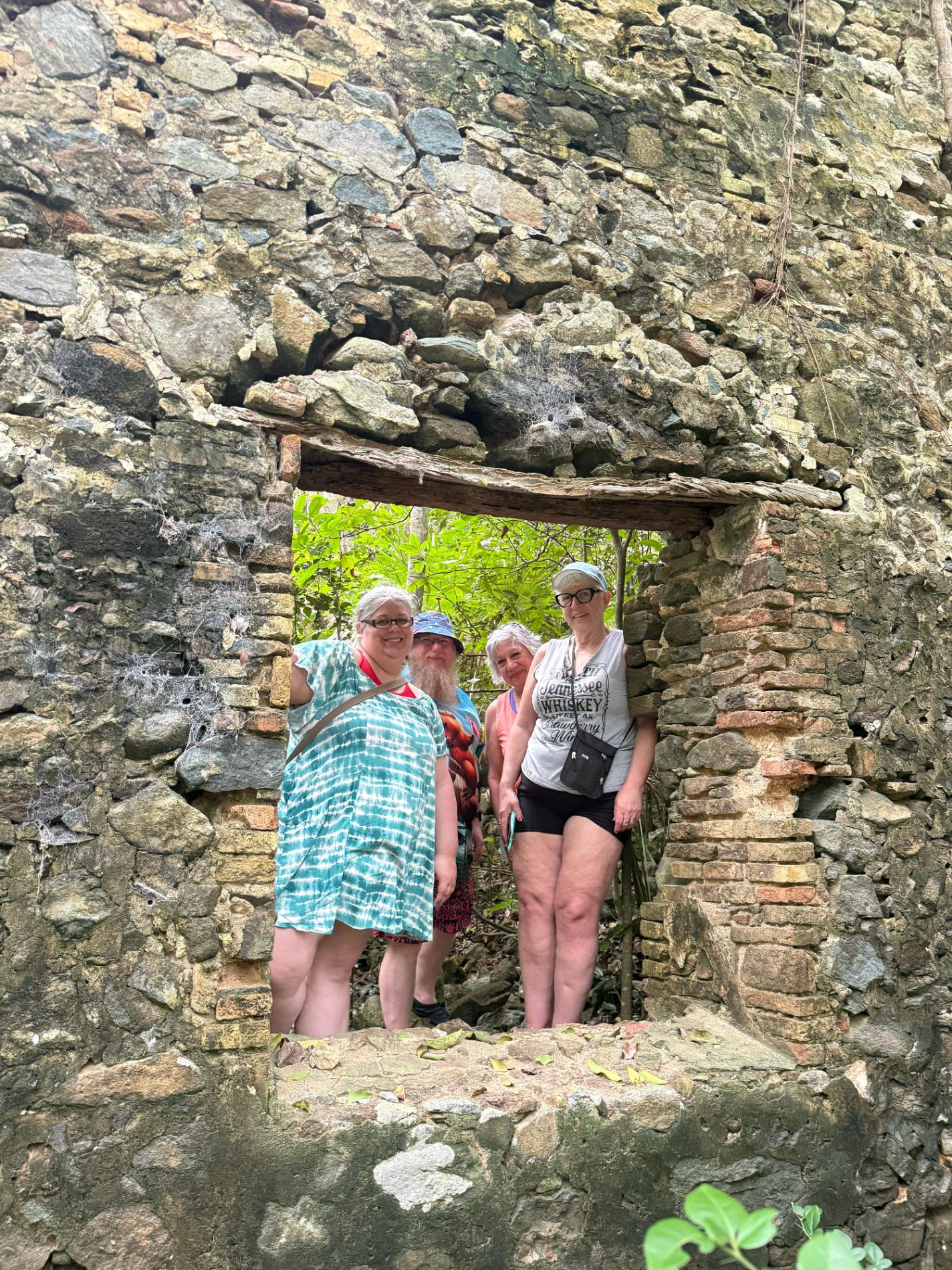
The turning point came when Swan found a local operator called St. Thomas Adventures, a company that runs snorkeling excursions, Jeep tours, and boat trips for small groups willing to stray from the standard shore excursion lineup. Their signature Jeep tour picks passengers up directly at the ship, winds through the island's mountainous interior, and delivers guests to snorkel stops, local beaches, and scenic overlooks that most cruise passengers never see from the downtown streets below.
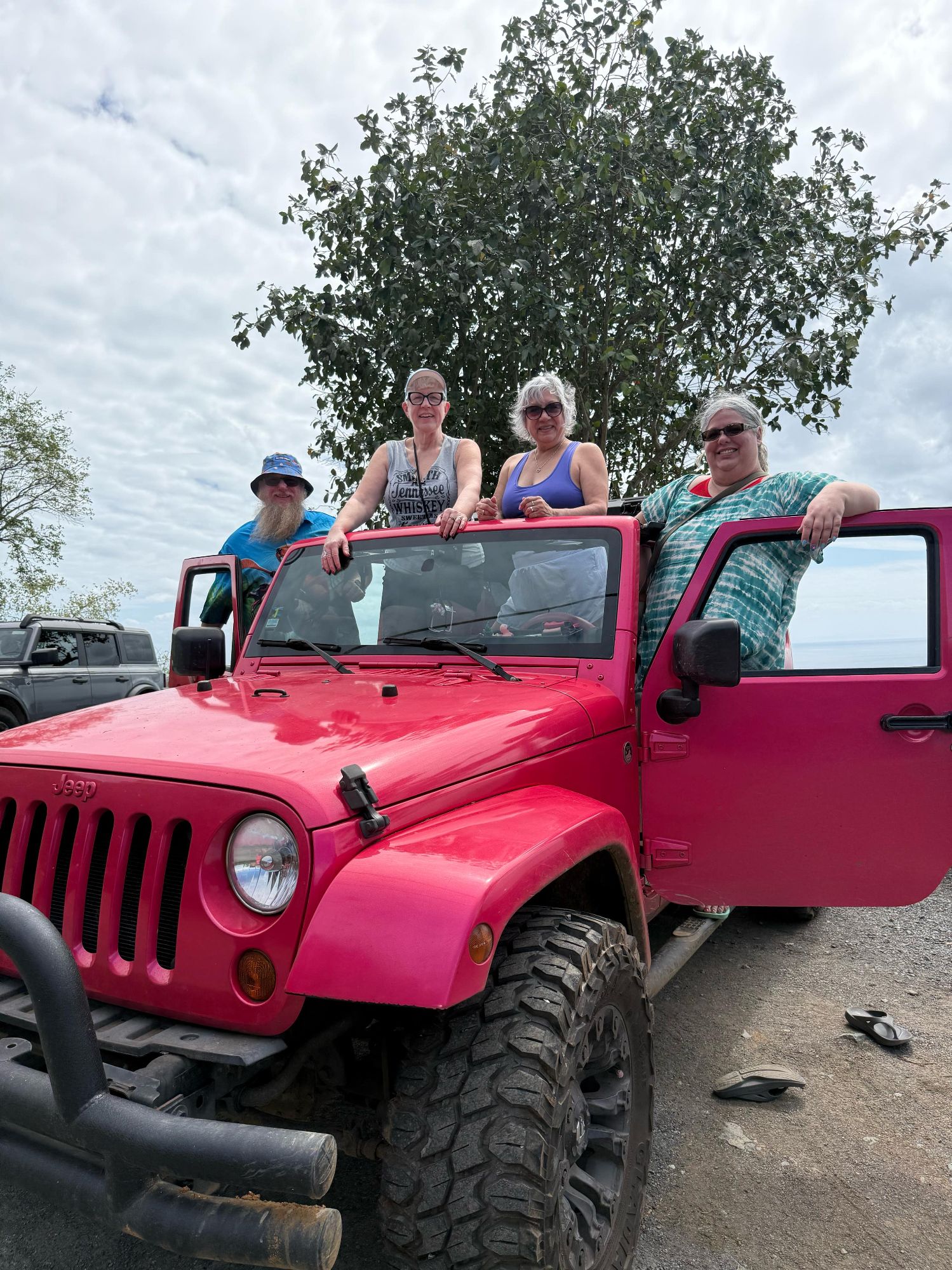
What set the experience apart, Swan explains, was the scale. "It's just a small private tour, no more than four people and their guide for the day," she says. In a port where enormous ships can disgorge thousands of passengers at once, that intimacy is no small thing. The guide took Swan and her group to snorkel alongside sea turtles, pointed out local marine life drifting through clear Caribbean water, and then led them somewhere most visitors never reach.
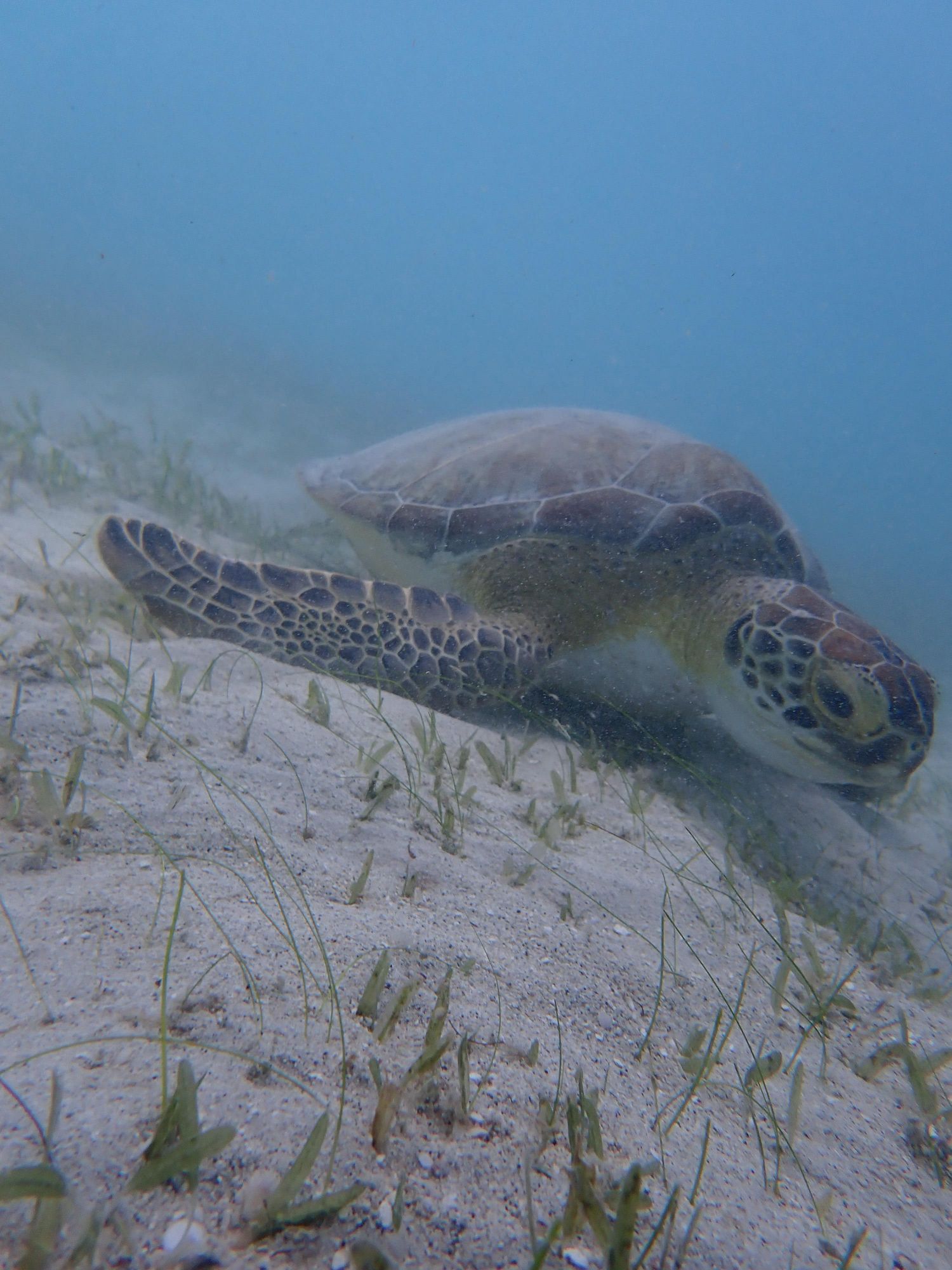
"Small hidden beaches that only locals know about, our guide took us to check out, because they were absolutely breathtaking," Swan recalls, "some old sugar cane ruins and all kinds of really neat things." The ruins, remnants of the island's plantation history, rise quietly from the vegetation, easy to miss if no one knows to look for them. The beaches, tucked away from the cruise ship crowds, offer exactly the kind of stillness that passengers rarely associate with a busy port day.
A Walking Food Tour That Changed the Conversation
Snorkeling was not the only revelation. On a separate visit, Swan joined a walking food tour through St. Thomas, sampling local cuisine across the island's culinary landscape. It was the kind of experience that shifts how a destination sits in memory, turning a port stop into something that feels genuinely lived in.
"So although the snorkeling is definitely one of my favorites, the walking food tour was pretty good too, where we got to try a lot of really good bites," Swan says, with the enthusiasm of someone still pleasantly surprised by what they found. The food tour gave her a ground-level view of the island's culture that no Jeep or snorkel mask could provide, and it added another layer to the case she now makes to her clients.
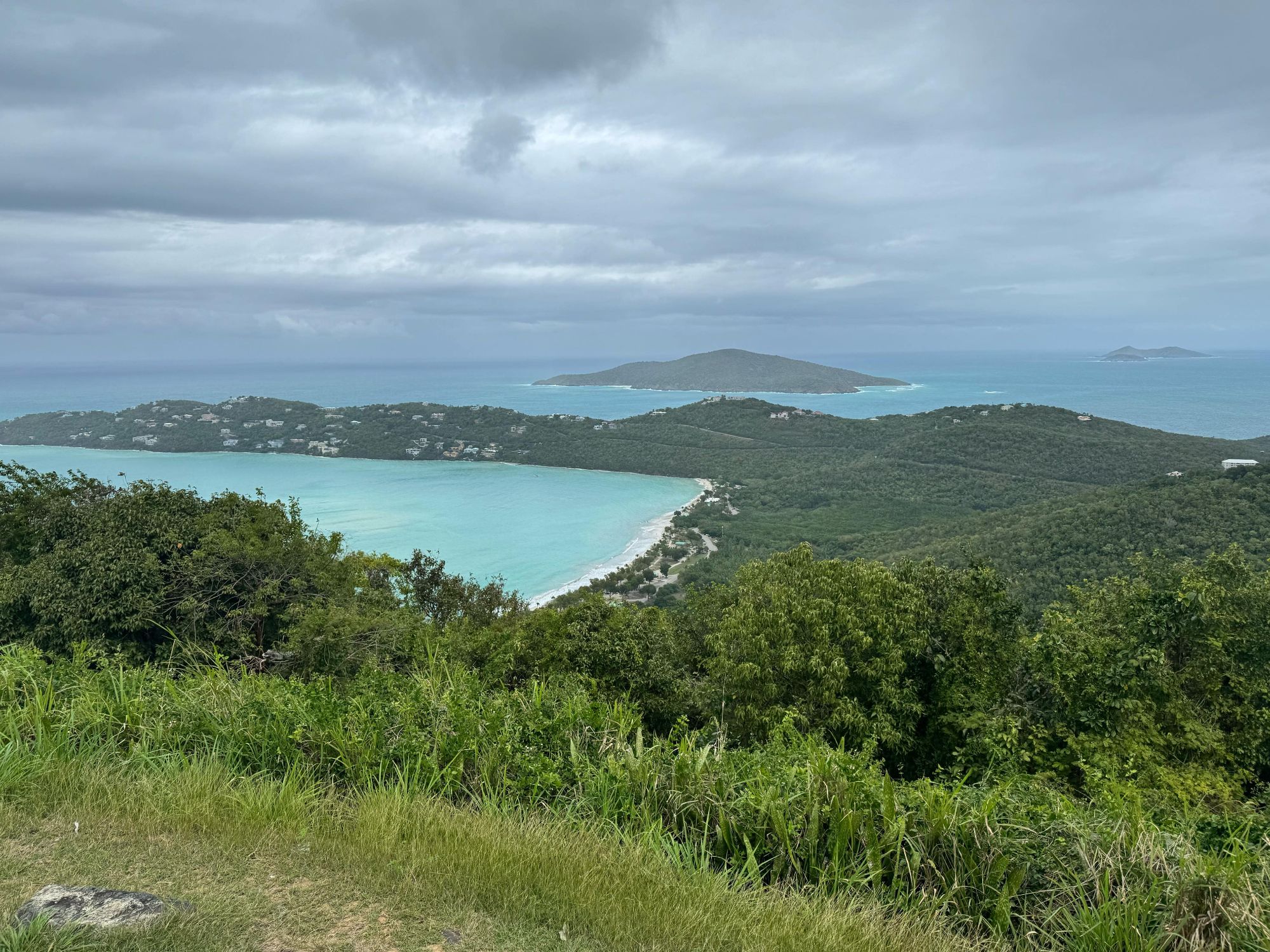
Between the snorkeling trips, she has also done ziplining, visited an eco-park, gone kayaking, and ridden the mountain tram up to one of the island's elevated viewpoints, where the scenery stretches across turquoise water and green hills in every direction. A banana daiquiri at the top, she notes, is not optional. The panorama from St. Thomas's peaks is, as Swan puts it, "pretty stunning," a detail that catches first-time visitors completely off guard after a morning spent browsing jewelry stores at sea level.
Who St. Thomas Is For, and How to Make the Most of It
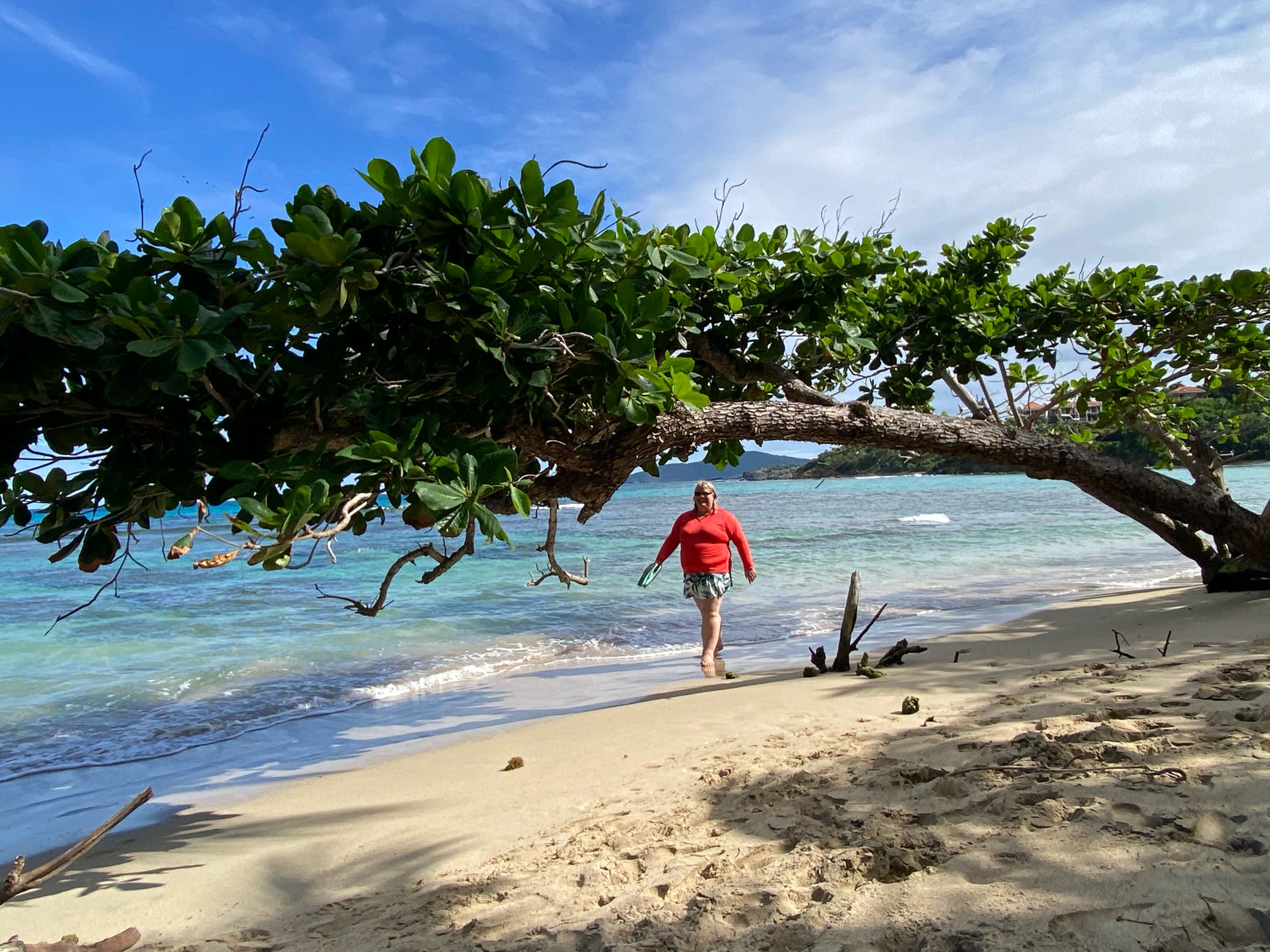
Swan is unambiguous about the destination's range. Whether clients want to browse tax-free boutiques, laze on the white sand of Magens Bay, kayak through mangroves, duck into the island's Pirate Museum, or simply ride the tram up the mountain with a cold drink in hand, St. Thomas accommodates them all. "There's something for everybody," she says, and she means it in the most practical sense. The island's variety is not a marketing tagline. It is something she has verified personally, across multiple visits, in multiple modes.
That breadth, however, comes with one significant caveat. Swan's most pointed piece of advice has nothing to do with which beach to visit or which snorkel company to book. It is logistical, specific, and immediately useful. "Pay attention to how many other ships are in on the same day as you are and the size of those ships," she advises, "because the downtown area can get quite busy and crowded. So if there are a lot of ships in, plan something away from the downtown during peak hours." It is the kind of tip that only comes from standing in the middle of Charlotte Amalie on a day when four mega-ships are docked simultaneously, and deciding never to do that again without a plan.
A Return Trip, and an Open Mind
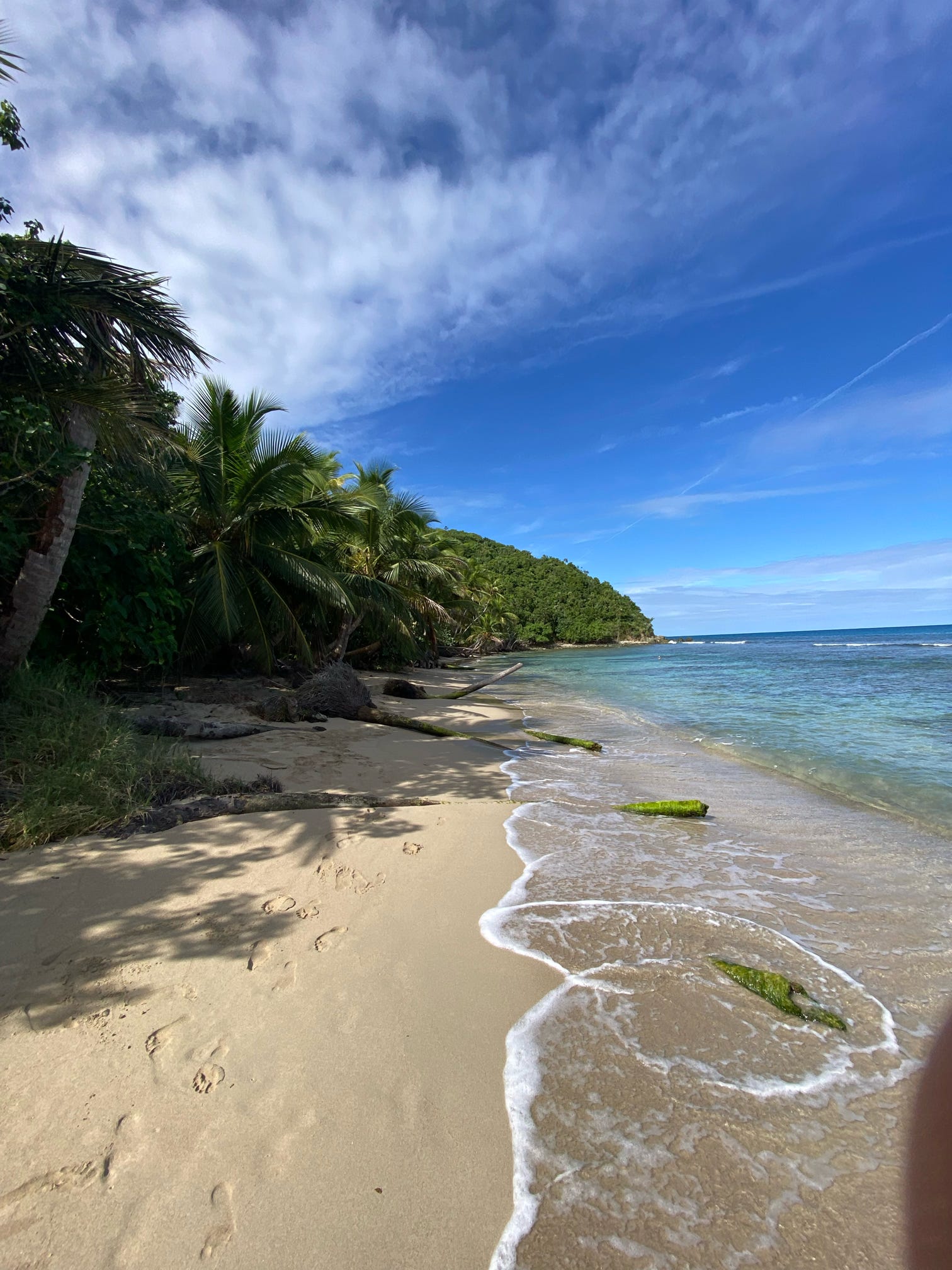
The clearest measure of how Swan feels about St. Thomas is where she is headed next. She is returning to the island on a New Year's Cruise later this year, and, in a detail that says everything about her relationship with the destination, she has not yet decided what she will do when she gets there. She is, for once, leaving the itinerary open. "We're going to wait and see what tickles our fancy," she says, the phrase carrying the easy confidence of someone who knows, from experience, that the island will deliver something worth doing.
For a travel advisor who once filed St. Thomas under "shopping stop," that willingness to return without a plan is the best possible endorsement. Swan has ziplining days and snorkel days and food tour days already banked. She has watched sea turtles drift beneath her fins and stood on mountaintops with a daiquiri in hand. And still, she is going back to see what she has missed. That, more than any single discovery, is the story of St. Thomas: a destination that rewards the traveler who keeps asking it questions.