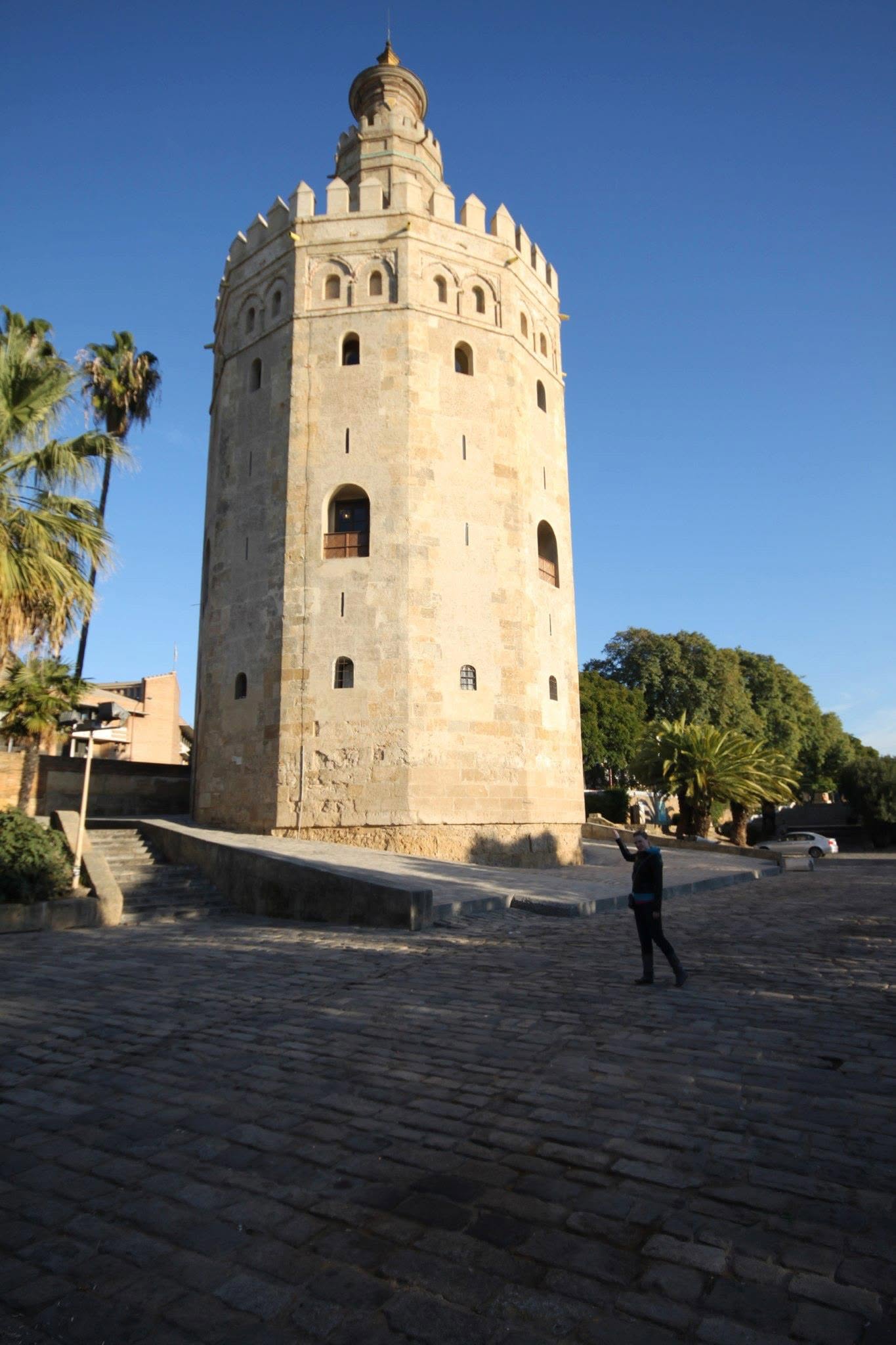
Travel advisor Autumn Fiske didn't just visit Spain, she lived there, and now she's using that rare insider knowledge to guide clients past the tourist traps and into the heart of the country.
At a Glance
Spain's true character emerges through extended residence rather than tourism. A travel advisor who lived in Murcia for two years, worked in local hospitality, and traveled extensively across the country reveals that Spanish culture centers on shared meals, regional dialect variations, siesta traditions, and seasonal timing—insights that reshape how visitors should plan their trips.
There are travel advisors who have been to Spain, and then there is Autumn Fiske. The seasoned travel professional didn't discover the Iberian Peninsula through a curated fam trip or a two-week holiday. She moved there, learned the language, worked in a local hotel, and spent roughly two years absorbing the rhythms of daily Spanish life. The result is a depth of knowledge that no guidebook can replicate, and a perspective that is reshaping the way she recommends one of Europe's most beloved destinations to her clients.
A Student, a Worker, and a Wanderer
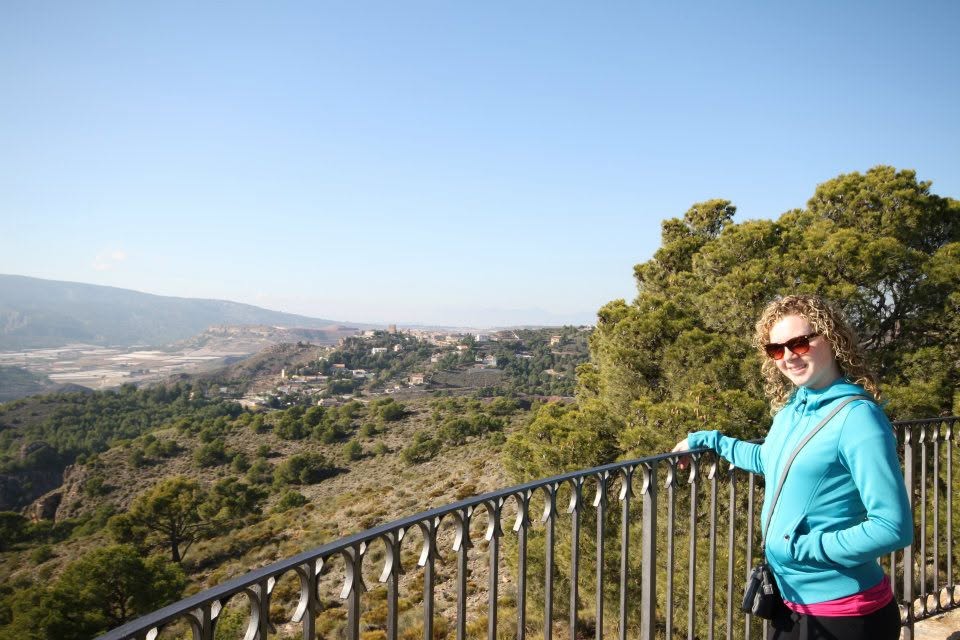
Fiske's Spanish chapter began during her Bachelor of Tourism and Hospitality Management, when an opportunity arose to study abroad, not as a tourist, but as a student immersed entirely in the Spanish language. She enrolled in tourism and business subjects taught exclusively in Spanish, and settled into life in Murcia, a sun-drenched region in the country's southeast that sits well off the beaten path. "Murcia is not as touristic as some of the other places I visited, but it's also a hidden gem," Fiske recalls, "a little bit slower, with stunning beaches and wonderful food, like their famous seafood paella." She also worked at a hotel in the region, giving her a ground-level understanding of how the hospitality industry operates in Spain, far from the polished image presented to international visitors.
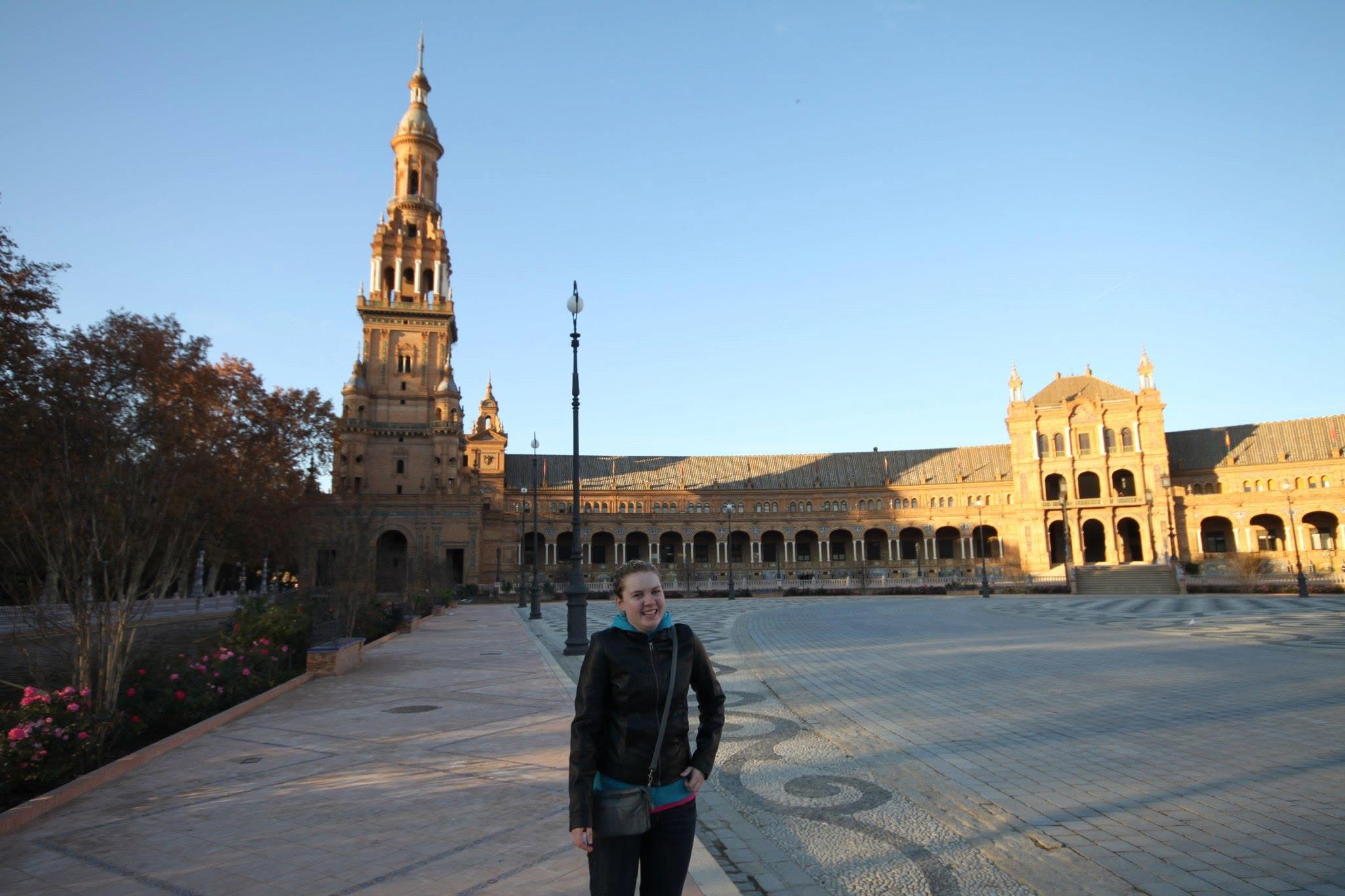
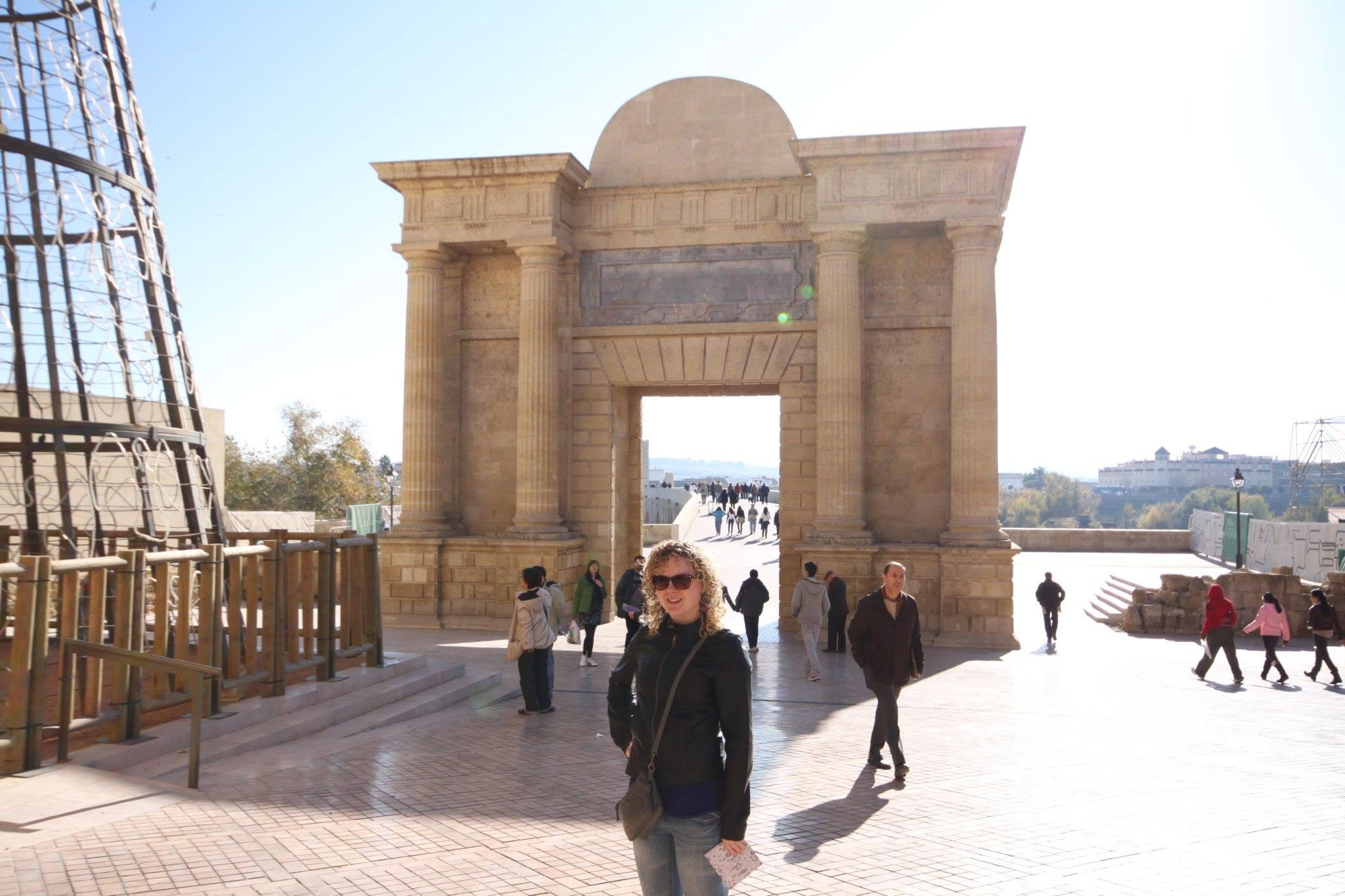
From her Murcian base, Fiske fanned out across the country, visiting Madrid, Seville, Córdoba, Granada, Valencia, and Barcelona, collecting experiences that would eventually become the backbone of her advisory practice. Yet even after two years, she left with a sense of incompleteness that she wears as a badge of honour. "Living in Spain for approximately two years still did not give me enough time to see all of what I wanted," she says. "I didn't even get a chance to really explore the North or Basque Country." It is a confession that speaks volumes about the country's extraordinary richness, and one that she now uses to set realistic expectations for her clients.
The Table That Brings Everyone Together
Ask Fiske what memory from Spain she returns to most often, and she doesn't hesitate. It isn't a monument or a sunset over the Alhambra. It is the food, and more precisely, the ritual around it. Spanish tapas culture, the tradition of placing shared dishes at the centre of the table for everyone to enjoy together, became for her a window into the country's soul. "Food really brings people together," she explains. "There could be a plate of paella, Spanish ham, the Spanish omelette, croquetas, and other famous dishes from Spain, and you all enjoyed the dishes together, instead of ordering individual plates." It is the kind of cultural nuance that a weekend visitor might glimpse but never truly absorb, and it is exactly the sort of detail Fiske now weaves into her client conversations.
Lost in Translation, Found in Warmth
Fiske arrived in Spain already fluent in Spanish, which she assumed would be her golden ticket to seamless communication. What she discovered was considerably more layered. Living primarily in the south, she absorbed the distinctive Andalusian dialect, with its softened consonants and rapid-fire cadence. Years later, when she met her partner Santi, a Colombian, and his family, the differences between Spanish dialects became suddenly and amusingly apparent. "That dialect from Spain is very different from Latin American accents, like Colombia, and other South and Central American countries," she notes. And the variation doesn't stop at national borders. Even within Spain, she explains, the speech patterns shift noticeably as you move between Barcelona, Valencia, Seville, and Madrid. Her advice to travellers who want to practise their Spanish is both honest and reassuring: be prepared for surprises, but don't be daunted, because "the people of Spain are very friendly."
Insider Tips That Only a Resident Would Know
It is in the practical, lived details that Fiske's residency truly sets her apart. On the question of timing, she is emphatic. The summer months of June, July, and August bring searing heat that can overwhelm even locals. "Avoid those months," she advises plainly. "Perhaps go during March, April, or September and October." She is equally firm on the subject of siesta culture, which, contrary to what many visitors assume, is alive and practised. Between 2 p.m. and 5 p.m., shops close, streets quiet, and the country takes a collective pause. For travellers expecting to shop or sightsee through the afternoon, it is a scheduling reality worth planning around.
On the question of overtourism, Fiske is candid. Barcelona, she notes, is currently grappling with the pressures of mass tourism, driving up costs for locals and straining the city's infrastructure. She encourages her clients to do their research and to seek out smaller, less-visited communities where their spending supports local economies more directly. It is the perspective of someone who has seen both sides of the tourism equation: as a visitor and as a worker within the industry itself.
The Itinerary She Would Build for You
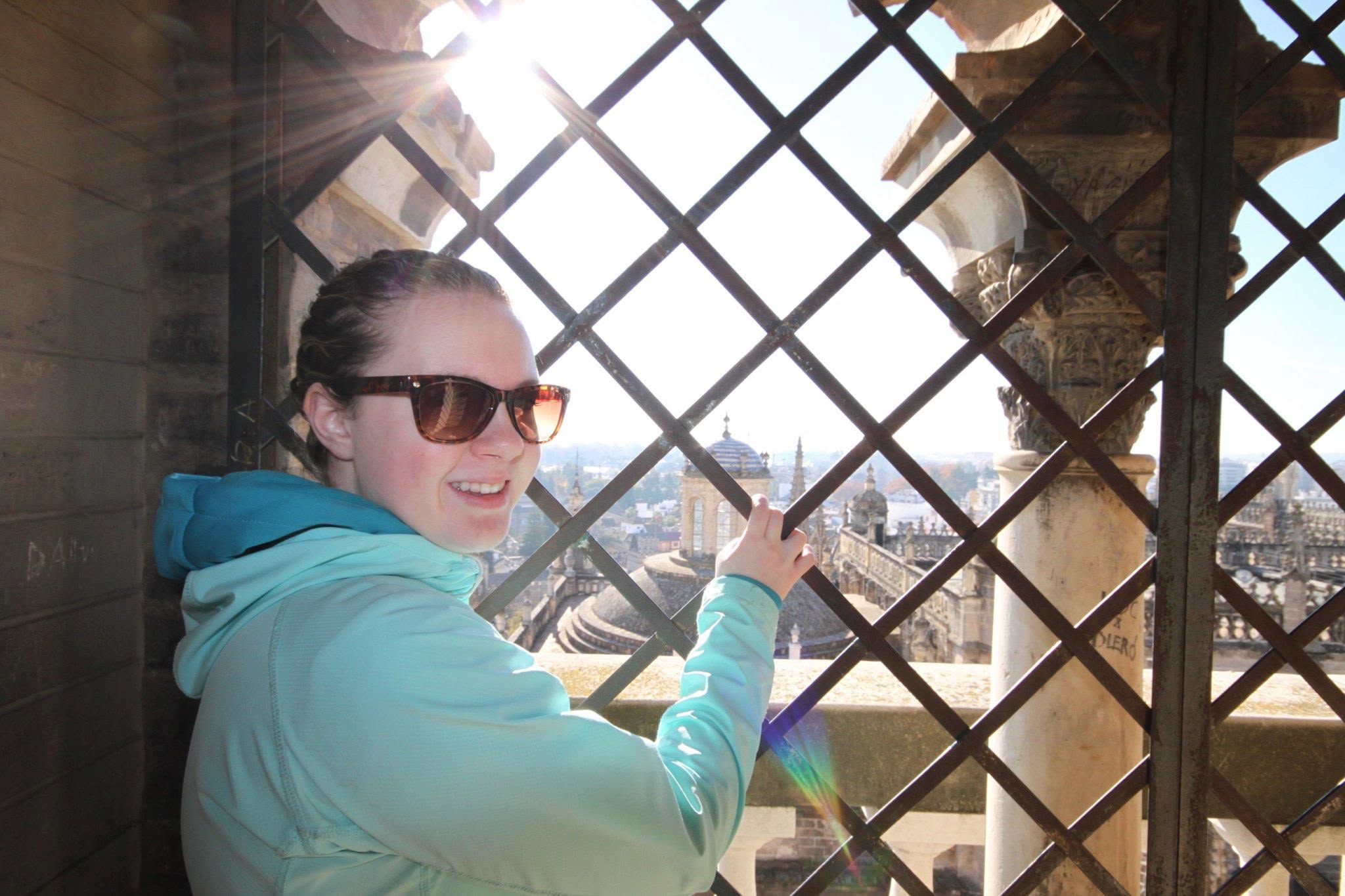
For first-time visitors, Fiske's recommended starting point is the region of Andalusia, which she believes offers the richest concentration of Spanish culture and history within a manageable timeframe. A ten-day to two-week journey beginning in Madrid, then moving through Seville, Córdoba, and Granada, with optional extensions to Valencia and Barcelona, represents what she calls a strong foundation for getting your feet wet. For those with more time, she enthusiastically advocates crossing the border. "If you've got the time, perhaps add on a week in Portugal," she suggests. "Spain is right next to it, so you can go to Lisbon, maybe the Algarve, and a river cruise is always a nice touch, to go down the Douro River."
What Comes Next
Despite everything she has already experienced in Spain, Fiske's relationship with the country is far from finished. She speaks with genuine excitement about a future return, one with a very specific ambition. "On my next visit to Spain, I would love to do the Camino de Santiago hike, which is Europe's greatest pilgrimage route," she says. "Even though this is a challenge, people that I have talked to that have done the Camino de Santiago have loved it and would highly recommend it." For a woman who spent two years learning a country from the inside out, the Camino seems a fitting next chapter: a journey that is as much about personal discovery as it is about the road itself.