Travel advisor Mike Snider set sail on The Grand Princess in spring 2026 and returned with five hard-won discoveries that are already changing the way he sends clients to Asia.
At a Glance
A Southeast Asia cruise departing Singapore through Malaysia, Vietnam, and Thailand aboard The Grand Princess offers unparalleled access to multiple countries without repacking. Halong Bay's limestone karst formations are genuinely surreal from the water, while Singapore surprises with green spaces amid modernity, and Vietnam's street food culture proves accessible and authentic from port days.
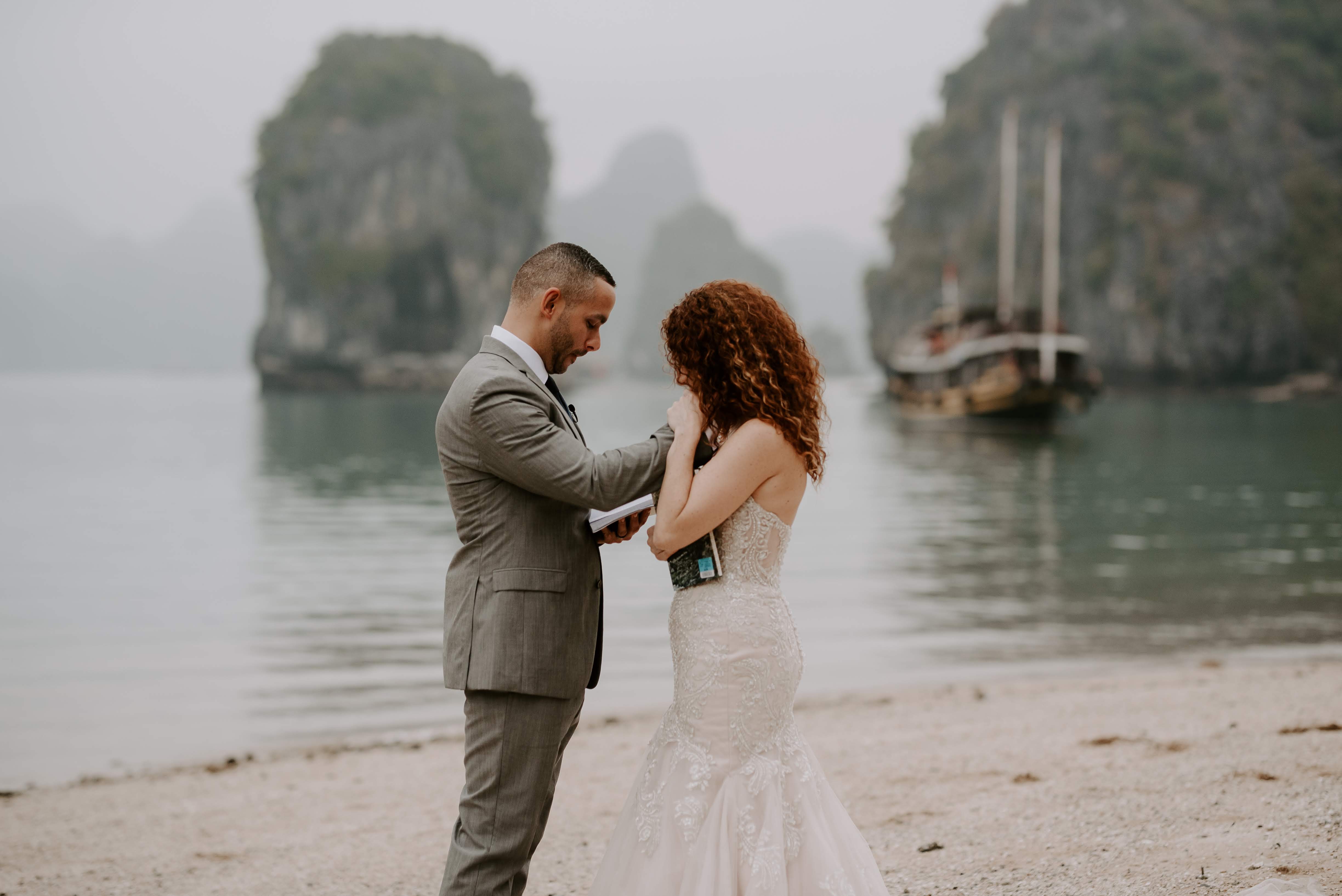
There is a moment, somewhere on the water between emerald-green islands and ancient limestone towers, when a travel advisor stops taking mental notes and simply stares. For Mike Snider, that moment came in Halong Bay. "Cruising in Halong Bay Vietnam was just a surreal experience," he says, and the word surreal lands with the full weight he intends it to carry. Not picturesque. Not impressive. Surreal. The kind of scene that quietly dismantles every expectation a person arrives with.
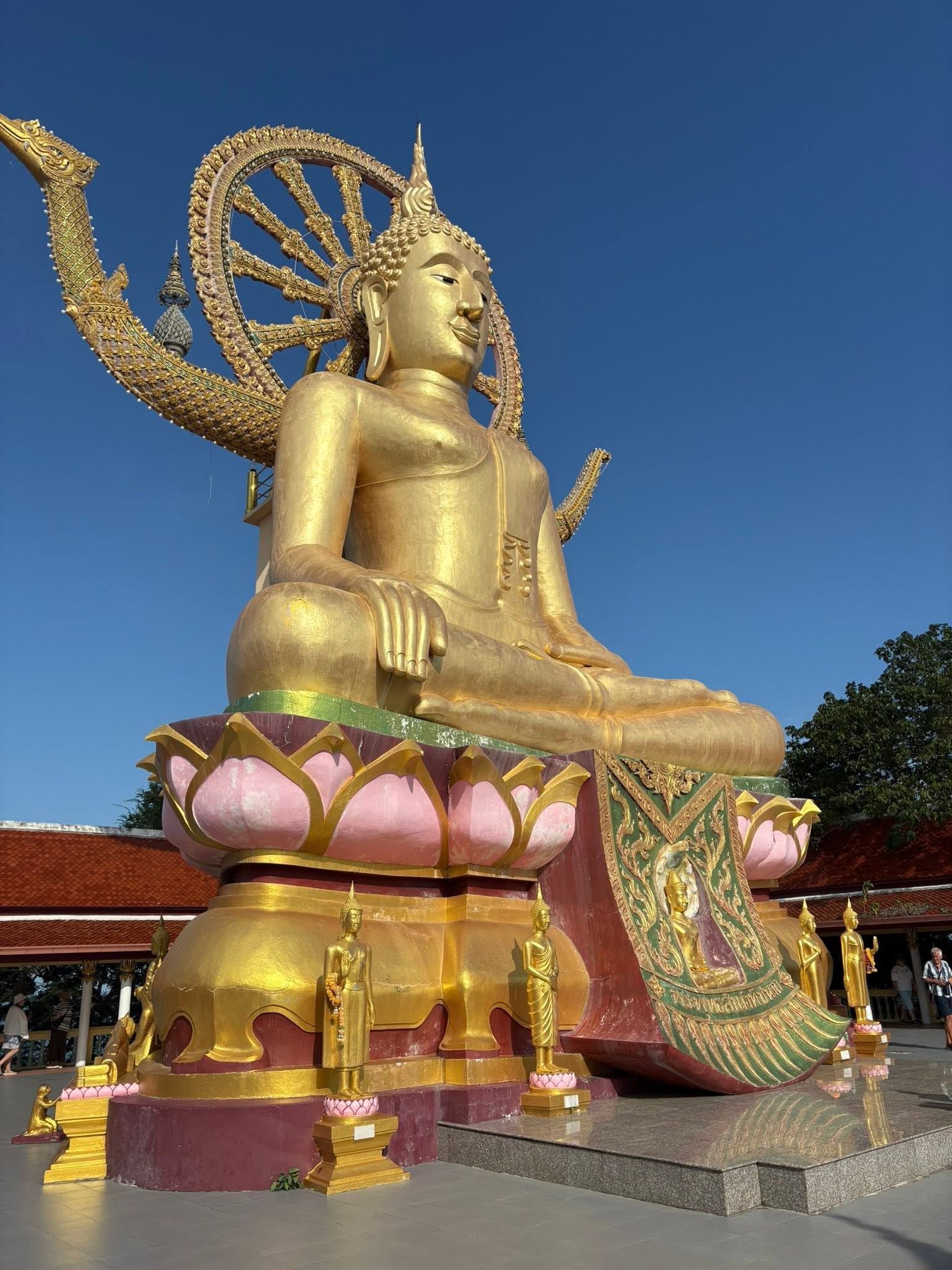
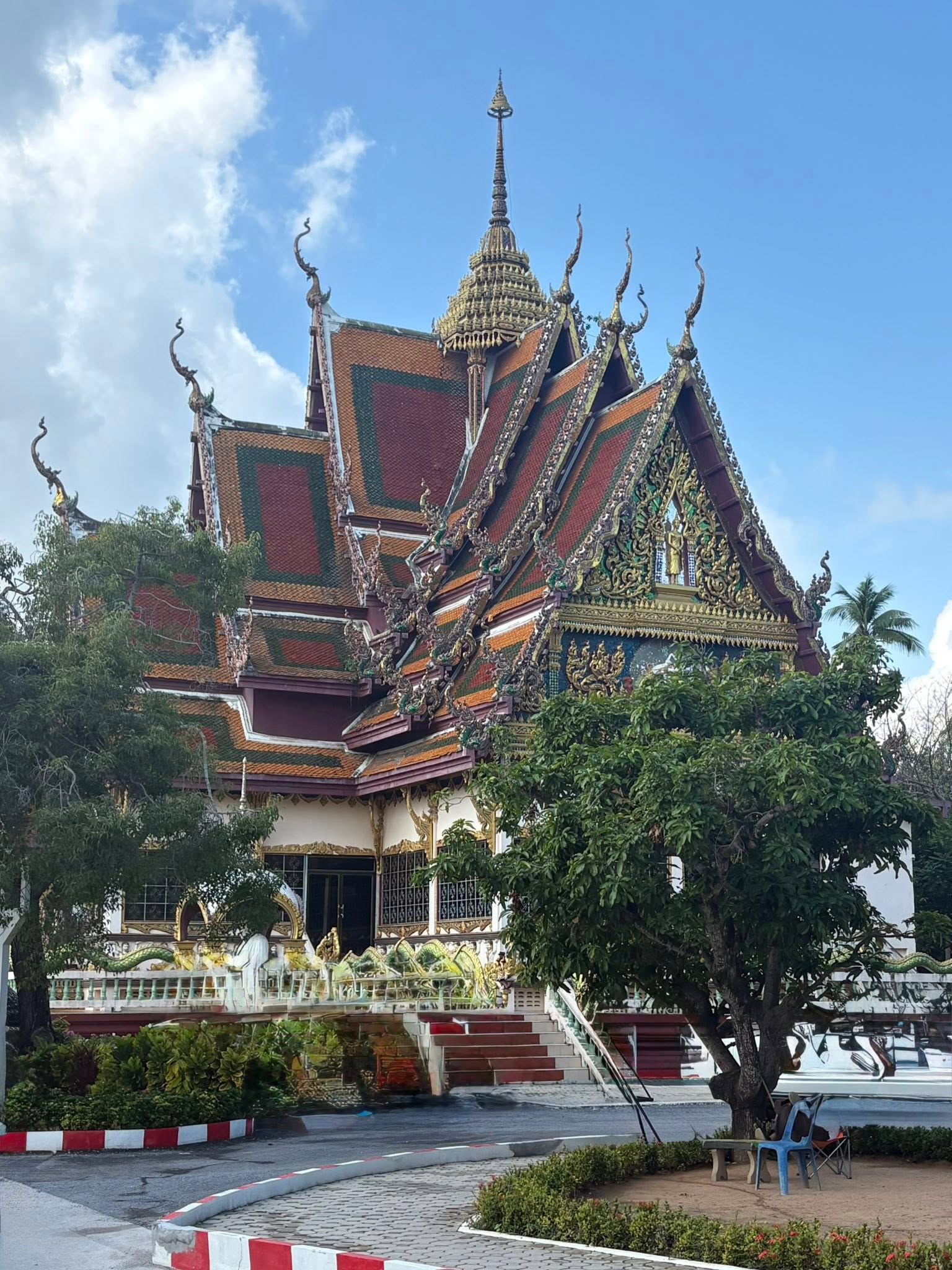
Snider, a seasoned travel advisor, joined The Grand Princess for a spring 2026 sailing that traced a remarkable arc through Southeast Asia, departing Singapore and threading through Malaysia, Vietnam and Thailand. One ship. Four countries. One unpacking. It is, he will tell you without hesitation, the smartest way to experience a region that many Western travellers find logistically daunting. But before the voyage could prove its own point, it had a surprise waiting right at the start.
Singapore Will Shock You in the Best Way
Most travellers think they know what Singapore looks like: glass towers, financial muscle, relentless modernity. Snider thought so too, until he walked its streets. "Singapore was a complete surprise," he says. "It is such a modern, clean, large city with skyscrapers, yet it has a small city feel as it is filled with green areas, rivers and squares to sit and pass the day away." The contrast is not subtle once you notice it. Canopied walkways soften the skyline. Riverside squares invite lingering. The city hums with ambition but breathes like a neighbourhood. For Snider, it was the first sign that this itinerary was going to consistently outpace his expectations.
Halong Bay from the Water Is Genuinely Surreal
If Singapore was the pleasant shock, Halong Bay was the emotional peak. The speech analytics behind Snider's interview flagged his description of Halong Bay as the single strongest positive moment in the entire conversation, and it is easy to understand why. Cruising through those iconic karst formations, watching mist settle between limestone pillars that rise hundreds of metres from glassy water, is simply not an experience that translates cleanly to photographs or brochure copy. It has to be witnessed from the deck of a ship, at dawn, in motion. Snider has now witnessed it, and that distinction matters enormously when he recommends it to a client.
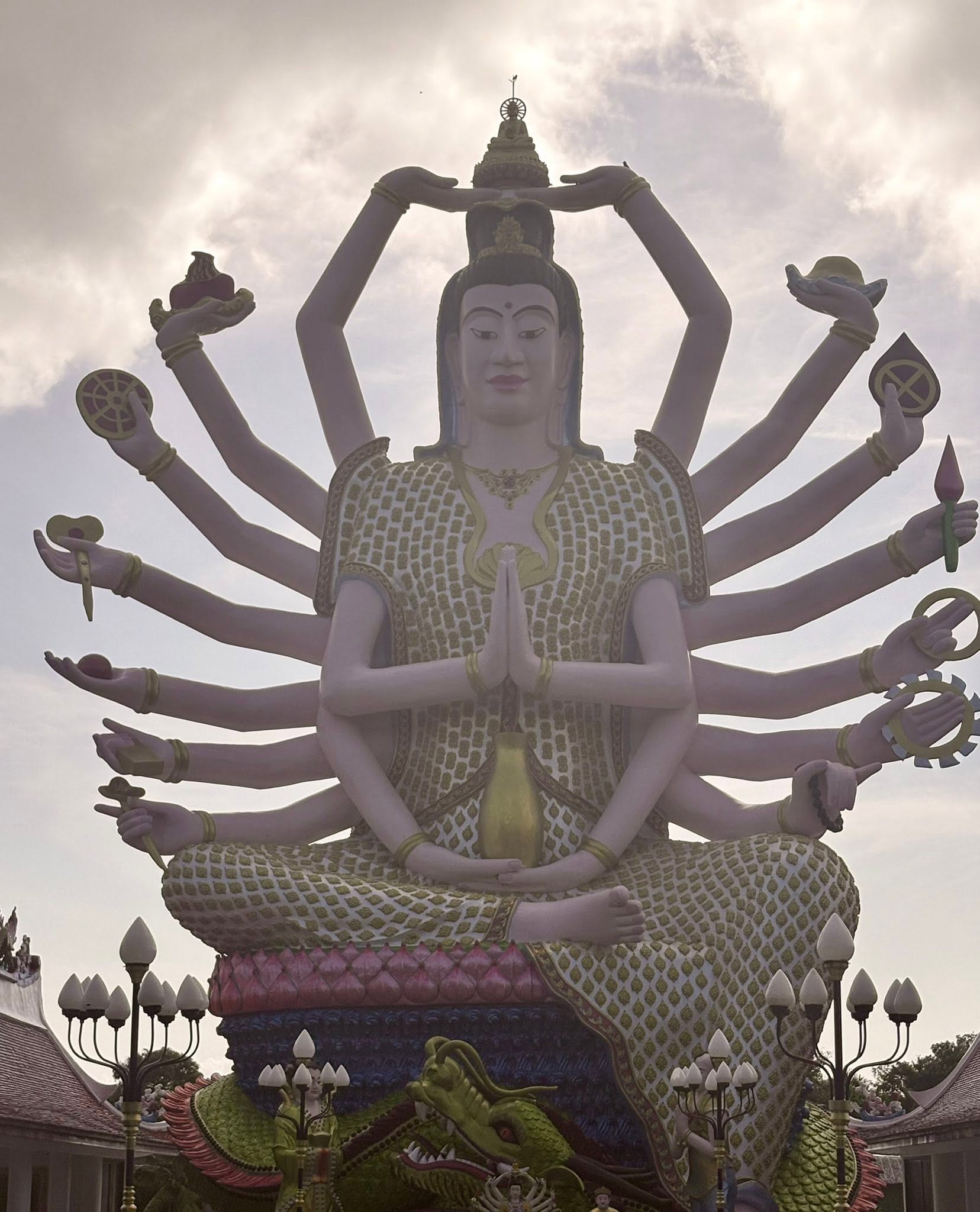
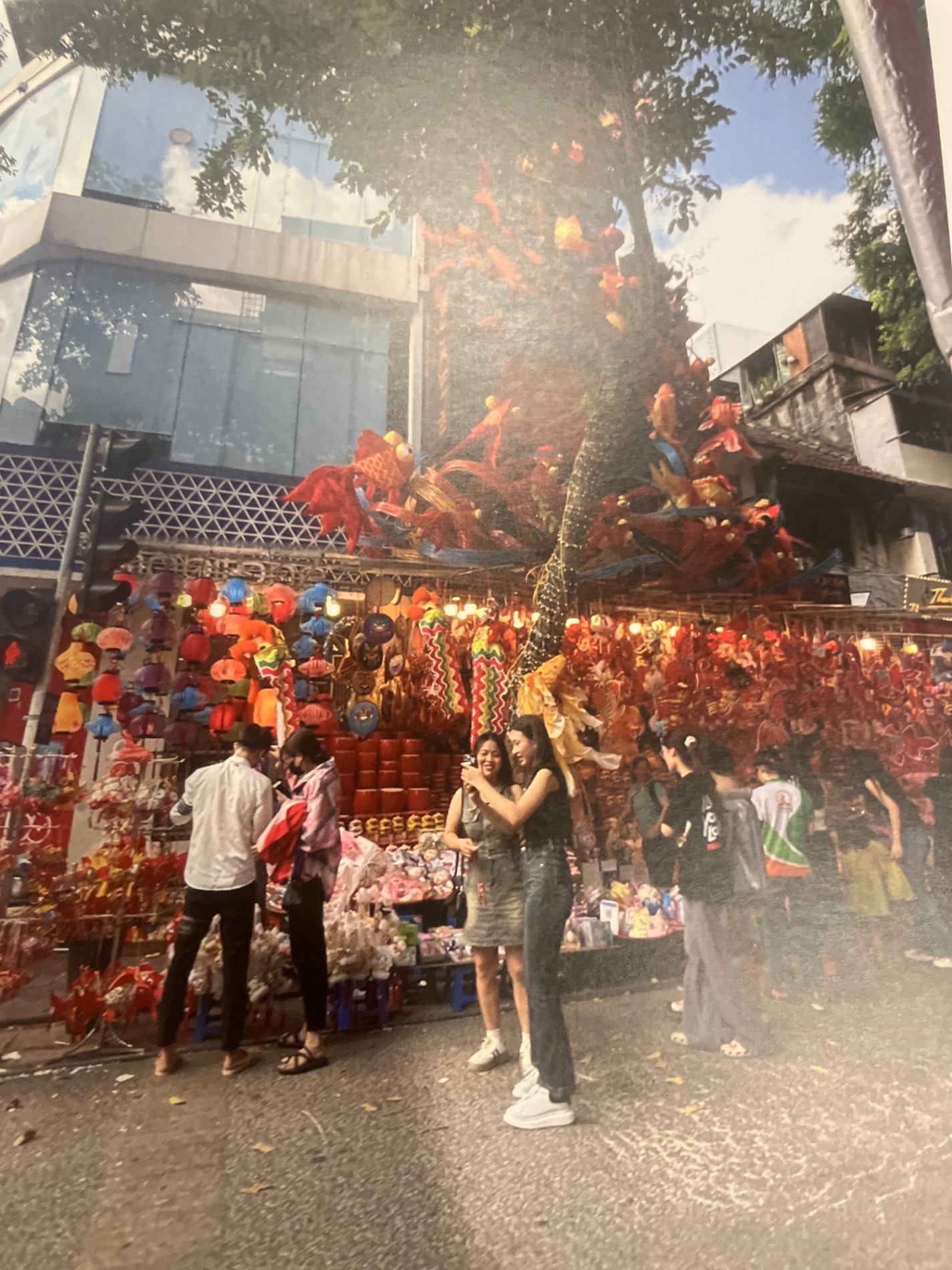
The Vietnamese chapters of the voyage extended well beyond the bay. Snider describes walking the streets of Hanoi and Ho Chi Minh City, eating street food and talking with the locals, as one of the defining textures of the trip. Steam rising from roadside kitchens, the press of a busy market at midday, the easy generosity of a vendor handing over a bowl and gesturing for him to try it. These are not curated resort experiences. They are the real, unhurried pulse of a country, and Snider found them accessible in a way he had not anticipated.
Every Morning, a New Country. No Repacking Required.
This is the logistical argument for cruising Asia, and Snider makes it with the calm authority of someone who has now lived it. "Going to Asia on a cruise ship is ideal as you unpack once and each morning you get to experience a taste of the everyday living in each of these amazing countries," he explains. The rhythm of a port-to-port itinerary removes the friction that often makes multi-country trips feel exhausting rather than enriching. There are no airport transfers between nations, no hotel check-ins to navigate after a long day of sightseeing, no decisions about where to base yourself. The ship handles the logistics; the traveller handles the discovery.

Snider is also practical about how to maximise those port days. Taking an organised tour from the ship, he notes, ensures travellers see the right places and benefit from front-of-line access at major sites. It is the kind of insider efficiency that only becomes obvious after you have done it yourself.
This Trip Works for Every Age and Every Ability Level
One of the more quietly powerful observations Snider brings back from the sailing is about who was on board. The passenger list, he notes, was a full cross-section of humanity. Multigenerational families travelling together, seniors exploring independently, guests with accessibility needs moving through the ship and its ports with ease. "If you are going on a cruise to Asia, there are no age or physical barriers," Snider says. "We saw everything from multigenerational families, seniors and even people that needed accessibilities. It is for everyone." For a travel advisor, that kind of firsthand demographic intelligence is invaluable. It means Snider can recommend this itinerary to a much wider range of clients than a standard land-based tour might accommodate.
Always Choose Your Itinerary Before Your Price Point
Here is where Snider shifts from storyteller to strategist, and it is perhaps the most important thing he brings home from this voyage. The travel industry has a tendency to lead with price. Snider leads with something else entirely. "Cruising the world is a fantastic way to immerse yourself or just get a taste of what each country has to offer," he says, "but be very wary of the itinerary first, not price." Smaller cruise lines, he points out, access ports that larger ships simply cannot reach. The difference between a good itinerary and a great one can be a single destination, and no discount makes up for a port that was never on the map.
On the question of timing, Snider offers a practical tip that most travellers would never consider: Asia is a year-round destination, and the off-season or winter months offer meaningful rewards in both price and crowd levels. It is the kind of insight that only surfaces after real experience, not a brochure reading session.
A Cruise as a Gateway, Not a Ceiling
Perhaps the most elegant idea Snider carries back from The Grand Princess is this: a cruise is not the whole story of a destination. It is the opening chapter. Clients who fall in love with Vietnam from the water can return and go deeper, staying in Hanoi for a week, taking a slower boat through the Mekong Delta, finding the restaurant where the street food vendor from that first visit actually works. "Perhaps you like a destination," Snider says, "then next time maybe take more time there by staying in hotels." The cruise becomes the intelligence-gathering mission. What follows is the love affair.
Snider himself is already living that philosophy. Having sailed through four Asian countries on The Grand Princess, he is now setting his sights on a Seabourn cruise departing London and sailing north through Ireland and Scotland before reaching Iceland. Always another itinerary to study firsthand. Always another surreal moment waiting somewhere on the water.