Travel advisor Misti Garcia traded guidebooks for firsthand experience on the Amalfi Coast, and what she discovered in those narrow, winding streets is now reshaping the way she plans every Italian itinerary.
At a Glance
Sorrento's steep cobblestone streets, limited taxi availability, and infrequent bus schedules demand careful location planning and realistic mobility expectations. The Amalfi Coast rewards foodies and coastal scenery lovers, but travelers with mobility concerns should reconsider. Fall and spring offer ideal conditions, with most accommodations lacking air conditioning.
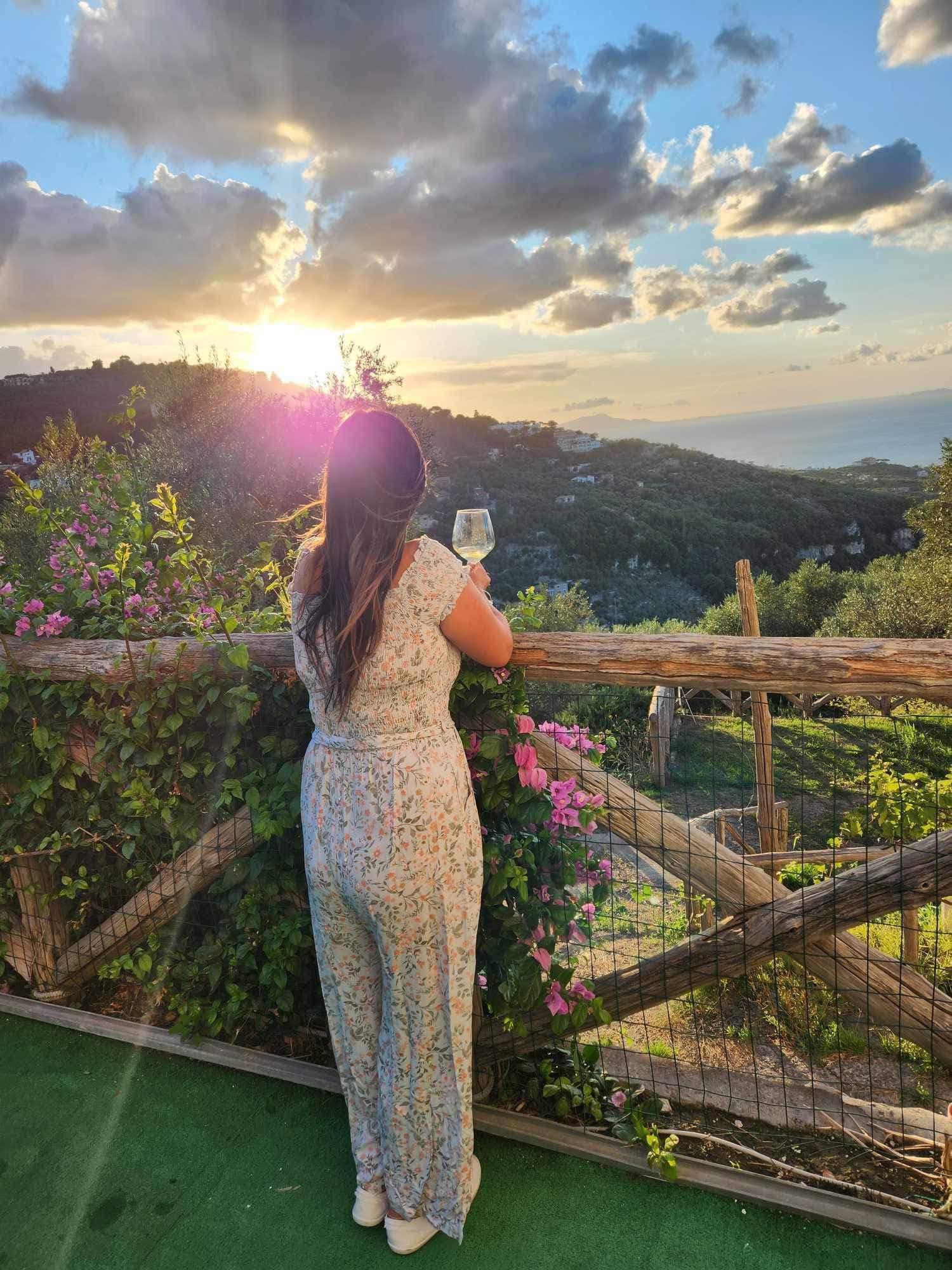
The flour was still on their hands when Misti Garcia says she knew this trip had already exceeded every expectation. Somewhere on a sun-warmed farm outside Sorrento, she and her best friend were laughing in a kitchen that smelled of fresh basil and olive oil, learning to cook the way Italian nonnas have done it for generations. "One of our main days that we loved the most, that was so much fun was doing a cooking class in Sorrento at a farm," Garcia recalls. "We just had a blast." It was a milestone birthday trip, a week in Italy, and a friendship that deserved nothing less than the full experience. For Garcia, it was also a masterclass in one of travel's most enduring lessons: you don't truly know a destination until you've walked its streets yourself.
Garcia, a travel advisor who planned every detail of the trip independently, had designed the week as a 40th birthday celebration for her closest friend. The destination was Sorrento, perched above the glittering Tyrrhenian Sea on the edge of the Amalfi Coast. On paper, it was exactly what a milestone birthday should look like. Clifftop views. Coastal villages. Plates piled with food that tasted nothing like anything back home. And Garcia delivered all of that. But the Amalfi Coast, it turns out, had a few lessons of its own to teach.
The Reality Behind the Postcard
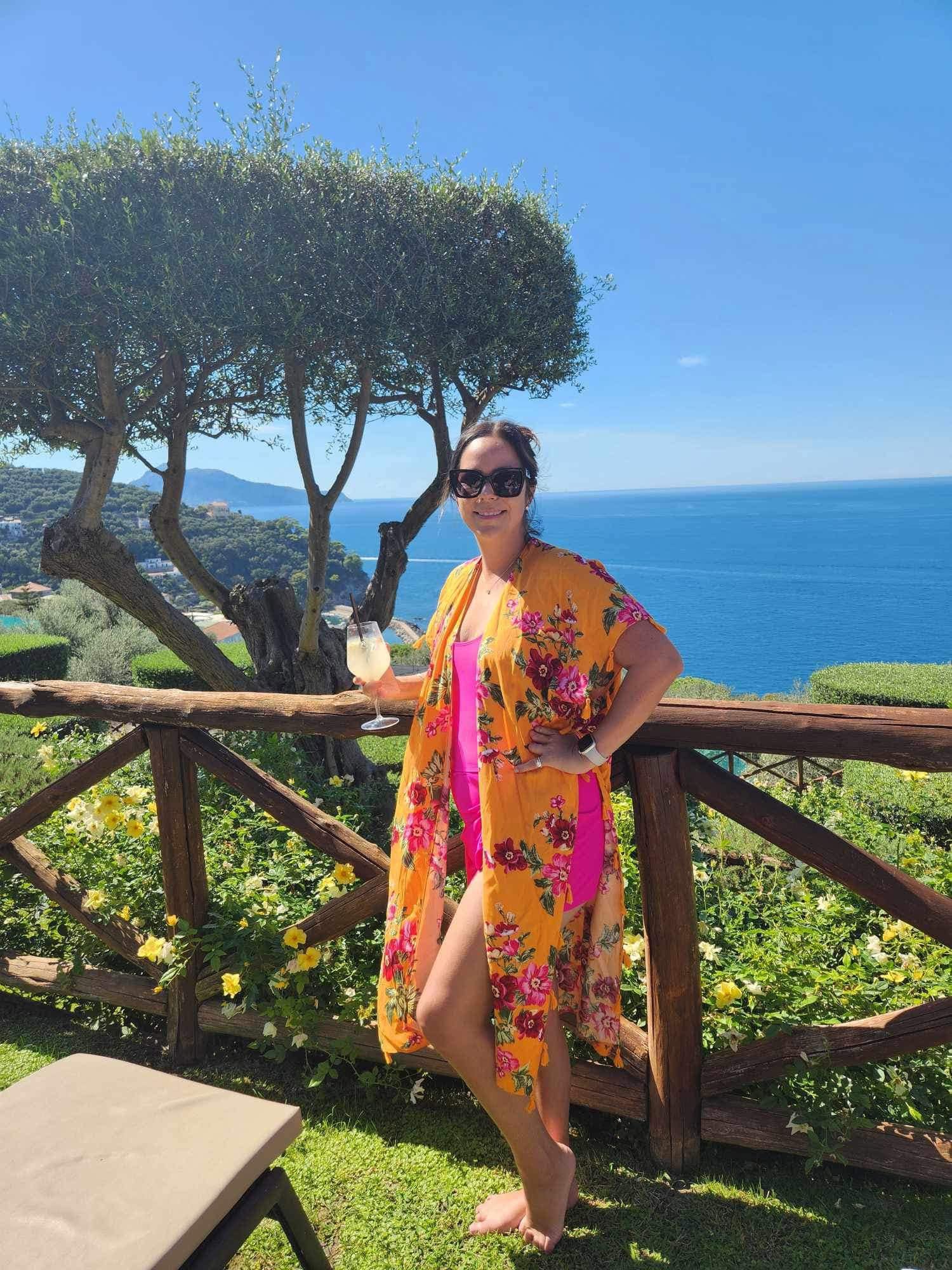
No photograph of the Amalfi Coast shows you the steepness of its streets. No travel blog quite captures the particular challenge of standing at the bottom of a cobblestone hill with nowhere obvious to go. Garcia arrived expecting to walk, to wander, to take the spontaneous taxi when her feet gave out. What she found was something considerably more humbling. "You would think that you could just get a taxi, but it was hard to get one. And then also, it was very expensive, and we thought we would walk a lot more, but the roads were very slim, windy roads, uphill most of the time, cobblestone type streets," she says. The buses, she discovered, do not run around the clock. Planning around their schedules became an unexpected daily discipline.
For Garcia, this was not just a personal inconvenience. It was a professional revelation. As a travel advisor, her job is to anticipate the friction her clients will never think to ask about, and transportation on the Amalfi Coast is exactly the kind of invisible budget leak that can quietly unravel an otherwise beautiful trip. "If they're in a part of the city that is very hard to navigate and get around, it can really put a damper on the trip, or you end up having all these extra costs of taxis that you were not maybe particularly thinking you would have to pay for," she explains. Location strategy, she now understands, is not just about the view from the window. It is about how easily a guest can move through the world outside it.
Who This Trip Is Really For
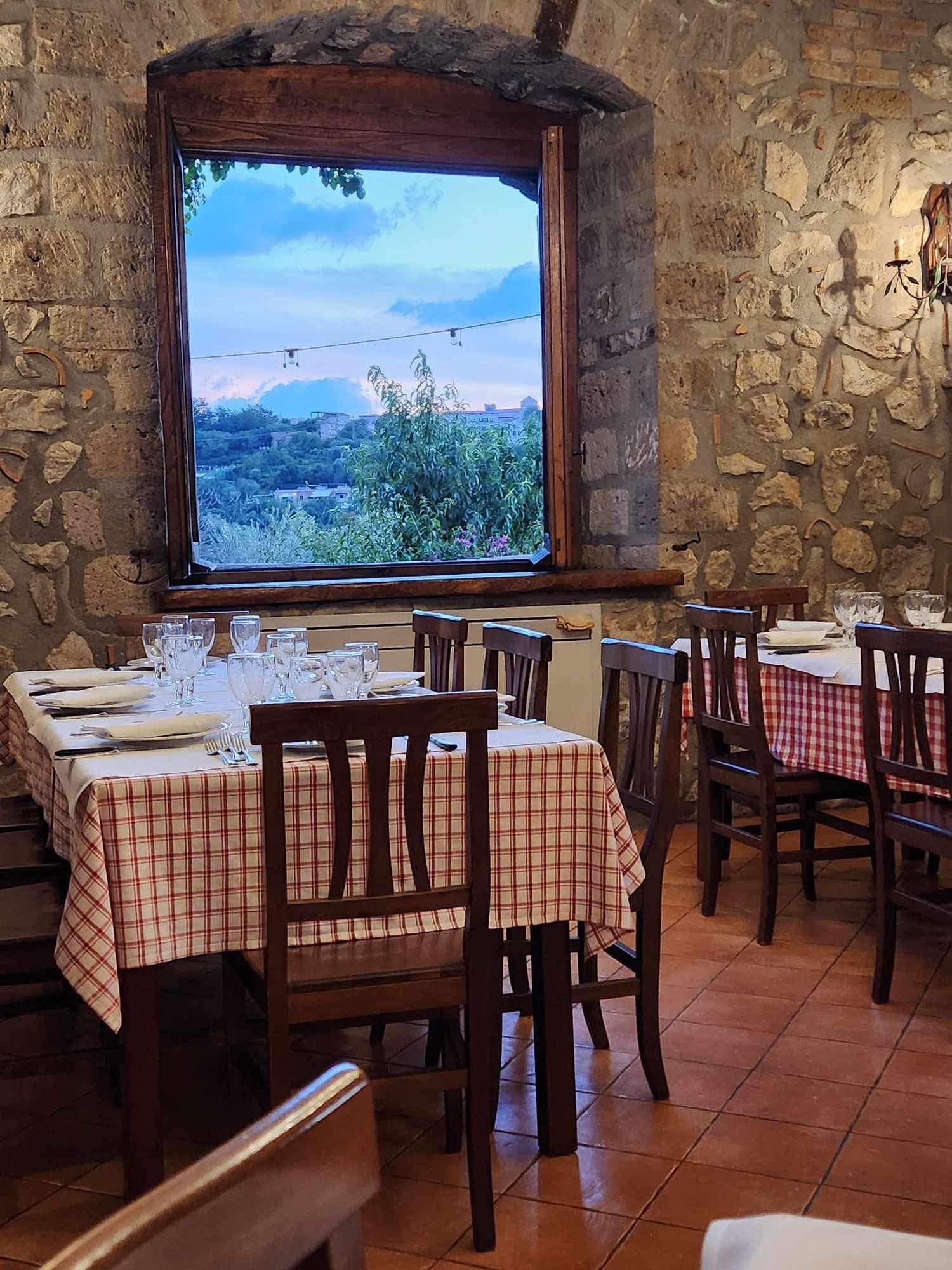
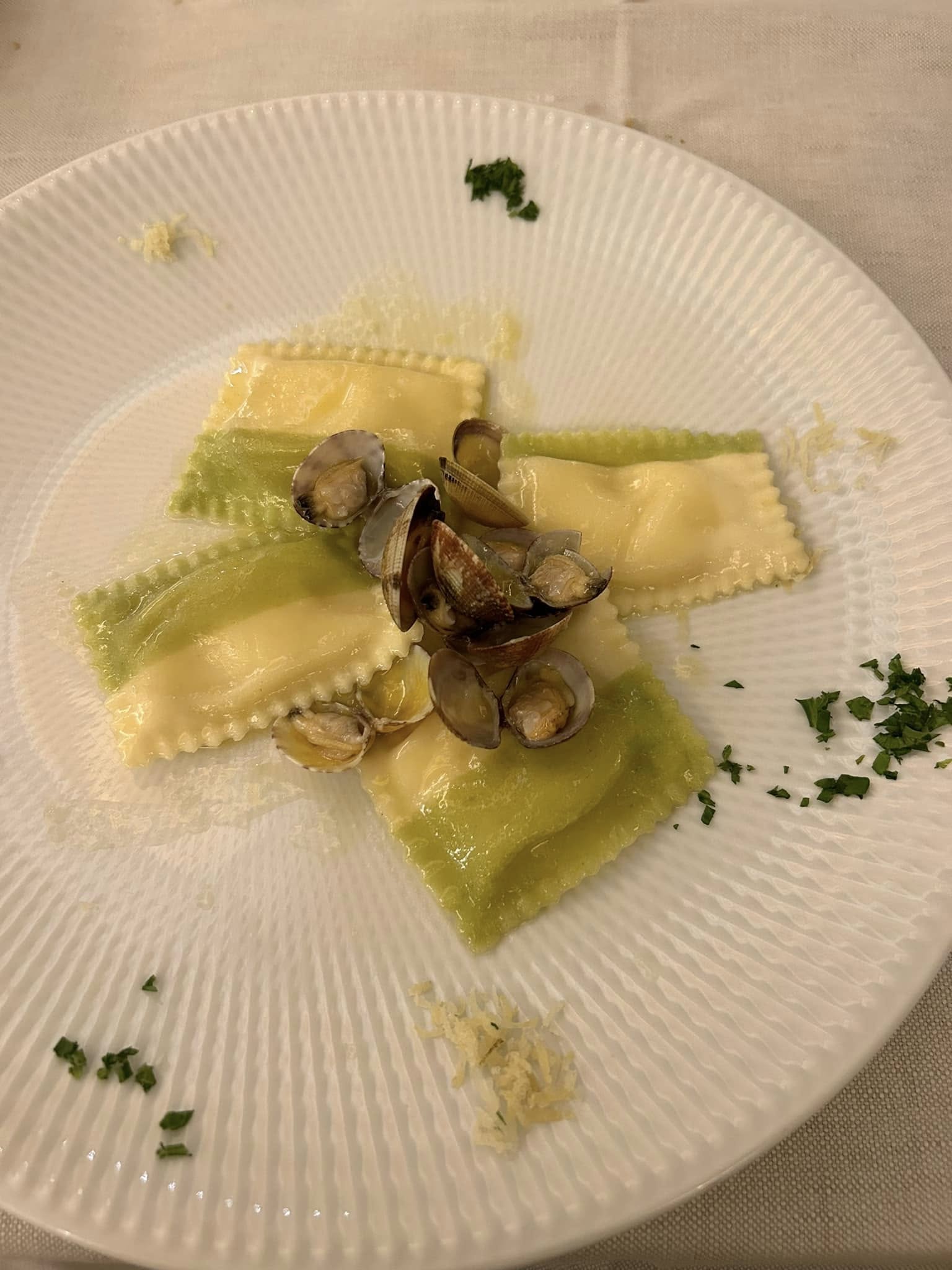
The Amalfi Coast is magnificent. Garcia does not hesitate on that point. The coastal views are the kind that make people stop mid-sentence. The food, prepared with ingredients that seem to carry centuries of regional identity, is unlike anything most travelers have tasted under the name Italian cuisine. Day trips to the island of Capri add a layer of pure Mediterranean magic. But Garcia is equally candid about who should approach this destination with realistic expectations. Anyone with mobility concerns, she says, should think carefully before committing. Stairs are ubiquitous. Elevators are rare. The terrain demands a body that is ready to work for its rewards.
For the right traveler, though, the rewards are extraordinary. Foodies will find themselves in a kind of paradise. Those who love coastal scenery, boat tours, and the quiet satisfaction of eating something that was still growing in a field that morning will feel completely at home. Garcia's farm cooking class stands as the clearest proof of this. It was not a tourist experience dressed up as something authentic. It was the real thing, shared between two friends who had earned every moment of it.
The Insider Knowledge No Guidebook Carries
Timing, Garcia learned, matters enormously on the Amalfi Coast. She now recommends fall and spring without hesitation, when the crowds thin and the temperatures settle into something genuinely pleasant. Summer heat, she notes, is compounded by a detail many travelers overlook entirely. "Fall and spring are the best times for sure. A lot of these places don't have air conditioning, so just looking for the little things that you might not think of," she says. Rain, she adds, is rarely the problem it might seem. In shoulder season, a rainy day typically amounts to no more than one in seven, and the remaining days more than make up for it.
But perhaps the most important insight Garcia brought home from Sorrento is one that applies far beyond a single trip. Italy, she is quick to point out, is not a single experience. Each region carries its own food, its own culture, its own personality, and its own logistical demands. "People think Italy is Italy, but it is very, very, very, very different going to the Amalfi Coast, even from Rome or any other parts of Italy," she says with the kind of emphasis that only comes from having lived the difference firsthand. For clients who have visited Rome and assume they know what Italy offers, Garcia now has a compelling answer. They have seen one brushstroke of an enormous canvas.
What Comes Next
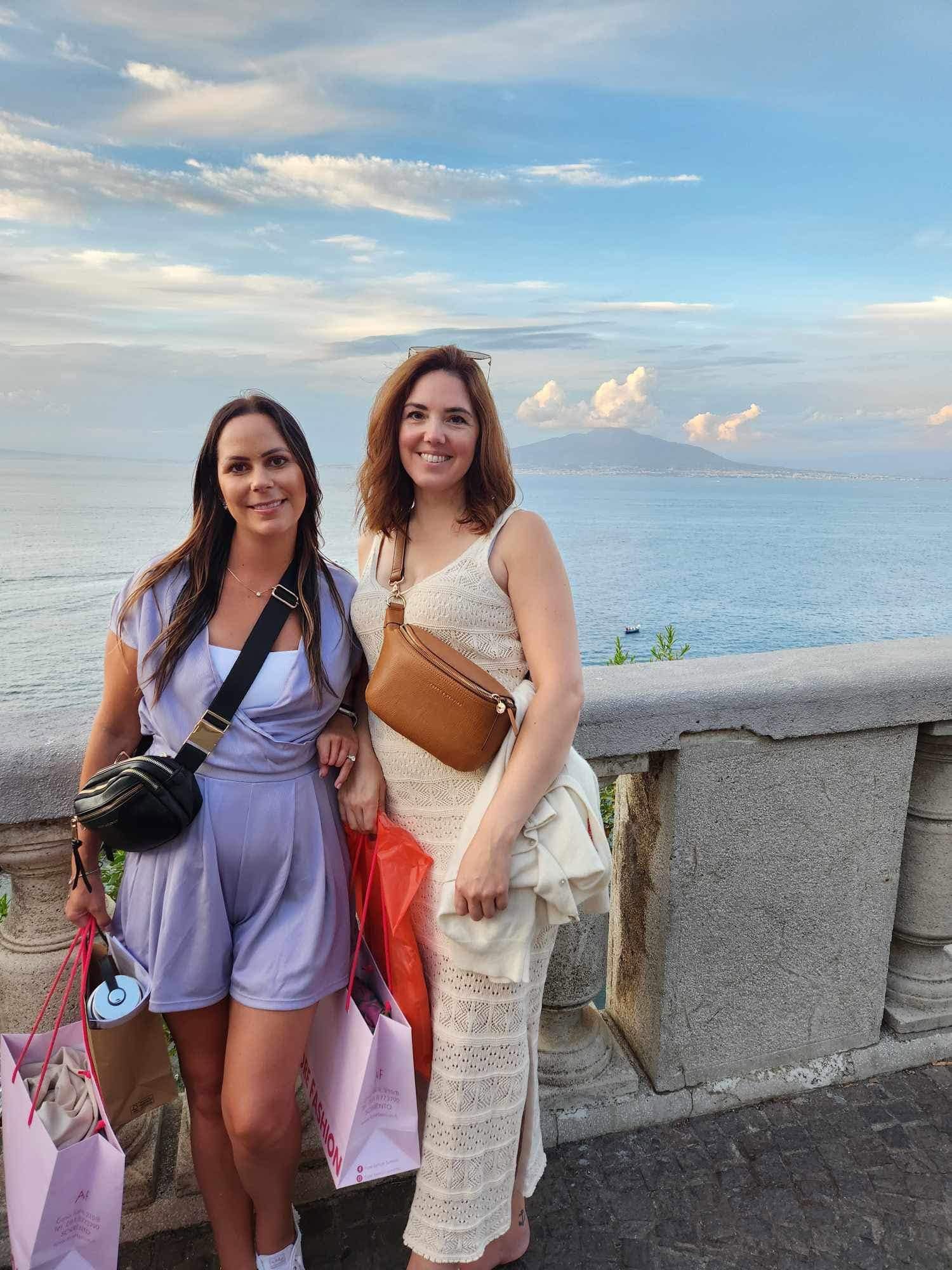
The challenges of the Amalfi Coast did nothing to cool Garcia's love for Italy. If anything, they deepened it. She is already planning her next return, this time for her husband's 40th birthday. The itinerary will take them to Naples, then by train to Rome, and then aboard a Mediterranean cruise to Spain and France. It is the kind of trip that only someone who genuinely believes in a destination would design. Garcia does not recommend places she would not return to herself, and Italy, in all its regional complexity and beauty, keeps calling her back.
For travelers dreaming of the Amalfi Coast, Garcia's Sorrento experience is more than an inspiring story. It is a blueprint built from cobblestone roads, missed taxis, farm kitchens, and a friendship celebrated exactly the way it deserved to be. She went there as a travel advisor. She came home as an expert. And the next client who books Sorrento with her will benefit from every single step of the journey. "We love Italy," Garcia says simply, and anyone who has heard her describe that cooking class on the farm already knows exactly why.