Travel advisor Katia Tchorbadjiyska didn't just visit Rome — she studied it, street by street, and returned with the kind of hard-won insight that only showing up in person can deliver.
At a Glance
Rome's greatest appeal lies not in its famous monuments but in how ancient architecture seamlessly integrates with modern daily life. The city rewards slow exploration—lingering meals, street-side espresso, hidden cobblestone corners—over rushed itineraries. Spring and autumn offer ideal conditions, avoiding summer's extreme heat and crowds while revealing the city's authentic rhythm.
There is a moment, somewhere between the Forum and a quiet cobblestone lane that no tour bus will ever find, when Rome stops feeling like a destination and starts feeling like a lesson. For travel advisor Katia Tchorbadjiyska, that moment arrived not in front of a famous monument, but in the slow accumulation of everything the city revealed when she chose to go looking for the real thing.
Tchorbadjiyska's recent trip to Rome was, by her own description, an exploration of an ancient city. Not a checklist. Not a highlight reel. An exploration. And the distinction matters, because what she brought back is the kind of knowledge that simply cannot be absorbed from a brochure or a review site. It has to be walked. It has to be tasted. It has to be felt underfoot on uneven stone streets that have carried foot traffic for centuries.
The Surprise of the Eternal City
Ask Tchorbadjiyska what surprised her most about Rome, and her answer arrives without hesitation. What struck her most was "how well-preserved everything is from centuries ago." That might sound like a line from a travel guide, but coming from someone standing inside those spaces, looking at stonework and columns and entire neighbourhoods that have somehow endured millennia of history, it lands differently. It is not admiration from a distance. It is the quiet astonishment of a person who expected preservation and still found herself unprepared for the scale of it.
Rome is, of course, famous for its ruins. The Colosseum. The Pantheon. The Roman Forum. But Tchorbadjiyska's experience goes deeper than the postcard version. The city she encountered was not a museum. It was a living place, where ancient architecture and modern daily life occupy the same streets, where a centuries-old fountain anchors a neighbourhood piazza still used by locals every single day. That tension between the ancient and the alive is precisely what makes Rome unlike almost anywhere else on earth.
The Rhythm of Roman Life
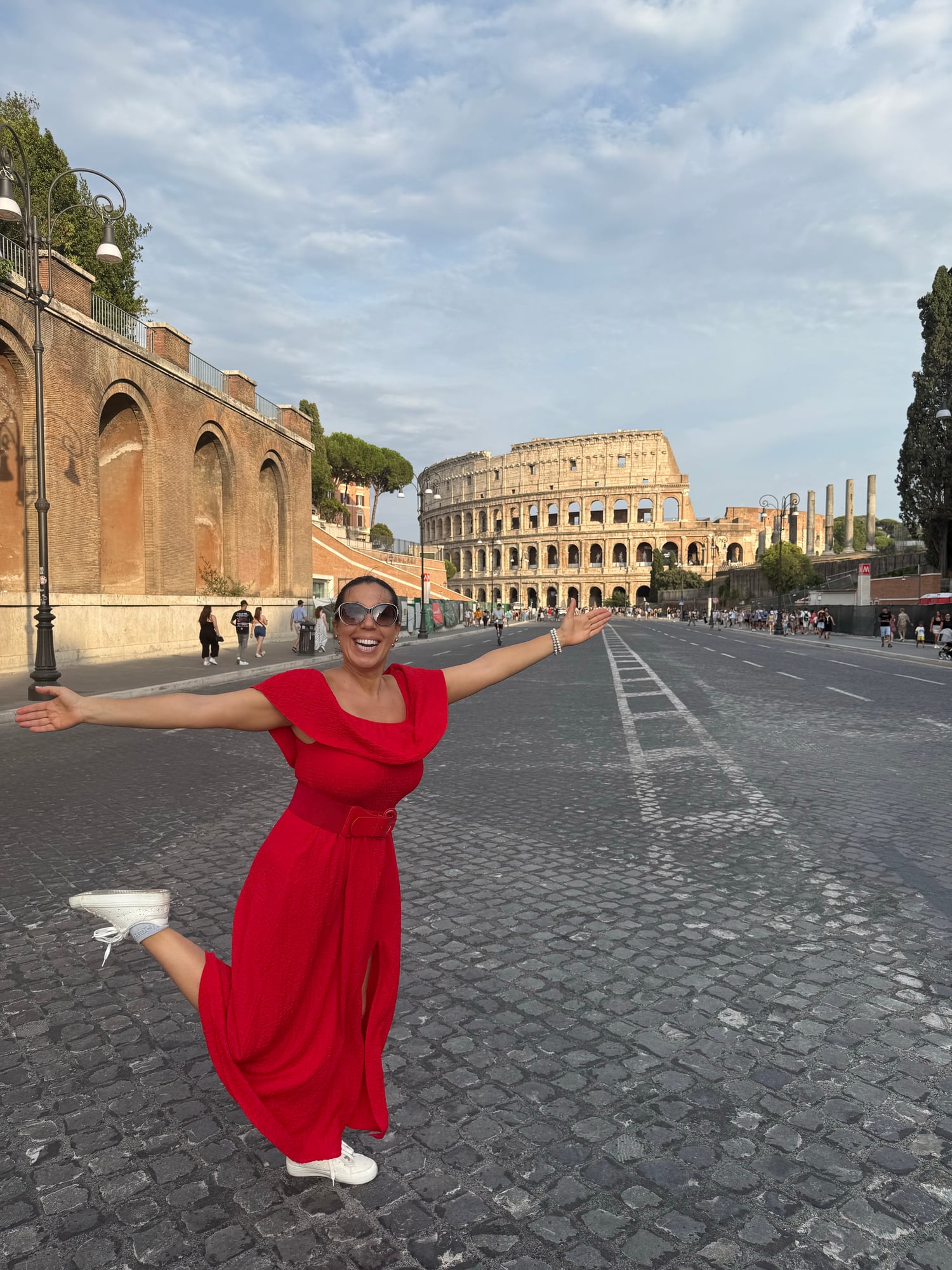
Beyond the ruins and the remarkable food, what Tchorbadjiyska found most affecting was the pace of the city itself. "Life there is a lot more laid back," she reflects. "People enjoy the interpersonal connection very much." In a travel culture increasingly shaped by efficiency and itinerary-optimisation, this observation carries real weight. Rome does not reward rushing. It rewards lingering. A long lunch. A slow espresso at a street-side bar. A conversation that goes nowhere in particular and arrives somewhere meaningful.
For clients who travel in search of genuine slowdown, who want to feel connected to a place rather than simply processed through it, this quality alone makes Rome worth the journey. Tchorbadjiyska is clear-eyed about who the city is for: "Everybody would love it," she says, with the kind of simplicity that carries real conviction. Not a marketing claim. A verdict from someone who has actually been there. She does note, thoughtfully, that travellers with mobility issues should plan carefully, given Rome's uneven terrain and extensive walking requirements. But her enthusiasm for the destination's universal appeal is genuine and unqualified.
The Advisor's Rome: Hidden Gems and Timing Secrets
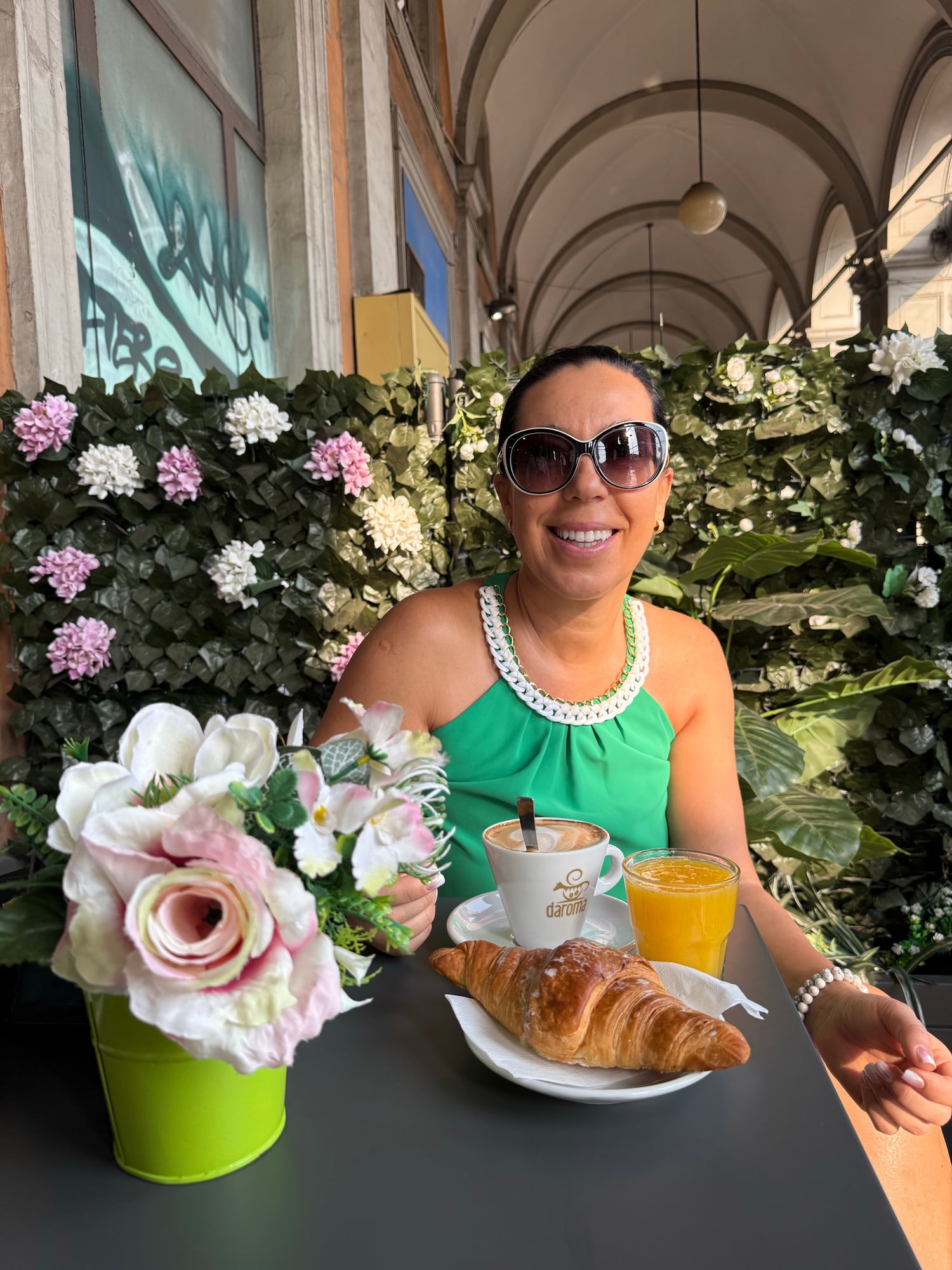
What separates a travel advisor who has visited Rome from one who simply knows about Rome is exactly the kind of detail Tchorbadjiyska brings back. She is not interested in sending clients down the same well-worn tourist trail. "I would immerse myself fully in the Italian lifestyle," she explains, "walking the cobblestone streets, going to the remote corners and finding out the hidden gems. Not just the main tourist attractions." That sentence is, in miniature, the philosophy of a great travel advisor. It is the difference between a trip and an experience.
On timing, her advice is equally direct. Summer in Rome is extreme, she warns, both in heat and in crowds. For travellers who want to experience the city's beauty without the pressure of peak-season tourism, spring and autumn are the seasons of choice. The temperatures are manageable. The crowds thin enough to let the city breathe. The light, by most accounts, is extraordinary. This is the kind of timing intelligence that most visitors only discover the hard way, usually while standing in a forty-minute queue in thirty-five-degree heat in July.
Going Without Expectations
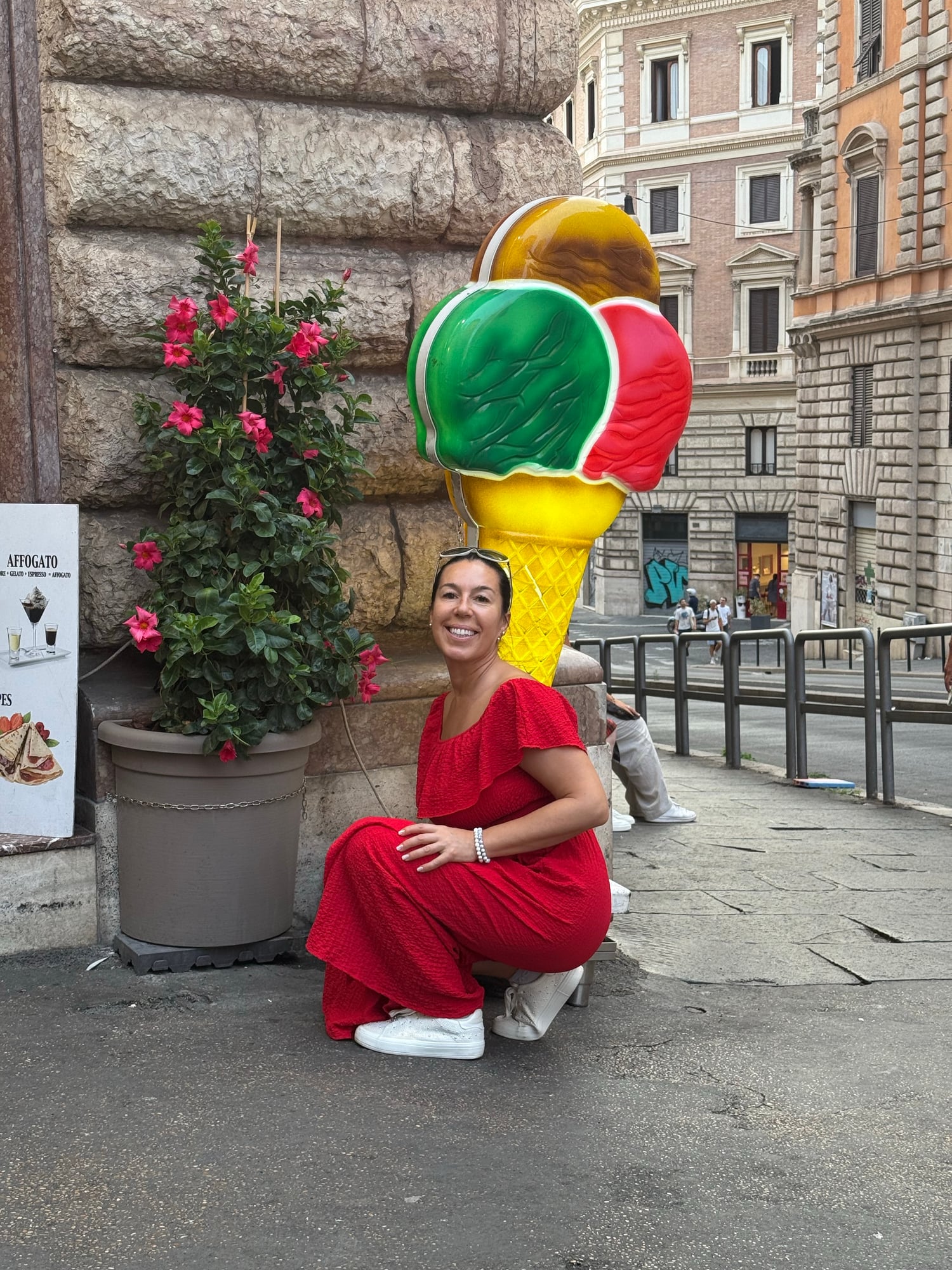
Perhaps the most resonant thing Tchorbadjiyska takes away from Rome is not a specific place or a particular meal, but a principle. One she now carries into every conversation she has with clients about any destination. "Go with an open mind," she says. "Because every destination has something unique to offer. Don't go with expectations." It is a deceptively simple piece of advice, and it is the kind that only sounds obvious after the fact. Before a trip, most travellers arrive with a version of the place already assembled in their imagination, built from photographs and reviews and other people's stories. Rome, like most great cities, will dismantle that version and replace it with something better, stranger, and more alive than anything that could have been anticipated.
That openness, that willingness to be surprised, is at the core of what Tchorbadjiyska offers her clients. She is not reading from a script. She is speaking from experience, from the specific texture of Roman cobblestones, from the warmth of a culture that prizes human connection, from the genuine wonder of standing in front of something built two thousand years ago that is still, somehow, standing.
What Comes Next
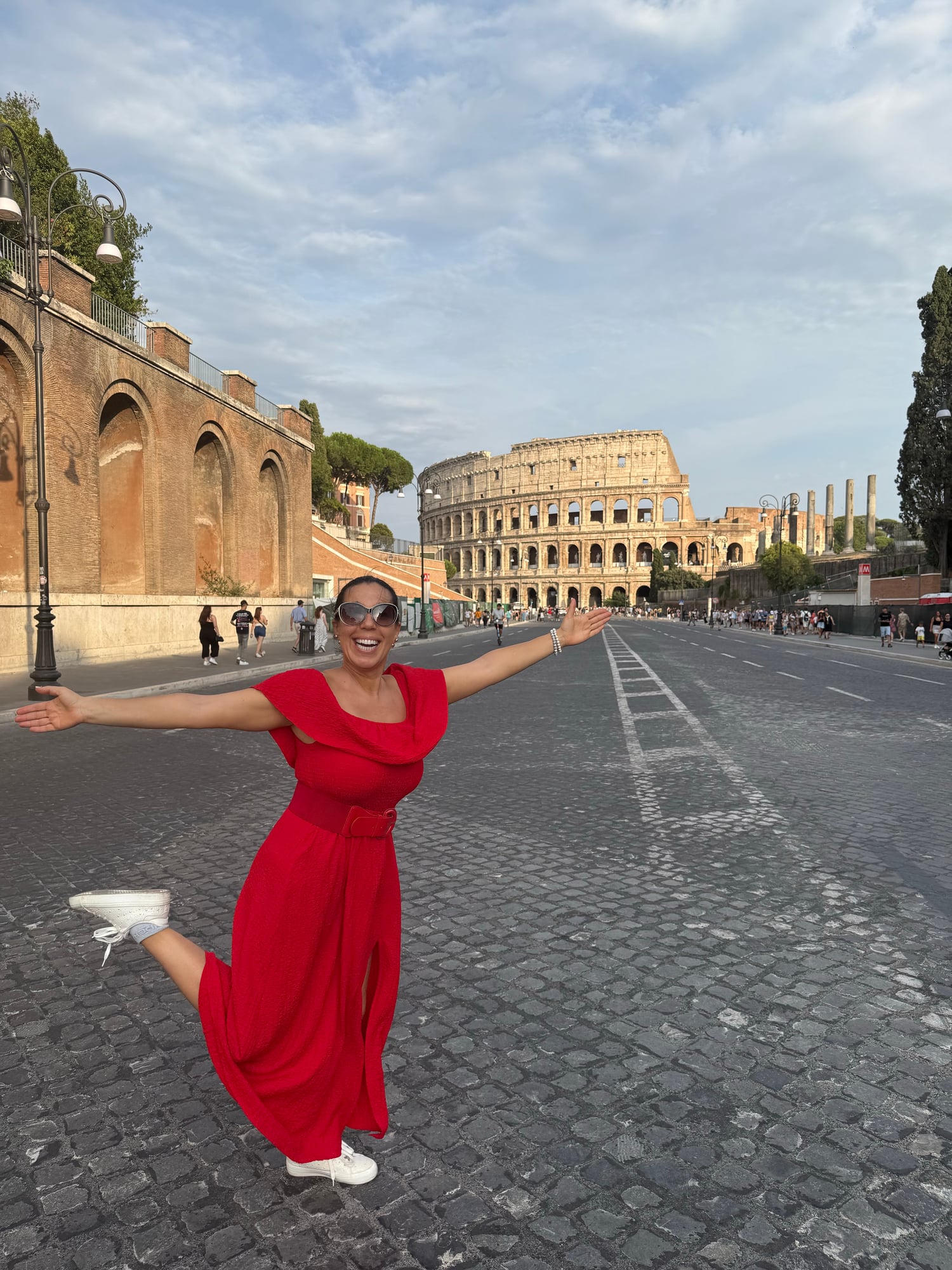
For Tchorbadjiyska, Rome is not a final destination. It is the latest chapter in an ongoing education. With Greece already in her sights as her next journey, she continues to do what the best advisors do: travel not just for the pleasure of it, but for the deepened understanding it brings to every client she serves. Rome gave her the ruins, the food, the laid-back rhythm, and the hidden corners. Greece, no doubt, will give her something else entirely. And she will arrive, as she always does, with an open mind.