Travel advisor Autumn Fiske returned to Poland decades after her first visit and found that the country's cobbled old town squares, legendary pierogies, and resilient spirit make it one of Europe's most underrated slow-travel destinations.
At a Glance
Poland offers authentic European travel often overlooked by first-time visitors. Its old town squares, local cuisine including pierogies and craft beer, Wrocław's bronze gnomes, and Warsaw's vodka museum provide genuine cultural experiences. The country's complex history and post-war resilience create meaningful travel beyond typical tourist circuits.
Some destinations stay with you long after the suitcase is unpacked. For travel advisor Autumn Fiske, Poland is one of those places. Years before she became a professional guiding clients toward their next great adventure, Fiske was a young international student studying in Spain, where she met a fellow exchange student from Warsaw. That friendship turned into an invitation, and that invitation turned into a ten-day journey through Warsaw, Kraków, and Poznań that she has never quite forgotten.
Now, looking back on that formative trip with the trained eye of a seasoned travel advisor, Fiske speaks about Poland with the kind of quiet conviction that only comes from lived experience. It is not the loudest destination on the European circuit, she will be the first to tell you, but for the right traveler, it is absolutely the right choice.
Old Town Squares and Unexpected Delight
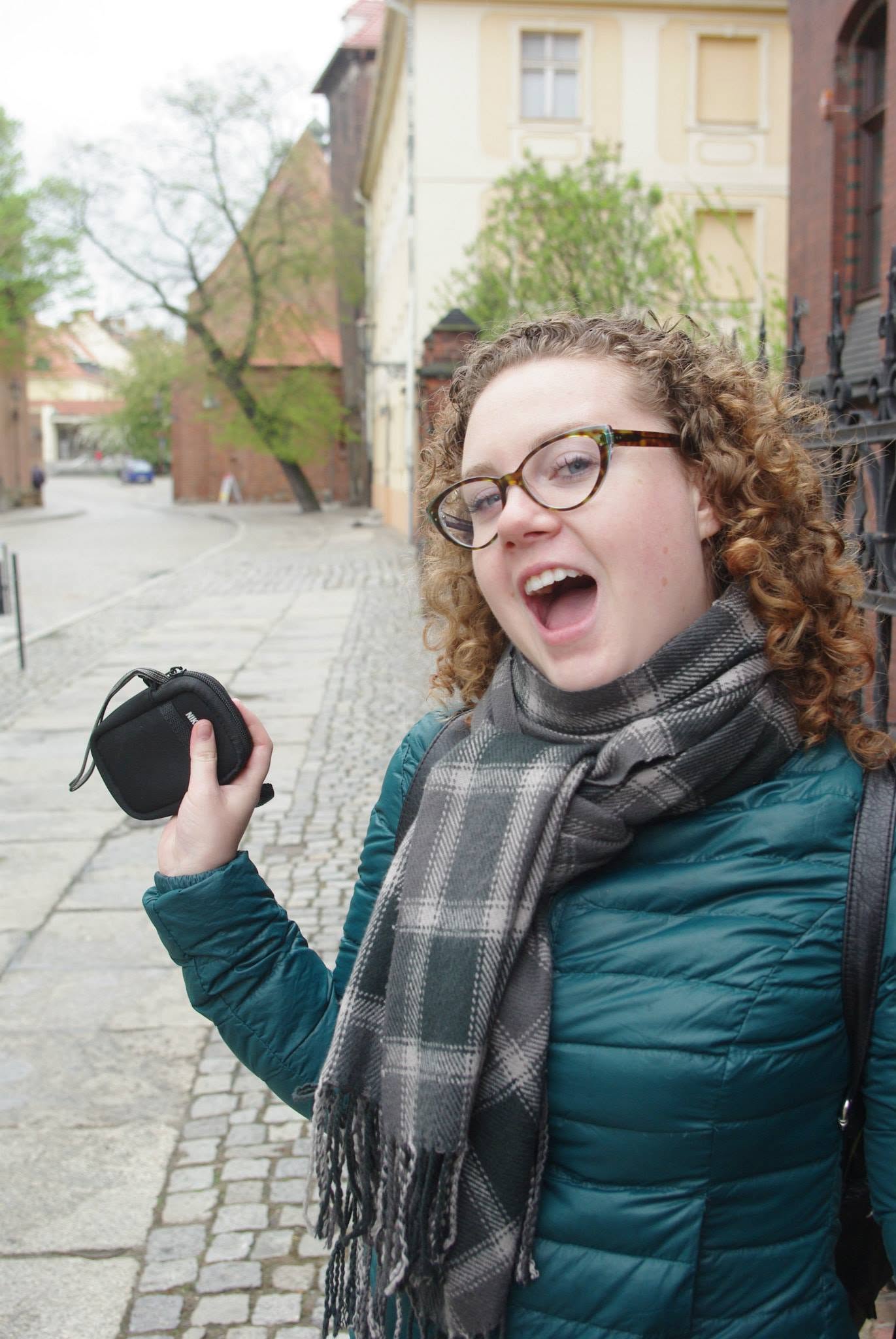
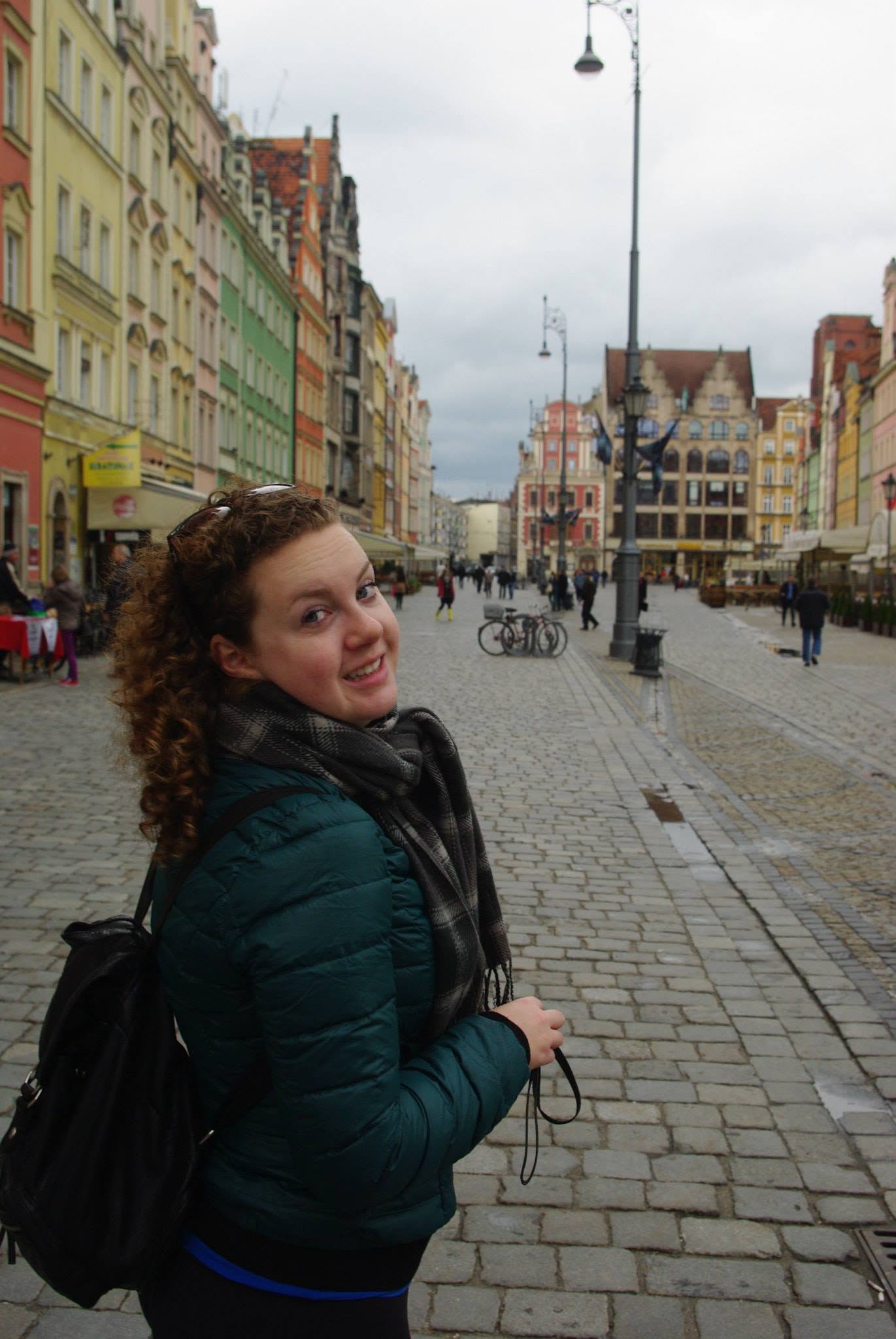
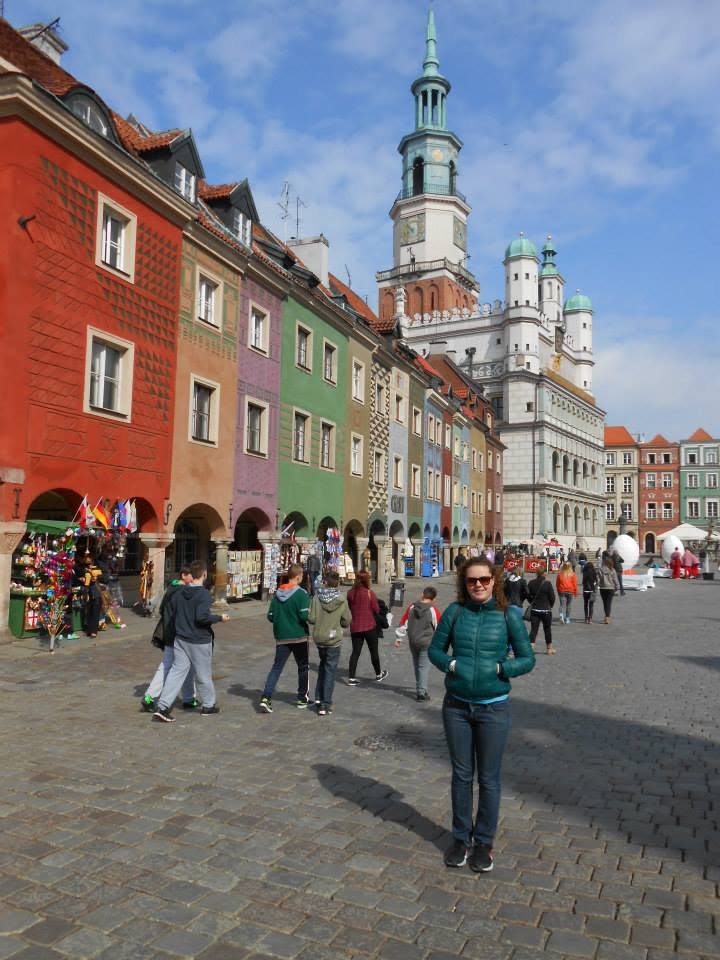
Poland is not a country that tends to top the bucket lists of first-time European travelers. It is often overlooked in favor of its flashier neighbors, France, Italy, and Spain. That, Fiske suggests, is precisely its charm. What struck her most during her travels was the warmth and character of the old market town squares that anchor each city she visited. Ringed by colorful, centuries-old buildings and humming with local life, these squares offered something that polished tourist hotspots often cannot: authenticity.
And then there were the pierogies. Fiske describes discovering the beloved Polish dumpling in the restaurants that lined those old market squares as a revelation. "In the Old Market Town squares in each place that I visited, there were always fantastic restaurants, of course with pierogies, but also Polish beer is quite delicious as well, if you're a fan of beer like I am," she recalls with a laugh. The food, she insists, is a genuine draw for any traveler who identifies as a foodie, and not just the pierogies. Polish beer surprised her, and so did the vodka.
The City of Gnomes: Wrocław's Whimsical Soul
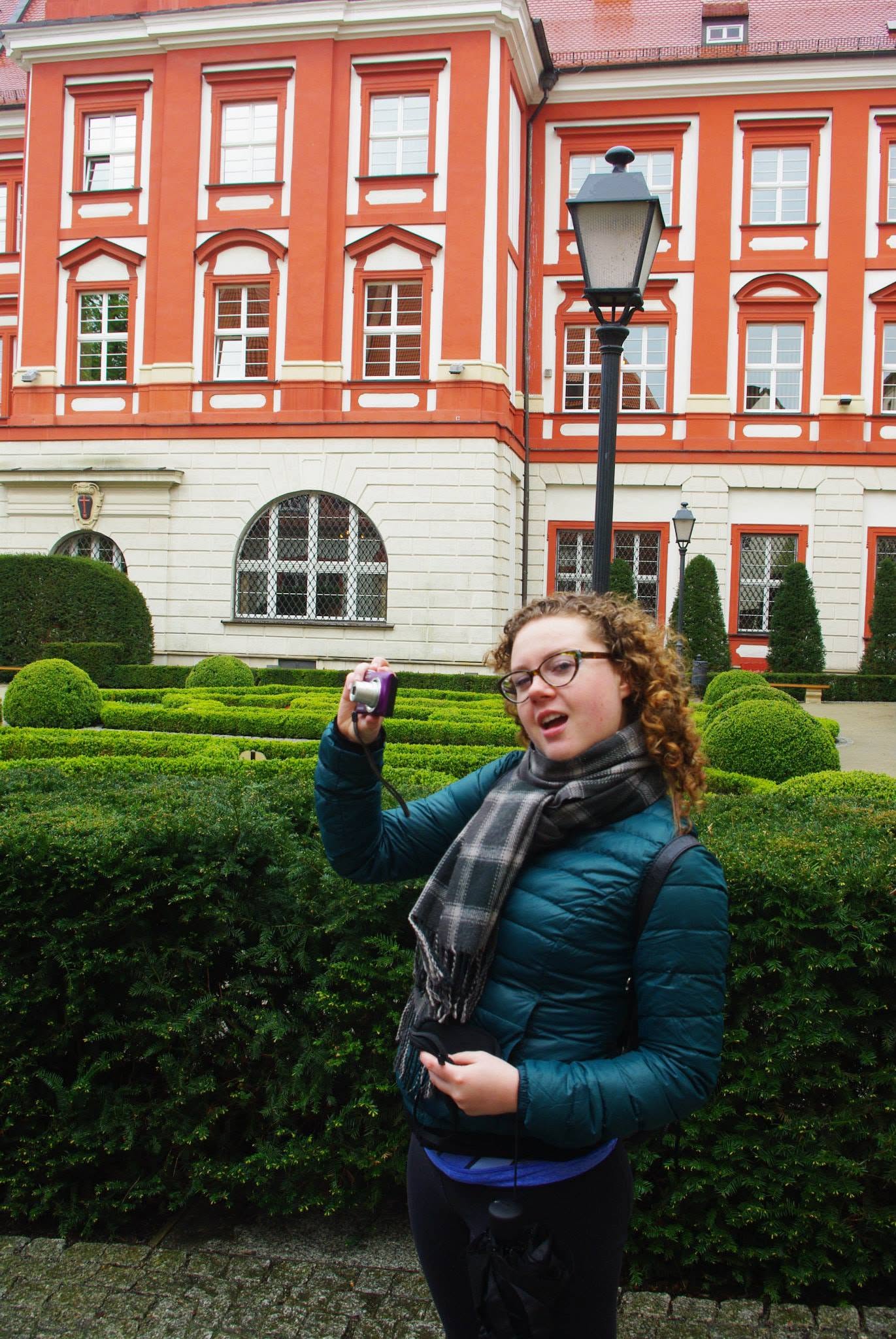
If there is one moment that Fiske keeps returning to when she tells people about Poland, it is her time in Wrocław, a city in the country's west that has earned the delightful nickname "the city of gnomes." Scattered throughout its streets, sidewalks, and alleyways are hundreds of small bronze figurines, each one hidden in plain sight, each one telling a tiny story.
"I remember going to Wrocław, which is known as the city of gnomes or dwarfs in Poland, where it's located in the western part of the country," Fiske says. "It was really neat to see these little small bronze figurines everywhere that are hidden on the streets, sidewalks, and alleyways." The experience, she explains, is equal parts treasure hunt and public art installation, and it gives Wrocław an irreplaceable personality that sets it apart from any other city on the continent.
Beyond the gnomes, Wrocław rewards the historically curious. Fiske is emphatic on this point. "If you're a history buff, I highly recommend to go to Wrocław, as you can explore the historical monuments and beautiful architecture." The city's past is layered and complex, but its present is vibrant and forward-looking, a combination that Fiske finds deeply compelling.
Vodka, History, and the Weight of Resilience
No trip to Warsaw is complete, according to Fiske, without a visit to the Warsaw Vodka Museum. "Not only can you sample the very tasty Polish vodka, but you can also learn how it's made by going to the Warsaw Museum," she explains. The exhibit is interactive and entertaining, offering visitors a surprisingly engaging look at the craft and culture behind one of Poland's most iconic exports. It is the kind of insider tip that separates a travel advisor who has been there from one who has simply read the guidebook.
But Poland's history carries weight that extends far beyond food and folklore. Fiske speaks thoughtfully about the shadow of World War Two, which devastated so much of the country's historic urban fabric. What moved her was not just the destruction documented in museums and memorials, but the evidence of what came after. "Even though learning about the sad history of World War Two that destroyed a lot of Poland's historic cities, you can witness for yourself how the city has grown back up again, built again, and how history should never repeat itself and the many lessons learned," she reflects. It is a powerful reminder, she says, of what travel can offer that no classroom or documentary quite can.
Who Should Go, and How to Get There
As a travel advisor, Fiske is precise about her recommendations. Poland, she says plainly, is not her first call for an adventure-travel demographic seeking adrenaline and remote wilderness. But for travelers who crave a slower pace, a deeper sense of place, and the satisfaction of discovering something most of their friends have not yet found, it is exceptional.
She also has a practical tip for how to fold Poland into a broader European itinerary. The country pairs beautifully with the Czech Republic, Germany, or Austria, and train travel between these destinations is refreshingly convenient. For clients already planning a Central European journey, adding Poland is not a detour. It is an upgrade.
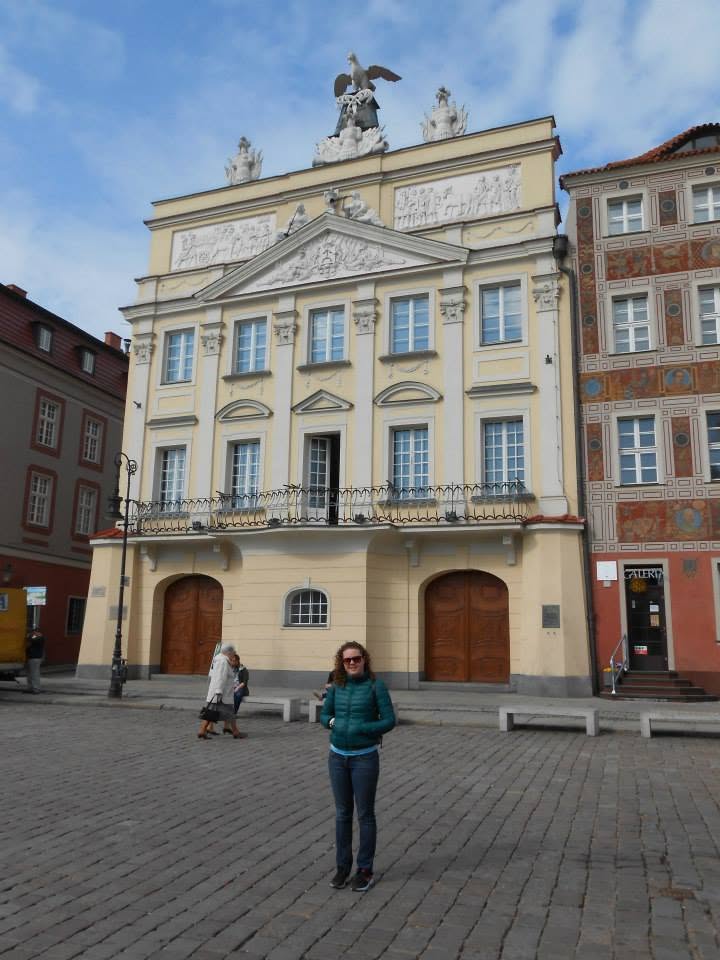
History buffs and foodies, she says, will find Poland an absolute necessity. The old town squares, the pierogies, the craft beer, the vodka museum, the bronze gnomes of Wrocław, and the solemn, instructive weight of wartime history combine into something that is difficult to find elsewhere on the continent.
Looking Ahead
For Fiske herself, Poland is not yet a closed chapter. There is still more of the country she wants to explore, and she is already thinking about her next visit. "I've heard the coast of Poland is very nice," she says, with the easy curiosity of someone who knows that the best discoveries are usually still ahead. "So, maybe there one day."
It is that spirit, equal parts professional expertise and genuine wanderlust, that makes Fiske the kind of travel advisor clients trust not just for logistics, but for the stories that make a destination come alive before they ever set foot on the plane.