Travel advisor Sarah De Sousa didn't just trek to Machu Picchu — she got engaged under the stars between the mountains, survived the 'Savage Mountain Trek,' and came home a different kind of travel professional.
At a Glance
The Salkantay Trek is a demanding five-day, 120-kilometre mountain hike through the Peruvian Andes that culminates at Machu Picchu. The trek crosses a 16,000-foot pass, descends into jungle, and requires solid fitness and altitude acclimatization. It offers profound historical connection and dramatic ecosystem shifts, from snow-dusted peaks to Amazonian jungle.
There is a moment, somewhere between exhaustion and wonder, when a journey stops being a trip and becomes a story you will tell for the rest of your life. For travel advisor Sarah De Sousa, that moment came on the first night of the Salkantay Trek, in a valley high in the Peruvian Andes, sleeping beneath a sky full of stars at over 16,000 feet. After hiking 20 kilometres through the mountains to reach Salkantay Sky Camp, De Sousa turned to her partner and proposed. "That night is the night I proposed to Sarah," she recalls, the understatement in her voice doing nothing to diminish the weight of the memory. "Special place for us."
That proposal, quiet and enormous all at once, is the moment that sets this story apart from every polished travel brochure Peru has ever produced. It is also the moment that explains exactly why firsthand experience matters so much in the travel industry. De Sousa did not read about the Salkantay Trek. She lived it, lungs burning, legs aching, and heart full, across five of the most demanding and beautiful days of her life.
Lima to Cusco: The Adventure Begins

The trip began with a flight from Toronto to Lima, then onward to Cusco, the ancient Incan capital sitting at roughly 6,000 feet above sea level. De Sousa describes the first day as one of deliberate acclimatisation. The couple explored Plaza de Armas, the historic city core, and visited the Salkantay trekking office to register for their five-day journey. One detail surprised them immediately. "It was really, really cold," De Sousa says, a note of genuine astonishment still present in the recollection. For first-time visitors, the chill of Cusco is rarely what they anticipate.
Day two brought a tour through the Sacred Valley, with stops at the Pisac archaeological site, Ollantaytambo, and Tambomachay National Park. It was at Pisac that De Sousa encountered the first of several moments of historical awe that would define the trip. Standing before the vast Incan agricultural terracing carved into the hillsides, the scale of what ancient hands had built was staggering. That sense of the ancient world pressing close would only deepen in the days to come.
The Savage Mountain: Five Days on the Salkantay

On day three, a four-hour bus ride in the pre-dawn dark delivered the couple to Challacancha, the starting point of the Salkantay Trek. What followed was approximately 120 kilometres of hiking across five days through terrain that shifts, sometimes within a single afternoon, from snow-dusted mountain passes to dense Amazonian jungle. The trek is sometimes called the Savage Mountain Trek, and De Sousa has nothing to say that would suggest the name is an exaggeration.
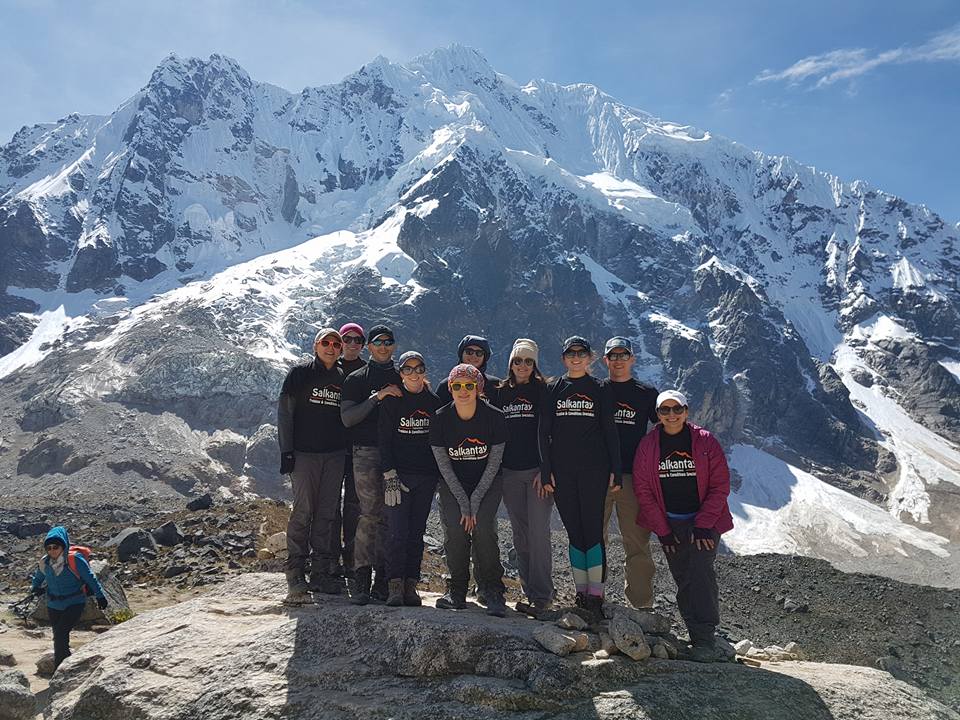
The Salkantay Pass on day two of the trek sits at 16,000 feet. At that altitude, the body does not simply feel tired. It protests. De Sousa and her partner took medication to guard against cerebral and pulmonary edema, the serious altitude-related conditions that the elevation can trigger. Even with that precaution, the physical reality was unrelenting. "Every step feels like you're basically running a marathon," De Sousa says plainly. "It was very, very hard."
That honesty is part of what makes De Sousa a different kind of advisor. She is not selling the idea of the Salkantay Trek. She is telling the truth about it, which is ultimately far more persuasive. The pass led the couple through places called Soraypampa, Chaullay, and the Trail of the Seven Snakes before descending into the cloud forest and jungle toward Lucmabamba, where they spent their third night in jungle dome accommodation. The ecosystem shift was dramatic and complete. Warm, humid air replaced the biting cold of the mountains. Wildlife replaced silence. And then, of course, there was the spider. "There was a massive Brazilian wandering spider in our camp," De Sousa recounts, with what sounds very much like the beginnings of a laugh. "Caused some excitement."
A soak in nearby hot springs offered some recovery before another 22-kilometre day carried them to Aguas Calientes, the town nestled at the base of the mountain that holds the destination every step had been building toward.
Standing at Machu Picchu
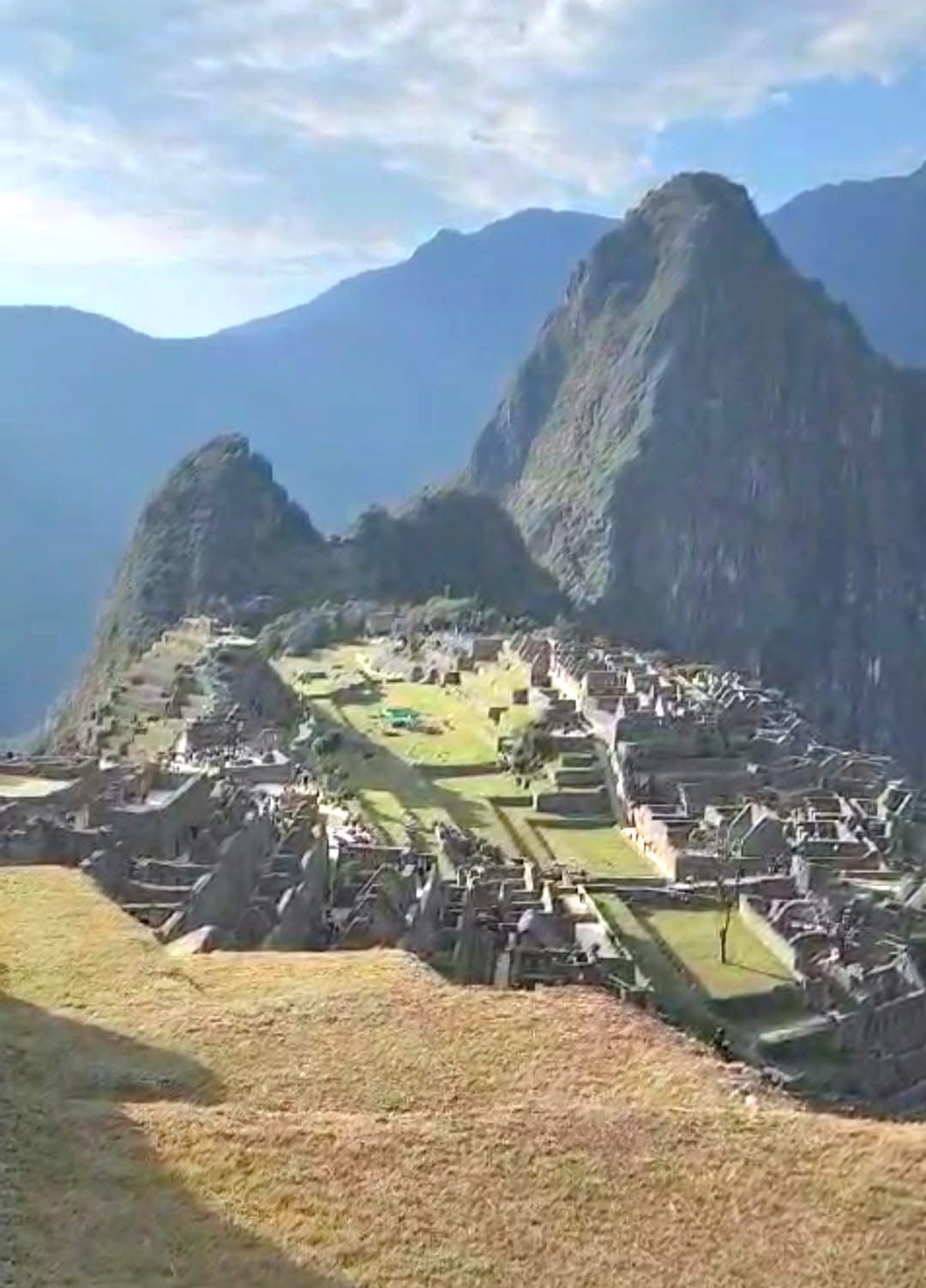
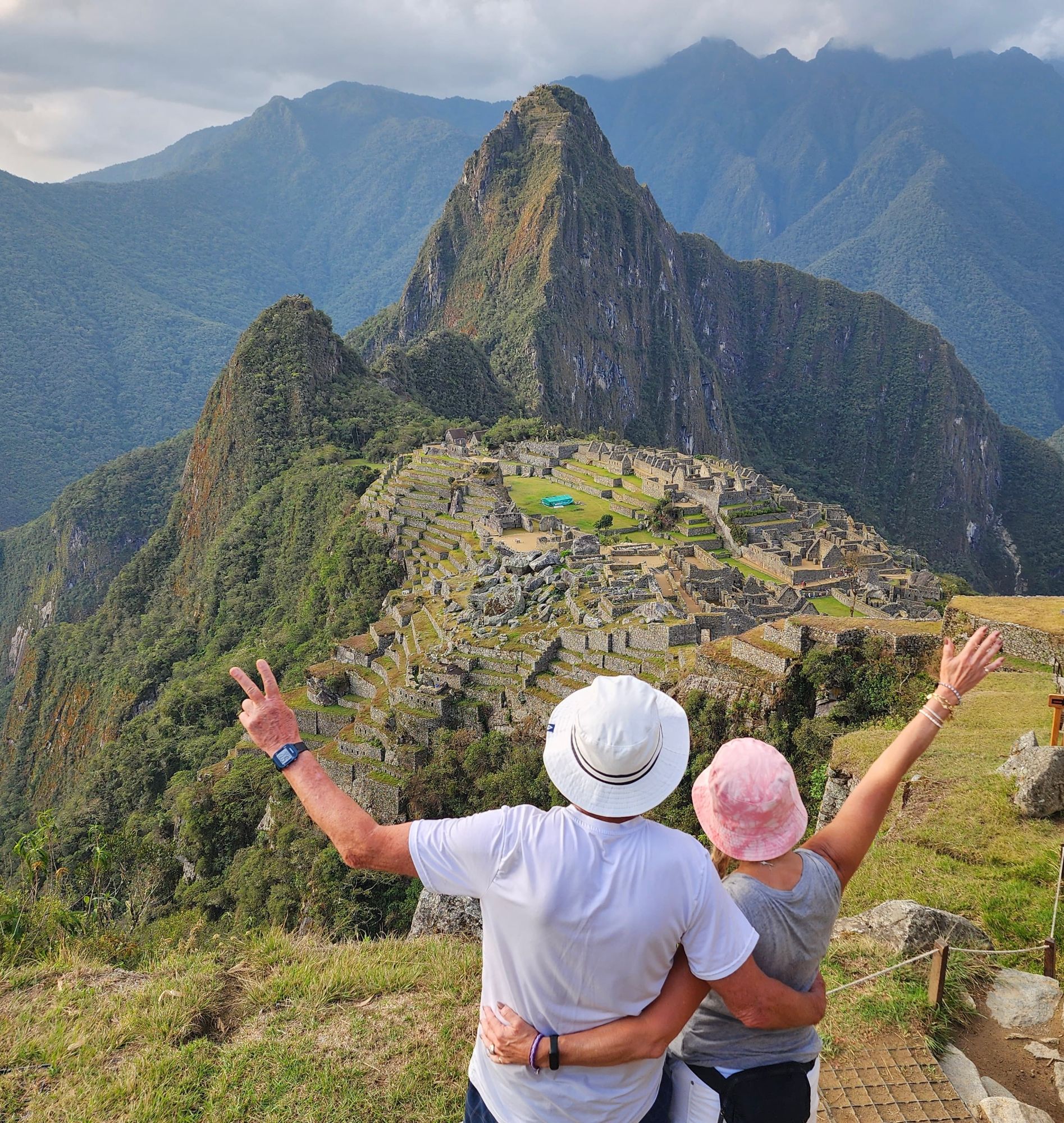
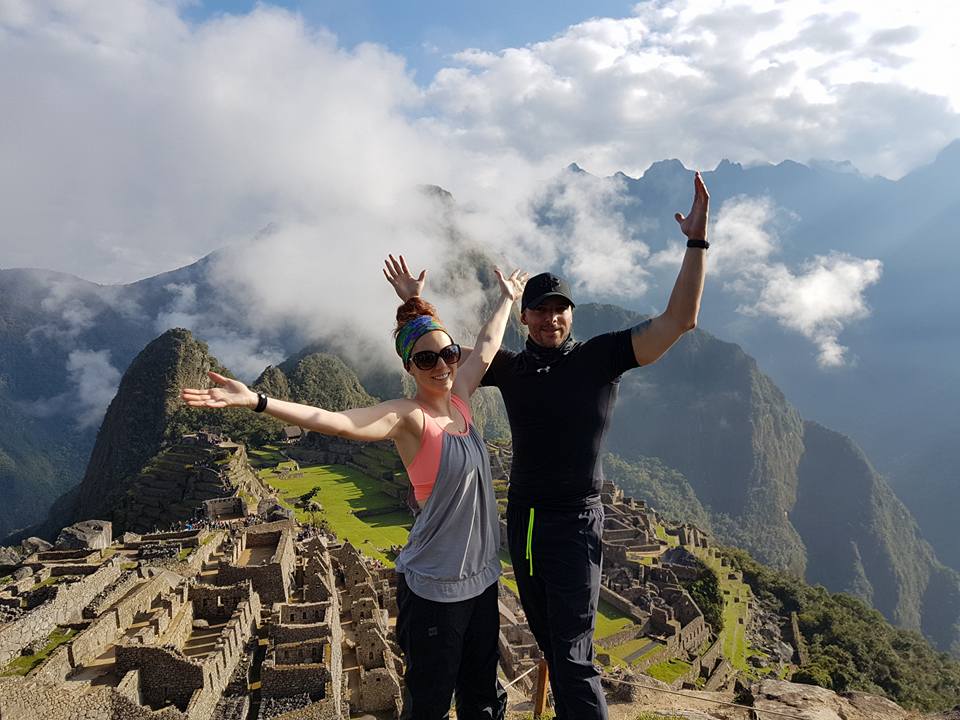
On the fifth and final day of the trek, De Sousa hiked up to Machu Picchu itself, following paths that wind along the sheer sides of the mountains. It was here that the journey delivered its most quietly profound moment. Scaling those narrow trails, she found herself thinking about who had walked them before. "You start realising that these trails were used by people thousands and thousands of years ago as a main way of getting to Machu Picchu, which is where they lived essentially," she reflects. The physical achievement of completing the trek suddenly felt like something larger, a connection across centuries to the Incan people who had built and walked this world long before any tourist ever arrived.

Beyond the Trek: Peru in Full
The Salkantay was the centrepiece, but Peru offered far more than the mountains. De Sousa and her partner used the Peru Hop bus pass to move through the country, sleeping on the bus and spending days exploring each stop. They flew over the Nazca Lines, sandboarded the dunes at Huacachina, a desert oasis in the south, and ended their journey in Lima, where a boat tour led them into the Pacific Ocean to swim with sea lions in what De Sousa describes with evident feeling as "freezing, freezing cold temperatures." The contrast with the burning heat of Huacachina, the snow of the Salkantay Pass, and the jungle warmth of Lucmabamba captured something essential about Peru: it is not one place. It is many places, layered into a single country. "The sheer beauty of Peru and the fact that there are so many different ecosystems," De Sousa says, is the thing she finds herself returning to again and again when she thinks about the trip.
What She Knows Now
De Sousa is direct about what she and her partner underestimated going in. The altitude, the physical demand of hiking 120 kilometres in five days, and the dramatic temperature swings that send travellers scrambling for layers they may not have packed. Her insider tip is simple but essential: dress in layers, and bring more of them than you think you need. From the icy high elevations of Cusco to the heat of the southern desert, Peru's climate requires a wardrobe that can do many things at once.
She is equally candid about who the Salkantay Trek is for and who it is not. It suits adventurous travellers with solid fitness and no significant health concerns. For those who want to experience Peru without the physical demands of a 120-kilometre mountain trek, she points enthusiastically toward Cusco's Plaza de Armas, the Sacred Valley, the Nazca Lines, Lima, and the Peru Hop bus as a gentler but equally rich way to discover the country. "There are other things you can do in Peru to explore the country," she says, and she recommends them without hesitation.
What the experience gave De Sousa professionally is something no research tab or destination guide can replicate. "It essentially gives me that firsthand experience that you cannot get from reading things on the internet," she says. She can now speak to clients about Peru with complete confidence, walking them through what to expect at altitude, what to pack for the temperature swings, what the archaeological sites actually feel like when you are standing inside them, and what it means to arrive at Machu Picchu after five days of earning it on foot.
What Comes Next
The Peru trip took place in May 2018. Life has shifted since then. De Sousa now plans family travel alongside adventure itineraries, and a Royal Caribbean group cruise with friends and family is next on the calendar for February. But the appetite for wild places has not diminished. The Galapagos Islands, Africa, the Arctic, and Antarctica are all on her wish list, ambitions that speak to the kind of advisor she is becoming: one who does not stop going, and does not stop learning from the places she reaches. "Sarah and I really love to do adventure travel," she says. "It is probably what brought us into the travel world to begin with." The mountains are still calling, and De Sousa is already listening.