Travel advisor Brian B thought he was taking a simple personal getaway to Peru, but uncovered archaeological revelations that transformed his understanding of ancient civilizations.
At a Glance
Machu Picchu is not an isolated archaeological site but the observatory for a vast sacred complex where surrounding mountains are deliberately shaped as giant statues. The entire region functions as a temple-city, and Cusco itself—sitting atop sophisticated Inca stonework—rivals Machu Picchu in archaeological significance, revealing the Inca Empire's engineering and cultural sophistication.
When travel advisor Brian B first set foot in Peru, he expected to experience the wonder of Machu Picchu like countless travelers before him. What he discovered instead was a revelation that would fundamentally change how he views one of the world's most famous archaeological sites and reshape his approach to travel advising.
Brian's journey began as "originally a personal getaway," but quickly evolved into something far more profound. As he explored Cusco and made his way to Machu Picchu, he found himself immersed in what he calls "the depth of the Inca Empire" that "stretches thousands of years and all across the Americas."
The Mountain Temple Revelation
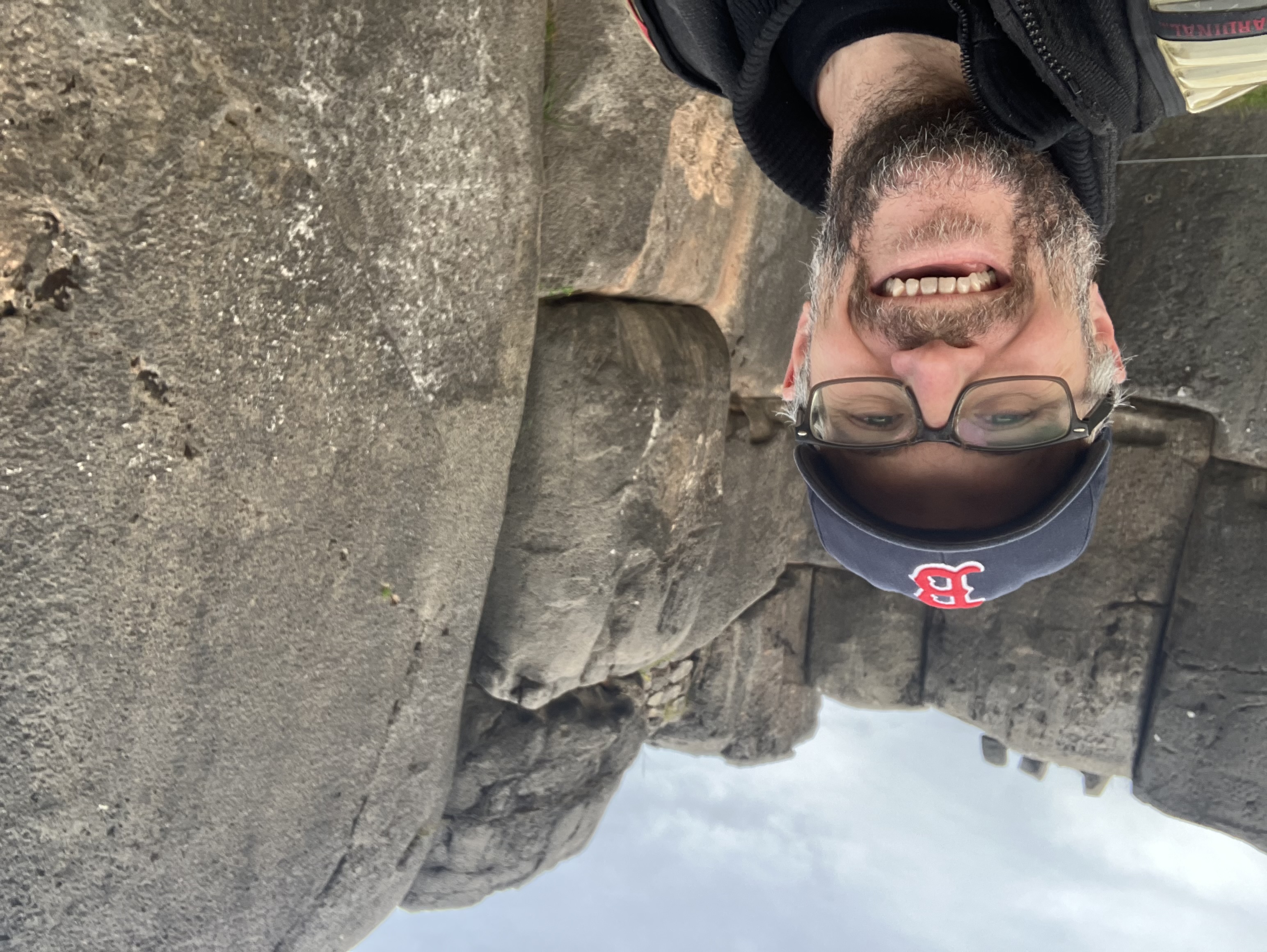
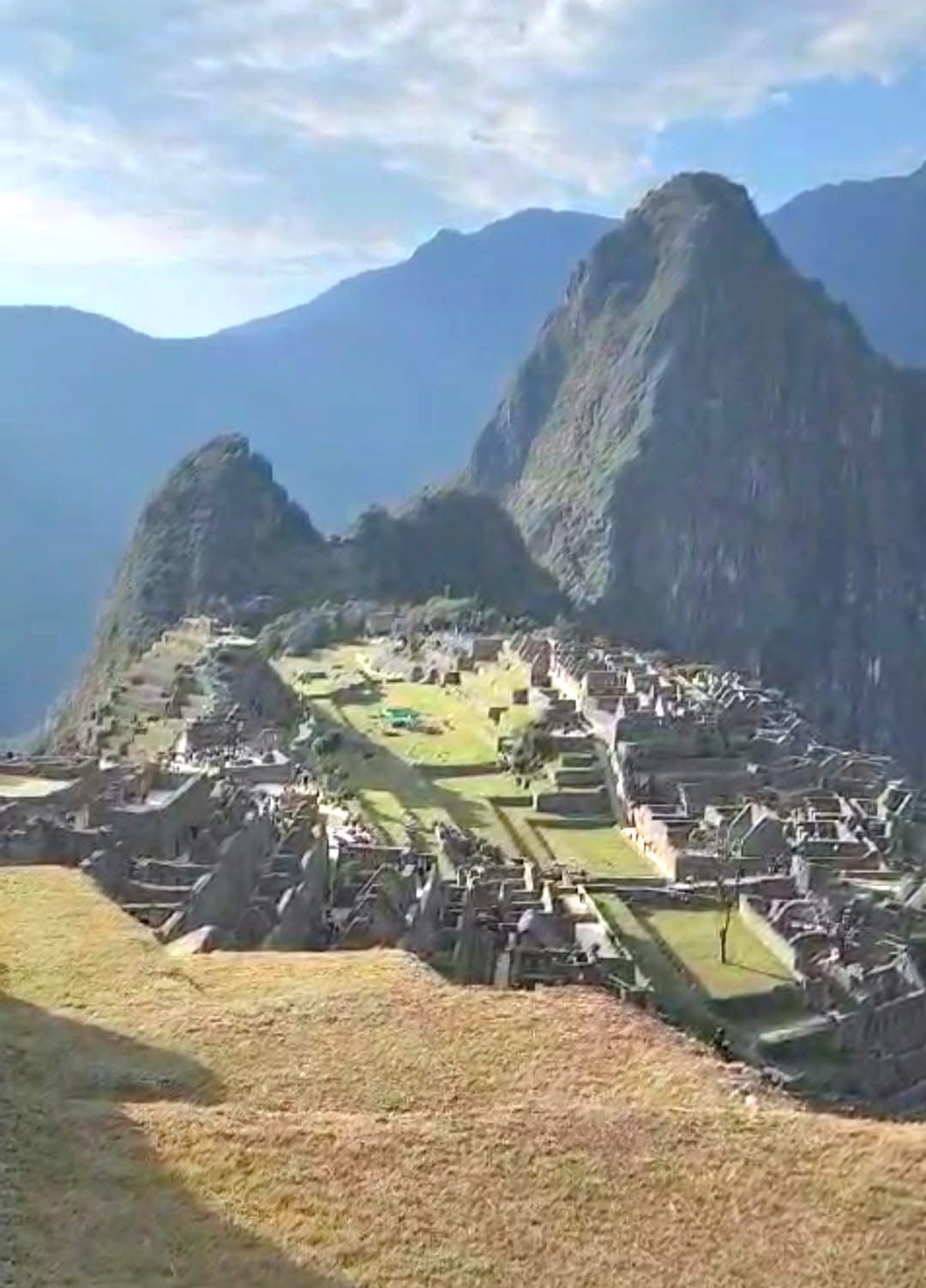
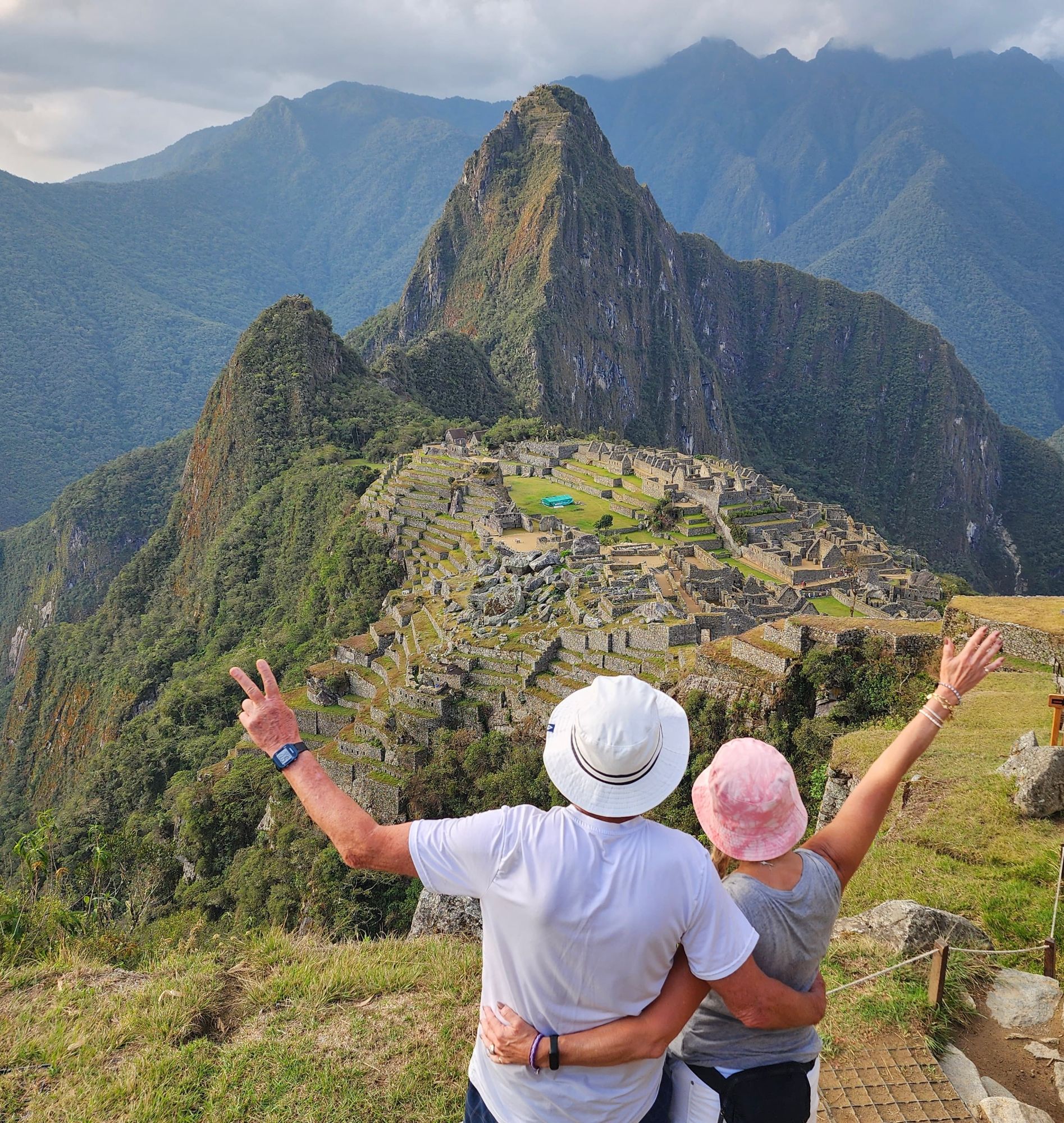
Standing atop the ancient citadel, Brian experienced what many consider the trip's defining moment. The revelation came not from guidebooks or standard tours, but from connecting with local experts who shared knowledge passed down through generations. "The craziest part to me was the fact that when you look at Machu Picchu and all these mountains around you," Brian explains, "you realize that the entire area is the temple. The mountains that you see are actually shaped deliberately, they're giant statues."
This discovery completely shifted his perspective on the site's significance. Rather than viewing Machu Picchu as an isolated wonder, Brian came to understand that "what people consider Machu Picchu is actually just the observatory" for a much larger sacred complex. The realization hit him that visitors aren't simply standing on a site "the size of a football field," but rather "on top of the size of a city."
Cusco: The Overlooked Marvel
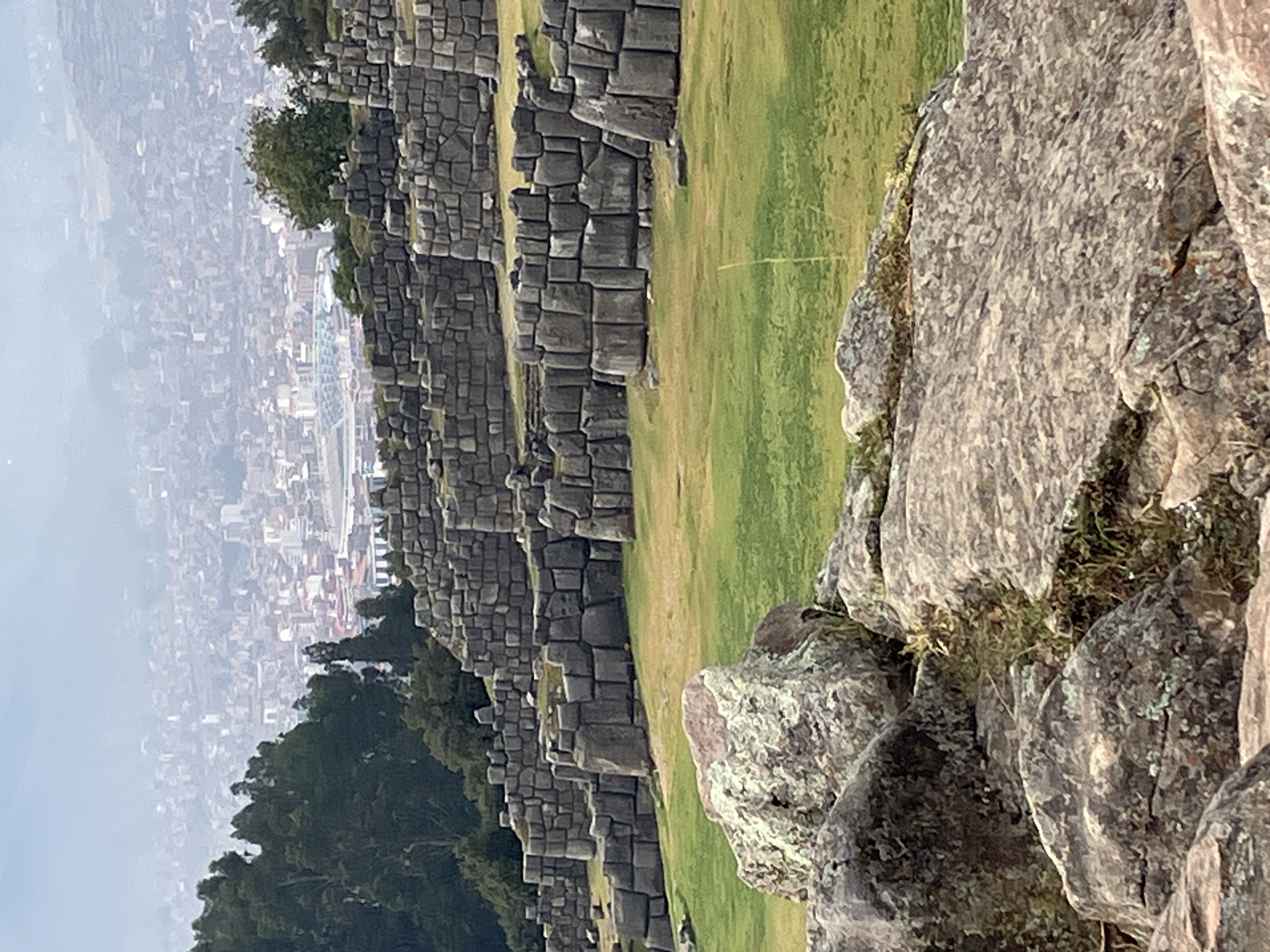
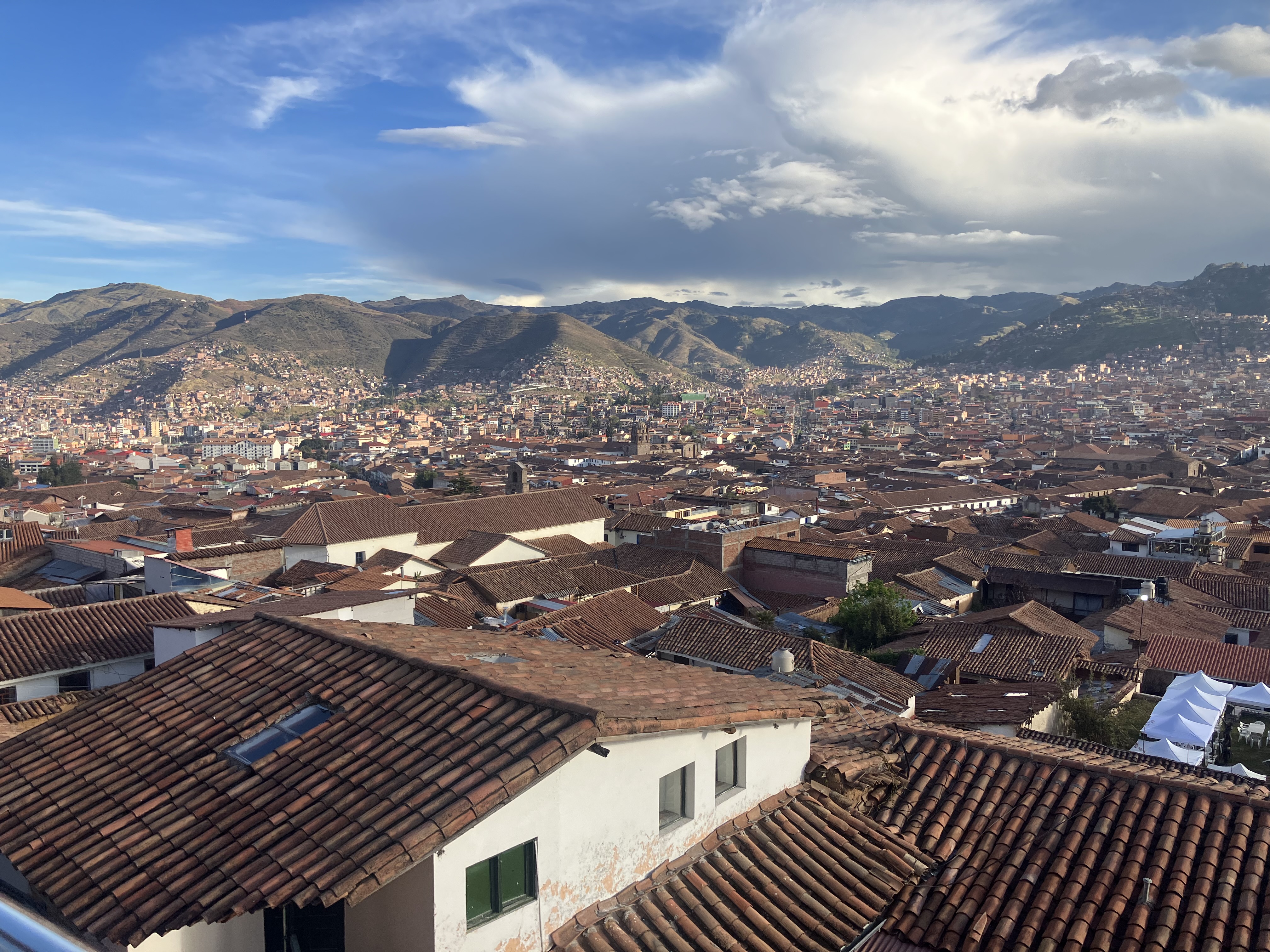
While most travelers focus their attention on the famous mountaintop citadel, Brian found himself equally captivated by Peru's former imperial capital. His time in Cusco revealed layers of history that challenged his preconceptions about which sites deserve the most attention.
"Everyone thinks that Machu Picchu is special, and it actually is," Brian acknowledges, "but I think one of the most incredible archaeological sites in the entire region is the city of Cusco itself." Walking through the cobblestone streets, he discovered that the entire colonial city sits atop sophisticated Inca stonework, creating a living museum where past and present coexist in remarkable harmony.
Ancient Wisdom, Modern Lessons
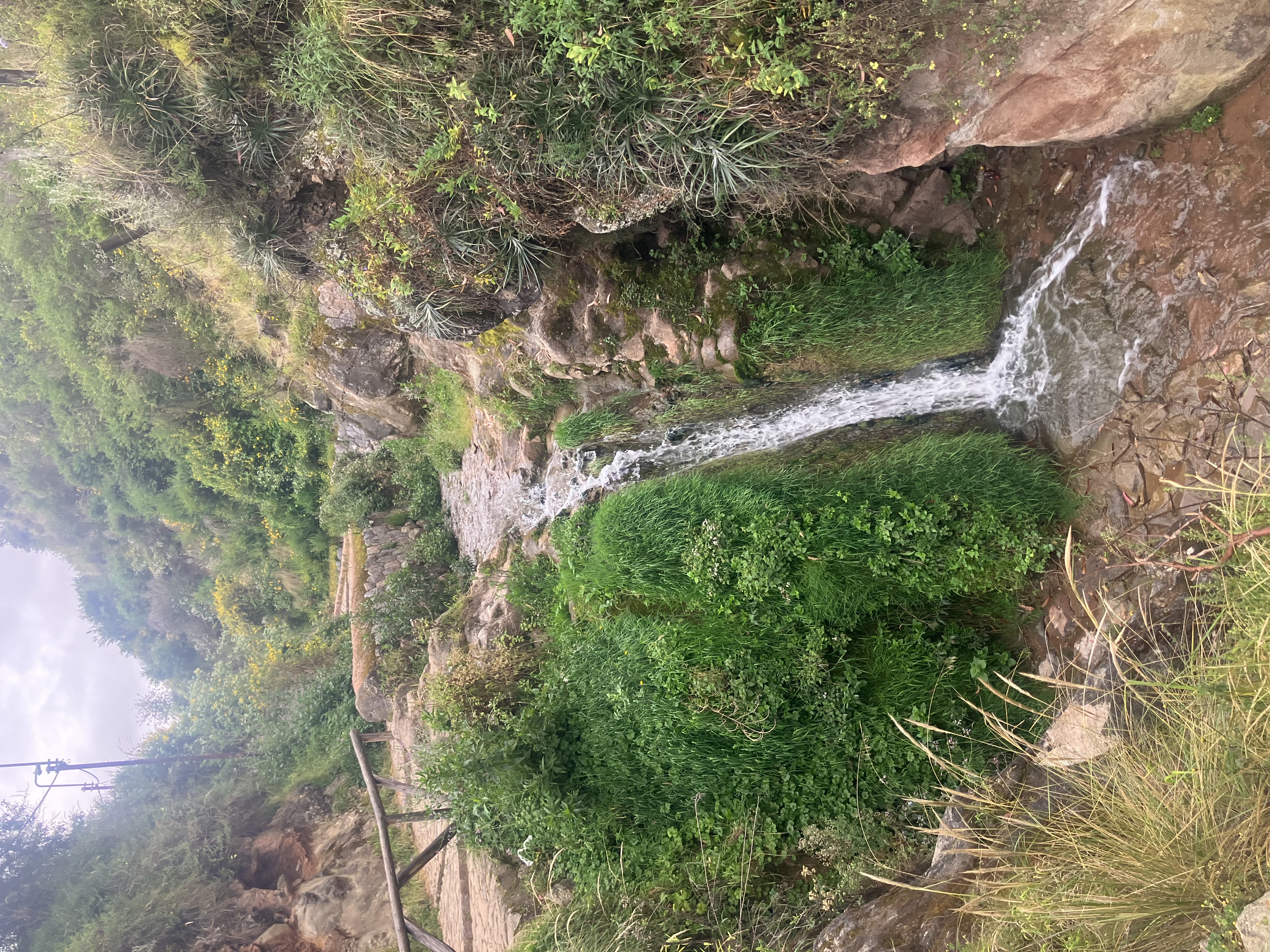
The journey left Brian with a profound appreciation for Inca engineering and cultural sophistication. His exploration revealed intricate water management systems, precise astronomical alignments, and architectural techniques that continue to puzzle modern engineers. The experience led him to conclude that "the ancient civilizations of Peru are some of the most sophisticated, brilliant, and expansive civilizations to have ever existed in our world, including today."
This wasn't merely tourist admiration, but a professional recognition of achievements that rival contemporary capabilities. The precision of Inca stonework, visible throughout Cusco and Machu Picchu, demonstrates a level of craftsmanship that modern construction struggles to replicate.
Timing the Perfect Visit
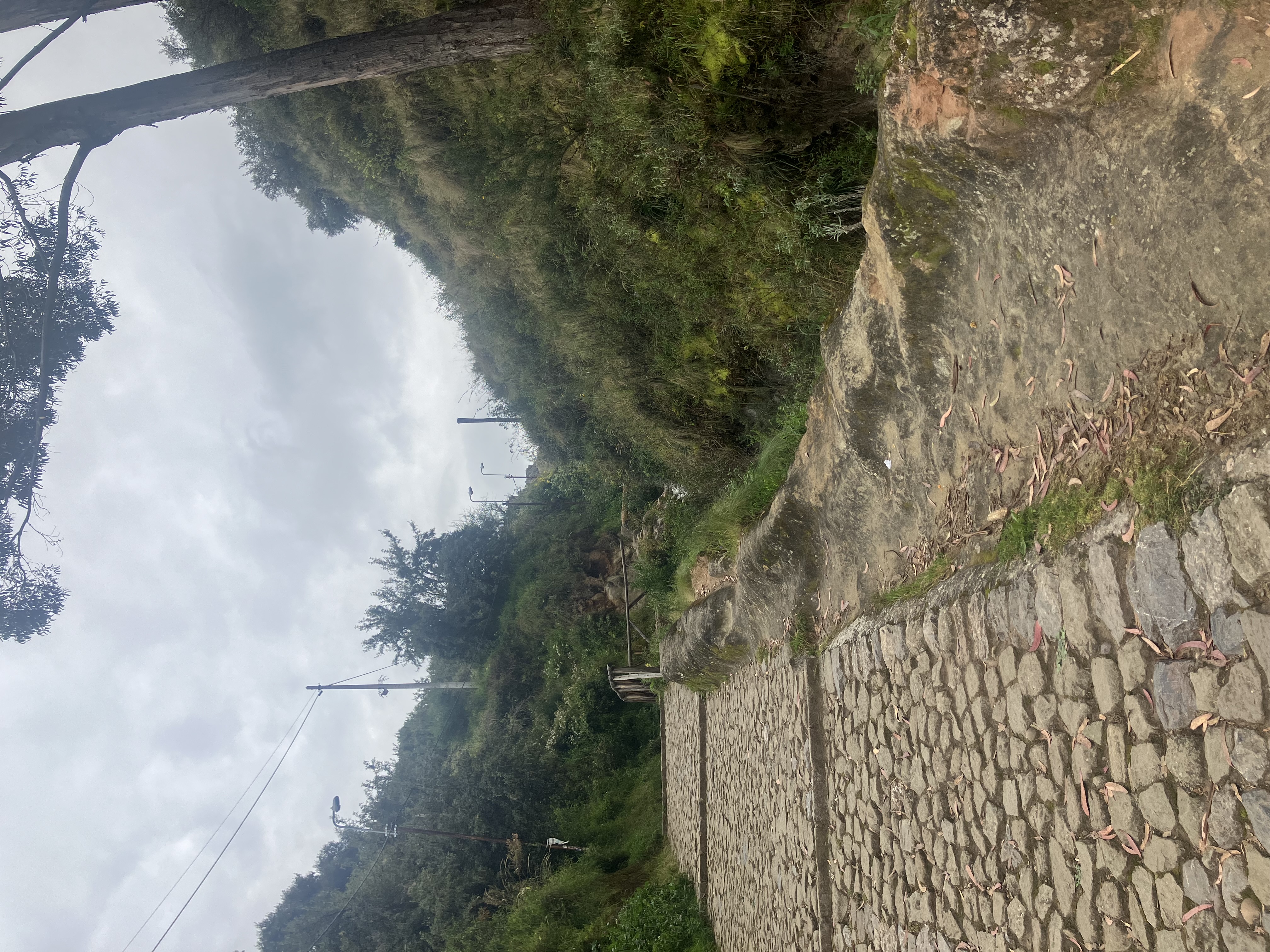
Brian's timing proved fortuitous in ways he hadn't anticipated. His visit coincided with Inti Raymi, the Festival of the Sun, one of Peru's most significant cultural celebrations. "There was a giant festival called Inti Raymi," he recalls, "and I had the opportunity to go a couple weeks before it, so I was there on the shoulder of that festival, and it was out of this world."
This experience taught him the value of understanding local calendars and cultural rhythms when planning client itineraries. The festival period offered him insights into living Inca traditions that continue to thrive in modern Peru, adding contemporary cultural richness to the historical exploration.
Beyond the Tourist Trail
Perhaps the most valuable lesson from Brian's journey was the importance of seeking authentic local perspectives. His most meaningful discoveries came through conversations with local guides and community members who shared knowledge that doesn't appear in standard tourism materials.
"You have to go off the beaten path and talk to the local people who exist there," Brian emphasizes. "A lot of the travel agencies and organizations, they're only presenting what was presented to them, and there are much deeper stories in many of these places."
This approach has become central to his travel philosophy, applicable whether he's working with clients interested in "the islands of Greece, places in Mexico, or Canada." The key, he's learned, is recognizing that surface-level tourism often misses the most transformative experiences.
For Brian's clients, this means recommendations that go beyond checking famous sites off a list. He now approaches Peru as what he calls "not a vacation, but a culturally enriching experience." His firsthand understanding allows him to prepare travelers for encounters with living history, where ancient wisdom remains relevant and accessible to modern visitors.
Looking ahead, Brian plans to continue his exploration of ancient civilizations, with Mexico's "massive ancient megalithic structures" next on his itinerary. Each journey builds his expertise and deepens his ability to guide clients toward the kind of transformative experiences that turn simple trips into lifelong memories.