A cancer survivor's journey to Machu Picchu becomes a profound lesson in slowing down and embracing the transformative power of intentional travel.
At a Glance
The Inca Trail teaches cancer survivors and others seeking transformation that strength comes through patience and consistency rather than speed. The ancient stone pathways and altitude force travelers to slow down, match the terrain's rhythm, and reach Machu Picchu with profound gratitude for survival itself, creating emotional breakthroughs beyond typical tourist accomplishment.
At 22, Tannis Dyrland lost her mother to cancer, carrying a quiet belief that 48 might mark her own expiry date. This fear shaped how she lived, how she pushed herself, and how she refused to become a victim of something that had already taken so much. When cancer arrived at her own doorstep at 32, that fear transformed into something unexpected: a fierce determination to celebrate survival.
That celebration led Dyrland to Peru, where she would tackle one of the world's most challenging treks. The Inca Trail awaited, promising not just physical exhaustion and mental rawness, but a journey that would fundamentally change how she understood both travel and life itself.
The Trail That Teaches Patience
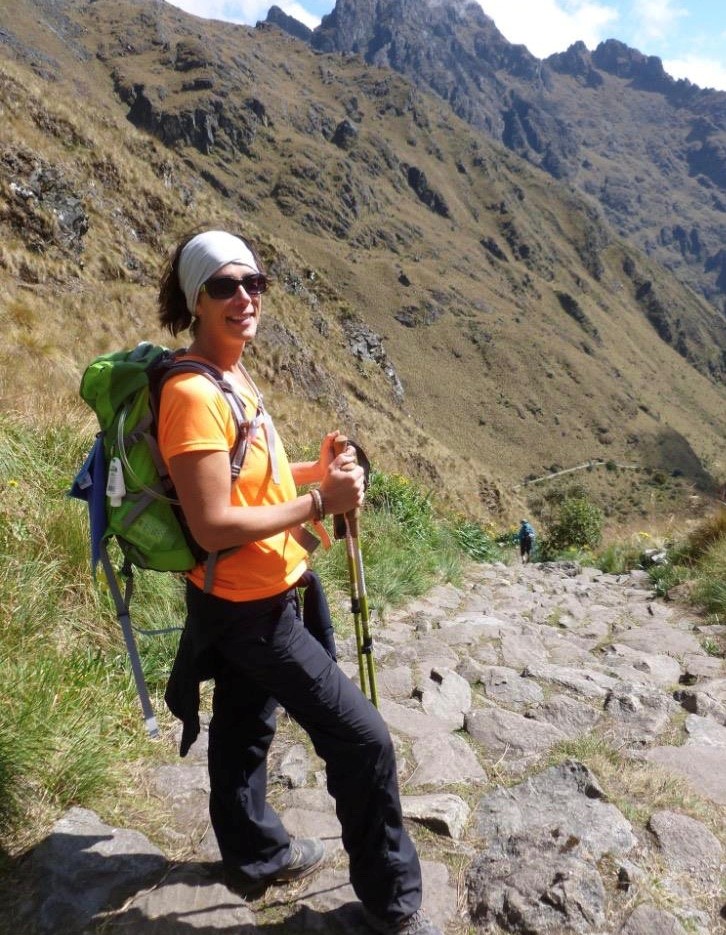
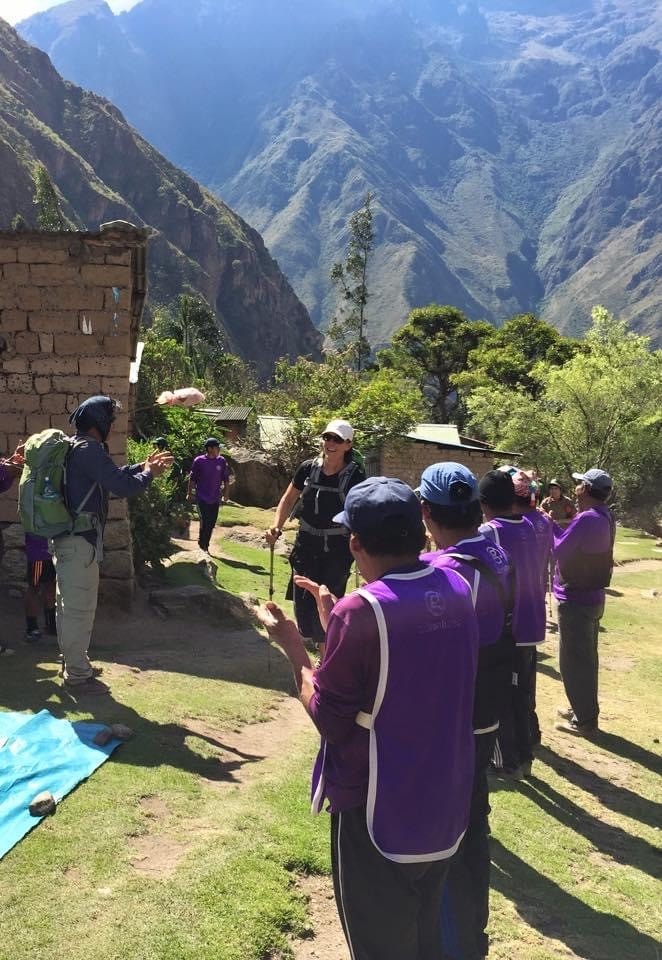
The ancient stone pathways of the Inca Trail demand respect. For Dyrland, someone who thrived on constant motion while running a business and raising young children, the trail forced an uncomfortable reckoning. "It was one of the hardest things I have ever done. Physically exhausting, mentally raw, and at times I wanted to quit. But somewhere along the trail, I learned something I had missed for years. Slow down. Take it in. This is the point."
The forced stillness of her cancer recovery had begun this lesson, but the trail crystallized it. Each step along the ancient Incan pathways reinforced that strength isn't speed, but consistency and patience. The altitude and terrain refused to be rushed, teaching Dyrland that some of life's most profound moments require us to match their rhythm rather than impose our own.
Gratitude at 7,970 Feet
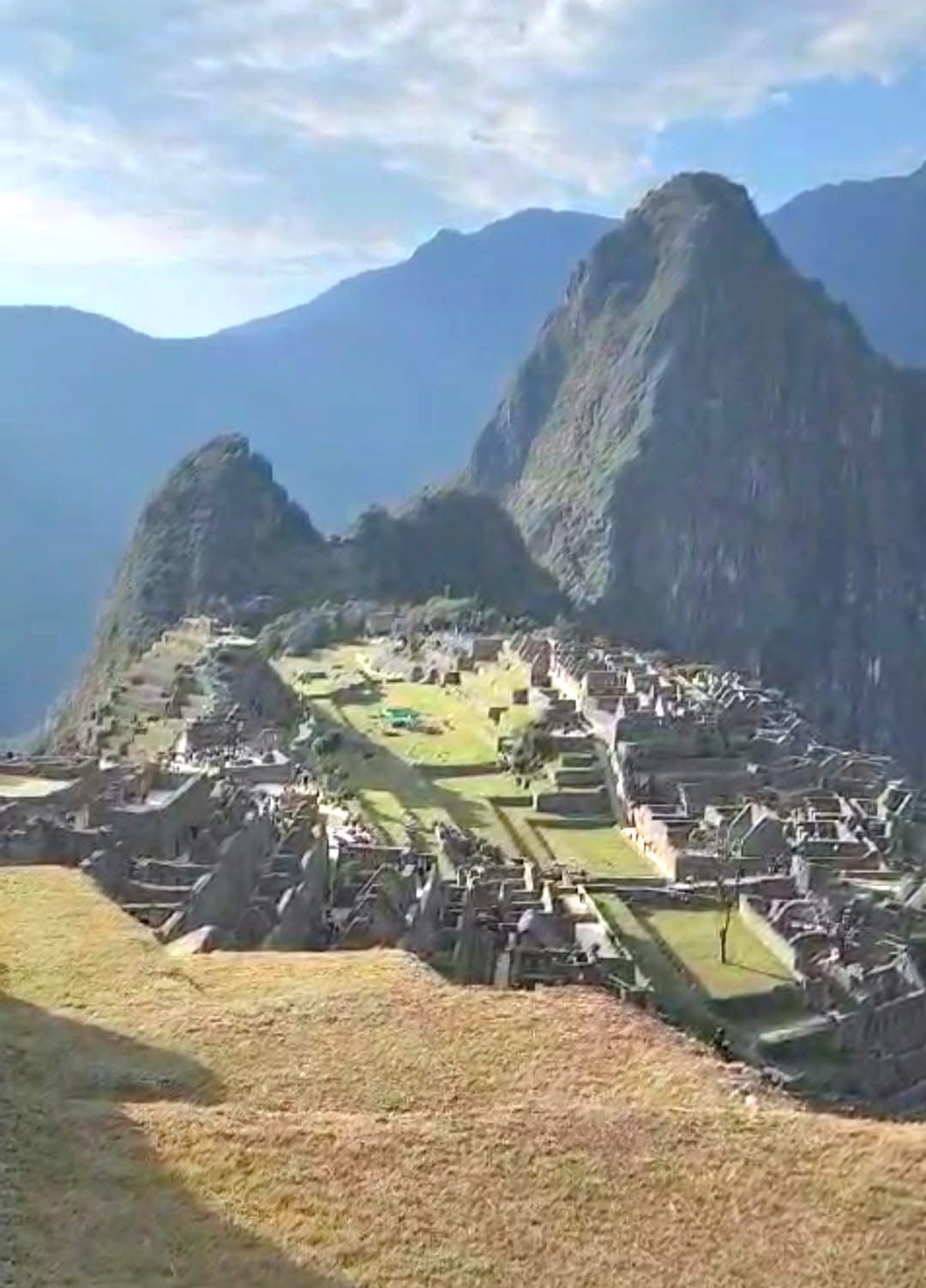
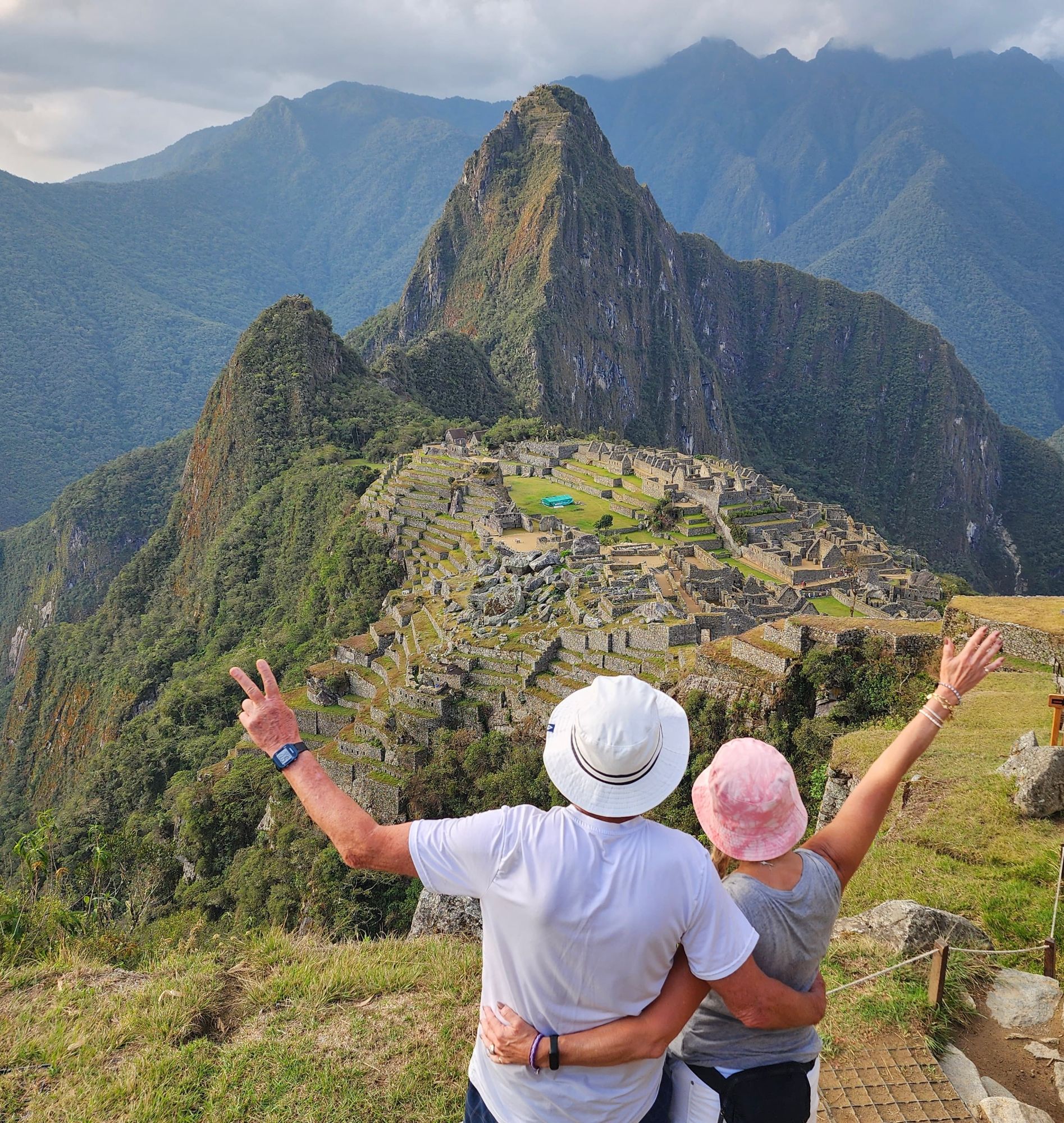
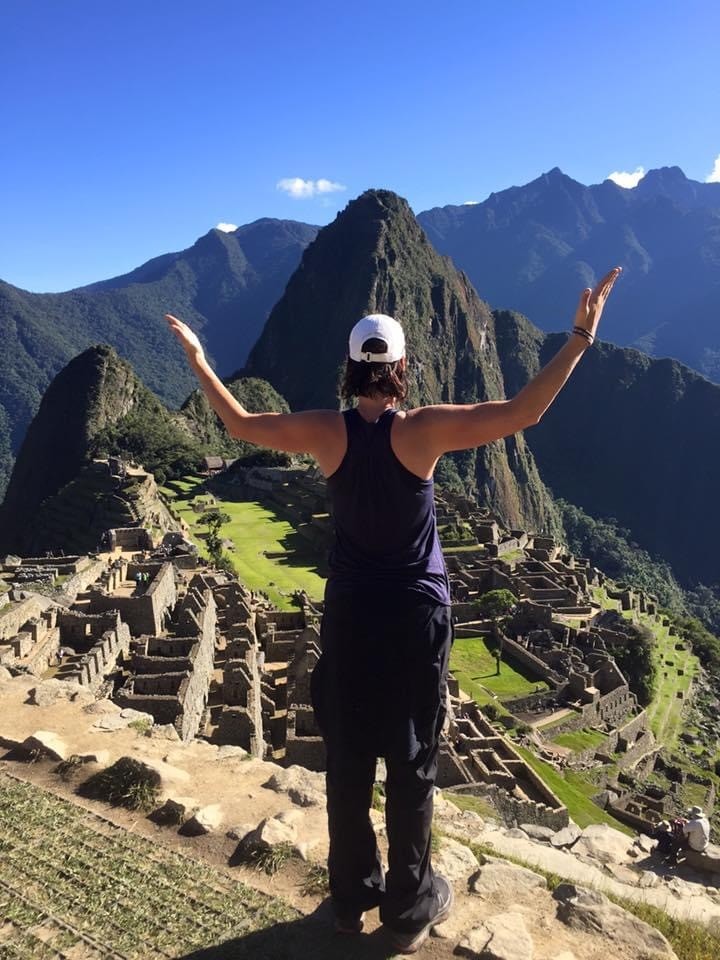
When Dyrland finally reached Machu Picchu, the experience transcended typical tourist triumph. Standing among the ancient ruins, she found something deeper than accomplishment. "Reaching Machu Picchu wasn't just an accomplishment. It was gratitude. It was proof that even after your hardest moments, you are still here," she reflects. The sacred citadel, perched dramatically in the Andes, became a monument to her own resilience.
This moment of profound gratitude illuminated a truth that had been building throughout her journey. "What came after was a realization that I didn't just want to survive. I needed to celebrate being alive," Dyrland explains. The trek had transformed from a physical challenge into a celebration of every day she had earned beyond her diagnosis.
The Universal Language of Transformation
Dyrland's Peru experience opened her eyes to how transformation manifests across different destinations worldwide. In the Camino de Santiago, she recognizes the same transformative power in walking's rhythm and the quiet internal conversations that emerge without distractions. Kilimanjaro offers similar lessons through altitude and enforced pace, while Patagonia's vastness creates transformation through perspective, making travelers feel beautifully small.
Even destinations like Bali can facilitate profound change through stillness rather than challenge, offering pause and reflection. For Dyrland, these insights have redefined her approach to travel planning. "When travel is designed with intention, it creates moments that shift you. Not because of where you are, but because of how you experience it," she notes.
Wisdom for Fellow Survivors
The Inca Trail taught Dyrland that anyone seeking to celebrate being alive would find profound meaning in this journey. The physical demands become secondary to the emotional breakthrough of proving to yourself that you're not just surviving, but thriving. Her advice carries the weight of lived experience: "You have already survived 100% of your worst days."
This perspective transforms how she approaches travel recommendations, understanding that the most powerful trips aren't just vacations but intentionally designed experiences that create space for personal transformation. Whether through physical challenge or meditative stillness, the right destination can shift perspectives in ways that resonate long after the return flight.
As Dyrland looks toward her next adventure in Seoul, South Korea, she carries the trail's lessons with her. Seoul represents another layer of transformative travel, a destination to be experienced gradually rather than simply visited, continuing her journey of intentional exploration that celebrates not just survival, but the profound gift of being vibrantly alive.