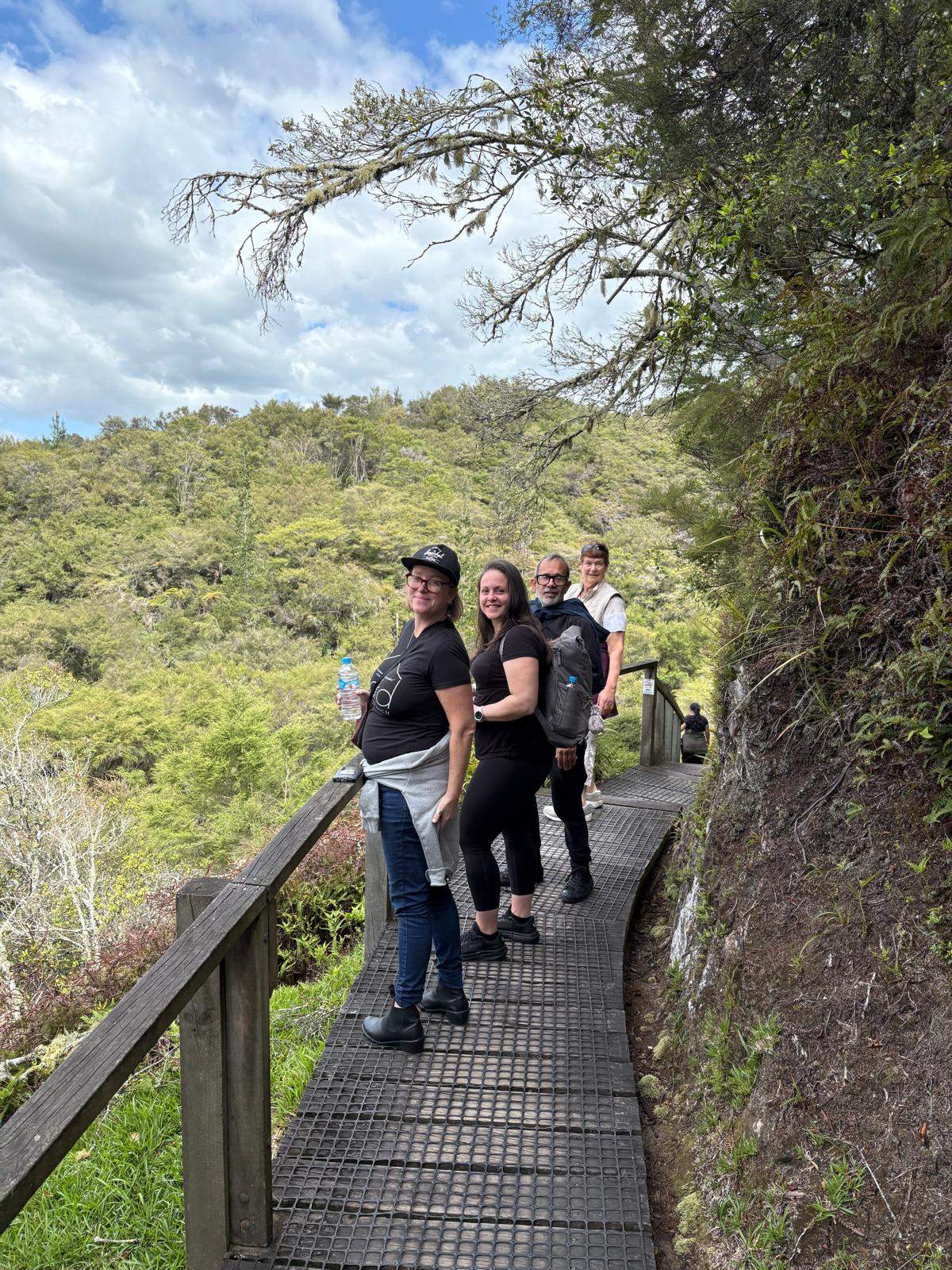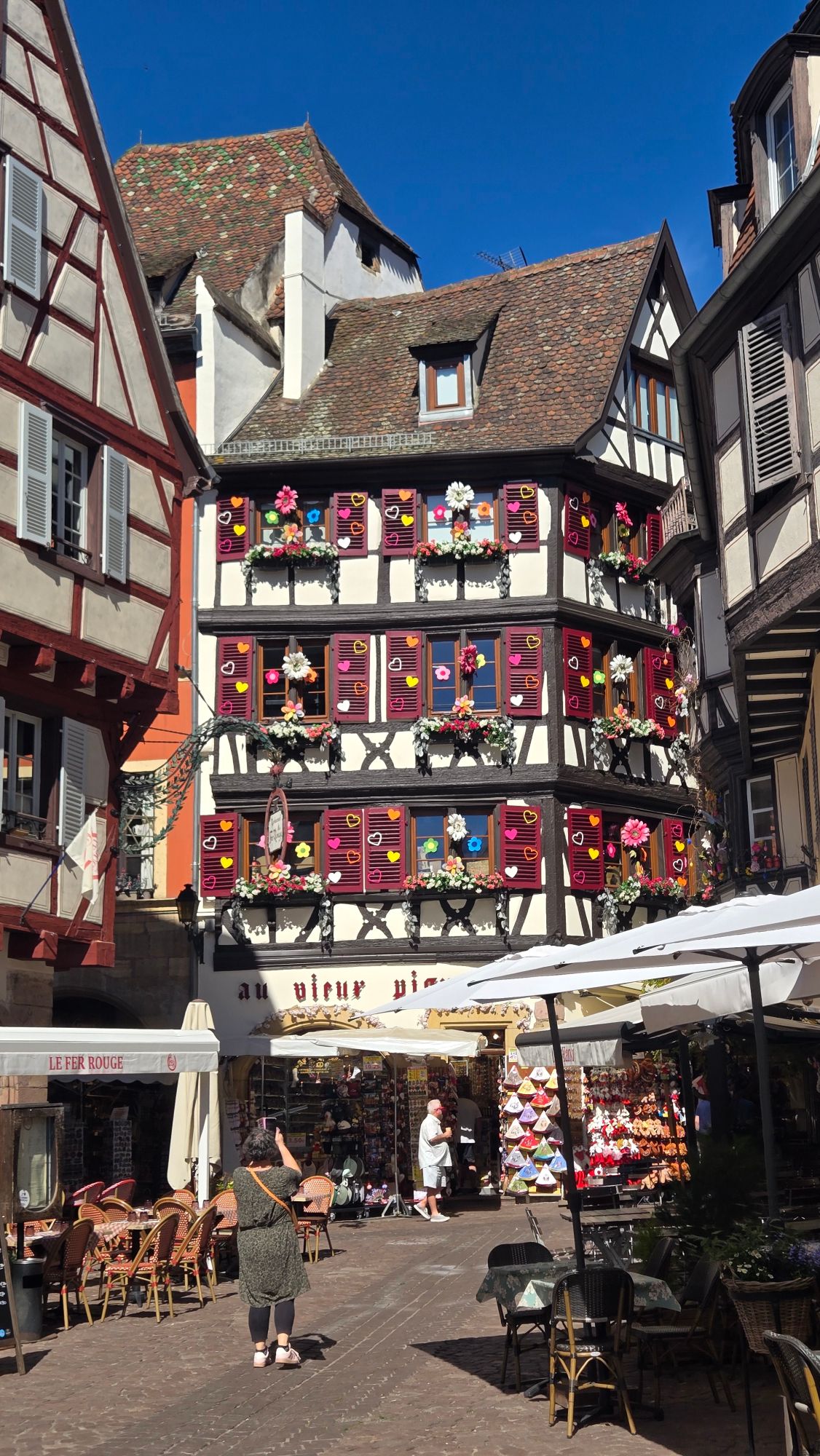
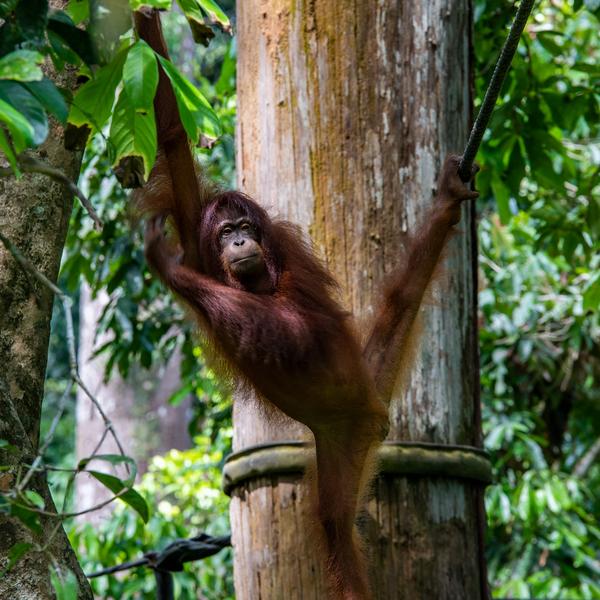
Travel advisor Ronnie Lee didn't just visit Malaysia and Borneo — he came back with the kind of layered, firsthand understanding that transforms the way a professional recommends a destination forever.
At a Glance
Malaysia combines distinct Chinese, Malay, Indian, and indigenous cultures within single neighbourhoods, creating a cultural tapestry unlike elsewhere in Southeast Asia. Borneo's rainforest wilderness and wildlife are equally defining. The destination suits adventurous travellers seeking cultural complexity and natural immersion, though English is widely spoken, easing navigation for first-time visitors.
Most travellers, when they think of Southeast Asia, reach first for the familiar: Thailand's beaches, Bali's rice terraces, Vietnam's street food. Malaysia, by comparison, tends to hover at the edges of the bucket list, present but rarely prioritized. Ronnie Lee, a seasoned travel advisor, decided to change that. He booked himself onto a G Adventures experience through Malaysia and Borneo, not because his clients were asking for it, but because he needed to find out for himself what the destination was really made of. What he discovered exceeded every expectation he had brought with him.
A Cultural Tapestry Unlike Anything Expected
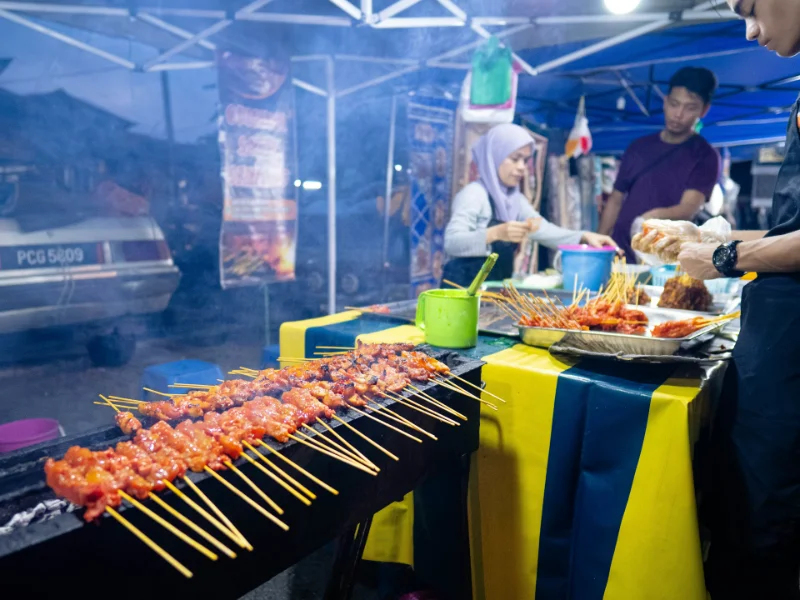
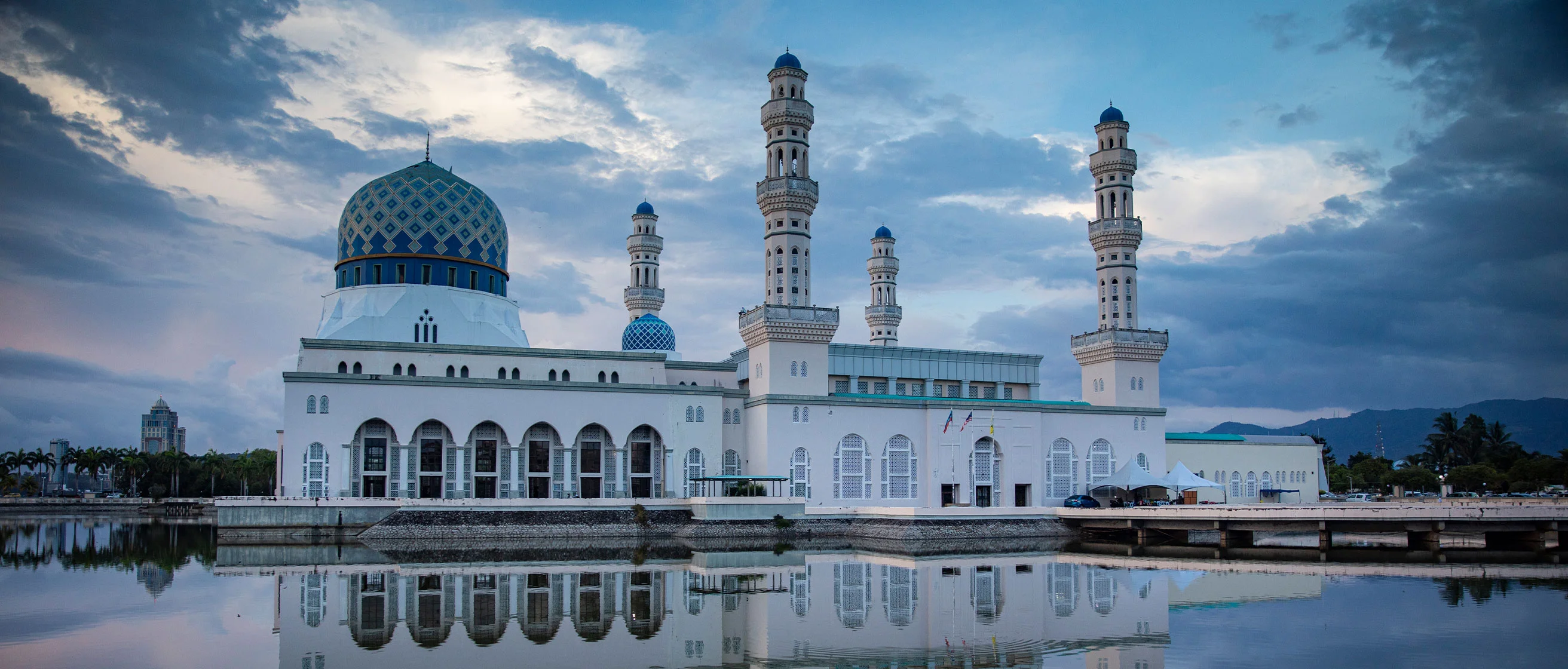
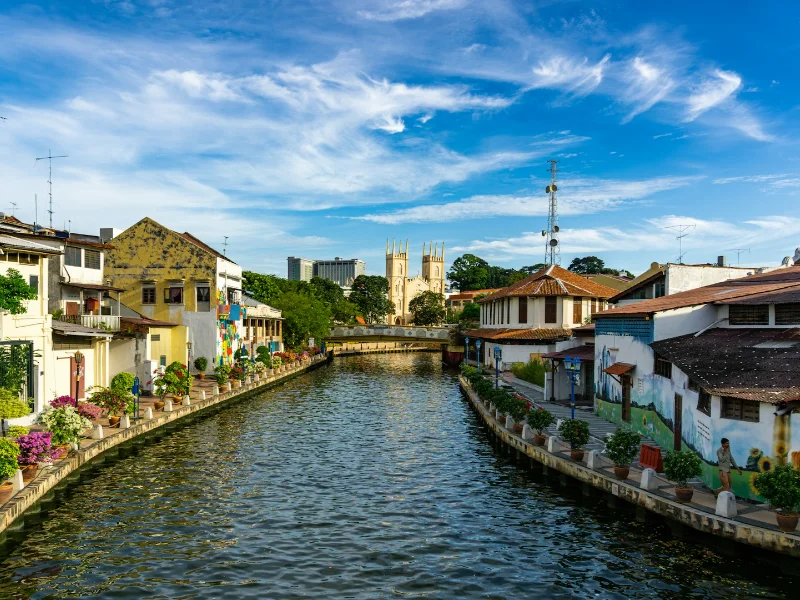
The question Lee gets most often about Malaysia is a simple one: what is it actually like? Before this trip, he had answers drawn from research, brochures, and other people's accounts. After it, he has something far more valuable. From the moment he arrived, it was the human texture of the place that caught him off guard. Lee describes the defining quality of the experience as "the mixed culture and heritage," a phrase that sounds simple until you have walked through a single Malaysian street and passed a Chinese temple, a colonial-era shophouse, an Indian spice market, and a Malay mosque within the space of a single block.
Malaysia is not one culture wearing a single face. It is several cultures living in close proximity, each maintaining its own traditions while sharing a common national identity. For Lee, this was the revelation that no guidebook had quite prepared him for. The layering of Chinese, Malay, Indian, and indigenous influences creates something genuinely unlike anywhere else in the region, and it shows up not just in architecture and food, but in conversation, in music, and in the easy social rhythm of daily life.
Wildlife, Wilderness, and the Borneo Revelation
If the cultural richness of peninsular Malaysia surprised Lee, Borneo delivered a different kind of wonder entirely. He had anticipated wildlife. He had not anticipated the scale of it, or the way it is inseparable from the landscape itself. Lee acknowledges that "the wildlife, and mixed culture" were among the things that most surprised him, things that challenged what he thought he already knew about this destination. In Borneo, the jungle is not a backdrop. It is the main event.
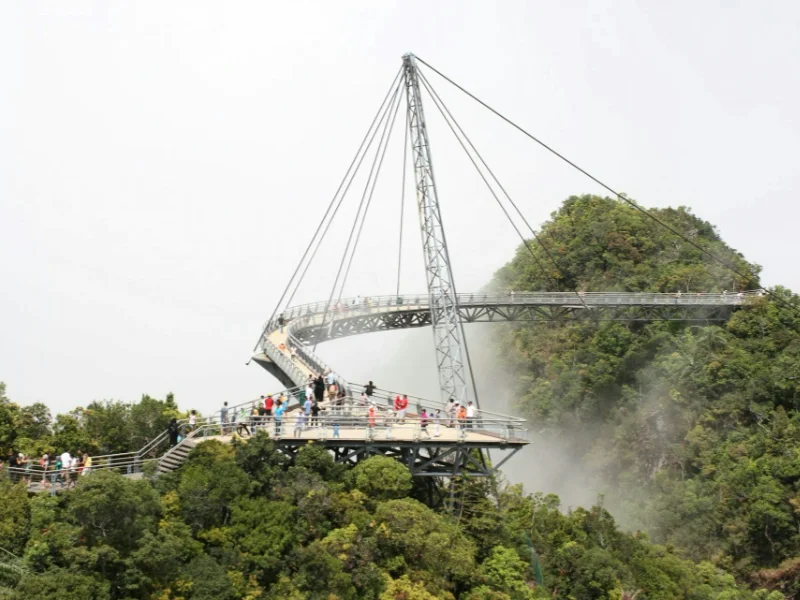
The lush countryside of Borneo and Malaysia, stretching from coastal mangroves to interior rainforest canopy, carries a weight of history that is easy to miss if you are moving too quickly. Lee's deepest takeaway from the entire journey was an appreciation of the "deep history of Malaysia and Borneo and its lush countryside," a sentiment that speaks to something more than scenery. It speaks to a destination that has been shaped over centuries by trade routes, colonial history, indigenous traditions, and natural forces that continue to define it today. Standing inside that landscape changes a person's understanding of it in a way that no amount of reading ever quite manages.
The Practical Intelligence Only a Firsthand Advisor Can Offer
Lee returned from this trip not just with impressions but with the kind of operational knowledge that makes a real difference to a traveler's experience on the ground. His advice is direct and specific. He recommends that travellers "fly into KK, then domestic flights to Kuching or KK," and is candid about the reason: "best to fly as public transportation in Borneo is poor." That honesty, the willingness to name a limitation rather than gloss over it, is exactly what separates a trusted advisor from a travel brochure.
For getting around Kuala Lumpur and Kota Kinabalu, Lee's tip is equally practical: use the Grab app for rides. It is the regional equivalent of a ride-share platform and, having used it himself, Lee can vouch for its reliability in a way that no secondhand recommendation can replicate. These are the details that smooth a journey, and they are the kind of details that only come from being there.
Lee also points out that Malaysia pairs naturally with nearby destinations. For clients considering a broader Southeast Asia itinerary, it can be combined easily with Singapore or even India, making it an anchor point for a more ambitious regional journey rather than a standalone trip.
Who This Trip Is For, And Who Should Wait
Part of what makes Lee a credible voice on this destination is his willingness to say clearly that it is not universally the right fit. "It is not for everyone," he says, "but someone who wants a little adventure with a mixed culture would benefit visiting." The traveller who will love Malaysia and Borneo is someone who is comfortable with the unpredictability of wildlife encounters, the density of tropical heat, and the rewarding complexity of a multi-ethnic destination. Those seeking purely relaxed beach holidays or polished resort experiences may find other corners of Southeast Asia better suited to them.
One reassurance that Lee is glad to offer hesitant travellers is that English is widely spoken throughout the country, far more so than many first-time visitors expect. That single fact removes a significant barrier for travellers who might otherwise hesitate, making Malaysia more accessible than its position on most travel radars would suggest.
What Comes Next
For Lee, the experience has shifted not just his understanding of Malaysia but his broader approach to how he recommends destinations. He now knows this one from the inside, and that changes every conversation he will have about it with a client. As for what comes after Malaysia, Lee is already looking toward the horizon. His next destination is China, and if his approach to Malaysia is any indication, he will arrive there ready to be surprised all over again.